American Guerrilla Marketing
Nationwide Service
Media planning, media buying, billboard advertising, & guerrilla marketing
Sidewalk Stencil Advertising in Greensboro, North Carolina
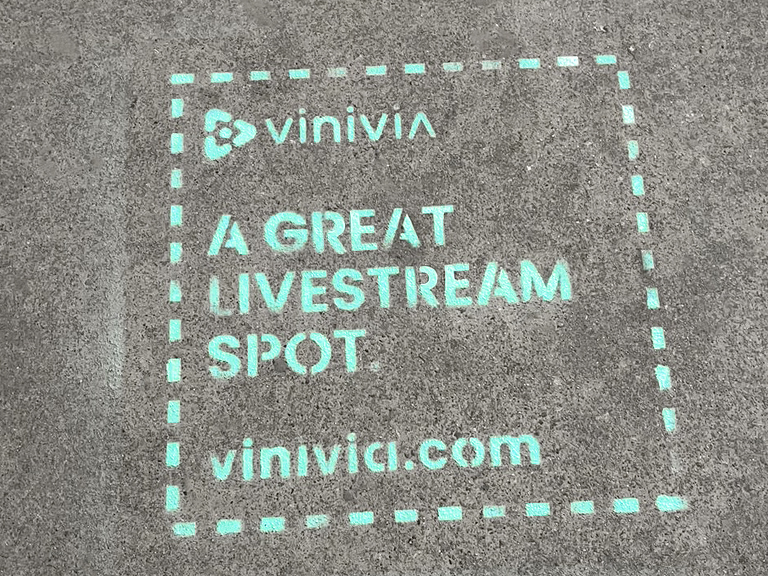
Make Greensboro’s walkable districts part of the conversation with location-aware sidewalk stencil campaigns.
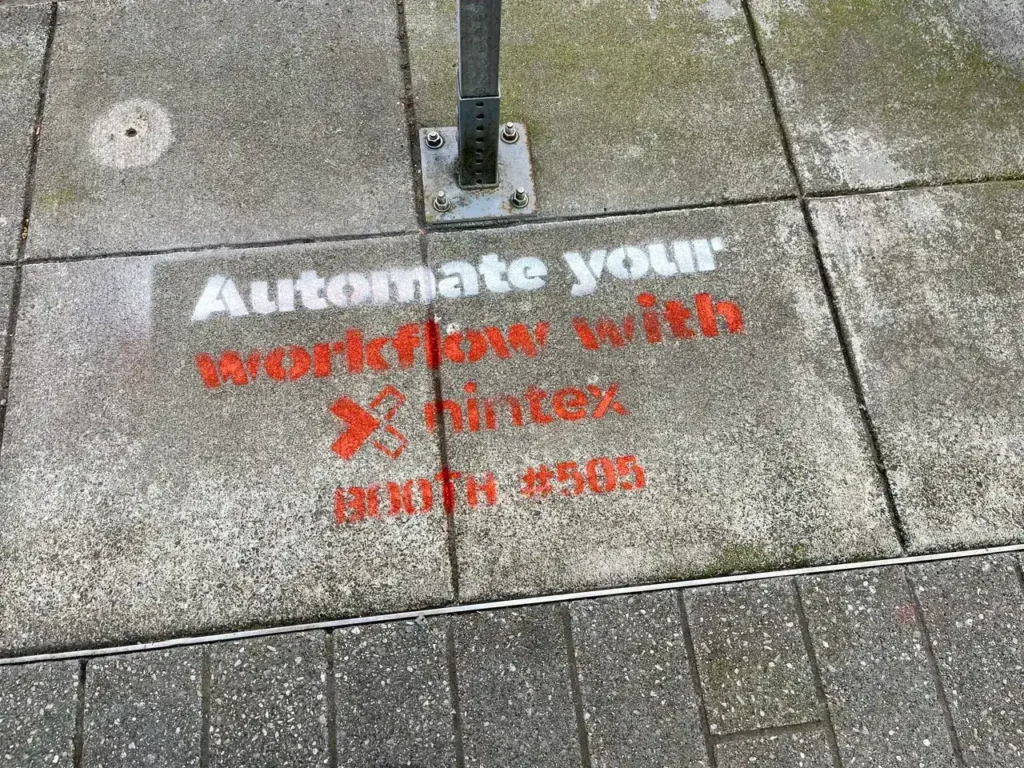
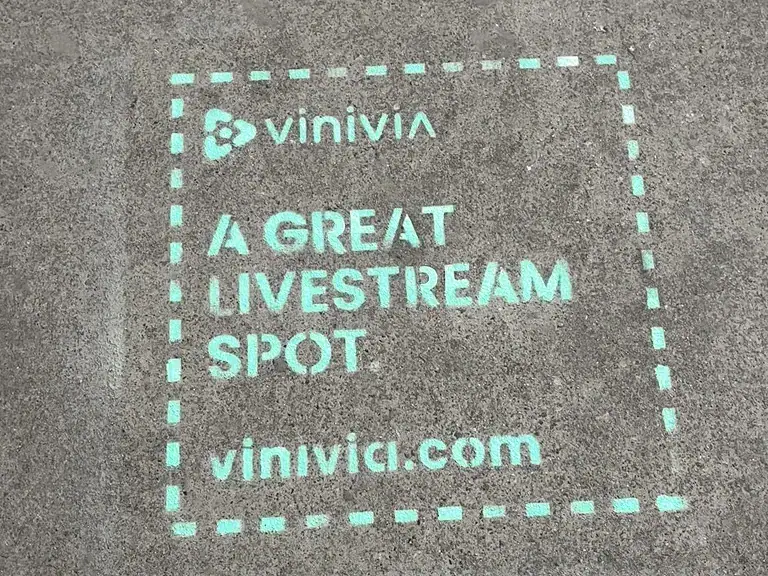
Greensboro rewards street-level ideas that understand the difference between a downtown stroll, a UNCG class change, and a retail afternoon on Battleground Avenue. Sidewalk Stencils™ turns those ordinary pedestrian moments into a clear branded encounter. Our team develops property-authorized, location-aware pavement campaigns that bring a visual message directly into the paths people already use.
For a launch, event, retail opening, or cultural partnership, a stencil can operate as a compact piece of public-facing media. The strongest work does not merely decorate a sidewalk. It gives a person a reason to look down, recognize a brand, and take one simple next step. That may be a scan, an offer, a nearby destination, or a social share.
Greensboro’s urban fabric creates several useful campaign conditions. South Elm Street has independent retail and evening energy. Spring Garden Street and Tate Street move with academic schedules. Revolution Mill brings together creative businesses and community events. Each environment needs its own placement density, artwork scale, and timing.
American Guerrilla Marketing plans every assignment from the intended audience outward. We study the proposed route, confirm access and approvals, match the stencil format to the surface, and build a deployment sequence that makes sense on the ground. The work is never a generic city list pasted onto a local map.
From the first creative direction through documentation after launch, we keep the campaign focused on practical visibility. Greensboro brands, visiting organizations, and national teams can use a sidewalk stencil program to create an offline signal that carries naturally into digital content.
Ready to Own Greensboro's Sidewalks?
Tell us the audience, district, and moment you want to own.
Browse Cities in North Carolina
Select a city to explore Sidewalk Stencil Advertising opportunities.
Greensboro Pedestrian Zones We Plan Around
South Elm Street & Downtown Core
South Elm is Greensboro’s most recognizable pedestrian corridor, connecting restaurants, galleries, independent shops, Elsewhere Museum, and activity around the Tanger Center. A well-planned stencil route can use the natural transitions between dining, browsing, and performances without competing with essential signage. We look for authorized surfaces near genuine pause points: a storefront approach, a block where people regroup, or a path between evening destinations. Campaign creative here benefits from high contrast and a quick read, particularly during restaurant week, arts programming, and downtown events.
UNCG, Spring Garden & Tate Street
The Spring Garden Street corridor serves a highly mobile student audience moving between UNC Greensboro, off-campus housing, coffee shops, and Tate Street businesses. It is a setting for fast, conversational creative with a clear digital handoff. Academic calendars matter: orientation, performance weekends, graduation, and regular class weeks change both volume and pace. We build plans around property authorization and campus-adjacent rules, then choose placements that meet pedestrians where they are already making small decisions about food, entertainment, or local services.
Friendly Center & Battleground Avenue
Friendly Center offers a retail-focused journey shaped by shopping, dining, and planned visits. Here, a stencil campaign can reinforce a store experience or create a branded moment between destinations on authorized property. The format works best when it mirrors the shopper’s pace: a simple visual, a concise offer, and a reason to continue toward a participating location. We consider entry points, restaurant clusters, weekend patterns, and property operations so a concept feels integrated rather than dropped into a busy commercial environment.
Revolution Mill
Revolution Mill’s adaptive-reuse setting pairs historic Greensboro character with offices, restaurants, residences, and event traffic. Its layered audience makes it suitable for a campaign that values repeat viewing and visual texture. A property-approved stencil sequence can support a tenant promotion, gathering, product launch, or neighborhood discovery route. We coordinate closely with the venue context, choose surfaces that protect the experience, and create a message that is as photogenic as it is readable in motion.
Stencil Types Available In Greensboro
Retail Trail Stencils
For Friendly Center or South Elm partners, retail trail stencils create a connected walk between a discovery point and a participating business. We use a clear icon, offer, or directional cue, then adjust spacing to the actual site. The work is designed for authorized property and for a shopper who may only give the message a few seconds.
Campus-Adjacent Prompts
UNCG-area work favors bold, concise creative that can move from a sidewalk encounter to a phone screen. A QR code, launch phrase, or event countdown can be paired with a city-specific visual system. Placement is planned with property approvals, class-change rhythm, and the need to keep paths clear.
Event-Week Activations
Festival, Grasshoppers, and Coliseum-adjacent concepts are built for a defined window. We create limited-run visual moments that support an event partner, hospitality promotion, or sponsor objective. Route timing, crowd flow, documentation, and authorized access are treated as one operational plan.
Reverse Graffiti Concepts
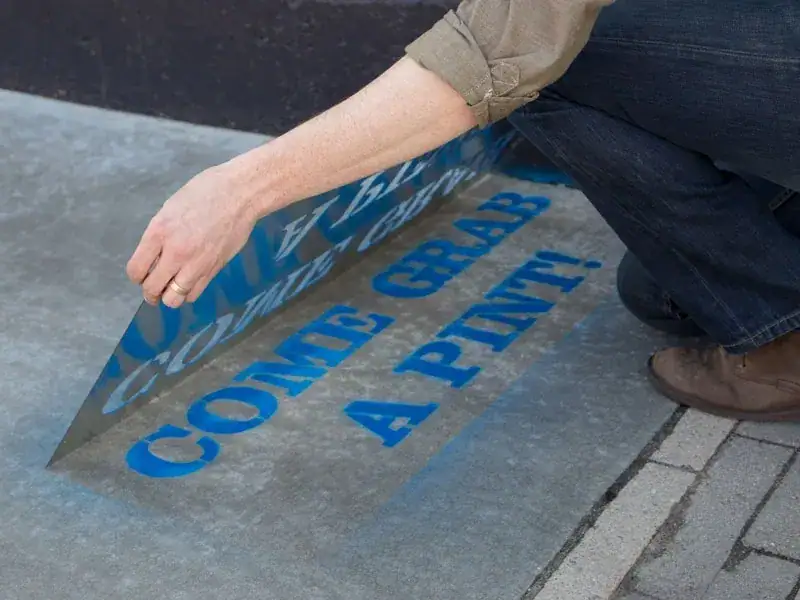
Where an approved surface and maintenance plan make sense, cleaning-contrast artwork can give a Greensboro campaign an unexpected material quality. This option is assessed site by site. It is especially compelling when industrial history, sustainability storytelling, or architectural texture is relevant to the brand message.
Get A Free Sidewalk Stencil Advertising Quote
Ready to make your brand stand out with sidewalk stencil advertising? Contact American Guerrilla Marketing to plan your campaign. Tell us your target locations, campaign goals, and timeline, and our team will help you create a customized sidewalk stencil advertising strategy that fits your needs and budget.
Award Winning Personalized Service
You will get thoughtful, devoted, and individualized attention from our experienced, qualified, and professional personnel. Being one of the most illustrious agencies in Brooklyn, New York, American Guerrilla Marketing has been awarded the Best of Brooklyn title.
Nationwide
Industry City, Brooklyn, New York 11232
American Guerrilla Marketing
Hours
Mon - Fri: 9 AM - 5 PM
Sat & Sun: Closed
Automate your campaign with AGM’s Request for Proposal Builder.
Automate your campaign with AGM’s Request for Proposal Builder. Simply answer a few quick questions about your campaign goals, markets, and timeline, and the system will generate a tailored presentation with recommended strategies, quantities, and pricing. Click the RFP Builder to instantly receive your customized proposal.
How We Shape a Greensboro Placement Strategy
Follow the actual walk. We observe how people enter a district, where they wait, and which side of the street carries the more useful traffic before proposing a stencil count.
Build around one action. South Elm diners and UNCG students should not have to decode a campaign. One visual thought and one response path outperforms a crowded message.
Match timing to local energy. Grasshoppers games, Folk Festival programming, and college milestones can create a sharper window than an always-on approach.
Protect the setting. Property approvals, surface suitability, pedestrian clearance, and cleanup requirements guide the plan from the start.
Capture the afterlife. We plan photo, video, and social moments so the work can continue to earn attention after pedestrians have moved through the route.
Greensboro Sidewalk Stencil Pricing
Pricing covers campaign scale and is scoped around the approved route, creative, and operational requirements.
For a location-specific recommendation, contact American Guerrilla Marketing.
Choose the Right Stencil Scale
- 11″ × 14″Precision placement at doorways, crosswalk corners, tight urban corridors
- 48″ × 12″Horizontal banner format for curb edges, storefronts, and directional runs
- 36″ × 18″Versatile mid-scale format for main sidewalk panels and plaza approaches
- 24″ × 24″Square format for logos, icons, and visuals built around symmetrical brand marks
Our Six-step Greensboro Process
- Brief: define audience, objective, district, and campaign window.
- Route review: assess foot traffic, surfaces, access, and operational constraints.
- Authorization: align property permissions and any required local coordination.
- Creative production: adapt artwork for legibility, scale, and the selected execution.
- Deployment: install on the approved schedule with field-quality checks.
- Documentation: capture the work and report against the agreed response metric.
Why a Greensboro Pavement Campaign Travels Further
Sidewalk media is strongest when the physical encounter is only the opening move. Greensboro has an unusually useful mix of neighborhood loyalty and citywide event culture: people arrive for a Grasshoppers game or an Eastern Music Festival program, then stay for dinner, explore a shop, and share what they find. A visual route can turn that sequence into a branded story. We plan the artwork so it can be understood by someone moving quickly while also rewarding the person who stops to photograph it.
That dual role matters for campaigns with a limited calendar. A stencil installed for a restaurant opening, a retail collaboration, or a festival weekend can appear in attendee content long after the physical activation ends. We help identify the hero moment: a bold graphic near an approved gathering point, a sequence that reveals a message over several blocks, or a small series built around a local phrase. The final design remains tied to the brand, but it belongs visually in Greensboro rather than looking imported from another market.
Field conditions shape the recommendation. Brick, concrete, cleaning schedules, slope, lighting, rain, accessibility, and the presence of nearby tenant signage all change what a good installation looks like. We evaluate these realities before production and choose a format that supports the intended campaign life. This is especially valuable in a city where a downtown cultural evening, a campus afternoon, and a retail weekend may create entirely different pedestrian behaviors within a few miles.
Our planning also makes room for local partnerships. A South Elm business cluster, Revolution Mill tenant event, or Friendly Center promotion can give the campaign a relevant destination beyond the visual itself. When a stencil directs attention toward a useful offer or experience, it becomes a bridge between brand awareness and real-world action. That is the standard we bring to Greensboro: grounded creative, appropriate approvals, and a route designed to be remembered.
Greensboro’s value is not simply pedestrian volume; it is the variety of reasons people choose to walk. A visitor may be hunting for a meal before a Tanger Center performance, a student may be moving between Spring Garden classes, and a shopper may be comparing stores at Friendly Center. Those moments demand different invitation styles. We use route maps, timing assumptions, and on-site observation to decide whether the brand should ask for an immediate visit, a social interaction, or a return later that day. This planning helps every installed mark carry a defined role in the campaign rather than acting as an isolated impression. Greensboro teams receive a focused field plan that clarifies every approved placement, message, and response opportunity before launch day.
Frequently Asked Questions
South Elm Street gives a campaign a walkable spine between restaurants, independent stores, the Tanger Center area, and the blocks near the International Civil Rights Center & Museum. A Greensboro plan begins with pedestrian behavior: arrival routes, storefront thresholds, and the moments where people naturally pause. We evaluate surfaces and permissions before proposing a route, then sequence readable marks so the message feels intentional rather than scattered. Event calendars, construction, rain, and venue activity all affect a useful deployment window.
The UNCG and Tate Street environment is ideal for concise, mobile-first creative because students walk between classrooms, housing, coffee stops, and nearby food options. A campus-adjacent activation should respect university policies and private-property boundaries; it should never assume access. We identify compliant placements and shape creative around an immediate action such as scanning, visiting, or sharing. Spring Garden’s different rhythms during orientation, performances, and ordinary weekdays allow campaign timing to be planned with much more precision.
The North Carolina Folk Festival concentrates foot traffic around downtown Greensboro and makes route logic more valuable than raw quantity. Festival visitors move from stages to food vendors, parking areas, hotels, and South Elm businesses, often in groups. We can design a short-run stencil system that supports a sponsor message, nearby retail promotion, or social prompt while avoiding cluttered decision points. Permits, organizer rules, public-space restrictions, and weather contingencies are addressed before any installation schedule is confirmed.
Friendly Center and the Battleground Avenue retail area offer a different audience from downtown: planned shoppers, diners, and people combining several errands in one visit. The strategy is less about nightlife density and more about repeat encounters along a retail journey. We assess whether a property-authorized program can connect entrances, dining areas, and promotional moments with a clean visual language. A location-specific call to action helps turn a passing impression into a measurable store visit, offer redemption, or social interaction.
Revolution Mill combines historic textile architecture, workplaces, dining, residences, and programmed gatherings, creating an audience that may encounter a message more than once. That repeat exposure can support detail-rich creative, a QR destination, or a themed series tied to a tenant or event. Since the complex is managed private property, authorization and venue coordination are central to any plan. We map likely walking paths, decide whether a small sequence or a single focal point serves the goal, and prepare the execution around the property’s operating schedule.
Truist Stadium game nights produce distinctive arrival and departure surges, especially along downtown dining and parking paths. A campaign for a nearby business, sponsor, or event can use that timing if its message is legible in a few seconds and does not interfere with safety, wayfinding, or venue operations. We plan around game schedules, crowd direction, and authorized surfaces rather than treating the stadium as an unrestricted canvas. The recommended creative emphasizes one memorable visual and one next step for fans on the move.
Reverse graffiti uses cleaning contrast on suitable surfaces and is evaluated differently from paint-based work. Whether it is appropriate depends on the property owner, surface condition, municipal requirements, and the desired duration. For a Greensboro campaign, we first inspect the proposed location and secure the necessary approvals. The method can create a surprising visual result in districts where environmental storytelling or industrial texture fits the brand. We recommend it only when the technique, permission status, and cleanup expectations align with the client’s campaign objectives.
Duration depends on the authorized surface, foot traffic, weather, cleaning schedules, and the selected execution method. A dense South Elm route behaves differently from a sheltered retail approach at Friendly Center or a campus-area path. Rather than promise a universal lifespan, we assess the site and plan a campaign window with realistic monitoring expectations. Temporary campaigns can be highly effective when timed to an opening, tournament, concert, or festival. We also discuss documentation so the activation has useful photo and social assets beyond its physical run.
Around Greensboro Coliseum Complex, audiences often arrive with an event destination already in mind, so the best creative is quick, bold, and directional without impersonating official wayfinding. ACC tournaments, concerts, and major shows create changing crowd patterns and strict operational conditions. A compliant program may support a nearby hospitality offer, sponsor experience, or pre-event promotion when coordinated on authorized property. We refine the message for distance, lighting, approach paths, and the brief attention available before people enter a venue.
Measurement starts with the campaign’s actual job: awareness, visits, QR scans, offer use, content creation, or event attendance. We can structure unique URLs, QR codes, redemption prompts, geotargeted social support, and photo documentation around Greensboro’s chosen district. A count of installed marks alone is not a performance metric. By pairing the physical route with a specific action and tracking method, a brand can learn which creative or neighborhood produced attention. Post-campaign reporting can then inform a follow-up in another Greensboro corridor or market.