American Guerrilla Marketing
Nationwide serivce
Media planning, media buying, billboard advertising, & guerrilla marketing
Phoenix is the fifth-largest city in the United States and the heart of the Phoenix metro area’s 5 million residents, making it one of the most significant scale markets in the Sun Belt for brand activation. The city’s walkable zones are concentrated rather than distributed, with Downtown Phoenix, the Roosevelt Row Arts District, and the Midtown arts corridor anchoring pedestrian activity in a metro that is otherwise car-dependent. The area around the Chase Field and Footprint Center sports complex draws substantial event-driven foot traffic, while the light rail corridor connecting Downtown to Tempe provides a transit-adjacent pedestrian audience that connects to Arizona State University and the Tempe Mill Avenue District. For brands targeting the Southwest, Phoenix offers the combination of scale, demographics, and a growing outdoor culture that makes sidewalk stencil campaigns genuinely productive.
American Guerrilla Marketing deploys in Phoenix with knowledge of the city’s specific walkability patterns and the event calendar that drives the most concentrated pedestrian activity. Phoenix’s outdoor culture is heavily influenced by the climate, with the most active outdoor pedestrian periods falling in the fall, winter, and spring months when temperatures are comfortable for extended outdoor movement. Our crews time deployments to align with the pedestrian patterns that make Phoenix campaigns efficient rather than deploying against the city’s car-centric layout without accounting for where people actually walk.
Phoenix’s climate is the central operational consideration for all campaign formats. Summer heat, with temperatures regularly exceeding 115F from June through September, makes outdoor pedestrian activity minimal during daytime hours and challenges both chalk and vinyl performance on heat-absorbing asphalt and concrete surfaces. Fall, winter, and spring are the strongest campaign windows, and vinyl is typically the preferred format given the intense UV exposure and surface heat that can affect adhesion and chalk durability even in cooler months.
Select a city to explore Sidewalk Stencil Advertising opportunities.
Downtown Phoenix has undergone a significant transformation over the past decade, with Roosevelt Row establishing itself as one of the most authentic arts districts in the Southwest. The monthly First Friday art walk draws 10,000-20,000 attendees from across the metro area, concentrating a creative, culturally engaged audience in the Roosevelt/Grand Avenue corridor for a single evening that rivals many cities’ annual arts events for single-night attendance. For brands targeting the Phoenix creative community, First Friday is the single most productive campaign window in the city’s calendar.
The light rail line connecting Downtown Phoenix to Downtown Tempe along the Central Avenue/Washington Street corridor creates a rare piece of transit-connected pedestrian infrastructure in an otherwise car-dependent metro. The station approaches at Roosevelt/Central, 3rd Street/Central, and the Stadium station near Chase Field all generate consistent pedestrian foot traffic that follows predictable patterns tied to commute times and event schedules. Campaigns aligned with the light rail corridor reach a Phoenix audience that is moving on foot in a city where most residents don’t.
The Chase Field and Footprint Center complex in Downtown Phoenix hosts Diamondbacks and Suns games plus major concerts and events throughout the year, creating event-driven pedestrian concentrations that rival any entertainment district in the region. The walkable approach zones between the venues, the nearby hotel cluster, and the surrounding entertainment blocks on Washington Street and Jefferson Street generate high-impact campaign windows that align with the sporting and entertainment calendars.
Phoenix’s extreme UV exposure and surface temperatures limit chalk performance across most of the year. Concrete and asphalt surfaces in Phoenix can exceed 160F on summer afternoons, and even in milder months, intense UV exposure bleaches and degrades chalk formulations faster than in most other markets. For most Phoenix campaigns, vinyl is the operationally sound choice for durability and brand representation quality across the campaign window.
Chalk is effective in Phoenix during the winter months (November through February) when surface temperatures are manageable and UV exposure is reduced, particularly for event-specific activations like First Friday in the Roosevelt Row district. The cooler, drier winter climate allows chalk to hold well for 7-10 days in these conditions. Spring campaigns (March-April) represent a transitional window where chalk works for short-window activations but vinyl is more reliable for anything beyond a week.
AGM uses high-performance vinyl formulations rated for the extreme surface temperatures found on Phoenix sidewalks and pavers. Standard vinyl adhesives can fail in high-heat conditions, particularly on dark asphalt surfaces that absorb solar heat aggressively. Our Phoenix-specific vinyl materials address this with high-temperature adhesive systems tested for the specific surface conditions of Downtown Phoenix and the Roosevelt Row corridor.
Award Winning Personalized Service
You will get thoughtful, devoted, and individualized attention from our experienced, qualified, and professional personnel. Being one of the most illustrious agencies in Brooklyn, New York, American Guerrilla Marketing has been awarded the Best of Brooklyn title.
Nationwide
Industry City, Brooklyn, New York 11232
American Guerrilla Marketing
Hours
Mon - Fri: 9 AM - 5 PM

Sat & Sun:Â Closed
Automate your campaign with AGM’s Request for Proposal Builder. Simply answer a few quick questions about your campaign goals, markets, and timeline, and the system will generate a tailored presentation with recommended strategies, quantities, and pricing. Click the RFP Builder to instantly receive your customized proposal.
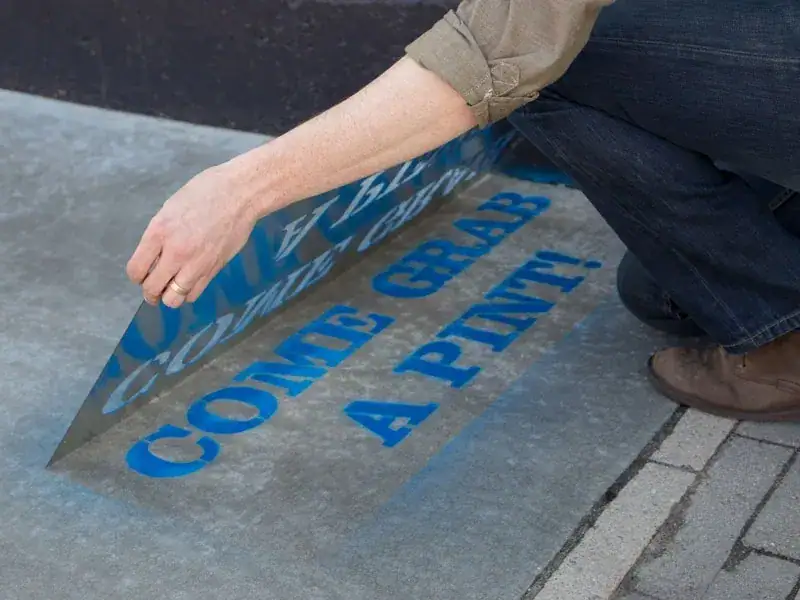
Professional chalk stencil campaigns across Phoenix's most active pedestrian zones. Biodegradable, event-flexible, and effective for short-window brand activations.
Durable vinyl decals built for Phoenix's highest-traffic corridors. Precision-printed, weather-resistant, and rated for weeks of foot traffic exposure.
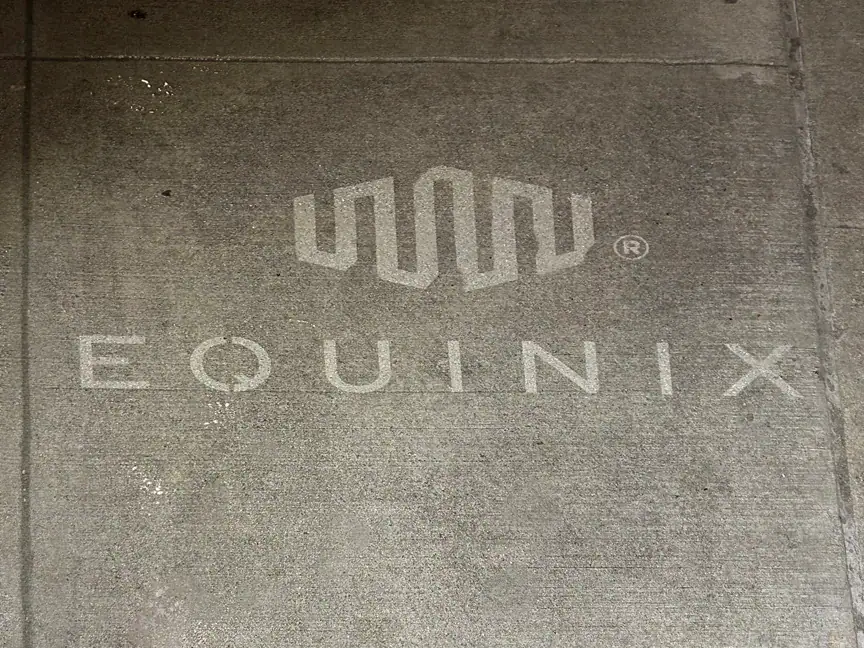
Zero-material stenciling using precision cleaning on Phoenix's urban surfaces. Dramatic visual results with no adhesive, no chalk, and no removal required.
Targeted stencil placement on the pedestrian approaches to Phoenix's major venues, convention centers, and arena corridors for event-driven brand activation.
Campaign deployment timed to Phoenix's major festivals and outdoor events. Reach concentrated, engaged audiences at peak foot traffic moments throughout the year.
Sidewalk decals in Phoenix's active retail corridors, directing foot traffic and building brand awareness among the city's most active shoppers and diners.
University and campus-adjacent stencil campaigns reaching Phoenix's student population and the surrounding academic community at street level.
Fast-turnaround stencil deployments for time-sensitive launches, reactive brand moments, and last-minute Phoenix campaign activations. Rush execution available.
Phoenix’s walkable zones are concentrated in the downtown and arts district core, with the light rail corridor providing linear connectivity through the center of the metro area.
Roosevelt Row on Roosevelt Street between Central Avenue and 7th Street is the city’s arts and culture hub, with galleries, independent restaurants, the FilmBar cinema, and the monumental street murals that define the neighborhood’s visual identity. First Friday activates this corridor on the first Friday of every month.
Downtown Phoenix’s core around Washington Street, Jefferson Street, and Central Avenue anchors the professional, convention, and sports audience. The Phoenix Convention Center on 3rd Street serves a year-round conference and event calendar. The Chase Field and Footprint Center complex on Jefferson Street serves the sports and entertainment audience.
The Grand Avenue arts corridor southwest of downtown pulls Phoenix’s most committed arts community alongside the growing restaurant and bar scene. The light rail corridor along Central Avenue connects these zones and generates consistent pedestrian activity between the Roosevelt/Central, 3rd Street, and Stadium stations. The Scottsdale Road and Old Town Scottsdale corridors, just east of Phoenix in Scottsdale, offer additional high-quality pedestrian zones for campaigns targeting the affluent East Valley demographic. The Arizona State University Tempe Campus area on Mill Avenue serves the student and university community with strong weekday foot traffic.
| Zone | Est. Daily Foot Traffic | Impressions Per Stencil 2 wks | Engagement Rate | Avg Campaign Duration | Ideal Campaign Type |
|---|---|---|---|---|---|
| Roosevelt Row (First Friday) | 10,000-20,000 (event) | 140,000-280,000 | 16-26% | 3-7 days | Arts, Culture, Creative Brand |
| Downtown Phoenix Core | 8,000-18,000 | 112,000-252,000 | 10-16% | 10-16 days | B2B, Convention, Consumer |
| Chase Field / Footprint Center Area | 10,000-30,000 | 140,000-420,000 | 10-16% | Event windows | Sports, Entertainment, Consumer |
| Grand Avenue Arts Corridor | 3,000-7,000 | 42,000-98,000 | 18-28% | 12-18 days | Arts, Local Brand, Creative |
| Light Rail Corridor (Central Ave) | 6,000-12,000 | 84,000-168,000 | 12-18% | 12-18 days | Consumer, Commuter, B2B |
| Old Town Scottsdale / Mill Ave Tempe | 8,000-15,000 | 112,000-210,000 | 14-22% | 10-16 days | Lifestyle, F&B, University |
A Phoenix-based tech startup used chalk stencils throughout the Roosevelt Row corridor on the night of a January First Friday event. Stencils were applied at gallery entrances, pedestrian intersections along Roosevelt Street, and the approach from the Roosevelt/Central light rail station. The campaign reached an estimated 14,000 event attendees over the evening and generated significant social media engagement from attendees who photographed the stencils as part of the First Friday visual environment.
During the Phoenix Suns’ conference finals run, a sports retail brand deployed vinyl decals on the Jefferson Street and 1st Street pedestrian approaches to Footprint Center for three consecutive home games. The campaign captured the high-energy playoff crowd arriving on foot from the surrounding downtown hotel blocks and parking structures. The brand reported a measurable lift in Phoenix market retail traffic that correlated with the playoff window.
A national staffing company attending a major HR conference at the Phoenix Convention Center deployed chalk stencils on the primary pedestrian approach routes from downtown hotels along 3rd Street and Washington Street. The campaign ran for the four days of the conference and incorporated booth-specific directional messaging alongside the company’s brand identity. Post-conference surveys showed high recall rates for the stencil campaign among attendees who had walked from nearby hotels.
A local craft food brand activated chalk stencils on the Grand Avenue corridor ahead of the Roosevelt Row/Grand Avenue Art Weekend in October. Stencils at key Grand Avenue intersections from 7th Avenue to 15th Avenue directed foot traffic toward the brand’s market booth and created pre-event awareness in the neighborhood. The campaign was reinforced by social media photography from Grand Avenue regulars who shared the stencil work as part of the weekend’s art scene documentation.
A financial services app targeting the college demographic deployed vinyl decals along the Mill Avenue pedestrian corridor in Tempe from 5th Street to Rio Salado Parkway in the week ahead of Arizona State’s fall semester start. The campaign reached the high-density student foot traffic on Mill Avenue at the peak of the academic year activation window. App downloads in the Tempe demographic showed a measurable spike in the two weeks following the campaign deployment.
Phoenix’s campaign calendar is dominated by the fall-to-spring window, when temperatures allow for outdoor pedestrian activity and the city’s outdoor entertainment and sports seasons are in full swing.
October through April is the core Phoenix campaign season. October brings the Arizona State Fair, Phoenix Film Festival activities, and the start of the NFL Cardinals season (though State Farm Stadium is in Glendale, the downtown zone still activates around watch parties). November’s Arizona Food and Wine Festival and the Barrett-Jackson automotive auction in Scottsdale pull large specialized audiences. The Phoenix Marathon in February and the Phoenix Open golf tournament in late January/February bring significant visitor concentrations to the metro.
First Friday in the Roosevelt Row Arts District is a monthly activation opportunity year-round, but the winter months from November through March are the best-attended and the most suitable for outdoor campaign execution. Spring Training season (February-March) brings tens of thousands of baseball fans from across the country to the Phoenix metro area for Cactus League games, making the surrounding neighborhoods and downtown entertainment zones prime campaign territory.
Summer (June-September) is operationally challenging due to extreme heat. Outdoor pedestrian activity drops significantly during this period. Campaigns tied to air-conditioned indoor events at the Phoenix Convention Center, sports events at Footprint Center, or indoor entertainment at venues like the Talking Stick Resort Arena can work in summer but require realistic expectations about outdoor foot traffic volumes between venues.
Roosevelt Row is the highest-engagement zone in Phoenix for brands targeting the creative, arts, and young professional audience. The First Friday events create monthly activation windows that concentrate the most culturally engaged audience in the Phoenix metro into a walkable six-block corridor. Year-round, the neighborhood’s independent restaurants, galleries, and coffee shops generate consistent daily foot traffic during the October-April season.
Downtown Phoenix’s core near Washington and Jefferson is the right zone for B2B, convention, and sports-tied campaigns. The Phoenix Convention Center hosts approximately 300 events per year, and the Chase Field and Footprint Center complex activates over 100 event days annually, providing consistent campaign windows throughout the fall, winter, and spring season.
The light rail corridor is the unique infrastructure asset in Phoenix that connects downtown to the university area and creates a linear pedestrian zone in an otherwise car-dependent city. Campaigns placed at light rail station approaches capture a commuter and event-goer audience that is specifically the walkable Phoenix population. Old Town Scottsdale and Mill Avenue Tempe round out the Phoenix metro’s walkable zones with strong retail and university demographics respectively.
Chalk Stencils: Chalk is viable in Phoenix during the winter campaign season (November through February) and for event-specific short-window activations aligned with First Friday, spring events, and indoor venue approaches where surface temperatures are managed. AGM uses professional-grade chalk formulations with UV stabilizers that hold better under Arizona’s intense sun than standard chalk, extending campaign lifespans even in the challenging Phoenix light environment. For summer campaigns, chalk is not recommended outside of covered or shaded surfaces.
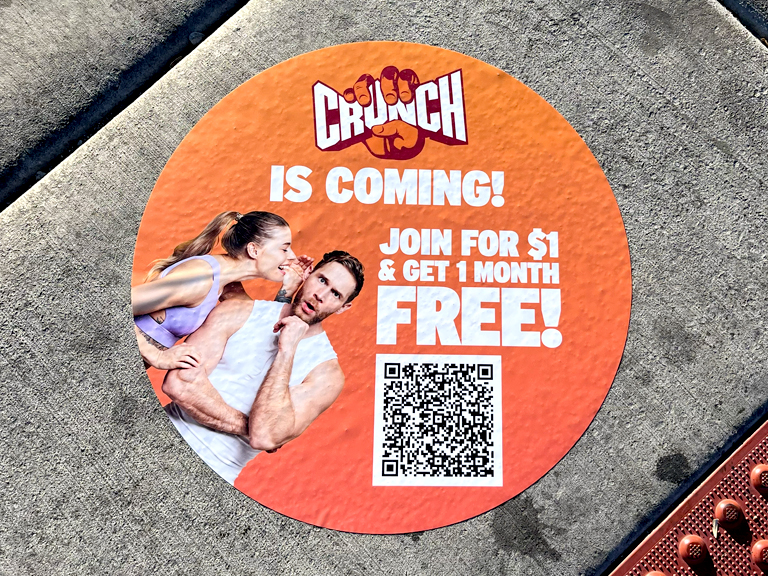
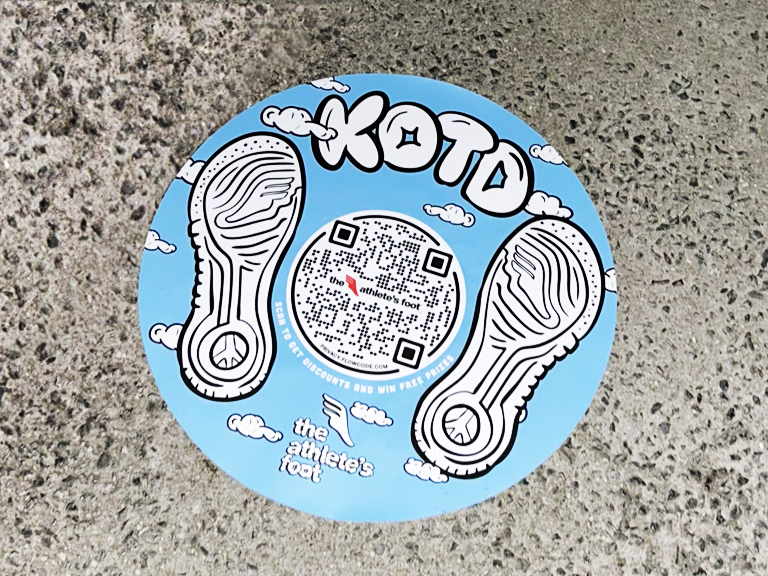
Vinyl Sidewalk Decals: Vinyl is the standard Phoenix campaign format for anything requiring multi-week performance. AGM uses high-temperature formulations specifically tested for Phoenix’s desert conditions, where standard vinyl adhesives can fail on sun-exposed concrete and asphalt surfaces exceeding 150F. Our Phoenix-rated vinyl maintains adhesion through the summer thermal cycle and provides UV-resistant color stability that standard formulations cannot guarantee under Arizona sunlight intensity. For the Footprint Center approaches, Convention Center corridors, and light rail station areas, vinyl is the only format that provides reliable performance across a multi-week campaign window.
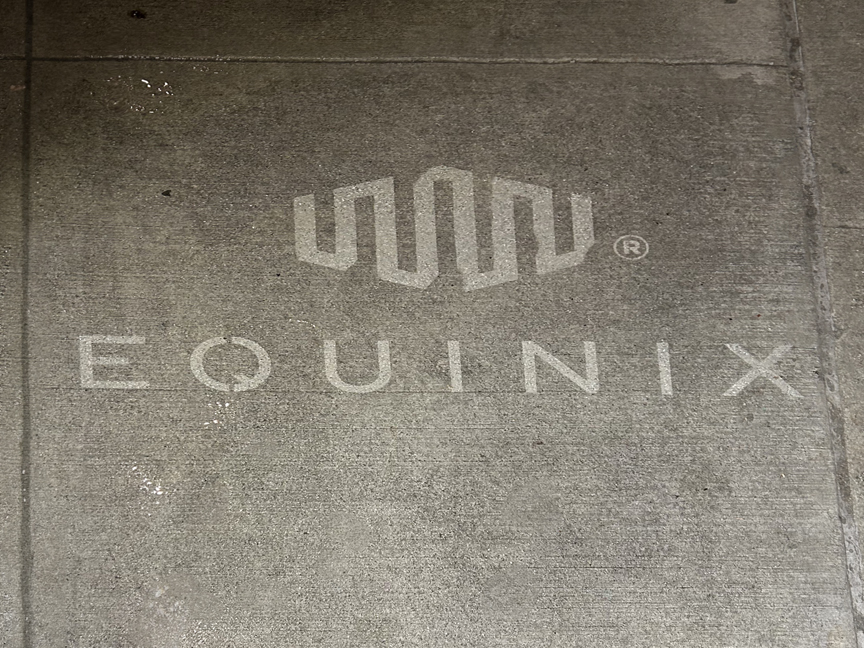
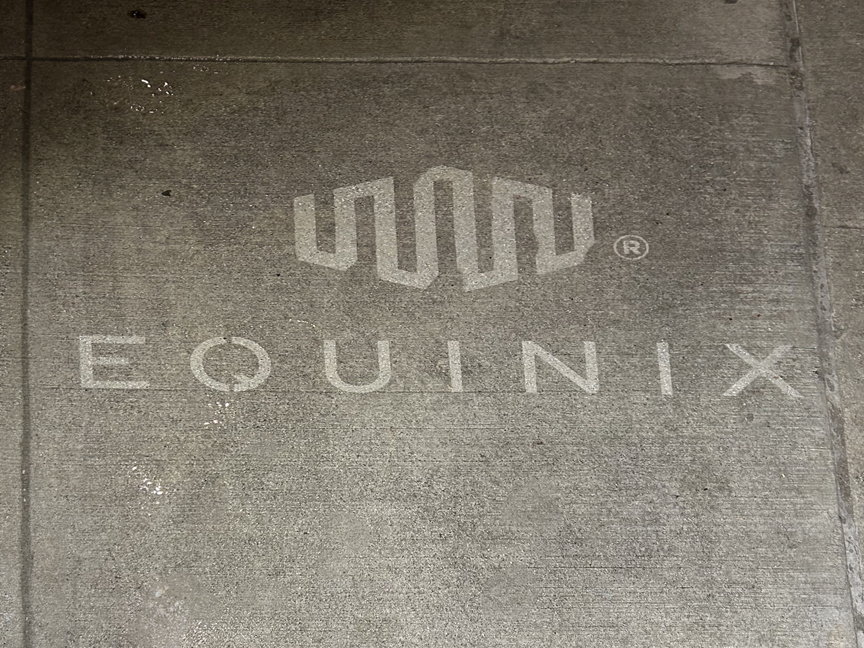
Reverse Graffiti (Clean Graffiti): Phoenix’s combination of desert dust, traffic soot, and accumulated organic material on older urban sidewalks in Downtown Phoenix and along Grand Avenue creates excellent conditions for reverse graffiti work. The technique is particularly striking in the Grand Avenue Arts Corridor, where the contrast between the cleaned graphic and the surrounding desert-dusty concrete is dramatic and visually aligned with the neighborhood’s gritty creative identity. Zero materials, zero waste, and a visual result that photographs extremely well for social media documentation.
Phoenix’s specific operational environment, extreme heat, UV exposure, and the concentrated nature of the city’s walkable zones, requires an operator who understands the city rather than applying a generic national deployment playbook. AGM’s Phoenix-specific material knowledge, particularly around vinyl formulations appropriate for desert conditions, directly affects campaign performance outcomes. Operators who bring standard materials to Phoenix will see failure rates and durability issues that AGM’s Phoenix-specific protocols avoid.
The city’s permit landscape spans the City of Phoenix Street Transportation Department, the Scottsdale Tourism and Events Office, and the Tempe Transportation division for campaigns that cross jurisdictions. AGM manages all three permit tracks and can advise on which jurisdiction applies to specific placement locations within the Phoenix metro.
Roosevelt Row’s arts community is one of the most tight-knit and opinion-shaping creative communities in the Southwest. Campaigns that land well in Roosevelt Row generate organic amplification from the city’s creative influencer base. Campaigns that miss on design quality or neighborhood fit generate the opposite. AGM’s creative team understands the Roosevelt Row aesthetic and the standards of engagement that its community expects, ensuring that Phoenix campaigns build brand equity rather than just buying impressions.
Summer campaigns in Phoenix (June-September) are operationally challenging due to extreme heat. Outdoor pedestrian activity drops significantly as temperatures regularly exceed 110F. Campaigns tied to specific indoor events at Footprint Center, the Phoenix Convention Center, or major hotels are viable in summer, but ambient pedestrian campaigns on outdoor sidewalks will see significantly reduced exposure versus fall-to-spring windows. Vinyl is the only practical format for any summer Phoenix application. AGM advises clients to concentrate Phoenix outdoor campaigns in the October-April window for optimal performance.
Phoenix’s extreme surface temperatures, sidewalk concrete and dark asphalt can exceed 160F in summer, require specific high-temperature vinyl adhesive formulations that standard vinyl products cannot handle. AGM uses Phoenix-rated materials that maintain adhesion through the thermal cycling between Phoenix’s hot days and cooler desert nights. We also use UV-stabilized overlaminates to prevent the color fading that standard vinyl experiences under Arizona’s high UV index. Clients choosing general operators who don’t account for Phoenix’s specific material requirements often see campaign failure within days rather than weeks.
Yes. First Friday is one of AGM’s most consistent Phoenix activation windows, occurring on the first Friday of every month. We can set up monthly retainer-style campaign schedules that cover First Friday consistently, providing recurring brand presence in the Roosevelt Row arts community. Monthly campaigns allow for design variation that keeps the brand fresh with the regular First Friday audience while maintaining overall brand presence in the district.
Yes. Old Town Scottsdale, the Scottsdale Fashion Square area, and the Mill Avenue District in Tempe are all within AGM’s Phoenix metro coverage area. Old Town Scottsdale’s walkable arts and dining district and Mill Avenue’s university corridor each offer distinct audience profiles that complement Downtown Phoenix and Roosevelt Row campaigns. Multi-zone Phoenix metro campaigns can cover all three jurisdictions through AGM’s unified deployment management.
Spring Training from late February through March brings tens of thousands of baseball fans to the Phoenix metro for Cactus League games at facilities across the valley, from Salt River Fields (Diamondbacks/Rockies) to Camelback Ranch (Dodgers/White Sox). AGM builds Spring Training campaigns around the specific stadium approaches and the downtown Phoenix hotel and entertainment zones that activate during the season. Spring Training window campaigns work best as vinyl applications given the intense Arizona spring sun and the multi-week duration of the Cactus League schedule.
Downtown Phoenix stencil campaigns on public right-of-way fall under the City of Phoenix Street Transportation Department’s encroachment permit program. The Roosevelt Row Arts District has its own community organization that AGM coordinates with for placements within the district. Private property placements, such as on the approach walkways of Footprint Center or Chase Field, require separate coordination with ASM Global, which manages both facilities. AGM handles all three tracks and advises on the appropriate permit pathway for specific placement locations within the campaign plan.