American Guerrilla Marketing
Nationwide Service
Media planning, media buying, billboard advertising, & guerrilla marketing
Sidewalk Stencil Advertising in Richmond, Virginia

From Carytown’s boutique mile to Scott’s Addition’s brewery corridor, The Fan’s tree-lined sidewalks to Shockoe Bottom’s cobblestone streets, Sidewalk Stencils™ by AGM put your brand exactly where Richmond walks — underfoot, unmissable, and impossible to scroll past.
Richmond is one of the most genuinely walkable, culturally engaged cities in the South — and that walkability is not concentrated in a single corridor. It is distributed across a collection of distinct, high-character neighborhoods, each with its own pedestrian culture, its own foot traffic composition, and its own relationship to the brands and experiences that define it. Carytown is a boutique shopping mile that draws the city’s most style-conscious consumers. Scott’s Addition is the brewery and entertainment district that anchors Richmond’s creative class. The Fan and Museum Districts provide the residential density and tree-canopied sidewalk culture that makes Richmond one of the most genuinely pleasant walking cities in Virginia. Shockoe Bottom puts history, nightlife, and the Canal Walk waterfront in a single compact activation zone.
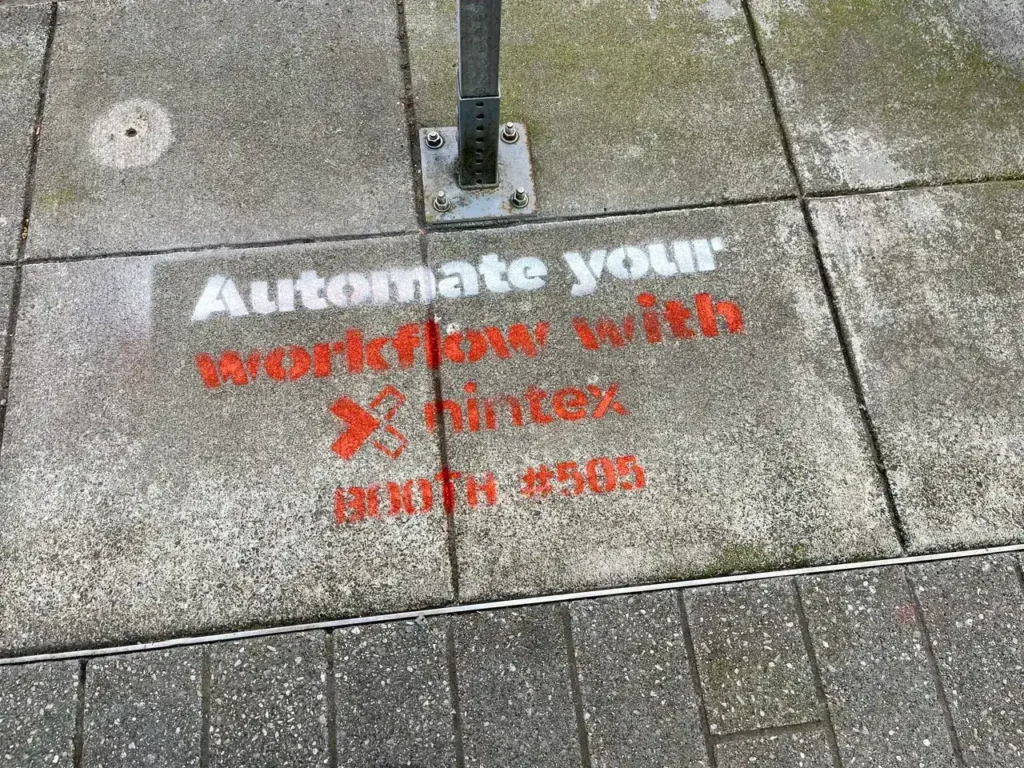
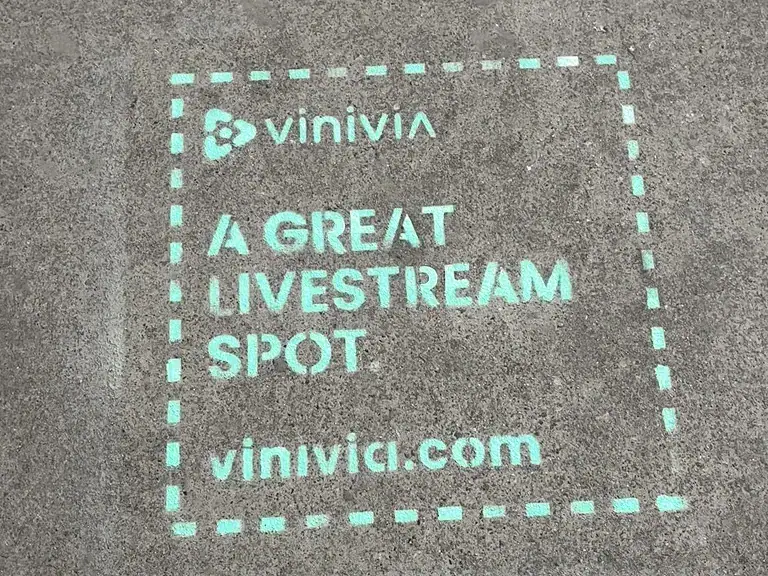
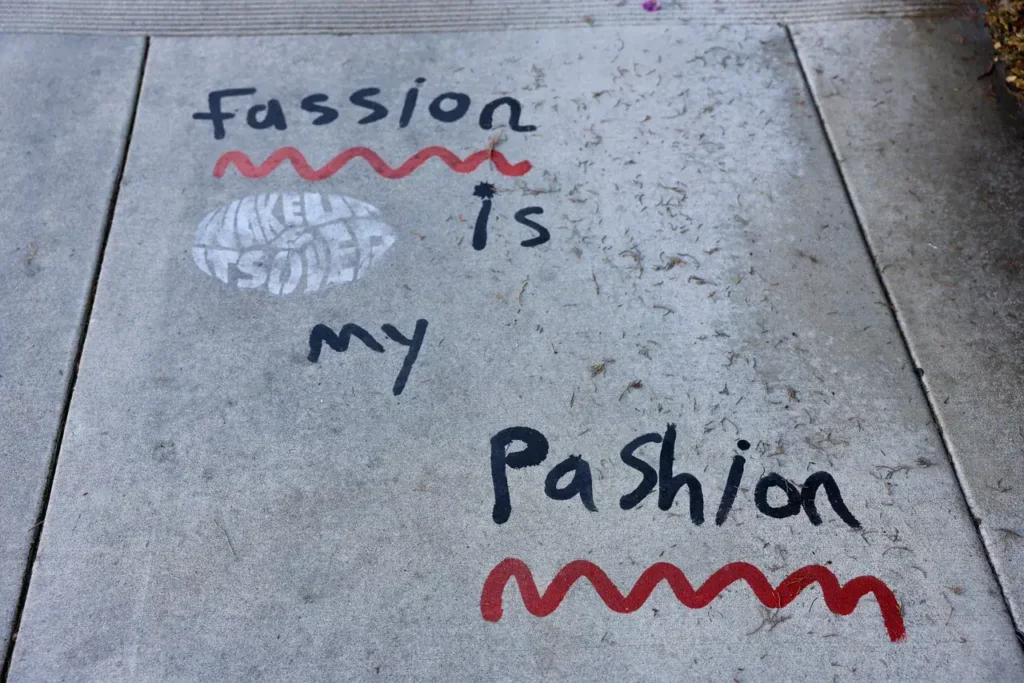
Sidewalk Stencils™ are built for this kind of city. A brand impression applied directly to the pavement of Carytown Boulevard occupies the same visual field as the storefronts and curated window displays that Carytown’s pedestrians are already actively reading. A stencil on the wide sidewalk outside a Scott’s Addition brewery is encountered by the same arts-and-craft-oriented consumers who chose that neighborhood specifically for its independent, quality-first character. A stencil on the Canal Walk encounters Richmond locals and tourists moving through one of the city’s most beloved outdoor spaces in a relaxed, experience-oriented mindset. The stencil does not interrupt these experiences — it participates in them.
American Guerrilla Marketing has deployed Sidewalk Stencil™ campaigns for national brands including Nike, Wrangler, and EA Sports. The methodology is identical in every market: precise location scouting, surface condition assessment, permitting coordination, professional installation, and GPS-tagged photo documentation for every placement. Richmond’s rich neighborhood fabric and dense walkable corridors make it one of AGM’s most compelling Southeast campaign markets — a city where the right stencil placement in the right neighborhood reaches exactly the right consumer at exactly the right moment.
Richmond’s population of more than 230,000 in the city proper — and more than 1.3 million in the metro area — creates a campaign market that is both deep and diverse. Virginia Commonwealth University enrolls more than 28,000 students in an urban campus that bleeds directly into Monroe Ward and the Broad Street arts corridor. The University of Richmond anchors its own residential and commercial ecosystem in the western neighborhoods. The city’s thriving food and beverage scene, its designation as one of the top craft beer cities in the country, and its growing reputation as a destination for arts and culture tourism all drive the kind of pedestrian engagement that makes street-level media perform.
Whether you are a Richmond-based brand announcing a new location in Carytown, a regional company activating around the Richmond Folk Festival, a national brand entering the Virginia capital market for the first time, or an event promoter building foot traffic for a show at the National or the Altria Theater, Sidewalk Stencils™ give you a format the city cannot overlook. Richmond’s pavement is the medium. Its walkers are the audience. AGM connects the two.
Ready to Own Richmond's Sidewalks?
From Carytown's boutique mile to Scott's Addition's brewery district, the Canal Walk to VCU's campus perimeter — AGM puts your brand exactly where Richmond walks. Let's build your campaign.
Browse Cities in Virginia
Select a city to explore Sidewalk Stencil Advertising opportunities.
Why Richmond Is Built For Sidewalk Stencil Campaigns
Richmond compresses more distinct, walkable neighborhood corridors into its urban geography than almost any other mid-sized city in Virginia. Each zone carries a different audience profile, and a well-designed stencil campaign treats them as the distinct media environments they are.
Carytown — Cary Street (Boulevard to Thompson Street)
Carytown is Richmond’s most celebrated pedestrian shopping district — a one-mile stretch of Cary Street lined with independent boutiques, restaurants, coffee shops, antique dealers, and the historic Byrd Theatre. The district draws tens of thousands of visitors each year and generates some of the city’s highest foot traffic counts outside of major festival events. Carytown’s pedestrian character is inherently exploratory: people walk slowly, window-shop, and actively take in what surrounds them. A chalk stencil or reverse graffiti placement in Carytown is encountered by consumers who are already in a discovery mindset, moving at the pace of genuine attention rather than purposeful transit. The Carytown Watermelon Festival, held annually in August, draws 100,000 or more attendees to the district in a single weekend — making it one of AGM’s most productive single-event stencil activation windows in Richmond.
Scott’s Addition — West Broad Street & Ownby Lane
Scott’s Addition has transformed from a light-industrial zone into Richmond’s most buzzworthy neighborhood, anchored by a concentration of craft breweries, cideries, distilleries, and creative businesses along West Broad Street, Ownby Lane, and the surrounding converted warehouse blocks. The neighborhood draws a creative, brand-literate, upwardly mobile demographic that is highly receptive to brand expressions that feel native to its independent, quality-conscious aesthetic. Weekend foot traffic through Scott’s Addition — particularly the brewery-to-brewery pedestrian patterns among the cluster of Ardent Craft Ales, Veil Brewing, Stone Brewing, and their neighbors — creates a genuine walking district experience despite the area’s light-industrial origins. Stencils placed on the wide concrete aprons in front of Scott’s Addition’s brewery and restaurant destinations reach consumers who are already moving on foot in a social, exploratory mindset.
The Fan District — West Main Street & Park Avenue
The Fan District is Richmond’s most beloved residential neighborhood, characterized by the radiating pattern of its brick streets and Victorian row house architecture. West Main Street through The Fan and the parallel Park Avenue carry consistent pedestrian traffic from residents, VCU students, and the broader population of young professionals who have chosen The Fan for its walkability and neighborhood character. The commercial nodes along West Main Street — coffee shops, neighborhood bars, independent restaurants, and the Virginia Museum of Fine Arts at the south end of the Boulevard — generate predictable, repeat-impression foot traffic from a resident and arts-audience demographic that is consistently engaged with its surroundings. Stencils placed along West Main Street between Belvidere and the Boulevard intercept this audience in the most genuinely walkable corridor in central Richmond.
Shockoe Bottom — East Cary Street & the Canal Walk
Shockoe Bottom is Richmond’s oldest commercial neighborhood, set in the floodplain along the James River below Church Hill. The district’s cobblestone streets, restored warehouse buildings, and proximity to the James River Canal Walk make it a visually distinctive pedestrian environment with a strong nightlife and dining character along East Cary Street and Main Street. The Canal Walk — a 1.25-mile riverside trail connecting Brown’s Island to the Shockoe Slip and Shockoe Bottom districts — carries significant leisure foot traffic from residents, visitors, and outdoor enthusiasts throughout the year. Stencils placed on the Canal Walk approach surfaces and the sidewalk nodes along East Cary Street in Shockoe Bottom reach an entertainment-oriented audience in one of Richmond’s most atmospherically compelling walking environments.
Monroe Ward & Broad Street Arts Corridor — VCU Campus
Monroe Ward and the Broad Street arts corridor from Belvidere to 17th Street form Richmond’s most continuously active urban pedestrian environment. The zone is anchored by Virginia Commonwealth University’s urban campus — the largest university in Virginia by enrollment — along with the Virginia Museum of Fine Arts, the Institute for Contemporary Art, and a dense concentration of galleries, restaurants, bars, and creative businesses that serve both the university community and the broader Richmond arts audience. The pedestrian flow along Broad Street, around the VMFA campus on Boulevard, and through the VCU academic corridor generates thousands of daily trips. A stencil campaign in this zone reaches college students, faculty, arts professionals, and creative-class residents across a single linear deployment that covers some of Richmond’s highest daily foot traffic.
Church Hill — East Broad Street & North 25th Street
Church Hill is Richmond’s most historic hilltop neighborhood, anchored around St. John’s Church and the increasingly active commercial corridor along East Broad Street and North 25th Street. The neighborhood has experienced significant investment and demographic growth over the past decade, attracting young professionals and food and beverage entrepreneurs who have built a cluster of acclaimed restaurants, wine bars, and coffee shops into the district’s Victorian commercial blocks. Church Hill’s foot traffic is smaller in volume than Carytown or the Fan but is characteristically local, loyal, and repeat-visiting — making it one of Richmond’s strongest repeat-impression stencil environments for brands targeting the city’s engaged young professional and homeowner demographic.
Stencil Types Available In Richmond
Richmond’s diverse surface conditions — from the brick-adjacent concrete of Carytown’s sidewalks to the wide industrial aprons of Scott’s Addition’s brewery blocks, the polished stone of the Canal Walk, and the older pavement of The Fan’s residential corridors — each call for a specific stencil approach. AGM matches the format to the surface and campaign objective at every location.
Chalk Stencil
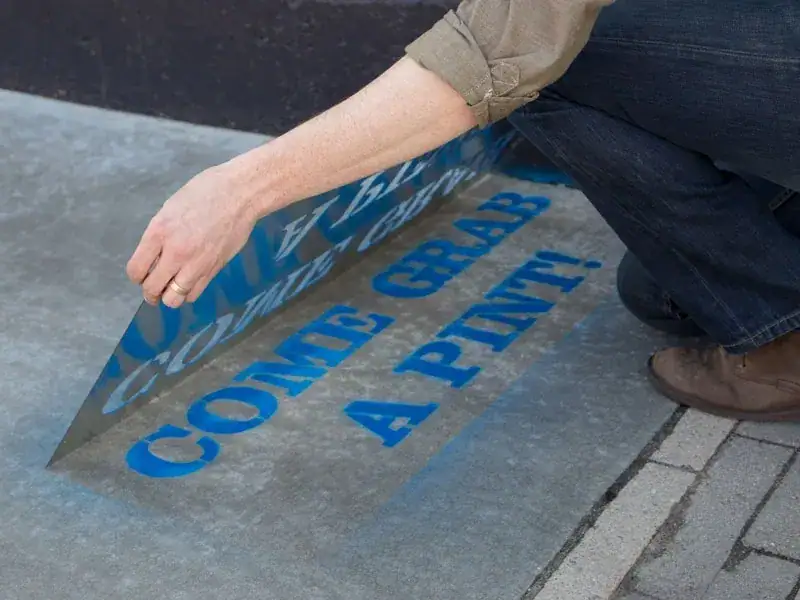
Chalk stencils use water-soluble chalk-based media applied through precision-cut templates to produce vivid, high-contrast impressions on pavement. Their temporary nature — lasting hours to several days depending on weather and surface — makes them ideal for Richmond’s extraordinarily active event calendar. A chalk stencil deployed the morning of the Richmond Folk Festival on Brown’s Island, or timed to the Carytown Watermelon Festival, or to a major show at the National or Altria Theater, intercepts the highest-concentration audiences at their peak engagement moments. The water-soluble formula dissipates naturally with rain or routine sidewalk cleaning, making chalk stencils broadly accessible for public sidewalk placements across Richmond’s neighborhoods and the most flexible format for the city’s varied permitting landscape.
Reverse Graffiti (Clean Graffiti)
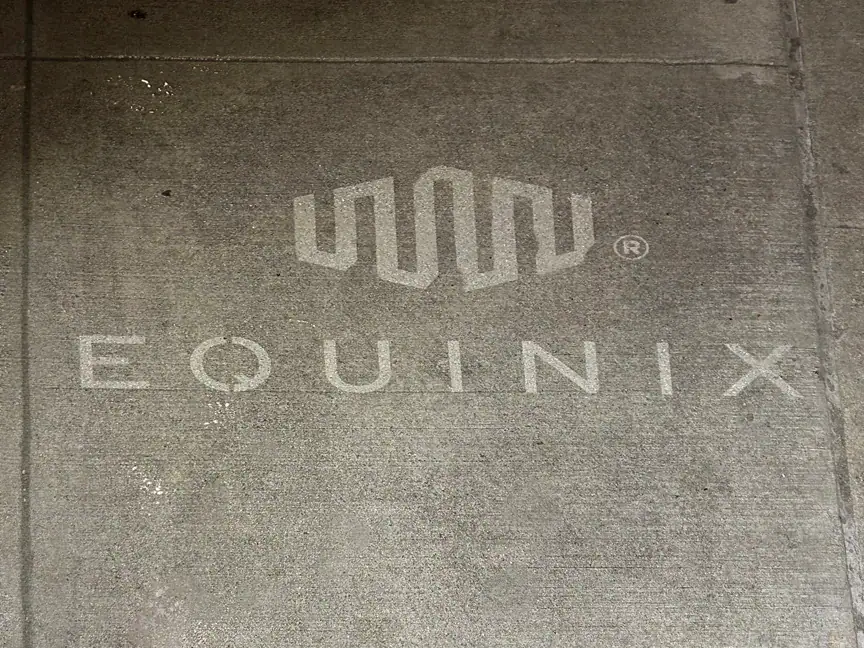
Reverse graffiti selectively cleans a brand pattern into existing surface grime or oxidation using high-pressure water — no paint, no chemicals, no residue. The result is a photographic-quality impression in the contrast between cleaned and surrounding pavement. Richmond’s older commercial sidewalks — particularly along East Cary Street in Shockoe Bottom, the weathered concrete of The Fan’s West Main Street commercial strip, and the industrial-character pavement of Scott’s Addition — develop the surface conditions that make reverse graffiti visually dramatic and immediately arresting. The technique generates strong organic social media documentation from the arts-literate, socially engaged Richmond audience, extending campaign reach at no additional cost to the media buy.
Paint Stencil
Paint stencils use water-based or specialty paints applied through precision-cut templates to create sharp, long-duration impressions on approved surfaces. For Richmond brands running extended campaigns — a full Carytown season, a year-round presence near the VMFA, a multi-month sponsorship in Scott’s Addition, or a permanent directional installation near Brown’s Island — paint stencils deliver consistent impressions without reapplication across weeks and months. The format supports complex brand marks, full logos, and multi-color designs at every available size. All private-surface placements are confirmed with property owners before deployment, and AGM handles that outreach directly as part of campaign planning.
Water Stencil (Pressure Wash)
Water stencils use targeted pressure washing to create brand impressions on concrete and paved surfaces with accumulated weathering or natural patina. Richmond’s Canal Walk stone surfaces, the older concrete approach paths at Brown’s Island, and the weathered sidewalks through historic districts like Shockoe Bottom and Church Hill often produce gallery-quality water stencil results. The method applies nothing to the surface — it only removes existing buildup — leaving no residue and generating no surface damage concerns. For historically sensitive Richmond locations or areas where property managers or the city’s preservation interests require non-application methods, water stencils are frequently the preferred approved format.
Get A Free Sidewalk Stencil Advertising Quote
Ready to make your brand stand out with sidewalk stencil advertising? Contact American Guerrilla Marketing to plan your campaign. Tell us your target locations, campaign goals, and timeline, and our team will help you create a customized sidewalk stencil advertising strategy that fits your needs and budget.
Award Winning Personalized Service
You will get thoughtful, devoted, and individualized attention from our experienced, qualified, and professional personnel. Being one of the most illustrious agencies in Brooklyn, New York, American Guerrilla Marketing has been awarded the Best of Brooklyn title.
Nationwide
Industry City, Brooklyn, New York 11232
American Guerrilla Marketing
Hours
Mon - Fri: 9 AM - 5 PM
Sat & Sun: Closed
Automate your campaign with AGM’s Request for Proposal Builder.
Automate your campaign with AGM’s Request for Proposal Builder. Simply answer a few quick questions about your campaign goals, markets, and timeline, and the system will generate a tailored presentation with recommended strategies, quantities, and pricing. Click the RFP Builder to instantly receive your customized proposal.
Richmond Placement Strategy: Where to Put Your Stencils
Richmond’s neighborhood fabric means effective placement is about matching corridor character to brand character as much as it is about raw foot traffic counts. Here is how AGM thinks about Richmond’s key stencil zones.
Cary Street (Carytown Boulevard to Thompson Street): The spine of Carytown generates Richmond’s most engaged boutique shopping foot traffic. Stencils placed at the crosswalk approaches on Cary Street, at the entry points to Carytown’s major parking areas on the connector side streets, and in front of the district’s highest-traffic anchor destinations intercept shoppers in the exact moment of neighborhood discovery. Weekend afternoon deployments, when Carytown reaches its peak pedestrian density, produce the highest impression counts per stencil of any placement in Richmond.
West Broad Street (Scott’s Addition, Ownby Lane): Scott’s Addition’s brewery corridor generates high weekend foot traffic from a creative, brand-literate demographic. Stencils placed on the wide concrete approaches to the major brewery and entertainment destinations along Ownby Lane and the West Broad Street brewery cluster reach consumers who are already moving on foot between destinations — the behavior pattern that generates the highest per-stencil impression counts in any activation zone. Reverse graffiti on Scott’s Addition’s aged industrial surfaces produces particularly striking results.
West Main Street (The Fan, Belvidere to Boulevard): The Fan’s most commercially active corridor generates consistent pedestrian traffic from morning coffee through late-night dining. Stencils along West Main Street reach a residential-and-arts demographic that includes VCU students, young professionals, and the Virginia Museum of Fine Arts visitor stream. This corridor produces high repeat-impression frequency from the same individuals throughout a multi-week campaign.
Canal Walk & Brown’s Island: The Canal Walk and Brown’s Island are Richmond’s most beloved outdoor pedestrian spaces and the primary activation zone for the Richmond Folk Festival — one of the top three free folk music festivals in the United States by attendance — and other major Riverfront waterfront events. Stencils on the Canal Walk approach surfaces and the Brown’s Island festival grounds environs reach a broad cross-section of Richmond’s population in a leisure and experience-oriented mindset.
VCU Campus Perimeter (Broad Street, Shafer Street, Harrison Street): The VCU academic campus perimeter along Broad Street and the student-facing commercial corridors on Shafer and Harrison Streets carry some of the city’s most consistent daily foot traffic from the university’s large urban student population. Stencils at the major crosswalk approaches and commercial entry points along these corridors reach a college-age, brand-receptive demographic multiple times per day throughout the academic year.
Sidewalk Stencil Pricing In Richmond
Every Richmond campaign is priced by stencil count. Pricing includes creative development, permitting coordination, professional installation, and post-campaign GPS-tagged photo documentation. All pricing is all-in — no hidden deployment or travel fees for Virginia markets.
Not sure which tier is right for your Richmond campaign? Our team will map your target corridors — Carytown, Scott’s Addition, The Fan, Shockoe Bottom, VCU — estimate pedestrian coverage at each tier, and recommend the stencil count that delivers the best impression density for your budget. Contact us for a no-obligation scoping call.
Available Stencil Sizes
AGM’s Sidewalk Stencils™ are produced in four standard sizes, each suited to different surface contexts and brand objectives. Compact formats work precisely at Carytown’s crosswalk corners, the tight sidewalk panels of The Fan’s residential commercial blocks, and the entry approaches to Scott’s Addition’s warehouse-scale brewery destinations. Larger formats command the wide concrete aprons of Scott’s Addition’s industrial buildings, the open surfaces of the Canal Walk, and the broad approach zones at Brown’s Island and the VMFA campus. Every Richmond location assessment includes a size recommendation based on surface width, pedestrian flow direction, and visual sight-line performance.
- 11″ × 14″Precision placement at crosswalk corners, boutique entries, and Carytown’s tight urban corridors
- 48″ × 12″Horizontal banner format for curb edges, storefronts, and directional runs along Cary Street and West Main Street
- 36″ × 18″Versatile mid-scale format for main sidewalk panels, Scott’s Addition aprons, and Canal Walk approaches
- 24″ × 24″Square format for logos, icons, and visuals built around symmetrical brand marks
How A Richmond Sidewalk Stencil Campaign Works
Step 1 — Brief & Strategy: We start with your objectives, target demographic, and preferred Richmond zones. If you have specific corridors or events in mind — Carytown, Scott’s Addition, Richmond Folk Festival, a VCU activation — we incorporate them. If you need a recommendation, we map the corridors that match your audience profile and campaign timeline.
Step 2 — Location Scouting: Our team scouts your selected Richmond locations, assessing surface condition, foot traffic patterns, City of Richmond placement requirements, and sight-line performance for each format. We photograph and GPS-tag every approved placement point before stenciling begins.
Step 3 — Permitting & Coordination: AGM handles coordination with City of Richmond contacts, Richmond Riverfront event organizers for Brown’s Island and Canal Walk activations, property managers for private-surface placements in Scott’s Addition and Carytown, and venue operators for any campaign adjacent to the National, Altria Theater, or the VMFA. Every placement point is cleared before deployment day.
Step 4 — Stencil Production: Your creative is translated into precision-cut stencil templates sized and configured for each chosen format and surface. We produce exact templates for every unique placement across the campaign — from Carytown’s boutique sidewalks to Scott’s Addition’s industrial concrete aprons.
Step 5 — Deployment: Our installation crews deploy your campaign across Richmond on schedule, working quickly and cleanly. Chalk and reverse graffiti campaigns can be completed overnight for a morning reveal timed to peak foot traffic. Paint campaigns are deployed during lower-traffic hours to ensure clean, precise results.
Step 6 — Documentation & Reporting: Every stencil is photographed after installation, GPS-tagged, and compiled into a post-campaign report delivered to your team. You receive exact placement confirmation with visual evidence for every location in the campaign.
Brands That Have Used AGM Sidewalk Stencils™
American Guerrilla Marketing’s Sidewalk Stencils™ program has earned the trust of some of the world’s most recognizable consumer brands. Nike has deployed pavement campaigns to intercept audiences in the critical hours surrounding major product launches — creating genuine street-level brand encounters that precede retail moments and amplify the energy of product drops in high-pedestrian corridors. Wrangler partnered with AGM to bring its American denim brand identity into urban streetscapes in formats that felt authentic to a working, outdoor, and heritage-conscious aesthetic — attributes that resonate strongly in a market like Richmond where craft culture and quality-first consumer values define the city’s most active spending demographic. EA Sports has used stencil campaigns around game release dates to reach gaming audiences in entertainment and retail-adjacent pedestrian environments.
What these brands recognized — and what Richmond brands should recognize equally — is that the sidewalk remains one of the genuinely uncluttered advertising surfaces in a media environment that has colonized almost every other available space. There is no algorithm on the stencil at the corner of Cary Street and Thompson. There is no scroll function that takes it away before a passerby fully reads it. There is no ad blocker installed between a pedestrian’s eyes and the pavement they are looking at. A person walks by, encounters the impression, and reacts — with the unguarded, genuine engagement that every brand campaign is ultimately trying to produce.
For Richmond brands, the same logic produces results at every scale. A brewery opening in Scott’s Addition can announce itself to the neighborhood’s brewery-hopping foot traffic with chalk stencils placed the morning of its launch weekend. A restaurant on West Main Street in The Fan can build its name recognition with the VCU and resident corridor that walks past its door daily. A regional retailer expanding to Carytown can own the visual field along its block before a single digital impression is purchased. A national brand activating around the Richmond Folk Festival can reach the most culturally engaged audience in Virginia outside of a major urban media market — with stencils placed at the Canal Walk and Brown’s Island approaches where 200,000 festival attendees will walk over a single weekend.
Frequently Asked Questions
The Richmond Folk Festival is one of the most significant stencil campaign activation events in Virginia — a free, multi-day festival at Brown’s Island and the James River waterfront that draws more than 200,000 attendees over its three-day run each October. The pedestrian corridors approaching Brown’s Island from the Tredegar Street entrance, the Canal Walk from the Shockoe Slip direction, and the connector routes from downtown parking structures all concentrate this massive audience into predictable, high-density pedestrian flows. AGM coordinates with Richmond Riverfront event organizers and the City of Richmond to identify approved placement zones for campaigns tied to the festival. Chalk stencils deployed the morning before each day of the Folk Festival reach attendees during their arrival window — when they are moving on foot and most receptive to brand discovery before the musical experience absorbs their attention.
Carytown consistently ranks as one of AGM’s top Richmond placements for chalk stencil campaigns. The combination of high pedestrian volume, slow-walking exploration behavior, and a consumer demographic that skews toward brand awareness and independent retail makes Carytown’s Cary Street one of the most productive stencil deployment corridors in the mid-Atlantic. The Watermelon Festival alone justifies a dedicated chalk stencil campaign — 100,000-plus attendees in a single weekend along the same stretch of street — but Carytown’s year-round foot traffic makes it a strong placement anchor for any Richmond campaign regardless of season. We recommend stencil placements at the main crosswalk approaches along Cary Street, at the district’s primary parking entry points on the side streets, and in front of the highest-traffic anchor businesses.
Scott’s Addition is one of AGM’s strongest reverse graffiti environments in Richmond. The neighborhood’s converted industrial buildings have wide concrete aprons and older paved surfaces that have developed years of surface oxidation and grime — exactly the surface character that makes high-pressure cleaning produce extremely high-contrast, visually striking brand impressions. The brewery and entertainment audience that uses Scott’s Addition on weekends is also highly literate about brand authenticity, and a reverse graffiti campaign in this neighborhood reads as sophisticated and intentional rather than intrusive. The technique also generates strong organic social media documentation from the Scott’s Addition audience, which is socially active and produces earned media posts that extend the campaign’s reach beyond the pedestrians who encounter the stencil in person.
The VCU campus perimeter is one of AGM’s most reliable college-demographic stencil environments in Richmond. Broad Street along the campus edge, Shafer Street through the academic core, and Harrison Street along the student residential zone carry thousands of pedestrian trips per day during the academic year. VCU’s urban campus means its students are genuinely on foot rather than driving between buildings, producing the pedestrian density that makes stencil campaigns work at volume. A campaign placed at the key crosswalk approaches and commercial entry points along the VCU perimeter reaches a broad cross-section of the university’s 28,000-plus student enrollment throughout the campaign window — and reaches them multiple times daily as they move between classes, housing, and off-campus commercial destinations along the campus corridors.
Shockoe Bottom and Carytown serve different audiences and produce different campaign outcomes. Carytown delivers daytime retail and weekend leisure foot traffic from a broad, cross-demographic shopping and dining audience with above-average household income and strong independent retail orientation. Shockoe Bottom skews toward a nightlife and entertainment demographic — younger, more entertainment-focused, and most active in the evening and late-night hours from Thursday through Sunday. The Canal Walk corridor draws a broader leisure audience throughout the week, including out-of-market visitors and daytime recreational users. For brands targeting nightlife, hospitality, or entertainment audiences, Shockoe Bottom’s East Cary Street corridor delivers strong evening impression counts. For brands targeting the full Richmond consumer demographic across all hours, Carytown is the broader reach vehicle. Many Richmond campaigns activate both zones.
Both the National on Broad Street and the Altria Theater on Laurel Street are excellent anchor points for event-driven stencil campaigns in Richmond. The National’s position on West Broad Street in the Monroe Ward zone places it in the middle of one of Richmond’s densest pedestrian environments, where concert-night foot traffic from surrounding parking and transit stops creates a predictable, high-concentration activation window. The Altria Theater draws a broader, often more upscale audience, and the surrounding streets and parking approaches along Laurel Street and the adjacent blocks see significant pre-show foot traffic. Chalk stencils deployed on the afternoon of major shows at either venue intercept audiences during the approach window — before they enter the venue and before the live experience absorbs their full attention.
Church Hill is Richmond’s best repeat-impression neighborhood for brands targeting a specific, community-loyal residential demographic. The East Broad Street and North 25th Street commercial corridor draws a consistent flow of Church Hill’s engaged young professional and homeowner population to its growing cluster of acclaimed restaurants, wine bars, and independent businesses. A stencil placed on Church Hill’s commercial sidewalks is seen by the same individuals multiple times per week as they conduct their everyday neighborhood routines. The cumulative effect of repeated exposure to the same residents over a two-to-three week chalk stencil campaign window builds brand recognition at a depth that single-exposure advertising formats simply cannot achieve. Church Hill is not Richmond’s highest-volume placement, but it is one of the city’s highest-frequency ones.
AGM manages all permitting coordination for every Richmond campaign. Requirements vary based on stencil method and location — chalk stencils on Carytown’s public sidewalks, reverse graffiti in Scott’s Addition, private-surface paint stencils near commercial properties, and placements near event zones at Brown’s Island and the Canal Walk each operate under different approval parameters. The City of Richmond’s permitting landscape for outdoor advertising includes specific considerations for historic districts like Shockoe Bottom and Church Hill. Our team navigates all of these requirements as part of the campaign planning process. Clients are not responsible for researching local code or contacting city offices. Every placement point is confirmed and cleared before deployment.
Standard Richmond campaign lead time is two to three weeks from brief confirmation to deployment, covering location scouting, permitting coordination, stencil production, and crew scheduling. For event-tied campaigns — the Richmond Folk Festival, the Carytown Watermelon Festival, major shows at the National or Altria, or the State Fair of Virginia at Meadow Event Park — we recommend initiating the process four to six weeks in advance. Richmond’s event-permitting landscape near the waterfront and in historic districts can involve multiple approval parties, and early initiation ensures that every required clearance is secured well before deployment day without compressing the planning timeline.
The Fan District and adjacent Museum District are among Richmond’s most walkable residential and cultural corridors, and West Main Street through The Fan is one of the city’s most consistently active pedestrian streets for the 25–45 professional and arts demographic. The Virginia Museum of Fine Arts — one of the largest art museums in the United States by collection size — draws both Richmond residents and out-of-market visitors to the intersection of the Boulevard and Grove Avenue, creating a cultural destination foot traffic stream that flows continuously throughout the week. Stencils placed along West Main Street toward the VMFA and on the approach sidewalks near the museum’s Boulevard entrance reach both the everyday Fan residential demographic and the museum visitor audience in a single corridor that spans the full width of Richmond’s most culturally engaged neighborhood.
Our Campaign Locations
Browse All States
Explore Sidewalk Stencil Advertising opportunities across the United States.
49 States • 201 Cities