American Guerrilla Marketing
Nationwide Service
Media planning, media buying, billboard advertising, & guerrilla marketing
Sidewalk Stencil Advertising in Norfolk, Virginia

From Granby Street’s entertainment corridor to the NEON Arts District and the ODU campus strip, Sidewalk Stencils™ by AGM put your brand exactly where Norfolk’s residents, students, and visitors walk — underfoot, unavoidable, and impossible to scroll past.
Norfolk is Hampton Roads’ urban core — a city defined by the intersection of naval power, creative culture, and waterfront commerce. Home to the world’s largest naval station, two major universities, and a downtown that has built genuine walkability around its arts, dining, and waterfront districts, Norfolk presents a stencil campaign opportunity unlike any other market in Virginia. The city’s pedestrian corridors are active, concentrated, and serve audiences with strikingly different profiles within a few blocks of each other.
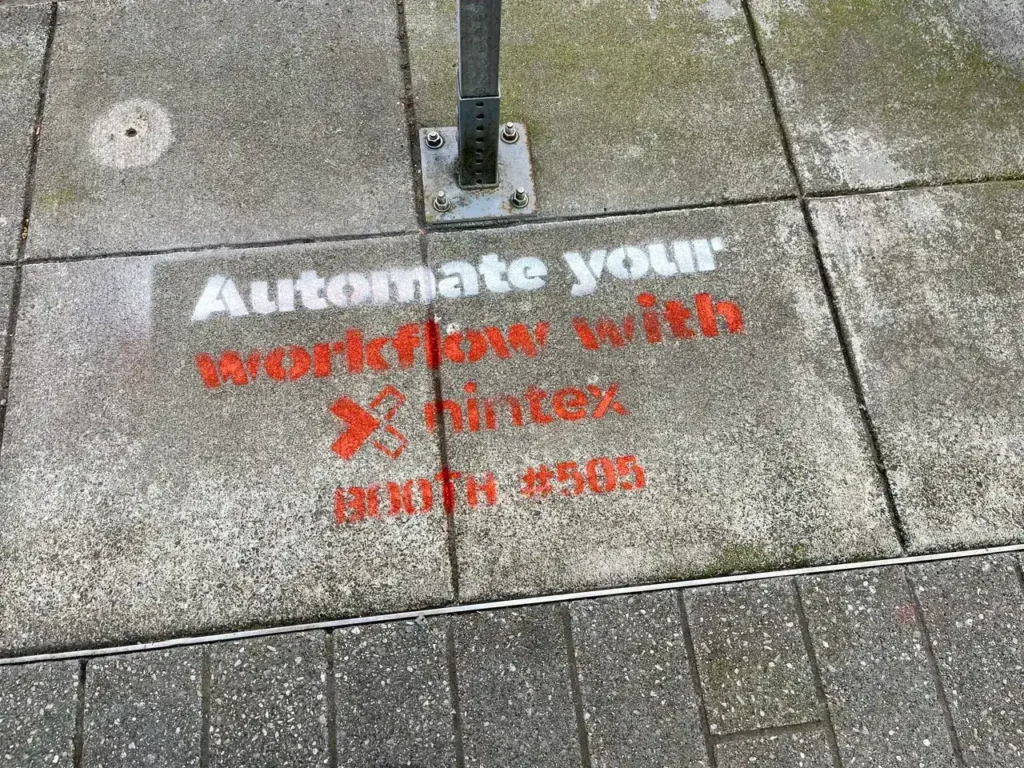
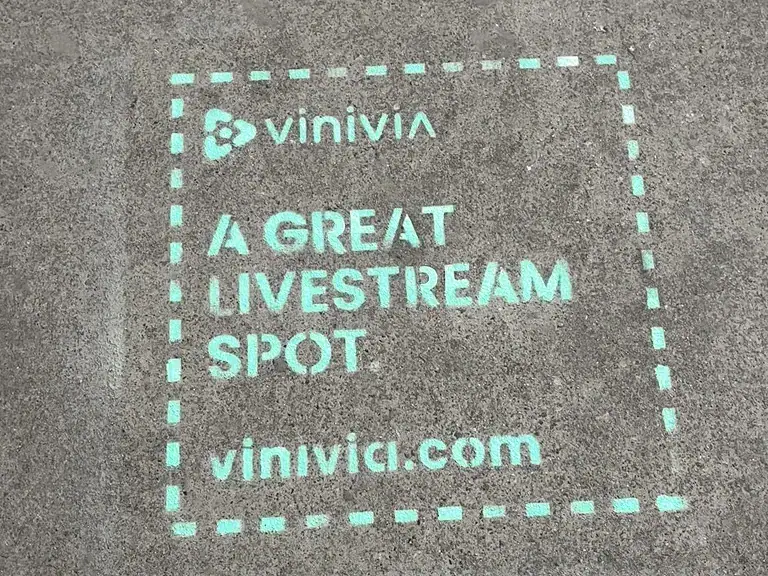
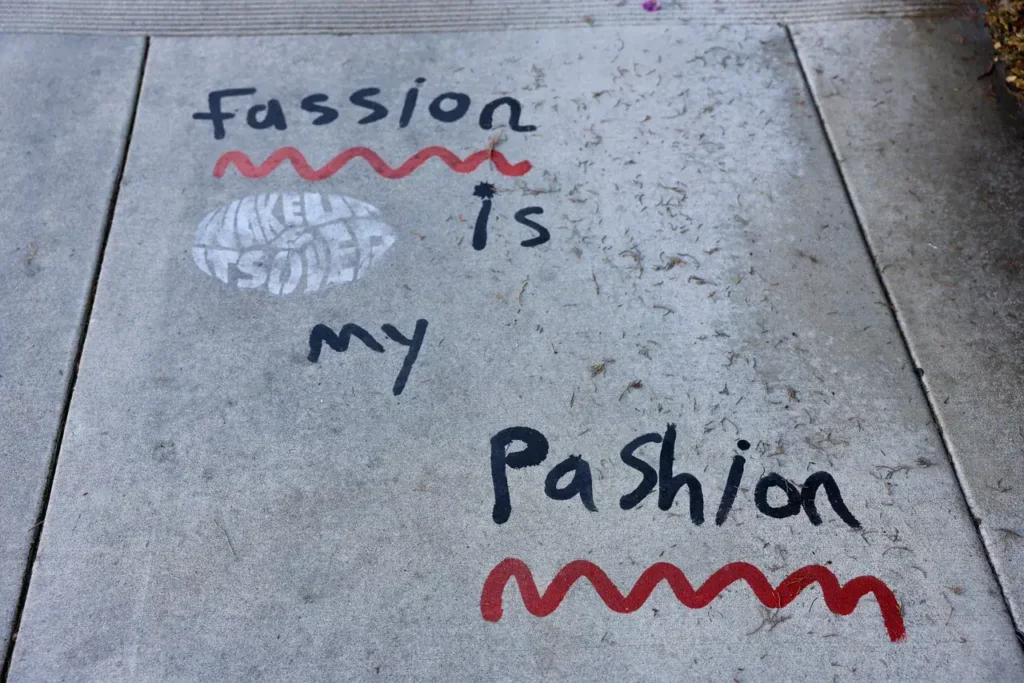
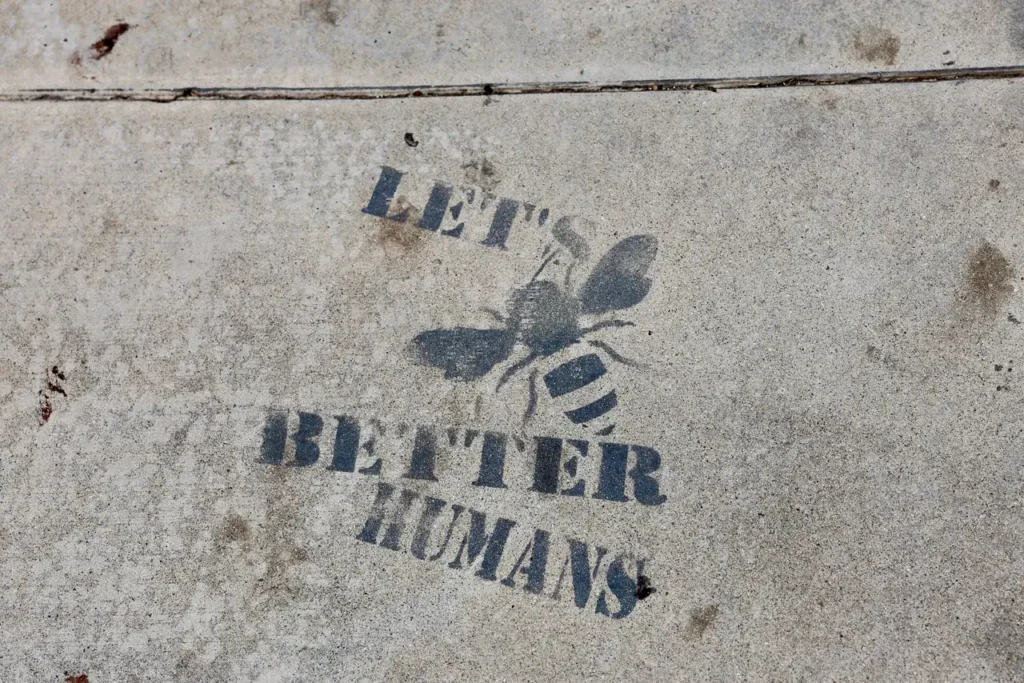
A Sidewalk Stencil™ is a brand impression applied directly to the pavement — the sidewalk, plaza, crosswalk, or any high-foot-traffic surface. Unlike a billboard that commands a viewer’s attention upward, a stencil intercepts attention naturally, occupying the same visual field as the street itself. Pedestrians encounter it without anticipating it, which produces the kind of genuine, unguarded brand engagement that most digital and traditional formats can no longer achieve. In a city like Norfolk, where people are genuinely walking — to dinner in Ghent, to a gallery opening in NEON, to Harbor Park for a Tides game — that encounter happens at precisely the moments advertisers most want.
American Guerrilla Marketing has executed Sidewalk Stencil™ campaigns for brands including Nike, Wrangler, and EA Sports. The methodology is precise: we scout your preferred Norfolk locations, assess surface condition, foot traffic patterns, and stencil format compatibility, then deploy on schedule. Every campaign is documented with GPS-tagged photos so your team can verify coverage without a site visit.
Norfolk’s walkable neighborhoods — Ghent, the NEON Arts District, Freemason, Downtown, and the ODU campus corridor — each function as a distinct pedestrian ecosystem. Granby Street from downtown through Ghent is one of the most continuously active walking corridors in Hampton Roads, mixing restaurant foot traffic, gallery visitors, concert-goers, and ODU students into a multi-demographic stream that flows from midday through late night. Waterside District on the Elizabeth River waterfront concentrates leisure and dining traffic in a contained activation zone that delivers high impression density for event-tied campaigns.
Whether you are a local Norfolk brand announcing a new location, a regional company seeking to penetrate Hampton Roads’ most urbanized market, an event promoter building awareness for a Festevents activation on the waterfront, or a national brand entering the southeastern Virginia market for the first time, Sidewalk Stencils™ give you a format the city itself cannot overlook. Norfolk’s pavement is the medium. Its pedestrian corridors are the audience. AGM connects the two.
Ready to Own Norfolk's Sidewalks?
From Granby Street to Ghent and the NEON Arts District to the waterfront, AGM puts your brand exactly where Norfolk walks. Let's build your campaign.
Browse Cities in Virginia
Select a city to explore Sidewalk Stencil Advertising opportunities.
Why Norfolk Is Built For Sidewalk Stencil Campaigns
Norfolk concentrates more distinct, walkable pedestrian zones into a compact urban geography than almost any other mid-sized city in Virginia. That concentration means a stencil campaign here does not chase dispersed foot traffic — it places impressions directly inside corridors people actively choose to walk through.
Granby Street — Downtown to NEON Arts District
Granby Street is Norfolk’s primary north-south pedestrian spine, running from the Waterside District and downtown commercial core through the NEON Arts District and into the Ghent neighborhood. Few streets in Hampton Roads match Granby for the sheer diversity of foot traffic it carries across a single day: lunchtime professionals from nearby office buildings, arts-oriented visitors heading to NEON galleries and the Chrysler Museum, ODU students moving between campus and the broader entertainment district, and evening diners and bar-goers fueling the corridor’s restaurants and live music venues. A stencil campaign anchored on Granby Street captures all of these audiences in a single linear deployment, and the street’s surface conditions — older downtown sidewalk concrete transitioning to newer pavement in the NEON corridor — produce excellent results for both chalk stencils and reverse graffiti.
Ghent Neighborhood — 21st Street & Colley Avenue
Ghent is Norfolk’s most beloved neighborhood commercial district, built around the intersection of 21st Street and Colley Avenue and extending through the surrounding Victorian-era streetscapes. The district draws a consistent, upscale-leaning crowd of residents, visitors, and ODU-affiliated professionals to its mix of independent restaurants, wine bars, boutiques, and coffee shops. Ghent’s foot traffic is particularly strong on weekends, when the neighborhood functions as a full-day destination rather than a simple pass-through zone. The sidewalks along Colley Avenue and 21st Street have the mature pavement character that makes reverse graffiti and chalk stencils both visually effective and culturally appropriate for the neighborhood’s independent, quality-conscious aesthetic.
NEON Arts District — St. Paul’s Blvd to Brambleton Ave
The NEON (Norfolk Evolution Of the Neighborhood) Arts District has transformed a formerly underutilized zone between downtown Norfolk and the Chrysler Museum of Art into one of the most visually expressive pedestrian environments in Virginia. The district’s street art murals, gallery spaces, and creative businesses attract arts-oriented foot traffic that is predisposed to noticing — and positively valuing — brand expressions that interact with the visual environment. A chalk stencil or reverse graffiti placement in the NEON District does not compete with its surroundings; it participates in them. Brands seeking cultural credibility with Norfolk’s creative class find the NEON corridor produces both the audience and the environmental context that makes street-level campaigns feel native.
Waterside District & Downtown Waterfront
The Waterside District, Norfolk’s reimagined waterfront entertainment complex on the Elizabeth River, anchors a concentrated leisure and dining zone that draws both city residents and regional visitors. The surrounding waterfront plaza and the pedestrian connectors between Waterside, the nearby Nauticus maritime museum, and the Town Point Park event lawn create a compact activation corridor where thousands of people converge for Festevents concerts, Harborfest activities, the Norfolk NATO Festival, and everyday waterfront dining. Stencils placed on the plaza approaches and the connector sidewalks between Waterside and surrounding parking structures reach audiences that are already in an elevated, experience-oriented mindset — exactly the emotional state where brand impressions register most durably.
ODU Campus Corridor — Hampton Boulevard & 43rd Street
Old Dominion University’s main campus along Hampton Boulevard generates one of the most predictable and densely concentrated pedestrian flows in Norfolk. The corridor between the main campus entrance at 43rd Street and the surrounding commercial strip — including the Monarch Way retail area and the adjacent dining and service businesses — carries tens of thousands of student, faculty, and staff trips per day during the academic year. ODU enrolls more than 24,000 students, and the campus footprint extends into the surrounding neighborhood commercial corridors through on-foot daily routines. A stencil campaign along Hampton Boulevard and the major campus pedestrian connectors reaches a captive college-age and young professional audience in a format they have not been trained to ignore.
Freemason District & Harbor Park Perimeter
The Freemason District, Norfolk’s oldest residential neighborhood immediately west of downtown, pairs Federal-era architecture with a growing concentration of boutique dining and hospitality venues. The pedestrian flow through Freemason’s streets — particularly along Freemason Street and the connecting routes to the Elizabeth River waterfront — carries a mix of professional residents, hotel guests from the nearby Marriott and Hilton properties, and visitors navigating between downtown and the harbor. Harbor Park, home of the Norfolk Tides Triple-A baseball team, concentrates a family-oriented sports audience into a defined approach corridor before and after games. The walk from downtown parking to the Harbor Park entrance along the waterfront path is one of Norfolk’s strongest stencil deployment opportunities for game-day brand activations.
Stencil Types Available In Norfolk
Norfolk’s varied surface conditions — from the weathered sidewalk concrete of Granby Street’s historic blocks to the polished plaza surfaces at Waterside District — demand a precise match between stencil method and location. AGM offers four formats, and we select the right one based on surface character, campaign duration, and brand objectives.
Chalk Stencil
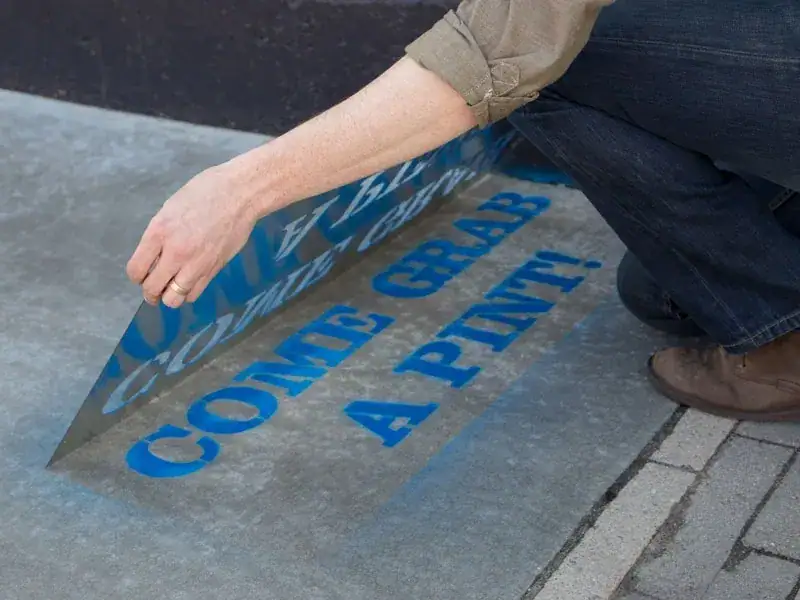
Chalk stencils use water-soluble chalk-based media applied through precision-cut templates to produce vivid, high-contrast impressions on pavement. Their temporary nature — lasting from several hours to a few days depending on weather and surface — makes them ideal for Norfolk’s event-driven campaign calendar. A chalk stencil deployment timed to Harborfest weekend, a Festevents concert series launch, or an ODU home football game intercepts peak audiences at their moment of highest engagement. The water-soluble formula disappears naturally with rain or routine sidewalk cleaning, requiring no cleanup and producing no surface damage concerns under standard city approval parameters. For brands entering Norfolk for the first time, chalk stencils offer the lowest permitting friction and the fastest deployment timeline.
Reverse Graffiti (Clean Graffiti)
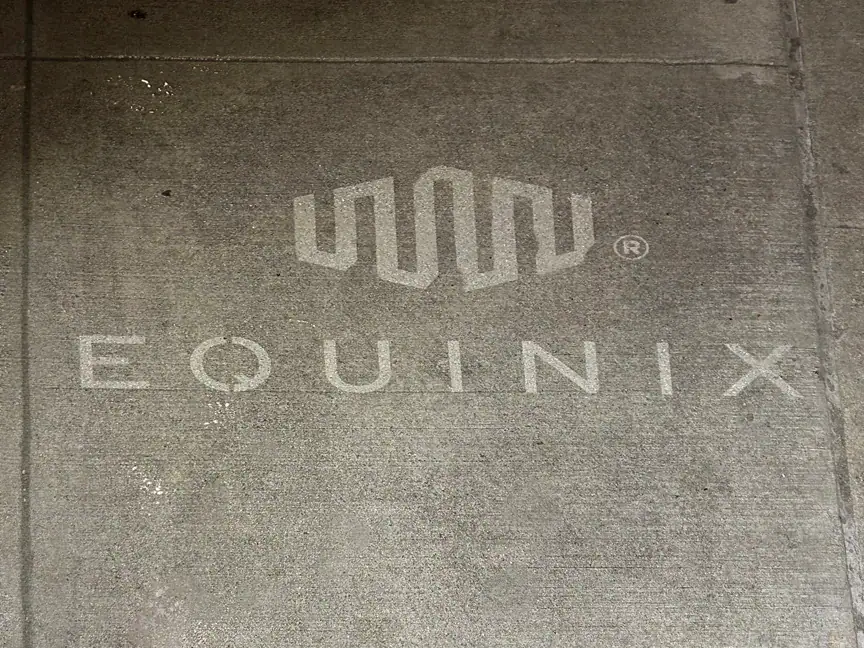
Reverse graffiti selectively cleans a brand pattern into an existing layer of grime or surface oxidation using high-pressure water — no paint, no chemicals, no residue. The result is a photographic-quality impression in the contrast between cleaned and surrounding pavement. Norfolk’s downtown sidewalks, particularly along Granby Street’s older commercial blocks and the approach corridors near Nauticus, have developed the surface character that makes reverse graffiti visually striking and immediately eye-catching. The technique generates strong organic social media documentation — the counterintuitive concept of cleaning a surface to create advertising consistently prompts passersby to photograph and share the result, extending campaign reach at no additional cost.
Paint Stencil
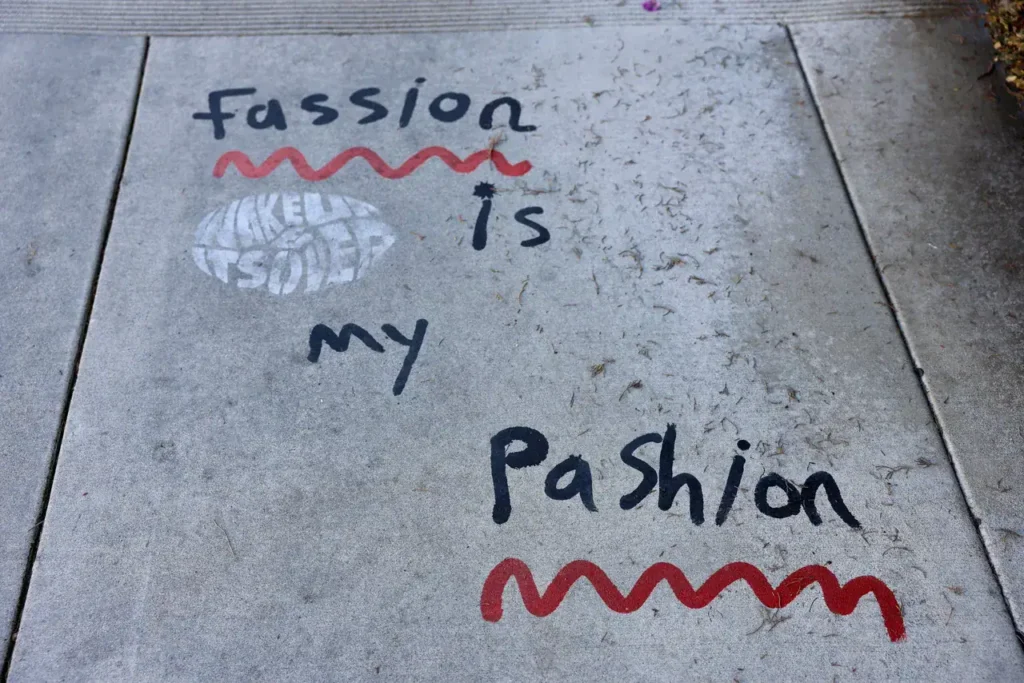
Paint stencils use water-based or specialty paints applied through precision-cut templates to produce sharp, long-duration impressions on approved surfaces. For Norfolk brands running extended campaigns — a season-long sponsorship near Harbor Park, a multi-month presence along a Ghent commercial block, or a permanent brand installation at a venue in the NEON Arts District — paint stencils deliver consistent impressions without reapplication across weeks and months. The format supports complex brand marks, full logos, and multi-color designs at every available size. All private surface placements are confirmed with property owners before deployment, and AGM handles that outreach directly as part of campaign planning.
Water Stencil (Pressure Wash)
Water stencils use targeted pressure washing to create brand impressions on concrete and paved surfaces with a natural patina or accumulated weathering. The technique is related to reverse graffiti but is optimized for surfaces where the contrast between cleaned and uncleaned areas produces an especially sharp result. Norfolk’s waterfront plaza surfaces near Town Point Park, the approach sidewalks to Nauticus, and the older concrete corridors through the Freemason District often produce gallery-quality water stencil results. The method applies nothing to the surface and leaves no residue, making it particularly appropriate for historically sensitive areas or locations where surface preservation is a permitting consideration.
Get A Free Sidewalk Stencil Advertising Quote
Ready to make your brand stand out with sidewalk stencil advertising? Contact American Guerrilla Marketing to plan your campaign. Tell us your target locations, campaign goals, and timeline, and our team will help you create a customized sidewalk stencil advertising strategy that fits your needs and budget.
Award Winning Personalized Service
You will get thoughtful, devoted, and individualized attention from our experienced, qualified, and professional personnel. Being one of the most illustrious agencies in Brooklyn, New York, American Guerrilla Marketing has been awarded the Best of Brooklyn title.
Nationwide
Industry City, Brooklyn, New York 11232
American Guerrilla Marketing
Hours
Mon - Fri: 9 AM - 5 PM
Sat & Sun: Closed
Automate your campaign with AGM’s Request for Proposal Builder.
Automate your campaign with AGM’s Request for Proposal Builder. Simply answer a few quick questions about your campaign goals, markets, and timeline, and the system will generate a tailored presentation with recommended strategies, quantities, and pricing. Click the RFP Builder to instantly receive your customized proposal.
Norfolk Placement Strategy: Where to Put Your Stencils
Norfolk’s compact urban geography means stencil placements can cover multiple high-value corridors within a single campaign footprint. The key is understanding which corridors carry which audiences — and timing placements to the specific moments when those audiences are most concentrated.
Granby Street (Downtown Core, 20th to 35th Street): The spine of Norfolk’s downtown pedestrian activity, Granby Street between the Waterside District approach and the Ghent boundary carries the broadest cross-section of the city’s daytime and evening foot traffic. Stencils placed at key crosswalk approaches and building frontage points along this corridor reach professional lunch crowds, gallery and museum visitors, ODU students, and evening entertainment seekers across a single deployment.
21st Street & Colley Avenue (Ghent Core): The Ghent intersection at 21st and Colley is Norfolk’s neighborhood commercial hub, generating consistent foot traffic from the city’s most affluent and culturally engaged resident demographic. Weekend afternoon deployments here capture the highest concentration of Ghent’s independent restaurant and bar traffic — a target demographic for lifestyle, food and beverage, and luxury consumer brands.
Hampton Boulevard (ODU Campus Edge): The commercial corridor along Hampton Boulevard between the ODU main entrance and the adjacent retail strip is one of Norfolk’s most reliable college-demographic placement zones. Stencils at the crosswalk approaches and building frontage points along this stretch reach ODU students during their highest pedestrian density periods — between classes, during lunch, and in the evening approach to off-campus dining and entertainment.
Waterside Drive & Town Point Park Perimeter: The waterfront plaza and surrounding sidewalks near Waterside District and Town Point Park are Norfolk’s primary activation zone for Festevents concerts, Harborfest, and the Norfolk NATO Festival. Event-day stencil deployments along the main pedestrian approaches from parking structures and downtown streets intercept audiences in the elevated, experiential mindset of festival attendance — one of the highest brand receptivity windows in the campaign calendar.
Chrysler Museum & NEON District (Mowbray Arch to Olney Road): The pedestrian approach to the Chrysler Museum of Art and the surrounding NEON Arts District blocks carry arts-oriented foot traffic that is unusually receptive to visual brand expressions. Stencils placed on the approach sidewalks to the museum and along the gallery corridor through NEON reach visitors who are actively engaged with their visual surroundings — making the stencil encounter feel like part of the experience rather than an interruption to it.
Sidewalk Stencil Pricing In Norfolk
Every Norfolk campaign is priced by stencil count. Pricing includes creative development, permitting coordination, professional installation, and post-campaign GPS-tagged photo documentation. All pricing is all-in — no hidden deployment or travel fees for Virginia markets.
Not sure which tier is right for your Norfolk campaign? Our team will map your target corridors — Granby Street, Ghent, NEON, Waterside — estimate pedestrian coverage at each tier, and recommend the stencil count that delivers the best impression density for your budget. Contact us for a no-obligation scoping call.
Available Stencil Sizes
AGM’s Sidewalk Stencils™ are produced in four standard sizes, each suited to different surface contexts and brand objectives. Compact formats work precisely at doorway approaches, crosswalk corners, and the tighter sidewalk segments of Ghent’s Victorian-era commercial blocks. Larger formats command the wide plaza surfaces at Waterside District, the open sidewalk aprons near Nauticus, and the broad approach corridors at Town Point Park. Every Norfolk location assessment includes a size recommendation based on surface width, pedestrian flow direction, and visual sight-line performance.
- 11″ × 14″Precision placement at doorways, crosswalk corners, and Ghent’s tighter urban corridors
- 48″ × 12″Horizontal banner format for curb edges, storefronts, and directional runs along Granby Street
- 36″ × 18″Versatile mid-scale format for main sidewalk panels and Waterside plaza approaches
- 24″ × 24″Square format for logos, icons, and visuals built around symmetrical brand marks
How A Norfolk Sidewalk Stencil Campaign Works
Step 1 — Brief & Strategy: We start with your objectives, target demographic, and preferred Norfolk zones. If you have specific corridors or events in mind — Granby Street, Ghent, Festevents, Harborfest — we incorporate them. If you need a recommendation, we map the corridors that match your audience profile and campaign timeline.
Step 2 — Location Scouting: Our team scouts your selected Norfolk locations, assessing surface condition, foot traffic patterns, City of Norfolk placement requirements, and sight-line performance. We photograph and GPS-tag every approved placement point before any stenciling begins.
Step 3 — Permitting & Coordination: AGM handles coordination with Norfolk city contacts, Festevents and event organizers for waterfront activation zones, property managers for private-surface placements, and venue operators for NEON and Ghent district stencils. Every placement point is cleared before deployment day.
Step 4 — Stencil Production: Your creative is translated into precision-cut stencil templates sized and configured for each chosen format and surface. We produce exact templates for every unique placement across the campaign — from Granby Street’s downtown blocks to the Waterside District plaza.
Step 5 — Deployment: Our installation crews deploy your campaign across Norfolk on schedule, working quickly and cleanly. Chalk and reverse graffiti campaigns can be completed overnight for a morning reveal timed to peak foot traffic. Paint campaigns are deployed during lower-traffic hours for clean, precise results.
Step 6 — Documentation & Reporting: Every stencil is photographed after installation, GPS-tagged, and compiled into a post-campaign report delivered to your team. You receive exact placement confirmation with visual evidence for every location in the campaign.
Brands That Have Used AGM Sidewalk Stencils™
American Guerrilla Marketing’s Sidewalk Stencils™ program has earned the trust of some of the world’s most recognizable consumer brands. Nike has used pavement campaigns to intercept audiences in the hours surrounding major product launches, deploying street-level impressions in high-density pedestrian corridors that amplify retail moments and drive physical store traffic. Wrangler partnered with AGM to place its denim brand identity into urban streetscapes in formats that felt authentic and credible — a particularly resonant approach in a market like Norfolk where maritime, military, and working-class American heritage gives outdoor and workwear brands natural cultural traction. EA Sports has deployed stencil campaigns around game release dates to reach gaming audiences in high-density entertainment and retail environments.
What these global brands recognized — and what local Norfolk brands should recognize equally — is that the sidewalk is one of the last genuinely uncluttered advertising surfaces in the urban environment. There are no algorithms curating who sees a stencil on Granby Street. There is no scroll function that takes it away. There is no ad blocker. A person walks by, they see it, and they react. That unmediated encounter is increasingly rare in an attention economy that has digitized almost every other advertising surface.
For Norfolk businesses, the same logic drives results at a local scale. A Ghent restaurant can own the visual field around its block with a chalk campaign that directs the neighborhood’s weekend foot traffic toward its door. An ODU-adjacent brand can announce a new service or location along Hampton Boulevard and reach tens of thousands of students per day for a fraction of the cost of traditional media. A waterfront venue can build anticipation for an upcoming Festevents season with stencils placed at the primary pedestrian approaches from downtown parking — reaching the exact audience that will fill its seats, before a single ticket is sold.
Frequently Asked Questions
Harborfest is one of Norfolk’s premier annual events, drawing hundreds of thousands of visitors to the Elizabeth River waterfront over its multi-day run. The pedestrian corridors approaching Waterside District from downtown parking structures, the Nauticus approach, and the Town Point Park event lawn create a natural activation zone where foot traffic compresses into predictable, high-density flows. AGM coordinates with Festevents organizers and the City of Norfolk to identify approved placement zones for stencil campaigns tied to Harborfest. Chalk stencils are the preferred format — they deploy quickly the morning before gates open, produce vivid impressions on the waterfront plaza surfaces, and dissipate naturally after the event without cleanup requirements.
The highest concentration of pedestrian traffic on Granby Street runs between approximately 21st Street and 27th Street — the zone where the downtown commercial corridor transitions through the NEON Arts District toward the Ghent boundary. This stretch carries professional midday foot traffic, arts and gallery visitors heading to the Chrysler Museum and NEON galleries, and evening entertainment crowds moving between restaurants and live music venues along the corridor. A stencil campaign anchored between these cross-streets captures the broadest daily audience composition on Granby, covering professional, arts, and entertainment demographics across a single linear footprint.
The NEON Arts District is one of AGM’s strongest Norfolk placements for brands targeting a creative, arts-engaged demographic. The district’s visual culture — street murals, gallery installations, and curated public art — makes it an environment where pavement-level brand expressions are received as part of the visual conversation rather than as intrusions into it. Chalk stencils placed along the primary pedestrian corridors through NEON encounter visitors who are actively looking at what surrounds them and who bring a higher-than-average level of visual attention to their walk. For lifestyle, beverage, arts, and entertainment brands seeking cultural credibility in Hampton Roads, the NEON District is Norfolk’s most targeted creative-class placement.
Hampton Boulevard is one of AGM’s most reliable college-demographic campaign corridors in Norfolk. The street runs along the western edge of Old Dominion University’s main campus and is lined with the commercial services that an urban university’s student population relies on daily — coffee shops, quick-service dining, convenience retail, and campus-facing businesses. The pedestrian flow between the main campus entrance at 43rd Street and the surrounding commercial node generates thousands of trips per day during the academic year. A stencil campaign placed at the key crosswalk approaches and building frontages along Hampton Boulevard ensures that ODU’s student body encounters your brand during their everyday movement between campus and off-campus life.
Harbor Park is a natural activation zone for game-day stencil campaigns. The Tides draw consistent family and sports audiences throughout the baseball season, and the pedestrian approach routes from downtown Norfolk parking and the Waterside District area create predictable foot traffic corridors before and after games. AGM deploys chalk stencils along the main approach paths — the waterfront walkway from the Waterside area and the connector routes from downtown parking decks — for individual game-day activations. Paint stencils on private surfaces near Harbor Park can extend a brand’s presence across an entire season. The format works particularly well for food and beverage brands, sports apparel, and family-oriented consumer products.
Ghent and downtown Norfolk serve distinct audiences and produce different campaign outcomes. Downtown — particularly Granby Street and the Waterside District waterfront — delivers higher raw volume and reaches a more event-driven, transient audience that includes regional visitors and out-of-market attendees at waterfront events. Ghent’s 21st Street and Colley Avenue intersection reaches a more consistently local, resident audience with higher household incomes and stronger loyalty to the neighborhood’s independent businesses. For brands building long-term local market recognition, Ghent’s repeat-exposure opportunity is highly valuable — the same residents walk the same corridors regularly, generating multiple impressions per person across a multi-week campaign window. Many Norfolk campaigns run both zones simultaneously to achieve both event-scale volume and residential depth.
The Freemason District waterfront approach and the surrounding sidewalks along Freemason Street are strong candidates for reverse graffiti. The area’s older pavement surfaces have accumulated the kind of surface oxidation and grime that makes high-pressure cleaning produce exceptionally high-contrast brand impressions. The Freemason audience — professional residents, hotel guests from nearby properties, and visitors navigating between downtown and the harbor — is also receptive to a format that signals quality and intentionality. Reverse graffiti in a historically significant district like Freemason also avoids the aesthetic friction that paint or chalk campaigns can occasionally generate in context-sensitive neighborhoods, since the technique only reveals what the surface looked like before grime accumulated rather than applying anything new.
AGM manages all permitting coordination for every Norfolk campaign. Requirements vary based on stencil method and location — chalk stencils on public sidewalks, reverse graffiti on downtown corridors, and paint stencils on private surfaces each operate under different parameters, and waterfront event zones near Waterside and Town Point Park have their own approval channels through Festevents and city event management. Our team navigates all of these requirements as part of the campaign planning process. Clients are not responsible for researching local code requirements or contacting city offices. Every placement point is confirmed and cleared before deployment.
Standard Norfolk campaign lead time is two to three weeks from brief confirmation to deployment, covering location scouting, permitting coordination, stencil production, and crew scheduling. For event-tied campaigns — Harborfest, the Norfolk NATO Festival, Festevents concert series openings — we recommend initiating the process four weeks in advance to ensure all approvals are secured before deployment day. Rush chalk stencil campaigns can occasionally be accommodated where permitting requirements are minimal, but standard lead times give us the planning room to deliver a campaign that performs at the level Norfolk’s pedestrian corridors make possible.
Norfolk State University, located along Corprew Avenue in the Park Place neighborhood north of downtown, generates its own concentrated pedestrian ecosystem. The commercial corridors adjacent to NSU’s campus serve a distinct student population from ODU, and the two universities’ geographic separation means a campaign covering both campus corridors reaches different student demographics with minimal overlap. AGM can scope a Norfolk campaign that covers both the Hampton Boulevard ODU corridor and the NSU campus perimeter along Brambleton Avenue and Corprew Avenue, giving brands that need broad college-age reach across Hampton Roads’ academic community a single-city deployment that covers both institutions efficiently.
Our Campaign Locations
Browse All States
Explore Sidewalk Stencil Advertising opportunities across the United States.
49 States • 201 Cities