American Guerrilla Marketing
Nationwide Service
Media planning, media buying, billboard advertising, & guerrilla marketing
Sidewalk Stencil Advertising in Salem, Oregon

Turn Salem’s most-walked corridors into high-visibility brand touchpoints. From the Capitol Mall to the Willamette University district, downtown Commercial Street to the Oregon State Fair grounds, Sidewalk Stencils™ by AGM put your message exactly where Salem pedestrians look — underfoot, unavoidable, and impossible to scroll past.
Salem occupies a unique position in the Oregon advertising landscape. As the state capital and the anchor city of the mid-Willamette Valley, Salem draws a daily influx of government workers, lobbyists, visitors, and university students alongside its established resident population of more than 170,000 people. That combination of civic, educational, and residential foot traffic creates dense pedestrian zones that are structurally underserved by traditional advertising formats. Sidewalk Stencils™ are built for exactly this kind of market.
A Sidewalk Stencil™ is a brand impression applied directly to the pavement — the sidewalk, plaza, crosswalk, or any high-foot-traffic surface. Unlike a billboard that commands a viewer’s eyes upward, a stencil intercepts attention naturally. It occupies the same visual field as the street itself. Pedestrians encounter it without anticipating it, which produces the kind of genuine, unguarded moment of brand engagement that digital formats increasingly cannot replicate in a mid-sized market like Salem where consumers are savvy about traditional advertising but still attentive to their immediate physical environment.
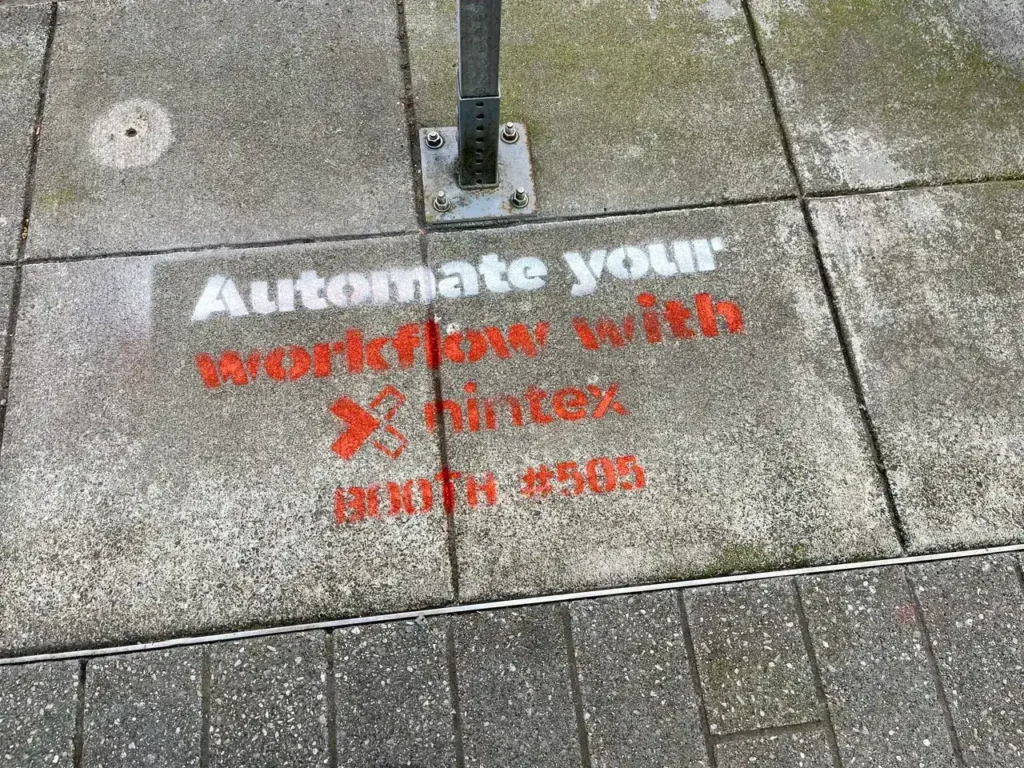
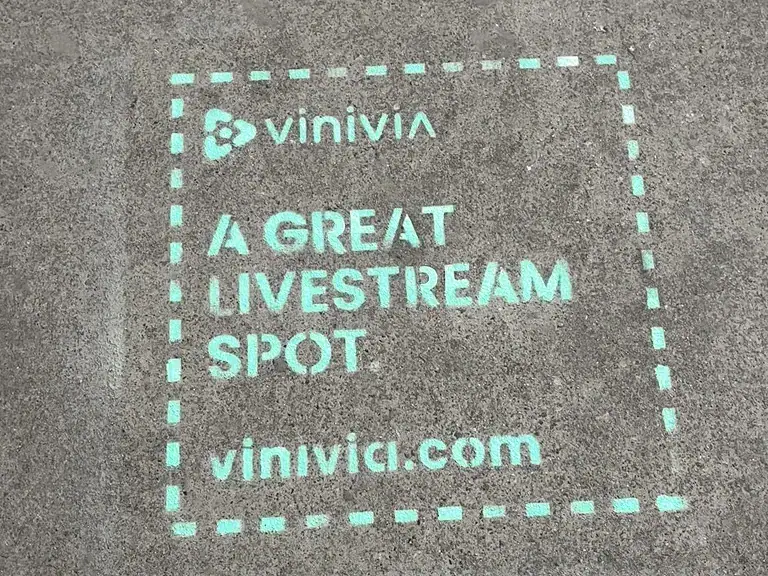
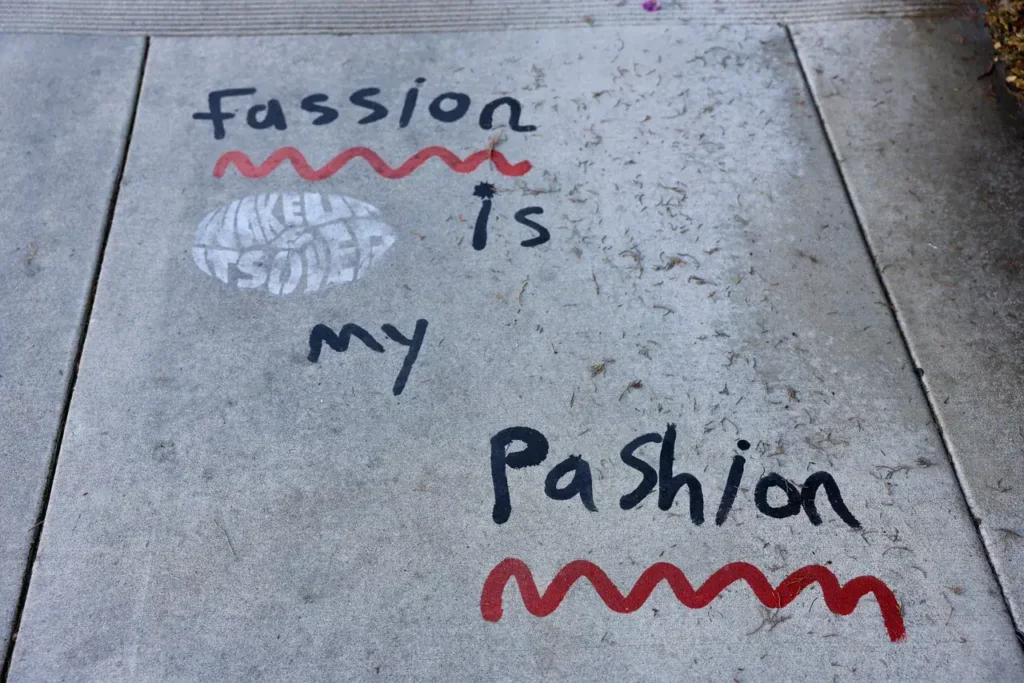
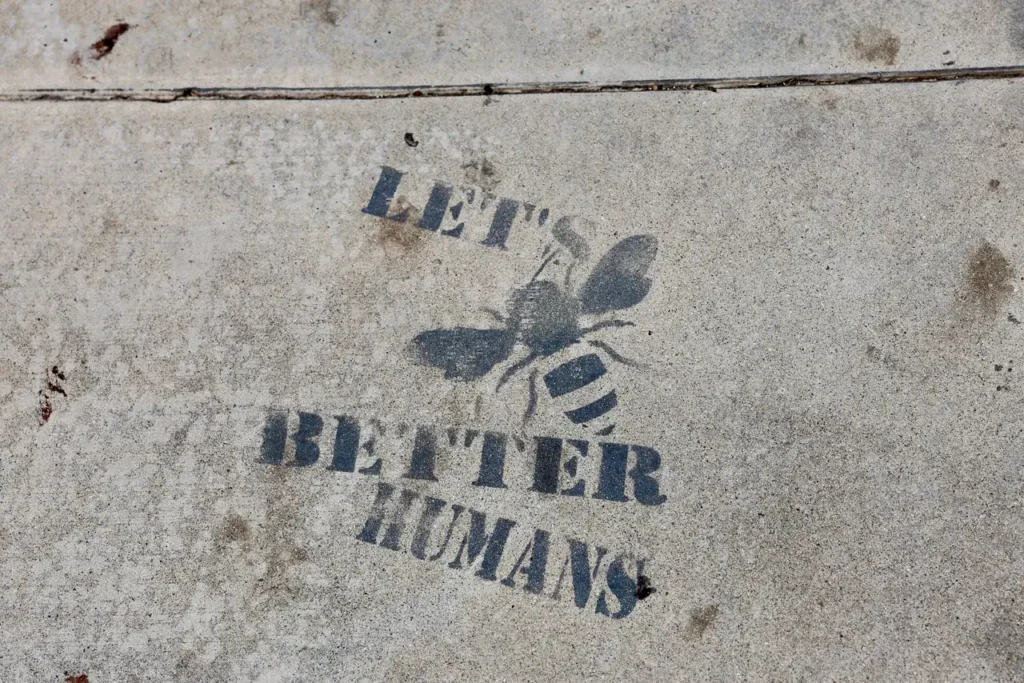
American Guerrilla Marketing has executed Sidewalk Stencil™ campaigns across the country for brands including Nike, Wrangler, and EA Sports. The process is precise: we scout your preferred Salem locations, identify surfaces with the right foot traffic and texture, determine the appropriate stencil method, and deploy on schedule. Every campaign is documented with photos and GPS-tagged placement reports so your team can verify coverage without leaving the office.
Salem’s walkable downtown core, the pedestrian activity generated by Willamette University and Chemeketa Community College, and the concentrated foot traffic during Oregon State Fair weeks make this a market where stencil campaigns consistently outperform their cost expectations. The city’s government-quarter activity during the legislative session adds an additional high-value foot traffic window — lawmakers, lobbyists, and state employees moving on foot between the Capitol Building, state agency offices, and the downtown dining and hospitality corridor are a captive, high-purchasing-power audience that very few advertising formats can reach efficiently.
Whether you are a Salem-area business building neighborhood-level brand recognition, a statewide organization activating during the legislative session, a regional retailer announcing a new location, or an event promoter driving awareness ahead of the Oregon State Fair, Sidewalk Stencils™ give you a format that the city’s streets cannot ignore. The pavement is the medium. Salem’s foot traffic is the audience. We connect the two.
Ready to Own Salem's Sidewalks?
From the Capitol Mall to Commercial Street, AGM puts your brand exactly where Salem walks. Let's build your campaign.
Why Salem Is Built For Sidewalk Stencil Campaigns
Salem’s compact, walkable downtown and its distinct pedestrian zones — government quarter, university district, historic commercial corridor — make it a strategically efficient stencil market. You can reach very different audience segments within a few blocks of each other by targeting the right zone at the right time of day.
Downtown Commercial Street — Court Street to State Street
Commercial Street NE is the spine of Salem’s downtown retail and dining scene, running from Court Street NE south through the historic commercial blocks to the State Street intersection. The sidewalks here carry Salem’s densest concentration of pedestrian foot traffic — state workers on lunch breaks, shoppers visiting the downtown retailers, restaurant patrons, and weekend visitors. The blocks between Court and State Street represent Salem’s most consistent stencil placement zone for brands seeking broad downtown exposure. Surface conditions along Commercial Street produce excellent results for both chalk and reverse graffiti formats, with older concrete sections offering the patina depth that makes pressure-wash stencils particularly striking.
Oregon State Capitol Mall — Court Street Approaches
The Oregon State Capitol and its surrounding Capitol Mall grounds generate a uniquely concentrated stream of foot traffic during the legislative session, which runs from January through June in odd years and holds interim committee meetings year-round. Lobbyists, state employees, legislative staff, and citizen advocates move on foot between the Capitol Building, the adjacent Mahonia Hall, nearby state agency buildings, and the downtown restaurants and hotels along the Court and High Street corridors. This corridor produces one of the most politically and professionally engaged pedestrian audiences in the state — a high-value target for policy-adjacent brands, professional services, associations, and organizations with a government relations component.
Willamette University Campus Edge — State Street & Winter Street
Willamette University, one of the oldest universities in the American West, sits immediately adjacent to the Salem downtown core along State Street and Winter Street SE. The campus edge sidewalks and the commercial blocks adjacent to the university generate consistent pedestrian traffic from students, faculty, and staff throughout the academic year. Unlike many universities where the campus is isolated from the commercial district, Willamette’s proximity to downtown Salem means student foot traffic blends seamlessly into the downtown commercial zone — creating a combined audience of college-aged consumers and working adults that can be reached with a single stencil campaign covering both zones.
Marion Square Park & Chemeketa Street
Marion Square Park at the corner of Chemeketa Street NE and Liberty Street NE is one of Salem’s primary downtown gathering points, surrounded by restaurants, the Salem Convention Center, and pedestrian routes connecting the government quarter to the commercial district. The park’s central location makes it a natural waypoint for pedestrians crossing the downtown core throughout the day. Stencil placements at the park perimeter and along the Chemeketa Street approach from the Convention Center intercept meeting attendees, event guests, and government-quarter workers in a relaxed, open-air environment where dwell time is naturally longer.
Oregon State Fairgrounds — 17th Street NE Approaches
The Oregon State Fairgrounds at 17th Street NE and Silverton Road hosts the Oregon State Fair every August — a twelve-day event that draws hundreds of thousands of visitors to Salem and produces some of the highest concentrated pedestrian traffic the city sees all year. The pedestrian approach corridors from the surrounding parking areas, the adjacent neighborhood streets, and the transit connections along 17th Street NE and the fairgrounds perimeter create a high-density activation corridor that AGM can saturate with chalk stencils in the days leading up to and during the fair. Few single-event activations in Oregon outside of Portland concentrate this much statewide consumer traffic into a walkable zone.
South Liberty Street — Restaurant & Entertainment Row
Liberty Street SE between Mission Street and Trade Street has developed into one of Salem’s more vibrant evening dining and entertainment corridors, home to craft breweries, cocktail bars, and independent restaurants drawing a younger professional demographic from across the Salem metro. The sidewalks here carry strong foot traffic on Thursday through Saturday evenings, with a demographic that responds particularly well to brand communication that feels credible and locally relevant. Chalk stencils deployed on Thursday afternoons here are fresh and vivid for the full weekend evening traffic window.
Stencil Types Available In Salem
Every Salem location has different pavement conditions, brand requirements, and campaign duration goals. AGM offers four distinct stencil methods, and we help you select the right one based on your specific surface, timeline, and objective.
Chalk Stencil
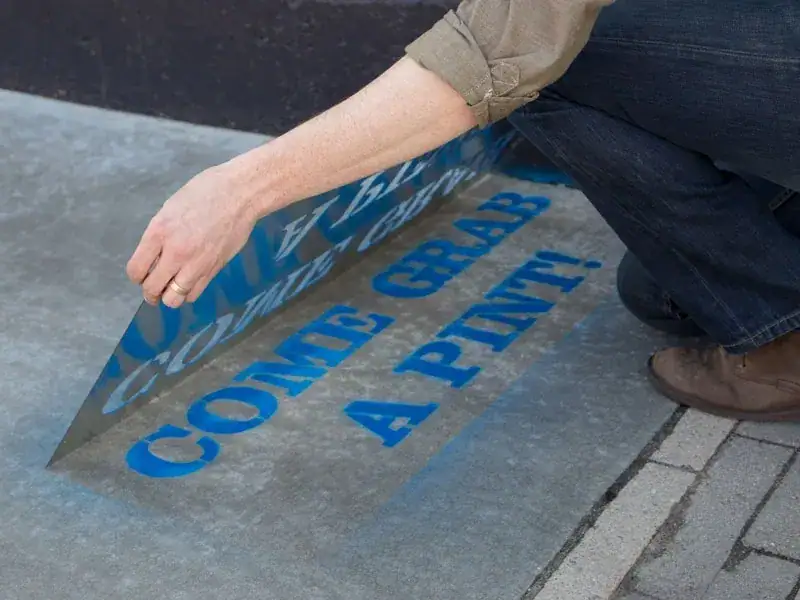
Chalk stencils use water-soluble chalk-based media applied through a precision stencil to produce bright, high-contrast impressions. They are fully temporary — lasting anywhere from several hours to a few days depending on weather and surface — which makes them ideal for event-driven campaigns in Salem. A chalk stencil campaign deployed ahead of the Oregon State Fair, a major Capitol event, or a downtown Salem festival can be installed the morning of the event and will dissipate naturally afterward. Because chalk is non-damaging and water-soluble, it is broadly welcomed in city-approved public spaces and is the most accessible format for brands navigating Salem’s permitting landscape for the first time.
Reverse Graffiti (Clean Graffiti)
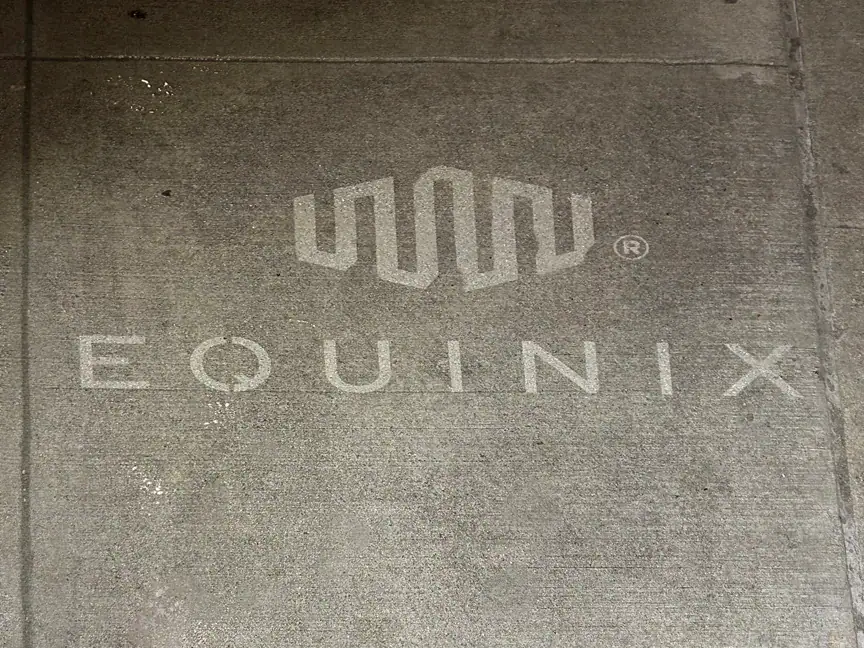
Reverse graffiti — also called clean graffiti — does not apply anything to a surface. Instead, it uses high-pressure water to selectively clean a brand pattern into an existing layer of grime, exhaust residue, or surface discoloration. Salem’s older downtown sidewalks, particularly along the Commercial Street corridor and the approaches to the Capitol Mall, have accumulated the kind of surface patina that produces high-contrast, photogenic reverse graffiti results. The technique generates organic social media documentation from passersby — the counterintuitive concept of cleaning a surface to create an ad is inherently shareable, which amplifies campaign reach beyond in-person impressions.
Paint Stencil
Paint stencils are the most durable format AGM deploys. Using water-based or specialty paints applied through precision-cut stencil templates, paint stencils produce sharp, lasting impressions suited for longer-duration campaigns or placements on private property. For a Salem retailer occupying a downtown Commercial Street location, a restaurant on Liberty Street running a seasonal campaign, or an organization with a long-running Capitol-session presence, a paint stencil delivers consistent impressions across weeks or months. Private property authorization is always confirmed before deployment.
Water Stencil (Pressure Wash)
Water stencils use targeted pressure washing on specific surface types — typically concrete or pavement with a natural patina — to create clean brand impressions. Salem’s historic downtown blocks, the older sidewalks near Marion Square Park, and the concrete plazas around the Convention Center all offer surface conditions that make water stencils highly effective. Like reverse graffiti, this method leaves no residue and requires no paint or chemical application — an alignment with environmental values that resonates in the Oregon market.
Get A Free Sidewalk Stencil Advertising Quote
Ready to make your brand stand out with sidewalk stencil advertising? Contact American Guerrilla Marketing to plan your campaign. Tell us your target locations, campaign goals, and timeline, and our team will help you create a customized sidewalk stencil advertising strategy that fits your needs and budget.
Award Winning Personalized Service
You will get thoughtful, devoted, and individualized attention from our experienced, qualified, and professional personnel. Being one of the most illustrious agencies in Brooklyn, New York, American Guerrilla Marketing has been awarded the Best of Brooklyn title.
Nationwide
Industry City, Brooklyn, New York 11232
American Guerrilla Marketing
Hours
Mon - Fri: 9 AM - 5 PM
Sat & Sun: Closed
Automate your campaign with AGM’s Request for Proposal Builder.
Automate your campaign with AGM’s Request for Proposal Builder. Simply answer a few quick questions about your campaign goals, markets, and timeline, and the system will generate a tailored presentation with recommended strategies, quantities, and pricing. Click the RFP Builder to instantly receive your customized proposal.
Salem Placement Strategy: Where to Put Your Stencils
Choosing the right Salem location is the single most important variable in a stencil campaign’s performance. Salem’s distinct pedestrian zones carry different demographic profiles and respond to different brand categories — here is how we think about placement across the city’s key corridors.
High Street NE (Capitol Approach): High Street NE between Court and State is the primary pedestrian spine connecting the Capitol Mall zone to the downtown commercial district. State workers, lobbyists, and government visitors move along this corridor continuously during business hours, creating a professional-audience corridor that is underutilized for brand communication. Stencils at crosswalk approaches and building entrances along High Street stop people mid-step in the highest-productivity window of their workday.
Court Street NE (Government Quarter): Court Street NE, running east-west along the north edge of the Capitol grounds, carries both vehicle and pedestrian traffic connecting the government quarter to the Marion County Courthouse, the Salem City Hall, and the surrounding civic and professional offices. The sidewalks here see consistent foot traffic from government employees and visitors throughout weekday business hours — a captive professional audience for brands in financial services, professional services, and policy-adjacent categories.
Mission Street SE (South Commercial Corridor): Mission Street SE is Salem’s primary commercial thoroughfare south of the downtown core, anchored by a mix of regional retailers, restaurants, and service businesses. The Mission Street corridor carries significant foot traffic from residents of Salem’s larger south side neighborhoods who use it for daily shopping and dining. Stencil placements near major intersections along Mission Street reach a residential consumer audience distinct from the government-quarter and university demographics — broader but still dense.
Lancaster Drive NE (East Salem Commercial): Lancaster Drive NE on Salem’s east side is one of the city’s highest-traffic commercial corridors, with a concentration of national and regional retailers that draw significant foot traffic from the surrounding residential neighborhoods and the nearby East Salem school zones. Stencil campaigns along Lancaster Drive reach a family-oriented, suburban consumer demographic — a complement to downtown-focused campaigns for brands seeking total Salem metro coverage.
Riverfront Park Perimeter: Salem’s Willamette Riverfront Park is a linear green space along the riverbank that draws recreational pedestrians, runners, event attendees, and weekend visitors throughout the year. The park perimeter along Front Street NE and the approach corridors from downtown see consistent foot traffic during warm months, with event-day spikes during Salem’s waterfront festival programming. Stencil placements here reach outdoor lifestyle and recreation-oriented consumers in an environment where they are highly receptive to discovery.
Sidewalk Stencil Pricing In Salem
Every Salem campaign is priced by stencil count. Pricing includes creative development, permitting support, professional installation, and post-campaign photo documentation. All prices are all-in — no hidden deployment or travel fees for Oregon markets.
Not sure which tier is right for your Salem campaign? Our team will map your target corridors, estimate pedestrian coverage by tier, and recommend the configuration that delivers the best impression density for your budget. Contact us for a no-obligation scoping call.
Available Stencil Sizes
AGM’s Sidewalk Stencils™ are produced in four standard sizes, each suited to different surface contexts and brand objectives. Smaller formats work well at doorways, crosswalk approaches, and the narrower sidewalks found along Salem’s historic commercial blocks. Larger formats command plaza spaces, wide sidewalks near the Capitol Mall, and high-clearance zones around the Convention Center and the State Fairgrounds approaches. Every Salem location assessment includes a size recommendation based on surface width, pedestrian flow direction, and visual sight lines.
- 11″ × 14″Precision placement at doorways, crosswalk corners, tight urban corridors
- 48″ × 12″Horizontal banner format for curb edges, storefronts, and directional runs
- 36″ × 18″Versatile mid-scale format for main sidewalk panels and plaza approaches
- 24″ × 24″Square format for logos, icons, and visuals built around symmetrical brand marks
How A Salem Sidewalk Stencil Campaign Works
Step 1 — Brief & Strategy: We start with your objectives, target demographic, and preferred Salem zones. If you have specific streets or events in mind, we incorporate them. If you need a recommendation, we map the corridors that match your audience profile and campaign timeline.
Step 2 — Location Scouting: Our team scouts your selected Salem locations, assessing surface condition, foot traffic patterns, municipal placement requirements, and sight-line performance. We photograph and GPS-tag every approved placement point before any stenciling begins.
Step 3 — Permitting & Coordination: AGM handles coordination with City of Salem contacts, property managers for private-surface placements, and event organizers for fair or festival-adjacent activations. We confirm every placement point is cleared before deployment day.
Step 4 — Stencil Production: Your creative is translated into precision-cut stencil templates sized and configured for your chosen format. We produce exact templates for every unique placement — no one-size-fits-all shortcuts.
Step 5 — Deployment: Our trained installation crews deploy your campaign across Salem on schedule, working quickly and cleanly. Chalk and reverse graffiti campaigns can be completed overnight for a morning reveal. Paint campaigns are deployed during lower-traffic hours to ensure clean results.
Step 6 — Documentation & Reporting: Every stencil is photographed after installation, GPS-tagged, and compiled into a post-campaign report delivered to your team. You get exact placement confirmation with visual evidence for every location in the campaign.
Brands That Have Used AGM Sidewalk Stencils™
American Guerrilla Marketing’s Sidewalk Stencils™ program has been trusted by some of the most recognizable consumer brands in the world. Nike has used pavement campaigns to drive awareness around product launches, activating street-level attention in the hours and days before major retail moments. Wrangler partnered with AGM to bring its brand identity into urban streetscapes in a format that felt authentic to an outdoor, working aesthetic that resonates strongly in mid-sized Pacific Northwest markets like Salem. EA Sports has leveraged stencil campaigns to intercept gaming audiences in high-density pedestrian environments near retail and entertainment destinations.
These campaigns demonstrate that sidewalk stenciling is not a niche tactic — it is a format that scales from local Salem brand builders to global consumer giants. What these brands recognized is that the sidewalk is one of the last genuinely uncluttered advertising surfaces in the urban environment. There are no algorithms curating who sees it. There is no scroll that takes it away. There is no ad blocker that hides it. A person walks by, they see it, and they react.
For Salem brands, the same logic applies at a local scale. A downtown restaurant can own the visual field around its block on Commercial Street. A statewide association can plant its message along the Capitol approach corridors when legislators and lobbyists are most active. A regional retailer entering the Salem market can announce itself at the State Fair with stencils along the pedestrian approach routes before a single billboard goes up. The format works at every budget level and for every brand category that benefits from local presence and credibility.
Frequently Asked Questions
Yes. The sidewalks surrounding the Oregon State Capitol — particularly along Court Street NE, High Street NE, and the approaches to the Capitol Mall from the downtown commercial district — carry some of the most concentrated professional foot traffic in the state during the legislative session. Lobbyists, legislative staff, state agency employees, and citizen advocates move on foot between the Capitol Building, committee hearing rooms, and the surrounding restaurants and hotels throughout the session calendar. AGM coordinates placement clearances with the appropriate city and state contacts for any stencils in the Capitol Mall vicinity. Chalk stencils are the preferred format for this zone — temporary, non-damaging, and broadly permissible on public sidewalks outside the restricted Capitol grounds perimeter.
The Oregon State Fair is Salem’s single largest annual foot traffic event, drawing hundreds of thousands of visitors over its twelve-day August run. AGM’s recommended State Fair strategy is a chalk stencil campaign deployed along the primary pedestrian approach corridors — the fairgrounds perimeter on 17th Street NE, the surrounding neighborhood streets used for overflow parking, and the transit stop approaches — beginning the day the fair opens. A stencil count of 50–100 placements distributed along these corridors ensures that virtually every fairground-bound pedestrian encounters your brand before entering the main gates. We recommend initiating planning six weeks before opening day to ensure all placement clearances are in place.
The Willamette University campus edge along State Street and Winter Street SE is one of AGM’s most efficient Salem placements for campaigns targeting college-aged consumers. Because Willamette’s campus sits immediately adjacent to the downtown commercial district, student foot traffic flows seamlessly between campus and the surrounding restaurants, coffee shops, and retailers throughout the school day. A stencil campaign covering both the campus-edge sidewalks and the adjacent downtown blocks along State Street reaches Willamette students at multiple points in their daily routine — commuting between classes, heading to lunch, and socializing in the evening commercial zone. This combined coverage is generally more efficient than a campus-only approach.
The World Beat Festival at Riverfront Park is one of Salem’s signature summer cultural events, drawing thousands of attendees to the waterfront over its multi-day run. The pedestrian approach corridors along Front Street NE and the routes connecting downtown Salem to the riverfront are prime stencil activation zones for this event. Chalk stencils deployed the morning of the festival’s opening day intercept attendees along their approach routes before they reach the festival entrance. The combination of local residents, out-of-town visitors, and the generally outdoor-oriented festival demographic makes this one of Salem’s most receptive single-event audiences for stencil campaigns.
Commercial Street NE between Court and State represents Salem’s highest raw pedestrian count in a compact corridor, making it the default recommendation for campaigns seeking broad downtown reach. However, for campaigns with a specific demographic target, other Salem zones often outperform Commercial Street in audience quality terms. Government-quarter campaigns are stronger along High Street NE; student-targeting campaigns perform better near Willamette University; evening lifestyle campaigns outperform on Liberty Street SE. The strongest Salem campaigns typically combine a Commercial Street anchor — for volume — with a secondary zone that delivers the specific audience composition the brand needs.
The Salem Convention Center on Chemeketa Street NE is an excellent candidate for reverse graffiti, particularly during major convention weeks when it draws out-of-market attendees into a concentrated walkable zone. The plaza surfaces and sidewalks around the Convention Center have the surface conditions that support high-contrast reverse graffiti results. Convention attendees represent a captive, time-limited audience that is actively exploring the immediate neighborhood on foot during meal breaks, evening social hours, and transit between the convention facilities and the surrounding hotels — creating multiple impression windows within a single convention day.
Salem’s Grant neighborhood, centered on the commercial blocks along Commercial Street SE near Grant Street, and the South Salem residential corridor along Commercial Street S toward the Mission Street intersection see the highest residential pedestrian volumes outside the downtown core. The Grant neighborhood in particular has developed a neighborhood commercial character with coffee shops, local retailers, and a weekend farmers market atmosphere that draws residents on foot consistently throughout the week. Campaigns targeting Salem’s residential consumer base — as opposed to the government-quarter professional audience — perform well with stencil placements in these south-facing commercial corridors.
AGM manages all permitting coordination for every Salem campaign. Requirements vary based on stencil method — chalk on public sidewalks operates under different parameters than paint on private surfaces — and our team navigates those requirements as part of the campaign planning process. We do not ask clients to research local ordinances or contact city offices themselves. All permitting coordination is included in the campaign scope. For placements on private property — building forecourts, private parking areas, privately managed plazas — we handle property-owner outreach directly. By deployment day, every placement point in your Salem campaign has been confirmed and cleared.
For Oregon State Fair campaigns, AGM recommends initiating the planning process six weeks before the fair’s opening day. This window covers location scouting along the fairgrounds approach corridors, permitting coordination with Marion County Fairgrounds management and City of Salem contacts for public sidewalk placements, stencil production, and crew scheduling. The peak summer campaign calendar fills quickly in the Willamette Valley, and earlier booking ensures your preferred deployment dates and placement zones are secured before competing campaigns occupy the same corridor.
Standard Salem campaign lead time is two to three weeks from brief confirmation to deployment, covering location scouting, permitting coordination, stencil production, and crew scheduling. For event-driven campaigns tied to the Oregon State Fair, the World Beat Festival, a Capitol session activation, or other fixed-date deployments, we recommend initiating the process four to six weeks in advance to ensure all placement clearances are secured well before deployment day.
Our Campaign Locations
Browse All States
Explore Sidewalk Stencil Advertising opportunities across the United States.
49 States • 201 Cities