American Guerrilla Marketing
Nationwide Service
Media planning, media buying, billboard advertising, & guerrilla marketing
Sidewalk Stencil Advertising in Tulsa, Oklahoma

Turn Tulsa’s most-walked corridors into high-visibility brand touchpoints. From the Brady Arts District to Cherry Street, the Blue Dome entertainment zone, and the Gathering Place riverfront, Sidewalk Stencils™ by AGM put your message exactly where pedestrians look — underfoot, unavoidable, and impossible to scroll past.
Tulsa has emerged as one of the most culturally dynamic mid-sized cities in the American heartland. The city’s Art Deco downtown, nationally recognized arts districts, and the transformative addition of the Gathering Place — one of the largest privately funded public parks in American history — have given Tulsa the kind of walkable, culturally rich urban fabric that makes street-level advertising genuinely powerful. Sidewalk Stencils™ are built for exactly the pedestrian environments that Tulsa has cultivated across its revitalized neighborhoods.
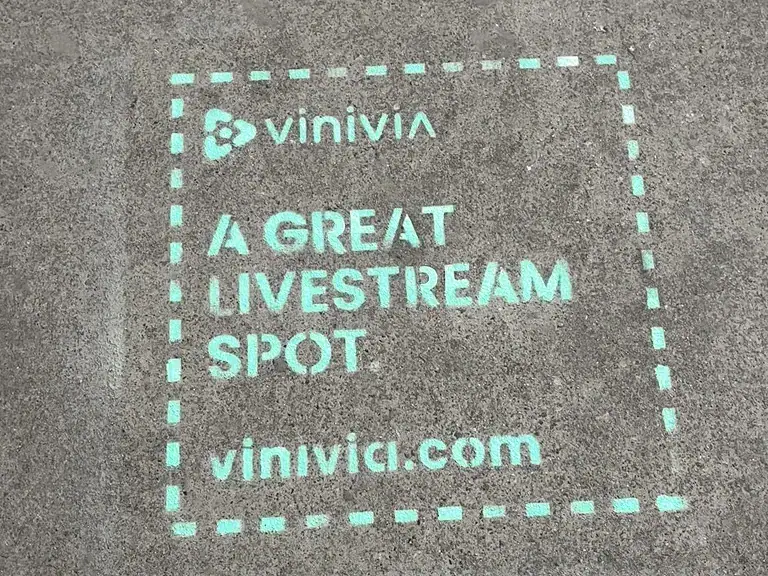
A Sidewalk Stencil™ is a brand impression applied directly to the pavement — the sidewalk, plaza, courtyard, or any high-foot-traffic surface. Unlike a billboard commanding a viewer’s eyes from a moving vehicle, a stencil intercepts attention naturally at human walking pace. It occupies the same visual field as the street itself, meeting pedestrians in the unhurried urban movement that defines Tulsa’s most active corridors — Cherry Street on a Saturday morning, the Brady Arts District during an evening gallery walk, the Blue Dome District on a Friday night. That unguarded moment of brand engagement is one that most digital and traditional advertising formats can no longer reliably produce.
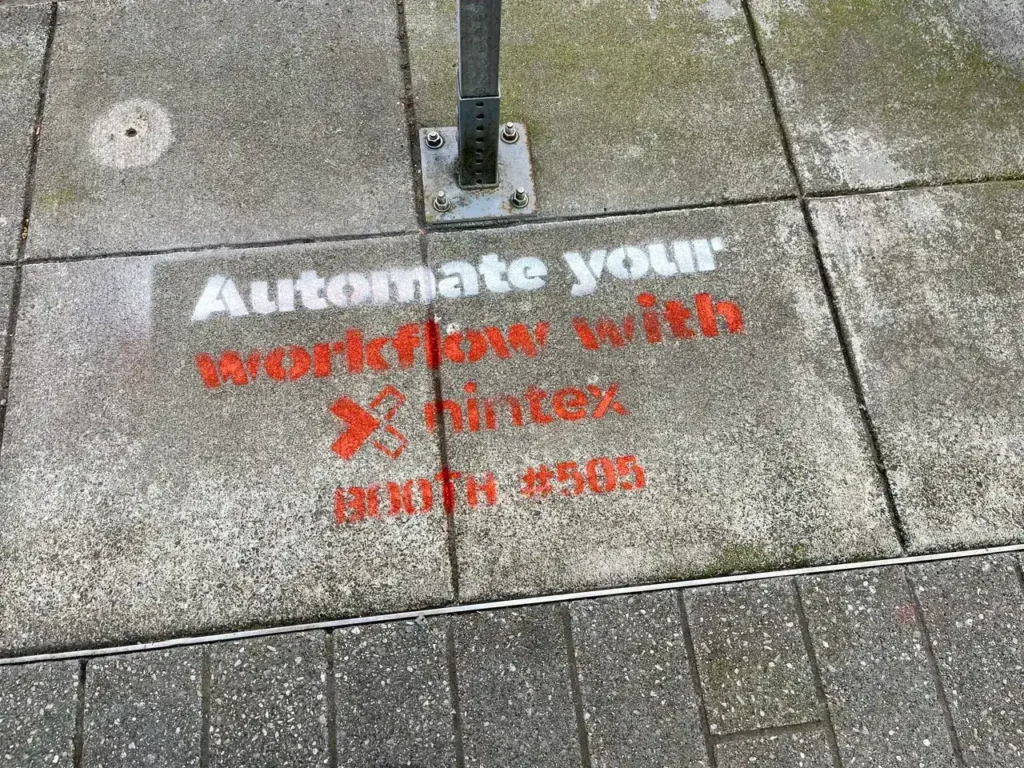
American Guerrilla Marketing has executed Sidewalk Stencil™ campaigns across the country for brands that include Nike, Wrangler, and EA Sports. The process is precise: we scout your preferred Tulsa locations, identify surfaces with the right foot traffic and texture, determine the appropriate stencil method, and deploy on schedule. Every campaign is documented with photos and GPS-tagged placement reports so your team can verify coverage without leaving the office.
Tulsa’s combination of thriving arts districts, a packed entertainment and events calendar anchored by the BOK Center and ONEOK Field, an internationally recognized riverfront park, and historically significant cultural venues like Cain’s Ballroom and the Woody Guthrie Center makes it one of the most compelling mid-market opportunities for street-level brand activation in the region. The city draws visitors and residents alike to its walkable corridors, and those corridors are where Sidewalk Stencils™ live.
Whether you are a local Tulsa brand building neighborhood presence, a regional company entering the northern Oklahoma market, or a national advertiser activating around a BOK Center show or the Tulsa State Fair, Sidewalk Stencils™ give you a format the city itself cannot ignore. The pavement is the medium. Tulsa’s foot traffic is the audience. We connect the two.
Ready to Own Tulsa's Sidewalks?
From the Brady Arts District to Cherry Street, Brookside, and the Gathering Place, AGM puts your brand exactly where Tulsa walks. Let's build your campaign.
Browse Cities in Oklahoma
Select a city to explore Sidewalk Stencil Advertising opportunities.
Why Tulsa Is Built For Sidewalk Stencil Campaigns
Tulsa compresses a remarkable density of distinct pedestrian zones into a navigable city footprint. Brady Arts District, Blue Dome, Cherry Street, Brookside, Pearl District, and the Gathering Place riverfront each draw their own audience type, event calendar, and commercial ecosystem. That geographic concentration means a well-planned stencil campaign can reach multiple demographic profiles across multiple neighborhoods within a single deployment — a level of coverage that would require far more media units in a more dispersed market.
Brady Arts District — N Main St & Brady St
The Brady Arts District is Tulsa’s most historically significant cultural neighborhood and its most active evening pedestrian zone. Cain’s Ballroom — a legendary music venue that hosted Bob Wills and the Texas Playboys in the 1930s and now draws national touring acts — anchors the district on N Main Street. The Woody Guthrie Center, ONEOK Field (home of the Tulsa Drillers), and a growing cluster of galleries, craft bars, and restaurants make the Brady a multi-use corridor active from business hours through late night. Pedestrians moving between venues along N Main Street and Brady Street create a natural foot-traffic corridor where stencil placements capture an audience ranging from arts-oriented gallery visitors to baseball fans to concert-goers, often within the same evening. Reverse graffiti performs exceptionally on the district’s older brick-adjacent concrete surfaces.
Blue Dome District — E 1st St & S Boston Ave
The Blue Dome District occupies the intersection of E 1st Street and S Boston Avenue in downtown Tulsa, named for the 1929 Gulf Oil service station that anchors the corner. The surrounding blocks concentrate independent restaurants, bars, music venues, and boutique retail in a tight, walkable grid that produces concentrated evening foot traffic. The district is particularly active on weekend nights, when pedestrian density rivals the Brady Arts District and the combined entertainment draw of both zones creates a continuous walkable corridor across northern downtown Tulsa. A stencil campaign in the Blue Dome District reaches a young professional and entertainment-seeking demographic in a format that is highly legible against the district’s historic architectural backdrop.
Cherry Street (E 15th St) — Between Peoria Ave & Utica Ave
Cherry Street — the local name for the E 15th Street corridor between Peoria Avenue and Utica Avenue — is Tulsa’s most established neighborhood commercial strip and one of the most persistently walkable streets in the city. Independent coffee shops, acclaimed restaurants, book stores, wine bars, and specialty retailers line both sides of the street, drawing a consistent flow of Midtown residents, university-area professionals, and visitors throughout the week. The Cherry Street Farmers Market runs on Saturday mornings and concentrates foot traffic at the Peoria end of the strip, making it one of Tulsa’s highest-density single-morning pedestrian events for a neighborhood-scale location. Stencils placed along Cherry Street have long dwell windows — shoppers and diners move slowly and read their environment carefully.
Gathering Place — Riverside Dr & 21st St Pedestrian Approaches
The Gathering Place is a 100-acre public park along the Arkansas River that opened in 2018 as one of the largest private park investments in American history. Funded by the George Kaiser Family Foundation, the park draws millions of visitors annually with its adventure playgrounds, event lawns, boathouse, and year-round programming that includes concerts, cultural festivals, and community events. The pedestrian approaches to the park along Riverside Drive at 21st Street and the surrounding access points concentrate family groups, recreational visitors, and event attendees into defined approach corridors. Stencil placements at the park’s primary entry points intercept visitors at the transition from the urban street environment to the park experience — a moment of peak relaxation and brand receptivity.
Brookside — S Peoria Ave between 31st St & 41st St
Brookside is Tulsa’s beloved south-side neighborhood commercial corridor, stretching along S Peoria Avenue from 31st Street south to 41st Street. The strip is defined by a walkable, small-town-in-the-city character — owner-operated restaurants, boutique fitness studios, a beloved independent pharmacy, neighborhood bars, and specialty shops that have served the surrounding residential neighborhoods for decades. The foot traffic here is primarily local — Brookside residents and south Tulsa professionals who park on a side street and walk the strip — which gives a stencil campaign here a high-frequency repeated exposure dynamic. The same person walks past the same placement multiple times per week, producing brand recall that single-impression formats cannot match.
BOK Center Arena Perimeter — W 2nd St & S Denver Ave
The BOK Center, Tulsa’s premier arena venue, anchors the western edge of downtown and hosts the Oklahoma City Thunder satellite schedule, major national concert tours, and arena spectaculars that draw tens of thousands of visitors per event. The pedestrian approaches from the downtown hotel cluster along S Denver Avenue, from the surface and structured parking to the south and west, and from the Blue Dome and Brady Districts to the east concentrate arena crowds into defined approach corridors before and after each event. A chalk stencil campaign deployed the morning of a major BOK Center show reaches the arriving audience at maximum freshness — and in the emotional state of excited anticipation that produces the highest brand impression retention of any event-adjacent activation context.
Stencil Types Available In Tulsa
Every Tulsa location has different pavement conditions, brand requirements, and campaign duration goals. AGM offers four distinct stencil methods, and we help you select the right one based on your specific surface, timeline, and objective.
Chalk Stencil
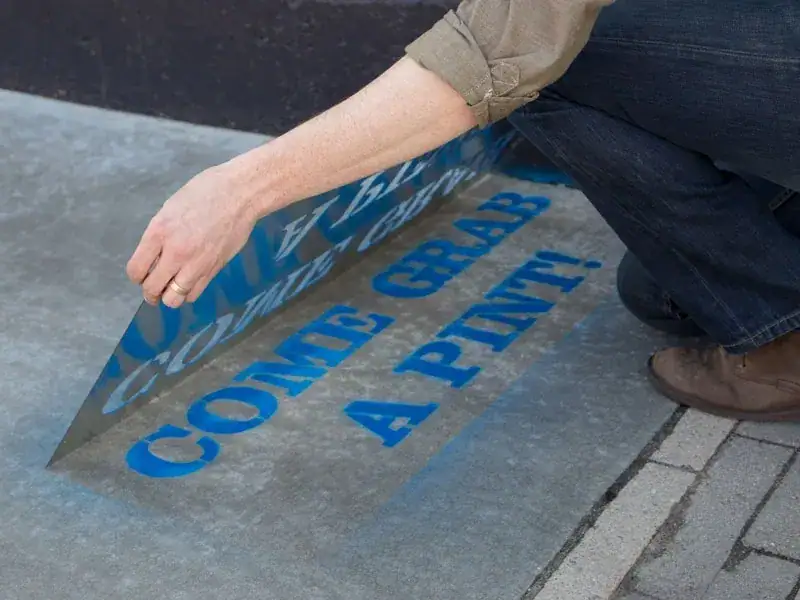
Chalk stencils use water-soluble chalk-based media applied through a precision stencil to produce bright, high-contrast impressions. They are fully temporary — lasting anywhere from several hours to a few days depending on weather and surface — which makes them ideal for event-driven campaigns in Tulsa. A chalk stencil campaign deployed ahead of a BOK Center concert, a Drillers home stand at ONEOK Field, or the Tulsa State Fair activates exactly when the highest-concentration audiences are moving through targeted corridors. Because chalk is non-damaging and water-soluble, it is broadly welcomed in city-approved public spaces and is the most accessible format for brands navigating Tulsa’s permitting landscape. Tulsa’s spring storm season means we monitor forecasts carefully and time chalk deployments for maximum longevity.
Reverse Graffiti (Clean Graffiti)
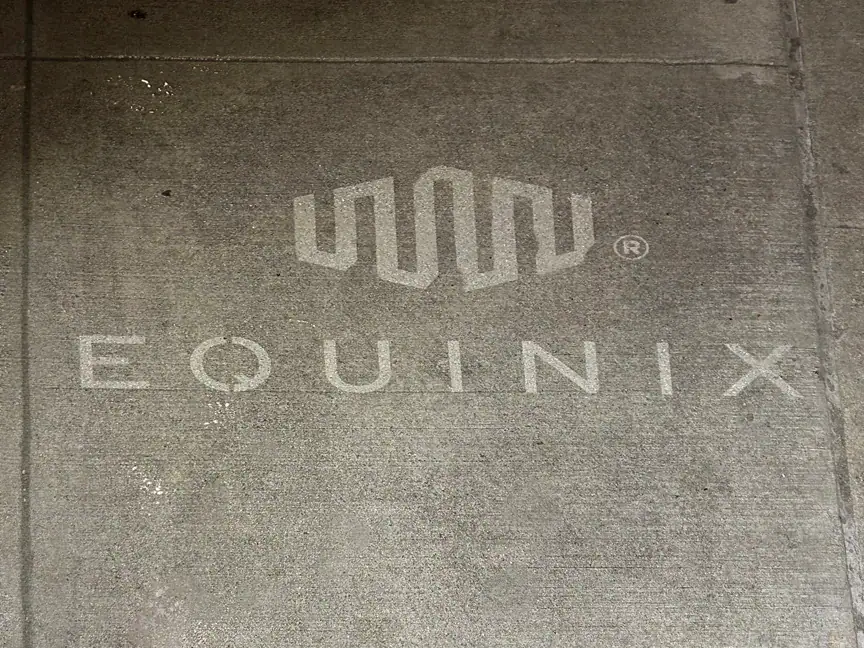
Reverse graffiti uses high-pressure water to selectively clean a brand pattern into an existing layer of grime, exhaust residue, or surface discoloration. The result is a photographic-quality impression in the contrast between clean and dirty pavement. Tulsa’s Brady Arts District, Blue Dome corridor, and the older sidewalk sections along S Boston Avenue downtown have exactly the kind of accumulated surface patina that makes reverse graffiti spectacular. The technique generates significant organic social media documentation because the concept is counterintuitive — an ad created by cleaning rather than adding — which makes it particularly strong for brands with a sustainability angle or any campaign where earned media is part of the brief. Along Cain’s Ballroom and the adjacent ONEOK Field perimeter, reverse graffiti produces results that get photographed and shared by the very audience you are trying to reach.
Paint Stencil
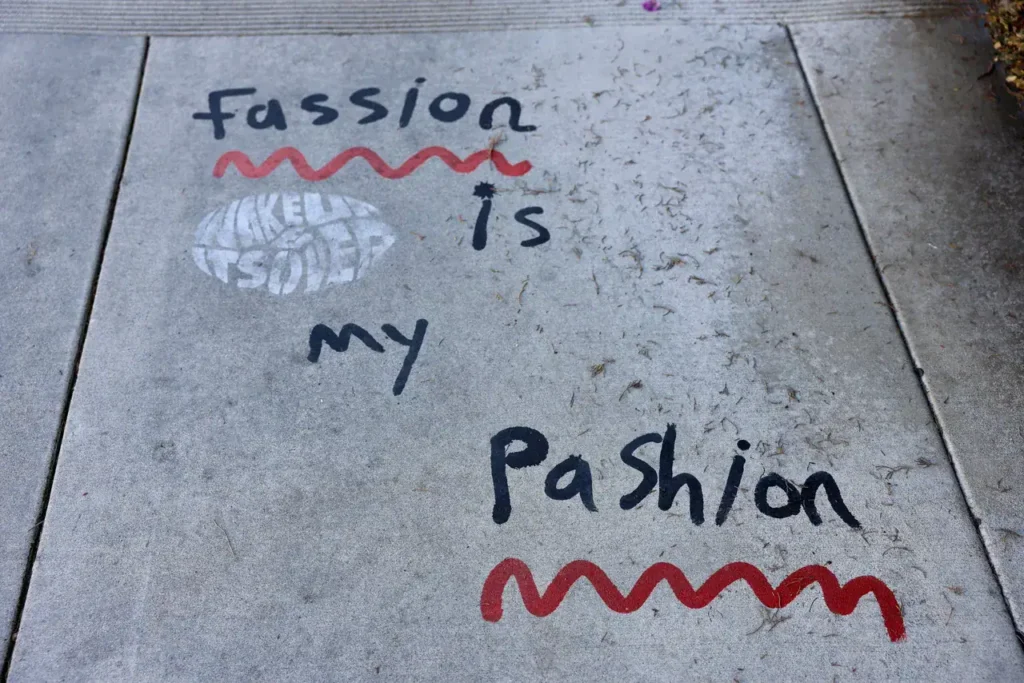
Paint stencils are the most durable format AGM deploys. Using water-based or specialty paints applied through precision-cut stencil templates, paint stencils produce sharp, lasting impressions suited for longer-duration campaigns or placements on private property. For a brand occupying a Tulsa retail space in Cherry Street, a restaurant in Brookside, or a venue sponsor along the Brady Arts corridor, a paint stencil delivers consistent impressions across weeks or months. The format supports complex brand marks, full logos, and multi-color designs at any of our available sizes. Private property authorization is always confirmed before deployment, and our team coordinates with Tulsa property owners and business improvement districts as part of the campaign planning process.
Water Stencil (Pressure Wash)
Water stencils use targeted pressure washing on specific surface types — typically concrete or pavement with a natural patina — to create clean brand impressions. The technique is closely related to reverse graffiti but tuned for surfaces where the contrast between cleaned and uncleaned areas produces a particularly sharp result. For Tulsa campaigns targeting the older downtown sidewalks near the Deco District, the surface approaches to the Gathering Place, or the established concrete panels along S Peoria in Brookside, water stencils can produce gallery-quality results at street scale. Like reverse graffiti, this method leaves no residue and requires no paint or chemical application, making it one of the cleanest formats in the AGM portfolio.
Get A Free Sidewalk Stencil Advertising Quote
Ready to make your brand stand out with sidewalk stencil advertising? Contact American Guerrilla Marketing to plan your campaign. Tell us your target locations, campaign goals, and timeline, and our team will help you create a customized sidewalk stencil advertising strategy that fits your needs and budget.
Award Winning Personalized Service
You will get thoughtful, devoted, and individualized attention from our experienced, qualified, and professional personnel. Being one of the most illustrious agencies in Brooklyn, New York, American Guerrilla Marketing has been awarded the Best of Brooklyn title.
Nationwide
Industry City, Brooklyn, New York 11232
American Guerrilla Marketing
Hours
Mon - Fri: 9 AM - 5 PM
Sat & Sun: Closed
Automate your campaign with AGM’s Request for Proposal Builder.
Automate your campaign with AGM’s Request for Proposal Builder. Simply answer a few quick questions about your campaign goals, markets, and timeline, and the system will generate a tailored presentation with recommended strategies, quantities, and pricing. Click the RFP Builder to instantly receive your customized proposal.
Tulsa Placement Strategy: Where to Put Your Stencils
Choosing the right Tulsa location is the single most important variable in a stencil campaign’s performance. Traffic count matters, but so does traffic composition — the right 500 people seeing your brand is worth more than 5,000 disengaged eyes. Here is how we think about placement across Tulsa’s key corridors.
N Main St (Brady Arts Corridor): N Main Street between Brady Street and Reconciliation Way is the pedestrian spine of the Brady Arts District, passing Cain’s Ballroom, the Woody Guthrie Center, and the main gallery row. Stencils placed along this stretch intercept an arts-engaged, culturally aware audience during gallery walks, concert arrivals, and the regular foot traffic generated by the district’s restaurants and bars throughout the week. Evening placements here are particularly effective — this is a nighttime corridor with strong ambient lighting and slow-moving pedestrian traffic that maximizes dwell time per impression.
S Boston Ave (Deco District & Downtown Core): S Boston Avenue through the Art Deco downtown corridor is Tulsa’s architectural showpiece and a strong pedestrian zone during business hours and evening events. The sidewalks along S Boston between 1st Street and 6th Street carry professional and visitor foot traffic past some of the finest Art Deco facades in America, creating a visually attentive audience that notices environmental detail. A stencil placed on S Boston reads alongside its architectural context rather than against it — a pavement-level brand expression in a streetscape where people are already primed to look at what surrounds them.
E 15th St at Peoria Ave (Cherry Street Anchor): The Peoria Avenue intersection is the western anchor of Cherry Street and the highest foot-traffic point on the strip, where the farmers market concentrates Saturday morning visitors and where pedestrians from the surrounding Midtown residential neighborhoods enter the commercial corridor. A stencil at this intersection captures virtually every Cherry Street visitor during the campaign window — whether they are arriving for the farmers market, heading to one of the coffee shops, or beginning a Saturday stroll along the full length of the strip.
Riverside Dr at 21st St (Gathering Place Approach): The Riverside Drive corridor at 21st Street is the primary vehicular and pedestrian approach to the Gathering Place from Tulsa’s Midtown neighborhoods. Pedestrians crossing from the street-side parking areas to the park entry gates pass through a defined corridor that is ideal for stencil placement — a liminal zone where people are transitioning from purposeful movement to leisure, and their attention is fully available for environmental cues including brand impressions on the pavement beneath their feet.
S Peoria Ave (Brookside Strip): The walkable commercial stretch of S Peoria in Brookside produces the highest repeat-exposure dynamic of any Tulsa corridor. Local residents walk this strip multiple times per week, creating a frequency of brand impression that single-event activations cannot replicate. A stencil placed at the busiest block-front midpoint of the Brookside strip — around the 36th Street cross-street — captures both the north-to-south foot flow from the 31st Street entry and the south-to-north approach from the 41st Street end, ensuring maximum coverage of the strip’s full daily pedestrian volume.
Sidewalk Stencil Pricing In Tulsa
Every Tulsa campaign is priced by stencil count. Pricing includes creative development, permitting support, professional installation, and post-campaign photo documentation. All prices are all-in — no hidden deployment or travel fees for Oklahoma markets.
Not sure which tier is right for your Tulsa campaign? Our team will map your target corridors, estimate pedestrian coverage, and recommend the configuration that delivers the best impression density for your budget. Contact us for a no-obligation scoping call.
Available Stencil Sizes
AGM’s Sidewalk Stencils™ are produced in four standard sizes, each suited to different surface contexts and brand objectives. Smaller formats work well at doorways, crosswalk approaches, and the tightly spaced sidewalks along Cherry Street and the Blue Dome District. Larger formats command the wide plaza surfaces near the Gathering Place entry, the open concrete approaches to the BOK Center, and the broad sidewalks of N Main Street in the Brady Arts District. Every Tulsa location assessment includes a size recommendation based on surface width, pedestrian flow direction, and visual sight lines.
- 11″ × 14″Precision placement at doorways, crosswalk corners, tight neighborhood corridors
- 48″ × 12″Horizontal banner format for curb edges, storefronts, and directional runs
- 36″ × 18″Versatile mid-scale format for main sidewalk panels and plaza approaches
- 24″ × 24″Square format for logos, icons, and visuals built around symmetrical brand marks
How A Tulsa Sidewalk Stencil Campaign Works
Step 1 — Brief & Strategy: We start with your objectives, target demographic, and preferred Tulsa zones. If you have specific streets or events in mind — a BOK Center show, a Drillers home stand, Mayfest, or a Gathering Place festival — we incorporate them. If you need a recommendation, we map the corridors that match your audience profile and campaign timeline.
Step 2 — Location Scouting: Our team scouts your selected Tulsa locations, assessing surface condition, foot traffic patterns, municipal placement requirements, and sight-line performance. We photograph and GPS-tag every approved placement point before any stenciling begins.
Step 3 — Permitting & Coordination: AGM handles coordination with Tulsa city contacts, property managers for private-surface placements, and event organizers for festival-adjacent activations. We confirm every placement point is cleared before deployment day.
Step 4 — Stencil Production: Your creative is translated into precision-cut stencil templates sized and configured for your chosen format. We produce exact templates for every unique placement — no one-size-fits-all shortcuts.
Step 5 — Deployment: Our trained installation crews deploy your campaign across Tulsa on schedule, working quickly and cleanly. Chalk and reverse graffiti campaigns can be completed overnight for a morning reveal. Paint campaigns are deployed during lower-traffic hours to ensure clean, sharp results.
Step 6 — Documentation & Reporting: Every stencil is photographed after installation, GPS-tagged, and compiled into a post-campaign report delivered to your team. You get exact placement confirmation with visual evidence for every location in the campaign.
Brands That Have Used AGM Sidewalk Stencils™
American Guerrilla Marketing’s Sidewalk Stencils™ program has been trusted by some of the most recognizable consumer brands in the world. Nike has used our pavement campaigns to drive awareness around product launches, activating street-level attention in the hours and days before major retail moments. Wrangler partnered with AGM to bring its denim brand identity into urban streetscapes in a format that felt authentic to an outdoor, working-class American aesthetic — a brand story with genuine resonance in Tulsa’s oil-and-music cultural context. EA Sports has leveraged stencil campaigns around game launch dates to intercept gaming audiences in high-density pedestrian environments near retail and entertainment venues.
These campaigns demonstrate that sidewalk stenciling is not a niche tactic — it is a format that scales from local brand builders to global consumer giants. What these brands recognized is that the sidewalk is one of the last genuinely uncluttered advertising surfaces in the urban environment. There are no algorithms curating who sees it. There is no scroll that takes it away. There is no ad blocker that hides it. A person walks by, they see it, and they react.
For Tulsa brands, the same logic applies at a neighborhood scale. A Brady Arts District gallery can command the visual field on the N Main approach to its opening night. A Cherry Street restaurant can reinforce its brand with a directional stencil campaign that feels organic to the neighborhood’s independent character. A craft brewery in the Pearl District can announce a new seasonal release to the Brookside foot traffic without buying a single square inch of traditional media. The format works at every budget level and for every brand category that benefits from local name recognition and street-level presence.
Frequently Asked Questions
Yes. The pedestrian corridors approaching Cain’s Ballroom on N Main Street are among the most concentrated foot-traffic zones in the Brady Arts District on show nights. Concert-goers arriving from the surrounding parking areas, the adjacent Brady Arts District restaurants, and the nearby ONEOK Field perimeter funnel into the N Main corridor in the hour before doors open. AGM coordinates with the venue and city contacts to confirm approved sidewalk placement zones for the public right-of-way on show nights. Chalk stencils are the preferred format — they deploy quickly, produce high-contrast impressions against the older concrete surfaces of the Brady Arts District, and dissipate naturally after the event. We recommend deploying the morning of the show so the impression is fresh when the first wave of arriving fans encounters it.
The Gathering Place is one of the highest-impact stencil placements AGM can execute in Tulsa. With millions of annual visitors drawn by the park’s programming, adventure playgrounds, and event calendar, the approach corridors along Riverside Drive concentrate a consistent, high-volume family and community audience into defined pedestrian zones. The park’s appeal cuts across demographics — families with children, young professionals, cultural event attendees, and recreational visitors all use the same approach corridors. A stencil placed at the primary pedestrian entry points along 21st Street and Riverside Drive reaches a cross-demographic audience at the moment of maximum leisure engagement. For brands targeting family audiences, outdoor recreation consumers, or the culturally engaged Tulsa community, the Gathering Place is an exceptional primary or complementary placement.
Cherry Street and Brookside serve somewhat similar demographics — both are walkable neighborhood commercial corridors drawing Midtown and south Tulsa residents — but they produce different campaign dynamics. Cherry Street benefits from the Cherry Street Farmers Market’s concentrated Saturday morning traffic and a stronger daytime food-and-coffee culture that drives consistent weekday foot traffic. Brookside produces higher repeat-exposure frequency because its audience lives within walking distance and visits the strip multiple times per week. For campaigns prioritizing peak single-day impression volume, Cherry Street on a farmers market Saturday delivers. For campaigns prioritizing the repeated brand exposure that builds long-term recall, Brookside’s neighborhood regulars are the stronger audience. Many Tulsa campaigns target both corridors simultaneously to achieve both types of exposure.
ONEOK Field in the Brady Arts District is one of the most beautifully integrated minor league ballparks in America, and its location in the heart of Tulsa’s arts and entertainment district means game-day foot traffic flows into and out of a broader pedestrian ecosystem. Drillers fans arriving from the surrounding streets, the Brady parking facilities, and the neighboring restaurants and bars create defined approach corridors where stencil placements intercept a family-friendly, sports-engaged audience before and after each game. For brands seeking extended season-long presence near ONEOK Field, paint stencils on private surfaces adjacent to the ballpark can maintain consistent impressions throughout the Texas League season. For game-day activations, chalk stencils deployed on the morning of each targeted home game deliver the freshest, most vivid impressions.
Mayfest is one of Oklahoma’s premier outdoor arts festivals, drawing more than 150,000 visitors annually to Tulsa’s Centennial Park along the Arkansas River in late April. The festival’s concentrated foot traffic — arts buyers, families, food lovers, and culture-seekers — represents one of the highest-quality single-event audiences in the Tulsa market. AGM can place chalk stencils along the primary pedestrian approach routes from the parking corridors and downtown connection paths to the festival entry points in the days and hours leading up to Mayfest. The festival’s broad demographic and strong arts-engagement profile makes it an excellent activation point for consumer brands, food and beverage companies, and any advertiser whose audience overlaps with Tulsa’s arts community.
The Blue Dome District is one of AGM’s preferred reverse graffiti locations in Tulsa. The older sidewalk surfaces along E 1st Street and S Boston Avenue in and around the district have developed the accumulated grime and oxidation that makes reverse graffiti impressions visually spectacular — the cleaned brand pattern contrasts sharply with the surrounding aged pavement, particularly under the Blue Dome District’s evening ambient lighting. The technique also generates consistent organic social media documentation from district visitors, who photograph and share the counterintuitive concept of an advertisement created by cleaning. For brands targeting Tulsa’s young professional and entertainment-seeking demographic, a Blue Dome reverse graffiti campaign produces both physical street-level impressions and earned digital reach simultaneously.
AGM manages all permitting coordination for every Tulsa campaign. Requirements vary based on stencil method — chalk on public sidewalks operates under different parameters than paint on private surfaces — and our team navigates those requirements as part of the campaign planning process. We do not ask our clients to manage city contacts or research local code requirements themselves. All permitting work is included in the campaign scope. For placements in the Brady Arts District and Blue Dome District, where some surfaces fall within Business Improvement District jurisdiction, we engage directly with the relevant BID contacts as part of our standard placement clearance process.
A meaningful Brady Arts District campaign typically covers the N Main Street spine, the cross-streets feeding into the Cain’s Ballroom and ONEOK Field perimeters, and the connecting corridor to the Blue Dome District along E 1st Street. This coverage area responds well to campaigns in the 30–50 stencil range, positioned at the primary pedestrian decision points and venue approach corridors. For a comprehensive campaign that also extends south into the Blue Dome District and includes the BOK Center arena approach, 75–100 stencils provide genuinely thorough coverage with impressions at every major pedestrian movement node across northern downtown Tulsa. We provide a specific placement map recommendation during your initial planning call.
BOK Center concert campaigns are among the highest-impact single-event activations AGM can execute in Tulsa. A sold-out BOK Center show concentrates 19,000-plus fans in the arena perimeter, and the pedestrian approaches from downtown parking, the hotels along S Denver Avenue, and the Blue Dome and Brady Districts to the east compress that audience into predictable corridors. Chalk stencils deployed the morning of a concert are at peak freshness when pre-show foot traffic begins. For multi-night runs or touring shows with consecutive event dates, a single deployment can serve multiple shows — chalk stencils on protected concrete surfaces in low-rain periods can remain legible for several days, maximizing the value of a single installation across multiple concert nights.
Standard Tulsa campaign lead time is two to three weeks from brief confirmation to deployment. This window covers location scouting, permitting coordination, stencil production, and crew scheduling. For event-driven campaigns tied to BOK Center shows, Mayfest, the Tulsa State Fair, or Drillers home games, we recommend initiating the process four weeks in advance to ensure placement clearances are fully secured before deployment day. Rush campaigns can occasionally be accommodated for chalk stencil activations where permitting requirements are minimal, but standard lead times give us the planning room to deliver a campaign that performs at the level Tulsa’s active pedestrian corridors make possible.
Our Campaign Locations
Browse All States
Explore Sidewalk Stencil Advertising opportunities across the United States.
49 States • 201 Cities