American Guerrilla Marketing
Nationwide Service
Media planning, media buying, billboard advertising, & guerrilla marketing
Bus Stop Advertising in Arkansas
AGM works as your media planning and buying partner for Bus Stop advertising — we source placements through established vendor and transit authority relationships, negotiate rates on your behalf, and manage the campaign from creative specs through to proof-of-performance reporting. You work with one team; we handle the operators and inventory owners.

Bus stop advertising in Arkansas places brands at the street-level touchpoints where transit riders wait, transfer, and make daily decisions. Shelter displays and bench placements at high-traffic stops across Little Rock, Fayetteville, and Fort Smith create repeated impressions in the commercial and residential corridors these transit networks serve. The static, physical presence of shelter advertising in Arkansas means creative is visible around the clock for the full campaign period, without the impression decay that broadcast and digital formats experience when the audience is not actively engaged with the medium. Arkansas’s transit stop infrastructure spans covered shelter units at major stops to bench placements along arterial routes, giving advertisers options at multiple price points with different audience densities.

Advertise with Fort Smith Transit
Fort Smith Transit serving Arkansas's second-largest city. Rogers Avenue commercial corridor, historic Garrison Avenue downtown,...
Learn More
Advertise with Hot Springs Intracity Transit
Hot Springs Intracity Transit in America's Spa City. Bathhouse Row on Central Avenue, Oaklawn Racing...
Learn MoreTransit Systems Serving Arkansas

Advertise with Jonesboro Economical Transit
Jonesboro Economical Transit (JET) in northeast Arkansas. Arkansas State University, NEA Baptist Hospital, St. Bernards...
Learn More
Advertise with MATA West Memphis Routes
MATA West Memphis Routes serve Crittenden County's transit-dependent working community, the Southland Casino Racing corridor,...
Learn More
Advertise with Ozark Regional Transit
Ozark Regional Transit across the Fayetteville, Springdale, Rogers, and Bentonville corridor of Northwest Arkansas. American...
Learn More
Advertise with Pine Bluff Transit
Pine Bluff Transit in Pine Bluff, Arkansas. University of Arkansas Pine Bluff campus, Southeast Arkansas...
Learn More
Advertise with Razorback Transit
Razorback Transit serves the University of Arkansas campus bus system in Fayetteville. 28,000+ enrolled students...
Learn More
Advertise with Rock Region Metro
Rock Region Metro in Little Rock, Arkansas. Main Street, University Avenue, West Markham, UAMS Medical...
Learn More
Advertise with T-Line Texarkana
T-Line Texarkana serving both Texarkana, Arkansas and Texarkana, Texas. State Line Avenue, the Red River...
Learn MoreReady to Run Bus Stop Advertising in Arkansas?
AGM is a direct media buyer with over 10 years and 500+ transit advertising campaigns placed across U.S. markets including Arkansas. We work directly with Arkansas transit authorities and their advertising vendors to secure shelter displays, junior posters, bench placements, and surround packages at the highest-traffic stop locations in your target market. Contact us with your Arkansas market, format, and campaign objectives and we will respond with available inventory, current rates, and a campaign plan within one business day.
Bus Shelter Advertising Across Arkansas
Little Rock’s bus stop advertising market concentrates around the downtown transit hub, major employment center stops, and the high-ridership arterial routes that carry the city’s daily commuter and healthcare worker audience. Shelter placements near University of Arkansas for Medical Sciences (UAMS) in Little Rock serve a professional healthcare workforce audience with high-frequency repeat visits throughout the campaign period. The University of Arkansas campus in Fayetteville generates university student and faculty ridership on stop placements near campus access points, delivering a concentrated young adult demographic that responds strongly to brand advertising.
Arkansas shelter advertising inventory in Little Rock and Fayetteville is managed through Rock Region Metro’s advertising vendor program. Shelter units along the River Valley industrial corridor along the Arkansas River see some of the system’s highest combined pedestrian, vehicle, and transit rider traffic. Bench advertising at stops without covered shelter structures extends campaign reach to residential and commercial neighborhoods where full shelter infrastructure has not been built, providing brand presence along the same routes at a lower per-unit investment. For regional and national advertisers, Arkansas shelter advertising offers access to the state’s key demographic segments at rates that reflect a less saturated out-of-home market than the major coastal metros.
Transit riders in Arkansas wait an average of five to fifteen minutes at bus stops per trip. A daily commuter visiting the same stop five days per week accumulates more than 100 minutes of dwell time in front of a single shelter display during a four-week campaign, a sustained impression quality that no passing outdoor format can replicate.
Arkansas Transit Systems: Shelter Advertising by Network
The following 9 transit systems collectively provide bus stop infrastructure in Arkansas. Stop advertising formats and availability vary by system and by the specific locations within each system’s network. AGM works with all Arkansas transit authorities and advertising vendors to identify and secure the highest-traffic stop locations for campaigns targeting Arkansas communities.
Fort Smith Transit
Fort Smith Transit maintains bus stop infrastructure throughout its service area in Arkansas, with shelter and bench placements at major stops along its fixed-route network. Stop advertising on the Fort Smith Transit network reaches transit riders during their dwell time at stops, typically ranging from five to fifteen minutes per visit for regular commuters. The pedestrian and vehicle traffic passing Fort Smith Transit shelter locations adds additional impressions beyond the core transit rider audience. Major transfer points and employment center stops within the Fort Smith Transit service area carry the highest combined daily traffic of any locations in the system. AGM can identify the highest-traffic stop advertising locations within the Fort Smith Transit system for campaigns targeting specific Arkansas communities and demographic corridors.
Hot Springs Intracity Transit
Hot Springs Intracity Transit maintains bus stop infrastructure throughout its service area in Arkansas, with shelter and bench placements at major stops along its fixed-route network. Stop advertising on the Hot Springs Intracity Transit network reaches transit riders during their dwell time at stops, typically ranging from five to fifteen minutes per visit for regular commuters. The pedestrian and vehicle traffic passing Hot Springs Intracity Transit shelter locations adds additional impressions beyond the core transit rider audience. Major transfer points and employment center stops within the Hot Springs Intracity Transit service area carry the highest combined daily traffic of any locations in the system. AGM can identify the highest-traffic stop advertising locations within the Hot Springs Intracity Transit system for campaigns targeting specific Arkansas communities and demographic corridors.
Jonesboro Economical Transit
Jonesboro Economical Transit maintains bus stop infrastructure throughout its service area in Arkansas, with shelter and bench placements at major stops along its fixed-route network. Stop advertising on the Jonesboro Economical Transit network reaches transit riders during their dwell time at stops, typically ranging from five to fifteen minutes per visit for regular commuters. The pedestrian and vehicle traffic passing Jonesboro Economical Transit shelter locations adds additional impressions beyond the core transit rider audience. Major transfer points and employment center stops within the Jonesboro Economical Transit service area carry the highest combined daily traffic of any locations in the system. AGM can identify the highest-traffic stop advertising locations within the Jonesboro Economical Transit system for campaigns targeting specific Arkansas communities and demographic corridors.
Memphis Area Transit Authority
Memphis Area Transit Authority maintains bus stop infrastructure throughout its service area in Arkansas, with shelter and bench placements at major stops along its fixed-route network. Stop advertising on the Memphis Area Transit Authority network reaches transit riders during their dwell time at stops, typically ranging from five to fifteen minutes per visit for regular commuters. The pedestrian and vehicle traffic passing Memphis Area Transit Authority shelter locations adds additional impressions beyond the core transit rider audience. Major transfer points and employment center stops within the Memphis Area Transit Authority service area carry the highest combined daily traffic of any locations in the system. AGM can identify the highest-traffic stop advertising locations within the Memphis Area Transit Authority system for campaigns targeting specific Arkansas communities and demographic corridors.
Ozark Regional Transit
Ozark Regional Transit maintains bus stop infrastructure throughout its service area in Arkansas, with shelter and bench placements at major stops along its fixed-route network. Stop advertising on the Ozark Regional Transit network reaches transit riders during their dwell time at stops, typically ranging from five to fifteen minutes per visit for regular commuters. The pedestrian and vehicle traffic passing Ozark Regional Transit shelter locations adds additional impressions beyond the core transit rider audience. Major transfer points and employment center stops within the Ozark Regional Transit service area carry the highest combined daily traffic of any locations in the system. AGM can identify the highest-traffic stop advertising locations within the Ozark Regional Transit system for campaigns targeting specific Arkansas communities and demographic corridors.
Pine Bluff Transit
Pine Bluff Transit maintains bus stop infrastructure throughout its service area in Arkansas, with shelter and bench placements at major stops along its fixed-route network. Stop advertising on the Pine Bluff Transit network reaches transit riders during their dwell time at stops, typically ranging from five to fifteen minutes per visit for regular commuters. The pedestrian and vehicle traffic passing Pine Bluff Transit shelter locations adds additional impressions beyond the core transit rider audience. Major transfer points and employment center stops within the Pine Bluff Transit service area carry the highest combined daily traffic of any locations in the system. AGM can identify the highest-traffic stop advertising locations within the Pine Bluff Transit system for campaigns targeting specific Arkansas communities and demographic corridors.
Razorback Transit
Razorback Transit maintains bus stop infrastructure throughout its service area in Arkansas, with shelter and bench placements at major stops along its fixed-route network. Stop advertising on the Razorback Transit network reaches transit riders during their dwell time at stops, typically ranging from five to fifteen minutes per visit for regular commuters. The pedestrian and vehicle traffic passing Razorback Transit shelter locations adds additional impressions beyond the core transit rider audience. Major transfer points and employment center stops within the Razorback Transit service area carry the highest combined daily traffic of any locations in the system. AGM can identify the highest-traffic stop advertising locations within the Razorback Transit system for campaigns targeting specific Arkansas communities and demographic corridors.
Rock Region Metro
Rock Region Metro maintains bus stop infrastructure throughout its service area in Arkansas, with shelter and bench placements at major stops along its fixed-route network. Stop advertising on the Rock Region Metro network reaches transit riders during their dwell time at stops, typically ranging from five to fifteen minutes per visit for regular commuters. The pedestrian and vehicle traffic passing Rock Region Metro shelter locations adds additional impressions beyond the core transit rider audience. Major transfer points and employment center stops within the Rock Region Metro service area carry the highest combined daily traffic of any locations in the system. AGM can identify the highest-traffic stop advertising locations within the Rock Region Metro system for campaigns targeting specific Arkansas communities and demographic corridors.
T-Line
T-Line maintains bus stop infrastructure throughout its service area in Arkansas, with shelter and bench placements at major stops along its fixed-route network. Stop advertising on the T-Line network reaches transit riders during their dwell time at stops, typically ranging from five to fifteen minutes per visit for regular commuters. The pedestrian and vehicle traffic passing T-Line shelter locations adds additional impressions beyond the core transit rider audience. Major transfer points and employment center stops within the T-Line service area carry the highest combined daily traffic of any locations in the system. AGM can identify the highest-traffic stop advertising locations within the T-Line system for campaigns targeting specific Arkansas communities and demographic corridors.
Bus Stop Advertising Formats In Arkansas
Guerrilla Marketing at Arkansas Bus Stops
Extend Your Arkansas Bus Stop Buy With Street-Level Formats
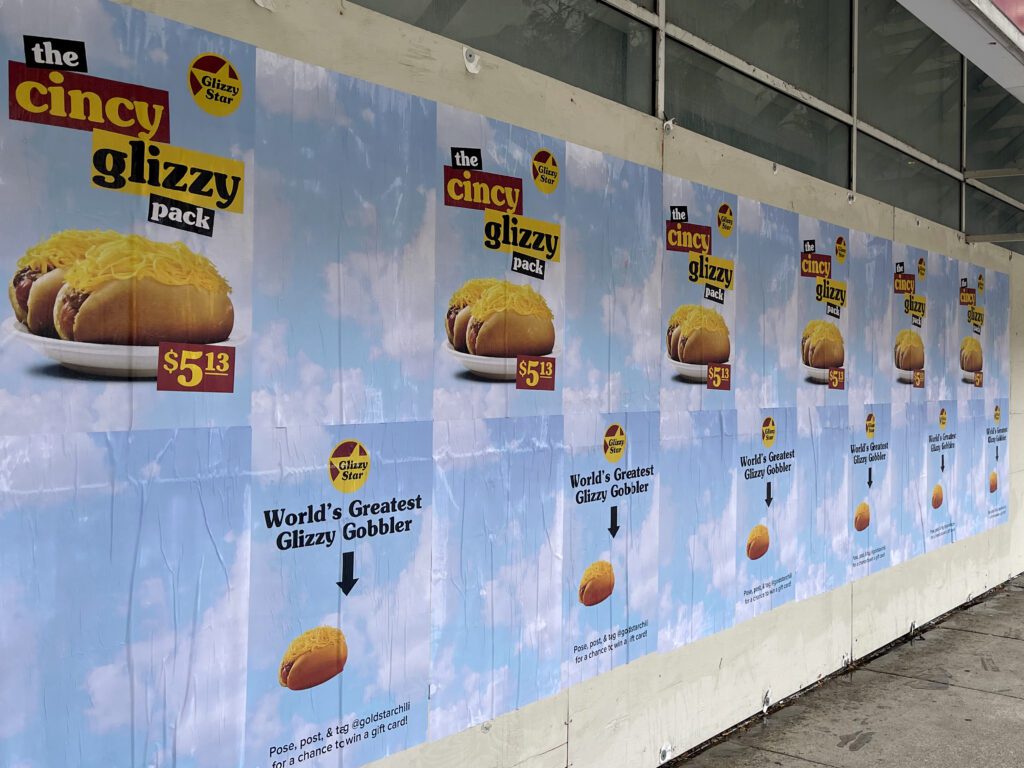
Arkansas bus shelter campaigns work harder with adjacent guerrilla formats supporting each stop location. Snipe advertising at utility infrastructure near high-traffic Little Rock shelters extends shelter creative visibility through the full block radius around each stop. Sidewalk stencils at the highest-traffic shelter locations reinforce shelter messaging at the exact point where audiences spend the most time waiting for service. Wheatpaste posters on adjacent commercial buildings carry consistent campaign creative through the street environment that shelter riders pass daily. Take-one programs near major Arkansas transit stops convert street-level awareness into trackable response at minimal incremental cost over the shelter advertising investment.
Frequently Asked Questions: Bus Stop Advertising in Arkansas
Little Rock has the most developed bus shelter advertising inventory in Arkansas, with covered shelter units at major stops throughout the downtown core and key transit corridors. Fayetteville has shelter placements at major stops along its primary transit routes. AGM can identify current shelter inventory at specific locations across all Arkansas transit markets.
A shelter display is mounted inside or on the covered shelter structure, providing protected creative display with potential backlit panels at many locations. A bench placement is at stops without shelter structures, providing ground-level brand presence along the route at a lower per-unit investment. Both formats reach the transit rider audience during their wait at the stop.
Standard Arkansas bus shelter campaigns run in four-week cycles aligned with transit authority ad scheduling. Eight, twelve, and longer booking windows are available. Annual placements at high-traffic locations in {city1} and {city2} are available through AGM for brands with year-round market presence objectives.
Many primary Little Rock shelter locations include backlit display panels that extend advertising visibility into evening and early morning commute hours. Lighting availability varies by specific shelter location and infrastructure age. AGM confirms lighting status for each placement as part of the site selection process.
Arkansas bus shelter advertising reaches transit riders during their most stationary and receptive moment: waiting at a stop. This audience skews toward working adults, healthcare workers, students, and service industry employees. Shelters at major transfer points and employment center stops also capture pedestrian and vehicle traffic beyond the core transit ridership.
Yes. Stop and shelter placements near the University of Arkansas campus in Fayetteville are available through the transit systems serving that campus. University-adjacent stop advertising delivers high-frequency exposures to the student and faculty demographic throughout the academic year.
Shelter display panels typically accept 4-sheet poster creative (40″ x 60″ or equivalent digital format). Simple, high-contrast creative with bold typography and a clear value proposition reads best from distance in both daytime and backlit nighttime conditions. Creative with a QR code or short URL enables direct response tracking from shelter placements.
Bus stop advertising in Arkansas reaches a stationary audience with extended dwell times at stops, a qualitatively different impression from the passing view of a highway billboard. Stop advertising in Arkansas’s transit markets typically costs less than comparable billboard placements in the same corridors, with higher frequency delivery to the transit rider audience during the campaign period.
Our Campaign Locations
Browse All States
Explore Bus Stop Advertising opportunities across the United States.
49 States • 0 Cities