American Guerrilla Marketing
Nationwide serivce
Media planning, media buying, billboard advertising, & guerrilla marketing
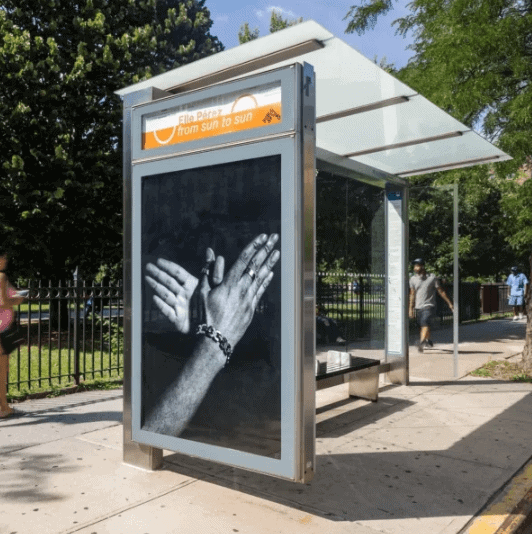
Bus stop advertising in Michigan places brands at the street-level touchpoints where transit riders wait, transfer, and make daily decisions. Shelter displays and bench placements at high-traffic stops across Detroit, Grand Rapids, and Ann Arbor create repeated impressions in the commercial and residential corridors these transit networks serve. The static, physical presence of shelter advertising in Michigan means creative is visible around the clock for the full campaign period, without the impression decay that broadcast and digital formats experience when the audience is not actively engaged with the medium. Michigan’s transit stop infrastructure spans covered shelter units at major stops to bench placements along arterial routes, giving advertisers options at multiple price points with different audience densities.

Battle Creek Transit connects the Cereal City's manufacturing and healthcare workforce -- Kellogg Company employees,...
Learn More
BATA connects Traverse City and Northwest Michigan -- Munson Healthcare workers, wine and cherry tourism...
Learn More
Bay Metro connects Bay City and the Saginaw Bay corridor -- Covenant HealthCare workers, Saginaw...
Learn More
BWAT connects Port Huron and St. Clair County -- Port Huron Hospital workers, SC4 students,...
Learn More
CATA serves Michigan's state capital and MSU's home city -- Michigan State University students, Lansing...
Learn More
DDOT is Detroit's municipal bus system -- Henry Ford Health workers, Wayne State University students,...
Learn More
Harbor Transit serves Ottawa County's lakeshore communities -- Grand Haven's tourism economy, Holland's Dutch-heritage manufacturing...
Learn More
JATA connects Jackson's healthcare and education anchors -- Henry Ford Allegiance Health workers, Jackson College...
Learn More
MAX serves Holland and the Macatawa Area -- Hope College students, Gentex and West Michigan...
Learn More
MarqTran serves Marquette -- the largest city in Michigan's Upper Peninsula, where Northern Michigan University...
Learn More
Metro Transit Kalamazoo connects WMU's 22,000 students, Bronson Methodist Hospital workers, and the Kalamazoo Promise-energized...
Learn More
MTA Flint connects the Vehicle City's healthcare corridor, the University of Michigan-Flint campus, and the...
Learn More
MATS connects Muskegon's shoreline communities -- Mercy Health Hackley Hospital workers, Muskegon Community College students,...
Learn More
STARS connects Saginaw's healthcare and education anchors -- Covenant HealthCare workers, SVSU students, and the...
Learn More
SMART serves Detroit's three-county suburban ring -- connecting automotive industry workers in Warren and Sterling...
Learn More
The Rapid serves Michigan's second city -- Spectrum Health and Mercy Health hospital workers, Grand...
Learn More
The Ride connects Ann Arbor and Ypsilanti -- University of Michigan's 47,000 students, U-M Health...
Learn More
TwinCATS connects the twin cities of Benton Harbor and St. Joseph -- Whirlpool Corporation's global...
Learn More
U-M Campus Shuttle serves the University of Michigan's 650-acre Ann Arbor campus -- connecting North...
Learn More
U-M Transit Services reaches central campus, north campus, and the medical center with nonstop university...
Learn MoreAGM is a direct media buyer with over 10 years and 500+ transit advertising campaigns placed across U.S. markets including Michigan. We work directly with Michigan transit authorities and their advertising vendors to secure shelter displays, junior posters, bench placements, and surround packages at the highest-traffic stop locations in your target market. Contact us with your Michigan market, format, and campaign objectives and we will respond with available inventory, current rates, and a campaign plan within one business day.
Detroit’s bus stop advertising market concentrates around the downtown transit hub, major employment center stops, and the high-ridership arterial routes that carry the city’s daily commuter and healthcare worker audience. Shelter placements near Henry Ford Health, Beaumont Health, and University of Michigan Medicine in southeast Michigan serve a professional healthcare workforce audience with high-frequency repeat visits throughout the campaign period. The University of Michigan campus in Ann Arbor generates university student and faculty ridership on stop placements near campus access points, delivering a concentrated young adult demographic that responds strongly to brand advertising.
Michigan shelter advertising inventory in Detroit and Grand Rapids is managed through Detroit Department of Transportation (DDOT)’s advertising vendor program. Shelter units along the Woodward Avenue and Jefferson Avenue corridors in Detroit see some of the system’s highest combined pedestrian, vehicle, and transit rider traffic. Bench advertising at stops without covered shelter structures extends campaign reach to residential and commercial neighborhoods where full shelter infrastructure has not been built, providing brand presence along the same routes at a lower per-unit investment. For regional and national advertisers, Michigan shelter advertising offers access to the state’s key demographic segments at rates that reflect a less saturated out-of-home market than the major coastal metros.
Transit riders in Michigan wait an average of five to fifteen minutes at bus stops per trip. A daily commuter visiting the same stop five days per week accumulates more than 100 minutes of dwell time in front of a single shelter display during a four-week campaign, a sustained impression quality that no passing outdoor format can replicate.
The following 21 transit systems collectively provide bus stop infrastructure in Michigan. Stop advertising formats and availability vary by system and by the specific locations within each system’s network. AGM works with all Michigan transit authorities and advertising vendors to identify and secure the highest-traffic stop locations for campaigns targeting Michigan communities.
Battle Creek Transit maintains bus stop infrastructure throughout its service area in Michigan, with shelter and bench placements at major stops along its fixed-route network. Stop advertising on the Battle Creek Transit network reaches transit riders during their dwell time at stops, typically ranging from five to fifteen minutes per visit for regular commuters. The pedestrian and vehicle traffic passing Battle Creek Transit shelter locations adds additional impressions beyond the core transit rider audience. Major transfer points and employment center stops within the Battle Creek Transit service area carry the highest combined daily traffic of any locations in the system. AGM can identify the highest-traffic stop advertising locations within the Battle Creek Transit system for campaigns targeting specific Michigan communities and demographic corridors.
Bay Area Transportation Authority maintains bus stop infrastructure throughout its service area in Michigan, with shelter and bench placements at major stops along its fixed-route network. Stop advertising on the Bay Area Transportation Authority network reaches transit riders during their dwell time at stops, typically ranging from five to fifteen minutes per visit for regular commuters. The pedestrian and vehicle traffic passing Bay Area Transportation Authority shelter locations adds additional impressions beyond the core transit rider audience. Major transfer points and employment center stops within the Bay Area Transportation Authority service area carry the highest combined daily traffic of any locations in the system. AGM can identify the highest-traffic stop advertising locations within the Bay Area Transportation Authority system for campaigns targeting specific Michigan communities and demographic corridors.
Bay Metropolitan Transportation Authority maintains bus stop infrastructure throughout its service area in Michigan, with shelter and bench placements at major stops along its fixed-route network. Stop advertising on the Bay Metropolitan Transportation Authority network reaches transit riders during their dwell time at stops, typically ranging from five to fifteen minutes per visit for regular commuters. The pedestrian and vehicle traffic passing Bay Metropolitan Transportation Authority shelter locations adds additional impressions beyond the core transit rider audience. Major transfer points and employment center stops within the Bay Metropolitan Transportation Authority service area carry the highest combined daily traffic of any locations in the system. AGM can identify the highest-traffic stop advertising locations within the Bay Metropolitan Transportation Authority system for campaigns targeting specific Michigan communities and demographic corridors.
Blue Water Area Transit maintains bus stop infrastructure throughout its service area in Michigan, with shelter and bench placements at major stops along its fixed-route network. Stop advertising on the Blue Water Area Transit network reaches transit riders during their dwell time at stops, typically ranging from five to fifteen minutes per visit for regular commuters. The pedestrian and vehicle traffic passing Blue Water Area Transit shelter locations adds additional impressions beyond the core transit rider audience. Major transfer points and employment center stops within the Blue Water Area Transit service area carry the highest combined daily traffic of any locations in the system. AGM can identify the highest-traffic stop advertising locations within the Blue Water Area Transit system for campaigns targeting specific Michigan communities and demographic corridors.
Capital Area Transportation Authority (CATA) maintains bus stop infrastructure throughout its service area in Michigan, with shelter and bench placements at major stops along its fixed-route network. Stop advertising on the Capital Area Transportation Authority network reaches transit riders during their dwell time at stops, typically ranging from five to fifteen minutes per visit for regular commuters. The pedestrian and vehicle traffic passing Capital Area Transportation Authority shelter locations adds additional impressions beyond the core transit rider audience. Major transfer points and employment center stops within the Capital Area Transportation Authority service area carry the highest combined daily traffic of any locations in the system. AGM can identify the highest-traffic stop advertising locations within the Capital Area Transportation Authority system for campaigns targeting specific Michigan communities and demographic corridors.
Detroit Department of Transportation (DDOT) maintains bus stop infrastructure throughout its service area in Michigan, with shelter and bench placements at major stops along its fixed-route network. Stop advertising on the Detroit Department of Transportation network reaches transit riders during their dwell time at stops, typically ranging from five to fifteen minutes per visit for regular commuters. The pedestrian and vehicle traffic passing Detroit Department of Transportation shelter locations adds additional impressions beyond the core transit rider audience. Major transfer points and employment center stops within the Detroit Department of Transportation service area carry the highest combined daily traffic of any locations in the system. AGM can identify the highest-traffic stop advertising locations within the Detroit Department of Transportation system for campaigns targeting specific Michigan communities and demographic corridors.
Harbor Transit (Ottawa County) maintains bus stop infrastructure throughout its service area in Michigan, with shelter and bench placements at major stops along its fixed-route network. Stop advertising on the Harbor Transit network reaches transit riders during their dwell time at stops, typically ranging from five to fifteen minutes per visit for regular commuters. The pedestrian and vehicle traffic passing Harbor Transit shelter locations adds additional impressions beyond the core transit rider audience. Major transfer points and employment center stops within the Harbor Transit service area carry the highest combined daily traffic of any locations in the system. AGM can identify the highest-traffic stop advertising locations within the Harbor Transit system for campaigns targeting specific Michigan communities and demographic corridors.
Jackson Area Transportation Authority (JATA) maintains bus stop infrastructure throughout its service area in Michigan, with shelter and bench placements at major stops along its fixed-route network. Stop advertising on the Jackson Area Transportation Authority network reaches transit riders during their dwell time at stops, typically ranging from five to fifteen minutes per visit for regular commuters. The pedestrian and vehicle traffic passing Jackson Area Transportation Authority shelter locations adds additional impressions beyond the core transit rider audience. Major transfer points and employment center stops within the Jackson Area Transportation Authority service area carry the highest combined daily traffic of any locations in the system. AGM can identify the highest-traffic stop advertising locations within the Jackson Area Transportation Authority system for campaigns targeting specific Michigan communities and demographic corridors.
MTA Flint (Genesee County) maintains bus stop infrastructure throughout its service area in Michigan, with shelter and bench placements at major stops along its fixed-route network. Stop advertising on the MTA Flint network reaches transit riders during their dwell time at stops, typically ranging from five to fifteen minutes per visit for regular commuters. The pedestrian and vehicle traffic passing MTA Flint shelter locations adds additional impressions beyond the core transit rider audience. Major transfer points and employment center stops within the MTA Flint service area carry the highest combined daily traffic of any locations in the system. AGM can identify the highest-traffic stop advertising locations within the MTA Flint system for campaigns targeting specific Michigan communities and demographic corridors.
Macatawa Area Express maintains bus stop infrastructure throughout its service area in Michigan, with shelter and bench placements at major stops along its fixed-route network. Stop advertising on the Macatawa Area Express network reaches transit riders during their dwell time at stops, typically ranging from five to fifteen minutes per visit for regular commuters. The pedestrian and vehicle traffic passing Macatawa Area Express shelter locations adds additional impressions beyond the core transit rider audience. Major transfer points and employment center stops within the Macatawa Area Express service area carry the highest combined daily traffic of any locations in the system. AGM can identify the highest-traffic stop advertising locations within the Macatawa Area Express system for campaigns targeting specific Michigan communities and demographic corridors.
MarqTran (Marquette County) maintains bus stop infrastructure throughout its service area in Michigan, with shelter and bench placements at major stops along its fixed-route network. Stop advertising on the MarqTran network reaches transit riders during their dwell time at stops, typically ranging from five to fifteen minutes per visit for regular commuters. The pedestrian and vehicle traffic passing MarqTran shelter locations adds additional impressions beyond the core transit rider audience. Major transfer points and employment center stops within the MarqTran service area carry the highest combined daily traffic of any locations in the system. AGM can identify the highest-traffic stop advertising locations within the MarqTran system for campaigns targeting specific Michigan communities and demographic corridors.
Metro Transit (Kalamazoo) maintains bus stop infrastructure throughout its service area in Michigan, with shelter and bench placements at major stops along its fixed-route network. Stop advertising on the Metro Transit network reaches transit riders during their dwell time at stops, typically ranging from five to fifteen minutes per visit for regular commuters. The pedestrian and vehicle traffic passing Metro Transit shelter locations adds additional impressions beyond the core transit rider audience. Major transfer points and employment center stops within the Metro Transit service area carry the highest combined daily traffic of any locations in the system. AGM can identify the highest-traffic stop advertising locations within the Metro Transit system for campaigns targeting specific Michigan communities and demographic corridors.
Muskegon Area Transit System (MATS) maintains bus stop infrastructure throughout its service area in Michigan, with shelter and bench placements at major stops along its fixed-route network. Stop advertising on the Muskegon Area Transit System network reaches transit riders during their dwell time at stops, typically ranging from five to fifteen minutes per visit for regular commuters. The pedestrian and vehicle traffic passing Muskegon Area Transit System shelter locations adds additional impressions beyond the core transit rider audience. Major transfer points and employment center stops within the Muskegon Area Transit System service area carry the highest combined daily traffic of any locations in the system. AGM can identify the highest-traffic stop advertising locations within the Muskegon Area Transit System system for campaigns targeting specific Michigan communities and demographic corridors.
Saginaw Transit Authority Regional Services (STARS) maintains bus stop infrastructure throughout its service area in Michigan, with shelter and bench placements at major stops along its fixed-route network. Stop advertising on the Saginaw Transit Authority Regional Services network reaches transit riders during their dwell time at stops, typically ranging from five to fifteen minutes per visit for regular commuters. The pedestrian and vehicle traffic passing Saginaw Transit Authority Regional Services shelter locations adds additional impressions beyond the core transit rider audience. Major transfer points and employment center stops within the Saginaw Transit Authority Regional Services service area carry the highest combined daily traffic of any locations in the system. AGM can identify the highest-traffic stop advertising locations within the Saginaw Transit Authority Regional Services system for campaigns targeting specific Michigan communities and demographic corridors.
Suburban Mobility Authority for Regional Transportation (SMART) maintains bus stop infrastructure throughout its service area in Michigan, with shelter and bench placements at major stops along its fixed-route network. Stop advertising on the Suburban Mobility Authority for Regional Transportation network reaches transit riders during their dwell time at stops, typically ranging from five to fifteen minutes per visit for regular commuters. The pedestrian and vehicle traffic passing Suburban Mobility Authority for Regional Transportation shelter locations adds additional impressions beyond the core transit rider audience. Major transfer points and employment center stops within the Suburban Mobility Authority for Regional Transportation service area carry the highest combined daily traffic of any locations in the system. AGM can identify the highest-traffic stop advertising locations within the Suburban Mobility Authority for Regional Transportation system for campaigns targeting specific Michigan communities and demographic corridors.
The Rapid maintains bus stop infrastructure throughout its service area in Michigan, with shelter and bench placements at major stops along its fixed-route network. Stop advertising on the The Rapid network reaches transit riders during their dwell time at stops, typically ranging from five to fifteen minutes per visit for regular commuters. The pedestrian and vehicle traffic passing The Rapid shelter locations adds additional impressions beyond the core transit rider audience. Major transfer points and employment center stops within the The Rapid service area carry the highest combined daily traffic of any locations in the system. AGM can identify the highest-traffic stop advertising locations within the The Rapid system for campaigns targeting specific Michigan communities and demographic corridors.
The Rapid (Grand Rapids) maintains bus stop infrastructure throughout its service area in Michigan, with shelter and bench placements at major stops along its fixed-route network. Stop advertising on the The Rapid network reaches transit riders during their dwell time at stops, typically ranging from five to fifteen minutes per visit for regular commuters. The pedestrian and vehicle traffic passing The Rapid shelter locations adds additional impressions beyond the core transit rider audience. Major transfer points and employment center stops within the The Rapid service area carry the highest combined daily traffic of any locations in the system. AGM can identify the highest-traffic stop advertising locations within the The Rapid system for campaigns targeting specific Michigan communities and demographic corridors.
The Ride (Ann Arbor-Ypsilanti area) maintains bus stop infrastructure throughout its service area in Michigan, with shelter and bench placements at major stops along its fixed-route network. Stop advertising on the The Ride network reaches transit riders during their dwell time at stops, typically ranging from five to fifteen minutes per visit for regular commuters. The pedestrian and vehicle traffic passing The Ride shelter locations adds additional impressions beyond the core transit rider audience. Major transfer points and employment center stops within the The Ride service area carry the highest combined daily traffic of any locations in the system. AGM can identify the highest-traffic stop advertising locations within the The Ride system for campaigns targeting specific Michigan communities and demographic corridors.
Twin Cities Area Transportation Authority (TwinCATS) maintains bus stop infrastructure throughout its service area in Michigan, with shelter and bench placements at major stops along its fixed-route network. Stop advertising on the Twin Cities Area Transportation Authority network reaches transit riders during their dwell time at stops, typically ranging from five to fifteen minutes per visit for regular commuters. The pedestrian and vehicle traffic passing Twin Cities Area Transportation Authority shelter locations adds additional impressions beyond the core transit rider audience. Major transfer points and employment center stops within the Twin Cities Area Transportation Authority service area carry the highest combined daily traffic of any locations in the system. AGM can identify the highest-traffic stop advertising locations within the Twin Cities Area Transportation Authority system for campaigns targeting specific Michigan communities and demographic corridors.
University of Michigan Campus Shuttle maintains bus stop infrastructure throughout its service area in Michigan, with shelter and bench placements at major stops along its fixed-route network. Stop advertising on the University of Michigan Campus Shuttle network reaches transit riders during their dwell time at stops, typically ranging from five to fifteen minutes per visit for regular commuters. The pedestrian and vehicle traffic passing University of Michigan Campus Shuttle shelter locations adds additional impressions beyond the core transit rider audience. Major transfer points and employment center stops within the University of Michigan Campus Shuttle service area carry the highest combined daily traffic of any locations in the system. AGM can identify the highest-traffic stop advertising locations within the University of Michigan Campus Shuttle system for campaigns targeting specific Michigan communities and demographic corridors.
University of Michigan Transit Services maintains bus stop infrastructure throughout its service area in Michigan, with shelter and bench placements at major stops along its fixed-route network. Stop advertising on the University of Michigan Transit Services network reaches transit riders during their dwell time at stops, typically ranging from five to fifteen minutes per visit for regular commuters. The pedestrian and vehicle traffic passing University of Michigan Transit Services shelter locations adds additional impressions beyond the core transit rider audience. Major transfer points and employment center stops within the University of Michigan Transit Services service area carry the highest combined daily traffic of any locations in the system. AGM can identify the highest-traffic stop advertising locations within the University of Michigan Transit Services system for campaigns targeting specific Michigan communities and demographic corridors.
Bus stop advertising in Michigan is available in four primary formats at transit stops across the multiple systems serving the state. Each format reaches the transit rider audience during their dwell time at stops and the pedestrian and vehicle traffic passing those stop locations. The right format depends on the specific stop locations available, your campaign budget, and the audience density of the stops in your target Michigan market.
Standard 4-sheet: 40″ x 60″ (or equivalent)
The shelter display is the primary advertising panel inside or on a covered bus shelter structure. This is the highest-visibility format at covered stop locations in Michigan, reaching transit riders during their full dwell time at the stop. Many primary shelter locations in Michigan’s major cities include backlit panels, extending visibility into evening and early morning commute hours. Standard rate: $3,850 per shelter per campaign period. Contact AGM for current shelter availability at specific Michigan locations.
11″ H x 17″ W to 22″ H x 28″ W (varies by system)
The junior poster is a smaller format panel mounted on the exterior of the shelter structure or on nearby transit infrastructure at stop locations throughout Michigan. Junior posters provide additional impressions from passing vehicle and pedestrian traffic beyond the core shelter rider audience. Available at stops throughout Michigan’s transit networks. Standard rate: $850 per junior poster per campaign period.
Horizontal banner format, varies by bench hardware
Bench advertising at bus stops without covered shelter structures extends campaign reach to additional stops along the same Michigan transit routes. The bench panel is visible to riders seated at the stop and to pedestrians and vehicle traffic passing the stop location. Available at stops throughout Michigan’s transit networks where shelter infrastructure has not been installed. Standard rate: $700 per bench per campaign period.
Full stop coverage, shelter display, junior posters, bench, and adjacent infrastructure
The surround package covers every advertising surface at a single Michigan transit stop location, including the shelter display, side panels, bench, and any adjacent infrastructure. A surround package creates a fully branded stop environment where every impression from every direction carries the campaign creative. This is the highest-impact single-stop placement in the Michigan transit advertising inventory. Standard rate: $10,000 per surround package per campaign period.
Combining multiple stop advertising formats in Michigan creates a more immersive brand presence at individual locations. A shelter display and bench at the same stop gives you the covered rider audience inside the shelter plus the pedestrian and passing vehicle audience from the bench panel. A full surround package eliminates any viewable surface at the stop that does not carry your campaign creative. AGM recommends surround packages at the two or three highest-traffic stop locations in your target Michigan market before expanding to a larger number of shelter display-only placements, as the saturation effect of a full stop environment typically drives stronger recall than multiple single-format placements at different stops.
Production specifications for Michigan bus stop advertising vary by system and by the specific shelter or bench hardware at each location. AGM provides current production specifications for every Michigan transit market and format as part of the campaign planning process, ensuring your creative meets the technical requirements of the specific locations in your buy without additional effort or research on your end.
Michigan bus shelter campaigns work harder with adjacent guerrilla formats supporting each stop location. Snipe advertising at utility infrastructure near high-traffic Detroit shelters extends shelter creative visibility through the full block radius around each stop. Sidewalk stencils at the highest-traffic shelter locations reinforce shelter messaging at the exact point where audiences spend the most time waiting for service. Wheatpaste posters on adjacent commercial buildings carry consistent campaign creative through the street environment that shelter riders pass daily. Take-one programs near major Michigan transit stops convert street-level awareness into trackable response at minimal incremental cost over the shelter advertising investment.
AGM’s standard pricing for bus shelter display advertising in Michigan is $3,850 per shelter per campaign period. Junior poster placements are $850. Bench advertising starts at $700. A full surround package covering shelter display, side panels, bench, and adjacent infrastructure at a single location is $10,000.
Detroit has the most developed bus shelter advertising inventory in Michigan, with covered shelter units at major stops throughout the downtown core and key transit corridors. Grand Rapids has shelter placements at major stops along its primary transit routes. AGM can identify current shelter inventory at specific locations across all Michigan transit markets.
A shelter display is mounted inside or on the covered shelter structure, providing protected creative display with potential backlit panels at many locations. A bench placement is at stops without shelter structures, providing ground-level brand presence along the route at a lower per-unit investment. Both formats reach the transit rider audience during their wait at the stop.
Standard Michigan bus shelter campaigns run in four-week cycles aligned with transit authority ad scheduling. Eight, twelve, and longer booking windows are available. Annual placements at high-traffic locations in {city1} and {city2} are available through AGM for brands with year-round market presence objectives.
Many primary Detroit shelter locations include backlit display panels that extend advertising visibility into evening and early morning commute hours. Lighting availability varies by specific shelter location and infrastructure age. AGM confirms lighting status for each placement as part of the site selection process.
Michigan bus shelter advertising reaches transit riders during their most stationary and receptive moment: waiting at a stop. This audience skews toward working adults, healthcare workers, students, and service industry employees. Shelters at major transfer points and employment center stops also capture pedestrian and vehicle traffic beyond the core transit ridership.
Yes. Stop and shelter placements near the University of Michigan campus in Ann Arbor are available through the transit systems serving that campus. University-adjacent stop advertising delivers high-frequency exposures to the student and faculty demographic throughout the academic year.
Yes. Bench advertising at transit stops throughout Michigan starts at $700 per placement per campaign period. Bench placements extend campaign reach to stops without covered shelter structures, filling coverage gaps along the same routes at a lower per-unit investment.
Shelter display panels typically accept 4-sheet poster creative (40″ x 60″ or equivalent digital format). Simple, high-contrast creative with bold typography and a clear value proposition reads best from distance in both daytime and backlit nighttime conditions. Creative with a QR code or short URL enables direct response tracking from shelter placements.
Bus stop advertising in Michigan reaches a stationary audience with extended dwell times at stops, a qualitatively different impression from the passing view of a highway billboard. Stop advertising in Michigan’s transit markets typically costs less than comparable billboard placements in the same corridors, with higher frequency delivery to the transit rider audience during the campaign period.