American Guerrilla Marketing
Nationwide serivce
Media planning, media buying, billboard advertising, & guerrilla marketing

American Guerrilla Marketing places interior bus and shelter advertising on Hot Springs Intracity Transit in America’s Spa City. Bathhouse Row on Central Avenue, Oaklawn Racing Casino Resort, the CHI St. Vincent medical corridor, and the Hot Springs community. Direct execution.
Hot Springs is not an interchangeable market. The only city in the United States that is also entirely within a national park, Hot Springs sits in the Ouachita Mountains surrounded by Hot Springs National Park, with its historic thermal bathhouses lining Central Avenue in the district known as Bathhouse Row. The city’s character is built on its identity as America’s original health resort, on Oaklawn Park’s century-old horse racing tradition, on the gangster history that made Al Capone, Lucky Luciano, and Owney Madden regulars in its mid-20th century casino era, and on the contemporary tourism economy that draws hundreds of thousands of visitors annually to the thermal baths, the Hot Springs Mountain trail system, and the Lake Hamilton resort corridor on the city’s south side.
Hot Springs Intracity Transit serves the Hot Springs community on fixed-route service connecting the working-class residential neighborhoods east and north of downtown to the Central Avenue commercial corridor, the CHI St. Vincent Infirmary medical district on North Highway 7, and the downtown transit hub near the historic Hotel Majestic and the Malco Theater on Central Avenue. The transit system’s ridership includes the working adult community of Hot Springs’ service economy, healthcare workers at the medical institutions that are among the city’s largest employers, and a senior and transit-dependent population that relies on the buses for access to the medical, commercial, and social services that define daily life in this Ouachita Mountain resort city.
The tourism overlay is what makes Hot Springs Intracity Transit advertising distinctive compared to other small Arkansas city transit systems. Unlike Fort Smith or Jonesboro, where the transit ridership is purely a community and working adult audience, Hot Springs has a tourism economy that adds visitors to the transit environment during the spring horse racing season at Oaklawn (March through May), during the summer Lake Hamilton resort season, and throughout the fall foliage season when the Ouachita Mountains draw day-trip visitors from Little Rock and beyond. Transit advertising that reaches both the resident community and the tourism visitor in the same placement environment creates a dual-audience opportunity that most Arkansas transit advertising cannot offer.
AGM places interior bus and shelter advertising on Hot Springs Intracity Transit serving America's Spa City. Central Avenue, Oaklawn, the medical corridor, and the Hot Springs community. Direct execution.
Central Avenue from Hot Springs National Park south through the downtown commercial district and past the Bathhouse Row historic corridor to the southern commercial strip near the Albert Pike Road intersection is the economic spine of Hot Springs. The transit routes running this corridor carry both the tourism-adjacent service workers who staff the restaurants, hotels, and entertainment venues, and the working adult residential community of north Hot Springs connecting to downtown employment and services. The convergence of tourism economy and working community ridership on a single corridor creates an advertising environment where brands can reach both a consumer audience with high daily spending and a resident audience with strong everyday consumer needs from the same placement.
CHI St. Vincent Infirmary on North Highway 7 and the National Park Medical Center on Malvern Avenue are the two largest employers in Hot Springs, collectively employing thousands of clinical and support staff and serving as the healthcare anchor for Garland County’s 100,000-plus residents. The transit routes connecting these medical facilities to the Hot Springs residential communities carry a healthcare professional demographic with the consumer patterns that make medical center transit corridors valuable across every Arkansas market where AGM operates.
Oaklawn Racing Casino Resort at 2705 Central Avenue is one of the most important horse racing venues in the United States and one of the primary economic engines of Hot Springs during its racing season from January through May. The racing season brings tens of thousands of visitors to Hot Springs from across the Mid-South and the country, with the Kentucky Derby prep races in April drawing the highest concentration of horse racing fans, bettors, and sports media that the city sees all year. Transit routes serving the Oaklawn approach carry both the working visitor audience and the regular Hot Springs residents who attend the races as part of their local entertainment routine.
Central Avenue through Hot Springs is one of the most historically distinctive commercial corridors in the American South. Bathhouse Row, the eight historic bathhouse buildings on Central Avenue within Hot Springs National Park, is a National Historic Landmark that draws visitors from across the country. The Fordyce Bathhouse visitor center, the Buckstaff Bathhouse and the Quapaw Baths and Spa that remain in operation as thermal spa businesses, and the National Park Service information center at the Fordyce Bathhouse all generate visitor foot traffic on Central Avenue that reaches the transit stops and shelters along this corridor.
Interior advertising on the Central Avenue routes reaches the Hot Springs community and tourism ridership throughout the day. The service workers in the tourism economy who ride these routes are adjacent to the National Park visitor experience, and advertising in this environment reaches both those workers and the visitors who occasionally use transit to explore the Central Avenue corridor between their hotel and the thermal bath destinations. For tourism brands, hospitality experiences, and consumer brands targeting the Hot Springs resort visitor demographic, the Central Avenue transit corridor is the advertising environment closest to the core tourism destination.
Best advertiser categories: Hot Springs tourism experiences and spa destinations, hotels and accommodations on and near Bathhouse Row, restaurant and dining brands in the Central Avenue corridor, Oaklawn Racing Casino Resort event promotion, and local service brands targeting the working community of the tourism service economy.
The transit routes connecting Hot Springs’ residential communities to CHI St. Vincent Infirmary on North Highway 7 and to National Park Medical Center carry the healthcare workforce and patient community of Garland County’s primary medical institutions. CHI St. Vincent Infirmary is a Level II trauma center serving the broader Ouachita Mountain region, and the National Park Medical Center on Malvern Avenue serves the central Hot Springs population. Clinical and administrative staff at both facilities use transit for daily commuting from the north Hot Springs and east Hot Springs residential neighborhoods, creating a consistent healthcare professional ridership on the routes serving these corridors.
Interior advertising on the medical center routes reaches the Hot Springs healthcare workforce in the same transit advertising environment that AGM has found productive in every Arkansas market where medical institutions generate consistent professional ridership. For healthcare brands, pharmaceuticals, insurance, and healthcare system recruitment, these routes deliver the Hot Springs area clinical professional demographic in a daily commute advertising context.
Best advertiser categories: CHI St. Vincent recruitment campaigns, Garland County healthcare enrollment programs, pharmaceutical brands, home health services for the Hot Springs senior population, Medicare enrollment advertising, and financial services targeting the Hot Springs healthcare professional demographic.
The transit routes serving the Oaklawn Racing Casino Resort at 2705 Central Avenue during the racing season from January through May carry a specific consumer demographic that Hot Springs Intracity Transit serves in higher volumes during this period than during the off-season. Oaklawn visitors who stay at the hotels near the Central Avenue corridor and use transit for the approach to the track, and the regular Hot Springs residents who attend Oaklawn as a local entertainment activity, create a combined transit ridership during the racing season that is more economically diverse and more actively spending on entertainment than the standard commuter transit audience.
The Kentucky Derby prep races at Oaklawn in April, including the Arkansas Derby and the Rebel Stakes, draw a national horse racing audience to Hot Springs with above-average spending on dining, accommodation, and entertainment. Advertising on transit routes serving Oaklawn during the Derby prep season reaches this national visitor audience in the transit environment of Hot Springs’ most significant tourism event. For consumer brands with SEC-style or horse racing cultural positioning, a spring racing season Oaklawn approach transit campaign creates brand exposure in the physical environment of one of America’s most iconic regional racing venues.
Best advertiser categories: horse racing and entertainment brands, consumer beverages with Kentucky Derby cultural positioning, hospitality and hotel brands in the Hot Springs area, gambling and entertainment services, and any brand whose campaign benefits from the cultural association with Oaklawn’s spring racing season in Hot Springs.
Hot Springs’ southern communities along Lake Hamilton and the Malvern Avenue commercial corridor represent the more economically established residential geography of the Hot Springs metro area. The Lake Hamilton lakefront communities and the newer residential developments along the southern commercial strip draw retirees and the established professional households that have made Hot Springs a growing retiree relocation destination. Transit routes serving this corridor carry both the working adult service economy workers and the senior riders whose mobility needs make Hot Springs Intracity Transit essential for their daily independence in a city that, despite its tourism orientation, remains largely car-dependent for most daily mobility needs.
Best advertiser categories: Lake Hamilton area tourism and recreation brands, senior living communities in the Hot Springs area, Medicare and senior healthcare brands, financial planning for retirement brands, and consumer brands targeting the Hot Springs established resident and retiree demographic on the city’s more economically established south side.
What it is: A complete exterior wrap on a Hot Springs Intracity Transit bus, creating a moving brand presence on Central Avenue and through the Hot Springs National Park and downtown tourist corridor.
Best for: Hot Springs tourism brands, Oaklawn racing season campaigns, and healthcare system advertising targeting the full Garland County community. A wrapped bus on Central Avenue past Bathhouse Row is visible to tourists exploring the national park corridor, creating brand exposure in Hot Springs’ most-photographed environment.
Why buy it: In Hot Springs’ tourism environment, a visually distinctive wrapped transit bus on Central Avenue has above-average photography and social sharing potential from the tourist audience documenting their national park experience. Contact AGM for Hot Springs Intracity Transit wrap pricing.
What it is: A large-format interior posting on Hot Springs Intracity Transit buses.
Best for: System-wide Hot Springs brand awareness during the spring racing season and summer resort season when visitor volumes augment the year-round community ridership to create the system’s highest combined audience.
Why buy it: A king poster campaign during the Oaklawn spring racing season from January through May reaches both the regular Hot Springs community ridership and the higher visitor transit audience that the racing season brings to the system. The dual community-plus-visitor audience during this period makes the spring season the most productive single posting window in the Hot Springs Intracity Transit calendar. Contact AGM for king poster rates and spring season campaign options.
What it is: Distributed card placements throughout Hot Springs Intracity Transit bus interiors.
Best for: Local Hot Springs businesses, tourism attraction promotions, healthcare enrollment, and any advertiser targeting the Hot Springs community or visitor audience at accessible local business budget levels.
Why buy it: Interior cards on Hot Springs Intracity Transit give local Hot Springs businesses direct access to the community and tourism transit audience. A Bathhouse Row spa, a downtown Hot Springs restaurant, a Garland County healthcare clinic, or a Lake Hamilton recreation provider can place interior cards on specific routes for four-week campaigns at budgets appropriate to a resort city’s local business economy.
What it is: A mid-format interior posting on specific Hot Springs Intracity Transit routes.
Best for: Central Avenue tourism route campaigns, CHI St. Vincent medical corridor campaigns, or Oaklawn approach route campaigns during the racing season.
Why buy it: Route-specific queen posters on Hot Springs Intracity Transit allow campaigns to target the specific audience segment each route serves: the tourism and community audience on Central Avenue, the healthcare workforce on the medical facility routes, or the racing and entertainment audience on the Oaklawn approach during the spring season.
What it is: Cards at reading distance on Hot Springs Intracity Transit seat backs.
Best for: Tourism experience QR codes, healthcare enrollment information, and senior service messaging for longer Hot Springs Intracity Transit route trips where riders have extended reading time.
Why buy it: Senior riders using Hot Springs Intracity Transit for medical trips and community access have the time and the attentiveness to read seat-back advertising in ways that busier commuter demographics often do not. For healthcare enrollment, senior living community advertising, and community service information targeting Hot Springs’ significant senior population, the seat-back format creates close-reading engagement opportunities in the transit environment.
What it is: A horizontal card at the front of Hot Springs Intracity Transit buses seen at every boarding stop.
Best for: Simple brand messages and event announcements on Central Avenue routes during the spring racing season and the summer resort period when boarding frequency is highest.
Why buy it: The Central Avenue route’s multiple stops through the tourism and community commercial corridor creates repeated boarding impression events throughout the service day. A headliner message targeting both the resident community and the visiting tourism audience accumulates impressions at each Central Avenue stop from the diverse daily ridership on this uniquely mixed-audience corridor.
What it is: An exterior rear-panel advertisement on Hot Springs Intracity Transit buses visible to vehicle traffic.
Best for: Vehicle audience reach on Central Avenue and Malvern Avenue where Hot Springs transit buses share the road with the tourist and residential vehicle traffic of America’s Spa City.
Why buy it: Central Avenue carries both local Hot Springs vehicle traffic and tourist vehicles approaching Bathhouse Row and the downtown core from the Lake Hamilton and national park directions. A tail display on the Central Avenue route reaches this mixed vehicle audience at the intersections and commercial stops along one of Arkansas’s most visited tourist corridors.
What it is: Cards in the overhead panel of Hot Springs Intracity Transit buses.
Best for: Supplemental placements reinforcing the primary king or queen poster campaign, providing additional advertising touchpoints for the Hot Springs community and visitor ridership throughout their bus trips.
Why buy it: Overhead cards in Hot Springs Intracity Transit buses add secondary advertising contact at a position visible to all riders regardless of seating location. For campaigns building brand frequency with the Hot Springs community transit audience, overhead cards complement the wall-mounted poster campaign by adding interior touchpoints that reach riders from a different visual angle.
What it is: Perforated vinyl on Hot Springs Intracity Transit bus windows visible from outside as a full graphic.
Best for: Exterior brand presence on Central Avenue’s Bathhouse Row tourist corridor, where a window-vinyl-covered transit bus is visible to the tourist audience exploring the national park on foot and by vehicle.
Why buy it: Bathhouse Row on Central Avenue is one of the most photographed destinations in Arkansas, and a transit bus with distinctive window vinyls rolling past the historic bathhouse facades is visible to the pedestrian tourism audience specifically in the process of documenting their Hot Springs National Park experience. For tourism brands and experiences seeking association with the Bathhouse Row environment, window vinyls on the Central Avenue route create exterior impressions in Hot Springs’ most iconic visual setting.
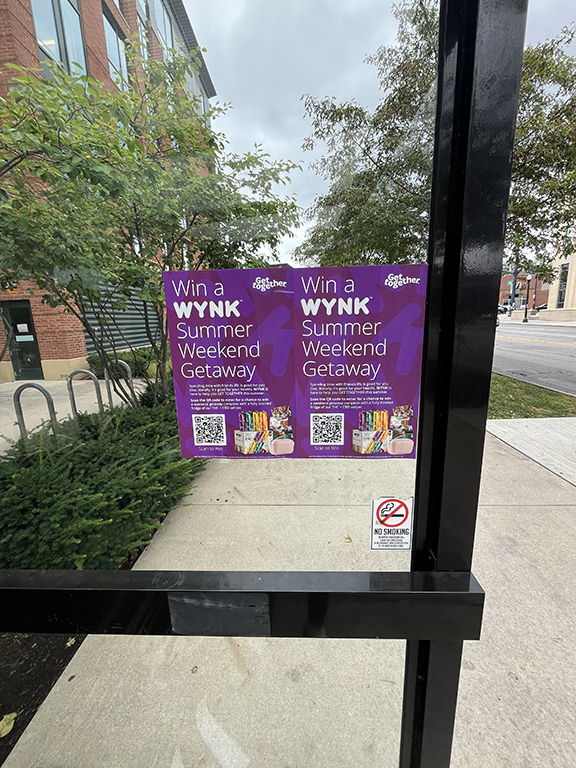
Hot Springs Intracity Transit maintains covered shelters at key locations along Central Avenue and at the downtown transit hub near the Malco theater and Central Avenue commercial district. Shelter advertising in Hot Springs benefits from both the resident community’s consistent transit stop use and the tourist visitor’s occasional use of transit stops as rest points and orientation locations during their exploration of the Central Avenue corridor.
The shelter positions on Central Avenue at and near Bathhouse Row serve both the resident transit community and the tourist audience exploring the national park thermal bath corridor. A shelter adjacent to the Fordyce Bathhouse visitor center or near the Buckstaff Bathhouse entrance is in the most-visited pedestrian environment in Hot Springs, and advertising at these positions reaches the tourism audience during their national park exploration as well as the regular transit riders who board and alight at these stop positions daily.
The shelter stops on the routes approaching CHI St. Vincent Infirmary on North Highway 7 and National Park Medical Center on Malvern Avenue serve the healthcare workforce and patient community in the transit environments adjacent to Hot Springs’ primary medical institutions. Advertising at these shelter positions creates healthcare-contextual brand exposure at the exact locations where medical care is the dominant environmental and cognitive context for riders arriving and departing.
What it is: A full backlit panel in a covered Hot Springs Intracity Transit shelter at a primary ridership location.
Best for: Tourism experience brands, healthcare campaigns, and Oaklawn season promotions requiring sustained day-and-night visibility at the Hot Springs transit system’s most-trafficked stop positions.
Why buy it: At $3,850 for a four-week cycle, a premium Hot Springs Intracity Transit shelter on Central Avenue or at the medical facility approach delivers sustained brand presence in a resort city environment where out-of-home advertising stands out in a less-cluttered physical landscape. The spring racing season or summer resort period are among the strongest timing windows for premium shelter campaigns targeting the combined community and visitor audience at Hot Springs’ primary transit nodes.
What it is: A mid-size shelter panel at a Hot Springs Intracity Transit stop.
Best for: Local Hot Springs tourism businesses, healthcare practices, and community organizations targeting the Hot Springs transit community at accessible local business price points.
Why buy it: At $850 for a four-week cycle, the junior poster gives Hot Springs local businesses direct access to the Central Avenue tourism and community transit audience. A Bathhouse Row spa, a downtown Hot Springs restaurant, or a local healthcare provider can place a junior poster at the most relevant transit stop for four weeks of consistent Hot Springs community and visitor exposure.
What it is: A bench advertisement at a Hot Springs Intracity Transit stop location.
Best for: Sustained community presence at specific Hot Springs transit stops, particularly at high-dwell medical facility and downtown Central Avenue stops where riders regularly wait for service.
Why buy it: At $700 for a four-week cycle, the Hot Springs transit bench is the most accessible advertising entry point in the Hot Springs Intracity Transit inventory. For local businesses, tourism operators, and community organizations, a bench at the right Central Avenue or medical corridor stop delivers four weeks of consistent community exposure to the Hot Springs transit audience.
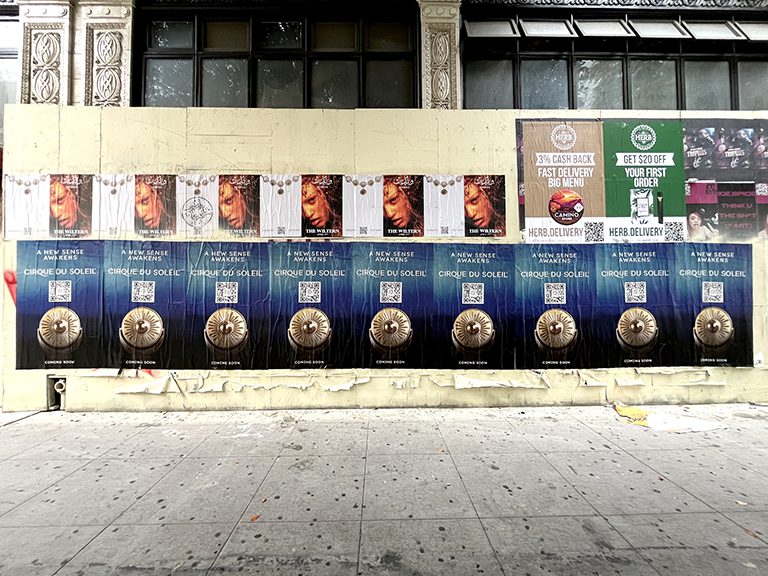
Snipe advertising along Central Avenue at the Bathhouse Row approach intersections and at the downtown commercial district intersections near Ouachita Avenue creates street-level brand contact for the tourist and resident audience moving through Hot Springs’ most pedestrian-active corridors. In a tourism city with a high photography culture around the national park’s historic architecture, snipes at the right Central Avenue intersections create visible brand markers in one of Arkansas’s most visually distinctive street environments.
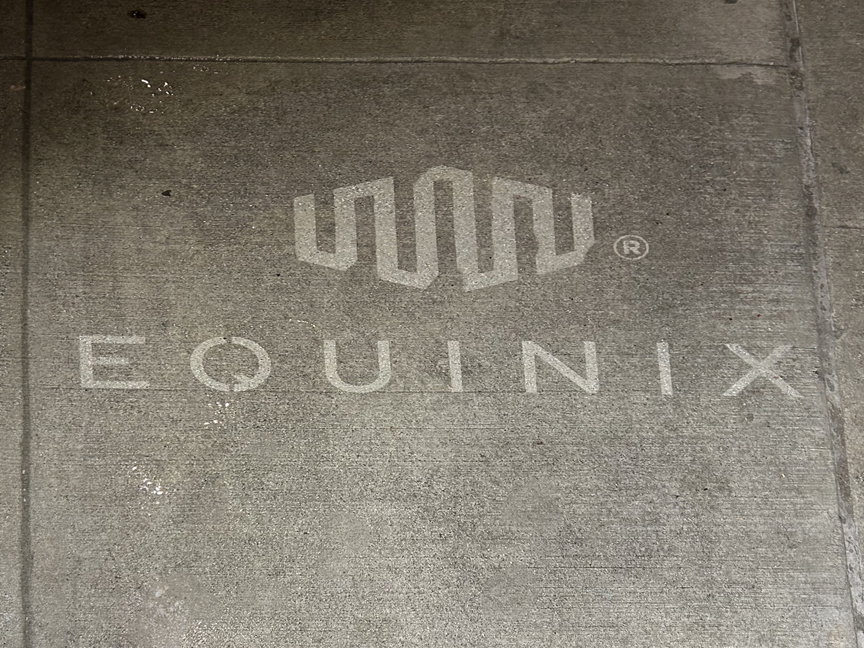
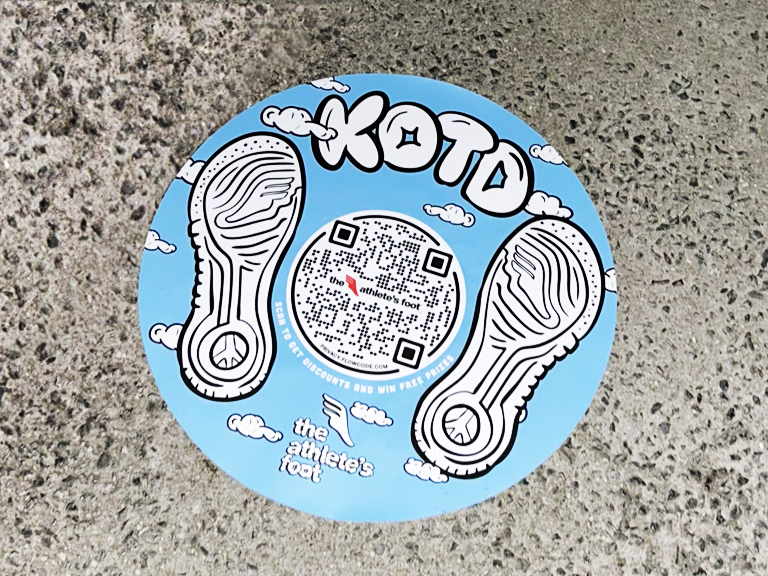
Sidewalk stencils at the primary Hot Springs Intracity Transit stops on Central Avenue and at the downtown hub near the Malco Theater area create ground-level brand impressions at the pedestrian-density zones where tourism and community foot traffic is concentrated. For tourism experience brands and downtown Hot Springs restaurants, stencils at the transit stops on Central Avenue connect the advertising message to the physical environment where the brand’s customers are already walking.
Take-one flyers at the historic hotels and inns on Central Avenue, at the visitor centers in the Fordyce Bathhouse and the Hot Springs Convention Center, and at the community gathering spaces that Hot Springs residents use extend the transit campaign message into the spaces where both visitors and residents spend time off the transit system.
Oaklawn Racing Casino Resort advertises on Hot Springs Intracity Transit for spring racing season event promotion, race-day specials, and the casino gaming programs that drive off-season business. CHI St. Vincent Infirmary and National Park Medical Center use transit advertising for healthcare enrollment, community health outreach, and clinical workforce recruitment. Hot Springs tourism organizations and the Garland County Chamber use transit for visitor awareness campaigns during the spring and summer tourism peaks. Downtown Hot Springs restaurants and entertainment venues on Central Avenue use interior cards for event promotion. Senior living communities and Medicare supplement insurance providers target the Hot Springs senior population with transit advertising during the annual enrollment period. The City of Hot Springs uses transit for public information campaigns about community services, healthcare programs, and civic events reaching the transit-dependent resident population.
The spring racing season at Oaklawn from January through May is the peak advertising period for brands targeting the tourism and entertainment audience, as visitor volumes and transit ridership are at their highest from February through the Arkansas Derby in April. The summer resort season from June through August brings Lake Hamilton and national park visitors that supplement the year-round community ridership. The Medicare open enrollment period from October through December is the most productive window for insurance and senior healthcare brands targeting Hot Springs’ significant retirement community. Year-round campaigns serve the consistent community working adult and healthcare worker ridership regardless of seasonal tourism fluctuations.
Hot Springs Village is a large gated retirement community in the Ouachita Mountains approximately 10 miles north of Hot Springs city proper, and it is not within the standard Hot Springs Intracity Transit service area. Hot Springs Village has its own internal transportation services for residents. The Hot Springs Intracity Transit system focuses on the Hot Springs city proper and the immediately surrounding communities of Garland County. For campaigns specifically targeting the Hot Springs Village retirement community, AGM can advise on alternative formats including direct mail, community publication, and in-village advertising options that reach that specific enclosed residential community.
Yes. The spring racing season at Oaklawn, which includes the Rebel Stakes and the Arkansas Derby as primary Kentucky Derby prep races, draws national and regional horse racing audiences to Hot Springs in March and April. Hot Springs Intracity Transit routes serving Central Avenue and the Oaklawn approach carry some of this visitor population during the racing season, and advertising timed to the Derby prep race weekends reaches a specific high-engagement consumer audience in the transit environment adjacent to one of the country’s significant Thoroughbred racing events. Contact AGM about campaign timing options specifically aligned with the Oaklawn Derby prep race schedule.
The Central Avenue routes serve both visitors who are using transit for the Bathhouse Row corridor and the year-round resident community using transit for daily commuting and errands. On any given Central Avenue bus, the ratio of tourists to residents varies by time of day and season: the spring racing season and summer bring more visitor ridership, while the year-round morning and afternoon commute periods are dominated by the working community. For brands that want to reach specifically tourists, the spring and summer Central Avenue campaigns are most productive. For brands targeting the resident community, year-round campaigns with interior card placements on the community residential routes are more appropriate.
Standard Hot Springs Intracity Transit interior campaigns require two to four weeks from final artwork to installation. For spring racing season campaigns targeting the Oaklawn period, AGM recommends beginning the planning process in November or December for January through April campaign launches. Contact AGM at least four weeks before the intended campaign start date.
Hot Springs Intracity Transit operates its standard fixed-route service on Oaklawn race days, and the routes serving the Central Avenue corridor and the Oaklawn approach carry some race-day visitor traffic in addition to the regular community ridership. Oaklawn provides its own internal parking and shuttle infrastructure for the primary race-day transportation demand, but transit advertising on the routes that serve the Oaklawn corridor during the racing season reaches the community transit audience that includes regular Oaklawn attendees alongside their standard daily transit use.
Yes. Hot Springs and Little Rock are approximately 55 miles apart on the I-30/US-70 corridor, and the two cities share a regional market relationship that makes a combined Hot Springs and Little Rock transit advertising campaign a logical central Arkansas media strategy. AGM can manage a combined Hot Springs Intracity Transit plus Rock Region Metro campaign through a single engagement, covering both the Hot Springs community and tourism audience and the Little Rock capital and medical district audience with coordinated creative and unified reporting.
Hot Springs Intracity Transit serves a broad demographic range. The senior and retirement community is a significant segment given Hot Springs’ position as a retiree destination, but the working adult community in the tourism service economy, healthcare workforce, and residential neighborhoods of north and east Hot Springs makes up a substantial portion of the daily ridership. The medical center routes skew toward working adult healthcare professionals. The Central Avenue tourism corridor routes carry a wider age range including the tourism economy workers who are younger and more economically active. AGM can advise on which routes and timing windows best reach the specific demographic segment the advertiser wants to target within the full Hot Springs transit ridership.
The transit routes running on Central Avenue pass the Bathhouse Row National Historic Landmark district, including stops near the Fordyce Bathhouse National Park Service visitor center and the operating bathhouse businesses. The proximity to Bathhouse Row and the national park is one of the defining characteristics of Central Avenue transit ridership, mixing the tourism pedestrian environment of the national park with the working community transit use that defines the route’s year-round ridership base.
AGM provides photographic installation documentation for all Hot Springs Intracity Transit placements, including interior card and poster installation photos, shelter panel photos, and exterior vehicle documentation for wraps and window vinyls. Post-campaign reporting includes all documentation photographs and estimated impression counts using available Hot Springs Intracity Transit ridership data for the campaign period.