American Guerrilla Marketing
Nationwide serivce
Media planning, media buying, billboard advertising, & guerrilla marketing
American Guerrilla Marketing places interior bus and shelter advertising on Fort Smith Transit serving Arkansas’s second-largest city. Rogers Avenue commercial corridor, historic Garrison Avenue downtown, the University of Arkansas Fort Smith campus, and the working communities of the Arkansas River Valley.
Fort Smith is not an interchangeable market. Arkansas’s second-largest city sits on the Arkansas River at the state’s western border with Oklahoma, a border that the city has straddled economically and culturally since its days as a US Army post at the edge of Indian Territory. Fort Smith’s character today is shaped by its industrial heritage in manufacturing and logistics, by the University of Arkansas Fort Smith campus on Grand Avenue, by the Fort Smith National Historic Site at the corner of Rogers Avenue and Second Street that anchors a growing downtown tourism economy, and by a working-class population that includes significant Latino and Marshallese communities alongside the legacy Arkansas workforce that has staffed the city’s manufacturing plants and distribution centers for generations.
Fort Smith Transit operates the fixed-route bus system connecting Fort Smith’s residential communities to the employment corridors on Rogers Avenue and the commercial strip on Grand Avenue, to the downtown historic district on Garrison Avenue, and to the UAFS campus on South 51st Street. The system serves a transit-dependent population concentrated in the working-class neighborhoods of east Fort Smith and the residential communities north of downtown, connecting these communities to the employment, healthcare, and services that define daily life in the Arkansas River Valley’s largest city.
Fort Smith Transit advertising reaches communities that are systematically underserved by the national advertising campaigns that blanket Little Rock and Northwest Arkansas but rarely invest in the Arkansas River Valley’s second-largest market. The Fort Smith advertising environment, including transit, outdoor, and community media, is significantly less saturated than comparable markets in the state, meaning a transit advertising campaign here achieves a market dominance that requires far greater investment in the state’s more competitive metro markets. AGM brings 10-plus years of direct execution experience to Fort Smith, executing transit campaigns in secondary markets with the same professional quality we deliver in major metros.
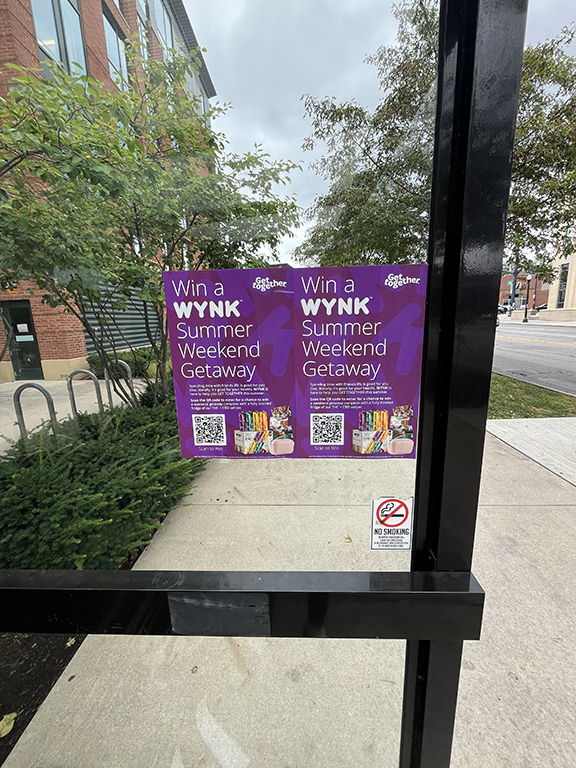
AGM places interior bus and shelter advertising on Fort Smith Transit across the Rogers Avenue corridor, downtown Garrison Avenue, the UAFS campus, and east Fort Smith community routes. Direct execution, documented results.
Rogers Avenue is Fort Smith’s primary commercial spine, running west from the downtown historic district through the commercial strip of fast food, auto dealers, big-box retail, and medical offices that serves the everyday consumer needs of the Fort Smith metro area’s 250,000-plus residents. Fort Smith Transit routes along Rogers Avenue carry the working adult consumer who shops this corridor, the medical patients heading to Mercy Hospital Fort Smith at 7301 Rogers Avenue, and the retail and service workers employed at the commercial businesses lining the route. This corridor’s combination of high vehicle traffic, frequent consumer destinations, and consistent transit ridership makes Rogers Avenue shelters particularly valuable for retail and healthcare brands with Fort Smith locations.
The University of Arkansas Fort Smith campus at 5210 Grand Avenue enrolls approximately 6,000 students in a regional university format that serves both traditional college-age students and the continuing education adult learners who make up a significant portion of UAFS enrollment. Transit routes serving UAFS carry commuter students from across the Fort Smith metro who use the bus for the campus connection from their work-adjacent transit stops to the campus. UAFS’s professional and workforce development programs attract working adults who are returning to school while employed, creating a specific transit demographic of working adult-students that is particularly receptive to career development, financial planning, and professional services advertising.
Fort Smith’s significant Latino community, concentrated in the east Fort Smith residential areas and the neighborhoods near the Whirlpool manufacturing campus on Jenny Lind Road, represents a transit-using demographic that is directly reachable through Spanish-language advertising on the routes serving those communities. Like Springdale in NW Arkansas, east Fort Smith has a working-class immigrant community that uses transit for daily mobility and that is specifically underserved by the English-language advertising that dominates the Fort Smith media landscape. Transit advertising in Spanish on the east Fort Smith routes reaches this community with direct relevance in an environment where virtually no competing Spanish-language physical advertising exists.
Rogers Avenue is the most economically active commercial corridor in Fort Smith, running west from the downtown historic district through the commercial and medical strip to the western suburbs where new residential development and retail have been expanding since the 1990s. Mercy Hospital Fort Smith at 7301 Rogers Avenue is the largest healthcare employer in the region, and the bus routes serving this corridor carry both the clinical and support workforce of the hospital and the patient community connecting from east Fort Smith and the surrounding residential communities for medical appointments and services. The commercial strip along Rogers Avenue from downtown westward to Phoenix Avenue and beyond carries the big-box retail, QSR, auto services, and consumer businesses that generate the daily commercial foot traffic for this corridor.
Interior advertising on the Rogers Avenue routes reaches the working adult transit ridership in the most commercially active environment in the Fort Smith metro, placing brand messages in front of a consumer audience that is physically embedded in the commercial corridor where their daily buying decisions are made. For retail brands with Rogers Avenue locations, the proximity-to-purchase advertising value of reaching transit riders on this route is a direct connection between the advertising exposure and the consumer behavior that drives sales.
Best advertiser categories: Mercy Hospital Fort Smith healthcare system advertising, retail brands on the Rogers Avenue commercial strip, auto insurance brands, telecommunications, QSR chains, financial services brands with Fort Smith locations, and healthcare enrollment campaigns targeting the transit-riding patient community on the medical corridor.
Garrison Avenue is Fort Smith’s historic main street, running east-west through the downtown historic district past the Fort Smith National Historic Site, the restored commercial blocks of the Miss Laura’s Visitors Center area, and the growing arts and restaurant scene that has been developing around the ArcBest Corporation campus and the downtown revitalization that has been underway in the city center for the past decade. Transit routes serving Garrison Avenue and the downtown core carry both the downtown employment community and the tourism visitors who are exploring the Fort Smith National Historic Site, the Arkansas River Valley and the Fort Smith Museum of History near Garrison and Second Street.
Interior advertising on the downtown Garrison Avenue routes reaches the professional working adult of Fort Smith’s downtown office and government district, the visitors exploring the National Historic Site, and the arts and restaurant community that has built around the downtown revitalization. For brands targeting the Fort Smith professional community and the heritage tourism visitor, the downtown route advertising environment combines the commercial district professional audience with the discovery-oriented visitor demographic.
Best advertiser categories: downtown Fort Smith restaurants and entertainment venues, Fort Smith heritage tourism brands, legal and financial services, the Fort Smith Regional Airport advertising targeting the downtown business traveler, Arkansas River Valley hospitality brands, and civic and community organizations with downtown Fort Smith programs.
The Fort Smith Transit routes serving the University of Arkansas Fort Smith campus on Grand Avenue connect the campus to the downtown transit hub and to the surrounding Fort Smith residential communities where students and employees live. UAFS enrolls approximately 6,000 students in programs from business administration to nursing and engineering, and the campus community is a mix of traditional college-age students, working adult learners, and the faculty and staff whose employment brings them to the Grand Avenue campus daily. Transit riders on the UAFS route include students without vehicles, employees commuting from the residential communities south and east of the campus, and the adult learners who combine work and study schedules that make transit a practical daily choice.
Best advertiser categories: UAFS enrollment and continuing education programs, student banking and financial products, local Fort Smith businesses targeting the campus community, career development services targeting working adult students, and healthcare programs at UAFS’s health sciences division.
The Fort Smith Transit routes serving east Fort Smith’s residential neighborhoods connect the working-class communities near the manufacturing plants and distribution centers of the city’s industrial east side to the employment, healthcare, and services corridors of the broader Fort Smith metro. The east Fort Smith communities include a significant Latino population in the neighborhoods near the Whirlpool operations campus, the food processing corridor, and the residential areas along Zero Street and the Highway 22 corridor east of downtown. These routes carry the transit-dependent working adult community of Fort Smith’s industrial east side in an advertising environment where out-of-home competition is minimal and the physical media presence of a transit vehicle is one of the few consistent advertising touchpoints in riders’ daily environments.
Spanish-language advertising on the east Fort Smith routes specifically reaches the Latino working community with a relevance and directness that English-only campaigns cannot achieve. For healthcare enrollment, financial services, legal services, and community organizations targeting the east Fort Smith Latino population, Spanish-language interior advertising on these routes is the most direct physical advertising channel available in the community.
Best advertiser categories: Spanish-language healthcare enrollment and community health programs, financial services targeting the unbanked and underbanked Fort Smith working community, workforce development programs, consumer goods brands targeting the Fort Smith working-class household, and social services organizations with east Fort Smith programs.
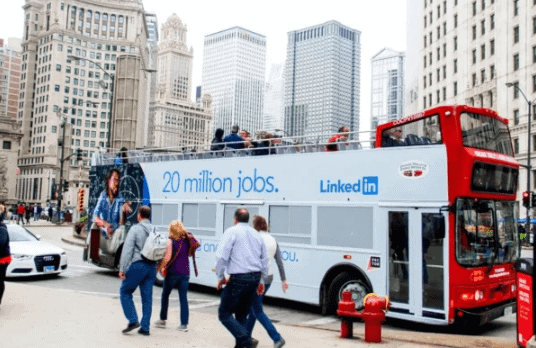
What it is: A complete exterior wrap on a Fort Smith Transit bus, creating a moving brand presence across Fort Smith’s commercial and residential street network.
Best for: Fort Smith-wide brand launches and campaigns requiring citywide visual saturation in Arkansas’s second-largest market. A wrapped Fort Smith Transit bus creates a brand presence in a market where out-of-home advertising competition is significantly lower than in Little Rock or NW Arkansas.
Why buy it: Fort Smith’s lower advertising density means a wrapped transit vehicle stands out more distinctly than in major metro markets. For brands entering the Fort Smith market or launching a new product in the Arkansas River Valley, the full wrap creates an immediate, market-wide visual presence that no other format achieves at equivalent cost. Contact AGM for Fort Smith Transit wrap pricing and fleet availability.
What it is: A large-format interior posting running along the upper interior walls of Fort Smith Transit buses.
Best for: System-wide Fort Smith brand awareness campaigns. A king poster buy across all Fort Smith Transit routes creates consistent interior presence across the full Fort Smith transit ridership base within a four-week cycle.
Why buy it: Fort Smith Transit king poster campaigns achieve market dominance in Arkansas’s second city at a cost that reflects the market’s smaller scale compared to Little Rock. For brands that want statewide Arkansas transit presence including both the capital and the second-largest city, combining Rock Region Metro king posters in Little Rock with Fort Smith Transit king posters achieves statewide reach at a combined budget that individual placement in either city alone would not provide. Contact AGM for Fort Smith Transit king poster rates.
What it is: Distributed card placements throughout Fort Smith Transit bus interiors.
Best for: Local Fort Smith businesses, community health programs, Spanish-language campaigns for east Fort Smith, and advertisers targeting specific Fort Smith demographic or geographic communities at accessible budget levels.
Why buy it: Interior cards on Fort Smith Transit give local Fort Smith businesses direct access to the transit ridership at a price point appropriate to the local market. A Fort Smith medical practice, a Rogers Avenue retailer, or a community health organization can place interior cards on targeted Fort Smith Transit routes for a budget that reflects the Arkansas River Valley’s local business economics.
What it is: A mid-format interior posting for specific Fort Smith Transit route targeting.
Best for: Route-specific campaigns on the Rogers Avenue medical corridor, the UAFS campus route, or the east Fort Smith routes serving the Latino working community.
Why buy it: Route-specific queen poster buys on Fort Smith Transit allow healthcare brands to target the Mercy Hospital corridor, bilingual campaigns to target east Fort Smith routes, and UAFS-affiliated services to target the campus route, without full-system commitment. Route precision on Fort Smith Transit is a demographic targeting tool for advertisers with specific Fort Smith community or geographic targets.
What it is: Cards at reading distance on Fort Smith Transit seat backs.
Best for: Detailed messaging for longer Fort Smith Transit route trips and QR code campaigns targeting the working adult transit audience that commutes on the longer inter-corridor routes.
Why buy it: Fort Smith Transit riders on the longer routes between east Fort Smith and the Rogers Avenue commercial strip spend 20 to 35 minutes per trip, providing extended reading time for seat-back advertising. For healthcare enrollment, UAFS program advertising, and financial service descriptions that need detail to communicate effectively, the seat-back format on Fort Smith Transit’s longer routes creates the reading environment those messages require.
What it is: A horizontal card at the front of Fort Smith Transit buses seen at every boarding stop.
Best for: Simple brand messages and community announcements for the Fort Smith community audience at the boarding moment on Rogers Avenue and downtown Garrison Avenue routes.
Why buy it: The boarding moment on Fort Smith Transit routes accumulates impressions at each of the commercial corridor stops along Rogers Avenue and the downtown route. A simple, memorable headliner message builds brand recall across the full Fort Smith transit community through the repeated boarding impression that each stop creates throughout the service day.
What it is: An exterior rear-panel advertisement on Fort Smith Transit buses facing following vehicle traffic.
Best for: Vehicle audience reach on Rogers Avenue and Garrison Avenue where Fort Smith Transit buses share the road with significant vehicle traffic throughout the day.
Why buy it: Rogers Avenue carries the heaviest vehicle traffic in the Fort Smith metro, and buses traveling this corridor generate tail display impressions from the following vehicle audience at the commercial strip’s frequent signals and stop positions. For brands with Rogers Avenue locations and targeting the Fort Smith vehicle-driving consumer, the tail display extends the transit campaign reach to the driving public at no additional format cost.
What it is: Cards in the overhead panel of Fort Smith Transit buses for all seated and standing riders.
Best for: Supplemental interior placements reinforcing a king or queen poster campaign with additional advertising touchpoints within the Fort Smith Transit vehicle for riders throughout their trip.
Why buy it: Overhead cards on Fort Smith Transit provide secondary advertising contact points that are visible to riders regardless of seating position or direction. For campaigns building brand frequency in the Fort Smith market, the overhead card adds interior touchpoints that complement the wall-mounted poster without requiring separate creative or additional format investment beyond the overhead card production cost.
What it is: Perforated vinyl on Fort Smith Transit bus windows visible from outside.
Best for: Exterior brand presence on Rogers Avenue and the downtown Garrison Avenue corridor where Fort Smith Transit buses are visible to pedestrians and vehicle traffic in the city’s most commercially active environments.
Why buy it: Fort Smith’s downtown Garrison Avenue heritage tourism district and the Rogers Avenue commercial strip are environments where a window-vinyl-covered transit bus creates a distinctive brand presence in a community with limited large-format outdoor advertising. For brands targeting the Fort Smith pedestrian and vehicle audience alongside the transit interior, window vinyls create exterior impressions at every stop and intersection along the route.
Fort Smith Transit maintains covered shelters at primary stop locations throughout the city, concentrated along Rogers Avenue, at the downtown Garrison Avenue hub, and at the UAFS campus approach on Grand Avenue. Shelter advertising on Fort Smith Transit accumulates daily impressions from the working adult and consumer transit ridership moving through Fort Smith’s commercial corridors.
The shelter positions along Rogers Avenue serve the highest daily ridership concentration in the Fort Smith Transit system. The medical and commercial corridor shelters reach the Mercy Hospital patient and employee community alongside the retail and service workers of the commercial strip in a context where the advertised brand’s store or service location is often within walking distance of the shelter position. For retail and healthcare brands with Rogers Avenue presence, shelter advertising creates direct proximity-to-purchase impressions at the stops adjacent to their own locations.
The downtown Fort Smith transit hub on or near Garrison Avenue is the transfer point for multiple Fort Smith Transit routes and serves the downtown employment, government, and tourism community. Shelter advertising at the downtown hub reaches the full cross-section of the Fort Smith transit ridership plus the pedestrian audience of the Garrison Avenue historic district, which draws visitors to the Fort Smith National Historic Site and the growing downtown arts and restaurant scene year-round.
What it is: A full backlit panel in a covered Fort Smith Transit shelter at a primary ridership location.
Best for: Healthcare system campaigns, retail brands on Rogers Avenue, and any advertiser requiring sustained day-and-night brand visibility at Fort Smith’s most-trafficked transit positions.
Why buy it: At $3,850 for a four-week cycle, a premium Fort Smith Transit shelter on Rogers Avenue or at the downtown hub delivers sustained illuminated advertising presence at the Fort Smith transit system’s highest-ridership locations. In a market with lower advertising competition than Little Rock or NW Arkansas, a premium shelter position on Fort Smith Transit achieves a brand dominance at the cost of a single placement that larger markets require multiple placements to approach.
What it is: A mid-size shelter panel at a Fort Smith Transit stop.
Best for: Local Fort Smith businesses, UAFS campus-adjacent services, community health organizations, and advertisers targeting specific Fort Smith communities at local budget price points.
Why buy it: At $850 for a four-week cycle, the junior poster gives Fort Smith local businesses an accessible entry to shelter advertising at the transit stops most relevant to their service area. A local healthcare practice, a downtown Fort Smith restaurant, or a community organization can place a junior poster at the nearest high-traffic Fort Smith Transit stop for four weeks of consistent local exposure.
What it is: A bench advertisement at a Fort Smith Transit stop.
Best for: Sustained local presence at specific Fort Smith Transit stop locations, particularly at the Rogers Avenue commercial stops and the downtown hub where ridership concentration and dwell time are highest.
Why buy it: At $700 for a four-week cycle, the Fort Smith Transit bench is the most accessible advertising entry in the Fort Smith transit inventory. For local businesses, community organizations, and service providers in the Arkansas River Valley, a bench at the right Fort Smith Transit stop delivers four weeks of continuous community presence to the transit audience at that location.
Snipe advertising along Garrison Avenue in the downtown historic district and Rogers Avenue at the commercial corridor intersections creates street-level brand contact along the same routes that Fort Smith Transit serves. In Fort Smith’s low-advertising-density environment, snipes at key intersections create a distinctive out-of-home presence that compounds the frequency of transit interior advertising along the same corridors.
Take-one flyers at the community gathering spaces, coffee shops, and community organizations in east Fort Smith and the downtown historic district extend campaign messages into the off-bus community spaces where Fort Smith Transit riders spend time. Spanish-language take-one materials at the community organizations in east Fort Smith specifically reach the Latino community in the gathering spaces where that community congregates outside their transit commute.
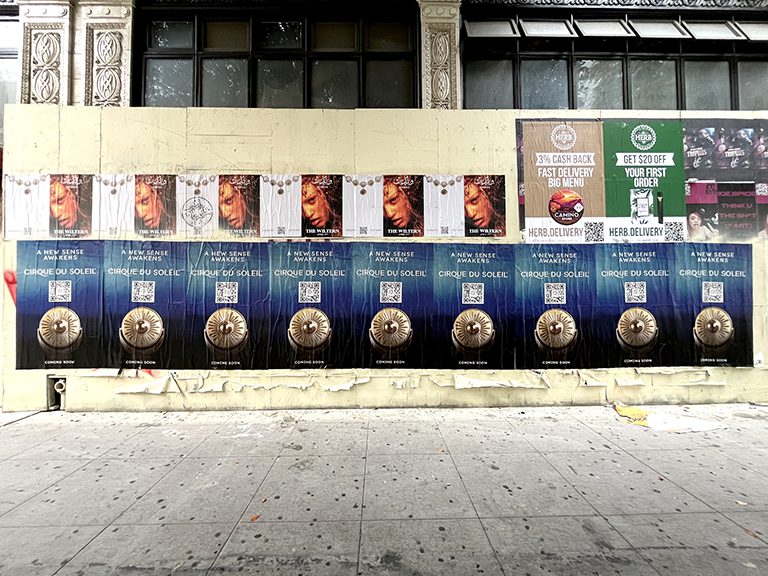
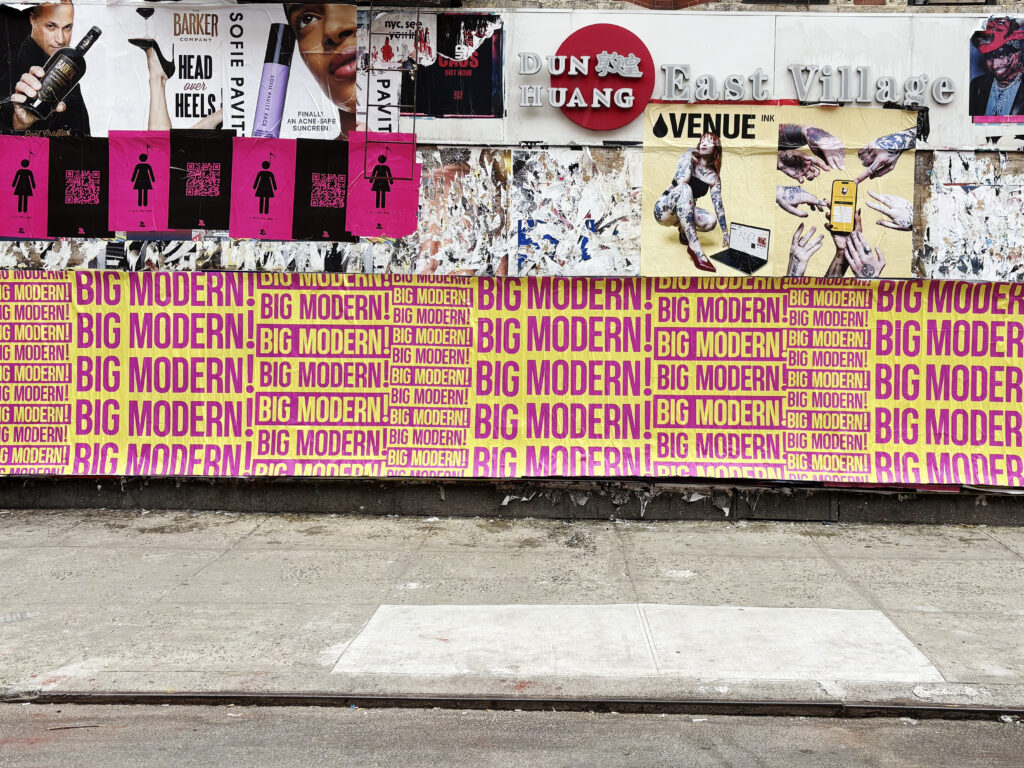
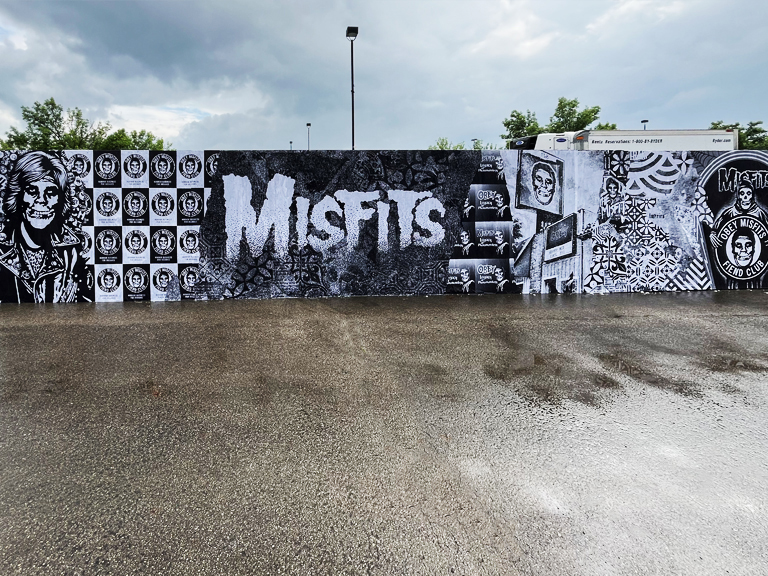
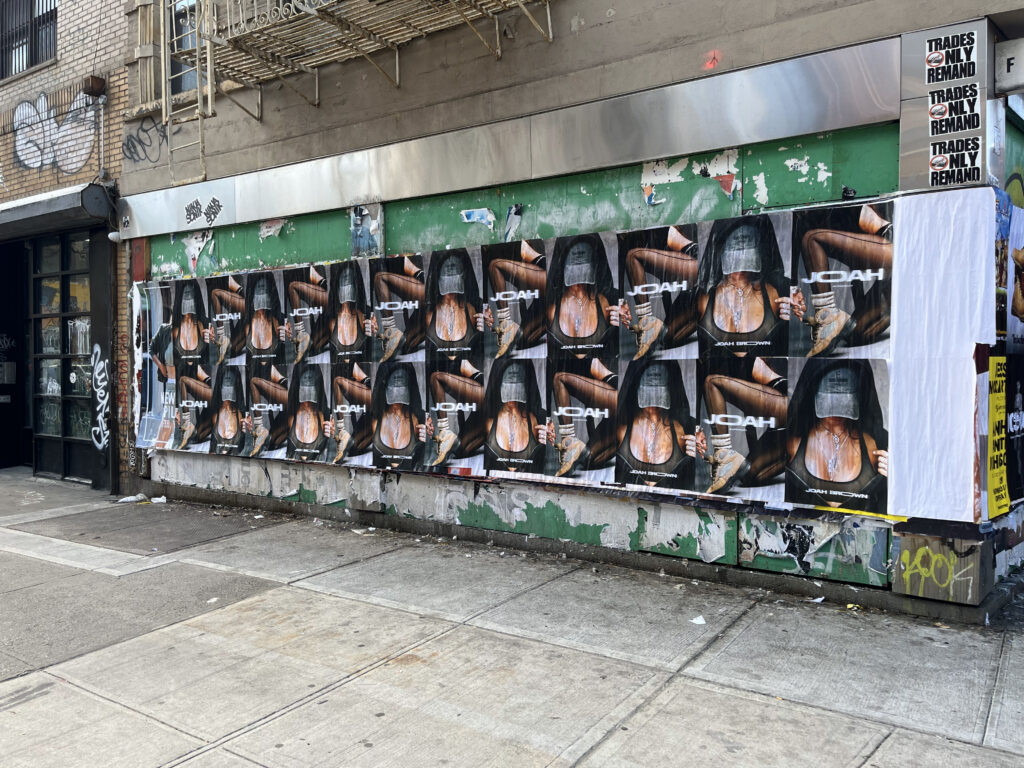
Wheatpasted poster campaigns on legal surfaces in the downtown Garrison Avenue arts and restaurant district, near the Fort Smith National Historic Site approach on Rogers Avenue, and in the UAFS campus-adjacent commercial areas create large-format impressions for the pedestrian and transit community in Fort Smith’s most walkable districts.
Mercy Hospital Fort Smith uses Fort Smith Transit for patient outreach, community health campaigns, and clinical staff recruitment targeting the transit ridership along the Rogers Avenue medical corridor. UAFS uses the campus route and broader system for enrollment advertising, particularly for continuing education and professional development programs targeting working adult learners. Fort Smith community health organizations and the University of Arkansas for Medical Sciences community clinic programs use transit advertising for healthcare enrollment targeting the east Fort Smith and working-class communities that face the greatest health access barriers. Local Fort Smith businesses on Rogers Avenue and Garrison Avenue use interior cards for promotional campaigns. The Arkansas Attorney General’s consumer protection office and state agencies use Fort Smith Transit for public information campaigns reaching transit-dependent communities. Spanish-language healthcare and social service organizations in east Fort Smith use the east side routes for community program outreach targeting the Latino and immigrant working community.
Fort Smith Transit serves the primary residential and commercial areas of Fort Smith including downtown and Garrison Avenue, the Rogers Avenue commercial corridor running west from downtown, the UAFS campus area on Grand Avenue, the east Fort Smith residential neighborhoods, and the commercial strips on Zero Street, Phoenix Avenue, and the surrounding corridors. The system focuses on the Fort Smith city proper rather than the broader Sebastian County area, though certain routes extend toward the Van Buren edge of the metro. AGM reviews current route maps with each campaign to ensure placements match the current service coverage.
Fort Smith Transit does not typically provide direct service to the Fort Smith Regional Airport at 6700 McKennon Boulevard. The airport is on the east side of Fort Smith some distance from the primary transit corridors. For campaigns targeting airport employees and travelers in the Fort Smith market, outdoor and digital advertising adjacent to the airport are more appropriate formats than the Fort Smith Transit routes, which focus on the Rogers Avenue and downtown commercial corridors that are the city’s transit demand centers.
Yes. Fort Smith and Northwest Arkansas are served by different transit systems, but AGM can coordinate a combined Fort Smith Transit plus Ozark Regional Transit campaign for brands targeting the full I-49 corridor communities from Fort Smith north through Fayetteville and Springdale to Bentonville. This combined Fort Smith and NW Arkansas transit buy covers the full Arkansas River Valley and NW Arkansas metro corridor through a single AGM campaign engagement. Contact AGM for combined Fort Smith-NW Arkansas campaign pricing and structure options.
Yes. Spanish-language and dual-language creative is accepted on Fort Smith Transit routes, and AGM recommends Spanish-language or bilingual creative specifically for the east Fort Smith routes that serve the city’s Latino working community. Fort Smith’s east side has a significant Spanish-speaking population employed in the manufacturing and food processing industries, and Spanish-language transit advertising reaches this community with a direct relevance that English-only campaigns cannot achieve.
Fort Smith Transit advertising is priced to reflect the smaller ridership and market scale of Arkansas’s second city compared to Little Rock’s Rock Region Metro. This lower per-unit cost makes Fort Smith Transit advertising particularly cost-effective for brands targeting the Fort Smith metro specifically, and a combined statewide Arkansas transit buy covering both Rock Region Metro in Little Rock and Fort Smith Transit is more affordable than a single Little Rock metro buy at equivalent coverage percentage of each market’s transit audience. Contact AGM for specific Fort Smith Transit rate information compared to other Arkansas systems.
Standard Fort Smith Transit interior card and poster campaigns require two to four weeks of lead time. Shelter advertising positions may need four to six weeks for premium locations. AGM recommends contacting us at least four weeks before the intended campaign launch date for Fort Smith Transit placements.
Fort Smith Transit primarily serves Fort Smith city proper. The adjacent city of Van Buren across the Arkansas River is a separate municipality and may have its own limited transit or paratransit services. For campaigns targeting the Fort Smith and Van Buren combined metro area, AGM can advise on available transit advertising options in both communities and recommend complementary guerrilla marketing formats to fill any geographic gaps in transit coverage for the broader Fort Smith metro area campaign.
Yes. The east Fort Smith routes that serve the communities near the Whirlpool manufacturing corridor and the surrounding industrial areas carry the manufacturing workforce demographic that commutes from Fort Smith’s east side residential areas. For employment recruitment campaigns, worker benefit programs, and consumer brands targeting the manufacturing workforce, these routes provide direct access to the industrial worker demographic in the daily transit environment where they are most consistently reachable through physical advertising.
AGM provides photographic installation documentation for all Fort Smith Transit placements, including interior card and poster installation photos, shelter panel photos, and exterior vehicle documentation. Post-campaign reporting includes all documentation photographs and estimated impression counts using available Fort Smith Transit ridership data for the campaign period.
Fort Smith’s geographic position on the Arkansas-Oklahoma border means that a portion of the Fort Smith metro’s population and workforce lives in the Oklahoma communities of Roland, Muldrow, and the surrounding Le Flore County area immediately across the state line. Fort Smith Transit serves the Arkansas side of this bi-state metro area, but the broader Fort Smith marketing environment, including transit advertising, reaches consumers whose daily lives cross the state line regularly. For brands that want to reach both the Arkansas and eastern Oklahoma border community, Fort Smith Transit advertising combined with other Fort Smith area formats reaches the core of this bi-state metro market where all cross-border commerce and service consumption is concentrated.