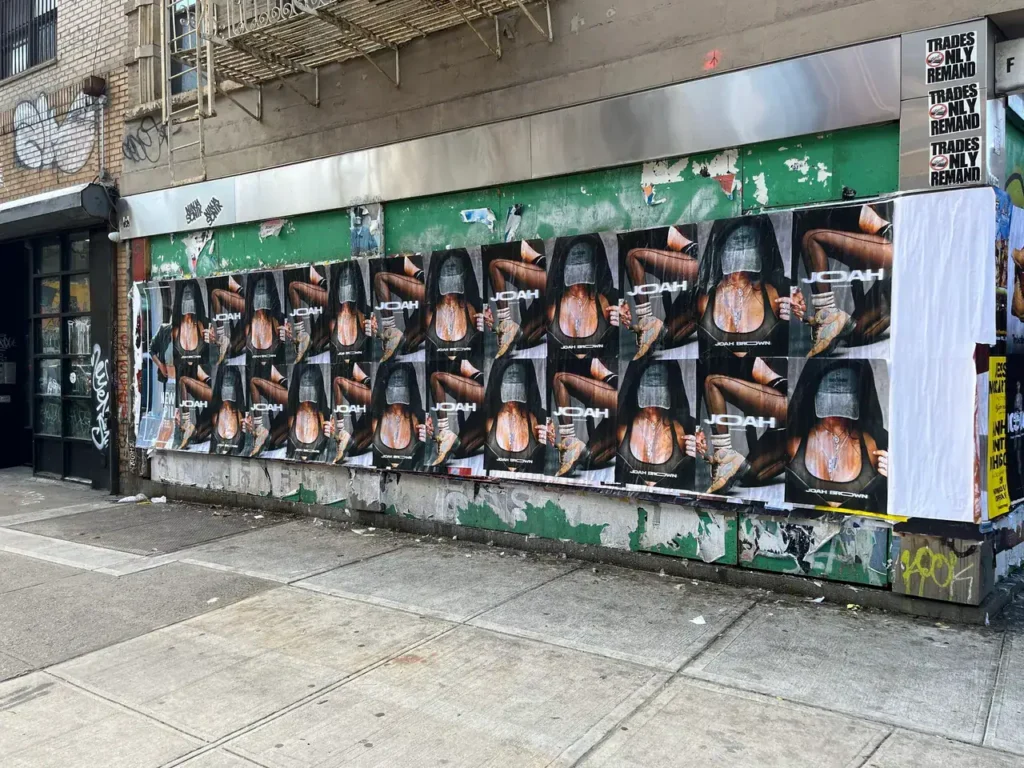
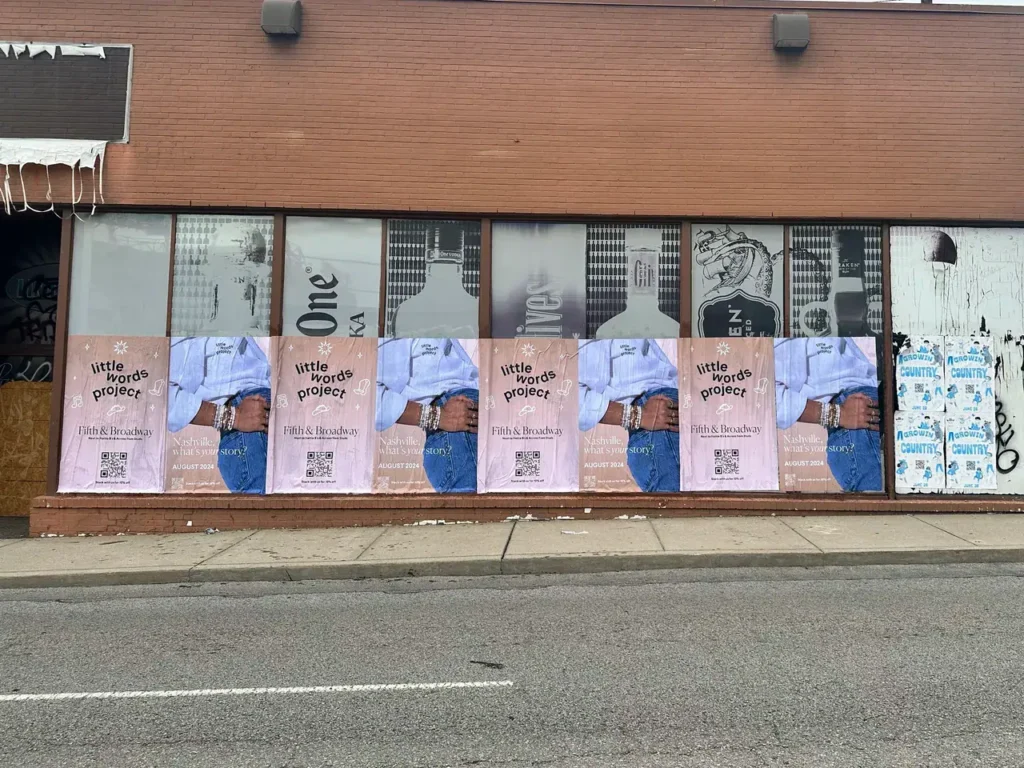
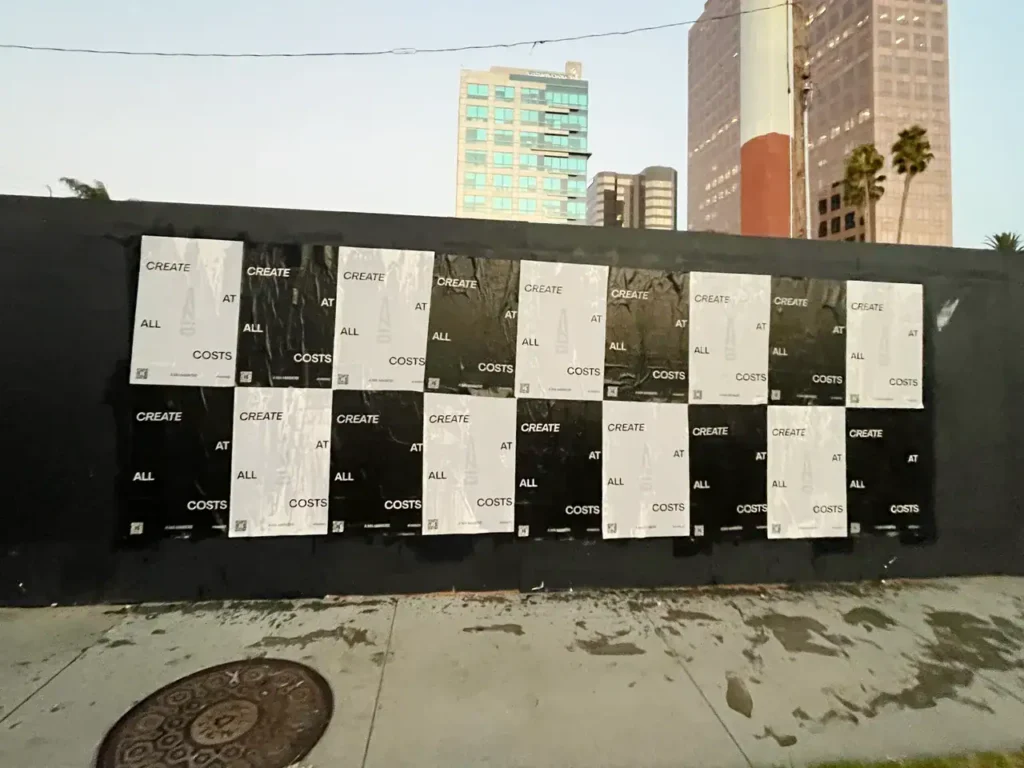
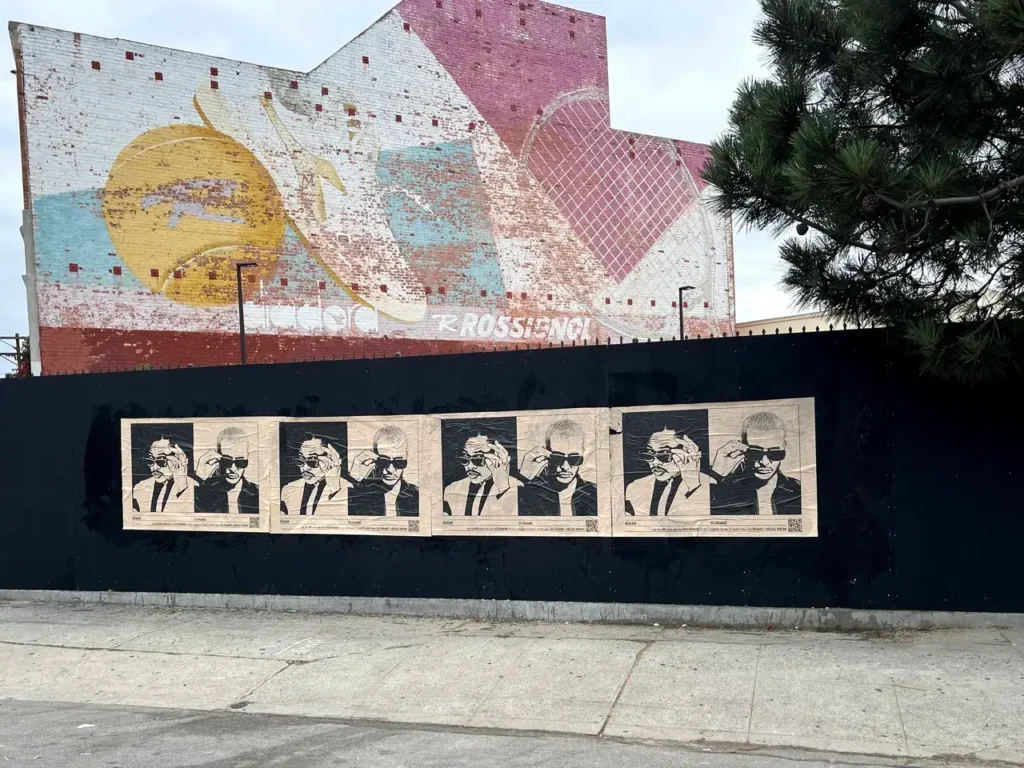
American Guerrilla Marketing
Nationwide Service
Media planning, media buying, billboard advertising, & guerrilla marketing
Wheatpasting in Madrid, planned barrio by barrio
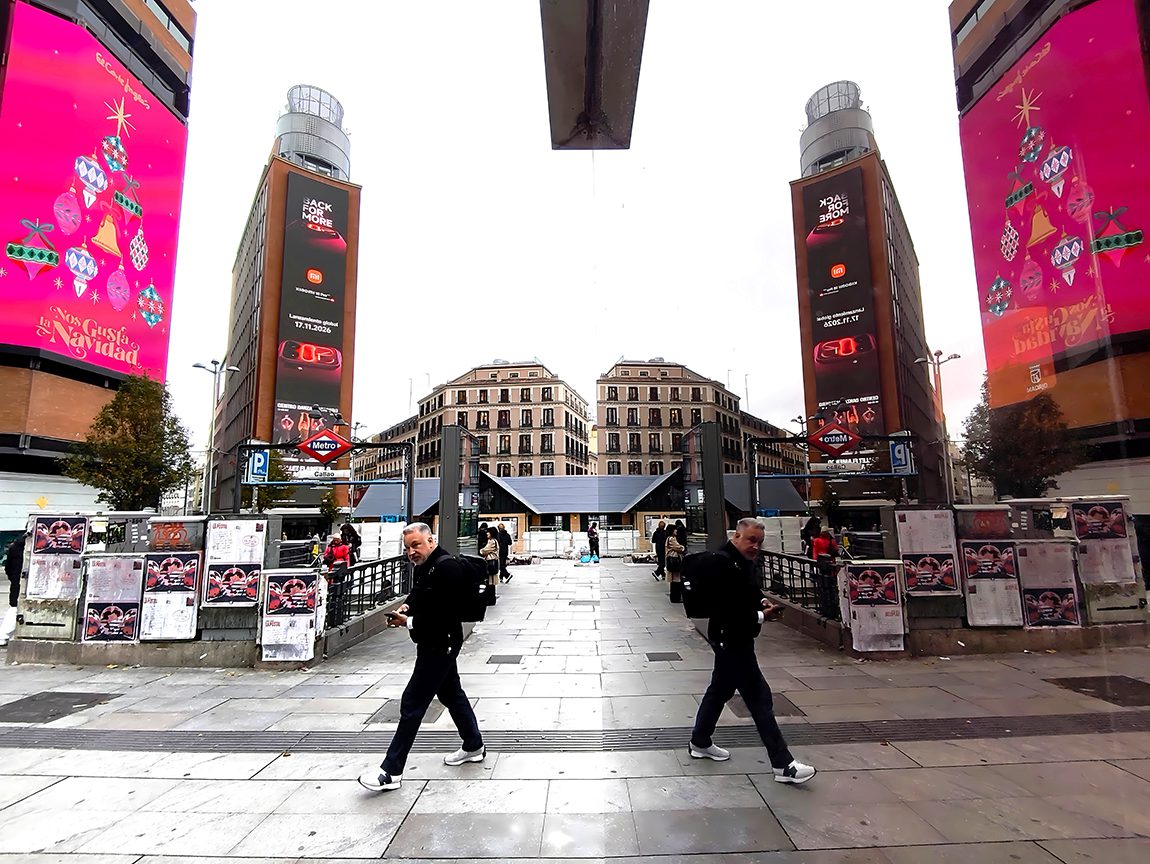
Madrid has its own rhythm, neighborhood loyalties and street-level conditions. A wheatpasting campaign works best when the plan accounts for all three: who you need to reach, where they spend time, and what the chosen artwork and surfaces can support.
That is why we plan barrio by barrio, not from a citywide list of famous streets. A music release, a student campaign and an independent film launch may all call for different routes through Madrid. We match the neighborhood plan to your audience, the hours they are out and the places where they naturally pause.
We also make the production decisions early. Spanish ISO paper sizes, portrait or landscape artwork, surface width and Madrid’s summer heat can all change which locations are workable. Locking those details before printing helps the placement plan reflect the actual creative instead of forcing the creative to fit at the last minute.
From planning and local production to installation and geotagged photo reporting, we coordinate the campaign around its brief and schedule.
Start with the barrios, dates and artwork
Send us the neighborhoods you want to reach, your campaign dates and the artwork, including its size and orientation. We’ll come back with a Madrid placement plan and production schedule built around the city’s real street patterns. Email [email protected]
Madrid Wheatpasting Formats & Neighborhood Planning
We plan Madrid wheatpasting around specific barrios rather than spreading a print run thinly across the entire city. Malasaña, Lavapiés, Chueca and Argüelles each offer a different mix of residents, students, nightlife, independent businesses, cultural destinations and pedestrian traffic. The right allocation depends on who the campaign needs to reach and what the creative is trying to accomplish.
That neighborhood-level planning matters. A music or entertainment launch may benefit from heavier concentration around Malasaña and Lavapiés, while a campaign targeting students and younger audiences may call for greater emphasis around Argüelles. Chueca can provide another strong option for lifestyle, fashion, entertainment and culturally driven campaigns.
Rather than treating Madrid as one large posting zone, we build the route from the audience outward. Once the target is established, we determine how the print run should be distributed, which poster formats make sense for the available surfaces, where larger clusters or hero placements can have the greatest impact, and when installation should take place.
| Format | Millimeters | Inches | Where It Fits on the Street |
|---|---|---|---|
| A4 Snipes | 210 × 297 | 8.3 × 11.7 | Compact street-level placements and high-volume, localized campaigns. |
| A3 Snipes | 297 × 420 | 11.7 × 16.5 | Larger street-level placements with greater creative visibility. |
| B2 Posters | 500 × 707 | 19.7 × 27.8 | Narrow wall sections, shutter panels, and clustered poster installations. |
| B1 Posters | 707 × 1,000 | 27.8 × 39.4 | Standard large-format street posters and repeated hero wall installations. |
| 4-Sheet Posters | 1,016 × 1,524 | 40 × 60 | Larger localized placements, construction hoardings, and prominent street-facing surfaces. |
| 6-Sheet Posters | 1,200 × 1,800 | 47.2 × 70.9 | Large-format installations designed for greater visibility along busy pedestrian corridors. |
The objective is not simply to put posters throughout Madrid. It is to create enough repetition within the right neighborhoods that the campaign develops a noticeable street-level presence among the people it is actually intended to reach.
Choose Madrid locations by audience, not by fame
A well-known street is not automatically the best placement. We consider how people use each area, where they pause, which routes connect nearby audiences, and what surfaces are suitable for the campaign.
- Malasaña: A strong fit to consider for music, nightlife, fashion and independent culture. Around Calle Fuencarral, Calle del Pez and Plaza del Dos de Mayo, available surfaces tend to favor smaller poster formats and focused repetition.
- Lavapiés and Embajadores: Often a better match for film, publishing, music and independent brands seeking a culturally engaged residential audience. The specific route should be checked for current surface availability.
- Chueca and Tribunal: Useful areas to assess for nightlife and weekend audiences. Narrow shopfronts and shutters can make poster dimensions and installation hours decisive.
- Argüelles and Moncloa: Worth considering when students and early-career audiences are central to the brief, particularly during term time.
- Chamberí: A different, more residential context that may fit campaigns seeking neighborhood reach.
Tribunal and Bilbao can serve as crossover points between residential and nightlife routes. We use those connections selectively when the campaign needs to reach more than one audience within a limited placement count.
Get The Poster Format And Orientation Right Before Scouting
Spain uses the ISO A and B paper series. We plan creative for the intended local size from the start, rather than trying to adapt a US layout after production is underway. Poster size and orientation both affect the placement list.
Portrait sheets can fit narrow returns and vertical spaces that will not take landscape artwork. Landscape posters need wider clean runs, such as suitable hoarding, broader wall sections or longer shutter spans. In a recent Madrid campaign, changing to landscape meant rebuilding the surface list; roughly one third of the usual candidate surfaces no longer fit. That is why we lock format and orientation before final scouting and print production.
Tell us what artwork exists, or share the creative brief, and we can align the format with the locations the campaign needs.
Match materials and timing to Madrid conditions
Paper and paste behave differently across surfaces and weather conditions. In our Madrid field experience, suitable hoarding and raw masonry can provide workable options, while coated surfaces and some smooth modern finishes may not hold paste reliably.
Summer heat needs its own installation plan. On hot, sun-facing surfaces, paste can dry before a sheet bonds properly. For high-summer work, we assess cooler installation hours and suitable surfaces, and may recommend building a planned refresh into the campaign rather than assuming every poster will remain unchanged.
We also plan around how Madrid is used. Central streets often become busier later in the evening, with weekend rhythms that differ from a standard US daypart plan. Scouting at the hours that matter helps us evaluate the actual audience flow, dwell points and visibility for your campaign.
Plan In Waves And Use The First Round To Improve The Next
For campaigns with multiple rounds, the first installation can show which remain visible and which surfaces change quickly. We use those observations to refine the next placement plan: retain locations that hold, replace unavailable surfaces and adjust barrio allocation based on what the team finds on the ground.
A gap of about two to three weeks between rounds can give the first installation time to be seen while keeping the campaign connected. The right spacing depends on the launch date, artwork, surface conditions and the campaign objective.
From brief to placement report
- Share the brief: Send the target audience, barrios, campaign dates, artwork and any format or orientation requirements.
- Build the plan: We assess neighborhood fit, paper format, surface types, timing placement options.
- Produce and install: Once the plan and artwork are approved, the campaign moves into local production and installation scheduling.
- Review the placements: We provide geotagged placement photographs with street addresses, typically within five to seven working days of installation, along with notes on locations that changed or could not be used.
For a two-round campaign, allow time to lock format and orientation before installation. As a working schedule, our Madrid production notes call for format and orientation about fifteen working days before install, print-ready files eight to ten working days out, and delivery to the local printer about four days before installation. Exact lead times depend on scope and availability.
A Madrid Campaign Example: Daddy Yankee’s La Postal
For the La Postal album campaign, Madrid was one of seven cities in a two-round international rollout. The concept used landscape postcard artwork, so our team rebuilt the Madrid surface list around wider placements. B1 was selected for local production, and the two rounds were scheduled around the October 30, 2026 release.
The project shows why format, orientation and local scouting need to be considered together. Read the full La Postal campaign case study for the multi-city rollout.
Frequently Asked Questions About Madrid Wheatpasting
Wheatpasting is the installation of paper posters with a paste adhesive on a suitable surface. A campaign also involves selecting locations, matching the artwork to local formats and documenting the placements.
It depends on the audience. Malasaña and Chueca can suit nightlife and music campaigns; Lavapiés may fit cultural and independent brands; Argüelles and Moncloa can be relevant for student audiences.
Madrid campaigns commonly use ISO A and B paper sizes. The suitable size depends on the chosen locations. Confirm both size and portrait or landscape orientation before the final scouting list is approved.
Timing depends on weather, the audience’s routine, local events and the campaign dates. Summer heat can affect both surface preparation and installation hours, so the schedule should be set with those conditions in mind.
You receive geotagged photographs with street addresses, normally within five to seven working days of installation, plus notes explaining any changes from the planned locations.
Our Campaign Locations
Browse All Locations
Explore Wheatpasting & Poster Campaign opportunities across our global network.
52 States • 272 Cities