American Guerrilla Marketing
Nationwide Service
Media planning, media buying, billboard advertising, & guerrilla marketing
Wheatpasting & Poster Campaigns in Toronto, Canada
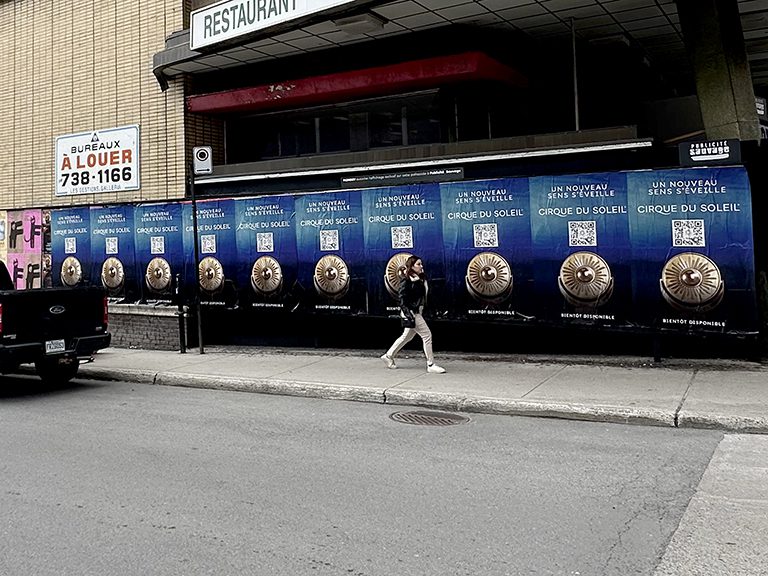
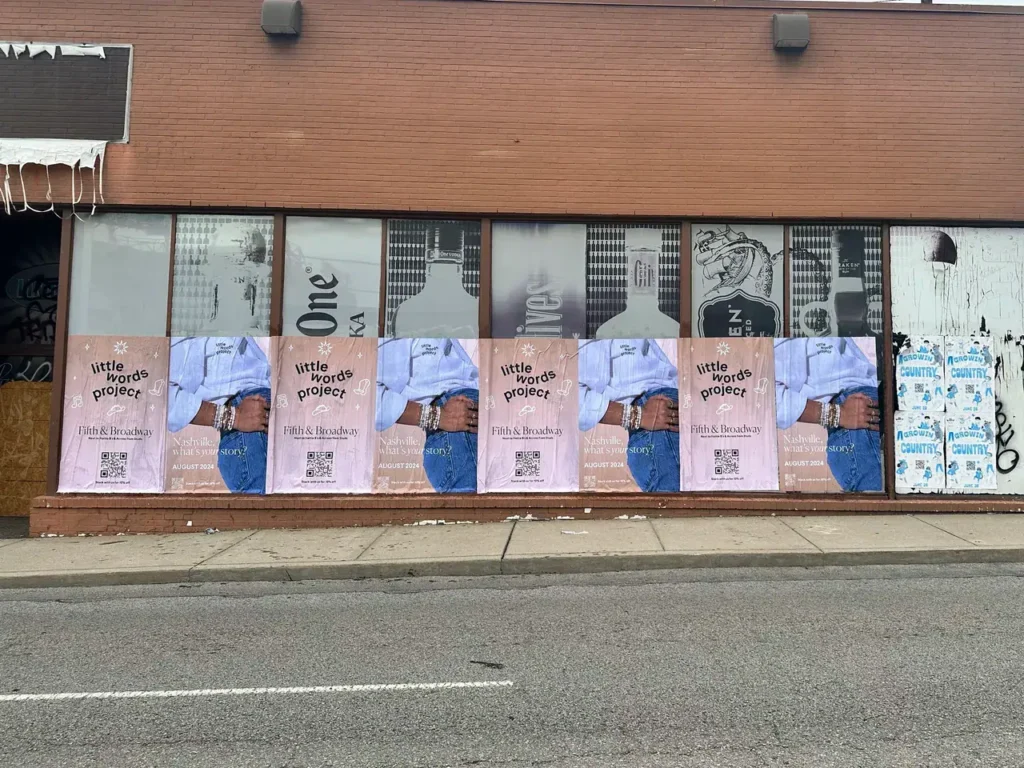
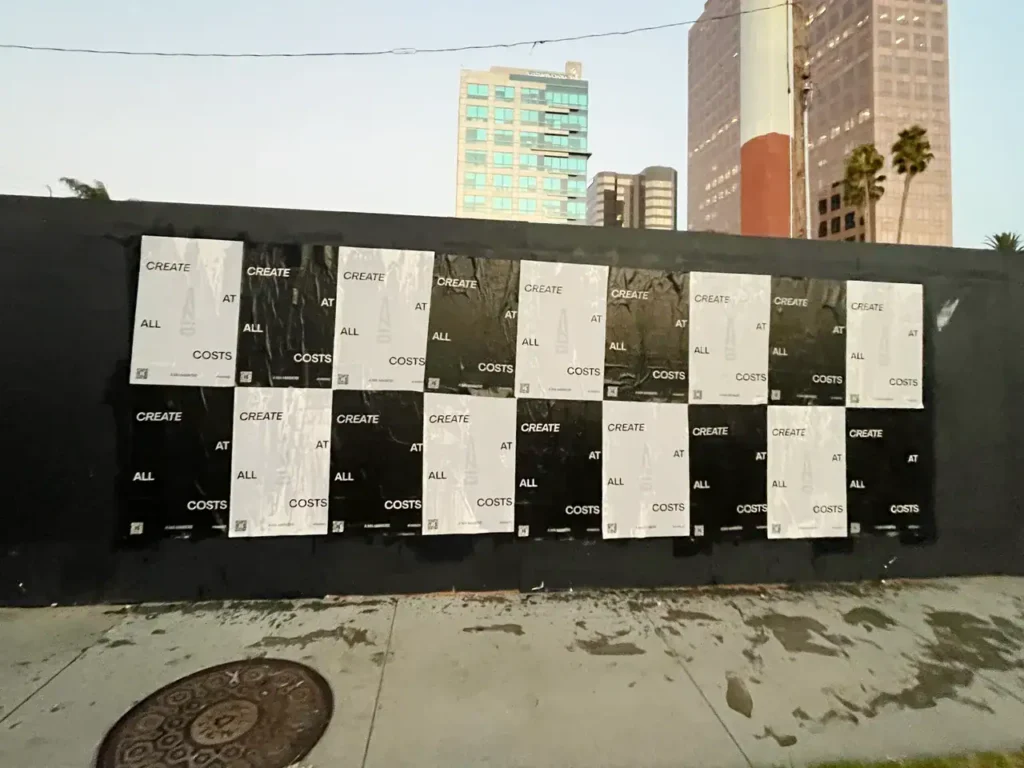
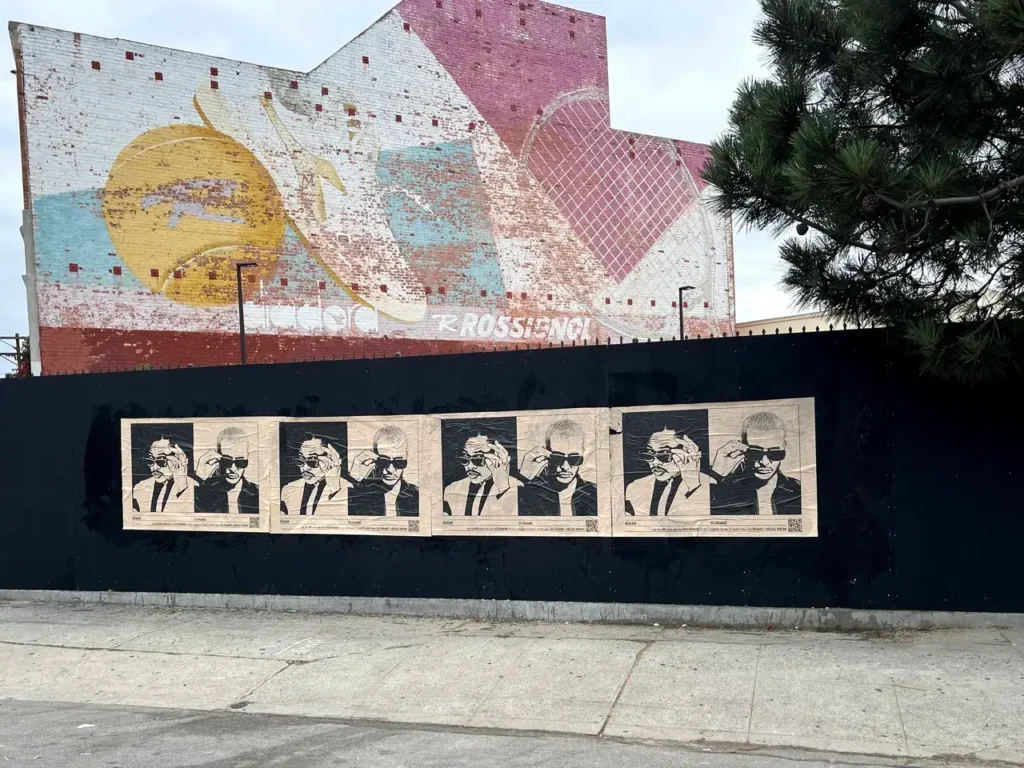
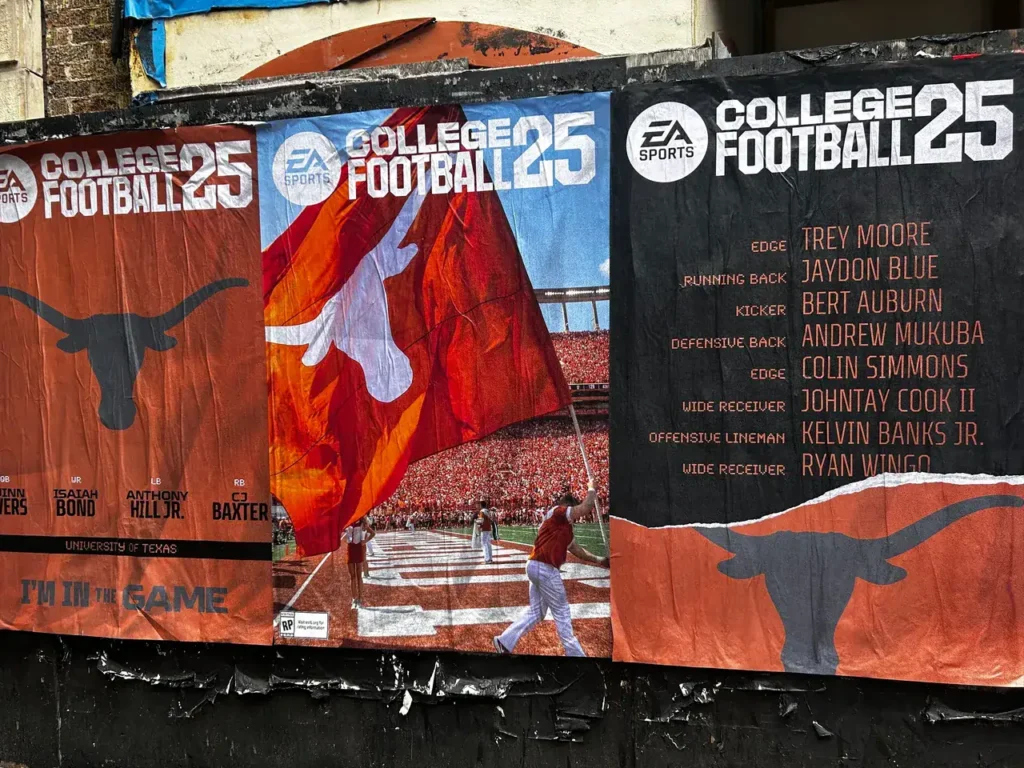
Toronto is Canada’s largest city and its most street-art-saturated market. AGM runs wheatpaste poster campaigns across Queen West, Kensington Market, Ossington Avenue, Dundas West, and Graffiti Alley with direct field coverage and GPS-documented placements.
Walking Queen Street West on a Saturday afternoon from Ossington to Dufferin gives you a precise read on why this city is the top wheatpasting market in Canada. You step off the 501 Queen streetcar at the Ossington stop – the platform sits right at the base of Ossington Avenue where it meets Queen – and immediately the visual density of the street hits you. Independent clothing shops, record stores, coffee roasters, bar patrons spilling onto patios. The pedestrian tempo is slow and lateral. People are looking around. A wheatpaste poster on the laneway wall just west of the stop has been up for three weeks and it still looks clean because nobody is tearing down street art in this neighborhood.
Start Your Toronto Campaign
Toronto's street culture corridors reach audiences that no other medium touches at the same price point. AGM puts your campaign in the right neighborhoods, on the right walls, documented and reported with field-grade precision.
Our Campaign Locations
Browse Cities in Canada
Select a city to explore Wheatpasting & Poster Campaign opportunities.
Walking The Toronto Market
By the time you walk the four blocks west to the Dufferin stop – past the Drake Hotel, past the vintage shop clusters between Beaconsfield and Dufferin – you’ve passed about fifteen viable posting surfaces and roughly 2,500 other pedestrians in under 30 minutes. That’s the density that makes Queen West work. The 501 streetcar route feeds this entire corridor continuously. From Spadina station on the Bloor-Danforth subway line to the east, to Roncesvalles in the west, the 501 is the artery. Riders get off all along Queen West and walk. They don’t drive, they don’t rush, they browse.
Kensington Market sits three blocks north of Queen West, and the connection point is Spadina Avenue. The 510 Spadina streetcar runs from Spadina station straight down to the Market’s southern edge. Most pedestrians enter from the Spadina and Baldwin Street corner and move north and east into the Market’s interior streets. That first block on Augusta Avenue is the most valuable posting corridor in Kensington. The audience walking into the Market on a Saturday is a specific type – young, curious, not in a rush. They came here to look. A campaign we placed on the Augusta Avenue fence line in the summer ran for six weeks before weather took it down. We documented it, photographed it weekly, and the client reported organic social reposts from that wall at least twice a week throughout the run.
Ossington Avenue runs north from Queen Street to Bloor, and the Ossington station on Line 2 (Bloor-Danforth) sits at the top of the strip. The evening foot traffic pattern runs downhill – people emerge from Ossington station and walk south toward the bars and restaurants. Peak time is Thursday through Saturday from 7pm to midnight. The demographic in that window is 25 to 38, with disposable income and strong brand responsiveness. Posters on the west side of Ossington south of Dundas catch this crowd head-on as they approach their first destination. The wall texture on most of Ossington’s commercial buildings is smooth painted brick, which holds well from April through October. Winter posting is possible during mild windows but the January-March period on Ossington is cold and traffic drops significantly.
Toronto is Canada’s largest city with a population of 2.9 million and over 6.4 million in the Greater Toronto Area. The Queen Street West corridor generates an estimated 85,000 daily pedestrian impressions across its full length during peak season. NXNE in June, TIFF in September, and Caribana in August each add significant market-wide foot traffic surges.
Toronto's Street Culture and the Case for Wheatpasting
Graffiti Alley runs behind Queen West along Rush Lane between Portland Street and Spadina Avenue, and it is one of the most photographed urban corridors in Canada. The 501 streetcar’s Spadina stop is the closest transit access point on the south side. On a warm weekend afternoon, Graffiti Alley sees 3,000 to 5,000 visitors specifically coming to see and photograph the street art. These are not passive pedestrians who happen to glance at a poster. They are actively engaged visual consumers who will photograph a well-placed wheatpaste campaign, post it, and generate earned media that extends the campaign’s reach far beyond its physical location. A campaign we placed in Graffiti Alley during NXNE week in June stayed visible and got photographed consistently for four weeks. NXNE, Toronto’s music and technology festival, runs in June and floods the Queen West corridor with exactly the kind of creative-industry audience that responds to street-level visual campaigns.
Dundas Street West from Ossington to Lansdowne has developed into one of Toronto’s most active independent arts and dining corridors. The Dundas West station on Line 2 sits at the west end of this stretch, feeding the neighborhood with commuters who walk east along Dundas toward Ossington. The morning and evening commute brings a steady residential demographic through this corridor. Weekend afternoons bring visitors from across the city who have heard about the restaurants and bar cluster around the Bloor-Ossington-Dundas triangle. The laneway walls on the south side of Dundas between Roxton Road and Ossington are the best posting surfaces on this stretch. Brick and painted concrete both hold paste well, and the laneway faces north-to-south, meaning posters catch the eye of pedestrians walking along Dundas directly.
College Street through Little Italy and Little Portugal – from Dufferin to Bathurst – is a different kind of posting environment. The 506 Carlton streetcar runs this corridor with stops at Dufferin, Ossington, Clinton, and Bathurst. The Clinton Street stop sits in the middle of Little Italy’s commercial core, and the pedestrian density here is built on neighborhood residents rather than destination visitors. That matters for campaign longevity. Residents walk these blocks daily. A poster placed at the Clinton and College corner gets seen by the same people multiple times over a two-week campaign window, building frequency in a way that a single-exposure location can’t match. The demographic here spans 25 to 55, with strong local brand loyalty.
How AGM Runs Wheatpaste Campaigns in Toronto
AGM’s Toronto operations run through a vetted Canadian field team with years of experience placing poster campaigns across the city’s key corridors. Every campaign starts with a site walk. Before we put up a single sheet, our operators walk the target zones, identify available surfaces, confirm property relationships, and map the posting sequence. In Toronto, that matters more than most cities because the mix of commercial property types, laneway access, and neighborhood character varies block by block. What works behind the Drake Hotel on Queen West is different from what works on the Augusta Avenue fence in Kensington Market, and we treat those zones with the specificity they deserve.
Standard turnaround for a Toronto campaign is 7 to 10 business days from receipt of print-ready files. For campaigns tied to events – NXNE, TIFF, Caribana, Manifesto festival in September – we recommend initiating booking at least three weeks in advance. Those event windows are the highest-value campaign periods in the Toronto calendar and placement slots in key corridors fill quickly. Documentation is GPS-tagged and photo-captured at each placement, with full reporting delivered to clients within 48 hours of campaign completion.
Toronto’s optimal campaign months are April through November. January and February are cold enough to affect adhesion performance. The hardest months for field operations are January through March when temperature-driven adhesion failures become a real risk. AGM’s field team tracks extended weather forecasts and schedules placements during temperature windows suitable for proper paste bonding. For year-round campaigns, we route winter placements toward sheltered surfaces and interior-facing walls that maintain above-threshold temperatures.
Wheatpasting Campaign Reach - OOH Impression Methodology
Impression estimates use the OOH industry standard: Daily Foot Traffic x Campaign Duration (14 days) x Street-Level Billboard Visibility Factor (0.08 to 0.12). All figures reflect street-level poster format standards, not modeled billboard projections. Actual impressions vary by wall position and pedestrian density.
| Zone / Neighborhood | Est. Daily Foot Traffic | Est. Impressions per Location (14-Day Campaign) | Best Campaign Types |
|---|---|---|---|
| Queen Street West (Bathurst to Ossington) | 22,000+ | 24,640 – 36,960 | Music, fashion, entertainment, food & beverage |
| Kensington Market (Augusta Ave core) | 14,000+ | 15,680 – 23,520 | Records, vintage, cultural events, social causes |
| Ossington Ave (Dundas to Bloor) | 11,000+ | 12,320 – 18,480 | Spirits, nightlife, fashion, premium consumer brands |
| Dundas Street West (Ossington to Lansdowne) | 9,500+ | 10,640 – 15,960 | Arts, emerging brands, food, social campaigns |
| College Street / Little Italy (Dufferin to Bathurst) | 13,000+ | 14,560 – 21,840 | Food, lifestyle, family brands, events |
Prime Wheatpasting Walls and Locations in Toronto
| Wall / Venue | Street / Address | Neighborhood | Est. Poster Capacity | Best Campaign Type |
|---|---|---|---|---|
| Graffiti Alley (Rush Lane) | Rush Lane, Portland to Spadina | Queen West | 40+ panels | Music, art, brand activation |
| Augusta Ave facing wall | Augusta Ave at Baldwin St | Kensington Market | 8-12 panels | Cultural events, records, vintage |
| Ossington south corridor | Ossington Ave at Argyle St | Ossington Village | 6-10 panels | Nightlife, premium spirits, fashion |
| Dundas West laneway wall | Dundas St W at Roxton Rd | Dundas West | 8-14 panels | Arts, emerging brands, social causes |
| College St mixed retail strip | College St at Clinton St | Little Italy | 10-16 panels | Food, lifestyle, entertainment |
Toronto Location Profiles
Graffiti Alley – Rush Lane, Queen West
Transit access: 501 Queen streetcar, Spadina stop (east end of alley) or Bathurst stop (west side approach). The laneway runs between Portland and Spadina, one block north of Queen Street. Most visitors enter from the Spadina end, which means the east-facing walls closest to Spadina get first-impression traffic. Morning light hits the north-facing walls from approximately 9am to noon; afternoon sun rotates to the south-facing walls. Anchor businesses feeding this corridor include the Dakota Tavern and the Drake Hotel on Queen West, both of which push foot traffic north into the alley after performances. Peak times: Saturday and Sunday 1pm to 6pm for photography visitors; weekday lunch 11:30am to 1:30pm from nearby Queen West office workers. Surface material on most alley walls is painted concrete block, which holds paste exceptionally well from May through October. The age of the murals means the base layers are well-sealed. Winter placement on the south-facing walls (which receive more radiated heat) is viable down to about -8 degrees Celsius. Below that, paste performance becomes unpredictable.
Augusta Avenue at Baldwin Street, Kensington Market
Transit access: Spadina station (Line 2 Bloor-Danforth), then walk south on Spadina to Nassau Street and turn right into the Market, or take the 510 Spadina streetcar south to College and walk north on Augusta. Pedestrians approach this wall from the south, walking up Augusta from the Dundas Street entry point. The wall catches traffic moving in both directions but the northbound flow – visitors heading into the Market’s interior – is larger and slower-moving. Anchor businesses at this intersection include the Green Room vegetarian cafe, Courage My Love vintage clothing, and Perola’s Supermarket, all of which generate their own foot traffic that compounds the transit-fed volume. Peak times are Friday 4pm to 8pm, Saturday 11am to 6pm. The demographic is 20 to 38, independent-minded, culturally engaged, low tolerance for corporate aesthetics. Campaign creative that fits the Market’s visual language performs significantly better than campaign creative transplanted from a corporate media context. Surface is a painted plywood fence that is regularly used for poster mounting. Poster longevity here is typically 10 to 18 days before weather or new layers affect visibility.
Ossington Avenue at Argyle Street
Transit access: Ossington station (Line 2 Bloor-Danforth, exit at Ossington Ave and Bloor St W). The station exit deposits pedestrians at Bloor and Ossington, from which they walk south toward the bar and restaurant district. The Argyle Street intersection is approximately 400 meters south of the station, which places it squarely in the middle of the evening pedestrian flow. Wall surfaces on the west side of Ossington between Argyle and Foxley are smooth painted brick, one of the better adhesion surfaces in the city. The east side has more varied textures including stucco and older brick that requires paste dilution adjustment. Peak times: Thursday through Saturday, 7pm to midnight. Day traffic is lighter, primarily local residents running errands and the lunch crowd from Ossington’s growing office presence. Anchor venues feeding evening traffic include Bar Isabel, the Bellwoods Brewery retail store, and the Ossington strip’s cluster of cocktail bars centered around the Dundas-Ossington corner. For a spirits brand, a fashion label, or a nightlife-adjacent campaign, there is no better 400-meter posting run in Toronto.
Dundas Street West at Roxton Road
Transit access: Dundas West station (Line 2 Bloor-Danforth), exit at Dundas Street West and Bloor, then walk south on Ossington two blocks to Dundas and turn east. Alternatively, the 505 Dundas streetcar runs the full corridor. The Roxton Road intersection sits midpoint in the Dundas West arts district. Pedestrians approach from both east and west; the laneway wall on the south side of Dundas faces north, catching the eye of westbound pedestrians across the street. Morning traffic from the 505 streetcar is commuter-dense and fast. Weekend afternoon traffic from 1pm to 6pm is browsing-dense and slow – the audience that actually stops and reads a poster. Anchor businesses: Parts and Labour restaurant, iQ Food Co., Wrongbar venue, and the Dundas West bar cluster near Ossington all contribute evening pedestrian volume. Surface on the laneway wall is weather-sealed concrete that holds well through most of the Toronto season. Spring (April-May) and fall (September-October) are the ideal posting windows for this location; summer works well, winter requires temperature monitoring.
College Street at Clinton Street, Little Italy
Transit access: 506 Carlton streetcar, Clinton stop (or College station on Line 1 Yonge-University, then streetcar west). The Clinton stop sits at the intersection itself, meaning streetcar riders step off directly into the posting zone. Pedestrian flow is bidirectional and consistent throughout the day – this is a true neighborhood commercial street rather than a destination corridor. The morning commute (8am to 9:30am) pushes people east toward the subway; the afternoon and evening (5pm onward) pushes residents west toward home. Both flow directions pass the posting surfaces. Anchor businesses: Bar Buca, Cafe Diplomatico, La Paloma, and several LCBO-adjacent retailers that generate consistent foot traffic seven days a week. College Street through this block has the highest residential density of any corridor in AGM’s Toronto network, which means campaign frequency is real – the same people walk past your poster repeatedly over a 14-day run. Surface conditions here are mixed; some building facades have rough brick that requires a base coat before paste application, while fences and smoother commercial building bases hold directly. Optimal posting months April through October.
Poster Printing Formats In Canada
Canada’s commercial print market occupies a genuinely useful position between US imperial and ISO metric standards. For campaign operators, this means print assets can move across the border in either direction without reformatting – and for Toronto specifically, it means a campaign that ran in New York or Los Angeles can arrive in Canada and go straight to a print shop without resizing.
24×36 inches (US Standard) is the workhorse format for Canadian live music and event poster advertising. Every print shop in Canada from Vancouver to Halifax stocks this substrate. The format is natively available without any conversion from US master files. It is the standard format used by venue promoters across the country – what goes in the window of the Danforth Music Hall on Danforth Avenue in Toronto, the Commodore Ballroom in Vancouver, and thousands of independent venues between them. For music releases, event campaigns, and entertainment marketing, this is the format the Canadian market recognizes and expects. Industries best served: live music, events, entertainment, fashion, food and beverage.
A1 ISO (594x841mm, approximately 23.4×33.1 inches) is the metric near-equivalent. It sits within 3% of the 24×36 in both dimensions, meaning it runs on the same print equipment without significant press adjustments. European brands entering Canada through Montreal – where ISO-standard creative workflows are more common than in English-Canada – typically arrive with A1-spec files and encounter zero friction at Montreal print shops. For a campaign entering Canada from a European brand’s existing asset library, A1 requires no conversion and no loss of visual integrity at the wall.
18×24 inches is the secondary Toronto format. It’s primarily used for bar and venue interior placements, campus posting in the areas around the University of Toronto (St. George campus near Bloor and Spadina, OCAD on McCaul Street), and high-density placement runs where a slightly smaller format allows more panels per surface. For university-adjacent campaigns at locations like Hart House or Bloor West near the Annex, 18×24 is the format that fits available posting inventory.
48×72 inches (US Standard) is available from Toronto large-format printers without any spec adjustment from AGM’s US campaigns. This is the format for film studio campaigns, major retail product launches, and consumer brands that want a high-impact single-surface placement rather than a distributed small-format run. Toronto’s construction hoarding – concentrated along King Street West in the entertainment district, around the waterfront development zones, and across the constantly redeveloping downtown core – provides extensive 48×72 and larger wall inventory.
A0 ISO (841x1189mm, approximately 33.1×46.8 inches) is the metric large-format equivalent. Slightly smaller than 48×72 but within spec for ISO-oriented brands. Multinationals with global print standards that already run A0 in European and Asian markets arrive in Toronto ready to print without reformatting.
40×60 inches (4-Sheet Format) has a specific application in Toronto’s development corridor. The King Street West entertainment district – around King and John Street, King and Spadina, and the TIFF Bell Lightbox area – carries consistent construction hoarding from the high-rise condo development activity that has dominated that part of the city for over a decade. Film distributors specifically use this format in the entertainment district during TIFF and other release windows. The 4-Sheet designation connects to Commonwealth outdoor advertising conventions, which means UK and Australian brands arrive in Canada with print already meeting this spec.
Winter adhesive note: Toronto’s winters create genuine adhesion challenges below approximately -10 degrees Celsius. AGM’s field team tracks extended forecasts and schedules placement runs during viable temperature windows, typically through March. Best campaign months in Toronto are April through November, with the peak season running May through October when warm walls, dry surfaces, and maximum foot traffic align.
Case Studies
Entertainment Brand – Toronto Film Festival Season
A North American streaming platform ran a wheatpaste campaign across Toronto’s Queen West and Kensington Market corridors during TIFF week in September. AGM placed 120 panels across 15 locations in the days leading up to the festival, targeting the streets where industry attendees, local film fans, and general cultural audiences overlap. The campaign ran in Graffiti Alley, along Augusta Avenue in Kensington, and across the Ossington strip. It reached an estimated 280,000 impressions over a 10-day window. TIFF’s concentration of entertainment industry professionals and international press in the King-John-Queen corridor created a secondary audience that documented and shared street-level campaign content independently of any paid media buy.
Athletic Brand – Toronto Launch Campaign
A global athletic brand used AGM’s Toronto network to support a product launch targeting the 18 to 28 demographic. The campaign ran across Ossington, Dundas West, and the Bloor Street corridor near the University of Toronto campus (closest transit: Spadina or Bay stations on Line 2). 85 panels placed across 10 locations over a 14-day period, timed to pre-date a paid social push by two weeks. Post-campaign surveys showed 34% unaided recall among the target demographic in the campaign zones – a figure that matched what the brand’s US team had seen from comparable campaigns in New York and Los Angeles.
Music Release – Independent Label
A Toronto-based independent record label used AGM’s Kensington and Queen West network for an album release campaign during NXNE week in June. 60 panels placed across 8 locations in the two weeks before the release, sequenced as teaser visuals in week one and release announcement in week two. Streaming numbers in Toronto in the release week were 40% above the label’s projections for the market. The artist appeared on College Street for a sidewalk performance the day of release, and several of the poster locations became backdrop photography locations during the performance, generating social content the label had not planned for but benefited from significantly.
Talk To The Agm Field Team
Toronto is one of AGM's directly covered Canadian markets. Our field operators have walked every major corridor in the city and can give you specific wall recommendations, transit access mapping, and seasonal scheduling advice before you commit to a campaign. We know which surfaces hold through a February temperature swing and which Graffiti Alley panels generate consistent social photography in summer.
Award Winning Personalized Service
You will get thoughtful, devoted, and individualized attention from our experienced, qualified, and professional personnel. Being one of the most illustrious agencies in Brooklyn, New York, American Guerrilla Marketing has been awarded the Best of Brooklyn title.
Nationwide
Industry City, Brooklyn, New York 11232
American Guerrilla Marketing
Hours
Mon - Fri: 9 AM - 5 PM
Sat & Sun: Closed
Automate your campaign with AGM’s Request for Proposal Builder.
Automate your campaign with AGM’s Request for Proposal Builder. Simply answer a few quick questions about your campaign goals, markets, and timeline, and the system will generate a tailored presentation with recommended strategies, quantities, and pricing. Click the RFP Builder to instantly receive your customized proposal.
Why AGM for Toronto Wheatpaste Campaigns
Toronto has no shortage of people who will put up posters. What most of them lack is the field knowledge, authorization infrastructure, and documentation standards that turn a poster run into a marketing asset you can report on. AGM has been working the Toronto street market long enough to have tracked which locations generate organic social sharing, which corridor demographics have shifted with gentrification, and which seasonal windows deliver the best adhesion-to-visibility ratio on this city’s specific building surfaces.
The event calendar alone makes Toronto one of North America’s best wheatpasting markets. NXNE in June floods Queen West with music industry professionals and culturally engaged audiences from across North America. TIFF in September saturates the King-Queen-Spadina corridor with entertainment industry press and thousands of dedicated film fans. Caribana in August, Canada’s largest outdoor festival, pulls hundreds of thousands of visitors to the lakeshore and sends overflow crowds through the west-end neighborhoods. Manifesto in September activates the arts and hip-hop community across multiple venues on the east and west sides. Each of these windows represents a distinct campaign opportunity, and AGM’s field team has placed during all of them repeatedly enough to know exactly which locations perform best for each event’s specific audience geography.
The Toronto market rewards specificity. Placing 50 posters across random surfaces in the general downtown core is not the same as placing 20 posters in the precise locations where your target demographic concentrates at the precise times they’re most receptive. AGM builds campaigns around that distinction. Our field operators know that the Ossington strip peaks Thursday through Saturday evening. That Kensington Market peaks Saturday afternoon. That Graffiti Alley peaks on summer weekend afternoons when photography visitors outnumber any other demographic on the block. That knowledge is built from walking the streets, not from reading a map.
For Canadian brands running national campaigns that include Toronto, AGM provides a single point of coordination across all markets. We manage the field teams, the documentation, the reporting, and the brand consistency across every city in your campaign. For brands running Toronto-only activations, you get direct access to our field operators and a pre-campaign site walk so you know exactly what you’re buying before the campaign starts. Over 10 years of street-level campaign execution in North America’s most competitive urban markets has built the methodology that makes AGM the agency entertainment labels, athletic brands, spirits companies, and independent artists trust when the Toronto market matters.
Frequently Asked Questions
Contact AGM at (646) 776-2770 or [email protected] for campaign pricing.
Standard turnaround for Toronto is 7 to 10 business days from receipt of print-ready artwork files. For campaigns tied to specific events like NXNE, TIFF, or Caribana, we recommend initiating the booking at least 3 weeks in advance.
24×36 inch is the standard workhorse size for Toronto street campaigns and fits the majority of available surfaces across Queen West, Kensington, and Ossington. 18×24 works well for denser placement runs and campus posting near U of T. For Graffiti Alley and King Street hoarding, oversized formats from 40×60 to 48×72 are available at select surfaces.
Yes. AGM’s Toronto network extends to Leslieville and the east end, College Street through Little Italy and Little Portugal, Bloor West Village, Roncesvalles Village, the Junction, and Annex-area streets near the University of Toronto. We can build campaigns around any specific neighborhood concentration.
Yes, with scheduling adjustments. Paste adhesion requires temperatures above approximately -10 degrees Celsius for reliable bonding. AGM monitors weather windows and schedules placement runs during suitable conditions November through March. The optimal Toronto campaign window is April through November.
AGM works exclusively with authorized surfaces in Toronto. Every placement in our network is either property-owner authorized or placed within designated street art zones like Graffiti Alley. We do not place on transit infrastructure, protected surfaces, or private property without authorization. Every placement is GPS-tagged and photo-documented.
Our Campaign Locations
Browse All Locations
Explore Wheatpasting & Poster Campaign opportunities across our global network.
52 States • 272 Cities