American Guerrilla Marketing
Nationwide serivce
Media planning, media buying, billboard advertising, & guerrilla marketing
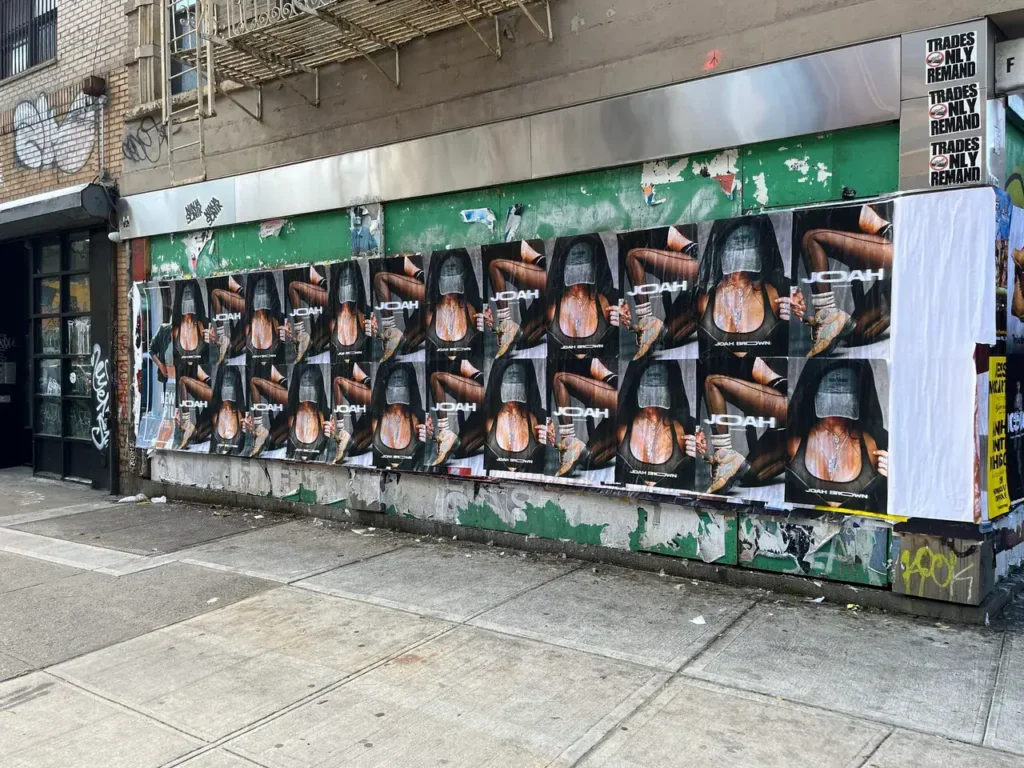
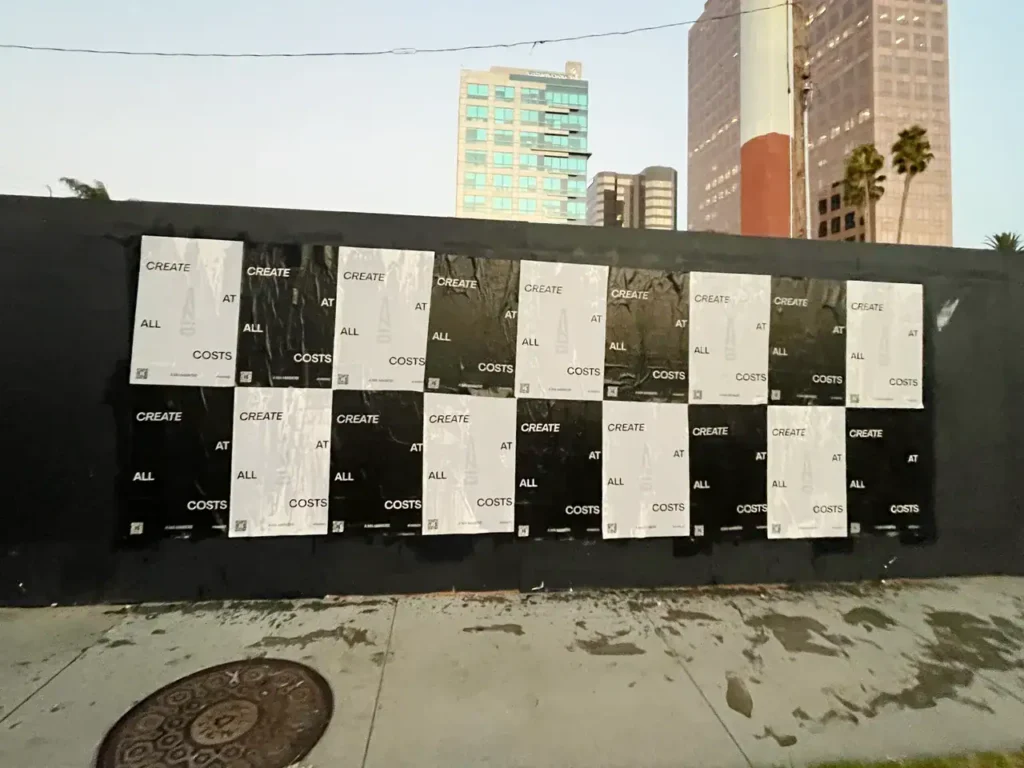
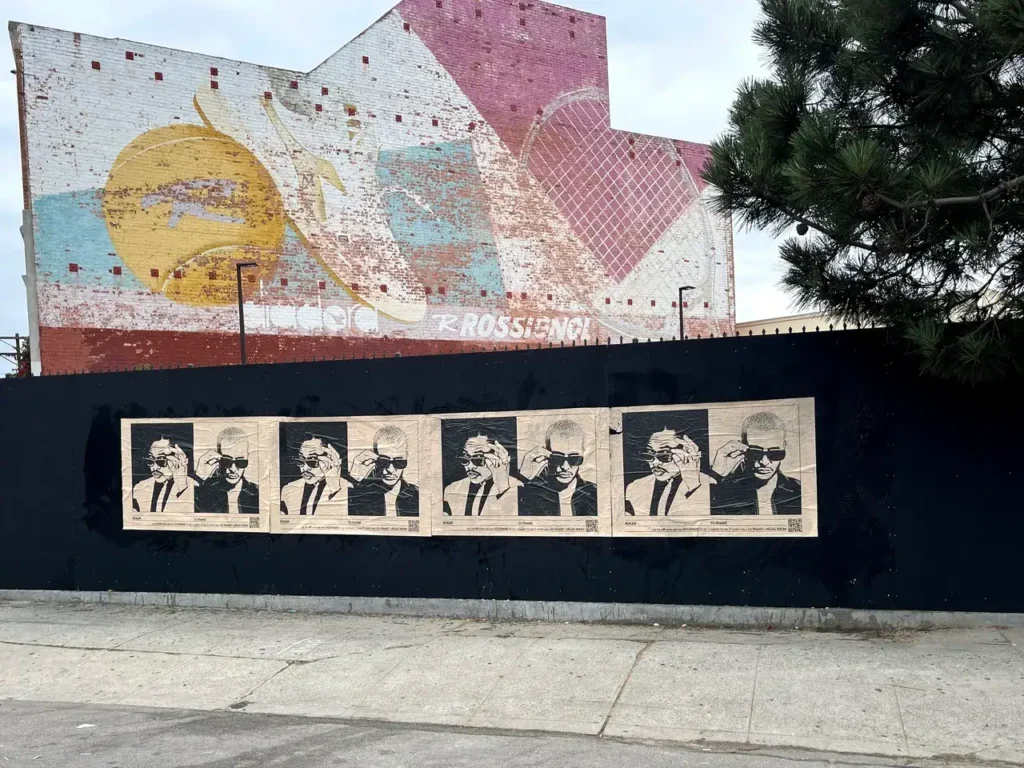
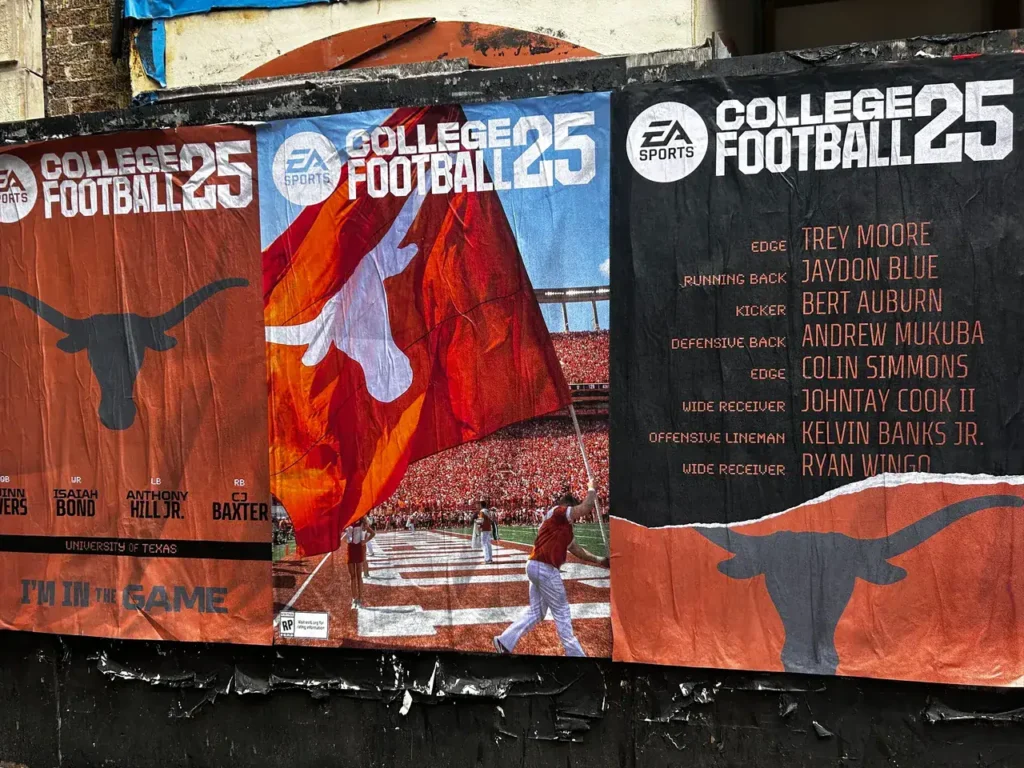
Wheatpasting and wheat paste posting advertising in Tucson, Arizona delivers street-level poster advertising through disciplined guerrilla marketing strategies designed for a city shaped by university life, arts culture, nightlife corridors, and walkable historic districts. Tucson blends student foot traffic, downtown activity, music venues, and neighborhood corridors, making wheatpasting most effective when executed with local timing and precision. Our wheatpasting and wheat paste poster advertising campaigns in Tucson, Arizona are planned block by block to ensure posters appear where people naturally walk, gather, and return throughout the week.
This approach blends wildposting fundamentals with structured wheatpaste posting installation, creating urban poster campaigns that feel intentional and authentic to Tucson’s street environment while generating repeat impressions and lasting brand recall.
We specialize exclusively in wheatpasting and wheat paste posting advertising across Tucson, Arizona and surrounding areas, managing every campaign from wall scouting through reporting. Each execution is rooted in real pedestrian behavior, surface evaluation, and neighborhood context, ensuring poster advertising supports awareness goals without wasted placements.
Our workflow includes identifying high-impact wheatpasting walls, coordinating poster production to match surface conditions, executing clean installations, and delivering detailed reporting with photo documentation and GPS pins. Every wheatpasting and wheat paste poster advertising campaign in Tucson, Arizona is designed to support launches, events, nightlife visibility, and cultural relevance through street-level advertising.
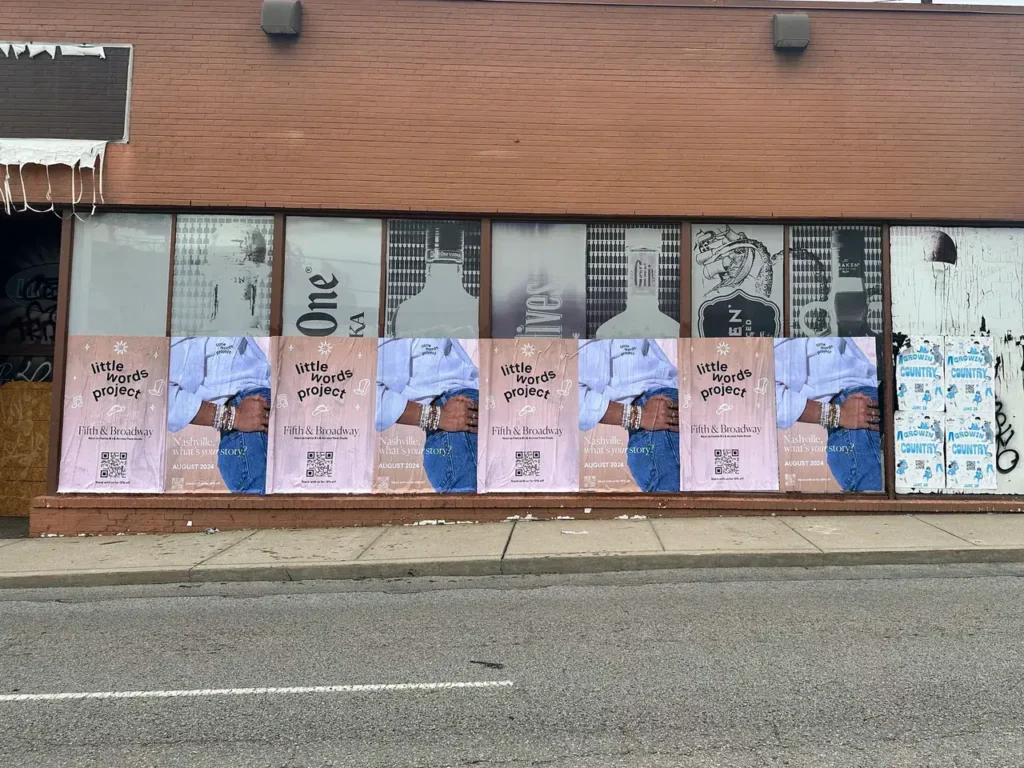
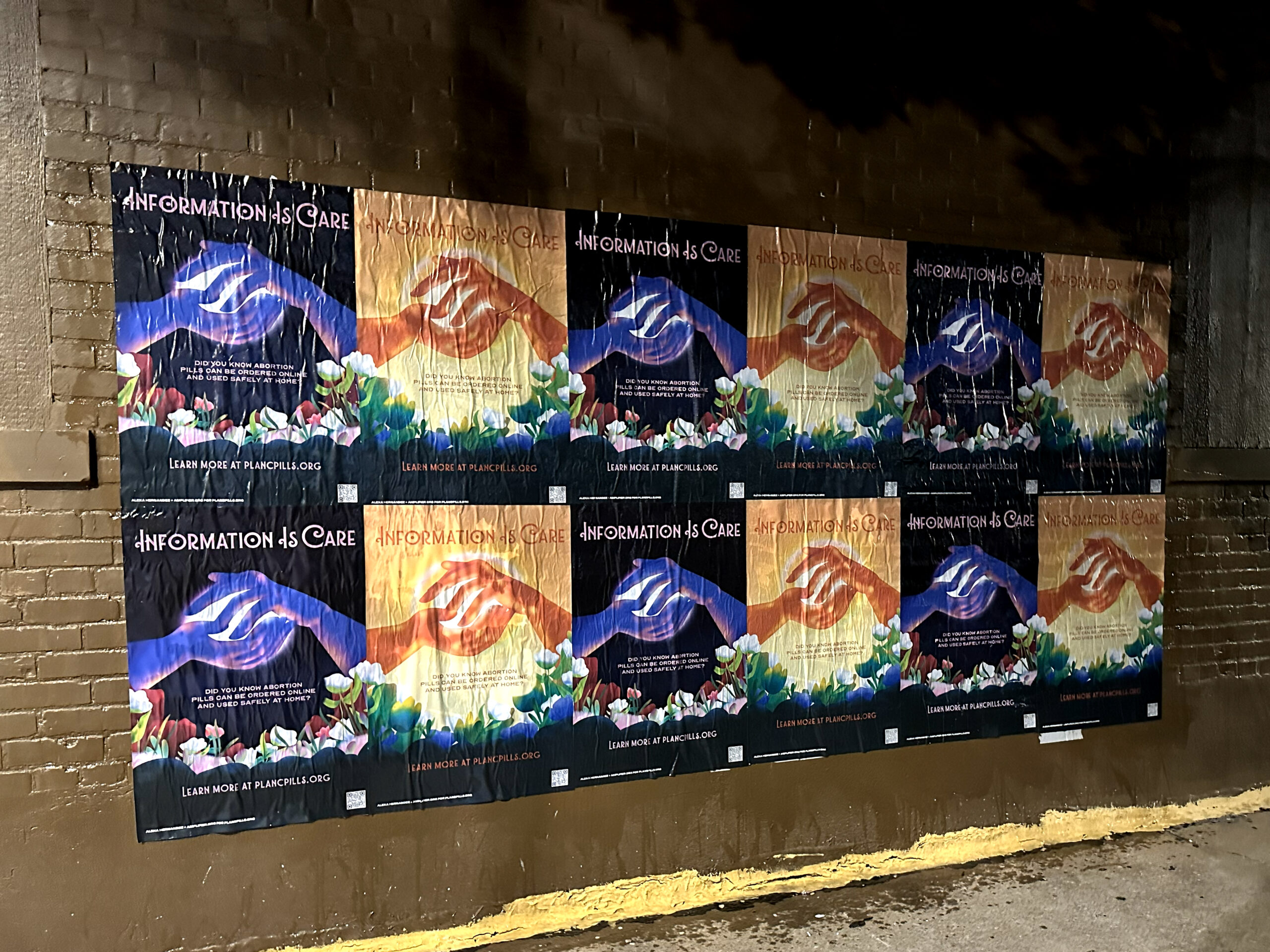
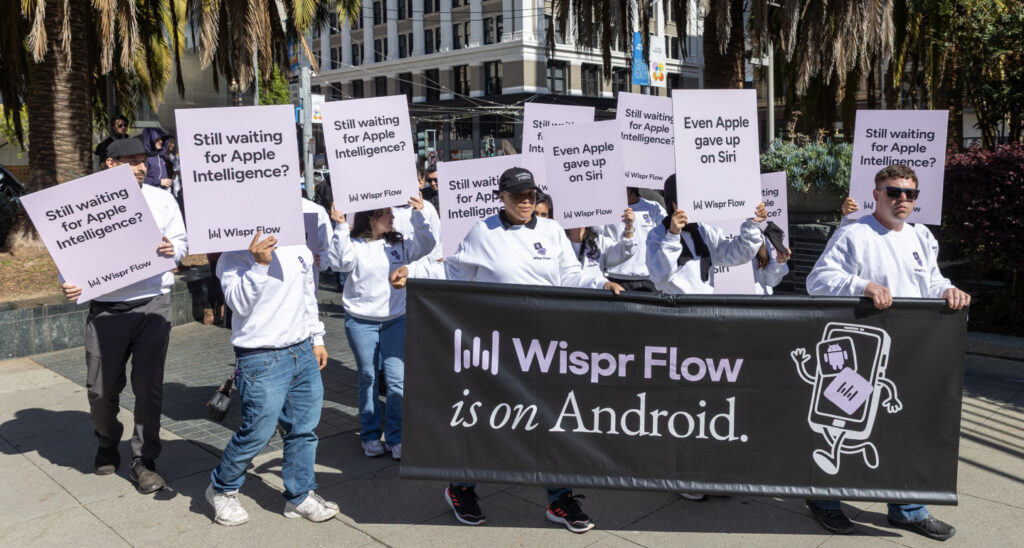
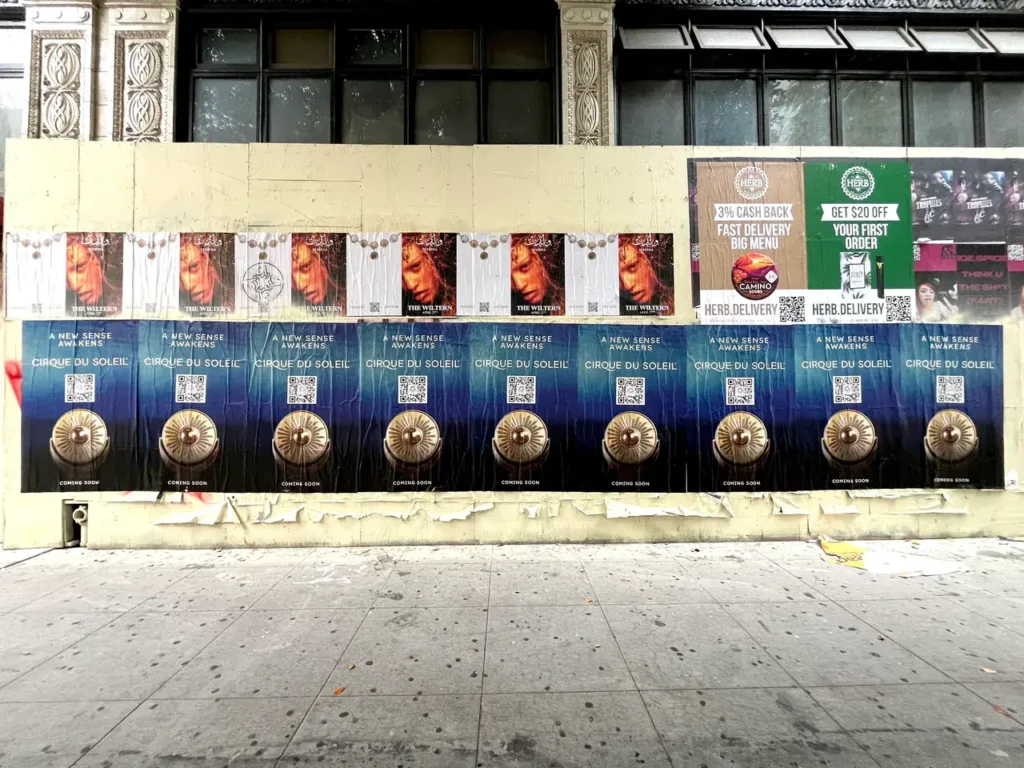
Downtown Tucson provides consistent pedestrian movement around offices, restaurants, nightlife, theaters, and event venues. Wheatpasting here focuses on concrete service corridors, parking structure exteriors, alley walls, and transitional surfaces near nightlife and cultural attractions. Most downtown walls support 8 to 12 wheatpaste posters arranged in structured grids, creating visible poster advertising moments seen repeatedly throughout the week.
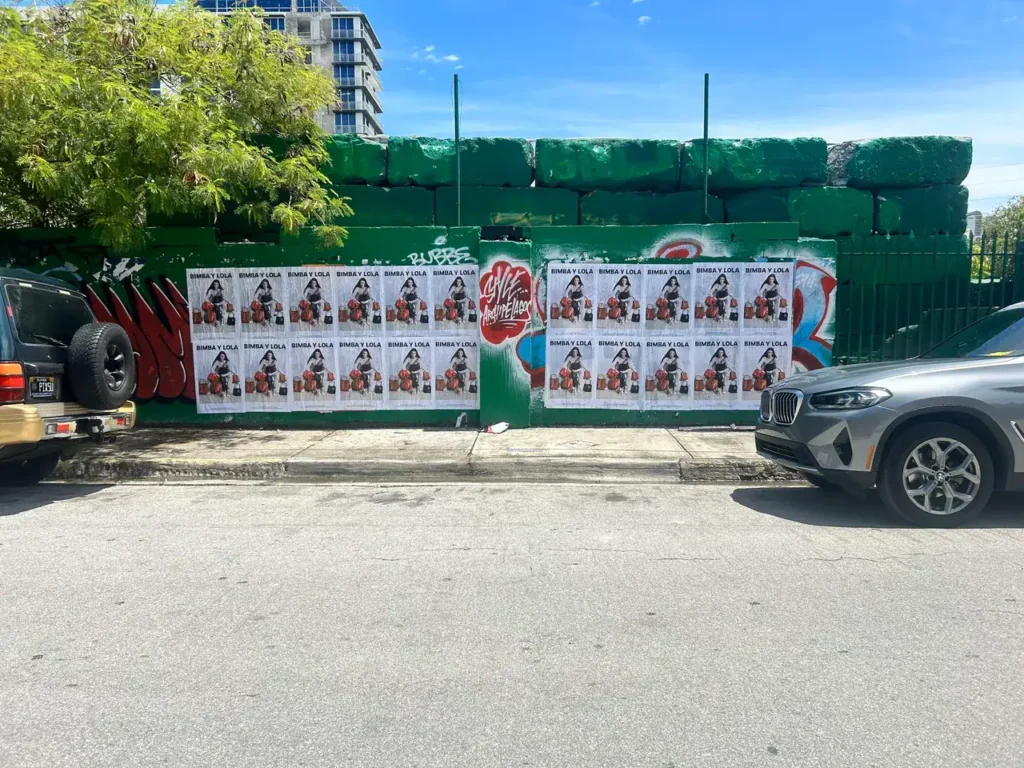
Fourth Avenue is one of Tucson’s strongest neighborhoods for wheatpasting and wheat paste poster advertising due to its nightlife, student population, and dense foot traffic. We target brick walls, warehouse exteriors, and side streets just off the main strip where posters can remain visible longer. Larger walls often support 14 to 20 wheatpaste posters, while smaller connector walls carry 6 to 10 posters to reinforce frequency.
The area surrounding the University of Arizona supports steady pedestrian movement tied to students, events, and nightlife. Wheatpasting in this zone focuses on blank masonry walls, underpasses, and pedestrian connectors near dining and entertainment corridors. These locations typically support 6 to 9 wheatpaste posters per wall, maintaining consistent exposure without oversaturation.
Wheatpasting and wheat paste poster advertising works in Tucson, Arizona because pedestrian activity clusters around downtown, university zones, and nightlife corridors rather than spreading evenly across the city. When wheatpaste poster installation is executed With local insight, campaigns benefit from repetition and familiarity instead of inefficient citywide coverage.
Our poster advertising strategy prioritizes placement quality over quantity, Allowing guerrilla marketing campaigns to remain effective, measurable, and visually integrated into Tucson’s urban environment.
Wheatpasting Walls
Wheatpaste Production
Wheatpaste Installation
Wheatpaste Reporting
The Most Common Poster Sizes, Visualized:
The standard poster size measuring 24 x 36 inches is a cornerstone format for high-impact street marketing and large-scale visual communication. This size is frequently used in premium snipe placements, wheatpasting, and traditional wheatpasting campaigns where commanding attention from a distance is essential. Closely aligned with the A1 international standard, it supports consistent production across markets while delivering strong visual clarity and scale.
In real-world execution, 24 x 36 posters are commonly deployed on large plywood walls, construction fencing, barricades, and exterior surfaces in high-traffic corridors. When used in wheatpasting and wheatpasting, this size allows for bold imagery, oversized typography, and simplified messaging that can be absorbed quickly by passersby. As an oversized snipe format, it is especially effective for advertising campaigns, brand launches, trade shows, exhibitions, and major announcements where visibility, authority, and immediate recognition are the primary goals.
The Most Common Poster Sizes, Visualized:
The 48 x 72 inch poster size is an oversized evolution of the traditional bus stop format, designed for maximum visual dominance in high-traffic environments. This size is frequently used in premium snipe placements, large-scale wheatpaste posting, and advanced wheatpasting campaigns where commanding attention from both long distance and close proximity is essential.
In real-world execution, 48 x 72 posters are ideal for major transit zones, exterior walls, construction wraps, subway approaches, and street-facing installations where scale directly impacts performance. When used in wheatpasting and wild wheat paste posting, this format supports oversized typography, bold imagery, and simplified layouts that stop viewers in their tracks. As a large-format snipe option, it is especially effective for brand launches, national advertising campaigns, cultural announcements, and high-impact outdoor activations that demand authority, visibility, and memorability.
Getting started on a poster design or printed project doesn’t need to involve technical guesswork. Download free starter files for each poster size to begin designing with confidence. These files are pre-sized to exact specifications and built to professional print standards, helping you avoid common setup issues from the start.
Our starter files are available for PDF Reader and Adobe Photoshop, making them simple and accessible for most workflows. Each file is correctly sized and includes proper bleed, trim, and color space settings, so your designs are ready for production whether they are being used for snipes, wheatpasting, wheatpasting, or larger street-level campaigns.
Using these starter files saves time, improves consistency, and helps ensure your posters print cleanly and accurately on the first run. They are ideal for designers, marketers, and brands that want reliable, print-ready files across all standard poster sizes without unnecessary complexity.
In Tucson, wheatpasting works best when the campaign follows areas where people already walk, gather, or dine. This means focusing on Downtown Tucson, Fourth Avenue, and the University area where poster advertising feels naturally built into the local daily rhythm.
Poster campaigns excel in Tucson because visibility collects in recognizable districts rather than spreading thin. Student movement, nightlife traffic, and cultural events create the kind of repetition that helps street-level creative stick, building brand familiarity through disciplined placement.
Campaigns in Tucson are planned block by block. The process analyzes pedestrian movement, wall quality, and sightlines to build a route around consistency, ensuring the poster campaign feels intentional and visually coherent rather than randomly distributed.
The strongest districts, like Fourth Avenue and the University area, hold the highest concentration of repeat movement. By targeting these hubs, a campaign generates repeated impressions, making street-level media far more memorable over the length of a run.
Every district in Tucson behaves differently—some are driven by student routines, others by downtown nightlife or cultural events. A strong wheatpasting strategy respects these differences, placing the message only where the local pattern supports high visibility and repetition.
Repeat exposure matters because memory is built through frequency in believable places. A tighter route built around high-return streets in Tucson will usually outperform a wider map of weaker placements by turning simple visibility into genuine brand recall.
Brands tied to launches, nightlife, entertainment, and education fit Tucson best. These categories thrive when creative appears in districts where an active, social, and student-heavy audience is already engaged and likely to encounter it daily.
A full-service campaign includes market review, route planning, wall scouting, production coordination, installation, and recap reporting. The goal is to build a street-level visibility system centered on placement quality and practical local movement.
Structured wheatpasting improves quality by controlling density and visual consistency. Instead of a random appearance, the campaign reads as a deliberate media system, making the poster advertising cleaner, more professional, and more impactful for the community.