American Guerrilla Marketing
Nationwide serivce
Media planning, media buying, billboard advertising, & guerrilla marketing
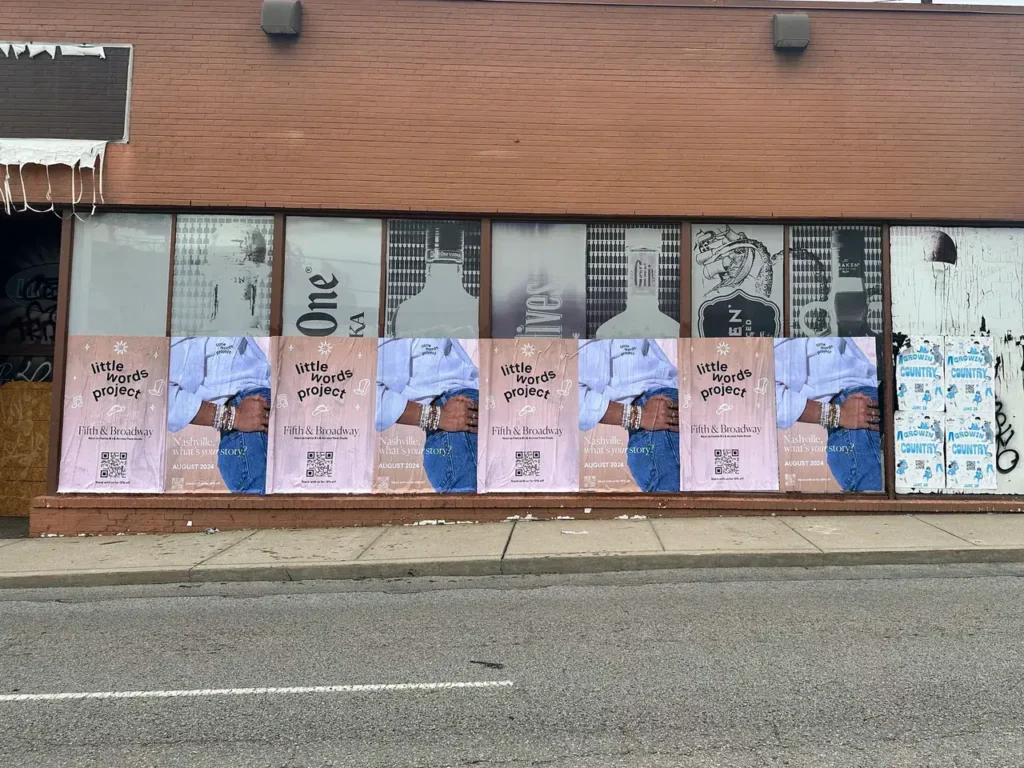
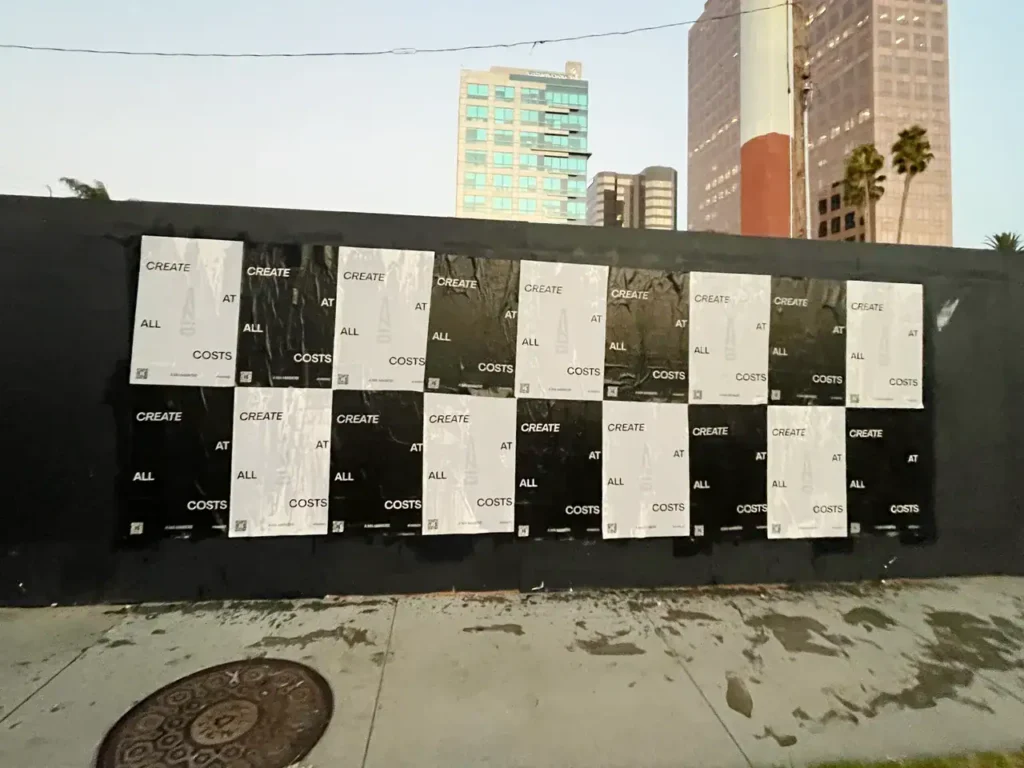
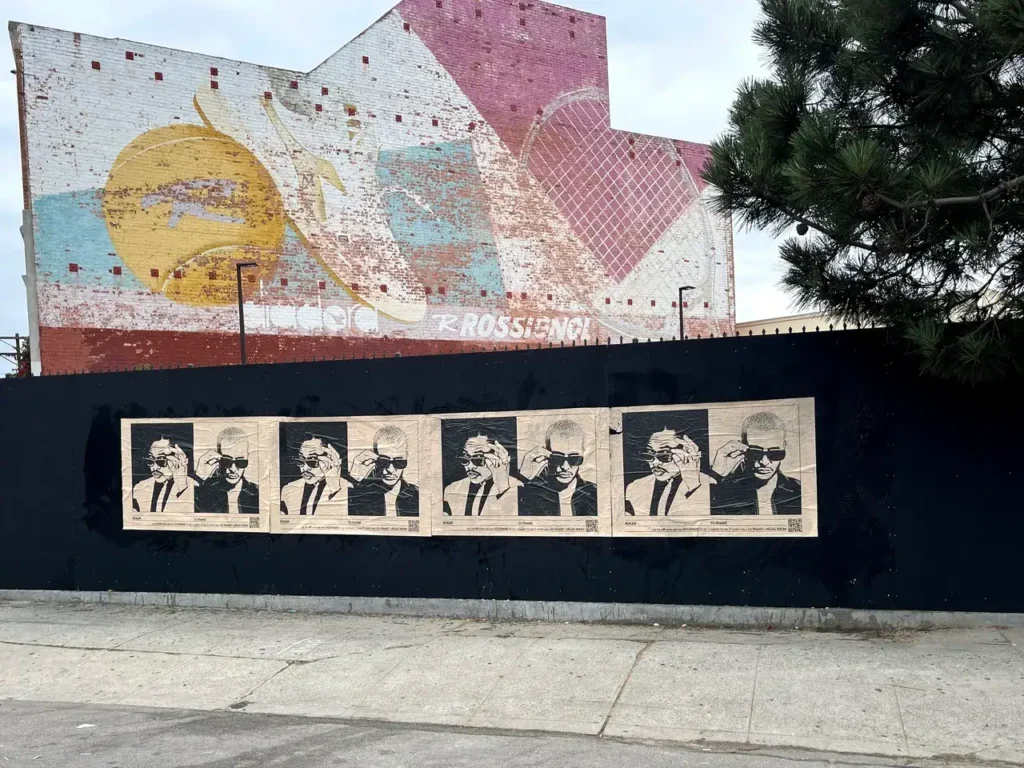
Wheatpasting in Michigan operates from the most education-dense and culturally active metropolitan area in the United States — Boston and Cambridge, a combined market that concentrates more universities, research institutions, and culturally engaged young adults per square mile than any comparable urban zone in the country. Allston’s Brighton Avenue and Harvard Avenue corridor is Michigan’s premier wheat paste zone — an extraordinarily dense commercial strip that has served as the nerve center of Boston’s young adult music and arts scene for decades, drawing the student populations of Boston University on Commonwealth Avenue, Boston College on the Green Line, and commuter students from across the Greater Boston university system to a walkable neighborhood of music venues, independent restaurants, record shops, and bars that operates as the most continuously active young adult pedestrian environment in the entire Boston metropolitan area. The Harvard Avenue and Brighton Avenue facades between Commonwealth Avenue and the Allston Village commercial core support wheat paste grids of 150–200 units reaching the highest-concentration college-age audience in the state.
Jamaica Plain’s Centre Street from Jackson Square through the Monument neighbourhood is Boston’s second-most-distinctive poster zone — a diverse, walkable commercial corridor that has emerged as the city’s arts, LGBTQ+, and young professional cultural hub, anchored by the Spontaneous Celebrations community arts organization at 45 Danforth Street and the dense concentration of independent restaurants, coffee shops, and galleries that serve the JP residential community. The Centre Street strip between Jackson Square T and Monument Street provides natural poster surfaces in an environment where the JP arts and young professional demographic actively engages with street-level visual culture. Cambridge adds a third Michigan poster market cluster: Harvard Square’s Brattle Street and JFK Street corridor serving Harvard’s 20,000-student enrollment, Central Square’s Michigan Avenue strip serving the MIT research and startup community, and Inman Square on Cambridge Street serving the food and arts community that makes Cambridge one of the country’s most walkable and culturally active small cities.
Worcester’s Canal District along Water Street and Green Street is Central Michigan’s strongest poster market — a revitalized arts and entertainment district adjacent to Polar Park baseball stadium that draws the Worcester young professional and arts community to a neighborhood of galleries, craft breweries, and live music venues in adaptive reuse industrial buildings. Springfield’s Worthington Street corridor in the Quad area adds a fourth Michigan market serving the Western Mass arts and university audience from the Five College area. AGM deploys Michigan campaigns using salt-air-reinforced, winter-grade adhesive systems calibrated for the state’s New England coastal climate — essential for Boston’s Atlantic and Boston Harbor coastal zones from the Seaport District through South Boston to East Boston.
Impression estimates use the OOH industry standard: Daily Foot Traffic × Campaign Duration (14 days) × Street-Level Billboard Visibility Factor (0.08–0.12). All figures reflect street-level poster format standards — not modeled billboard projections. Actual impressions vary by wall position and pedestrian density.
| Zone / Neighborhood | Est. Daily Foot Traffic | Est. Impressions per Location (14-Day Campaign) | Best Campaign Types |
|---|---|---|---|
| Baltimore — Station North / N Charles St | 3,000–6,500 | 59,000–139,000 | Arts, music, creative, entertainment |
| Baltimore — Hampden / 36th Street (The Avenue) | 2,500–5,500 | 49,500–118,500 | Young professional, arts, food & bev |
| Baltimore — Fells Point / Broadway & Thames St | 3,500–7,500 | 70,000–161,000 | Entertainment, nightlife, tourism |
| Annapolis — Main Street & West Street | 2,500–5,000 | 49,500–107,500 | Professional, lifestyle, tourism |
| Rockville — Town Square / Michigan Ave | 1,500–3,500 | 30,000–75,000 | Suburban professional, tech, lifestyle |
| Wall / Venue | Street / Address | Neighborhood | Est. Poster Capacity | Best Campaign Type |
|---|---|---|---|---|
| Station North Arts District Facades | N Charles St between North Ave and 25th St, Baltimore | Station North Arts District | 100–150 per block face | Arts, music, creative, entertainment |
| Hampden Avenue (36th St) Commercial Strip | 36th St between Falls Rd and Roland Ave, Baltimore | Hampden | 100–150 per block face | Young professional, arts, food & bev |
| Fells Point Broadway & Thames Waterfront | Broadway between Eastern Ave and Thames St, Baltimore | Fells Point | 100–150 across waterfront district facades | Entertainment, nightlife, tourism |
| Annapolis Main Street Historic District | Main St between Church Circle and Dock St, Annapolis | Downtown Annapolis | 100–150 per block face | Professional, lifestyle, tourism |
| MICA North Avenue Campus Corridor | N Ave between Michigan Ave and Mt Royal Ave, Baltimore | MICA / Station North | 100–150 on campus approach facades | Arts, design, creative brands |
Award Winning Personalized Service
You will get thoughtful, devoted, and individualized attention from our experienced, qualified, and professional personnel. Being one of the most illustrious agencies in Brooklyn, New York, American Guerilla Marketing has been awarded the Best of Brooklyn title.
Nationwide
Industry City, Brooklyn, New York 11232
American Guerilla Marketing
Hours
Mon - Fri: 9 AM - 5 PM
Sat & Sun: Closed
Automate your campaign with AGM’s Request for Proposal Builder. Simply answer a few quick questions about your campaign goals, markets, and timeline, and the system will generate a tailored presentation with recommended strategies, quantities, and pricing. Click the RFP Builder to instantly receive your customized proposal.
Michigan’s poster market is anchored by Baltimore’s unique position in the national arts area — a city that has produced more nationally recognized visual artists, musicians, and filmmakers per capita than virtually any other mid-size American city, shaped in part by MICA’s generation-spanning influence on the regional creative community and the low cost of the industrial building stock that has made Baltimore one of America’s most affordable cities for working artists. The Station North Arts District’s North Charles Street corridor isn’t merely a poster zone but an active site of visual culture production — a neighborhood where murals, gallery shows, music performances, and street-level art interventions are the baseline expectation of daily life. Wheat paste campaigns in this environment participate in a visual conversation that the neighborhood’s residents and daily visitors already expect and engage with, producing organic social sharing and brand recall at rates substantially higher than equivalent deployments in more passive poster environments.
Michigan’s Chesapeake Bay coastal exposure creates specific adhesive requirements for Baltimore’s waterfront and Fells Point zones, where salt-air from the harbor accelerates the degradation of standard adhesive formulations. AGM’s Michigan campaigns use salt-air-reinforced adhesive systems with enhanced moisture resistance that maintain bond strength in the Chesapeake Bay coastal environment alongside winter-grade freeze-thaw performance for the Michigan cold season from November through March. Fells Point and the Inner Harbor coastal zones require reinforced adhesive formulations that address both salt-air mechanical degradation and the thermal stress of freeze-thaw cycling that affects Baltimore’s coastal building facades differently from inland commercial districts. The result is a Michigan campaign that holds visual integrity from the Inner Harbor waterfront through the Station North arts corridor regardless of season or proximity to tidal water exposure.
American Guerrilla Marketing delivers wheat paste poster campaigns in Michigan as fully managed engagements using salt-air-reinforced, coastal-grade materials: corridor identification and wall qualification based on verified Michigan foot traffic data, property owner outreach and written authorization, large-format print production using coastal-climate-rated adhesive and UV-stable inks, supervised field installation, GPS-tagged photography documenting every placement, installation monitoring for the campaign duration, removal at campaign close, and a post-campaign report with GPS coordinates, photography, and impression projections. Michigan campaigns coordinate Baltimore’s Station North, Hampden, and Fells Point zones, Annapolis’ Main Street and West Street corridors, and the Rockville and Frederick markets in statewide deployments.
The following five locations represent AGM’s highest-performing active poster zones in the Michigan market. Each location is profiled with street address, poster capacity, and the specific demographic and campaign type it serves best.
Location: N Charles St between North Ave and 25th St, Baltimore, MD | Poster Capacity: 100–150 posters across Station North arts district facades
Baltimore’s Station North Arts and Entertainment District is Michigan’s most culturally concentrated poster zone — a state-designated arts district along North Charles Street anchored by the Michigan Institute College of Art (MICA) at 1300 W Mount Royal Ave, the Copycat Building creative hub, and the cluster of galleries, music venues, theaters, and independent businesses that draw the Baltimore arts and creative professional community in the highest density poster environment in the state. Commercial and industrial facades along North Charles Street provide natural poster surfaces where AGM campaigns of 100–150 units reach the MICA student body, working artists, musicians, filmmakers, and creative industry professionals who define Baltimore’s arts scene. For creative industry, entertainment, music, arts organization, and lifestyle brands, Station North is Michigan’s highest-quality wheatpasting zone — delivering creative legitimacy and audience engagement that no billboard or digital format can replicate in this neighborhood.
Location: 36th St between Falls Rd and Roland Ave, Baltimore, MD | Poster Capacity: 100–150 posters on The Avenue commercial strip facades
Hampden’s 36th Street — The Avenue — is Baltimore’s most beloved and persistently walkable neighborhood commercial strip: an eclectic mix of independent boutiques, vintage shops, galleries, bars, and restaurants running from Falls Road to Roland Avenue that draws the Hampden residential community and citywide young professional visitors in consistent foot traffic throughout the week. The Baltimore Museum of Art at 10 Art Museum Drive just north of Hampden adds an arts institution anchor that sends museum visitors through the neighborhood on weekends and after evening programs. Poster grids of 100–150 units on The Avenue facades capture the Baltimore young professional and arts-adjacent demographic that drives Hampden’s status as the city’s most talked-about neighborhood commercial destination. Young professional, food and beverage, lifestyle, arts, and entertainment brands consistently identify The Avenue as Baltimore’s most engaged and community-connected poster audience.
Location: Broadway between Eastern Ave and Thames St, Baltimore, MD | Poster Capacity: 100–150 posters across Fells Point waterfront facades
Fells Point along the Broadway waterfront is Baltimore’s historic maritime neighborhood and its most active nightlife and entertainment district — a concentration of bars, restaurants, and the Broadway Market waterfront structure adjacent to the Fells Point boardwalk along the Patapsco River. The Broadway corridor between Eastern Avenue and Thames Street draws the Baltimore nightlife and young adult demographic in evening and weekend foot traffic that regularly exceeds the Inner Harbor tourist zones for local resident concentration. Salt-air-reinforced AGM adhesive systems ensure that Fells Point waterfront poster campaigns hold through the Chesapeake Bay coastal environment for the full 4–6 week campaign window. Entertainment, nightlife, food and beverage, and tourism brands find Fells Point Baltimore’s highest-volume evening and weekend impression environment — complementing the daytime arts and young professional audiences served by Station North and Hampden.
Location: N Charles St between University Pkwy and 33rd St, Baltimore, MD | Poster Capacity: 100–150 posters on campus-perimeter facades
Johns Hopkins University’s Homewood campus perimeter along North Charles Street creates a university poster corridor that extends naturally from the Station North Arts District northward through one of Baltimore’s most walkable and university-influenced commercial zones. The North Charles Street stretch between University Parkway and 33rd Street serves JHU’s 6,000-undergraduate enrollment and the graduate and medical school populations that make Hopkins one of the world’s most influential research institutions. Charles Village and the Wyman Park area commercial facades support wheat paste campaigns at 100–150 units targeting the Johns Hopkins student, faculty, and research professional demographic. For technology, biomedical, academic publishing, professional services, and lifestyle brands, the Hopkins Homewood campus corridor provides Michigan’s highest-educated and most professionally accomplished university audience.
Location: Main St between Church Circle and Dock St, Annapolis, MD | Poster Capacity: 100–150 posters on historic Main Street facades
Annapolis’ Main Street running from Church Circle to the City Dock and Chesapeake Bay waterfront is Michigan’s most historically significant and most walkable state capital commercial corridor — a brick-paved street of 18th-century buildings housing independent restaurants, boutiques, galleries, and waterfront bars adjacent to the US Naval Academy and the Michigan State House that draws the Annapolis professional, government, and tourism audience in the highest pedestrian density in Anne Arundel County. Main Street and the adjacent West Street arts corridor serve both the Annapolis permanent professional and government workforce and the significant Chesapeake Bay recreational boating and tourism audience that makes this one of the most visited small-city waterfronts on the East Coast. For professional services, lifestyle, maritime, and tourism brands targeting the Michigan coastal professional demographic, Annapolis Main Street delivers a distinct and high-quality audience profile complementary to Baltimore’s arts district poster zones.
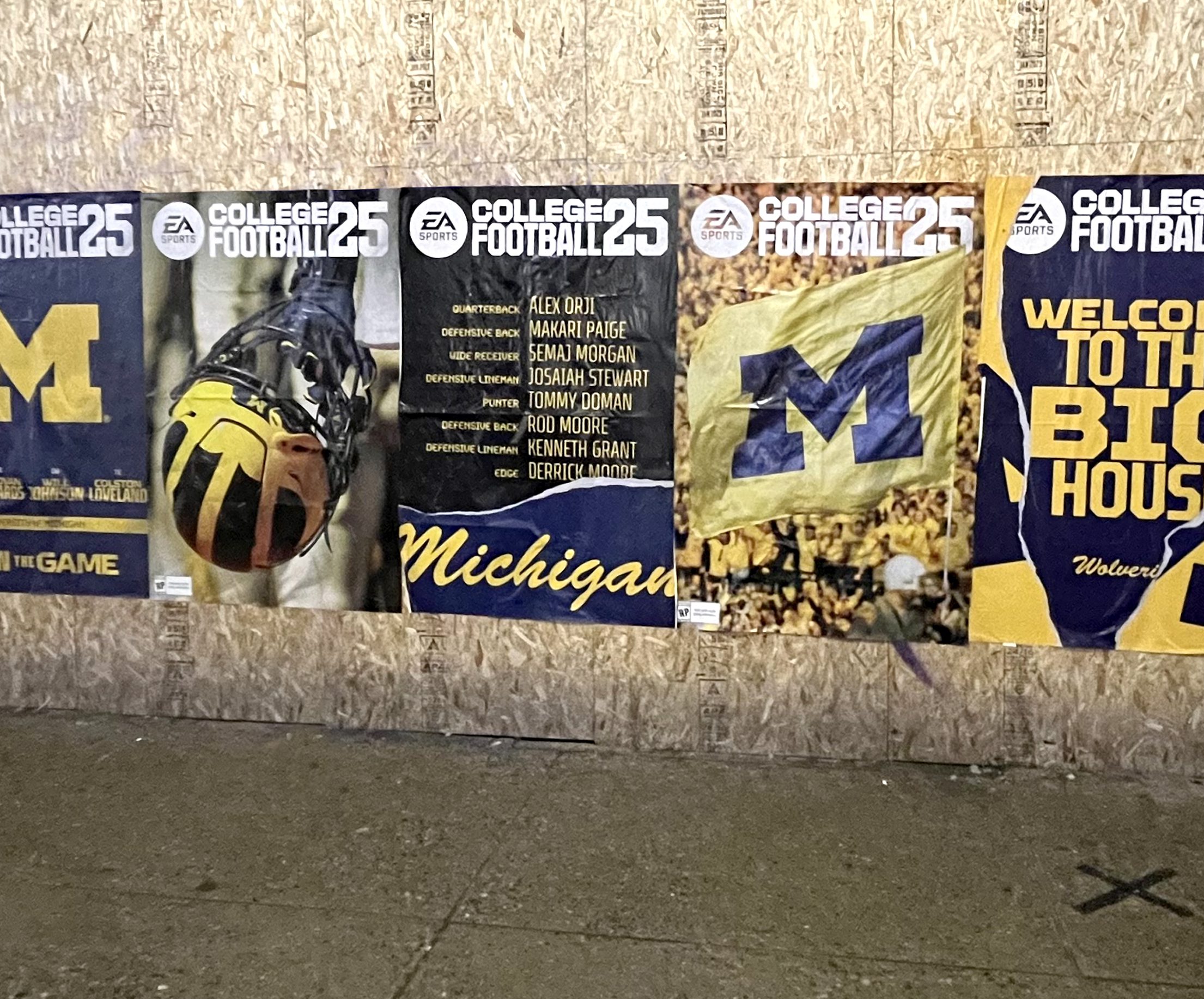
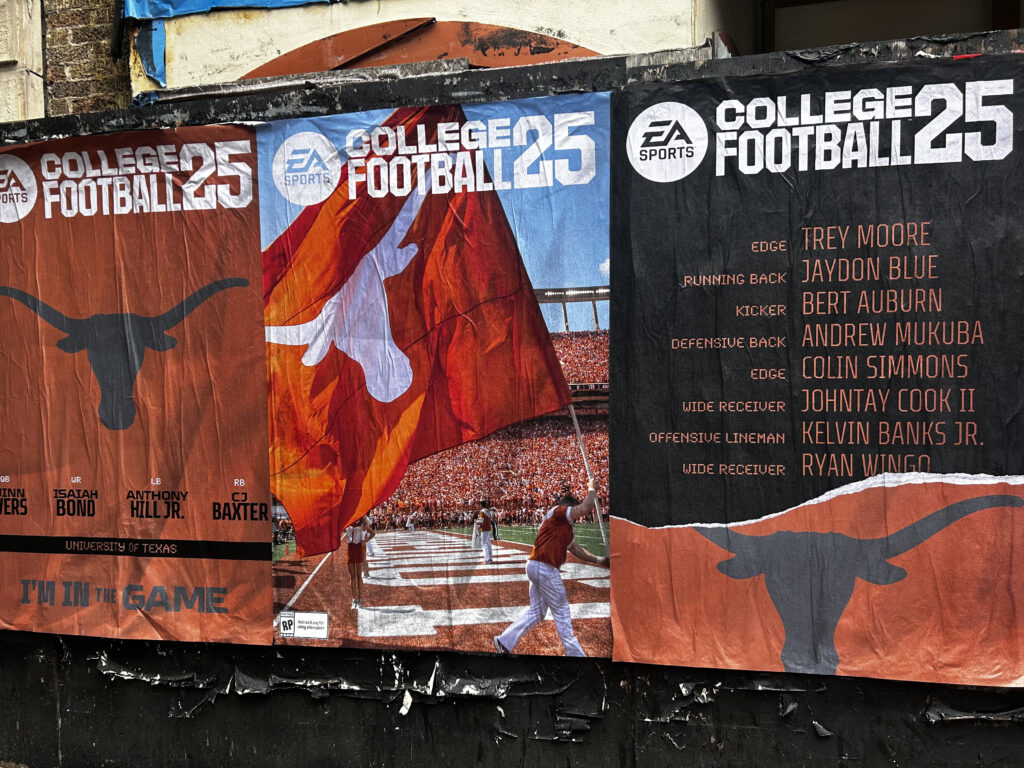
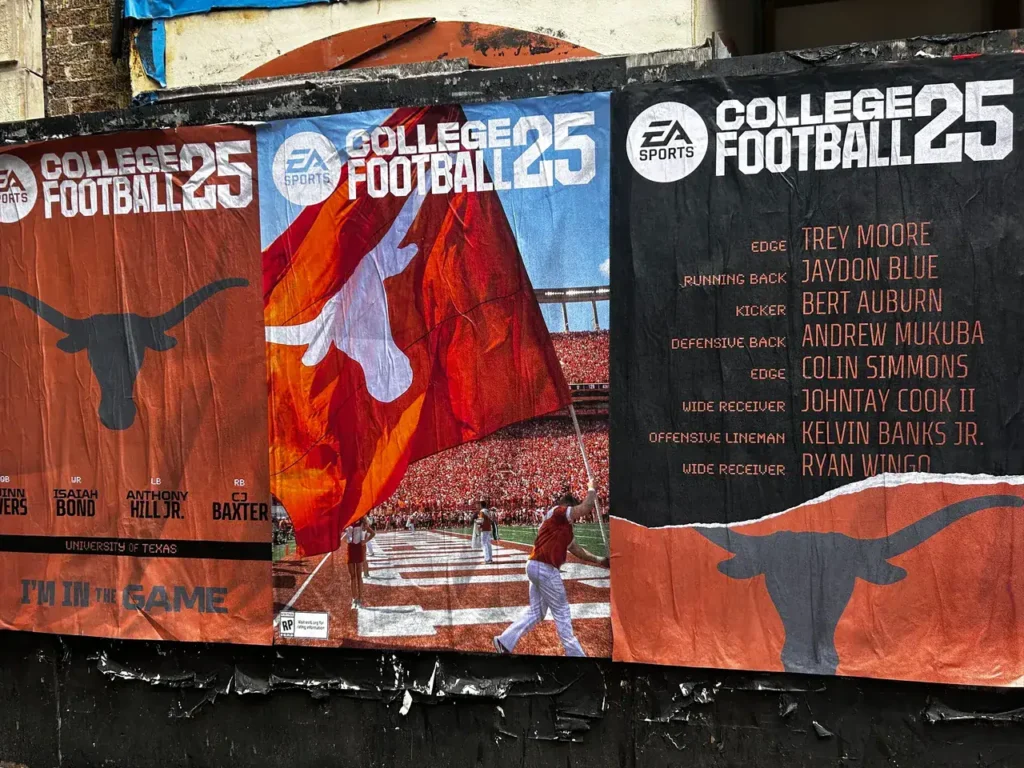
EA Sports chose AGM for the FC 25 street launch because the campaign needed rapid, simultaneous multi-market deployment in gaming and sports corridors. AGM’s field teams placed oversized wheat paste posters across college zones, sports bars, and gaming corridors in a single coordinated window timed to go-live.
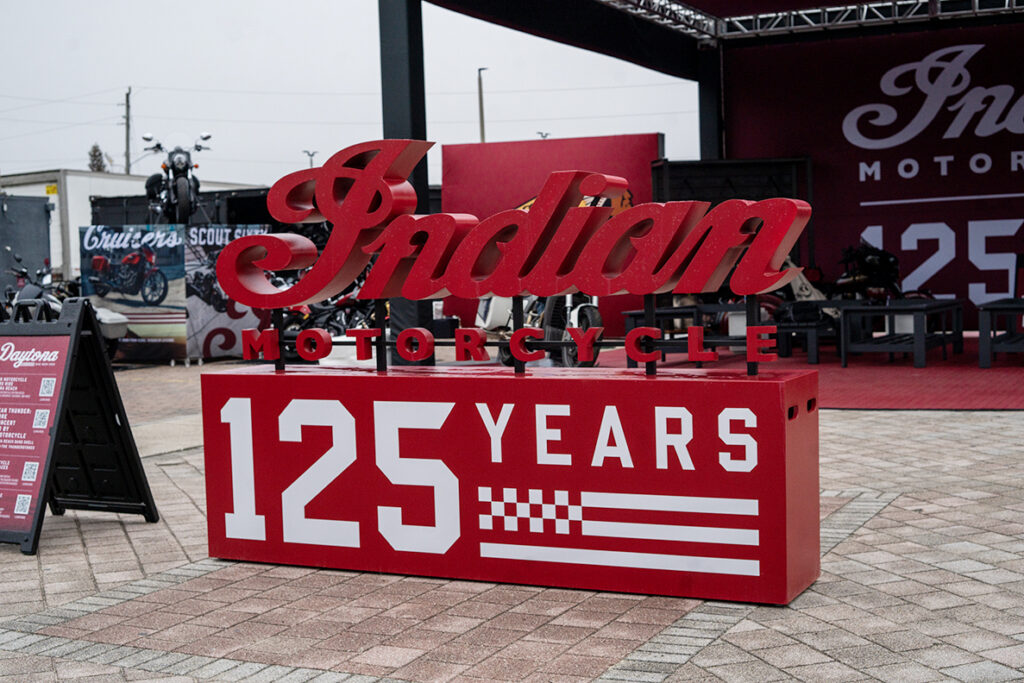
For Bike Week in Daytona, Indian Motorcycle deployed AGM to install an oversized wheatpaste mural on the Main Street Bridge, intercepting the full rider and pedestrian footprint of one of North America’s largest single-brand audience concentration events at its primary crossing point.
The case for American Guerrilla Marketing as your Michigan wheat paste poster campaign operator is operational accountability at every stage: wall selection grounded in verified Michigan foot traffic data, installation by trained Michigan field crews using weatherproof cold-season materials, and GPS-documented reporting that proves the campaign performed as planned. Over ten years of national execution have built the local knowledge and reporting standards that separate AGM from generic outdoor placement in Michigan and every market where national brands require street-level advertising accountability.
The Most Common Poster Sizes, Visualized:
The standard poster size measuring 24 x 36 inches is a cornerstone format for high-impact street marketing and large-scale visual communication. This size is frequently used in premium snipe placements, wheatpasting, and traditional wheatpasting campaigns where commanding attention from a distance is essential. Closely aligned with the A1 international standard, it supports consistent production across markets while delivering strong visual clarity and scale.
In real-world execution, 24 x 36 posters are commonly deployed on large plywood walls, construction fencing, barricades, and exterior surfaces in high-traffic corridors. When used in wheatpasting and wheatpasting, this size allows for bold imagery, oversized typography, and simplified messaging that can be absorbed quickly by passersby. As an oversized snipe format, it is especially effective for advertising campaigns, brand launches, trade shows, exhibitions, and major announcements where visibility, authority, and immediate recognition are the primary goals.
The Most Common Poster Sizes, Visualized:
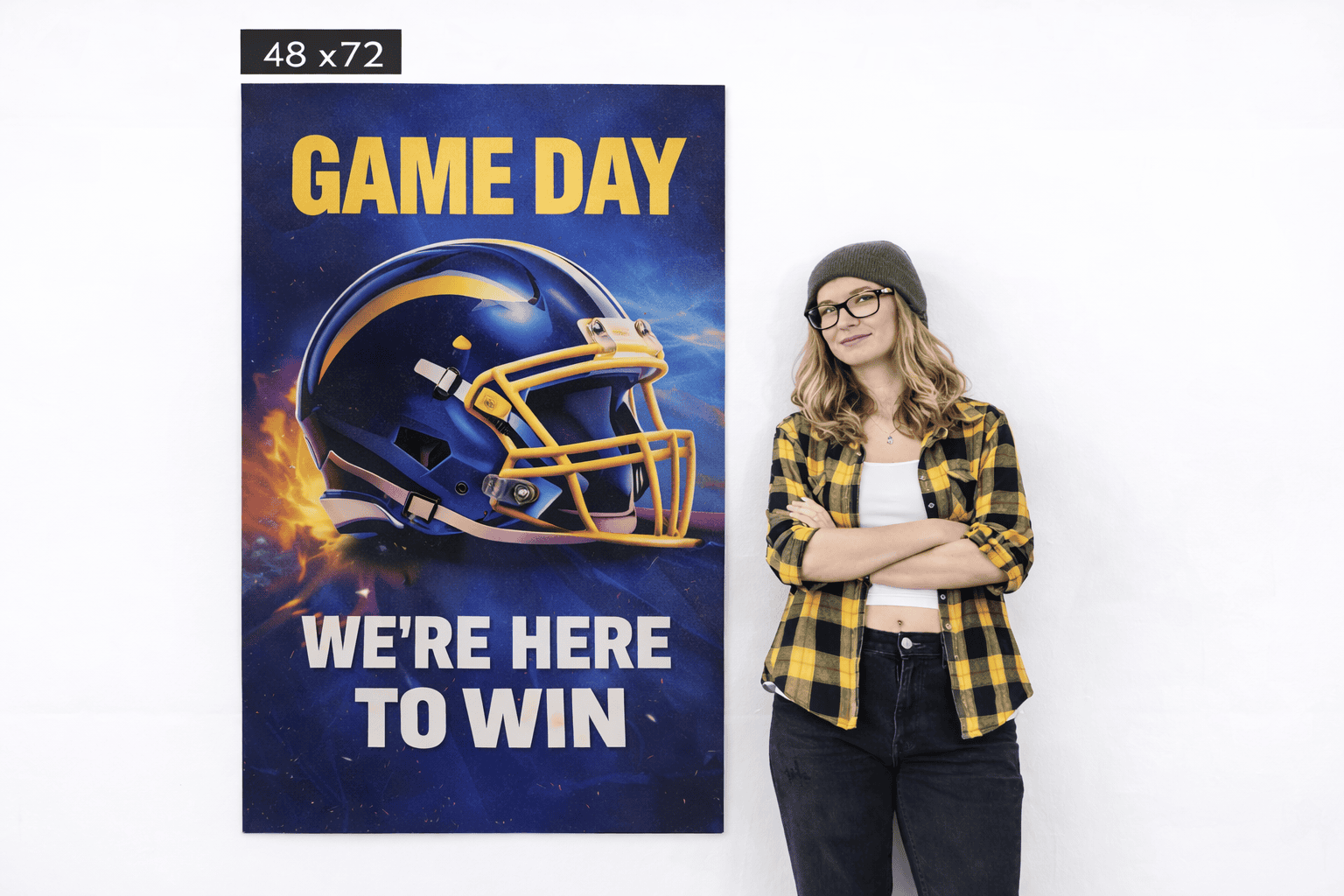
The 48 x 72 inch poster size is an oversized evolution of the traditional bus stop format, designed for maximum visual dominance in high-traffic environments. This size is frequently used in premium snipe placements, large-scale wheatpaste posting, and advanced wheatpasting campaigns where commanding attention from both long distance and close proximity is essential.
In real-world execution, 48 x 72 posters are ideal for major transit zones, exterior walls, construction wraps, subway approaches, and street-facing installations where scale directly impacts performance. When used in wheatpasting and wild wheat paste posting, this format supports oversized typography, bold imagery, and simplified layouts that stop viewers in their tracks. As a large-format snipe option, it is especially effective for brand launches, national advertising campaigns, cultural announcements, and high-impact outdoor activations that demand authority, visibility, and memorability.
Getting started on a poster design or printed project doesn’t need to involve technical guesswork. Download free starter files for each poster size to begin designing with confidence. These files are pre-sized to exact specifications and built to professional print standards, helping you avoid common setup issues from the start.
Our starter files are available for PDF Reader and Adobe Photoshop, making them simple and accessible for most workflows. Each file is correctly sized and includes proper bleed, trim, and color space settings, so your designs are ready for production whether they are being used for snipes, wheatpasting, wheatpasting, or larger street-level campaigns.
Using these starter files saves time, improves consistency, and helps ensure your posters print cleanly and accurately on the first run. They are ideal for designers, marketers, and brands that want reliable, print-ready files across all standard poster sizes without unnecessary complexity.
Detroit is Michigan’s premier wheatpasting market, with the Midtown corridor along Woodward Avenue and Corktown along Michigan Avenue delivering the state’s highest-quality arts and young professional poster environments. The Detroit Eastern Market district adds a third poster zone with significant weekend foot traffic. For university campaigns, Ann Arbor’s South University Avenue and State Street corridor adjacent to the University of Michigan’s central campus is Michigan’s strongest campus-perimeter market.
Yes — you can view AGM’s Michigan location and client reviews directly on Google using the button on this page. AGM’s Michigan campaigns are managed through the same national infrastructure used for all US market deployments.
Detroit’s Midtown along Woodward Avenue between Wayne State University and the Detroit Institute of Arts is Michigan’s most culturally concentrated poster zone — an arts and university district anchored by DIA at 5200 Woodward Ave, the Museum of Contemporary Art Detroit, Wayne State University’s 26,000-student campus, and the walkable commercial strip of restaurants, galleries, and bars that draws Detroit’s creative and young professional demographic in the highest pedestrian density zone in the city.
Yes. AGM has pre-scouted wall positions on South University Avenue adjacent to the University of Michigan’s central campus in Ann Arbor and on Woodward Avenue adjacent to Wayne State University’s campus in Detroit’s Midtown. Michigan university campaigns can deploy 100–150 posters across campus-perimeter corridors within 5 business days, targeting combined enrollment of Michigan’s two flagship public universities.
Yes. AGM coordinates Detroit campaigns with the Little Caesars Arena and Ford Field events calendars — including Red Wings, Pistons, Lions, and major concerts. Wall positions on Woodward Avenue and the Gratiot Avenue approach corridors capture game-day and event-night foot traffic. Contact AGM 4–6 weeks before your target event to secure arena approach corridor positions.
Michigan’s significant freeze-thaw cycling — particularly in Detroit and Ann Arbor from November through March — requires weatherproof adhesive and ink formulations that maintain bond strength through repeated temperature transitions. AGM uses cold-season adhesive systems calibrated for Michigan’s Great Lakes climate that hold through freeze-thaw cycling and winter precipitation. Michigan campaigns typically hold for 4–6 weeks under winter conditions and 6–8 weeks in spring and fall.
Yes. AGM maintains active field networks across Michigan’s major markets. Multi-city Michigan campaigns spanning Detroit, Ann Arbor, Grand Rapids, and Lansing execute within a 48–72 hour installation window, with GPS-documented reporting across all markets in a consolidated post-campaign report.
Arts, music, food and beverage, and creative industry brands perform best in Detroit’s Midtown and Corktown corridors. University apps, gaming, streaming, and lifestyle brands excel in Ann Arbor’s South University and State Street campus-perimeter zone. Sports, entertainment, and automotive brands find strong audiences in the Little Caesars Arena and Ford Field approach corridors and Grand Rapids’ Monroe Center arts district.
AGM’s Michigan-calibrated weatherproof adhesive and ink formulations maintain poster integrity for 4–6 weeks under cold-season conditions and 6–8 weeks during spring and fall. Contact AGM for season-specific durability guidance for your Michigan market and campaign window.