American Guerrilla Marketing
Nationwide serivce
Media planning, media buying, billboard advertising, & guerrilla marketing

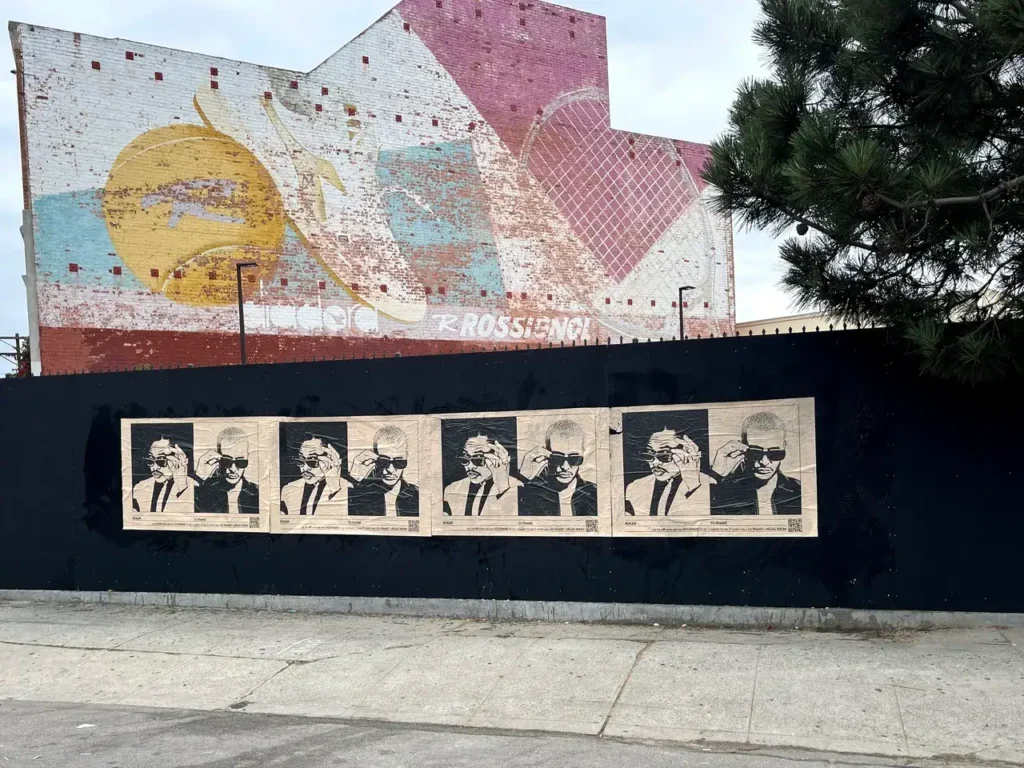
Wheatpasting in Oregon means operating in one of the most poster-receptive markets in the United States, a state where Portland’s culture of street art, independent commerce, and outdoor advertising tolerance has created a physical environment where wheat paste campaigns achieve brand recognition levels that few other American cities can match. Portland’s Alberta Arts District on NE Alberta Street is the state’s premier poster corridor: a twenty-two-block walkable commercial strip in Northeast Portland where locally owned galleries, independent restaurants, vintage shops, and community arts organizations have created a visual culture where street art and poster campaigns are not merely tolerated but expected as part of the neighborhood’s identity. Last Thursday art walks draw thousands of pedestrians to Alberta Street monthly, creating impression spikes that stack on top of the corridor’s strong daily foot traffic from the residential neighborhoods of Vernon, Concordia, and Woodlawn. NE Alberta Street between 13th Avenue and 30th Avenue represents the single most concentrated and culturally aligned poster environment in the Pacific Northwest.
Portland’s Mississippi Avenue corridor in the Boise-Eliot neighborhood, a one-mile stretch of reclaimed early-twentieth-century commercial buildings along N Mississippi Avenue between Skidmore Street and Fremont Street, provides a second Portland poster zone with a slightly younger and more music-focused demographic than the Alberta Arts District. The concentration of record shops, live music venues, craft breweries, and the independent food operators who define North Mississippi’s identity as Portland’s most consistently covered neighborhood commercial story creates a daily pedestrian audience drawn from both the surrounding residential neighborhoods and the citywide young adult demographic that returns to Mississippi Avenue as a leisure destination. Southeast Portland’s Division Street between 26th and 39th Avenues adds a third Portland corridor, the city’s most nationally covered culinary destination strip, where the concentration of destination restaurants and the evening pedestrian density they generate creates a food and beverage-aligned poster environment with strong young professional demographics.
Eugene’s Whiteaker neighborhood on West 7th Avenue and the 13th Avenue commercial strip near the University of Oregon campus serve the Eugene-Springfield market as complementary poster zones, Whiteaker targeting the arts, music, and counterculture audience concentrated in one of Oregon’s most historically significant creative neighborhoods, and the UO 13th Avenue corridor targeting the university student population directly. Salem’s Chemeketa Street and Commercial Street SE serve the state capital’s government and young professional market, while Bend’s downtown Wall Street corridor and Old Mill District serve Central Oregon’s outdoor recreation and tourism demographic. AGM coordinates multi-city Oregon deployments across all four major markets using salt-air reinforced coastal adhesive formulations engineered for the Pacific Northwest marine climate.
Impression estimates use the OOH industry standard: Daily Foot Traffic × Campaign Duration (14 days) × Street-Level Billboard Visibility Factor (0.08–0.12). All figures reflect street-level poster format standards — not modeled billboard projections. Actual impressions vary by wall position and pedestrian density.
| Zone / Neighborhood | Est. Daily Foot Traffic | Est. Impressions per Location (14-Day Campaign) | Best Campaign Types |
|---|---|---|---|
| Portland — Alberta Arts District (NE Alberta St) | 3,500–8,000 | 68,000–170,000 | Arts, lifestyle, music, outdoor, independent brands |
| Portland — Mississippi Avenue Corridor | 2,500–6,000 | 49,000–128,000 | Music, food & bev, lifestyle, young professional |
| Portland — Division Street SE | 2,000–5,000 | 39,000–107,000 | Culinary, food & bev, young professional, arts |
| Eugene — Whiteaker / W 7th Ave | 1,500–3,500 | 29,000–75,000 | Arts, music, lifestyle, university |
| Bend — Downtown Wall Street | 2,000–5,000 | 39,000–107,000 | Outdoor, adventure, lifestyle, tourism |
| Wall / Venue | Street / Address | Neighborhood | Est. Poster Capacity | Best Campaign Type |
|---|---|---|---|---|
| Alberta Arts District Gallery Strip | NE Alberta St between NE 15th Ave and NE 30th Ave, Portland | Alberta Arts District | 120–200 per block face | Arts, lifestyle, music, outdoor |
| North Mississippi Avenue Commercial Row | N Mississippi Ave between N Skidmore St and N Fremont St, Portland | Boise-Eliot / Mississippi | 100–160 per block face | Music, food & bev, lifestyle |
| Division Street Restaurant Row SE | SE Division St between SE 26th Ave and SE 39th Ave, Portland | Richmond / Division | 100–160 per block face | Culinary, young professional, lifestyle |
| Whiteaker West 7th Avenue | W 7th Ave between Blair Blvd and Chambers St, Eugene | Whiteaker | 100–150 per block face | Arts, music, university, lifestyle |
| Bend Downtown Wall Street Corridor | Wall St between Oregon Ave and Franklin Ave, Bend | Downtown Bend | 100–150 per block face | Outdoor, adventure, tourism, lifestyle |
Award Winning Personalized Service
You will get thoughtful, devoted, and individualized attention from our experienced, qualified, and professional personnel. Being one of the most illustrious agencies in Brooklyn, New York, American Guerrilla Marketing has been awarded the Best of Brooklyn title.
Nationwide
Industry City, Brooklyn, New York 11232
American Guerrilla Marketing
Hours
Mon - Fri: 9 AM - 5 PM
Sat & Sun: Closed
Automate your campaign with AGM’s Request for Proposal Builder. Simply answer a few quick questions about your campaign goals, markets, and timeline, and the system will generate a tailored presentation with recommended strategies, quantities, and pricing. Click the RFP Builder to instantly receive your customized proposal.
Oregon’s outdoor advertising environment rewards street-level poster campaigns with an audience receptivity that few other states can match — a cultural disposition toward independent creative expression, local business support, and arts district visual culture that makes wheat paste campaigns not just tolerated but genuinely appreciated as part of the neighborhood environment. In Portland’s Alberta Arts District, a brand presence in the poster grids along NE Alberta Street is read by the neighborhood audience as a marker of creative legitimacy — a signal that the brand understands and participates in the cultural market that defines the district. This audience context creates an organic social media amplification active that multiplies the paid impression volume: Portland street art enthusiasts, Instagram and TikTok creators, and the influencer class concentrated in Portland’s creative neighborhoods document and share street-level brand presence at rates that consistently exceed equivalent placements in markets where poster campaigns are merely functional.
AGM’s salt-air reinforced coastal adhesive systems address the most significant technical challenge of Oregon outdoor advertising: the marine layer humidity and persistent rainfall that characterize Portland’s October-through-May wet season, the salt air that affects coastal-adjacent markets including the Portland metro (100 miles from the Pacific coast), and the mold-promoting surface moisture that can compromise standard adhesive formulations within weeks of installation. AGM’s Oregon adhesive specifications use moisture-barrier underlayer systems and salt-air resistant outer adhesive formulations that bond to painted masonry, concrete, and the Douglas fir and cedar exterior cladding common in Portland’s Northeast and Southeast neighborhood commercial buildings — maintaining hold through Portland’s 145+ annual rain days with the same visual integrity and panel adhesion as a Los Angeles summer installation. Print specifications use UV-resistant and moisture-proof ink formulations that resist the ink-bleeding and color degradation that high-humidity environments cause with non-specified print materials.
American Guerrilla Marketing delivers wheat paste poster campaigns in Oregon as fully managed engagements: corridor identification and wall qualification based on verified Oregon foot traffic data, property owner outreach and written authorization, large-format print production using moisture-proof and UV-resistant materials, supervised field installation with salt-air reinforced coastal adhesive systems, GPS-tagged photography documenting every placement, installation monitoring for the campaign duration, removal at campaign close, and a post-campaign report with GPS coordinates, photography, and impression projections. Oregon campaigns use AGM’s deep familiarity with Portland’s neighborhood arts culture — an institutional knowledge of which corridors, walls, and placements carry maximum brand credibility with Oregon’s discerning independent consumer audience.
The following five locations represent AGM’s highest-performing active poster zones in the Oregon market. Each location is profiled with street address, poster capacity, and the specific demographic and campaign type it serves best.
Location: NE Alberta St between NE 15th Ave and NE 30th Ave, Portland, OR | Poster Capacity: 120–200 posters across gallery corridor facades
NE Alberta Street is the Pacific Northwest’s most culturally resonant poster corridor — a twenty-two-block walkable commercial strip where galleries, art studios, community organizations, and independent restaurants create a neighborhood identity built around creative expression and visual culture. Last Thursday art walks on the last Thursday of each month draw 5,000–15,000 pedestrians to Alberta Street for a single evening, creating impression spikes that stack on top of the corridor’s daily foot traffic from the residential neighborhoods of Vernon, Concordia, and Woodlawn. Commercial facades along NE Alberta Street between 15th and 30th Avenues support wheat paste campaigns at 120–200 units reaching Portland’s most arts-engaged pedestrian audience. Arts organizations, lifestyle brands, outdoor and sustainability companies, music labels, and independent food and beverage operators identify Alberta Street as Oregon’s most brand-credible poster environment — a zone where placement communicates creative alignment with the most culturally active demographic in the Pacific Northwest.
Location: N Mississippi Ave between N Skidmore St and N Fremont St, Portland, OR | Poster Capacity: 100–160 posters on Mississippi Avenue facades
North Mississippi Avenue between Skidmore and Fremont in the Boise-Eliot neighborhood is Portland’s most music-focused independent commercial strip — a one-mile stretch of reclaimed early-twentieth-century commercial buildings where record shops, live music venues including Mississippi Studios at 3939 N Mississippi, craft breweries, and the independently operated restaurants that have made North Mississippi one of Portland’s most nationally covered neighborhood commercial stories create a daily pedestrian audience drawn from the surrounding residential neighborhoods and the citywide young adult leisure destination crowd. Commercial facades along N Mississippi Avenue support wheat paste campaigns at 100–160 units reaching the 22–38 demographic that defines Portland’s most consistently active arts and entertainment consumer segment. Music, entertainment, craft beverage, and lifestyle brands consistently identify Mississippi Avenue as their preferred secondary Portland placement to complement an Alberta Arts District primary position.
Location: E 13th Ave between Kincaid St and Hilyard St, Eugene, OR | Poster Capacity: 100–150 posters on campus-approach facades
The University of Oregon’s 13th Avenue commercial corridor in Eugene connects the UO campus directly to the Whiteaker neighborhood — serving Oregon’s largest university enrollment and one of the West Coast’s most independent-minded student populations at a campus nationally known for environmental advocacy, architecture, and journalism programs. Commercial facades along East 13th Avenue between Kincaid Street and Hilyard Street support wheat paste campaigns at 60–100 units reaching the 18,000+ UO student population in transit between campus and the restaurants, coffee shops, and entertainment venues concentrated on the 13th Avenue corridor. The proximity to Autzen Stadium — home of the nationally ranked Oregon Ducks football program — adds a major sports event impression window for campaigns timed to UO home game weekends. Technology, music, outdoor and sustainability brands, gaming companies, and education brands targeting the Oregon university demographic identify 13th Avenue as the state’s most direct university poster placement.
Location: Wall St between Oregon Ave and Franklin Ave, Bend, OR | Poster Capacity: 100–150 posters on downtown Bend facades
Bend’s downtown Wall Street corridor and adjacent Old Mill District on SW Colorado Avenue have made Bend one of the fastest-growing outdoor advertising markets in the Pacific Northwest — a high-altitude Central Oregon city where the outdoor recreation, craft beverage, and tourism industries have created a walkable downtown commercial zone that serves an unusually high-income and active-lifestyle consumer demographic. Wall Street between Oregon Avenue and Franklin Avenue concentrates the boutique retail, craft breweries, restaurants, and outdoor gear retailers that attract both Bend’s permanent resident base and the millions of outdoor recreation tourists who visit the area annually for skiing at Mt. Bachelor, river recreation on the Deschutes, and the Bend Ale Trail craft brewery circuit. Wheat paste campaigns at 60–110 units on downtown Bend facades reach the outdoor, adventure, and lifestyle-aligned consumer demographic that makes Bend the most valuable secondary market in Oregon for active lifestyle and outdoor brand campaigns.
Location: N Wheeler Ave between N Broadway and NE Multnomah St, Portland, OR | Poster Capacity: 100–160 posters on Rose Quarter approach facades
The Moda Center at One Center Court is Portland’s NBA and major concert venue — home to the Portland Trail Blazers and the anchor of the Rose Quarter entertainment district on the east bank of the Willamette River. The pedestrian approach from the Lloyd District MAX light rail station and the Broadway Bridge along N Wheeler Avenue generates the highest single-event impression spikes in the Portland market, with Trail Blazers game crowds of 19,000+ and major concert audiences creating concentrated pedestrian flow through the approach corridor facades. Commercial facades along N Wheeler Avenue between N Broadway and NE Multnomah Street support wheat paste campaigns at 80–140 units capturing every event attendee walking from downtown Portland’s transit hub and the Lloyd District parking structures to the Moda Center gates. Sports brands, entertainment companies, music labels, and consumer technology brands targeting the Portland sports and entertainment audience identify the Rose Quarter approach as Portland’s highest single-event impression poster zone.
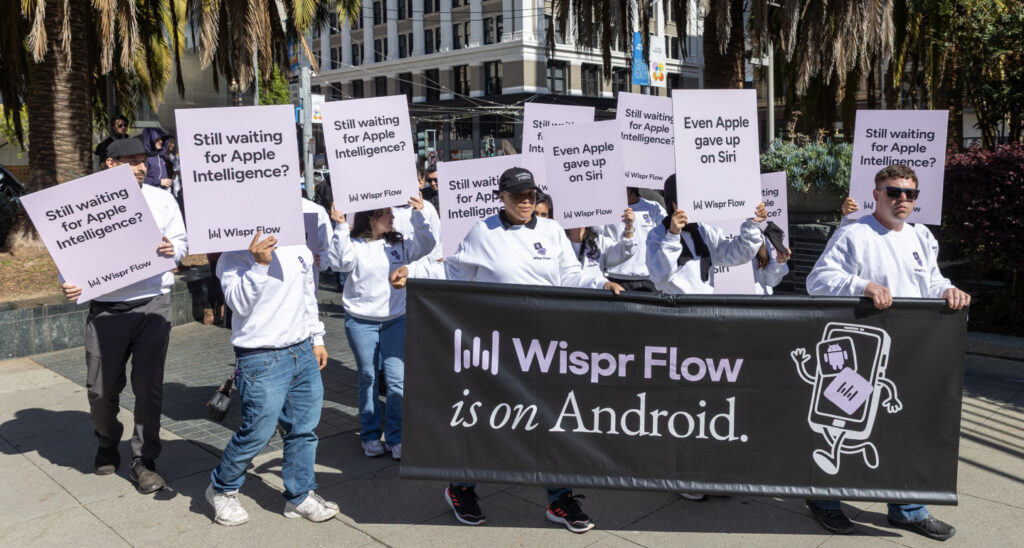
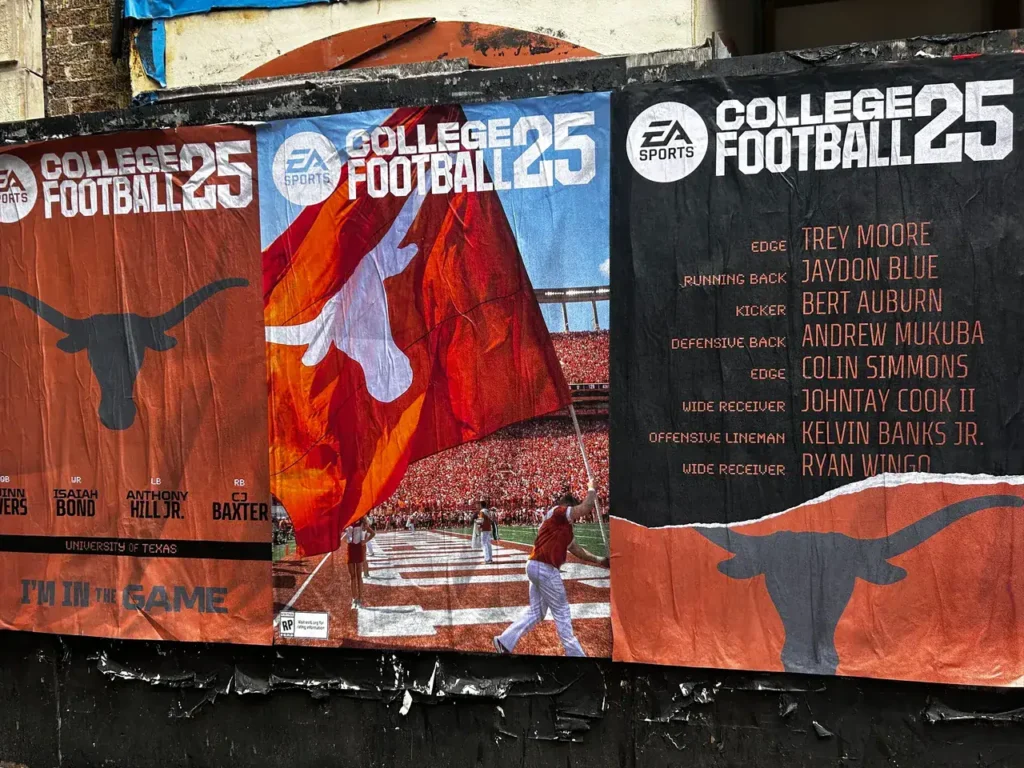
AGM ran the Wispr Flow street campaign across the tech professional corridors of San Francisco and New York simultaneously. Poster grids in SoMa, Mission, Flatiron, and Hudson Yards delivered Wispr Flow brand presence directly in the daily movement environment of the early-adopter tech audience.
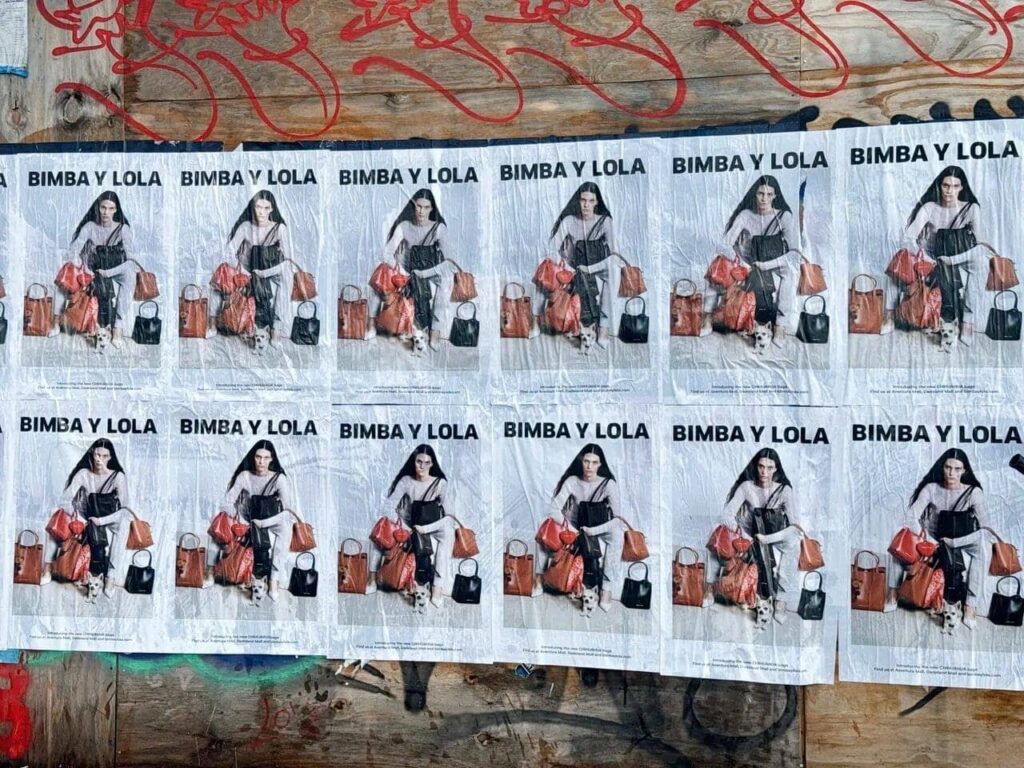
AGM ran a combined wheat paste and sidewalk stencil campaign for Biossance across the beauty and wellness corridors of New York and Los Angeles. The multi-format approach placed Biossance’s brand in the physical environment of its target consumer across two major markets simultaneously.
Result: Multi-format street presence across the core beauty consumer corridors in both NYC and LA markets, with full GPS documentation and post-campaign reporting
The case for American Guerrilla Marketing as your Oregon wheat paste poster campaign operator is operational accountability at every stage: wall selection grounded in verified Oregon foot traffic data, installation by trained field crews using salt-air reinforced coastal adhesive systems engineered for the Pacific Northwest marine climate, and GPS-documented reporting that proves the campaign performed as planned. Over ten years of national execution have built the local knowledge and reporting standards that separate AGM from generic outdoor placement in Oregon and every market where national brands require street-level advertising with documented performance accountability.
The Most Common Poster Sizes, Visualized:

The standard poster size measuring 24 x 36 inches is a cornerstone format for high-impact street marketing and large-scale visual communication. This size is frequently used in premium snipe placements, wheatpasting, and traditional wheatpasting campaigns where commanding attention from a distance is essential. Closely aligned with the A1 international standard, it supports consistent production across markets while delivering strong visual clarity and scale.
In real-world execution, 24 x 36 posters are commonly deployed on large plywood walls, construction fencing, barricades, and exterior surfaces in high-traffic corridors. When used in wheatpasting and wheatpasting, this size allows for bold imagery, oversized typography, and simplified messaging that can be absorbed quickly by passersby. As an oversized snipe format, it is especially effective for advertising campaigns, brand launches, trade shows, exhibitions, and major announcements where visibility, authority, and immediate recognition are the primary goals.
The Most Common Poster Sizes, Visualized:

The 48 x 72 inch poster size is an oversized evolution of the traditional bus stop format, designed for maximum visual dominance in high-traffic environments. This size is frequently used in premium snipe placements, large-scale wheatpaste posting, and advanced wheatpasting campaigns where commanding attention from both long distance and close proximity is essential.
In real-world execution, 48 x 72 posters are ideal for major transit zones, exterior walls, construction wraps, subway approaches, and street-facing installations where scale directly impacts performance. When used in wheatpasting and wild wheat paste posting, this format supports oversized typography, bold imagery, and simplified layouts that stop viewers in their tracks. As a large-format snipe option, it is especially effective for brand launches, national advertising campaigns, cultural announcements, and high-impact outdoor activations that demand authority, visibility, and memorability.
Getting started on a poster design or printed project doesn’t need to involve technical guesswork. Download free starter files for each poster size to begin designing with confidence. These files are pre-sized to exact specifications and built to professional print standards, helping you avoid common setup issues from the start.
Our starter files are available for PDF Reader and Adobe Photoshop, making them simple and accessible for most workflows. Each file is correctly sized and includes proper bleed, trim, and color space settings, so your designs are ready for production whether they are being used for snipes, wheatpasting, wheatpasting, or larger street-level campaigns.
Using these starter files saves time, improves consistency, and helps ensure your posters print cleanly and accurately on the first run. They are ideal for designers, marketers, and brands that want reliable, print-ready files across all standard poster sizes without unnecessary complexity.
Portland is one of the best wheatpasting markets in the United States — a city with more active street art corridors per capita than almost any other American metro. The Alberta Arts District on Alberta Street, the Mississippi Avenue corridor, and the Division Street strip in Southeast Portland each serve distinct and engaged pedestrian audiences. Eugene’s Whiteaker neighborhood on West 7th Avenue serves the University of Oregon market effectively.
Yes — you can view AGM’s location and client reviews directly on Google using the button on this page. AGM’s Oregon campaigns are managed through the same national infrastructure used for all US market deployments.
AGM uses salt-air reinforced coastal adhesive formulations for Oregon campaigns — systems engineered for the Pacific Northwest’s persistent rainfall, marine layer humidity, and salt-air exposure in coastal and near-coastal markets. Portland’s 145+ annual rain days and the Willamette Valley’s year-round marine influence require adhesive specifications that standard weatherproof formulations are not designed to handle. AGM’s Oregon posters maintain visual integrity for 4–8 weeks under Portland’s typical rainfall conditions.
Yes. AGM has pre-approved wall positions in the Whiteaker neighborhood on West 7th Avenue adjacent to the UO campus perimeter and on the 13th Avenue commercial strip serving the University of Oregon’s student population. University-targeted Eugene campaigns can deploy 100–150 posters across campus approach corridors within 5 business days.
Yes. AGM coordinates Portland campaigns with the Moda Center’s NBA Trail Blazers schedule and concert events calendar. Contact AGM 4–6 weeks before your target event date to secure the Rose Quarter approach corridors and the Lloyd District pedestrian zone positions.
Yes. AGM maintains field crew coverage and pre-approved wall networks in Portland, Eugene, and Salem. Multi-city Oregon campaigns execute within a 48–72 hour installation window, with GPS-documented reporting across all markets in a single consolidated post-campaign report.
Outdoor, lifestyle, music, arts, and technology brands excel in Portland’s Alberta Arts District, Mississippi Avenue, and Division Street. Sustainability, food and beverage, and independent brands resonate particularly strongly with Portland’s progressive consumer demographic. Eugene’s Whiteaker and 13th Avenue serve the University of Oregon student market effectively for music, gaming, and lifestyle brands.
AGM’s salt-air reinforced coastal adhesive formulations maintain poster integrity for 4–8 weeks under typical Oregon conditions including Portland’s persistent rainfall, marine layer humidity, and coastal salt air. Contact AGM for location-specific durability guidance — coastal Oregon markets like the Portland metro use reinforced adhesive formulations standard.
Yes. Bend’s Wall Street and downtown Old Mill District serve the Central Oregon outdoor recreation and tourism market effectively — an audience profile particularly receptive to outdoor, adventure, and lifestyle brands targeting the Pacific Northwest recreation consumer. AGM’s Bend deployments use the same coastal-grade adhesive systems used in Portland for consistent performance in Central Oregon’s high-altitude climate.