American Guerrilla Marketing
Nationwide Service
Media planning, media buying, billboard advertising, & guerrilla marketing
Wheatpasting & Poster Campaigns in Montreal, Canada
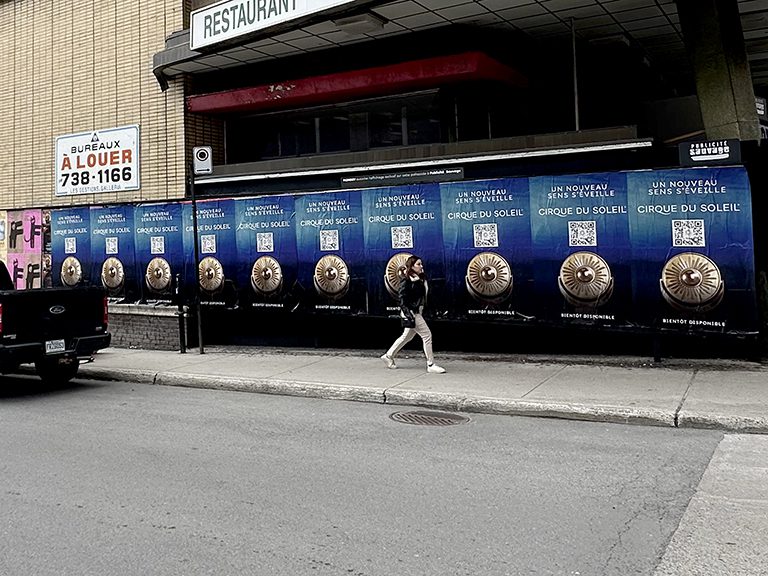
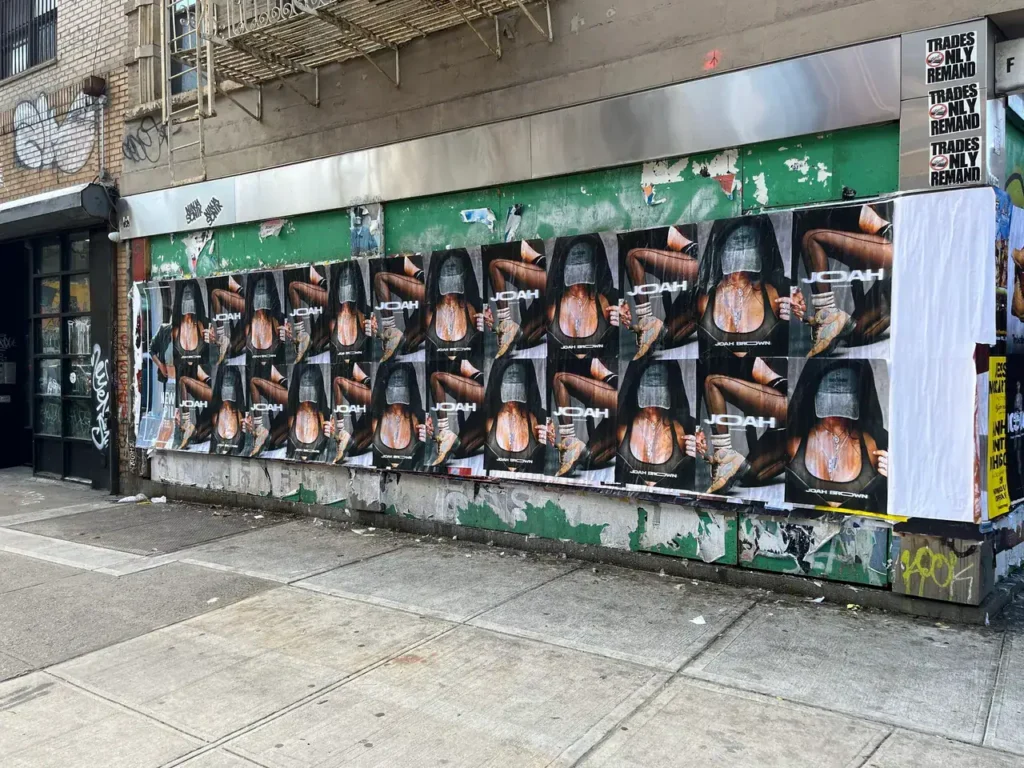
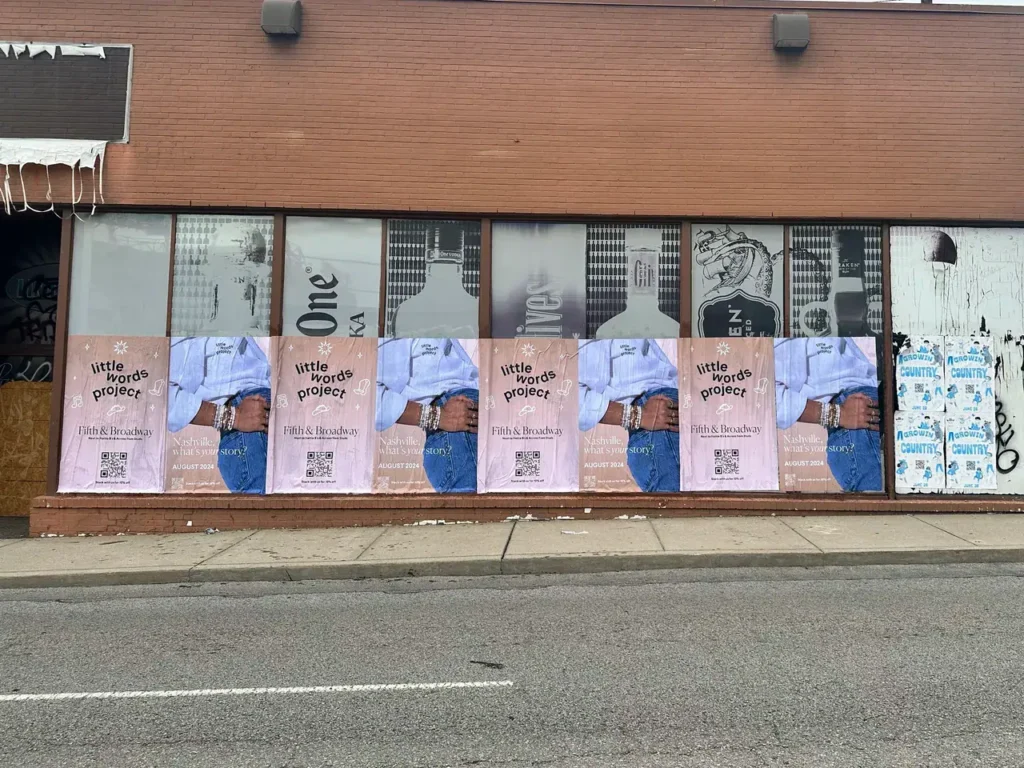
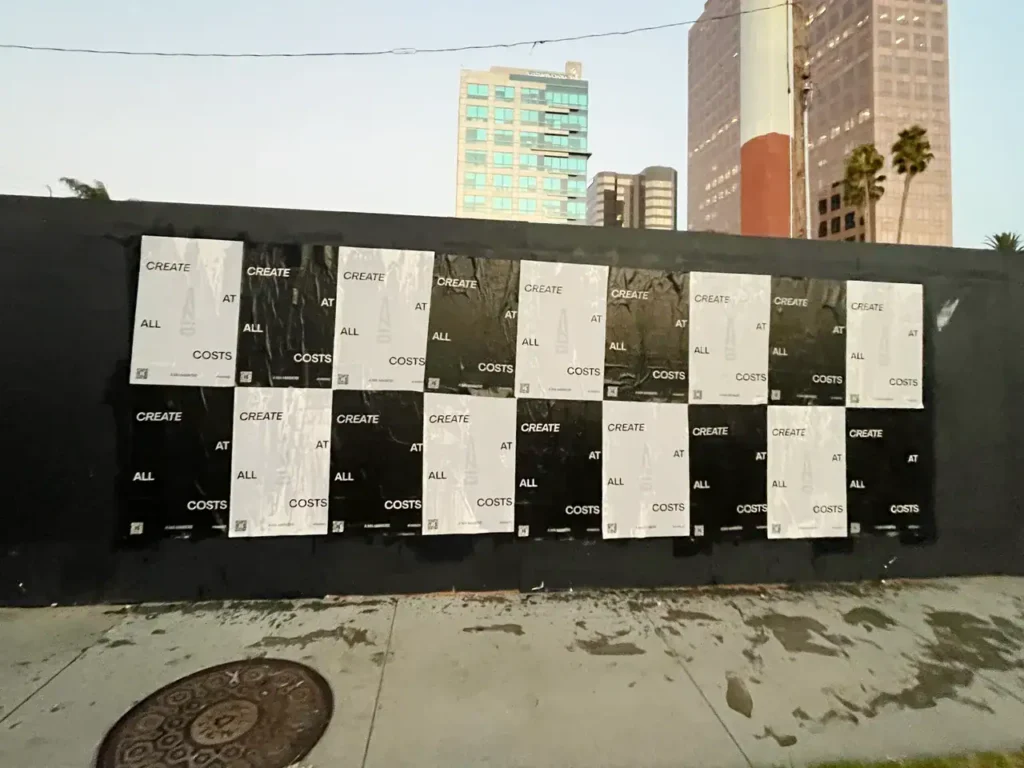
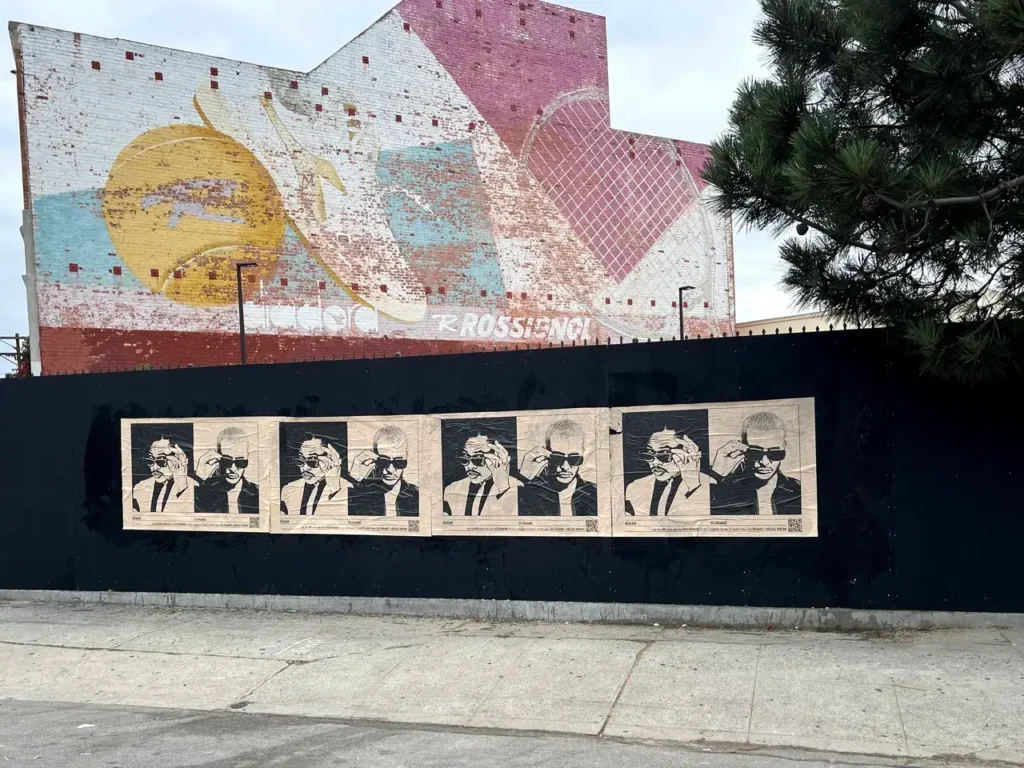
Montreal is Canada’s street poster capital. The Plateau-Mont-Royal, Mile End, and Saint-Laurent Boulevard corridors carry wheatpaste culture that traces back decades. AGM runs campaigns in French, English, and bilingual formats with local field operators who know every posting surface from Rue Rachel to Rue Jean-Talon.
Getting off the Orange Line metro at Mont-Royal station and walking south on Avenue du Mont-Royal toward Avenue du Parc is the entry point to the best wheatpasting corridor in Canada. The station exits onto Mont-Royal Avenue’s commercial core, and from there the Plateau-Mont-Royal spreads in every direction. The demographic that rides this metro line – students from UQAM and McGill, artists, musicians, restaurant workers, the creative professional class that has made the Plateau one of North America’s most culturally dense residential neighborhoods – is exactly the audience that wheatpaste campaigns reach best. They walk, they look, they photograph. A campaign we placed on the Rue Saint-Denis fence line between Mont-Royal and Rachel in the lead-up to the Montreal Jazz Festival ran for three weeks and got documented on social media more times than the client’s paid Instagram campaign in the same window.
Start Your Montreal Campaign
Montreal's street poster culture is the deepest in Canada. The right campaign in the right neighborhoods during the right event window reaches an audience that no other medium touches at this scale and this price.
Our Campaign Locations
Browse Cities in Canada
Select a city to explore Wheatpasting & Poster Campaign opportunities.
Walking The Montreal Market
Rue Saint-Denis is the cultural spine of francophone Montreal. Running from the Berri-UQAM station north through the Plateau all the way to Jean-Talon, Saint-Denis carries the densest concentration of independent cafes, bookshops, performance venues, and restaurant terrasses in the city. The Jazz Festival’s outdoor stages are anchored along the Saint-Denis corridor between Maisonneuve and Sherbrooke, and during the last week of June and first week of July, the foot traffic on that stretch multiplies several times over. The STM Green Line’s Sherbrooke station and the Orange Line’s Mont-Royal station both feed directly into this corridor, making it one of the most transit-accessible posting zones in Canada.
Mile End sits north of the Plateau, centered on Avenue Laurier and Boulevard Saint-Laurent between Avenue Laurier and Rue Bernard. The Laurier metro station on the Orange Line deposits riders directly onto Laurier Avenue, which runs east-west through the neighborhood’s commercial core. Mile End has a specific cultural reputation that extends well beyond Montreal – it’s where anglophone and francophone creative industries overlap, where the food scene is some of the best in Canada, and where the independent music scene has produced more internationally recognized acts per square block than any other Canadian neighborhood. Posters in Mile End reach a genuinely bilingual, creative-industry, 25-to-42 demographic that is accustomed to visual communication at street level because it’s part of how the neighborhood has always communicated.
Osheaga Music and Arts Festival takes over Parc Jean-Drapeau on the south shore of the St. Lawrence each August, drawing 150,000 visitors annually from across Canada and internationally. The Saint-Laurent corridor from Sherbrooke to Jean-Talon fills with pre-festival energy in the days before and after the event. Campaigns placed along Saint-Laurent and in the Plateau during Osheaga week reach the festival audience during the window when they’re most active in the city’s bar and restaurant corridors between festival days. This window, combined with the Jazz Festival in late June and early July, gives Montreal two distinct high-value campaign periods in a single summer.
Montreal has a population of 2.1 million with 4.2 million in the greater metro area. The Montreal Jazz Festival draws over 2 million attendees annually, making the Saint-Denis corridor around Festival time one of the highest foot-traffic posting windows in Canada. Montreal’s street poster culture is more embedded than any other Canadian city – venues, bars, and independent retailers have maintained dedicated posting surfaces for decades.
Montreal's Street Culture and the Case for Wheatpasting
Boulevard Saint-Laurent, known locally as “The Main,” divides Montreal between east and west and has served as the city’s commercial and cultural artery for over a century. The stretch from Sherbrooke Street to Jean-Talon Street carries one of the highest concentrations of independent venues, bars, vintage shops, and ethnic food establishments in North America. The Sherbrooke metro station on the Green Line and the Laurier station on the Orange Line both feed into this corridor at different points, providing consistent transit volume throughout the day and evening. The wall inventory on Saint-Laurent is exceptional – long blank facades on older commercial and industrial buildings that have been converted to mixed use, laneways running parallel to the main street that provide secondary placement options, and a building culture that has tolerated and integrated street art for generations.
The Rosemont-La Petite-Patrie neighborhood, accessible from the Rosemont or Beaubien stations on the Orange Line, carries a strong local residential posting culture along Avenue Beaubien and Rue Masson. These streets are less trafficked by outsiders than the Plateau or Mile End but are deeply embedded with local residents who walk daily and respond to neighborhood-level visual communication. For brands trying to reach the genuine Montreal resident rather than the tourist or creative-industry visitor, Beaubien and Masson offer posting density with real frequency exposure.
The Village, Montreal’s LGBTQ+ neighborhood centered on Rue Sainte-Catherine Est between Berri and Papineau, runs one of the most distinctive pedestrian environments in Canada during the summer months when the street is closed to vehicle traffic and becomes a pedestrian corridor. The Beaudry metro station on the Green Line sits at the center of the Village. Campaign windows tied to Montreal Pride (Fiertes Montreal, which runs in late July to early August) are among the highest-value posting periods on Sainte-Catherine Est. The physical scale of the pedestrian zone during summer creates a unique opportunity for large-format poster placements that would be impractical on a standard vehicle-traffic street.
How AGM Coordinates Montreal Wheatpaste Campaigns
Montreal requires bilingual operational awareness that most out-of-province agencies don’t have. AGM’s local field operators work in both French and English, understand the city’s distinct francophone street culture, and know which corridors prioritize French-language creative and which are genuinely bilingual in their audience expectations. Most Montreal campaigns involve at least some French-language creative, and our operators can advise on the specific neighborhoods and surfaces where language choice matters most to campaign reception.
Montreal’s optimal campaign window is May through October. The city’s winters are severe – January and February routinely drop below -20 degrees Celsius in extended cold snaps, conditions where outdoor paste performance essentially fails. April and early May are workable with scheduling caution. The summer festival season from late June through August is Montreal’s peak campaign period, aligned with the Jazz Festival, Osheaga, Fiertes Montreal, and MUTEK. Standard turnaround for a Montreal campaign is 7 to 10 business days. GPS documentation and photo reporting are delivered within 48 hours of campaign completion.
Wheatpasting Campaign Reach - OOH Impression Methodology
Impression estimates use the OOH industry standard: Daily Foot Traffic x Campaign Duration (14 days) x Street-Level Billboard Visibility Factor (0.08 to 0.12). All figures reflect street-level poster format standards, not modeled billboard projections. Actual impressions vary by wall position and pedestrian density.
| Zone / Neighborhood | Est. Daily Foot Traffic | Est. Impressions per Location (14-Day Campaign) | Best Campaign Types |
|---|---|---|---|
| Saint-Denis (Mont-Royal to Rachel) | 20,000+ | 22,400 – 33,600 | Music, arts, entertainment, food, social causes |
| Saint-Laurent Blvd (Sherbrooke to Laurier) | 18,000+ | 20,160 – 30,240 | Nightlife, fashion, entertainment, consumer brands |
| Avenue du Mont-Royal (Park to Papineau) | 16,000+ | 17,920 – 26,880 | Lifestyle, food, independent brands, events |
| Mile End (Laurier Ave and Saint-Laurent) | 12,000+ | 13,440 – 20,160 | Music, arts, food, premium lifestyle brands |
| Rue Sainte-Catherine Est (The Village) | 14,000+ | 15,680 – 23,520 | Entertainment, lifestyle, Pride-adjacent campaigns |
Prime Wheatpasting Walls and Locations in Montreal
| Wall / Venue | Street / Address | Neighborhood | Est. Poster Capacity | Best Campaign Type |
|---|---|---|---|---|
| Plateau fence line | Rue Saint-Denis at Rue Rachel | Plateau-Mont-Royal | 14-20 panels | Music, arts, Jazz Festival, social causes |
| Saint-Laurent laneway wall | Blvd Saint-Laurent at Ave des Pins | The Main / Mile End border | 10-16 panels | Nightlife, fashion, entertainment |
| Mont-Royal Ave commercial strip | Ave du Mont-Royal at Ave Coloniale | Plateau-Mont-Royal | 8-12 panels | Lifestyle, food, independent brands |
| Mile End posting wall | Ave Laurier at Rue Saint-Urbain | Mile End | 8-14 panels | Music, arts, premium lifestyle |
| Village summer pedestrian zone | Rue Sainte-Catherine Est at Rue Beaudry | The Village | 10-18 panels (summer) | Entertainment, Pride campaigns, lifestyle |
Montreal Location Profiles
Rue Saint-Denis at Rue Rachel, Plateau-Mont-Royal
Transit access: Mont-Royal metro station (Orange Line), exit onto Avenue du Mont-Royal, walk south two blocks to Rachel and turn east one block to Saint-Denis. Alternatively, take the Orange Line to Sherbrooke station and walk north. The Saint-Denis and Rachel intersection sits at the geographic center of the Plateau-Mont-Royal posting corridor. Pedestrians approach from all four directions, with the northbound flow from Sherbrooke being strongest on weekdays (commuters and students from UQAM), and the southbound weekend flow from Mont-Royal station being strongest on weekends. Anchor businesses: the Quai des Brumes bar, Cafe Cherrier, and the cluster of independent restaurants along Rachel’s terrace season strip. Surface material on the fence line at this intersection is painted wood, changed seasonally. Poster adhesion is strong from late April through October. During Jazz Festival week (late June to early July), this intersection is the single highest-value posting location in Montreal – festival outdoor stages are three blocks south and the pedestrian overflow saturates this zone all day and evening. French-language creative performs measurably better at this specific location than English-only formats.
Boulevard Saint-Laurent at Avenue des Pins
Transit access: Sherbrooke metro station (Green Line), exit on Rue Sherbrooke, walk north on Saint-Laurent to Avenue des Pins – approximately 8 minutes on foot. The Saint-Laurent and Pins intersection marks the bottom edge of the active nightlife zone on The Main. The building facades on Saint-Laurent at this point are predominantly older brick commercial buildings with ground-floor bars, restaurants, and retail, and upper-floor residential. The blank gable walls on the east side of Saint-Laurent between Sherbrooke and Pins are among the longest uninterrupted posting surfaces in the city. Evening traffic from the bar and restaurant corridor peaks Thursday through Saturday after 9pm. The demographic: 22 to 38, bilingual, nightlife-oriented, strong brand awareness. The wall faces west, catching afternoon sun from 2pm to 7pm, which aids adhesion and improves poster visibility in directional light. Best months for this location: May through October.
Avenue du Mont-Royal at Avenue Coloniale, Plateau
Transit access: Mont-Royal metro station (Orange Line), direct exit onto Avenue du Mont-Royal, walk west toward Parc La Fontaine. Avenue Coloniale is two blocks east of the station exit, placing this intersection in the immediate pedestrian catchment of one of Montreal’s busiest Orange Line stations. Mont-Royal Avenue carries heavy foot traffic throughout the day seven days a week, with the lunch window (11:30am to 1:30pm) and the post-work window (5pm to 8pm) being the two highest-volume periods. Weekend mornings from 9am to 1pm are strong for a brunch-oriented demographic that is older (30 to 50) and higher household income than the late-night crowd. Anchor businesses: Cafe Olimpico, Bilboquet ice cream, and the independent clothing boutiques concentrated between Parc and Coloniale. Surface inventory here is diverse – building end walls, fence lines, and commercial posting boards that the neighborhood’s independent businesses have maintained for decades. French-language creative is standard for this location; bilingual formats perform well.
Avenue Laurier at Rue Saint-Urbain, Mile End
Transit access: Laurier metro station (Orange Line), exit onto Rue Laurier, walk west to Saint-Urbain – approximately 5 minutes. The Laurier-Saint-Urbain intersection sits at the center of Mile End’s most active commercial block. To the west, the Fairmount Bagel and Saint-Viateur Bagel institutions anchor a block that draws visitors from across Montreal and beyond. To the east, the independent restaurant and bar cluster on Laurier draws the creative professional resident crowd. The posting wall on the south side of Laurier at Saint-Urbain faces north, catching the eye of pedestrians walking east from the metro. Peak times: weekday mornings 8am to 10am from commuters on the Orange Line; weekend midday 11am to 3pm from the brunch and bagel-line crowds. Anchor venues contributing foot traffic: Casa del Popolo on Saint-Laurent (live music), Le Cagibi (cafe and cultural events), and the gallery cluster on Avenue Fairmount. Surface is painted concrete block on the commercial buildings along Laurier – holds paste well and provides clean visual presentation for poster creative.
Rue Sainte-Catherine Est at Rue Beaudry, The Village
Transit access: Beaudry metro station (Green Line), direct surface exit onto Rue Sainte-Catherine Est at Beaudry. The Village summer pedestrian zone runs from Berri to Papineau on Sainte-Catherine Est from late May through September, removing vehicle traffic and activating the street as a pure pedestrian corridor. During this window, posting surfaces along the pedestrian zone carry exceptional visibility with no vehicle traffic obstructing sightlines. Fiertes Montreal (Montreal Pride) runs in late July to early August with parade and festival infrastructure centered on this zone. For campaigns targeting LGBTQ+ audiences or any brand wanting association with Pride, the lead-up posting window (two to three weeks before the festival) is the highest-value campaign period in this corridor. Anchor venues: Sky Pub, Unity nightclub, and the terrace restaurant cluster that activates the pedestrian zone from noon to midnight during summer. English and French campaign creative both perform well in The Village, which has a genuinely bilingual audience.
Poster Printing Formats In Canada
Montreal sits at the crossroads of North American and European print conventions in a way that no other Canadian city does. French-language creative workflows frequently use ISO metric specs – A1 and A0 are standard in francophone advertising agencies – while English-Canadian and US campaigns arrive with imperial specs. Both work natively in Montreal’s print market, and this dual compatibility is an operational advantage that Montreal uniquely provides.
24×36 inches (US Standard) is the primary format for English-market concert and event poster advertising in Montreal. Every print shop in the city stocks it. It’s the format used by the anglo-dominant live music venues: the Corona Theatre on Notre-Dame Ouest, the Rialto Theatre on Avenue du Parc, and the Club Soda on Saint-Laurent. Zero reformatting required from US campaign files. For touring acts arriving from the US with print already produced, 24×36 means nothing has to be redone before the Montreal run. Industries best served: live music, events, entertainment, English-market consumer brands.
A1 ISO (594x841mm, approximately 23.4×33.1 inches) is where Montreal’s dual-standard advantage is clearest. Francophone advertising agencies in Montreal routinely spec A1 for print campaigns, and European brands entering Canada through Quebec – which is the logical entry point for French-European brands – arrive with A1 files ready to run without conversion. Within 3% of the 24×36, A1 runs on the same print equipment. For bilingual campaigns, the format choice is operationally irrelevant; creative team preference and source file specs determine the decision.
18×24 inches is the secondary format, used extensively for campus posting at McGill University (McTavish Street and Sherbrooke approaches), UQAM (Berri-UQAM station corridor), Concordia University (de Maisonneuve Boulevard corridor), and for bar interior placements across the Plateau and Mile End nightlife zones.
48×72 inches (US Standard) is available from Montreal large-format printers at the same spec as AGM’s US network. This is the format for film studio campaigns, major retail launches, and construction hoarding placements in Montreal’s ongoing downtown and Griffintown development corridors. The Griffintown neighborhood along Wellington and Notre-Dame Ouest carries extensive hoarding inventory from the condo development activity that has transformed it from industrial to mixed-use residential over the past decade.
A0 ISO (841x1189mm, approximately 33.1×46.8 inches) is standard for francophone large-format campaign creative. European brands entering Canada through Montreal arrive with A0 files that run directly on Montreal large-format equipment without conversion. This is a genuine operational advantage compared to routing European campaigns through Toronto or Vancouver, where ISO-spec files require conversion to US standard before most print shops can run them efficiently.
40×60 inches (4-Sheet Format) is used in Montreal’s construction hoarding zones along the Quartier des Spectacles development corridor and the downtown Saint-Catherine Street retail strip, which carries extensive hoarding during the ongoing streetscape renovation work. Film distributors use this format specifically during the Montreal International Jazz Festival, placing large-format posters in the festival’s outdoor stage zone around Place des Arts and along the Saint-Denis corridor.
Seasonal note for Montreal: Montreal winters are severe. Below -15 degrees Celsius, which is standard from December through February, outdoor paste adhesion fails reliably. Campaign months are strongly weighted toward May through October, with the summer festival season (late June to August) being the highest-value window by far. April and early November are viable with temperature monitoring. AGM’s field team does not schedule outdoor placements during extended cold snaps regardless of client pressure – a failed adhesion run wastes print and field time and delivers zero campaign value.
Case Studies
Jazz Festival Season – Music Platform Campaign
A global music streaming platform used AGM’s Montreal network to run a campaign around the Jazz Festival period in late June. 110 panels across 14 locations on Saint-Denis, Saint-Laurent, and Mont-Royal Avenue went up in the week before the festival opened. The campaign targeted the 22-to-40 festival attendee demographic concentrated in the Plateau and Mile End in the days surrounding festival dates. Post-campaign attribution showed a 32% increase in app downloads in the Montreal market in the two-week campaign window compared to the same window the prior year.
Osheaga Surrounds – Consumer Brand Activation
A Canadian apparel brand used AGM’s Saint-Laurent and Plateau network for a campaign timed to the Osheaga Music and Arts Festival in August at Parc Jean-Drapeau. The festival draws 150,000 visitors, many of whom spend time on The Main and in the Plateau before and after each festival day. 80 panels across 10 locations ran during the five-day festival window. The brand reported significantly above-average engagement on its Montreal social channels during the campaign period and cited the street presence as a key driver of its Osheaga activation’s overall visibility.
Bilingual Film Campaign – Cross-Canada Release
A major film studio used AGM’s Montreal network for the French-language leg of a bilingual Canadian release campaign. Separate French and English creative ran simultaneously in the Plateau and Mile End (English-dominant creative), and on Saint-Denis and Mont-Royal Avenue (French-dominant creative). The campaign coordinated with AGM’s Toronto and Vancouver markets for the English-language legs, running under a single reporting structure. Montreal opening weekend box office for the film exceeded the studio’s Canadian projection by 18%.
Talk To The Agm Field Team
Montreal is a bilingual market with distinct French and English audience zones that respond differently to campaign creative and placement strategy. Our local operators know which corridors prioritize French-language creative, which event windows are worth building campaigns around, and which posting surfaces have the best longevity during the summer festival season. Call us before you spec your creative for Montreal.
Award Winning Personalized Service
You will get thoughtful, devoted, and individualized attention from our experienced, qualified, and professional personnel. Being one of the most illustrious agencies in Brooklyn, New York, American Guerrilla Marketing has been awarded the Best of Brooklyn title.
Nationwide
Industry City, Brooklyn, New York 11232
American Guerrilla Marketing
Hours
Mon - Fri: 9 AM - 5 PM
Sat & Sun: Closed
Automate your campaign with AGM’s Request for Proposal Builder.
Automate your campaign with AGM’s Request for Proposal Builder. Simply answer a few quick questions about your campaign goals, markets, and timeline, and the system will generate a tailored presentation with recommended strategies, quantities, and pricing. Click the RFP Builder to instantly receive your customized proposal.
Why AGM for Montreal Wheatpaste Campaigns
Montreal’s wheatpasting culture is older and more deeply embedded than any other Canadian city’s. The Plateau-Mont-Royal has had active street poster communities since the 1970s, when the independent music and arts scene that would produce dozens of internationally recognized artists first found its footing on Rue Saint-Denis and Boulevard Saint-Laurent. Campaigns placed in that tradition – with genuine creative quality, placed on the right surfaces in the right neighborhoods – land differently than campaigns that treat the city as just another posting location. AGM’s Montreal field operators understand that distinction from direct experience.
The city’s event calendar is the best in Canada for campaign timing. The Jazz Festival, Osheaga, Fiertes Montreal, and MUTEK between them represent campaign windows that draw millions of visitors to specific geographic corridors in a concentrated summer season. AGM has run campaigns in each of these windows multiple times and has specific surface inventory and timing knowledge for each event that no other agency operating at national scale can match.
For international brands entering Canada through Montreal – particularly European and francophone brands for whom Quebec is the natural first step in a Canadian market entry – AGM’s bilingual operational capability and ISO-standard print network compatibility mean no friction in the launch process. Files arrive in Montreal format, field operators communicate in the right language for each corridor, and documentation meets the same GPS and photo standards that apply across every AGM market globally.
Frequently Asked Questions
Contact AGM at (646) 776-2770 or [email protected] for campaign pricing.
Quebec’s language laws (Bill 101) require that French be prominent in commercial advertising. For wheatpaste campaigns, this typically means French text should be at least as prominent as English. In purely francophone Plateau neighborhoods, French-dominant or French-only creative performs better. In Mile End and on Saint-Laurent, bilingual creative is standard. AGM’s Montreal field operators can advise on language strategy by corridor.
The Montreal International Jazz Festival (late June to early July), Osheaga (August), Fiertes Montreal / Montreal Pride (late July to early August), and MUTEK electronic music festival (late May to early June) are the highest-value campaign windows. Each brings significant additional foot traffic to specific corridors in the city.
24×36 is standard for English-market campaigns. A1 ISO is native to francophone creative workflows. Both work equally well at the wall. 18×24 is used for campus posting at McGill, UQAM, and Concordia. Large-format 40×60 and 48×72 are available for Griffintown hoarding and downtown festival-corridor placements.
May through October. The summer festival season (late June through August) is peak. Montreal winters are severe – below -15 degrees Celsius, outdoor paste adhesion fails. AGM does not schedule outdoor placements during extended cold snaps. April and early November are viable with temperature-window scheduling.
Yes. AGM coordinates Montreal with Toronto, Vancouver, Calgary, and other Canadian markets from a single point of contact, managing bilingual creative logistics, field teams, GPS documentation, and consolidated reporting across all markets.
Our Campaign Locations
Browse All Locations
Explore Wheatpasting & Poster Campaign opportunities across our global network.
52 States • 272 Cities