American Guerrilla Marketing
Nationwide serivce
Media planning, media buying, billboard advertising, & guerrilla marketing
Wheatpasting in North Carolina operates across three of the Southeast’s most rapidly growing and culturally sophisticated urban markets — Charlotte, Durham, and Raleigh — whose combined population growth, university concentration, and creative industry development have made the Research Triangle and the Charlotte metro two of the most discussed and most nationally tracked US regional growth stories of the past decade. Charlotte’s NoDa (North Davidson) Arts District on North Davidson Street between 35th and 36th Streets has earned a national reputation as one of the South’s most authentic and institutionally supported arts districts — a neighborhood of galleries, music venues, independent restaurants, and arts organizations that has maintained its creative identity through the gentrification pressure that has reshaped the surrounding Charlotte Midtown and University City corridors, and continues to serve as the city’s most credible brand environment for arts, entertainment, music, and creative industry campaigns seeking Southeast creative legitimacy. Plaza Midwood on Central Avenue and South End on South Boulevard add two more distinct Charlotte poster zones serving different consumer demographics of the state’s largest and fastest-growing city.
Durham’s 9th Street District between West Club Boulevard and Markham Avenue serves the Research Triangle’s most walkable arts and creative professional corridor — a neighborhood commercial strip that has built its identity around serving the Duke University, UNC Chapel Hill, and Duke Medical Center community’s need for independent food and beverage, arts, and entertainment options in a concentrated walkable zone. The Brightleaf Square development on West Main Street adds a historic converted tobacco warehouse commercial environment that serves both the Durham arts and professional communities in the adaptive reuse architectural context that defines the best of Durham’s urban commercial character. Raleigh’s Glenwood South entertainment district on Glenwood Avenue between Peace Street and Tucker Street, and the emerging Warehouse District on West Davie Street between South Dawson and Harrington Streets, serve the state capital’s young professional and arts demographic in two distinct downtown poster zones that together cover the full range of the Raleigh creative and professional consumer base.
North Carolina’s Atlantic coastal position means that AGM’s North Carolina campaigns specify salt-air reinforced adhesive formulations that address the combined challenge of Atlantic sea air exposure, the humidity and precipitation of the Southeast coastal plain climate, and the tropical storm and hurricane season weather events (June–November) that can deliver intense rainfall and coastal wind to even inland markets like Charlotte and Raleigh. The brick and masonry commercial facades of NoDa’s historic buildings, the converted tobacco warehouse surfaces of Durham’s Brightleaf District, and the concrete and painted masonry of Raleigh’s Glenwood South commercial strip all require adhesive systems that maintain holding strength through the full Southeast coastal climate challenge — and AGM’s salt-air reinforced formulations have been performance-tested against the specific weather exposure profile of the North Carolina coastal plain market. AGM coordinates multi-city North Carolina deployments across Charlotte, Durham, Raleigh, and the Research Triangle simultaneously.
Impression estimates use the OOH industry standard: Daily Foot Traffic × Campaign Duration (14 days) × Street-Level Billboard Visibility Factor (0.08–0.12). All figures reflect street-level poster format standards — not modeled billboard projections. Actual impressions vary by wall position and pedestrian density.
| Zone / Neighborhood | Est. Daily Foot Traffic | Est. Impressions per Location (14-Day Campaign) | Best Campaign Types |
|---|---|---|---|
| Charlotte — NoDa Arts District (N Davidson St) | 2,500–5,500 | 49,500–118,500 | Arts, music, entertainment, creative |
| Charlotte — South End (South Blvd) | 3,500–8,000 | 69,500–168,000 | Young professional, lifestyle, food & bev |
| Durham — 9th Street District | 2,500–5,500 | 49,500–118,500 | University, arts, creative, food & bev |
| Raleigh — Glenwood South (Glenwood Ave) | 3,000–7,000 | 59,000–147,000 | Young professional, nightlife, entertainment |
| Charlotte — Plaza Midwood (Central Ave) | 2,000–4,500 | 39,000–94,500 | Arts, alternative culture, young professional |
| Wall / Venue | Street / Address | Neighborhood | Est. Poster Capacity | Best Campaign Type |
|---|---|---|---|---|
| NoDa North Davidson Arts Corridor | N Davidson St between 35th St and 36th St, Charlotte | NoDa Arts District | 100–200 on arts district facades | Arts, music, entertainment, creative |
| South End South Boulevard Strip | South Blvd between Tremont Ave and Camden Rd, Charlotte | South End | 150–250 per block face | Young professional, lifestyle, food & bev |
| Durham 9th Street District | 9th St between W Club Blvd and Markham Ave, Durham | 9th Street District | 100–200 on commercial facades | University, arts, creative, food & bev |
| Raleigh Glenwood South Entertainment Strip | Glenwood Ave between Peace St and Tucker St, Raleigh | Glenwood South | 100–200 per block face | Young professional, nightlife, entertainment |
| Charlotte Plaza Midwood Central Ave | Central Ave between The Plaza and Pecan Ave, Charlotte | Plaza Midwood | 100–180 per block face | Arts, alternative culture, young professional |
Award Winning Personalized Service
You will get thoughtful, devoted, and individualized attention from our experienced, qualified, and professional personnel. Being one of the most illustrious agencies in Brooklyn, New York, American Guerrilla Marketing has been awarded the Best of Brooklyn title.
Nationwide
Industry City, Brooklyn, New York 11232
American Guerrilla Marketing
Hours
Mon - Fri: 9 AM - 5 PM
Sat & Sun: Closed
Automate your campaign with AGM’s Request for Proposal Builder. Simply answer a few quick questions about your campaign goals, markets, and timeline, and the system will generate a tailored presentation with recommended strategies, quantities, and pricing. Click the RFP Builder to instantly receive your customized proposal.
North Carolina’s three major urban markets — Charlotte, Durham, and Raleigh — share a common characteristic that makes them particularly effective outdoor advertising environments: they’re all growing faster than their outdoor advertising infrastructure has adapted to accommodate. The rapid influx of young professional, technology, creative industry, and university graduate residents that has driven Charlotte’s population past 900,000 and the Research Triangle into one of the country’s most-tracked regional growth stories means that the walkable creative districts of NoDa, South End, 9th Street Durham, and Glenwood South Raleigh are consistently seeing higher foot traffic from a more brand-engaged and economically active demographic than their historical impression projections reflect. AGM’s North Carolina wall network has been updated continuously to reflect these growth patterns — ensuring that poster placement in these markets captures the current foot traffic reality rather than historical averages.
The physical performance of AGM’s North Carolina wheat paste campaigns requires salt-air reinforced adhesive formulations that address the dual climate challenge of the Atlantic coastal plain — the ambient salt air exposure that affects all North Carolina coastal and piedmont markets, and the summer tropical storm and hurricane season (June–November) precipitation events that can deliver sustained heavy rainfall and coastal wind gusts to markets as far inland as Charlotte and Raleigh. The brick and masonry facades of Charlotte’s NoDa District, the converted tobacco warehouse surfaces of Durham’s Brightleaf District, and the painted masonry of Raleigh’s Glenwood South and Warehouse District provide excellent adhesive bonding surfaces when paired with salt-air reinforced formulations that maintain holding strength through the full challenge of the Southeast Atlantic coastal climate across the complete 4–8 week campaign window.
American Guerrilla Marketing delivers wheat paste poster campaigns in North Carolina as fully managed engagements: corridor identification and wall qualification based on verified North Carolina foot traffic data across Charlotte’s NoDa, South End, and Plaza Midwood and Durham’s 9th Street and Brightleaf Square and Raleigh’s Glenwood South and Warehouse District, property owner outreach and written authorization, large-format print production with salt-air reinforced coastal adhesive formulations calibrated for North Carolina’s Atlantic seaboard climate and hurricane season precipitation, supervised field installation by trained North Carolina crews, GPS-tagged photography documenting every placement, installation monitoring for the campaign duration, removal at campaign close, and a post-campaign report with GPS coordinates, photography, and impression projections across all North Carolina markets.
The following five locations represent AGM’s highest-performing active poster zones in the North Carolina market. Each location is profiled with street address, poster capacity, and the specific demographic and campaign type it serves best.
Location: N Davidson St between 35th St and 36th St, Charlotte, NC | Poster Capacity: 100–200 posters on arts district facades
Charlotte’s NoDa (North Davidson) Arts District is the state’s most nationally recognized creative neighborhood — a gallery-anchored arts district on North Davidson Street between 35th and 36th Streets that has maintained its authentic arts identity through decades of Charlotte’s rapid commercial growth. NoDa’s concentration of independent galleries, music venues like the Neighborhood Theatre at 511 E 36th Street, craft bars, and independent restaurants creates a poster environment that reaches Charlotte’s creative professional and arts-engaged demographic in a neighborhood context that communicates creative authenticity — the brand value that entertainment, music, arts, and lifestyle brands most need when entering the Charlotte market. Wheat paste poster grids at 100–200 units on NoDa Arts District facades are enhanced by the neighborhood’s existing street art and mural program, placing AGM poster campaigns in a visual context that elevates brand association quality for arts and creative industry clients.
Location: South Blvd between Tremont Ave and Camden Rd, Charlotte, NC | Poster Capacity: 150–250 posters per block face
Charlotte’s South End neighborhood on South Boulevard is the city’s fastest-growing young professional outdoor advertising zone — a light rail-served commercial corridor that has attracted the highest concentration of Charlotte’s young professional and technology demographic residents to a mixed-use development strip of apartments, restaurants, craft breweries, fitness studios, and entertainment venues that extends along South Boulevard from the uptown Charlotte business district south toward the McDowell Street greenway. Wheat paste poster grids at 150–250 units on South End South Boulevard facades reach the Charlotte young professional demographic in a neighborhood that’s simultaneously the state’s most economically active residential growth zone and the light rail corridor that generates the highest sustained foot traffic of any Charlotte neighborhood commercial strip outside uptown. Technology, lifestyle, food and beverage, and young professional consumer brands identify South End as Charlotte’s most efficient outdoor advertising investment.
Location: 9th St between W Club Blvd and Markham Ave, Durham, NC | Poster Capacity: 100–200 posters on commercial facades
Durham’s 9th Street District is the Research Triangle’s most concentrated walkable arts and creative professional outdoor advertising zone — a neighborhood commercial strip that has built its identity around serving the Duke University, UNC Chapel Hill, and Duke Medical Center community with independent food and beverage, arts, and entertainment options in the corridor between Duke’s East Campus and the Durham downtown commercial grid. The 9th Street commercial facades between West Club Boulevard and Markham Avenue host the concentration of independent restaurants, coffee shops, music venues, and arts-adjacent businesses that define the Research Triangle creative professional experience — and wheat paste poster grids at 100–200 units on 9th Street facades reach the daily audience of Duke students, faculty, medical professionals, and Durham creative residents who make 9th Street the most consistently trafficked walkable corridor in the Triangle.
Location: Glenwood Ave between Peace St and Tucker St, Raleigh, NC | Poster Capacity: 100–200 posters per block face
Raleigh’s Glenwood South entertainment district on Glenwood Avenue between Peace Street and Tucker Street is the North Carolina capital city’s most active after-dark outdoor advertising corridor — a walkable strip of restaurants, bars, clubs, boutiques, and entertainment venues that generates the highest weekday and weekend evening foot traffic of any Raleigh commercial zone outside the Moore Square area. Glenwood South serves the Raleigh young professional demographic that has made the capital city one of the Southeast’s most rapidly growing urban residential markets, and the commercial facades along Glenwood Avenue between Peace and Tucker Streets provide wheat paste poster grids at 100–200 units targeting the evening entertainment audience and the weekend daytime retail and restaurant crowd that makes Glenwood South Raleigh’s most consistently active outdoor advertising zone.
Location: Central Ave between The Plaza and Pecan Ave, Charlotte, NC | Poster Capacity: 100–180 posters per block face
Charlotte’s Plaza Midwood neighborhood on Central Avenue between The Plaza and Pecan Avenue is the city’s most authentic alternative culture and independent arts corridor — a walkable commercial strip of bars, independent restaurants, record shops, tattoo studios, and arts organizations that serves the Charlotte alternative, arts, and LGBTQ+ communities in a neighborhood that has maintained its distinctive independent commercial character alongside the rapid growth of the surrounding Charlotte metro. Plaza Midwood’s commercial facades along Central Avenue provide wheat paste poster grids at 100–180 units targeting the Charlotte arts and alternative culture demographic that defines the neighborhood’s consumer profile — a brand-engaged and culturally active audience that responds to the authentic visual communication of street-level poster campaigns in a way that complements and reinforces Charlotte’s growing arts and creative industry identity.
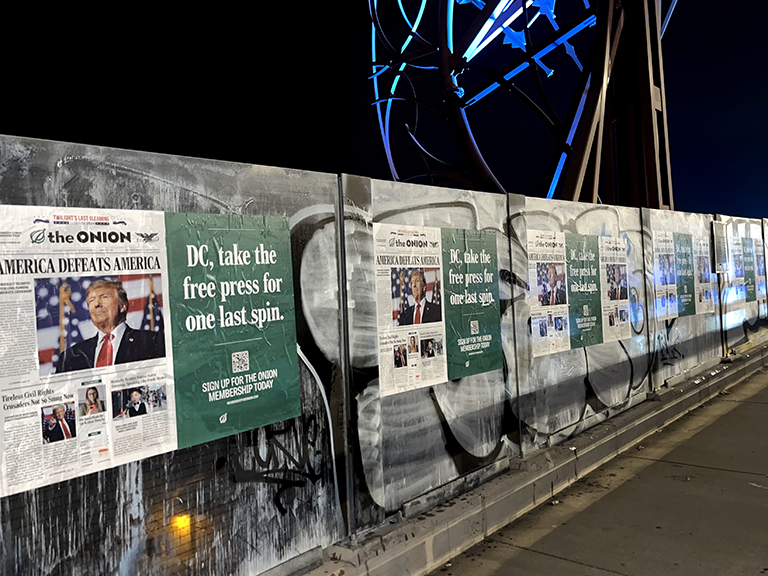
AGM ran The Onion’s two-city wheatpasting campaign in the professional media corridors of Manhattan and Washington DC. Large-format poster grids appeared in Midtown Manhattan and the K Street/Dupont Circle zone — the daily movement environment of the editorial, media, and political audience. AGM’s approach for Alabama campaigns targeting the media-literate professional and lifestyle audience in Birmingham and Huntsville.
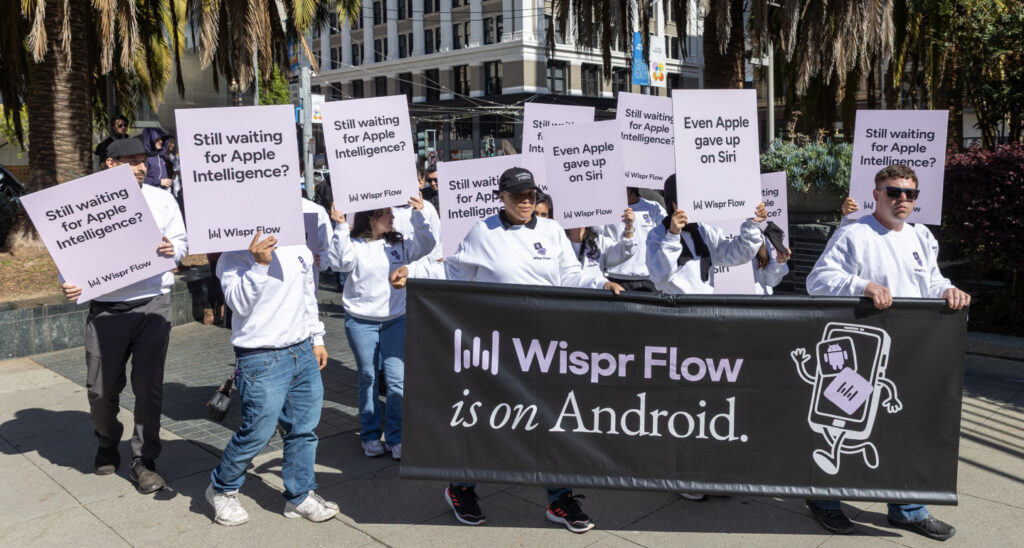
AGM ran the Wispr Flow street campaign across the tech professional corridors of San Francisco and New York simultaneously. Poster grids in SoMa, Mission, Flatiron, and Hudson Yards delivered Wispr Flow brand presence directly in the daily movement environment of the early-adopter tech audience.
The case for American Guerrilla Marketing as your North Carolina wheat paste poster campaign operator is operational accountability at every stage: wall selection grounded in verified North Carolina foot traffic data, installation by trained North Carolina field crews using salt-air reinforced coastal adhesive formulations engineered for the Atlantic seaboard climate and hurricane season precipitation, and GPS-documented reporting that proves the campaign performed as planned. Over ten years of national execution have built the local knowledge and reporting standards that separate AGM from generic outdoor placement in North Carolina and every market where national brands require street-level advertising accountability in demanding coastal climate conditions.
The Most Common Poster Sizes, Visualized:
The standard poster size measuring 24 x 36 inches is a cornerstone format for high-impact street marketing and large-scale visual communication. This size is frequently used in premium snipe placements, wheatpasting, and traditional wheatpasting campaigns where commanding attention from a distance is essential. Closely aligned with the A1 international standard, it supports consistent production across markets while delivering strong visual clarity and scale.
In real-world execution, 24 x 36 posters are commonly deployed on large plywood walls, construction fencing, barricades, and exterior surfaces in high-traffic corridors. When used in wheatpasting and wheatpasting, this size allows for bold imagery, oversized typography, and simplified messaging that can be absorbed quickly by passersby. As an oversized snipe format, it is especially effective for advertising campaigns, brand launches, trade shows, exhibitions, and major announcements where visibility, authority, and immediate recognition are the primary goals.
The Most Common Poster Sizes, Visualized:
The 48 x 72 inch poster size is an oversized evolution of the traditional bus stop format, designed for maximum visual dominance in high-traffic environments. This size is frequently used in premium snipe placements, large-scale wheatpaste posting, and advanced wheatpasting campaigns where commanding attention from both long distance and close proximity is essential.
In real-world execution, 48 x 72 posters are ideal for major transit zones, exterior walls, construction wraps, subway approaches, and street-facing installations where scale directly impacts performance. When used in wheatpasting and wild wheat paste posting, this format supports oversized typography, bold imagery, and simplified layouts that stop viewers in their tracks. As a large-format snipe option, it is especially effective for brand launches, national advertising campaigns, cultural announcements, and high-impact outdoor activations that demand authority, visibility, and memorability.
Getting started on a poster design or printed project doesn’t need to involve technical guesswork. Download free starter files for each poster size to begin designing with confidence. These files are pre-sized to exact specifications and built to professional print standards, helping you avoid common setup issues from the start.
Our starter files are available for PDF Reader and Adobe Photoshop, making them simple and accessible for most workflows. Each file is correctly sized and includes proper bleed, trim, and color space settings, so your designs are ready for production whether they are being used for snipes, wheatpasting, wheatpasting, or larger street-level campaigns.
Using these starter files saves time, improves consistency, and helps ensure your posters print cleanly and accurately on the first run. They are ideal for designers, marketers, and brands that want reliable, print-ready files across all standard poster sizes without unnecessary complexity.
Charlotte’s NoDa (North Davidson) Arts District on North Davidson Street is North Carolina’s highest-quality creative poster environment. Durham’s 9th Street District and Brightleaf Square serve the Research Triangle university and creative professional market. Raleigh’s Glenwood South on Glenwood Avenue and the Warehouse District on West Davie Street serve the state capital’s young professional and arts market.
Yes — you can view AGM’s North Carolina location and client reviews directly on Google using the button on this page. AGM’s North Carolina campaigns are managed through the same national infrastructure used for all US market deployments.
AGM uses salt-air reinforced adhesive formulations calibrated for North Carolina’s Atlantic coastal climate — including salt air exposure from the Atlantic Ocean and coastal plain, tropical storm and hurricane season precipitation (June–November), summer humidity, and winter freeze-thaw cycling. North Carolina posters installed with AGM’s salt-air reinforced materials maintain visual integrity for 4–8 weeks under typical Southeast coastal conditions.
Yes. AGM deploys Duke University-targeted campaigns along 9th Street in Durham and Brightleaf Square adjacent to the Duke East Campus. UNC Chapel Hill campaigns deploy along Franklin Street and the Carrboro commercial corridor. NC State University campaigns activate on Hillsborough Street in Raleigh adjacent to the NCSU campus.
Yes. AGM coordinates Charlotte campaigns with the Spectrum Center’s concert calendar, Charlotte Hornets NBA home games, and major events at the Charlotte Convention Center. Contact AGM 4–6 weeks before your target event date to secure South End, NoDa, and Uptown approach corridor positions.
Charlotte’s NoDa Arts District on North Davidson Street between 35th and 36th Streets is the city’s highest-quality arts and creative poster environment. Plaza Midwood on Central Avenue between The Plaza and Pecan Avenue serves the young professional and alternative culture demographic. South End on South Boulevard between Tremont Avenue and Camden Road is the city’s fastest-growing young professional and entertainment corridor.
Yes. AGM maintains active field crews and pre-approved wall networks across North Carolina’s major markets. Multi-city North Carolina campaigns execute within a 48–72 hour installation window, with GPS-documented reporting across all markets delivered in a single consolidated post-campaign report.
Arts, music, entertainment, and creative industry brands perform strongest in Charlotte’s NoDa District and Durham’s 9th Street corridor. Young professional, technology, and lifestyle brands do best in Charlotte’s South End and Raleigh’s Glenwood South. University-adjacent campaigns in Durham, Chapel Hill, and Raleigh serve entertainment, consumer, and technology brands targeting the Duke, UNC, and NC State demographics.
AGM’s salt-air reinforced adhesive formulations maintain poster integrity for 4–8 weeks under typical North Carolina conditions. Hurricane season campaigns (June–November) use reinforced adhesive systems for enhanced wind and rain resistance. Contact AGM for seasonal durability guidance for your target North Carolina market.