American Guerrilla Marketing
Nationwide serivce
Media planning, media buying, billboard advertising, & guerrilla marketing
Put your brand in front of Utah’s fastest-growing urban audience on the UTA TRAX light rail system — 3 lines, 52 stations, and Salt Lake Valley’s most captive commuter demographic — amplified by street-level snipes and sidewalk decals that intercept riders before they ever board.
500+ Campaigns Executed
30+ U.S. Markets
Direct Execution — No Brokers
Geo-Tagged Proof of Install
Salt Lake City TRAX advertising reaches a transit audience that is younger, faster-growing, and more tech-forward than almost any other mid-size U.S. market. TRAX, operated by Utah Transit Authority (UTA), is the backbone of Salt Lake Valley’s light rail network — connecting the University of Utah, downtown Salt Lake City, the airport, Rio Tinto Stadium, and suburban corridors in Sandy, Draper, and West Valley City. American Guerrilla Marketing has run transit-adjacent campaigns across 30+ U.S. markets and 500+ total campaigns, combining official UTA TRAX advertising placements with street-level guerrilla tactics that reach riders before they step onto the platform. If you’re looking to advertise on Salt Lake City’s TRAX rail system, here’s everything you need to know.
TRAX Lines (Red, Blue, Green)
Stations
System Length
Avg. Daily Boardings
AGM Campaigns
Get a free TRAX advertising media plan from American Guerrilla Marketing — official UTA/Lamar placements, street-level snipes, sidewalk decals, and full campaign strategy, all from one direct-execution team.
TRAX advertising gives brands a unique position in one of the fastest-growing metro areas in the United States. Salt Lake City has seen explosive population growth, a booming tech sector (“Silicon Slopes” along the Wasatch Front), and a rapidly urbanizing downtown. TRAX riders are disproportionately younger, college-educated, and tech-employed compared to national transit averages — the result of the system’s alignment with the University of Utah, downtown office towers, and suburban tech corridors.
Salt Lake rail advertising is also geographically diverse in a way few other mid-size systems are. The Red Line serves the airport and the University of Utah. The Blue Line connects downtown to Draper and Sandy in the southern suburbs. The Green Line runs to West Valley City, including Rio Tinto Stadium (home of Real Salt Lake). Each line carries a distinct demographic profile, allowing surgical targeting by campaign objective.
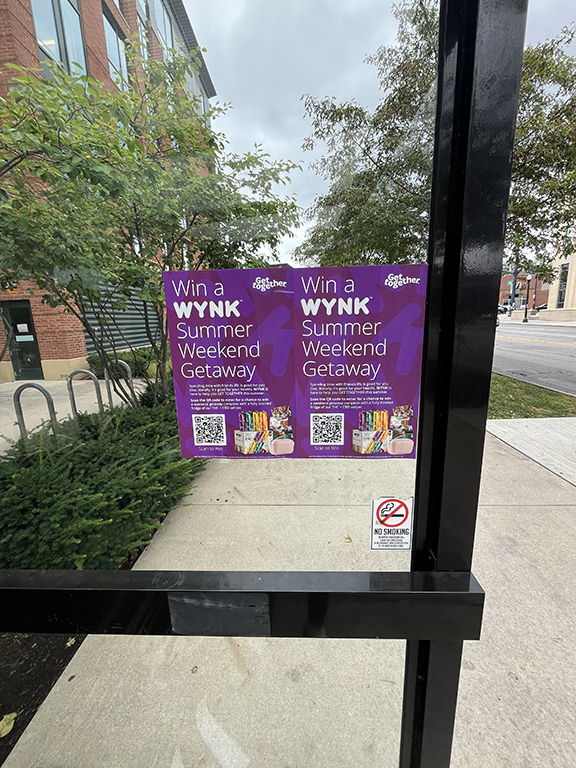
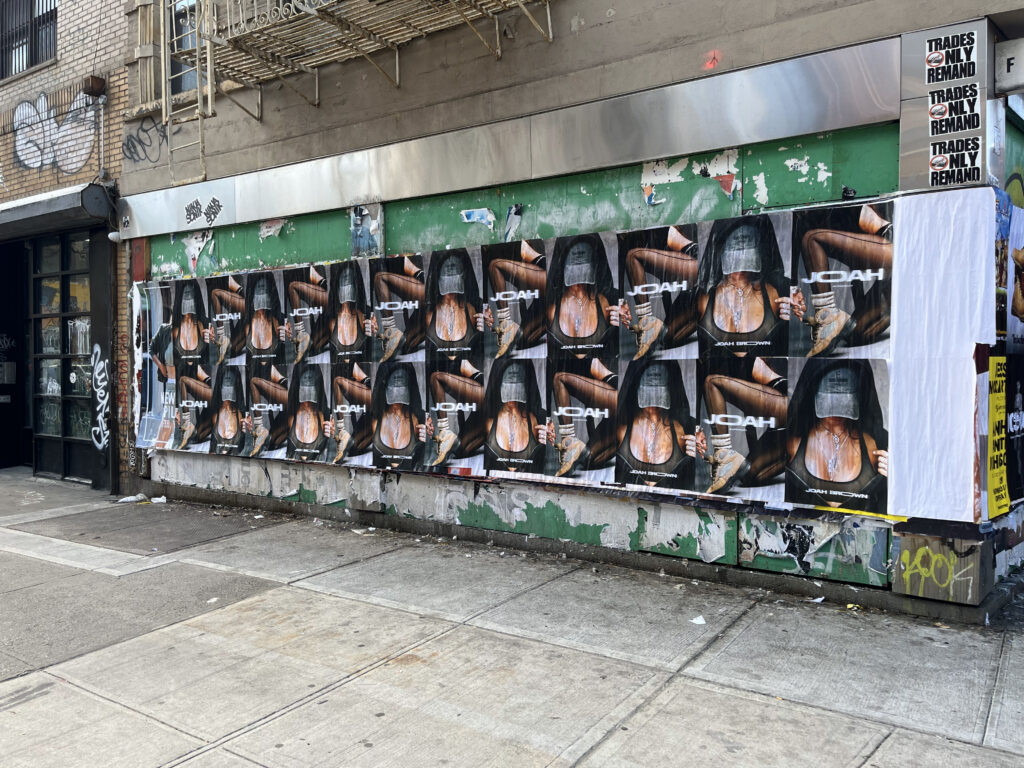
TRAX runs at street level through much of downtown Salt Lake City — 200 South, Main Street, 400 West — which creates ideal conditions for street-level guerrilla amplification. Snipe posters within 100 feet of station entrances along State Street and Main Street get seen by thousands of pedestrians daily. Sidewalk decals at the top of platform staircases ensure riders see your brand the moment they descend.
UTA’s advertising contractor is Lamar Advertising Company (Salt Lake City office), which manages all on-system TRAX advertising inventory. American Guerrilla Marketing helps clients plan, design, and execute purchases across official UTA formats while layering in guerrilla street-level placements for maximum impact.
11″ × 17″ | 11″ × 28″ | 22″ × 28″
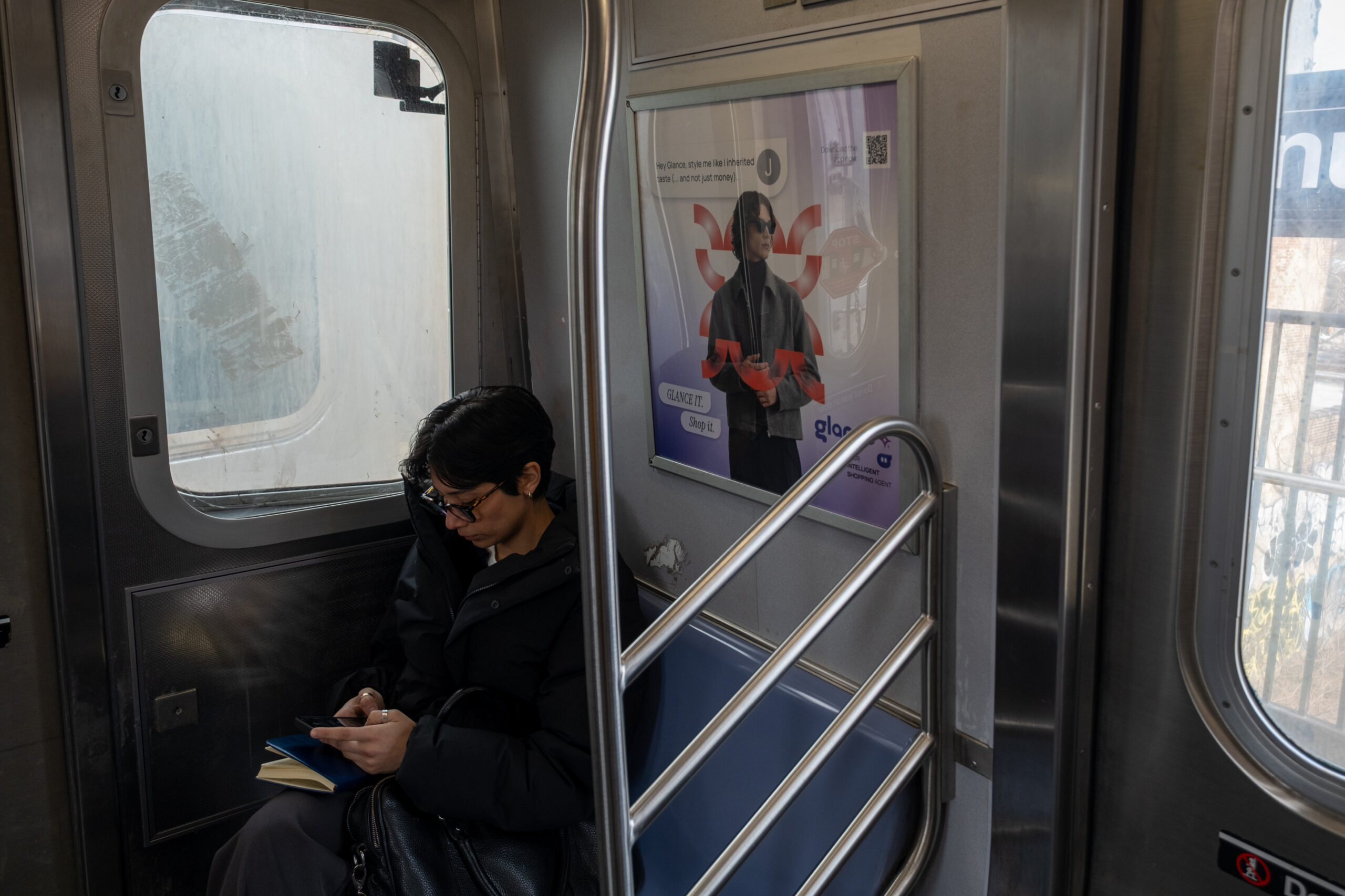
Overhead and side-panel cards inside TRAX LRT vehicles. Riders dwell for 15–50 minutes depending on route length — exceptional time-on-message for QR campaigns, brand storytelling, and direct response.
24″ × 36″ | 30″ × 40″
Station platform-mounted posters at key TRAX stations. Repeat commuters see the same poster daily for 4-week flight periods — maximum frequency at anchor stations.
King (30″ × 144″) | Queen (30″ × 88″) | Headliner
Side-panel ads on TRAX vehicles visible to pedestrians and drivers along Main Street, 400 South, and suburban corridors as trains move at grade.
Full exterior wrap
A fully wrapped TRAX train running the Red Line from the airport through downtown to the University of Utah is one of the highest-impression transit formats in the Salt Lake Valley. Limited availability.
All surfaces, 30-day exclusivity
Full ownership of every ad surface at a key station — platforms, shelters, pylons, overhead panels. Used for major brand launches at Gateway, Gallivan Plaza, and Medical Center stations.
Variable sizing, dynamic content
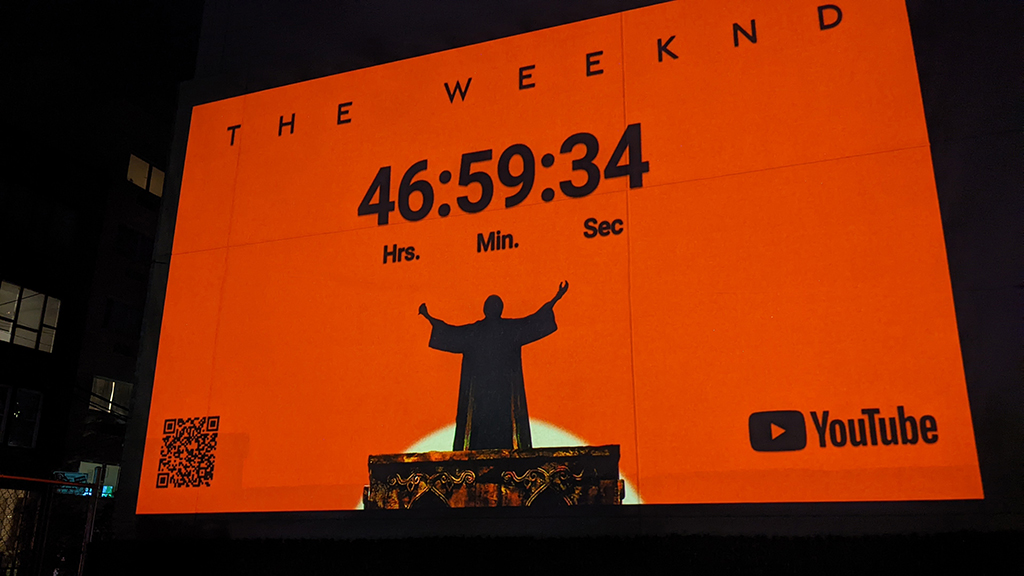
Digital display screens at select TRAX stations for rotating, updateable content. Ideal for event countdowns, day-parted messaging, and seasonal creative.
Backlit shelter panels
Extend TRAX campaigns to UTA bus shelter inventory near key stations for pedestrian-level coverage that bridges the gap between street and platform.
Train + Station combo
Combined interior car cards plus exterior panels on the same trains, timed with station poster buys. Full-funnel experience: brand encounter at approach, boarding, and riding.
Official Lamar/UTA placements put your brand inside the fare gates. American Guerrilla Marketing’s street-level execution creates a full “surround sound” campaign that intercepts TRAX riders at every touchpoint on their path to the train — before they ever see your interior card.
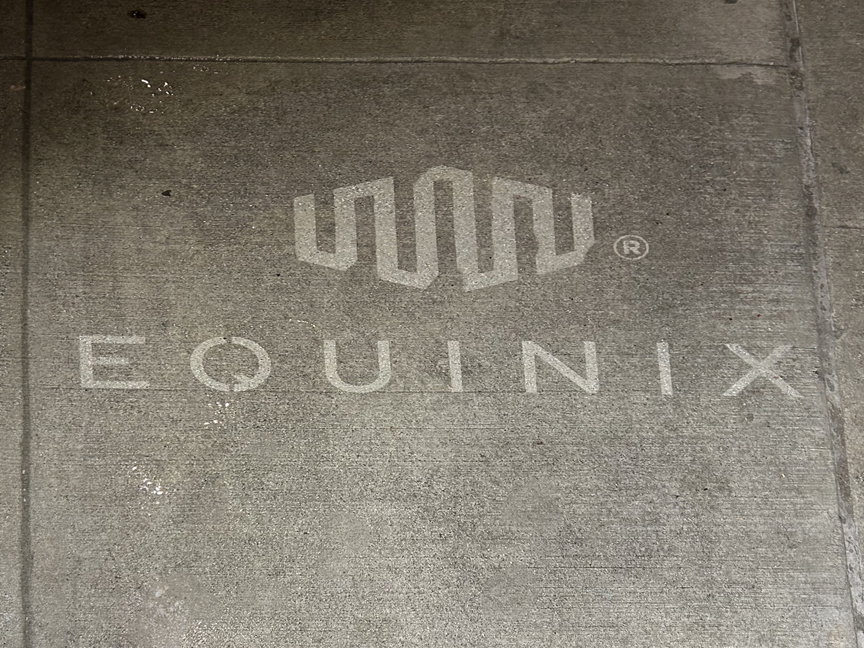
TRAX riders walk from apartments on 200 South, office towers on Main Street, Utah campus buildings, and parking structures along 400 West. We own that walk:
A rider heading to the Red Line at Medical Center Station walks past your snipe at the corner, steps on your sidewalk decal at the staircase top, and reads your interior car card for 20 minutes. That’s three brand encounters in a single transit trip. Three-touch is the AGM minimum.
Every AGM guerrilla placement is documented with geo-tagged photography
delivered within 24 hours of installation. Proof-of-install reports include coordinates, timestamp, and photo — not a vague summary email, but actual documented evidence for every snipe and decal location.
American Guerrilla Marketing brings over 10 years of direct-execution transit and guerrilla campaign experience. We are not a broker — we plan, place, and document every element of your campaign from a single point of accountability.
Lamar Advertising Company (Salt Lake City office, General Manager Neal Gatherum) is UTA’s authorized advertising contractor for all TRAX on-system placements.
The Red Line serves the University Medical Center station directly. For maximum student reach, interior car cards on the Red Line plus station posters at the University/Medical Center station deliver the highest concentration of U of U students and staff.
The Green Line’s West Valley Central area is the primary route for Rio Tinto Stadium event traffic. Exterior train wraps on Green Line trains are highly visible for game-day audiences. AGM can coordinate guerrilla placements near the stadium entrance for event-specific campaigns.
Yes — system-wide interior car cards are the most efficient format for broad market introduction in Salt Lake City. Paired with AGM’s street-level snipe and decal layer at key stations, a new brand can establish presence across the full Salt Lake Valley in a single 4-week campaign.
The highest-value TRAX stations for advertising are Gallivan Plaza, the University of Utah Medical Center Station, and Salt Lake Central. Gallivan Plaza delivers the highest daily throughput in the system as the downtown convergence point for all three TRAX lines. The Medical Center Station captures the university student and healthcare professional audience on the Red Line. Salt Lake Central intercepts intercity FrontRunner commuters. AGM builds TRAX advertising campaigns around these anchors for maximum reach and demographic quality across the Salt Lake Valley.
TRAX advertising reaches Silicon Slopes tech professionals through the Blue Line southern corridor serving Sandy and Draper near the Wasatch Front tech employment corridor and through the Red Line serving downtown office towers where tech companies maintain Salt Lake City headquarters. AGM structures TRAX advertising campaigns targeting this audience with Blue Line interior car cards, station posters at Sandy and Draper stations, and digital screen placements at Gallivan Plaza during the AM commute window when tech worker ridership peaks on the Salt Lake system.
Yes. The 2034 Winter Olympics will generate extraordinary ridership on TRAX as the primary transit network serving venues, the athlete village, and Olympic visitor accommodations throughout Salt Lake City. AGM recommends planning TRAX advertising campaigns for the 2034 Olympic window well in advance given expected inventory demand. A TRAX advertising campaign timed to the Olympics reaches athletes, international media, sponsors, and global visitors on a system serving as the backbone of Olympic transportation through downtown Salt Lake and venue corridors across the Wasatch Front.
The TRAX Green Line connects downtown Salt Lake City to the Salt Lake City International Airport, creating a captive transit corridor that intercepts business travelers, leisure travelers, and airport employees on every inbound and outbound trip. TRAX advertising on the Green Line Airport corridor reaches a high-income audience with elevated travel spending and strong brand receptivity. AGM builds TRAX advertising campaigns for travel brands, hospitality companies, and premium consumer brands using Green Line interior car cards and station placements near the airport terminus as primary high-value placements.
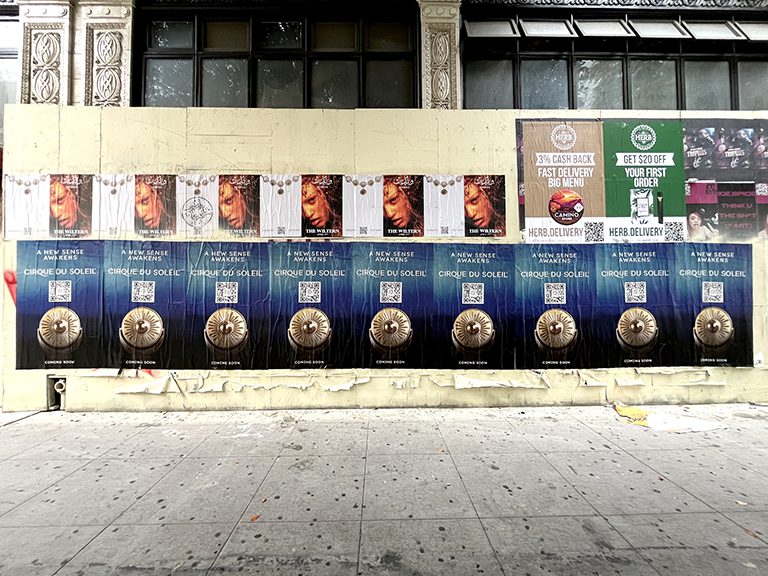
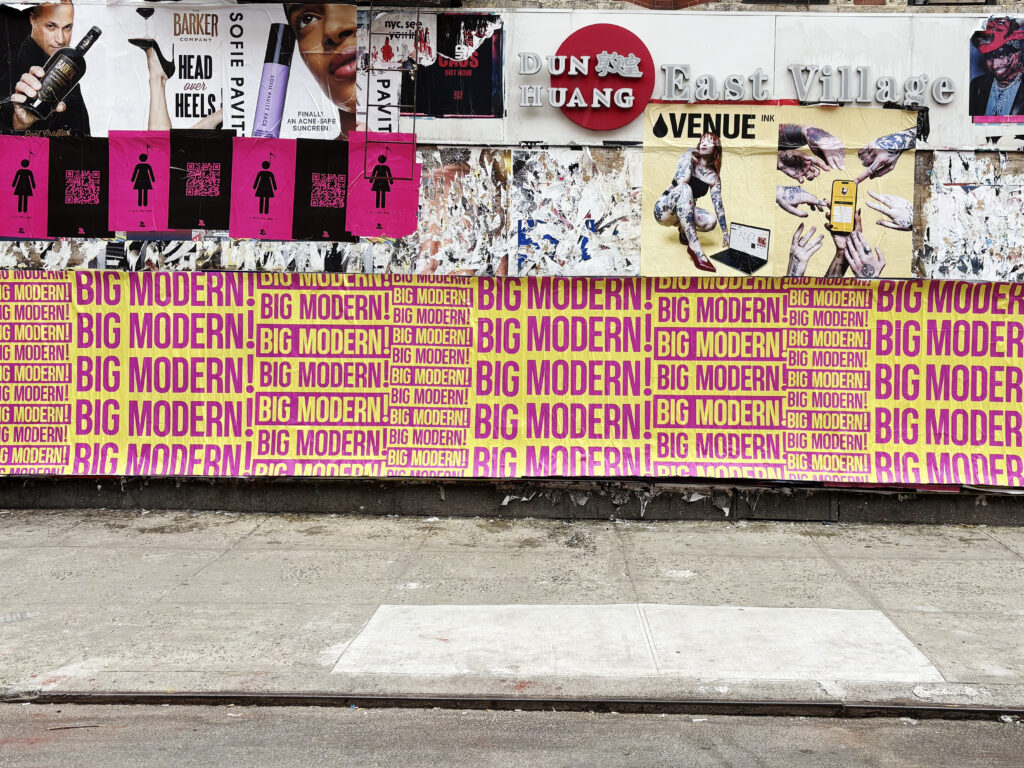
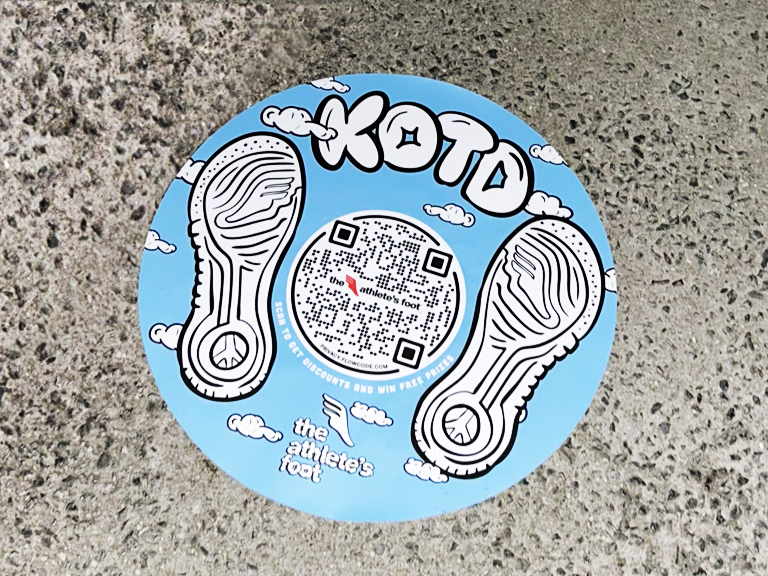
Sidewalk decals and snipe posters near TRAX stations extend a Salt Lake City advertising campaign from the platform to the street, adding brand impressions before riders board and after they exit. AGM places 9×12 snipe posters on utility poles and scaffolding within 100 feet of target station entrances and installs vinyl sidewalk decals at staircase landings along the pedestrian approach. Each snipe carries a QR code tracked per location. This TRAX advertising surround layer adds two to three brand touchpoints per commute beyond the interior car card or platform poster buy.
AGM begins with a strategy session to define campaign objectives, target audience, TRAX line preferences, format mix, and flight dates. The team manages the Lamar Advertising buy for official UTA placements, deploys the guerrilla surround layer with Salt Lake City field crews, and delivers geo-tagged proof-of-install photography for every snipe and decal location within 24 hours of installation. Clients receive full campaign documentation covering transit media confirmations, guerrilla placement records, and QR scan analytics across the entire TRAX advertising campaign.