American Guerrilla Marketing
Nationwide serivce
Media planning, media buying, billboard advertising, & guerrilla marketing

Metro-North advertising delivers direct access to one of the most affluent, educated, and professionally influential commuter audiences in the world. The MTA Metro-North Railroad operates three main lines — the Harlem, Hudson, and New Haven Lines — plus the Port Jervis and Pascack Valley Lines in New York State, serving approximately 280,000 daily riders from Grand Central Terminal in Midtown Manhattan through Westchester County, the Hudson Valley, and across Connecticut to New Haven, Bridgeport, and Stamford. When you advertise on Metro-North, you’re reaching the residents of some of the wealthiest communities in the United States — Bronxville, Scarsdale, Greenwich, Darien, and New Canaan — alongside the professionals who commute from these addresses to Manhattan’s financial, media, and professional service firms daily. American Guerrilla Marketing executes Metro-North advertising alongside street-level guerrilla reinforcement — creating layered campaigns that reach riders in-car, at Grand Central Terminal, and on the surrounding Midtown sidewalks.
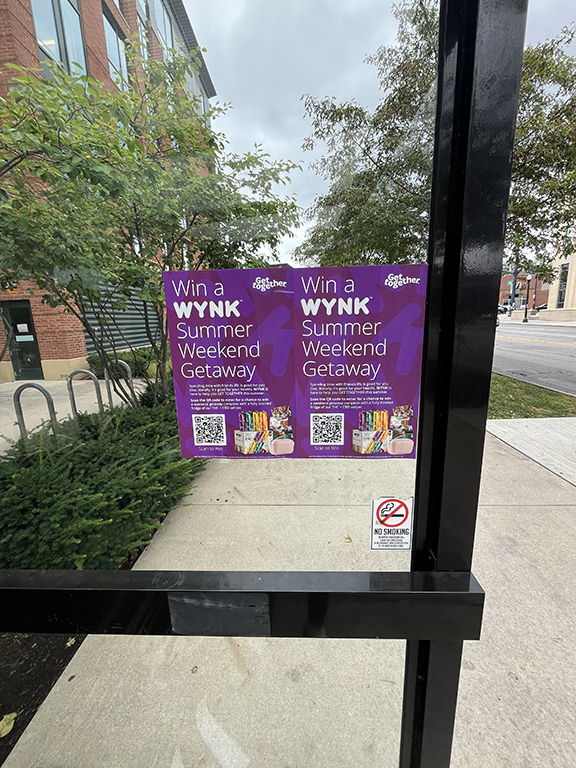
American Guerrilla Marketing executes full-service Metro-North Railroad advertising — interior car cards, Livecard digital, Grand Central Main Concourse screens, exterior train wraps, platform posters, sidewalk decals, and snipe posters. Tell us your brand, budget, and goals.
Metro-North advertising connects brands to the most economically powerful suburban commuter audience in the Northeast. The New Haven Line serves Fairfield County, Connecticut — the wealthiest county in Connecticut and home to many of the nation’s highest-earning hedge fund managers, investment bankers, and C-suite executives. The Harlem Line serves Westchester County communities that consistently rank among the top 25 wealthiest counties in the United States. Metro-North is the commuter railroad of choice for the New York metro area’s premium demographic, and its Grand Central Terminal terminus is the most architecturally significant advertising environment in American rail history.
Grand Central Terminal is, by itself, one of the most powerful advertising environments in the world. The Main Concourse’s four large digital screens on the north column — Metro-North’s flagship digital advertising inventory — face the full flow of the Grand Concourse floor and are seen by hundreds of thousands of visitors daily. For brands that want to place themselves in the context of one of America’s most iconic architectural landmarks, Metro-North’s Grand Central Terminal advertising offers an opportunity unmatched by any other transit system.
Advertising cards above windows in Metro-North train cars on the Harlem, Hudson, and New Haven Lines. With 45 minutes of average dwell time each way, Metro-North interior car cards are the most-read format in MTA commuter rail advertising.
Outfront Media’s Livecard Network covers 500+ Metro-North train cars with digital screens showing full-motion video or synchronized static content. The same system used on LIRR — bringing video advertising capability into the in-car commute environment.
Four large digital screens on the north columns of Grand Central’s Main Concourse — Metro-North’s highest-profile advertising inventory. Facing hundreds of thousands of daily visitors. These screens have doubled Metro-North’s advertising revenue since installation and represent one of the most prestigious OOH positions in New York City.
Complete ownership of all interior card positions in a Metro-North train car for the campaign period. Total brand immersion for riders from Grand Central to their suburban station — 45 minutes of uninterrupted brand presence.
Full exterior vinyl wraps on Metro-North train cars. Visible from the Hudson River shoreline along the Hudson Line, from major Westchester roadways along the Harlem Line, and from I-95 and Merritt Parkway crossing points along the New Haven Line.
Platform posters and station advertising available at Metro-North stations from Grand Central through the suburban network. Suburban station posters are particularly effective for local and regional advertisers targeting specific Westchester or Connecticut communities.
| Advertising Format | Rate | Notes |
|---|---|---|
| Interior Car Cards | Contact AGM for pricing | Rates set by transit authority media vendor. Not publicly listed. |
| Full Interior Car Takeover | Contact AGM for pricing | Rates set by transit authority media vendor. Not publicly listed. |
| 2-Sheet Station Posters | Contact AGM for pricing | Rates set by transit authority media vendor. Not publicly listed. |
| Platform Large Panels | Contact AGM for pricing | Rates set by transit authority media vendor. Not publicly listed. |
| Digital Station Screens | Contact AGM for pricing | Rates set by transit authority media vendor. Not publicly listed. |
| Digital Network Package | Contact AGM for pricing | Rates set by transit authority media vendor. Not publicly listed. |
| Exterior Train Side Wrap | Contact AGM for pricing | Rates set by transit authority media vendor. Not publicly listed. |
| Full Train Wrap | Contact AGM for pricing | Rates set by transit authority media vendor. Not publicly listed. |
| Standard Station Takeover | Contact AGM for pricing | Rates set by transit authority media vendor. Not publicly listed. |
| Premium Station Takeover | Contact AGM for pricing | Rates set by transit authority media vendor. Not publicly listed. |
Transit advertising rates are not published publicly by any major U.S. transit authority or their media concessionaires (Outfront Media, Intersection, Lamar, Vector Media). Pricing is determined by format, market, inventory availability, contract length, and season. Contact AGM for a custom quote — we work directly with every major transit media vendor and can confirm exact inventory and pricing for your market.
Why it delivers:
Grand Central Terminal is the terminus of the entire Metro-North system and one of the most visited buildings in the United States, receiving over 750,000 visitors daily — more than any other building in New York City and more than most airports in the country. It handles all Metro-North commuter traffic plus Subway connections (4/5/6 and 7 trains) and the new LIRR Grand Central Madison terminal. The Main Concourse is one of the most photographed and recognized interior architectural spaces in the world. Four large digital screens on the Main Concourse’s north columns are Metro-North’s flagship advertising inventory — facing the full flow of the Grand Concourse with direct sightlines from both the Lexington Ave and Vanderbilt Ave approach corridors.
Available formats:
Main Concourse digital screens, platform advertising, interior rail cards on departing trains, Grand Central Dining Concourse advertising, Vanderbilt Hall event activations.
Advertiser example:
A luxury automotive brand or prestige financial services firm would execute a Main Concourse digital screen campaign at Grand Central — placing their brand in the visual context of one of the most architecturally renowned spaces in America, in front of an audience that skews toward the top quintile of U.S. household income.
AGM guerrilla layer:
Sidewalk vinyl decals at the Vanderbilt Ave entrance (42nd St and Vanderbilt), the 45th St entrance, and the Park Ave Viaduct approach. Snipe posters on the scaffolding structures on 42nd St between Vanderbilt Ave and Lexington Ave within 100 feet of Grand Central’s primary entrances — placing the brand on the most-trafficked midday pedestrian block in Midtown Manhattan. QR codes on snipes link to a campaign landing page optimized for the Grand Central commuter demographic.
Why it delivers:
White Plains is Westchester County’s primary commercial and governmental hub — the county seat, home to White Plains Hospital, Westchester Medical Center, the Galleria at White Plains, and a dense concentration of corporate offices and professional services firms. White Plains Station is the highest-ridership off-Island Metro-North station outside of Grand Central and the primary transfer point for Westchester’s internal bus network. The surrounding downtown White Plains commercial district makes it one of the most commercially active suburban rail stations in the Northeast. Demographics include Westchester County professionals, healthcare workers, and shoppers — a high-income suburban audience with above-average purchasing power.
Available formats:
Platform posters, station domination, interior rail cards on Harlem Line trains, exterior station frontage.
Advertiser example:
A Westchester-area healthcare system, regional bank, or retail brand targeting Westchester County consumers would execute a White Plains station domination paired with Harlem Line interior car cards running the full Harlem Line corridor from Grand Central to Brewster.
AGM guerrilla layer:
Sidewalk decals at the Mamaroneck Ave station entrance, with snipe posters on the utility infrastructure on Hamilton Ave and Mamaroneck Ave within 100 feet of the station entrance — directly in the flow of the White Plains downtown pedestrian corridor.
Why it delivers:
Stamford is the largest city in Fairfield County and the primary corporate office hub of southwestern Connecticut — home to major financial services firms, hedge funds, media companies, and Fortune 500 offices. Stamford Station is the highest-ridership New Haven Line station outside of Grand Central, handling a heavy mix of Manhattan-bound commuters and Stamford-terminating inbound riders. The Stamford Transportation Center is a major multi-modal hub connecting Metro-North to Amtrak, Stamford BRT, and shuttle services for the corporate office park corridor. Ridership demographics are premium — Stamford is among the 25 highest median income cities in the United States.
Available formats:
Platform posters, station advertising in Stamford Transportation Center, interior rail cards on New Haven Line trains, exterior frontage.
Advertiser example:
A financial services brand, premium business hotel, or professional services firm would execute a Stamford station platform campaign paired with New Haven Line interior car cards — reaching the Fairfield County finance and corporate community in their daily commute to and from Manhattan.
AGM guerrilla layer:
Sidewalk decals at the Atlantic St station entrance, with snipe posters on the utility poles and construction barriers on Washington Blvd (Stamford’s primary commercial boulevard adjacent to the station) within 100 feet of the transportation center entrance.
Why it delivers:
Poughkeepsie is the northernmost major Hudson Line station — the primary terminus for daily Metro-North Hudson Line service — and serves as the hub for the mid-Hudson Valley’s growing professional and creative community. The station connects Vassar College students and faculty, IBM employees (the Poughkeepsie campus is one of IBM’s oldest), healthcare workers at Vassar Brothers Medical Center, and the rapidly growing cohort of Hudson Valley newcomers who commute to Manhattan. Weekend ridership spikes significantly as Manhattan residents travel to Hudson Valley destinations (farms, wineries, and the Catskills resort corridor via connecting transportation). For brands targeting the educated, progressive, outdoor-oriented demographic that has driven Hudson Valley growth, Poughkeepsie Station is the most efficient access point in the Metro-North network.
Available formats:
Platform posters, station advertising, interior rail cards on Hudson Line trains serving the full Poughkeepsie-Grand Central corridor.
Advertiser example:
An outdoor lifestyle brand, farm-to-table food company, or Hudson Valley tourism campaign would execute Poughkeepsie station platform posters paired with Hudson Line interior car cards — reaching both the daily commuter base and the weekend leisure traveler who is squarely in their demographic.
AGM guerrilla layer:
Sidewalk decals at the Main St Poughkeepsie station entrance, with snipe posters on the utility poles on Main St within 100 feet of the station entrance. AGM coordinates the timing of Poughkeepsie snipe campaigns with spring and fall weekend travel peaks for maximum leisure-traveler exposure.
Why it delivers:
Harlem-125th Street is the only Metro-North station within New York City itself outside of Grand Central, and the only Metro-North station to serve all three main lines simultaneously. It serves a dual demographic: Harlem-based riders who use Metro-North for daily commutes to Westchester or Manhattan, and inbound suburban riders who stop here for connections to the 2/3, 4/5/6, A/B/C/D subway lines. It is Metro-North’s highest-ridership in-city station and a culturally significant location in the heart of Harlem. The station’s position at 125th St — Harlem’s main commercial and cultural corridor — makes it the meeting point between Metro-North’s suburban ridership and one of New York’s most culturally vibrant neighborhoods.
Available formats:
Platform posters, interior rail cards on all three line trains, stairwell graphics, exterior station frontage on 125th St.
Advertiser example:
A music brand, cultural institution, lifestyle brand targeting an urban/suburban Black professional audience, or retail brand opening in Harlem would execute a 125th Street station campaign — reaching both the Harlem residential community and the Metro-North suburban demographic that passes through daily.
AGM guerrilla layer:
Sidewalk decals at the 125th St/Park Ave station entrance — one of the most commercially active corners in Harlem. Snipe posters on the 125th St elevated structure supports, utility poles, and construction barriers within 100 feet of the station entrance. 125th Street itself is one of the most active snipe-posting corridors in New York City — AGM has extensive execution experience in this location.
Grand Central Terminal is one of the most powerful single advertising locations in the world — but its surroundings are equally powerful. The Vanderbilt Ave pedestrian zone, the 42nd St crosstown corridor, and the Lexington Ave approach collectively handle millions of daily pedestrians. American Guerrilla Marketing has executed guerrilla campaigns in the Grand Central radius repeatedly and knows exactly which surfaces, which corners, and which posting positions maximize brand exposure within the permitted 100-foot station entrance radius.
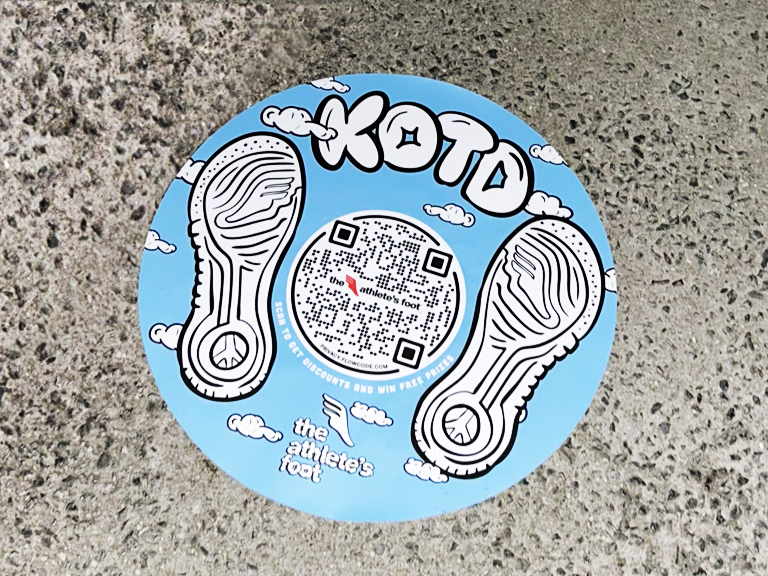
AGM installs removable vinyl sidewalk decals at Grand Central’s primary entrance points — Vanderbilt Ave at 42nd, Vanderbilt Ave at 45th, the Lexington Ave entrance, and the 47th St/Park Ave entrance — as well as at suburban Metro-North station entrances selected for the campaign. At Grand Central, decals placed at the base of the main entrance stairwells are seen by every commuter arriving and departing — hundreds of thousands of daily exposures per decal position.
Winter-rated cold-application vinyl is standard for Metro-North campaigns, which often run in fall and winter months (theater season, holiday shopping, Q1 financial services campaigns).
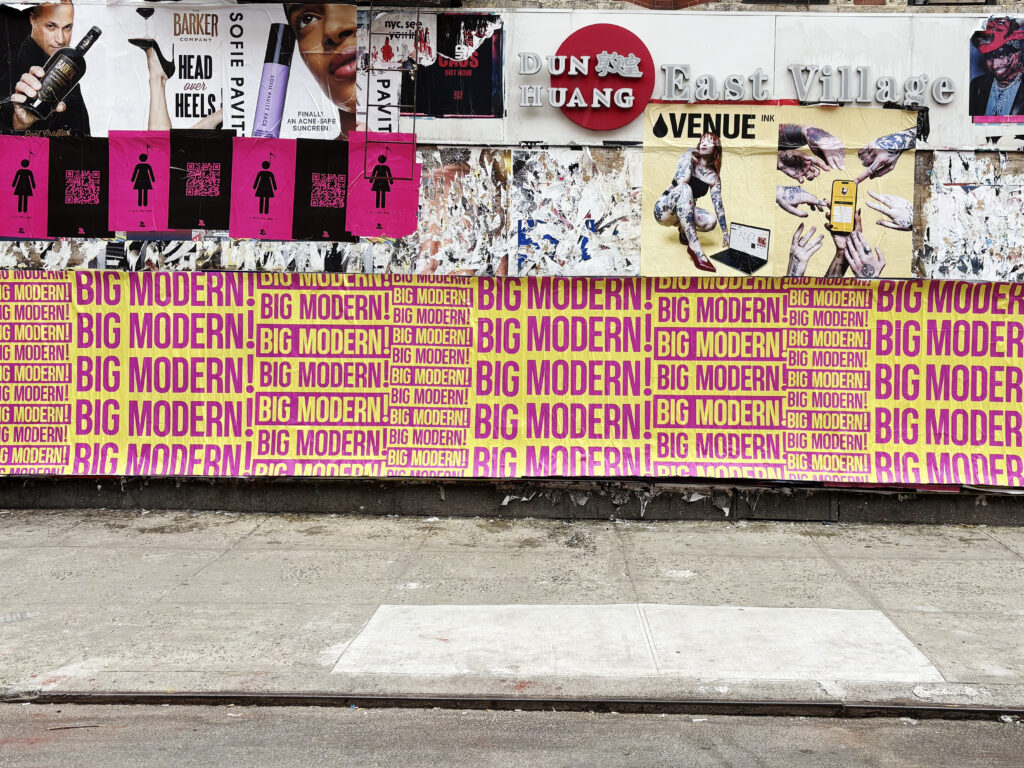
Within 100 feet of Grand Central Terminal’s entrance points, AGM deploys 9×12 snipe posters on the scaffold structures along 42nd St and Vanderbilt Ave, utility poles, and permitted construction barriers adjacent to the terminal. The ongoing Midtown Manhattan construction environment (One Vanderbilt, the Grand Hyatt replacement at 42nd and Lex, and other adjacent projects) provides extensive temporary posting surfaces within the required radius.
At suburban stations, AGM’s snipe execution focuses on the utility poles and construction barriers within 100 feet of the primary station entrance — the approach path that every rider walks twice daily.
A fully layered Metro-North campaign creates sequential brand contact from the suburban station to the Grand Central arrival: snipe poster at the suburban station entrance → sidewalk decal at the suburban station stairs → interior car card for 45 minutes → Grand Central Main Concourse screen at arrival → sidewalk decal at the Vanderbilt Ave exit → snipe poster on 42nd St heading to the office. That is six sequential brand contacts in a single morning commute, with 45 minutes of in-car dwell time as the anchor. American Guerrilla Marketing plans and executes all six layers from a single contract with proof-of-install documentation for every placement.
| Format | Quantity | Price | Includes |
|---|---|---|---|
| 9×12 Snipes (Standard) | 400 snipes | $4,500 | Installation, placement maps, geo-tagged reporting |
| 9×12 Snipes (Standard) | 800 snipes | $5,500 | Installation, placement maps, geo-tagged reporting |
| 11×14 Jumbo Snipes | 400 snipes | $6,500 | Installation, placement maps, geo-tagged reporting |
| 11×14 Jumbo Snipes | 800 snipes | $7,500 | Installation, placement maps, geo-tagged reporting |
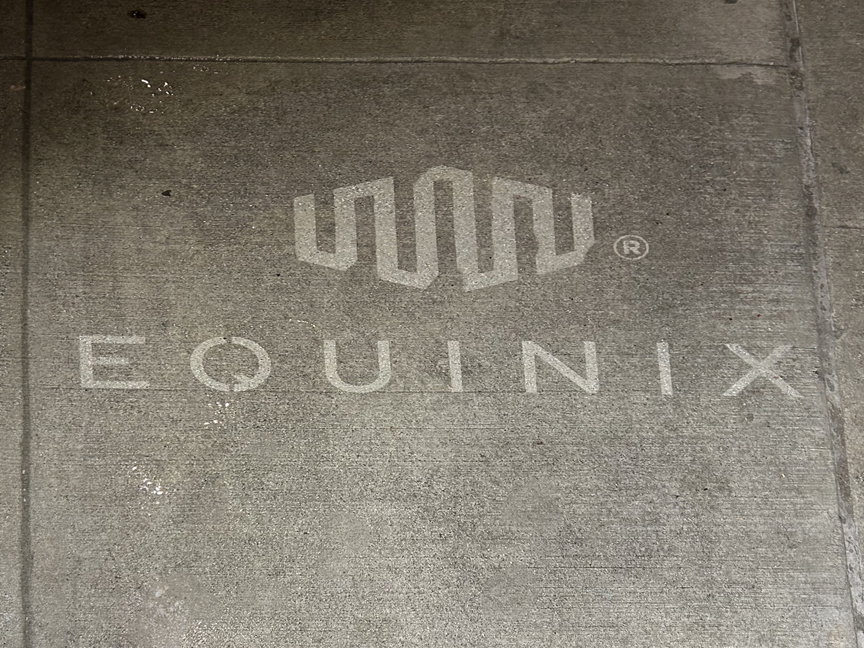
| Sidewalk Vinyl Decals | 10 decals | $3,404 | Installation, geo-tagged reporting |
| Sidewalk Vinyl Decals | 80 decals | $4,998 | Installation, geo-tagged reporting |
| Sidewalk Vinyl Decals | 30 decals | $6,373 | Installation, geo-tagged reporting |
| Sidewalk Vinyl Decals | 50 decals | $8,709 | Installation, geo-tagged reporting |
| Sidewalk Stencils (paint, chalk, or pressure) | 10 stencils | $3,231 | Design, application, documentation |
| Sidewalk Stencils (paint, chalk, or pressure) | 50 stencils | $6,982 | Design, application, documentation |
| Transit Station Surround Package | 400 snipes + 80 decals | $10,000 | Full deployment at station entrances, QR tracking on all units, geo-tagged documentation report |
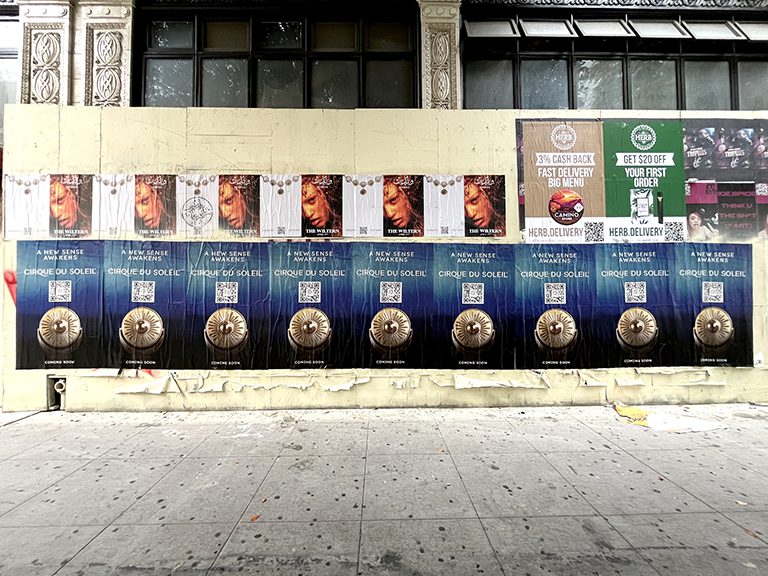
Wheatpaste poster campaigns are Contact AGM for pricing. For wheatpaste campaigns, large format 48×72 posters start at $10,500 (100 large format 48×72 posters, 2 weeks). 72-hour rush fee: +50%. Multi-market and custom volume pricing available. Contact AGM for a custom quote.
Experience
500+ transit campaigns across 30+ markets. NYC-area Metro-North and Grand Central executions for luxury, financial services, entertainment, Broadway, fashion, and consumer brands. Deep history of Grand Central radius guerrilla campaigns.
Expertise
10+ years in transit advertising. Direct knowledge of Outfront Media’s Metro-North concession, Grand Central Terminal advertising policy (landmark sensitivities and approval requirements), Livecard Network specs, and suburban station permit environments.
Authority
Direct execution partner — we work with Outfront Media’s MTA Metro-North concession and execute all guerrilla elements ourselves. No broker markup. Single-contract accountability from Grand Central to suburban station entrances.
Trust
Geo-tagged, timestamped photo documentation within 24 hours of every install. Itemized, transparent pricing. Proof-of-install reporting for every placement. Cold-weather material specs for year-round Metro-North campaigns.
Metro-North and LIRR are both MTA commuter railroads managed by Outfront Media with similar advertising formats, including the Livecard Network. Metro-North reaches Westchester County, the Hudson Valley, and Fairfield County Connecticut. LIRR reaches Nassau and Suffolk County Long Island. Both have approximately 45-minute average commute dwell times and above-ground routing. Metro-North’s Grand Central Terminal terminus offers unique advertising opportunities — particularly the Main Concourse digital screens — that Penn Station does not replicate. For full New York metro suburban coverage, many brands run both systems simultaneously.
Yes. Metro-North’s Grand Central Terminal advertising includes the Main Concourse digital screens (four large screens on the north columns facing the full concourse floor), platform advertising in the Metro-North lower concourse, and additional positions in the connecting corridors. Grand Central is a NYC Landmark, and advertising within the terminal must meet Landmark Preservation Commission approval standards — AGM has direct experience navigating these requirements. Contact us to discuss specific Grand Central advertising options for your campaign.
The Livecard Network is Outfront Media’s digital in-car screen system, covering 500+ Metro-North train cars with digital screens that can display full-motion video, synchronized static content, or daypart-targeted messaging. Brands can run pre-roll style animated spots or static content — the same system operates on both Metro-North and LIRR, allowing a combined MTA commuter rail digital buy across both systems.
The New Haven Line’s Greenwich, Darien, New Canaan, and Westport stations serve Fairfield County communities that consistently rank among the 25 wealthiest in the United States by median household income. For brands targeting the highest-income Metro-North demographic, New Haven Line placements between Grand Central and Westport represent the premium buy.
Grand Central Terminal is the most valuable single station on the Metro-North Railroad network, with over 750,000 daily visitors and four large digital screens on the Main Concourse. White Plains Station is the premier Harlem Line location, serving Westchester County’s largest commercial hub. Stamford Station commands the New Haven Line for Fairfield County financial professionals. Harlem-125th Street connects Metro-North suburban riders with one of New York City’s most culturally active neighborhoods. AGM selects station targets based on advertiser demographics, campaign goals, and available formats for each Metro-North Railroad advertising engagement.
Grand Central Terminal advertising occupies a different category from standard Metro-North Railroad advertising because the terminal is both a transportation hub and one of the most visited landmarks in the world. The four Main Concourse digital screens face hundreds of thousands of daily visitors and sit within a New York City Landmark space governed by Landmark Preservation Commission standards. This architectural prestige creates a brand halo that standard platform advertising cannot replicate. AGM has direct experience navigating Grand Central Terminal advertising requirements and positions each campaign to align with the landmark context for maximum impact.
The New Haven Line on Metro-North Railroad runs directly through Fairfield County, Connecticut, serving Greenwich, Darien, New Canaan, Westport, and Stamford. These communities rank among the highest median household income ZIP codes in the United States, with a concentration of hedge fund managers, investment bankers, and Fortune 500 executives. Interior car cards on New Haven Line trains give advertisers 45 minutes of captive access to this demographic daily. AGM structures Metro-North advertising campaigns on the New Haven Line for financial services, luxury consumer, and B2B brands targeting the Connecticut Gold Coast audience specifically.
Metro-North Railroad commuters represent some of the highest household income demographics of any commuter rail network in the United States. The New Haven Line through Fairfield County, Connecticut, and the Harlem Line through Westchester County deliver riders who significantly out-earn the national median household income. This income concentration means Metro-North advertising delivers quality-adjusted impressions that outperform general market transit buys for luxury, financial services, and premium consumer brands. AGM uses this demographic data to justify Metro-North Railroad advertising as a high-efficiency channel in any premium audience campaign plan built for the New York metro area.
AGM deploys sidewalk vinyl decals at Metro-North station entrance stairwells and snipe posters within 100 feet of station entrances to create a pre-boarding brand encounter for commuters on their daily walk to the platform. At Grand Central Terminal, decal positions on the Vanderbilt Avenue approach and 42nd Street entrance reach hundreds of thousands of daily commuters and tourists. At suburban Metro-North stations, snipes target utility poles and construction surfaces on the pedestrian approach path. Every placement carries a QR code with UTM tracking, turning street-level Metro-North advertising into a measurable performance channel with weekly scan reporting.
AGM executes Metro-North Railroad advertising campaigns through a single point of contact from media planning through installation and reporting. We work directly with Outfront Media, the Metro-North advertising concessionaire, for interior car card, Livecard digital, and Grand Central Terminal placements. Our field teams install guerrilla sidewalk decals and snipes at station approaches simultaneously with the official media placement window. Every guerrilla placement is geo-tagged and timestamped within 24 hours of installation. Clients receive weekly QR scan reports and a full proof-of-install documentation package at Metro-North Railroad advertising campaign close.