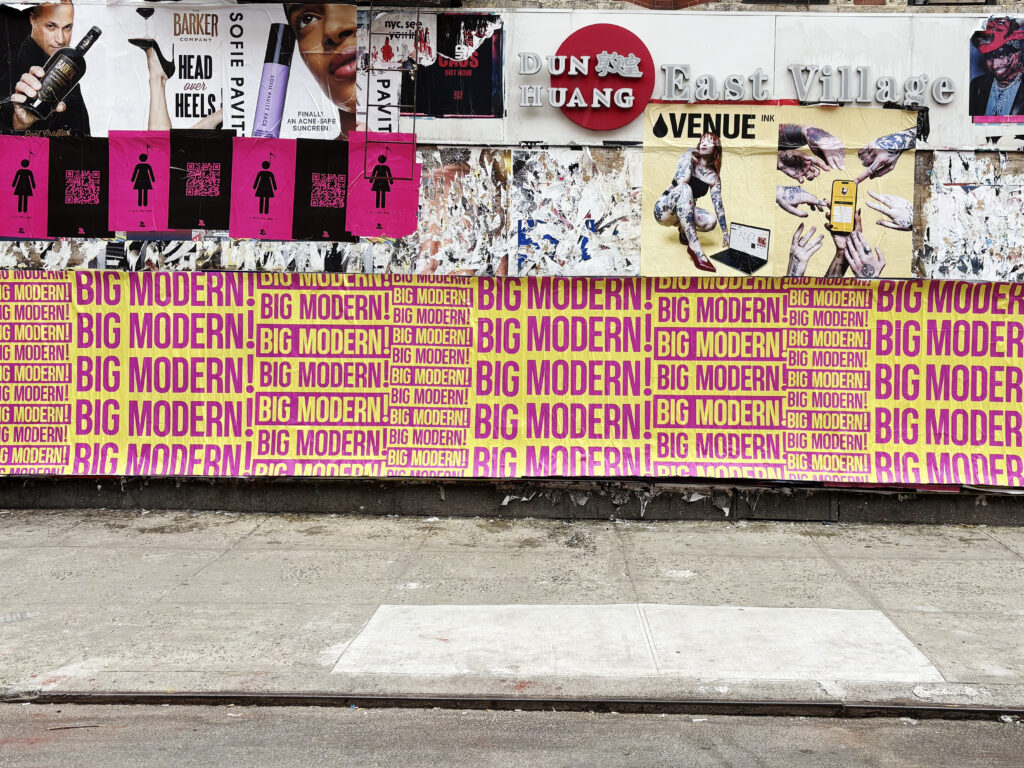
The permit question in guerrilla marketing is one of the most practically important and most inconsistently answered questions in the field. Some operators claim everything requires a permit and quote compliance costs that are wildly out of proportion to actual regulatory requirements. Others dismiss permits entirely and run campaigns that carry real legal exposure for their clients. The reality, as with most regulatory questions, is more specific than either extreme.
Our team at American Guerrilla Marketing operates across 50+ U.S. markets and manages permit compliance as part of standard campaign execution. This guide covers what permits guerrilla marketing campaigns actually require, what factors determine permit necessity, and how to navigate the permit landscape without over-complicating campaigns that do not need regulatory intervention.
The Key Variable: Public vs. Private Property
The fundamental permit question in guerrilla marketing is whether the tactic uses public or private property. This single variable drives more permit determinations than any other factor.
Private Property Campaigns
Guerrilla marketing tactics conducted entirely on private property with the property owner’s documented consent generally do not require municipal permits. Wheat paste poster campaigns on building walls with owner permission, sidewalk stencil campaigns on private pavement surfaces, brand ambassador activities inside or immediately adjacent to a business location, and interior retail guerrilla activations typically fall into the no-permit-required category in most jurisdictions.
Public Space Campaigns
Guerrilla marketing tactics that use public spaces, including public sidewalks, public parks, plazas, and streets, require municipal authorization in virtually every major US city. The specific permit type and application process varies by jurisdiction and tactic type, but the basic principle is consistent: using public property for commercial purposes requires the relevant public authority’s approval.
Tactics That Require Permits
Street Team Activations in Public Spaces
Street team activations in public spaces, specifically on public sidewalks or in public parks, may require vendor permits, event permits, or both depending on the nature of the activity and the scale of the team. A single brand ambassador distributing product samples on a busy sidewalk may not trigger permit requirements in markets with limited enforcement, but a team of ten representatives with equipment, signage, and sampling materials typically crosses the threshold that requires formal authorization.
Vehicle-Based Advertising
Vehicle-based advertising approaches including LED billboard trucks, branded vehicle fleets, and mobile display vehicles operating on public streets may require specific permits depending on the city and the nature of the vehicle’s operation. Parking restrictions, idling regulations, and specific ordinances governing mobile advertising vehicles vary significantly by market. Professional operators know the specific requirements of each market and manage permits as part of campaign logistics.
Outdoor Projection Advertising
Projection advertising on building facades from public spaces typically requires both the building owner’s consent and some form of event or signage permit depending on the market and the projection’s scale and duration. Our projection media operations manage the permit requirements for each market as part of standard campaign planning.
Pop-Up Installations in Public Spaces
Pop-up installations, temporary structures, or interactive experiences in public plazas and parks require parks department permits in most major US cities. The application process for public space event permits typically requires a detailed description of the installation, proof of liability insurance, and payment of applicable fees. Lead times range from two to six weeks depending on the scale of the installation and the city’s permit review process.
What Cities Don’t Actively Enforce
Understanding what cities actively enforce versus what is technically regulated but practically tolerated is valuable operational intelligence. This knowledge does not create a license to ignore regulations, but it helps campaign planners make informed decisions about risk management.
Most cities do not actively enforce against low-impact guerrilla marketing activities that do not create pedestrian obstruction, do not generate noise complaints, and do not involve permanent alterations to public surfaces. A single brand ambassador distributing flyers on a busy street, a chalk stencil campaign on private commercial pavement, or a vehicle-mounted advertising display that is moving rather than stationary are activities that, while potentially regulated, are very rarely the subject of active enforcement in most US markets outside of the highest-regulation cities.
Frequently Asked Questions
Do guerrilla marketing campaigns require permits?
Whether a guerrilla marketing campaign requires permits depends on the specific tactics, surfaces or locations, and local regulatory environment. Tactics using public spaces generally require some authorization. Tactics operating entirely on private property with owner consent typically do not require municipal permits.
What types of guerrilla marketing tactics require permits?
Street team activations in public spaces, vehicle-based advertising on public streets, outdoor projection advertising on building facades, and pop-up installations in public plazas or parks commonly require permits.
Which guerrilla marketing tactics typically don’t require permits?
Wheatpaste poster campaigns on private property with owner consent, chalk stencil campaigns on private sidewalks, brand ambassador activities on private property, interior retail activations, and social media guerrilla campaigns typically do not require municipal permits.
How do you get permits for guerrilla marketing campaigns?
Getting permits requires identifying the relevant municipal department, submitting the required application with campaign details, paying applicable fees, and obtaining approval before campaign launch. Lead times range from a few days to several weeks depending on application complexity.
What happens if you run a guerrilla marketing campaign without required permits?
Consequences can include fines, immediate cessation orders, confiscation of campaign materials, and negative press coverage if enforcement becomes public. Reputational risk often exceeds the direct cost of fines for major brands.
What cities are most aggressive about enforcing guerrilla marketing permit requirements?
New York City, San Francisco, Washington DC, and Chicago have the most active enforcement programs for unauthorized guerrilla marketing in public spaces.
How far in advance should brands plan permit applications for guerrilla marketing campaigns?
For campaigns requiring municipal permits, brands and operators should begin the permit application process six to eight weeks before the planned campaign launch. This lead time accounts for the typical two to four week review process for standard applications, provides buffer for revision requests or supplemental information requirements, and ensures the permit is in hand before print production and crew scheduling commitments are made. Last-minute permit applications risk campaign delays or forced redesigns to address permit conditions not anticipated in the original brief.