American Guerrilla Marketing
Nationwide serivce
Media planning, media buying, billboard advertising, & guerrilla marketing

We buy, install, and document Houston METRORail advertising with zero broker layers — interior car cards, exterior train wraps, station dominations, platform posters, digital screens, and a guerrilla street-level surround at every target station entrance. Houston, executed.
Houston METRORail advertising reaches one of the most commercially dynamic transit audiences in the country. The Metropolitan Transit Authority of Harris County (METRO) operates three light rail lines spanning 22.9 miles through the heart of Houston: the Red Line (Main Street corridor from Northline Transit Center to Fannin South), the Green Line (East End), and the Purple Line (Southeast). METRORail carries approximately 40,000–50,000 daily riders — connecting the Texas Medical Center (the world’s largest medical complex), Downtown Houston, the Museum District, Midtown, the University of Houston, and Houston’s East End and Southeast neighborhoods.
This guide covers every available Houston METRORail advertising format, the top stations for campaign impact, audience demographics, pricing, and AGM’s guerrilla surround strategy that extends transit campaigns to the street level around every target station.
— 10+ years of direct transit and guerrilla media execution in Houston and 30+ U.S. markets. Entertainment, CPG, healthcare, athletic apparel, and fintech campaigns. Direct partner relationships with METRO advertising vendors — no broker markup, no commission layers. Every install: geo-tagged, timestamped, documented. Proof-of-post on every placement, every market.
Daily METRORail riders
Total route network
METRORail stations
Red, Green, Purple
Direct buy. Zero broker layers. Transit media + street-level guerrilla + proof-of-post documentation. One partner, full Houston execution.
Houston METRORail advertising options span in-vehicle, platform, and station environments. METRO’s advertising program supports a full range of formats from entry-level interior car cards to full train wraps and station domination packages. Below is a complete breakdown of available METRORail advertising units.
Above-window interior card positions inside METRORail vehicles. Captive audience for average trip durations of 18–30 minutes, with elevated dwell times on the Red Line’s Medical Center corridor. QR code campaigns perform exceptionally well given the high smartphone penetration of the Healthcare, Museum District, and University-adjacent ridership.
Standard: 11″ × 28″ | King: 11″ × 42″
Best for:
Healthcare services, fintech, streaming platforms, direct response, QR campaigns
Full exterior wrap of METRORail vehicles. A wrapped Red Line train running down Main Street — through Downtown Houston, Midtown, the Museum District, and into the Texas Medical Center — is the most visible moving media format in the Houston transit market.
Full vehicle wrap: vehicle-dependent
Best for:
Major brand launches, healthcare systems, entertainment releases, Houston market entries
Platform-level poster positions at METRORail stations — illuminated and non-illuminated options. High-traffic station platforms like Main Street Square, TMC/Dryden, and UH/TSU deliver the strongest impression volumes in the network.
4-sheet and station-specific configurations
Best for:
Regional brand awareness, healthcare, QSR, education, legal services
Digital screen positions at select high-traffic METRORail stations. Programmatic-adjacent buys available through METRO’s advertising partners. Dayparting allows brands to target the AM medical-center commute (6–8am), midday retail window, and PM entertainment audiences on different creative schedules.
Network-dependent; typically portrait digital units
Best for:
Healthcare, restaurants, time-sensitive retail, entertainment, event advertising
Full-station takeover at a single METRORail station — all platform panels, digital screens, and environmental surfaces branded for one advertiser. The highest single-station impression volumes are at Main Street Square (Downtown core) and TMC/Dryden (Texas Medical Center).
Station-specific; custom packages
Best for:
Healthcare system launches, major brand milestones, entertainment, government campaigns
End-of-car bulkhead positions — larger than standard car cards and visible from greater distance within the vehicle. Typically used as anchor placements in full-vehicle takeover packages.
Varies; typically 18″ × 24″ and larger
Best for:
Brand storytelling, product launches, awareness campaigns with complex creative
Houston METRORail advertising value is highly station-dependent. These five locations represent the strongest placements in the network by ridership volume, commercial adjacency, and demographic quality.
Why it’s premium:
Main Street Square Station sits at the center of Houston’s Downtown commercial district — surrounded by the city’s tallest office towers, the George R. Brown Convention Center (one of the largest in the U.S.), and the Entertainment District. It’s the system’s highest-ridership station on weekdays and converts to an entertainment hub on event nights and weekends. The rider profile is the broadest in the network: professionals, tourists, convention attendees, and sports fans all pass through this single station.
Available formats:
Platform posters, digital screens, station domination, interior car card buys across the full fleet
Campaign example:
A national credit card brand targets the convention attendee and business traveler audience — station domination at Main Street Square for the 3 weeks surrounding a major convention, digital screens running a travel rewards offer, interior car cards on all Red Line trains connecting to the convention center.
Why it’s premium:
The Texas Medical Center is the world’s largest medical complex — 60+ institutions, 100,000+ daily workers, and thousands of patients and visitors daily. The TMC Transit Center and adjacent Dryden/TMC station serve as the primary rail access points for this massive employment and patient care destination. The TMC METRORail corridor delivers a uniquely high-value healthcare audience: physicians, nurses, medical researchers, pharmaceutical reps, and patients. No other station in the Houston transit system reaches the healthcare professional demographic this efficiently.
Available formats:
Platform posters (high-visibility), digital screens, station domination, interior car cards on southbound Red Line trains
Campaign example:
A pharmaceutical company promoting a new clinical trial recruitment program — TMC station domination, interior car cards on all southbound Red Line trains (targeting morning TMC commute), digital screen daypart buy (6–9am). QR codes link to a clinical trial enrollment page.
Why it’s premium:
Museum District Station sits at the confluence of Houston’s Museum District (15 museums within walking distance, including the Houston Museum of Natural Science and Museum of Fine Arts Houston), Hermann Park, Rice University, and the Medical Center corridor. The ridership profile here is uniquely upscale and culturally engaged: arts professionals, Rice University faculty and students, medical researchers, and Museum District event-goers. The station serves two distinctly high-value audiences simultaneously — a weekday professional/academic crowd and a weekend leisure/cultural crowd.
Available formats:
Platform posters, digital screens, station domination, interior car cards on Hermann Park–direction trains
Campaign example:
A luxury automotive brand targeting Houston’s affluent arts and education community — Museum District station domination for a 4-week flight, interior car card buy across the Red Line fleet, with snipes at the Hermann Park pedestrian entrance and the Rice University walkway approach.
Why it’s premium:
Wheeler Station is the primary transfer hub between the Red Line and Houston’s bus rapid transit network, and it sits in the heart of Midtown Houston — the city’s densest young-professional residential zone. On event days, Wheeler is the staging point for bus transfers to NRG Stadium (home of the Houston Texans and site of major concerts and events). Weekday ridership is young and professional; event-day ridership spikes dramatically. Brands targeting Houston’s 22–38 demographic have no more efficient transit station buy than Wheeler.
Available formats:
Platform posters, digital screens, interior car cards on Red Line trains, transfer hub advertising
Campaign example:
An athletic apparel brand targeting Texans season ticket holders — station domination at Wheeler for the NFL season, with game-day snipes installed along the pedestrian route from Wheeler to the NRG Stadium shuttle stop. QR codes driving to a Houston-specific product page.
Why it’s premium:
The UH/TSU station on the Green Line serves the University of Houston (45,000+ students) and Texas Southern University (10,000+ students) — two of the largest university campuses in Texas. The station is also the primary transit access point for the Third Ward, Houston’s historically Black neighborhood and a cultural hub experiencing significant economic investment and development. Rider demographics skew young (18–28), diverse, and tech-forward. Ideal for brands targeting the Black and Hispanic college-educated demographic, student-oriented financial services, and entertainment platforms.
Available formats:
Platform posters, digital screens, bench advertising, interior car cards on Green Line trains
Campaign example:
A music streaming platform targeting HBCU students — interior car card buy across the Green Line fleet, platform posters at UH/TSU, QR codes driving to a student discount offer with culturally relevant creative featuring Houston hip-hop artists.
| Advertising Format | Rate | Notes |
|---|---|---|
| Interior Car Cards | Contact AGM for pricing | Rates set by transit authority media vendor. Not publicly listed. |
| Full Interior Car Takeover | Contact AGM for pricing | Rates set by transit authority media vendor. Not publicly listed. |
| 2-Sheet Station Posters | Contact AGM for pricing | Rates set by transit authority media vendor. Not publicly listed. |
| Platform Large Panels | Contact AGM for pricing | Rates set by transit authority media vendor. Not publicly listed. |
| Digital Station Screens | Contact AGM for pricing | Rates set by transit authority media vendor. Not publicly listed. |
| Digital Network Package | Contact AGM for pricing | Rates set by transit authority media vendor. Not publicly listed. |
| Exterior Train Side Wrap | Contact AGM for pricing | Rates set by transit authority media vendor. Not publicly listed. |
| Full Train Wrap | Contact AGM for pricing | Rates set by transit authority media vendor. Not publicly listed. |
| Standard Station Takeover | Contact AGM for pricing | Rates set by transit authority media vendor. Not publicly listed. |
| Premium Station Takeover | Contact AGM for pricing | Rates set by transit authority media vendor. Not publicly listed. |
Transit advertising rates are not published publicly by any major U.S. transit authority or their media concessionaires (Outfront Media, Intersection, Lamar, Vector Media). Pricing is determined by format, market, inventory availability, contract length, and season. Contact AGM for a custom quote — we work directly with every major transit media vendor and can confirm exact inventory and pricing for your market.
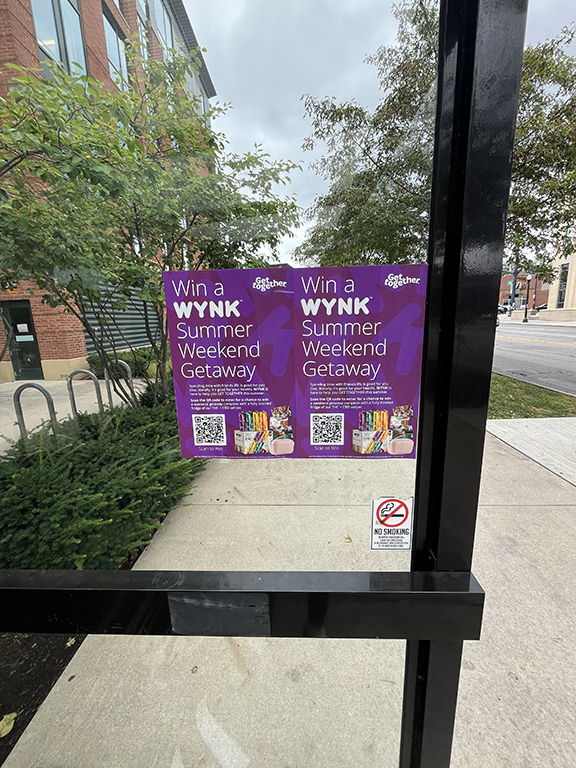
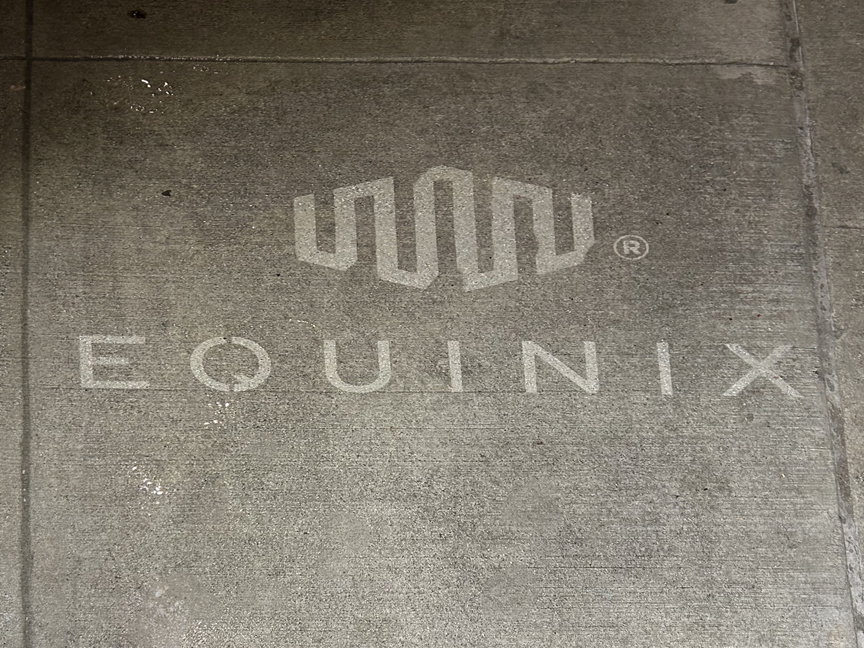
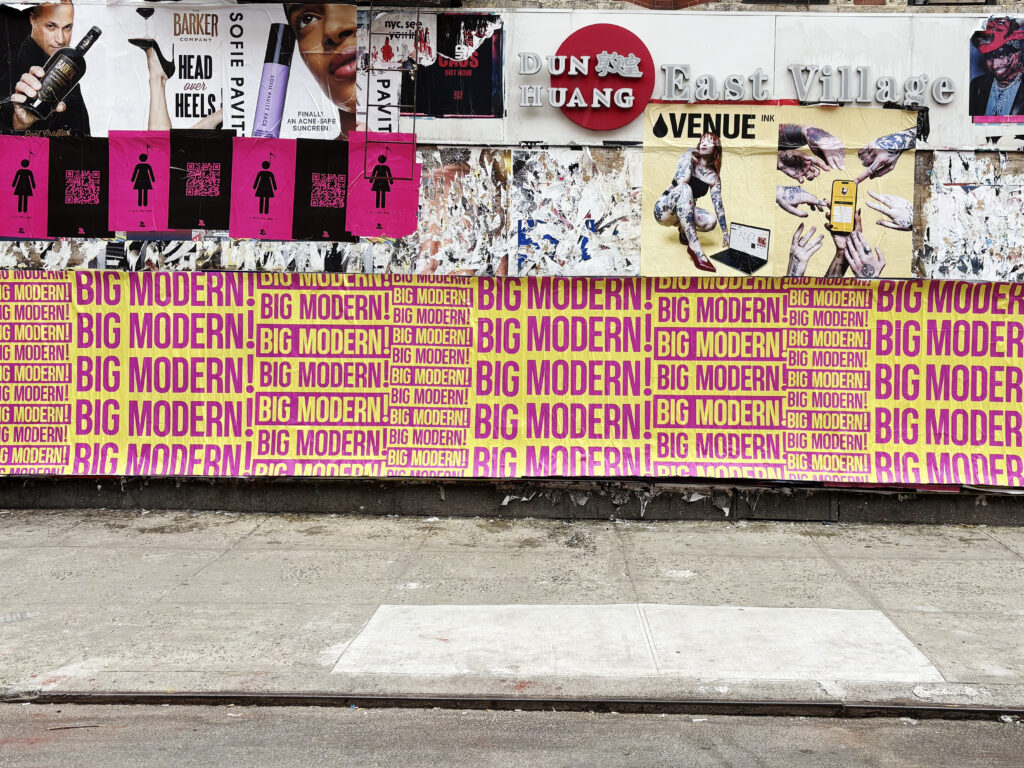
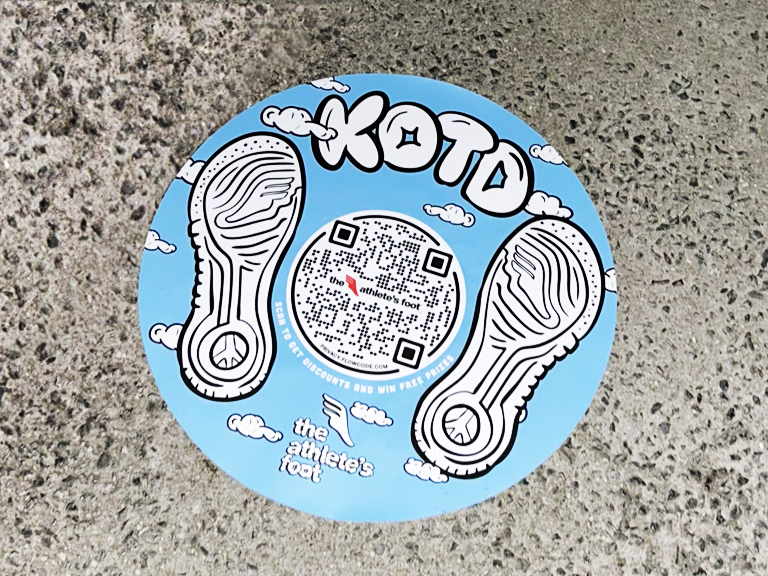
Houston’s grid-based street layout and above-ground light rail infrastructure make it one of the most accessible markets for AGM’s guerrilla surround model. Most METRORail stations sit at street grade — riders approach on foot from surrounding blocks, spending 45–90 seconds on the approach path before reaching the platform. That approach period is prime real estate for snipe posters and sidewalk decals.
| Format | Quantity | Price | Includes |
|---|---|---|---|
| 9×12 Snipes (Standard) | 400 snipes | $4,500 | Installation, placement maps, geo-tagged reporting |
| 9×12 Snipes (Standard) | 800 snipes | $5,500 | Installation, placement maps, geo-tagged reporting |
| 11×14 Jumbo Snipes | 400 snipes | $6,500 | Installation, placement maps, geo-tagged reporting |
| 11×14 Jumbo Snipes | 800 snipes | $7,500 | Installation, placement maps, geo-tagged reporting |
| Sidewalk Vinyl Decals | 10 decals | $3,404 | Installation, geo-tagged reporting |
| Sidewalk Vinyl Decals | 80 decals | $4,998 | Installation, geo-tagged reporting |
| Sidewalk Vinyl Decals | 30 decals | $6,373 | Installation, geo-tagged reporting |
| Sidewalk Vinyl Decals | 50 decals | $8,709 | Installation, geo-tagged reporting |
| Sidewalk Stencils (paint, chalk, or pressure) | 10 stencils | $3,231 | Design, application, documentation |
| Sidewalk Stencils (paint, chalk, or pressure) | 50 stencils | $6,982 | Design, application, documentation |
| Transit Station Surround Package | 400 snipes + 80 decals | $10,000 | Full deployment at station entrances, QR tracking on all units, geo-tagged documentation report |
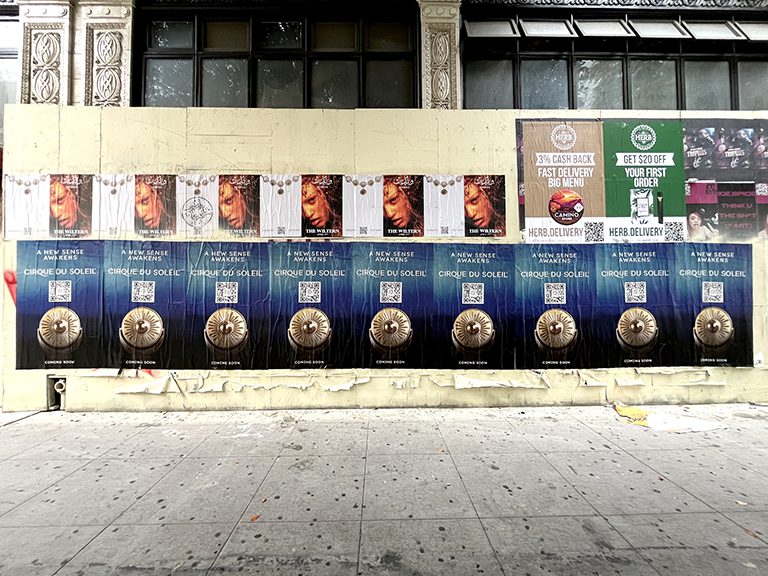
Wheatpaste poster campaigns are Contact AGM for pricing. For wheatpaste campaigns, large format 48×72 posters start at $10,500 (100 large format 48×72 posters, 2 weeks). 72-hour rush fee: +50%. Multi-market and custom volume pricing available. Contact AGM for a custom quote.
METRORail advertising is managed through METRO’s advertising program in partnership with their outdoor advertising concessionaires. AGM works directly with METRO’s advertising partners to execute buys across all formats and lines — no broker commission layers.
The Red Line (Main Street) delivers the highest ridership and broadest demographic. The Green Line (East End / UH/TSU corridor) delivers a younger, more diverse demographic ideal for student-facing and multicultural campaigns. The Purple Line (Southeast) delivers a South Houston working-class demographic strong for value retail and healthcare campaigns. AGM will recommend the optimal line mix for your target audience.
Entry-level car card buys start at official AGM rates — see pricing table above for a 4-week flight. Station dominations at premium stations (Main Street Square, TMC) range available at official AGM rates. Train wraps run Contact AGM for pricing. g based on your specific placement and flight requirements.
The most valuable stations on Houston METRORail for advertising are Main Street Square, TMC Transit Center at Dryden, Museum District, Wheeler, and the UH/TSU/Third Ward Station. Main Street Square delivers the highest aggregate ridership in the system and reaches the broadest downtown Houston professional audience. TMC Transit Center is the most efficient single station for reaching healthcare professionals and medical staff. AGM evaluates each station by ridership volume, audience income index, and proximity to key Houston employment and entertainment corridors to build the optimal METRORail advertising plan.
Houston METRORail advertising reaches the Texas Medical Center audience most efficiently through the Red Line’s TMC Transit Center and Dryden station stops, which serve direct access to the world’s largest medical complex. The Texas Medical Center employs more than 100,000 physicians, nurses, researchers, and administrative professionals who commute via METRORail daily. Interior car cards on southbound Red Line trains and station domination at TMC Transit Center deliver captive exposure to this high-income healthcare audience during the 18 to 30 minute commute window. AGM designs TMC-specific campaigns for healthcare, pharmaceutical, and financial services brands targeting medical professionals.
Yes. AGM executes Houston METRORail advertising campaigns timed to the Houston Livestock Show and Rodeo, one of the largest annual events in the United States drawing over 2.5 million attendees. NRG Stadium is the primary rodeo venue, and Wheeler Station serves as the key METRORail access point for event-day ridership surges. AGM recommends a campaign combining interior car cards across the full Red Line fleet, station domination at Wheeler, and guerrilla snipe placements around NRG Stadium and the Wheeler station approach path during the three-week rodeo run to maximize reach among the high-volume event audience.
Interior car cards on the Red Line combined with station domination at Main Street Square and Museum District stations work best for reaching Houston’s energy industry professionals on METRORail. Energy sector executives, engineers, and field professionals concentrated in the downtown Houston office corridor commute heavily on the Red Line and represent one of the highest-income professional segments in the system. AGM pairs transit placements with snipe posters and sidewalk decals at Main Street Square and adjacent Downtown Houston station approaches to create a full guerrilla surround targeting the energy professional audience during the morning and evening commute windows.
Sidewalk decals and snipe posters near Houston METRORail stations extend a transit advertising campaign to street level, intercepting riders on the approach path before they reach the platform. AGM places vinyl sidewalk decals on the last 20 feet of sidewalk leading to station entrances and posts snipe posters on poles, utility boxes, and walls within 100 feet of all targeted station entrances. Because most METRORail stations sit at street grade, the approach path is fully exposed and accessible for guerrilla placements. QR codes on all snipes link to campaign landing pages with location-specific UTM parameters so advertisers can measure which station entrance is driving the most direct response.
Yes. AGM is actively planning Houston METRORail advertising campaigns coordinated with World Cup 2026 at NRG Stadium. Houston is a FIFA World Cup 2026 host city, with matches drawing hundreds of thousands of international visitors who will rely heavily on public transit. AGM recommends a coordinated campaign combining METRORail interior car cards and station domination with outdoor media, guerrilla snipes, and sidewalk decals at NRG-adjacent stations and downtown Houston approach corridors. A bilingual English and Spanish creative strategy is recommended to reach the international audience traveling to World Cup matches in Houston.
AGM handles full-service Houston METRORail campaign execution from strategy through documentation. The process includes a strategy call to define audience, objective, and budget; a placement plan recommending specific stations, formats, and lines; creative consultation with exact METRO production specifications; direct buy execution through METRO’s advertising program; field crew deployment for simultaneous guerrilla snipe and sidewalk decal installation at all target stations; and geo-tagged, timestamped proof-of-install photography delivered for every transit and guerrilla placement before final billing. Clients receive a single point of contact for the entire campaign with no broker commission layers.