
June 22, 2026
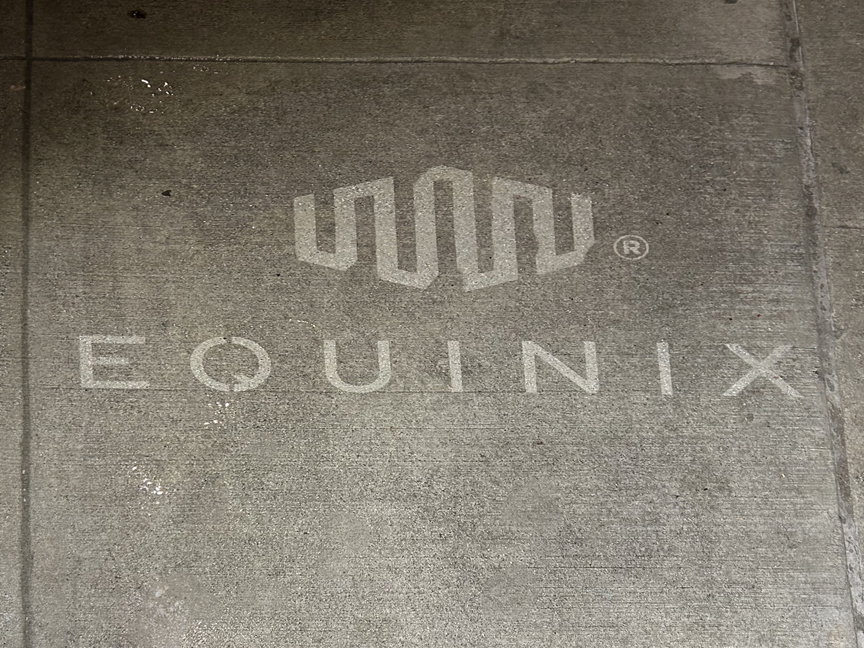
Sidewalk stencil advertising gets lumped in with graffiti in the public imagination, but the two have almost nothing in common. Graffiti is permanent. Sidewalk stencils, chalk, paint, or reverse graffiti, are temporary by design. They fade, wash away, or get removed as a standard part of a campaign. The result is a format that cities have absorbed into their visual culture because it doesn’t create the kind of lasting damage that drives regulatory attention.
The brands running stencil campaigns in 2026 aren’t doing something adventurous or legally precarious. They’re using a format that’s been a standard line item in event marketing, product launches, and brand activations for decades. Red Bull, Converse, HBO, Spotify, and hundreds of brands at every scale have run stencil campaigns across major US cities. The format works, the exposure is real, and the legal profile is, when executed professionally, about as clean as outdoor advertising gets.
Here’s what you actually need to know about format differences, what cities actually enforce, and why most brands are pleasantly surprised by how routine this is in practice.
—
Not all stencil advertising is the same. The material matters. The durability matters. And those variables determine where each format sits on the legal and practical risk spectrum.
Water-soluble chalk spray applied through a stencil. Gone with the next rain, or within a week of foot traffic on a dry surface. Cities almost universally treat chalk as non-permanent and non-damaging, because it is. There’s nothing to cite, nothing to remediate, nothing to fine.
Chalk stencil advertising is used by street teams at events, trade shows, product launches, and anywhere you need same-day visible impact. It’s fast, affordable, and leaves zero trace. From a legal standpoint, chalk sits in essentially the same category as a temporary sidewalk drawing, which is why cities have never developed any meaningful enforcement mechanism around it. You can’t damage concrete with chalk. You can’t leave residue. You can’t be cited for property damage when there’s no damage to speak of.
This is also why chalk stencils are the go-to format for time-sensitive campaigns. A product launch that needs 50 placements across a city on a Tuesday for a Thursday event? Chalk is how that happens.
Oil-based or latex spray paint through a stencil. Lasts 2–8 weeks depending on surface, weather, and foot traffic. More durable, more visible, more of a commitment. Some cities technically classify paint stencils as temporary signage and require permits; most don’t actively enforce on commercial paint stencil campaigns in the right corridors.
The gray area isn’t a problem when you’re working with an operator who knows which surfaces and which neighborhoods have enforcement history. AGM has run paint stencil campaigns across NYC, LA, Chicago, Miami, Boston, Austin, Nashville, Denver, Seattle, and more, the format works, and the realistic risk is a request to remove, not a fine.
Paint stencils make sense when you need the campaign to hold for multiple weeks, when the creative is intricate enough that chalk won’t render cleanly, or when the objective requires a bolder visual presence. The tradeoff versus chalk is durability for slightly more logistical complexity around placement. A good operator manages that complexity as part of the service.
High-pressure water or cleaning agents, used with a masking stencil, to remove grime from a surface in the shape of a logo or message. No paint. No adhesive. No alteration of any surface. You are cleaning a public surface.
The legal argument against reverse graffiti is nearly impossible to make, most cities have no mechanism to cite someone for cleaning. Some jurisdictions have attempted to regulate it under “unauthorized advertising” or illuminated signage codes, but enforcement is rare and the moral and legal position of “we cleaned your sidewalk” is a strong one. This is why tech brands, sustainability-forward companies, and experiential marketers love the format.
Reverse graffiti also has a media angle built in. It’s visually compelling, it’s conceptually interesting, and it generates press in a way that a standard paint stencil doesn’t. For brand activations where earned media is part of the equation, reverse graffiti is worth serious consideration.
—
This is boots-on-the-ground reality, not legal research. The city-by-city picture is shaped by enforcement culture, neighborhood context, and decades of commercial stencil campaign history, not just what the municipal code says.
Chalk is universally tolerated. Paint stencils operate in a gray zone, enforcement is inconsistent, and commercial campaigns in the right neighborhoods run without issue. Reverse graffiti is rarely touched by the city.
NYC has seen stencil campaigns for as long as anyone can remember. The Meatpacking District, SoHo, Williamsburg, Bushwick, Astoria, the Bowery, these corridors have hosted stencil activations from major brands, emerging artists, and political campaigns alike. The city’s enforcement energy is directed at genuinely damaging or illegal activity, not commercial chalk campaigns or even paint stencils in appropriate commercial neighborhoods. AGM runs stencil campaigns in NYC regularly.
One of the most permissive cities in the country. LA’s enforcement culture is light on commercial stencil campaigns in most neighborhoods. Melrose, Fairfax, the Arts District, Silver Lake, Echo Park, these are established stencil and street art cultures where the format is part of the visual environment. Brands running stencil activations in these corridors aren’t bucking the local aesthetic; they’re operating within it.
The sheer scale of LA also helps. A stencil campaign across ten neighborhoods in a city this size is invisible from an enforcement standpoint unless it’s doing something aggressive or in a politically sensitive location.
Strong commercial stencil campaign culture in River North, Wicker Park, Logan Square, Pilsen, and the South Loop. Paint stencils run regularly. Chalk is never an issue. Reverse graffiti is particularly effective on Chicago’s older, grime-covered infrastructure, the contrast between cleaned and uncleaned surfaces is visually dramatic in a way it isn’t in newer cities.
Chicago has a strong street art and guerrilla marketing culture, and the commercial stencil format fits comfortably within it. The city’s enforcement focus is on genuine vandalism and gang-related tagging, not branded marketing campaigns.
Wynwood has established the national template for commercial street advertising tolerance. The neighborhood exists as a kind of open-air gallery, and branded activations, stencils, murals, wheatpaste, and more, are part of what makes it work as a destination. Outside Wynwood, Miami is permissive on most formats. Sidewalk stencils are common in Brickell, Midtown, and Little Havana, and the city’s warm weather means chalk stencils last longer than in northern markets.
One of the best stencil markets in the country. Strong event and music festival culture means sidewalk stencils are everywhere during SXSW, ACL, and other major events. City enforcement is minimal on commercial chalk and paint campaigns, and the demographic profile of Austin’s core neighborhoods is almost perfectly aligned with brands that use experiential and guerrilla formats.
East Sixth, South Congress, the Rainey Street corridor, these are natural stencil territories, and the format has decades of visibility in each.
A growing market with strong event culture. Broadway and the Gulch corridors are excellent stencil markets. Low enforcement history on commercial campaigns, and the rapid influx of national brands activating in Nashville has normalized the format. Broadway in particular sees significant foot traffic from out-of-market visitors, making it high-value for brand awareness plays.
Legal cannabis and a strong counterculture demographic make Denver ideal for stencil campaigns across multiple creative categories. RiNo, Capitol Hill, and LoDo are established posting and stencil territories. The city has a long history of street-level brand activations, and commercial stencil campaigns operate with minimal friction.
This is where context matters more. A stencil campaign with aggressive or politically charged messaging in a city of 150,000 may draw a faster response from a property manager or local official than the same campaign in Chicago. Know your creative and know your market before going to paint in smaller cities. Chalk is always the safe starting point in any new market, it’s the format that carries essentially zero downside regardless of city size.
—
The gray area for sidewalk stencil advertising is a spectrum, not a binary. Most cities have outdoor advertising codes that technically cover stencils, but enforcement is selective and rarely triggered by professional commercial campaigns.
The key variables are surface (public sidewalk vs. private property), format (chalk vs. paint vs. reverse graffiti), content (commercial brand vs. political or ideological), and execution (clean and professional vs. rogue and messy).
For brands running professional commercial stencil campaigns through an experienced operator, the realistic range of outcomes is: (a) the campaign runs its full planned duration without any interaction, or (b) a property owner or city maintenance contact asks for early removal, typically with 7–30 days of notice to comply.
That’s it. That’s the realistic risk profile for a well-executed stencil campaign.
Consider the material reality: wheatpaste is a water-activated gel bond that releases without residue. Chalk disappears with rain. Paint fades naturally over weeks. None of these create lasting property damage, which is the core reason legal exposure is so limited, no damage means no real damages claim. You can’t successfully prosecute a damages case when there’s nothing left to point to.
Contrast this with what bad operators do: spraying stencils on protected government infrastructure (murals, historic buildings, federal property), using permanent industrial paint formulated to resist weathering, or ignoring direct removal requests from property owners. Those are the scenarios that generate actual enforcement attention. Professional operators don’t do any of those things, and when you’re working with AGM, you’re not in that category.
The gray area, practically speaking, is only gray for people who are operating without experience or accountability. For operators with history in a market, relationships with landowners, and a removal protocol in place, the gray is pretty light gray.
—
Chalk stencils: No permit needed anywhere. Water-soluble, non-permanent, and cities have no mechanism to require permits for something that disappears in the rain. This isn’t a loophole, chalk literally doesn’t fit the definition of signage under any municipal code we’ve encountered.
Paint stencils: Some cities have temporary signage frameworks that technically cover paint stencils. NYC and LA both have permit processes that can apply to certain kinds of temporary street-level advertising. In practice, AGM navigates this as part of campaign planning, the operator handles whatever paperwork exists for the market in question and builds location vetting around known enforcement corridors.
Reverse graffiti: No permit process exists for most cities because the format doesn’t fit any existing code category. You’re cleaning, not advertising, from a regulatory standpoint, there’s nothing to process. The few cities that have attempted to regulate reverse graffiti have done so under catch-all “unauthorized advertising” provisions, and enforcement under those provisions is essentially nonexistent.
Private vs. public surfaces: Stencils on private property with owner permission have essentially zero legal exposure. This is a clean contractual arrangement, you have the surface owner’s consent, the material is temporary, and there’s nothing for any regulatory body to act on. Stencils on public sidewalks are where the gray zone lives, and that’s where operator experience becomes the differentiator.
—
AGM’s sidewalk stencil advertising pricing is structured by number of locations. All pricing includes professional installation, location scouting, geo-tagged documentation of each placement, and removal coordination.
| Locations | Price |
|———–|——-|
| 5 | $2,855 |
| 10 | $3,231 |
| 15 | $3,608 |
| 20 | $3,989 |
| 30 | $4,976 |
| 40 | $5,795 |
| 50 | $6,982 |
| 60 | $7,957 |
| 70 | $8,946 |
| 80 | $9,935 |
| 90 | $10,924 |
| 100 | $11,999 |
| 150 | $16,944 |
| 200 | $22,112 |
Rush campaigns (72-hour turnaround): +50% on all tiers.
Reverse graffiti campaigns are priced separately based on surface area, equipment requirements, and market, contact AGM for a reverse graffiti quote.
Location scouting means we identify placements with the right foot traffic, surface conditions, and neighborhood context for your campaign objectives. Geo-tagged documentation means you get a full run report with photos of every placement, coordinates, and impression estimates, the kind of documentation that makes this format trackable and reportable to stakeholders.
—
Running a stencil campaign isn’t complicated. Running a stencil campaign well, with the right locations, the right format for the objective, and zero operational headaches, is where experience matters.
Location vetting. AGM knows which surfaces hold stencils well (textured concrete outperforms polished granite; shaded areas hold chalk longer), which corridors have enforcement history, and which neighborhoods have the foot traffic density to justify placement costs. We’re not placing stencils in dead zones.
Format recommendation. Many brands come in asking for paint and leave with chalk, faster, cheaper, no removal concern, and often equally visible for a campaign with a short window. Some come in asking for chalk and leave with reverse graffiti because there’s a sustainability or media angle worth building around. We give you the honest recommendation based on your objectives, not the upsell.
Full documentation. Every AGM stencil campaign includes geo-tagged installation photos, a run report with placement details, and impression estimates by location. This is the documentation that lets you demonstrate ROI internally and to clients.
Removal coordination. If a location calls, we handle it. Standard turnaround for removal is 24–48 hours. You’re not fielding calls from property managers, that’s our job.
Market coverage. AGM operates stencil campaigns in New York City, Los Angeles, Chicago, Miami, Boston, Nashville, Austin, Seattle, Denver, Philadelphia, Atlanta, Dallas, Houston, San Francisco, and additional markets. If your campaign is multi-city, we coordinate across markets as a single operation.
—
Is sidewalk stencil advertising legal?
Yes, with the nuance that format matters. Chalk stencil advertising is universally legal, water-soluble, non-permanent, and exempt from any reasonable interpretation of property damage or unauthorized signage codes. Paint stencils operate in a gray zone that professional operators navigate through location vetting and removal protocols, the realistic risk is a request to remove, not enforcement action or fines. Reverse graffiti (cleaning a surface in the shape of a message) is legally the cleanest format available: you’re cleaning public infrastructure, which cities have no mechanism to prohibit.
Do you need a permit for chalk stencil advertising?
No. Chalk is water-soluble and non-permanent, which places it outside the scope of any signage permit framework we’re aware of. There is no city in the United States that requires a permit for chalk sidewalk advertising. It’s the format equivalent of a temporary sign that removes itself.
Is reverse graffiti legal in the US?
Broadly, yes. Reverse graffiti, using high-pressure water or cleaning agents to remove grime in a stenciled pattern, has no clear legal prohibition in most US cities. You’re cleaning a surface, not altering it. Some cities have attempted to regulate it under broad “unauthorized advertising” frameworks, but enforcement is rare and the legal position (we cleaned your sidewalk) is a strong one. Major brands including Google and Absolut have run reverse graffiti campaigns in US cities without legal incident.
What’s the difference between chalk and paint sidewalk stencils?
Chalk stencils use water-soluble chalk spray that fades or washes away within days to a week. Paint stencils use latex or oil-based spray paint and last 2–8 weeks depending on surface and weather. Chalk is faster, cheaper, leaves no trace, and carries zero legal exposure. Paint stencils are more durable and more visually prominent, particularly useful for longer campaigns or in high-UV markets where chalk fades faster. The format choice should be driven by campaign duration, creative complexity, and budget.
Can brands advertise on public sidewalks?
Yes, with the understanding that public sidewalks are regulated public space. Chalk is effectively unrestricted. Paint stencils operate under the same informal tolerance framework that governs most temporary street-level commercial advertising in major cities, the format has been in use commercially for decades and cities with active commercial stencil markets have established de facto tolerance for professional campaigns. Private property with owner consent is entirely unambiguous, you have permission, the surface is temporary, there’s nothing to regulate.
What happens if a sidewalk stencil gets cited?
In practice, “citation” for a stencil campaign almost always means a request to remove, not a formal notice of violation or a fine. Property owners or city maintenance contacts reach out asking for removal within a specified window, typically 7–30 days. A professional operator with a removal protocol handles this without it becoming a client issue. AGM’s standard removal turnaround is 24–48 hours from notification. Actual fines for commercial stencil campaigns run by professional operators are rare to nonexistent in our operating history.
How long do sidewalk paint stencils last?
Typically 2–8 weeks, depending on several variables: surface texture (rough surfaces hold paint longer), weather (rain and UV accelerate fading), foot traffic volume (high-traffic areas wear faster), and paint type. In a dry, shaded location with moderate foot traffic, a well-executed paint stencil can hold for 6–8 weeks. In a high-traffic, sun-exposed, rainy market, 2–3 weeks is more realistic. Campaign planning should account for the expected duration based on market conditions, AGM factors this into location recommendations.
How much does sidewalk stencil advertising cost?
AGM’s sidewalk stencil campaigns start at $2,855 for 5 locations, scaling to $11,999 for 100 locations and $22,112 for 200 locations. All pricing includes professional installation, location scouting, geo-tagged documentation, and removal coordination. Rush campaigns (72-hour turnaround) are available at a 50% premium on any tier. Reverse graffiti is priced separately based on surface area and market requirements.
—
If you’re looking to run a sidewalk stencil campaign, chalk, paint, or reverse graffiti, in any major US market, AGM handles the full operation: location scouting, installation, documentation, and removal. We’ve run stencil campaigns across 50+ cities for brands across every category. Contact AGM for a campaign quote, market availability, and format recommendation based on your objectives and timeline.
Ready to Run Your Campaign?
Call us or email us. We’ll tell you exactly what we can do in your market and what it costs.
American Guerrilla Marketing — Los Angeles
Street-level campaigns in Los Angeles and nationwide. Wheatpasting, LED trucks, street teams, and more.
(646) 776-2770
June 22, 2026
June 22, 2026
June 22, 2026
June 22, 2026
June 22, 2026
