American Guerrilla Marketing
Nationwide serivce
Media planning, media buying, billboard advertising, & guerrilla marketing

The Inland Empire is not the same place it was ten years ago. Riverside County has absorbed hundreds of thousands of new residents, a logistics economy that now rivals any distribution corridor in the country, and a university system in UC Riverside that keeps growing year over year. The people moving through this region every day are not a captive audience in the abstract sense. They are physically on a train for 45 to 90 minutes each way, five days a week, with nowhere to go and nothing to do but look at their phones and whatever surrounds them. That includes your advertising. Riverside Metrolink advertising puts your brand directly in front of that audience at close range, with repeat exposure built into the daily commute cycle.
Metrolink is operated by the Southern California Regional Rail Authority (SCRRA), a joint powers authority governed by five county transportation agencies: Los Angeles Metro, the Orange County Transportation Authority, the Riverside County Transportation Commission, the San Bernardino County Transportation Authority, and the Ventura County Transportation Commission. The system runs seven lines across a 538-route-mile network, connecting the suburban sprawl of Southern California to downtown Los Angeles and key intercounty transfer points. Three lines directly serve Riverside County: the Riverside Line running between Downtown Riverside and LA Union Station, the 91/Perris Valley Line connecting Perris South through Riverside to LAUS or Fullerton, and the Inland Empire-Orange County (IE-OC) Line linking Riverside to Oceanside via Orange County with no transfer required into LA. Together, these lines give advertisers a contiguous corridor through one of the fastest-growing population zones in the American West.
American Guerrilla Marketing has executed transit advertising campaigns across 30+ U.S. markets and over 500 campaigns to date. Our team places advertising on commuter rail, subway, and light rail systems nationwide, and we handle Riverside Metrolink campaigns with the same direct-execution model we bring to every market: no broker layers, geo-tagged documentation, and creative guidance from teams who have physically installed placements on these systems. If you are looking to reach Inland Empire commuters, UC Riverside students, Disneyland-adjacent tourists, or the logistics workforce anchored around Perris and Moreno Valley, Metrolink is the vehicle, and this page covers every format, station, and strategy available.
Direct buy. No broker layers. Transit media + street execution + proof-of-post documentation. One call starts the campaign.
Metrolink’s double-deck Bombardier BiLevel rail cars create a distinct advertising environment unlike urban subway systems. Two levels of seating mean more eyes per car, longer sight lines along the upper deck, and a captive environment where interior placements hold attention for an extended ride. The system also operates through stations at multiple transfer points in Riverside, Orange, and Los Angeles counties, creating opportunities for platform and station-level placements that reach riders before and after they board.
The core formats available for Riverside Metrolink advertising include:
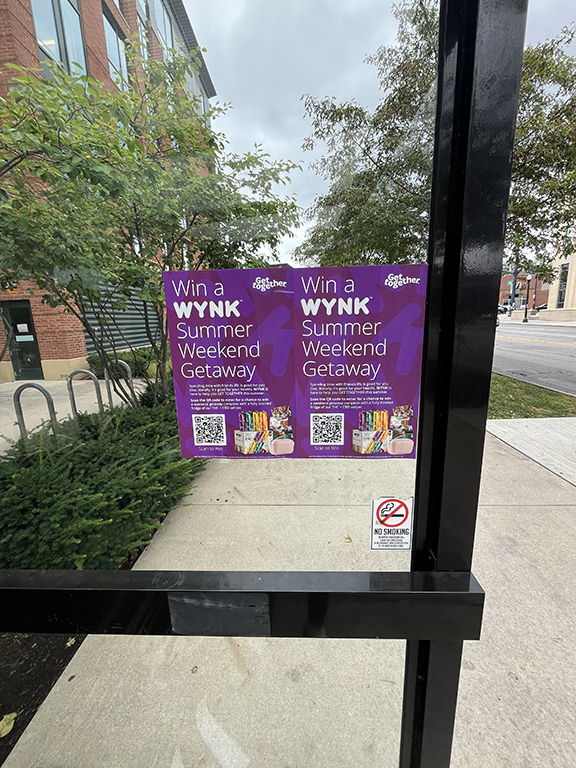
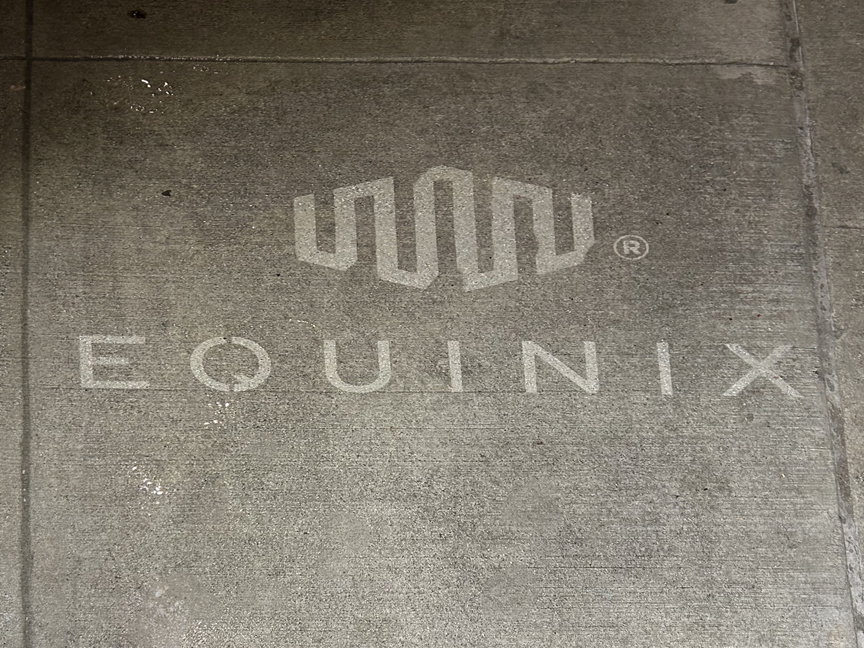
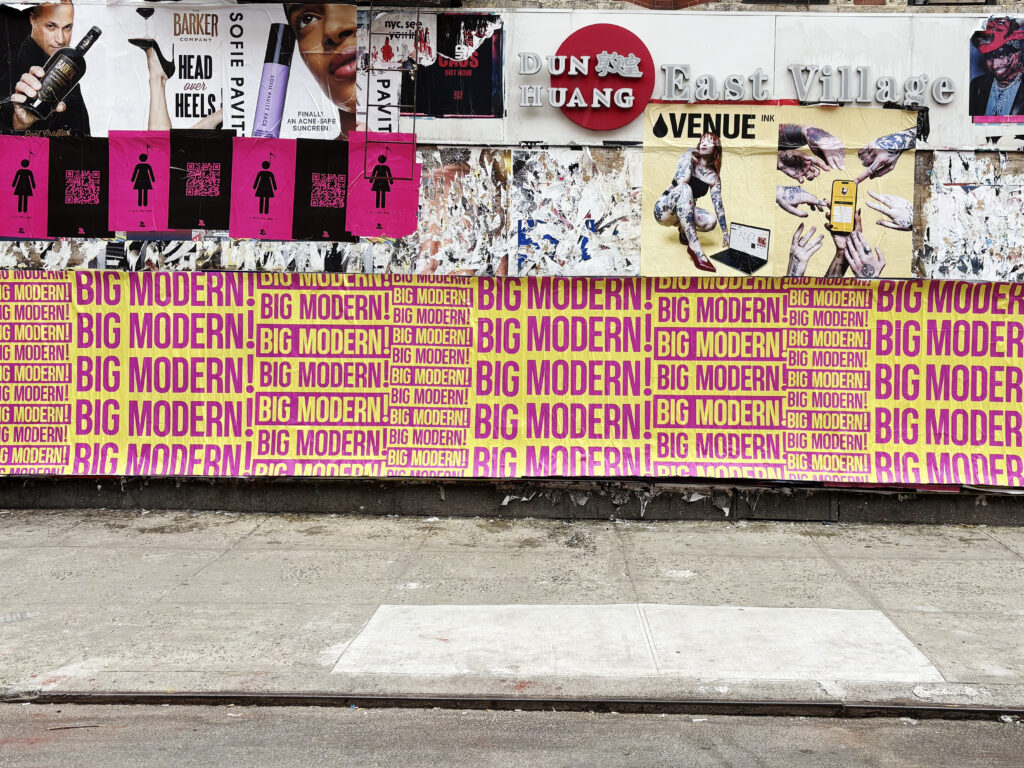
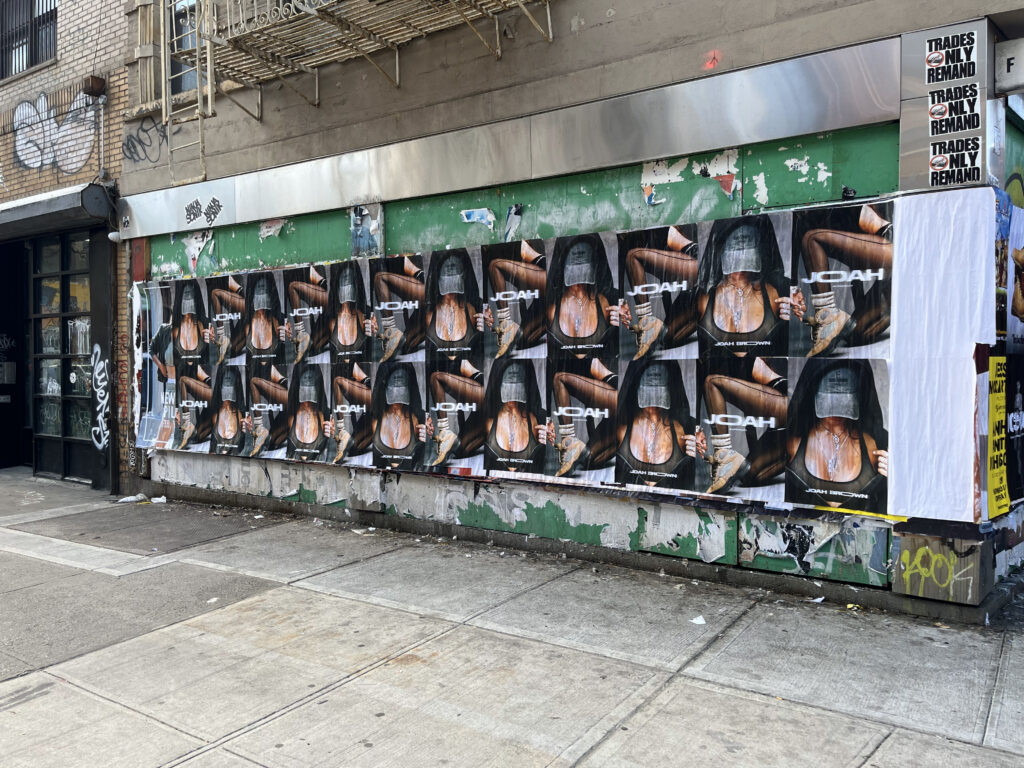
AGM also deploys supplemental street-level formats near Metrolink stations, including 9×12 snipe posters and sidewalk vinyl decals that create brand continuity from the parking lot and pedestrian approach all the way through the platform and into the train.
Interior car cards are the backbone of commuter rail advertising, and on Metrolink they are particularly effective because the rides are long. A commuter boarding the Riverside Line at Downtown Riverside heading to LA Union Station sits on that train for roughly 75 minutes. Someone on the 91/Perris Valley Line from Perris South is looking at close to 90 minutes each way. That is two and a half to three hours of daily exposure to whatever is in their immediate sightline. Interior car cards placed above windows and on seatback panels are inescapable in this environment. There is no scrolling past them, no ad blocker, no skip button.
Metrolink’s BiLevel cars have two decks, and interior placements on both levels give advertisers access to the full ridership on any given car. Upper deck riders, who tend to be longer-distance commuters who board first and settle in for the full ride, see the placements across a car that is quieter and more attentive than the lower level. Lower deck riders near the doors see placements at eye level during boarding and deboarding, which means your card gets noticed by people who might have been looking at their phones. The combination of format and ride duration creates a frequency of exposure that outdoor advertising cannot replicate.
At Contact AGM for pricing. it advertising. A modest campaign of 20 to 40 car cards spread across the Riverside Line can create consistent presence for an entire month. A full interior car package — Contact AGM for pricing. ers, QR codes on car cards have proven highly effective given the extended dwell time, riders have both the time and the motivation to scan during a long commute.
Platform advertising captures riders at the moment of waiting, a state of attention that is different from being seated on a train. Riders on a Metrolink platform have usually just parked their car or walked from a connecting bus stop. They are looking up, checking the arrival board, and scanning their environment. A well-placed 2-sheet station poster at Riverside-Downtown or Fullerton is seen every single day by the same cohort of commuters, building frequency without requiring the rider to change their behavior at all.
The 2-sheet station poster format at Contact AGM for pricing. is one of the most cost-efficient formats in transit media. A cluster of three or four posters across a single busy station like LA Union Station or Riverside-Downtown covers both directions of platform traffic and delivers strong local frequency. Medium walkway panels, priced at $1,750, extend the brand experience along the pedestrian paths riders take between platforms and station exits, which at larger multi-modal stations like LAUS can involve a significant walk through covered concourses and open-air plazas.
Large platform panels at Contact AGM for pricing. nvironment. These oversized formats are particularly effective at stations with high-dwell areas where riders wait 10 to 20 minutes between trains, or at transfer points where riders switch between Metrolink lines or connect to Metro Rail. At stations near major destinations like the Anaheim station adjacent to Disneyland or the Hunter Park/UCR station serving the UC Riverside campus, platform advertising targets a specific and predictable audience profile that makes creative targeting straightforward.
LA Union Station is where every Metrolink line terminates or passes through. It is also the connecting point for Amtrak’s Pacific Surfliner and long-distance routes, Metro Rail’s A, B, D, and J Lines, the Silver Line BRT, dozens of LADOT Commuter Express and DASH routes, the LAX FlyAway Airport Bus, and Greyhound intercity service. On a typical weekday, foot traffic through LAUS exceeds 100,000 people. On major holidays and special event days, that number climbs significantly higher.
This volume and diversity make LA Union Station the single most valuable advertising location in the Metrolink system. Riverside Line and 91/Perris Valley Line riders arrive here every weekday morning and depart every evening. But the advertising audience at LAUS is far broader than just Metrolink commuters. Amtrak travelers from San Diego, Santa Barbara, and the Central Valley pass through. Metro Rail riders from Pasadena, Long Beach, and the Westside transfer here. International tourists en route to downtown hotels and Disneyland are buying tickets and reading departure boards just steps from your ad placement.
Digital station screens at LAUS are Contact AGM for pricing. cle through rotating creative in the highest-traffic areas of the station, including the historic main hall, the ticketing concourse, and the underground Metro connector. The digital network package covering the full Metrolink screen network starts at Contact AGM for pricing. oss all major stations on the system simultaneously. For brands doing a regional Southern California launch or a sustained awareness campaign targeting the 405-to-215 corridor population, a LAUS-anchored digital buy with supplemental platform placements on the Riverside and 91 lines is a proven strategy for building reach quickly.
Station domination at LAUS, which covers every available placement surface within the station, is priced on request — Contact AGM for pricing. s anywhere in Southern California put a brand in front of that many eyeballs in a single location.
Digital formats on Metrolink are concentrated at LA Union Station and select major transfer stations, but they represent a growing share of available inventory as the system continues to modernize its advertising infrastructure. Digital station screens display creative in portrait and landscape orientations depending on the specific unit, and most rotate through a loop of 6 to 8 advertisers, giving each brand a share-of-voice window roughly every 90 seconds during high-traffic periods.
The flexibility of digital placements is a genuine advantage for time-sensitive campaigns. A product launch that needs to go live on a specific date, a concert or event buy that runs for a single weekend, or a retail promotion tied to a sale period all benefit from digital’s ability to be updated quickly without physical installation logistics. For Metrolink campaigns where the strategy involves a downtown LA conversion play, placing digital screens at LAUS means your creative is the last thing a Riverside or Perris commuter sees before walking out of the station into the surrounding LA neighborhood where your business is located.
The full digital network package at $21,000 covers screens across the Metrolink system simultaneously, making it a strong option for regional brands that want system-wide visibility without negotiating individual station placements. For brands already running a static platform campaign, adding a digital network buy creates frequency reinforcement. Riders see the static poster waiting on the platform at Riverside, then encounter the digital screen at LAUS on arrival.
A wrapped Metrolink train is a moving billboard that travels across three counties every single day. The Riverside Line passes through elevated sections over the LA River, runs along grade crossings visible from major Inland Empire surface streets, and pulls into stations where platform crowds see the exterior before the doors open. The 91/Perris Valley Line runs through Riverside County with sections visible from the 91 freeway, one of the most heavily trafficked corridors in Southern California. An exterior train side wrap at $25,000 for four weeks puts your brand on the side of a vehicle that is seen by both riders and the general public along the entire route.
A full train wrap — contact AGM for current Metrolink train wrap pricing. Every exterior surface of a Metrolink train set becomes your creative. At station stops, riders waiting on platforms see a fully branded train arrive. At grade crossings, drivers stopped at signals see the wrap on both sides. In aerial photography and social media posts taken by rail enthusiasts and commuters, a wrapped Metrolink train becomes content. Brands that have invested in full train wraps on commuter rail systems consistently report earned media value from social sharing that extends the campaign’s reach beyond the paid impressions.
Exterior wraps require longer production lead times than interior formats, typically three to four weeks from artwork approval to installation. AGM coordinates the full production and installation process and provides geo-tagged documentation confirming the wrap is on the correct train set and running on the correct line.
Station domination means covering every available advertising surface within a single Metrolink station for a defined period. Every poster, every panel, every walkway placement, every digital screen, and every supplemental surface carries your brand. For riders arriving at that station, the experience is total brand immersion, your creative at the entry gate, on the platform, in the concourse, and as they exit. Done well, a station domination is not just advertising. It is an environmental brand statement.
The most valuable stations for domination on the Riverside Metrolink system are LA Union Station for sheer volume and diversity of audience, Riverside-Downtown for concentrated Inland Empire commuter reach, and Fullerton for Orange County transfer traffic. A standard station takeover starts at Contact AGM for pricing inventory within a station. A premium station takeover at $125,000 includes digital, high-impact static formats, and any available environmental placements like floor graphics and column wraps at the largest stations.
Station domination works best for major brand launches, regional campaign flighting, entertainment releases, and any advertiser whose audience is geographically concentrated along a specific Metrolink corridor. A financial services brand targeting Inland Empire homeowners, for example, can dominate Riverside-Downtown station for four weeks and reach the same pool of commuters 40-plus times in a single flight. The concentrated frequency drives awareness in a way that scattered placements across a broader media mix often cannot.
LA Union Station is the terminus for all three lines serving Riverside County and the largest transit hub in the American West. Every Riverside and Perris Valley commuter passes through LAUS twice daily. The station also handles Amtrak intercity traffic, Metro Rail connections across four lines, and FlyAway bus service to LAX, meaning the audience is not just commuters but also tourists, business travelers, and regional day-trippers. Formats available at LAUS include digital screens, 2-sheet posters, medium walkway panels, large platform panels, and full station domination packages.
An advertiser strategy at LAUS: a regional hotel brand running a leisure travel campaign could place digital screens in the main hall targeting arriving Amtrak and Metrolink passengers with a weekend getaway message, paired with medium walkway panels along the Metro connection corridor. AGM would supplement with snipe posters on light poles along Alameda Street and El Pueblo de Los Angeles park, reinforcing the message for anyone walking to or from the station, and sidewalk vinyl decals on the pedestrian approach from the city side.
Downtown Riverside is the heart of the Inland Empire and the primary originating station for the Riverside Line. The Mission Inn, a National Historic Landmark and one of the most photographed hotels in California, is within walking distance of the station. Downtown Riverside has undergone sustained revitalization and now draws a mix of commuters, local professionals, students, and hospitality visitors. The station serves both the Riverside Line and the IE-OC Line, giving advertisers exposure to two distinct ridership streams.
An advertiser strategy here: a local Inland Empire bank or mortgage lender targeting first-time homebuyers could run a cluster of 2-sheet platform posters at Riverside-Downtown paired with interior car cards on the Riverside Line toward LAUS, catching the audience both waiting and riding. Snipes on Mission Inn Avenue and Lime Street approaching the station extend the footprint into the streetscape, and sidewalk decals at the station entrance staircase lock in brand recall as riders descend to the platform.
The Hunter Park station sits adjacent to the UC Riverside campus, one of the fastest-growing research universities in the UC system with over 26,000 students. The station serves both students commuting to campus and researchers and faculty connecting to the broader region. It also sits near the March Air Reserve Base corridor, giving it dual civilian and military audience exposure. For brands targeting younger demographics, tech-forward consumers, or the education sector, this station is the most targeted placement in the Riverside Metrolink system.
An advertiser strategy here: a fintech app or student loan refinancing brand could run a full interior car card buy on the 91/Perris Valley Line covering the Riverside-Hunter Park stop, with QR codes linking directly to an app download page. Platform posters at Hunter Park station reinforce during the wait. Snipes on University Avenue near the campus main entrance capture riders on their walk from the station to class, and sidewalk decals at the station staircase make the brand the first and last thing students see when they pass through.
The Anaheim station sits one mile from Disneyland and is a key transfer point on the 91/Perris Valley Line and the IE-OC Line. ART (Anaheim Resort Transit) buses connect the station directly to the Disneyland Resort, making it an arrival point for budget-conscious theme park visitors who ride Metrolink from Riverside or Los Angeles instead of driving. The station also serves the Anaheim Convention Center corridor, giving it strong event and trade show traffic on top of the tourism baseline. Platform advertising at Anaheim reaches a genuinely mixed audience: Inland Empire families heading to the park, commuters transferring between lines, and convention attendees navigating to the resort district.
An advertiser strategy here: an entertainment venue competing for the family leisure dollar, such as a water park, zoo, or regional theme park, could run large platform panels at Anaheim station targeting families with children traveling toward the Disneyland area. The platform panel creative could highlight a competing weekend option or a complementary experience. Snipes on the pedestrian path from the station to the ART bus stop capture families in motion, and sidewalk decals at station entry reinforce for regular commuters building familiarity over multiple weeks.
Fullerton station is where the 91/Perris Valley Line meets the Metrolink Orange County Line and connects to Amtrak Pacific Surfliner service. It is one of the busiest transfer stations on the Southern California rail network outside of LA Union Station. Riders switching between the Riverside corridor and Orange County destinations pass through Fullerton daily, and the station draws additional foot traffic from its proximity to Cal State Fullerton and downtown Fullerton’s established restaurant and entertainment district. Platform advertising at Fullerton reaches a cross-county audience covering the Riverside-to-OC mobility corridor.
An advertiser strategy here: an Orange County or Inland Empire auto dealer looking to reach buyers across both counties could run a full station poster campaign at Fullerton, intercepting riders from both directions. Interior car cards on the 91 Line approaching Fullerton from Perris and Riverside add frequency for the inbound morning commuters. Snipes on Harbor Boulevard near the station and on the pedestrian underpass approach to the platform create street-level presence, while sidewalk decals at the top of the stairs land the brand immediately before riders descend to wait for their train.
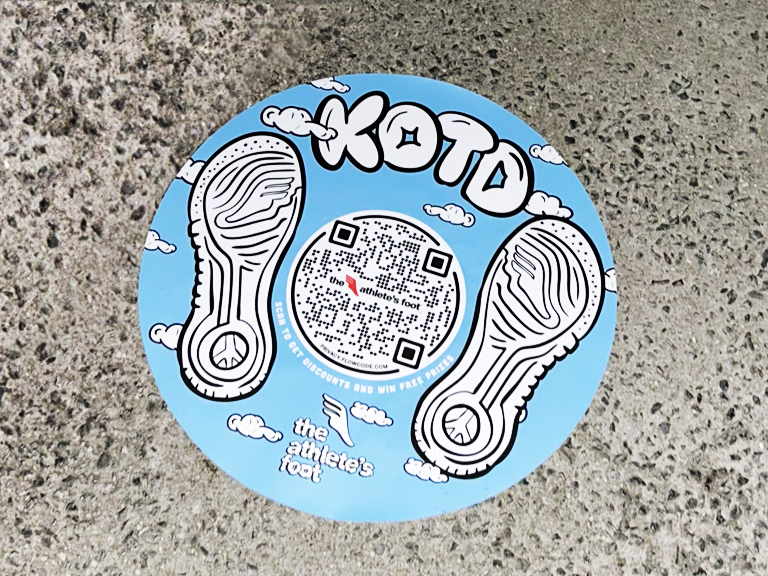
The advertising that happens inside a Metrolink station is controlled inventory, booked through official channels at set rates. But the streets surrounding a Metrolink station are a different environment entirely, and that is where guerrilla formats create real competitive advantage. Sidewalk vinyl decals installed at station entrance staircases, on pedestrian approach routes, and at fare gate landings are seen by every single rider who enters or exits the station on foot. They are literally underfoot, which makes them impossible to miss in the way that wall posters sometimes are. A well-designed decal with a clear call to action and a QR code at the bottom of a staircase converts foot traffic into digital engagement at a cost per impression that formal transit advertising cannot match. AGM deploys sidewalk decals as part of integrated Metrolink campaigns to create continuity between the street-level brand experience and the in-station advertising.
Snipe poster advertising operates on the same principle of environmental saturation. A 9×12 snipe printed on weatherproof stock and applied to utility poles, scaffolding, construction hoarding, and walls within 100 to 150 feet of a Metrolink station entrance is seen by the same cohort of riders every single day. Snipes cost a fraction of formal transit placements and can be deployed quickly without booking windows or production lead times. AGM’s snipe campaigns near Metrolink stations are targeted using foot traffic patterns: we identify the specific poles and walls on the approach routes that see the highest pedestrian volume based on station entry data and field observation. The result is a small number of precisely placed snipes that punch above their weight in daily impression frequency. For more on how AGM deploys snipe advertising, visit our snipe advertising page.
The combination of formal transit placements inside the system and guerrilla formats at street level creates what we call a surround-sound brand experience. A rider commuting from Riverside-Downtown to LA Union Station encounters your brand at the base of the parking lot staircase (sidewalk decal), on the utility pole near the fare gate (snipe), on the platform poster while waiting (2-sheet), on the interior car card during the 75-minute ride (car card), and on the digital screen at LAUS on arrival (digital screen). That is five distinct touchpoints across a single one-way commute, all within a single campaign budget. No fragmented media plan of radio spots, pre-roll ads, and social impressions can replicate the physical, localized, repeated exposure of a properly integrated Metrolink and street-level campaign. The guerrilla advertising formats AGM uses near transit stations are the same ones we have deployed in New York, Chicago, Los Angeles, and 27 other markets, and they work precisely because they meet the audience exactly where they are.
Note: Rates are based on a standard 4-week period and vary by transit system, station location, and current availability. Contact American Guerrilla Marketing for exact pricing and inventory confirmation.
American Guerrilla Marketing has been executing transit and street-level campaigns for over 10 years. With 500-plus campaigns across 30 or more U.S. markets, our team has placed advertising on virtually every major commuter rail, subway, and light rail system in the country. We know how Metrolink’s system is structured, how the booking and installation process works, and how to build a campaign that gets placed, documented, and reported without the delays and misalignments that happen when a brand works through multiple broker layers. We work directly with the authorized advertising representative for Metrolink and handle the logistics from format selection and creative specs through installation coordination and post-campaign photo documentation. You deal with one team start to finish.
Our documentation standard is geo-tagged photography for every placement. Interior car card installations are photographed in situ showing the card in the carriage, platform posters are photographed with station identifiers visible, snipes and sidewalk decals are photographed with GPS coordinates attached. You get a campaign summary report within 48 hours of full installation that covers placement dates, specific locations, format specs, and estimated impressions. This is not a checkbox. It is a genuine accountability standard that protects your budget and lets you report campaign execution to stakeholders with actual evidence rather than affidavits.
Our Los Angeles hub at 611 Wilshire Blvd gives us a base for managing Southern California campaigns with field teams who are on the ground in the LA and Inland Empire markets. Riverside Metrolink campaigns are not remote orders placed through a portal. They are campaigns managed by people who know these stations, know these routes, and can physically confirm that what was booked was actually installed. If you are planning a Metrolink campaign, whether it is a single station poster test or a full-system multi-format launch, reach out to AGM and let us walk you through what makes sense for your audience, your timeline, and your budget. See our broader subway and transit advertising services for the full scope of what we offer across the country.
| Advertising Format | Rate | Notes |
|---|---|---|
| Interior Car Cards | Contact AGM for pricing | Rates set by transit authority media vendor. Not publicly listed. |
| Full Interior Car Takeover | Contact AGM for pricing | Rates set by transit authority media vendor. Not publicly listed. |
| 2-Sheet Station Posters | Contact AGM for pricing | Rates set by transit authority media vendor. Not publicly listed. |
| Platform Large Panels | Contact AGM for pricing | Rates set by transit authority media vendor. Not publicly listed. |
| Digital Station Screens | Contact AGM for pricing | Rates set by transit authority media vendor. Not publicly listed. |
| Digital Network Package | Contact AGM for pricing | Rates set by transit authority media vendor. Not publicly listed. |
| Exterior Train Side Wrap | Contact AGM for pricing | Rates set by transit authority media vendor. Not publicly listed. |
| Full Train Wrap | Contact AGM for pricing | Rates set by transit authority media vendor. Not publicly listed. |
| Standard Station Takeover | Contact AGM for pricing | Rates set by transit authority media vendor. Not publicly listed. |
| Premium Station Takeover | Contact AGM for pricing | Rates set by transit authority media vendor. Not publicly listed. |
Transit advertising rates are not published publicly by any major U.S. transit authority or their media concessionaires (Outfront Media, Intersection, Lamar, Vector Media). Pricing is determined by format, market, inventory availability, contract length, and season. Contact AGM for a custom quote — we work directly with every major transit media vendor and can confirm exact inventory and pricing for your market.
Riverside Metrolink advertising rates (4-week periods) are Contact AGM for pricing. le up to Contact AGM for pricing pricing, and digital station screens are $7,500. Full station takeovers range from $45,000 to $125,000. Contact American Guerrilla Marketing for exact availability and current pricing, as rates vary by specific placement and station.
Metrolink offers interior car cards inside the double-deck Bombardier BiLevel rail cars, 2-sheet station platform posters, medium walkway panels, large platform panels, digital station screens at Los Angeles Union Station and major transfer hubs, exterior train side wraps, full train wraps, and full station domination packages. At LA Union Station, digital LiveBoard displays and high-impact station takeovers are also available.
The minimum entry point is a single interior car card — Contact AGM for pricing. t with a cluster of car cards across a single train line or a single station poster to establish presence. For brands new to transit advertising, we typically recommend starting with a focused station poster or a set of 10 to 20 interior car cards as a test flight before scaling to larger formats.
Metrolink serves suburban Inland Empire commuters traveling 45 to 90 minutes each way to Los Angeles. That dwell time is significantly longer than urban subway riders. A commuter from Perris or Riverside to LA Union Station spends roughly 75 to 90 minutes on board per trip, meaning interior car card advertising receives extended, undistracted viewing. Riders make this trip daily, five days a week, which means repeat impressions across a 4-week campaign can reach 40 or more exposures per individual rider.
LA Union Station is the convergence point for every Metrolink line, Amtrak, Metro Rail (multiple lines), Flyaway Airport Buses, and dozens of local bus routes. On any given weekday, over 100,000 people pass through LAUS. The station serves a mix of suburban commuters, tourists, Amtrak intercity travelers, and Metro Rail riders, making it the most diverse and high-volume transit venue in Southern California. Station domination at LAUS means your brand is in front of an audience no single billboard or media buy can replicate.
Contact American Guerrilla Marketing directly [email protected] call(646) 776-2770. We handle the full process: format selection, station targeting, creative spec guidance, placement booking, installation coordination, and post-campaign documentation with geo-tagged photos. We work directly with the authorized advertising representative for Metrolink, which means no broker layers and no markups on top of markups.
Snipe advertising uses 9×12 inch printed posters applied to utility poles, scaffolding, construction hoarding, and walls within a few hundred feet of station entrances. At Metrolink stations, snipes are placed on approach routes, near parking lots, and along pedestrian paths riders take from their cars to the platform. Snipes are low-cost, high-visibility placements that reinforce the brand message riders will then see again inside the train or on the platform. AGM pairs snipes with sidewalk vinyl decals at staircase landings and turnstile approaches to create a surround-sound brand experience from street level to seat.
Inland Empire Metrolink riders skew suburban homeowners, not urban renters. Many are logistics and warehouse workers from the massive Amazon, UPS, and FedEx distribution hubs around Perris, Moreno Valley, and Riverside. Others are UC Riverside students, healthcare workers, and white-collar commuters with 45 to 90 minute rides to downtown LA. Household incomes in Riverside County have risen significantly as the region absorbs Southern California’s housing overflow. These riders have purchasing power and very few alternative media options during their commute, making transit advertising unusually effective.
Yes. Metrolink operates seven lines across five Southern California counties. The three lines serving Riverside County are the Riverside Line, the 91/Perris Valley Line, and the IE-OC Line. A multi-line package can run interior car cards or exterior wraps across all three, giving your campaign coverage from Perris through Riverside, into Orange County, and through to LA Union Station. Digital network packages covering the full Metrolink screen network are also available starting at Contact AGM for pricing
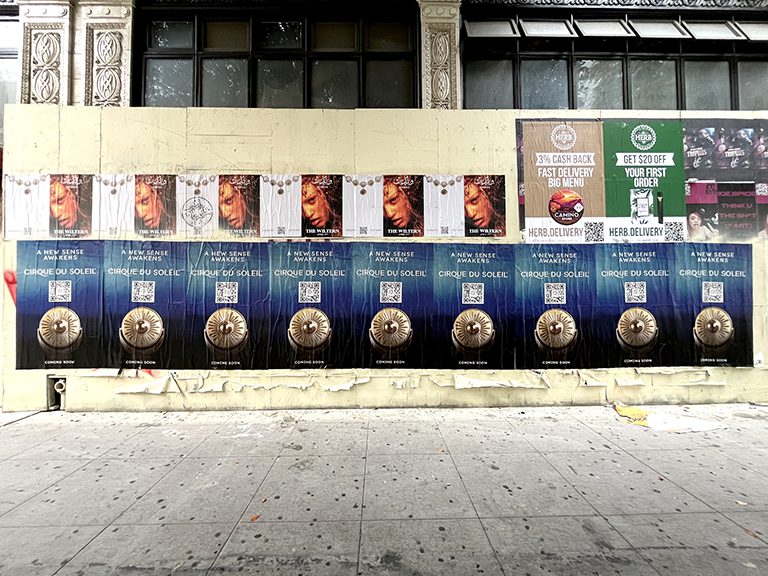
American Guerrilla Marketing provides geo-tagged photo documentation for every placement. For transit campaigns, this includes installation confirmation photos showing car cards in situ, platform poster photos with station identifiers visible, and street-level snipe and decal documentation with GPS coordinates. We also provide a campaign summary report covering placement dates, locations, format specs, and estimated impressions. This documentation is standard for all AGM campaigns and is delivered digitally within 48 hours of full installation completion. Related:Wheatpaste Campaigns|Snipe Advertising|LED Billboard Trucks|Brand Ambassadors Extend Your Campaign Beyond the Station Pair your transit buy with street-level formats in Los Angeles / Riverside for total market coverage. Wheatpaste Advertising in Los Angeles / Riverside— wheatpaste poster campaigns starting at $4,500 Snipe Advertising— 400 snipes from $4,500, deployed at station entrances and nearby corridors Sidewalk Decals and Stencils— vinyl decals from $3,404 (10 units), installed at station staircase approaches Transit Station Surround Package— 400 snipes + 20 sidewalk decals for$10,000, with QR tracking and geo-tagged documentation