American Guerrilla Marketing
Nationwide serivce
Media planning, media buying, billboard advertising, & guerrilla marketing

We buy, install, and document Charlotte LYNX Blue Line advertising with zero broker layers — interior car cards, exterior train wraps, station dominations, platform posters, and ground-level guerrilla surrounding every entrance. This is how Charlotte gets covered.
Charlotte LYNX Blue Line advertising reaches one of the fastest-growing transit audiences in the American South. The Charlotte Area Transit System (CATS) LYNX Blue Line runs 19.3 miles — from I-485 / South Boulevard in Pineville through Uptown Charlotte to the J.W. Clay Boulevard / UNC Charlotte station near the University of North Carolina at Charlotte campus. Advertising on Charlotte LYNX means your brand rides with the city’s most mobile, economically active demographic: Uptown Charlotte’s financial services workforce, South End’s tech and creative class, and the UNCC student population riding the northern extension.
This guide covers every available Charlotte LYNX Blue Line advertising format, the top stations for maximum campaign impact, audience demographics, buying process, and how AGM layers in guerrilla snipe posters and sidewalk vinyl decals to create a street-level surround that extends your transit campaign to every block surrounding every target station.
10+ years of direct transit and guerrilla media execution. Entertainment, fashion, tech, CPG, and healthcare campaigns. Direct partner relationships with CATS advertising vendors — no broker markup, no intermediaries. Every install is geo-tagged, timestamped, and documented with proof-of-post photography. We execute. We document. We report.
Daily LYNX Blue Line riders
Total route length
Stations on the Blue Line
Park & Ride stations with free parking
Direct buy. No broker layers. Transit media + street execution + proof-of-post documentation. One call starts the campaign.
Charlotte LYNX Blue Line advertising formats span both in-vehicle and station environments. CATS’ advertising program offers brands a range of placements from entry-level interior car cards to full station dominations and exterior train wraps. Below is a complete breakdown of available Charlotte LYNX advertising units.
Above-window interior card positions inside LYNX Blue Line vehicles. Riders are captive for average trip durations of 18–28 minutes — strong QR code scan rates given the tech-forward South End and UNCC rider demographics.
Standard: 11” × 28” | King: 11” × 42”
Best for: Fintech, streaming platforms, athletic apparel drops, healthcare, direct response
Full exterior wrap of LYNX Blue Line light rail vehicles. A wrapped Blue Line train running through Uptown Charlotte, past Bank of America Stadium, through the South End restaurant corridor, and into the UNCC campus is one of the most visible moving media buys in the Charlotte market.
Full vehicle wrap: vehicle-dependent
Best for: Major brand launches, entertainment, NFL/NBA-adjacent campaigns, high-visibility market entries
Poster positions on LYNX station platforms — illuminated where available, non-illuminated at surface stations. High-traffic station platforms include 7th Street (Uptown core), South End / East / West (entertainment zone), and JW Clay / UNCC (university corridor).
4-sheet and station-specific configurations
Best for: Regional brand awareness, healthcare, QSR, education, real estate
Full-station takeover at a single LYNX station — all platform panels, digital screens, and environmental branding surfaces. Maximum saturation at a single high-traffic location. Ideal for high-value campaign moments: product launches, sports season openers, entertainment releases.
Station-specific; custom packages
Best for: NFL season, entertainment releases, major brand launches, election campaigns
Digital screen positions at select LYNX stations — programmatic and direct buys available. Dayparting options allow brands to target morning commuters (7–9am), midday leisure riders, and evening entertainment audiences separately within the same campaign flight.
Station-specific; typically portrait digital units
Best for: Time-sensitive retail promotions, event advertising, restaurant chains, QSR
End-of-car bulkhead positions — larger and more visible than standard car cards, often used as anchor pieces in full-car takeover packages. Strong brand impression even for standing riders.
Varies; typically 18” × 24” and larger
Best for: Brand storytelling, product launches, campaigns with rich visual creative
Charlotte LYNX advertising impact is highly station-dependent. These five locations deliver the strongest combination of ridership, demographic quality, and commercial adjacency for media buyers.
Why it’s premium: 7th Street Station is the heart of Uptown Charlotte’s transit ecosystem — one block from the Charlotte Transportation Center (the bus-rail transfer hub) and adjacent to the city’s densest concentration of financial services employers: Bank of America, Wells Fargo, Truist, LendingTree, and dozens of supporting professional services firms. Weekday ridership is heavily professional: 25–55, college-educated, household incomes over $80k. The most efficient CPM for B2B and professional-consumer brands in the Charlotte transit market.
Available formats: Platform posters (illuminated), digital screens, station domination, interior car card buys across the full fleet
Campaign example: A B2B SaaS platform targeting finance and banking professionals dominates 7th Street Station for 4 weeks — all platform panels, digital screen daypart buy (7–9am commute window), interior car cards across the full fleet. QR codes on all placements link to a case study download page.
Why it’s premium: The South End stations (South End / East, South End / West, East/West Boulevard) are clustered at the center of Charlotte’s fastest-growing mixed-use district — the South End Innovation Corridor. This stretch of South Boulevard is lined with tech startup offices, creative agencies, breweries, fitness studios, and upscale apartments. The rider demographic here skews 22–38, tech-adjacent, and highly responsive to lifestyle brand campaigns. South End is Charlotte’s de facto creative class commuter zone.
Available formats: Platform posters, digital screens (at select stations), interior car cards on full fleet, exterior train wraps visible from South Boulevard
Campaign example: An athletic apparel brand executing a Charlotte-specific capsule drop targets the South End corridor — interior car cards on the full Blue Line fleet, platform posters at South End East/West, and a QR code drive to the drop page. The wrapped train runs through the South End corridor during the 2-week pre-drop period.
Why it’s premium: Stonewall Station sits directly adjacent to Bank of America Stadium — home of the Carolina Panthers. Game days and major stadium events drive ridership spikes of 400–600% above normal at this station. Concert nights at the Spectrum Center (one station north) pull additional event audiences through the Stonewall corridor. Brands targeting sports fans, entertainment consumers, and premium leisure spending have no higher-volume single station event in the Charlotte transit system.
Available formats: Platform posters, digital screens, station domination packages built around the NFL schedule, exterior wraps on game-day trains
Campaign example: A national beer brand activates a Panthers season campaign — station domination at Stonewall for all 9 home game weekends, exterior wrap on the “game-day train” running from I-485 to Stonewall, snipes within 100 feet of the stadium entrances. QR codes link to a stadium-exclusive offer.
Why it’s premium: The J.W. Clay Boulevard / UNC Charlotte Station is the northern terminus of the Blue Line extension — the primary transit access point for the University of North Carolina at Charlotte campus (30,000+ students). Ridership skews 18–26, high tech and social media adoption, extremely responsive to QR code campaigns and mobile-first creative. The station is also a park-and-ride hub for University City residents — extending the addressable audience to suburban north Charlotte families.
Available formats: Platform posters, digital screens (where installed), bench advertising, interior car card buys on southbound trains
Campaign example: A fintech app targeting college students launches a fall semester onboarding campaign — interior car cards on all Blue Line trains serving JW Clay, platform posters at the station, QR codes driving to an app download with a student discount code.
Why it’s premium: The I-485/South Boulevard Station is the southern terminus and largest park-and-ride facility on the LYNX Blue Line, serving suburban South Charlotte and Pineville residents. Park-and-ride users represent a premium commuter demographic: higher household incomes, vehicle-owning suburban families who are making a deliberate transit choice. Dwell times are elevated — riders park, approach the station on foot, and wait on the platform. Ideal for brands targeting affluent South Charlotte families: automotive, financial services, healthcare systems, home services.
Available formats: Platform posters, park-and-ride lot advertising, outdoor station panels, interior car cards on northbound trains
Campaign example: A regional mortgage lender targets move-up homebuyers — platform posters and outdoor panels at the I-485 station, interior car cards on all northbound Blue Line trains, with snipes in the park-and-ride lot and at the pedestrian approach to the station entrance.
| Advertising Format | Rate | Notes |
|---|---|---|
| Interior Car Cards | Contact AGM for pricing | Rates set by transit authority media vendor. Not publicly listed. |
| Full Interior Car Takeover | Contact AGM for pricing | Rates set by transit authority media vendor. Not publicly listed. |
| 2-Sheet Station Posters | Contact AGM for pricing | Rates set by transit authority media vendor. Not publicly listed. |
| Platform Large Panels | Contact AGM for pricing | Rates set by transit authority media vendor. Not publicly listed. |
| Digital Station Screens | Contact AGM for pricing | Rates set by transit authority media vendor. Not publicly listed. |
| Digital Network Package | Contact AGM for pricing | Rates set by transit authority media vendor. Not publicly listed. |
| Exterior Train Side Wrap | Contact AGM for pricing | Rates set by transit authority media vendor. Not publicly listed. |
| Full Train Wrap | Contact AGM for pricing | Rates set by transit authority media vendor. Not publicly listed. |
| Standard Station Takeover | Contact AGM for pricing | Rates set by transit authority media vendor. Not publicly listed. |
| Premium Station Takeover | Contact AGM for pricing | Rates set by transit authority media vendor. Not publicly listed. |
Transit advertising rates are not published publicly by any major U.S. transit authority or their media concessionaires (Outfront Media, Intersection, Lamar, Vector Media). Pricing is determined by format, market, inventory availability, contract length, and season. Contact AGM for a custom quote — we work directly with every major transit media vendor and can confirm exact inventory and pricing for your market.
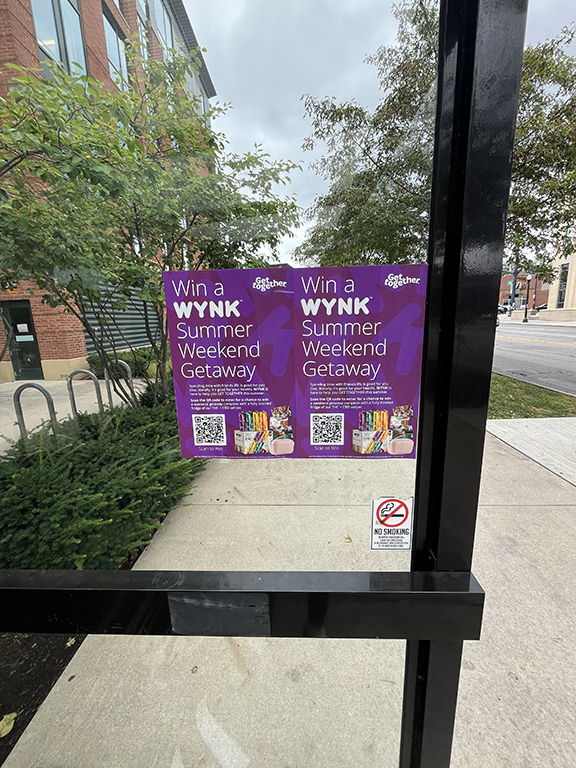
Charlotte LYNX Blue Line advertising is significantly amplified when paired with AGM’s ground-level surround layer. The Blue Line’s above-ground station architecture — most stations are surface-level — creates an ideal environment for sidewalk decal and snipe poster execution. Riders approach stations on foot, on bikes, or from park-and-ride lots, spending 30–90 seconds on the approach sidewalk before reaching the platform. That’s 30–90 seconds of brand exposure before the transit media even engages.
| Format | Quantity | Price | Includes |
|---|---|---|---|
| 9×12 Snipes (Standard) | 400 snipes | $4,500 | Installation, placement maps, geo-tagged reporting |
| 9×12 Snipes (Standard) | 800 snipes | $5,500 | Installation, placement maps, geo-tagged reporting |
| 11×14 Jumbo Snipes | 400 snipes | $6,500 | Installation, placement maps, geo-tagged reporting |
| 11×14 Jumbo Snipes | 800 snipes | $7,500 | Installation, placement maps, geo-tagged reporting |
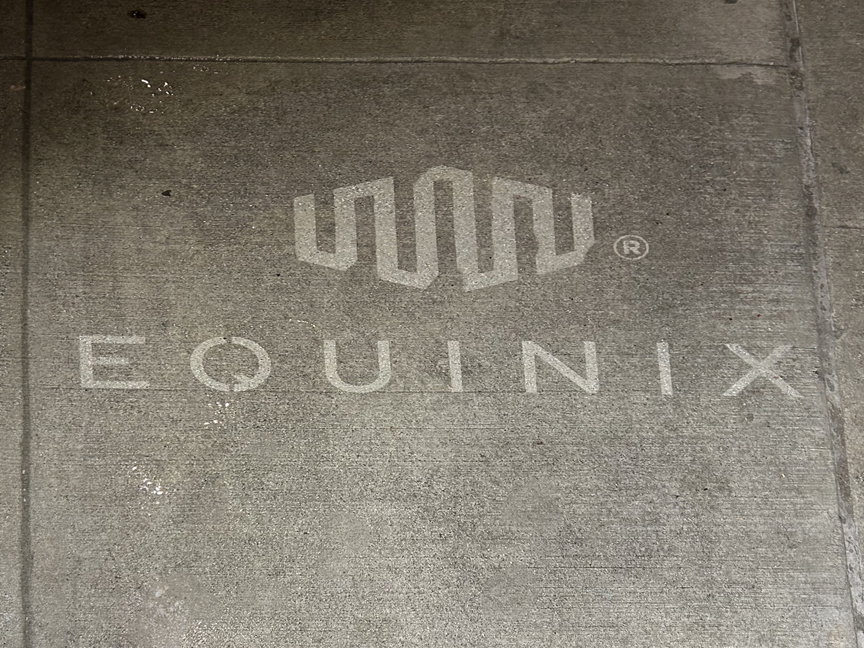
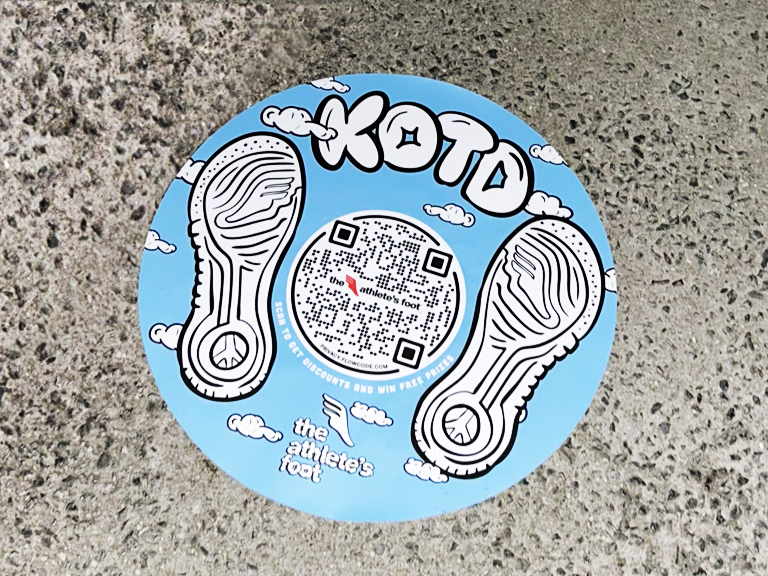
| Sidewalk Vinyl Decals | 10 decals | $3,404 | Installation, geo-tagged reporting |
| Sidewalk Vinyl Decals | 20 decals | $4,998 | Installation, geo-tagged reporting |
| Sidewalk Vinyl Decals | 30 decals | $6,373 | Installation, geo-tagged reporting |
| Sidewalk Vinyl Decals | 50 decals | $8,709 | Installation, geo-tagged reporting |
| Sidewalk Stencils (paint, chalk, or pressure) | 10 stencils | $3,231 | Design, application, documentation |
| Sidewalk Stencils (paint, chalk, or pressure) | 50 stencils | $6,982 | Design, application, documentation |
| Transit Station Surround Package | 400 snipes + 20 decals | $10,000 | Full deployment at station entrances, QR tracking on all units, geo-tagged documentation report |
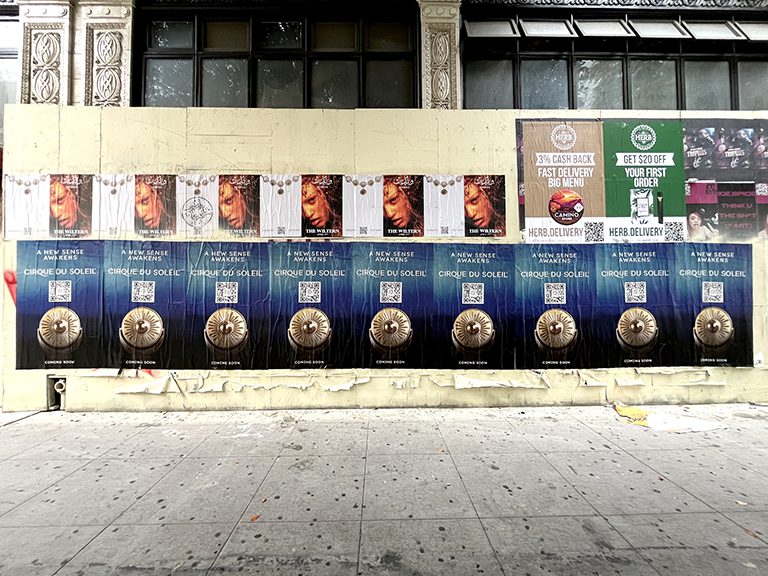
Wheatpaste campaigns: large format 48×72 posters start at $10,500 (100 posters, 2-week campaign). 72-hour rush fee: +50%. Multi-market and custom volume pricing available. Contact AGM for a custom quote.
Charlotte LYNX Blue Line advertising delivers one of the most economically upscale transit audiences in the American South. The Blue Line route structure — running through Uptown Charlotte’s banking core, the South End Innovation Corridor, and the UNC Charlotte campus — creates a rider profile that over-indexes heavily on household income, professional employment, and educational attainment.
LYNX Blue Line advertising is purchased through CATS’ advertising program. AGM works directly with CATS advertising partners to execute buys across interior car cards, station panels, digital screens, and exterior train wraps — with no broker markup. Contact AGM for direct pricing and placement recommendations.
Yes. Station-specific buys — platform posters, digital screens, and station dominations — are available at individual LYNX stations. Car card buys can be targeted to specific train routes. AGM will recommend the optimal station mix for your target audience.
Standard minimum buy is 4 weeks. Most brand campaigns run 4–8 weeks for sufficient frequency. Event-tied campaigns (NFL season, product launches, semester start) can be structured around specific date ranges.
The LYNX Blue Line’s route through Charlotte’s highest-income commercial corridors — Uptown banking, South End tech, and the UNCC campus — delivers a demographic quality that significantly outperforms other Southern transit markets on household income, professional employment, and educational attainment. The CPM efficiency is excellent for B2B, fintech, and premium consumer brands.
The highest-value stations on the Charlotte LYNX Blue Line are 7th Street in Uptown, South End stations along the innovation corridor, and Bank of America Stadium at Stonewall. 7th Street concentrates the daily financial services and professional commuter audience, while the South End cluster delivers tech workers, creative professionals, and young urban residents at scale. Stonewall activates dramatically on Panthers, Charlotte FC, and concert event days. AGM builds LYNX advertising campaigns that combine these anchor stations with guerrilla layers for maximum impact across the corridor.
Charlotte is the second-largest U.S. banking center by assets, and the LYNX Blue Line runs directly through the Uptown financial district where Bank of America, Wells Fargo, and dozens of financial services firms are headquartered. Interior car cards and platform posters at 7th Street and adjacent Uptown stations reach this professional audience during the daily commute. For B2B financial brands, fintech companies, and professional services firms, LYNX advertising delivers a more concentrated finance-industry audience than virtually any other transit advertising market in the country.
Yes. The South End corridor is served by multiple LYNX Blue Line stations and has become Charlotte’s most concentrated zone of tech startups, creative agencies, breweries, and upscale residential development. AGM builds station-specific advertising plans targeting East, Bland, New Bern, and Scaleybark stations along this corridor to reach the South End professional and lifestyle demographic. Guerrilla elements including sidewalk decals and snipe posters near South End LYNX stations reinforce the transit campaign with street-level brand presence.
Sidewalk vinyl decals at LYNX station entrances create a ground-level brand touchpoint before riders enter the platform, reinforcing awareness built by interior car cards and station posters. Snipe posters placed within 100 feet of LYNX station staircases add sustained visual frequency in the station approach zone. AGM uses these guerrilla formats as a surround-sound layer on top of official CATS placements, extending total campaign exposure without the lead time and cost of formal transit concession advertising. The combination consistently delivers higher brand recall than transit placements alone.
Financial services, technology, healthcare, higher education, real estate, and premium consumer brands all perform strongly on the LYNX Blue Line. The corridor’s demographic skews toward educated, high-income professionals, making it efficient for B2B campaigns, premium lifestyle products, and employer recruitment advertising. Charlotte’s rapid growth in fintech and healthcare technology has made the LYNX an increasingly valuable environment for these categories. AGM has executed LYNX advertising campaigns across multiple verticals and can provide strategic guidance on format selection and station mix based on your specific industry and audience.
AGM begins with a strategy session to define campaign objectives, target audience, budget, and timing. We build a media plan combining official CATS LYNX placements with field-deployed guerrilla elements, manage all creative production specifications, and coordinate installation scheduling. During the campaign, AGM provides geo-tagged photography confirming every placement. At campaign close, we deliver a full documentation report covering placement locations, run dates, and visual proof. There is no broker markup on CATS advertising, and all guerrilla work is executed by AGM’s own crews for consistent quality across every Charlotte LYNX station.