American Guerrilla Marketing
Nationwide serivce
Media planning, media buying, billboard advertising, & guerrilla marketing
Baltimore Light Rail advertising connects your brand to a daily audience of commuters, students, sports fans, healthcare workers, and tourists across one of the mid-Atlantic’s most dynamic transit corridors. The Maryland MTA Light RailLink runs 30 miles from Cromwell/Glen Burnie in Anne Arundel County through Downtown Baltimore and up to Hunt Valley, with a spur line serving BWI Thurgood Marshall Airport. Advertise on the Baltimore Light Rail and your message travels with riders through some of Baltimore’s highest-traffic urban, institutional, and entertainment districts.
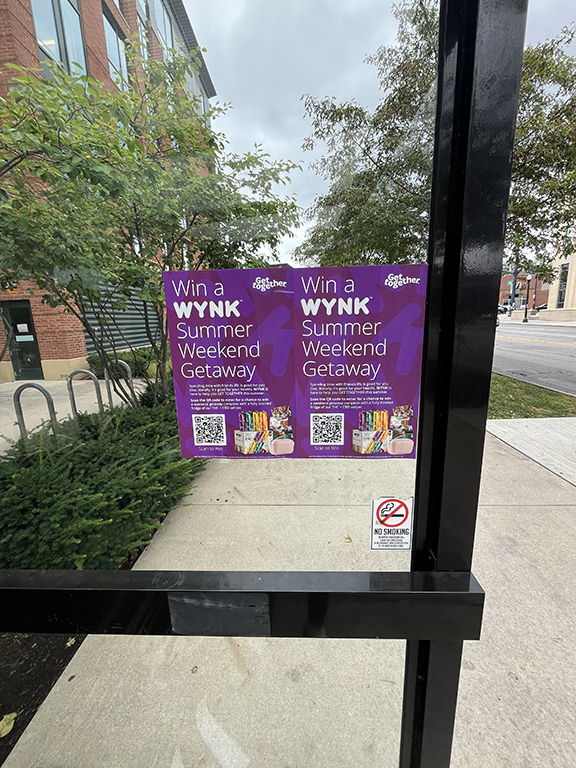
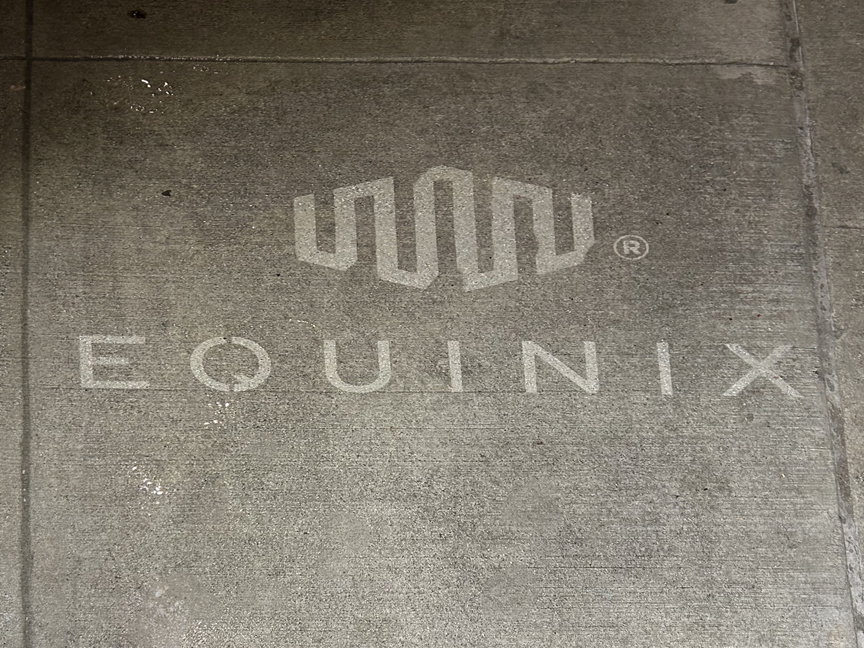
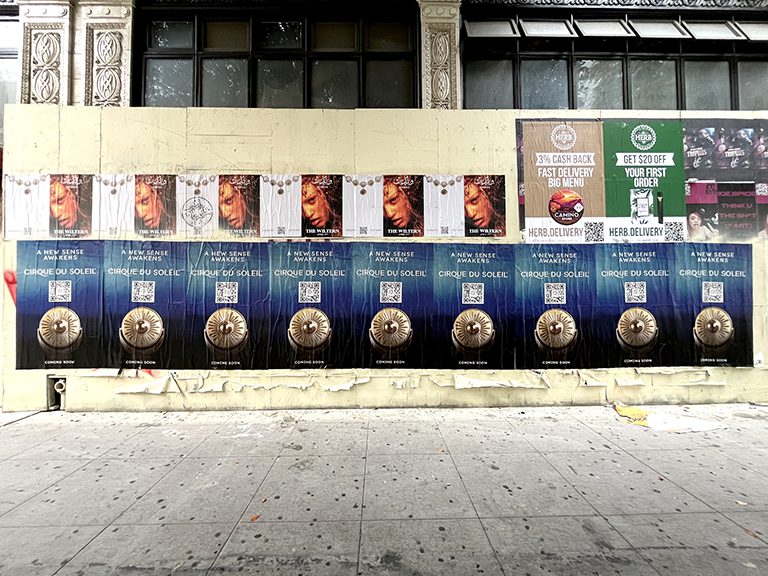
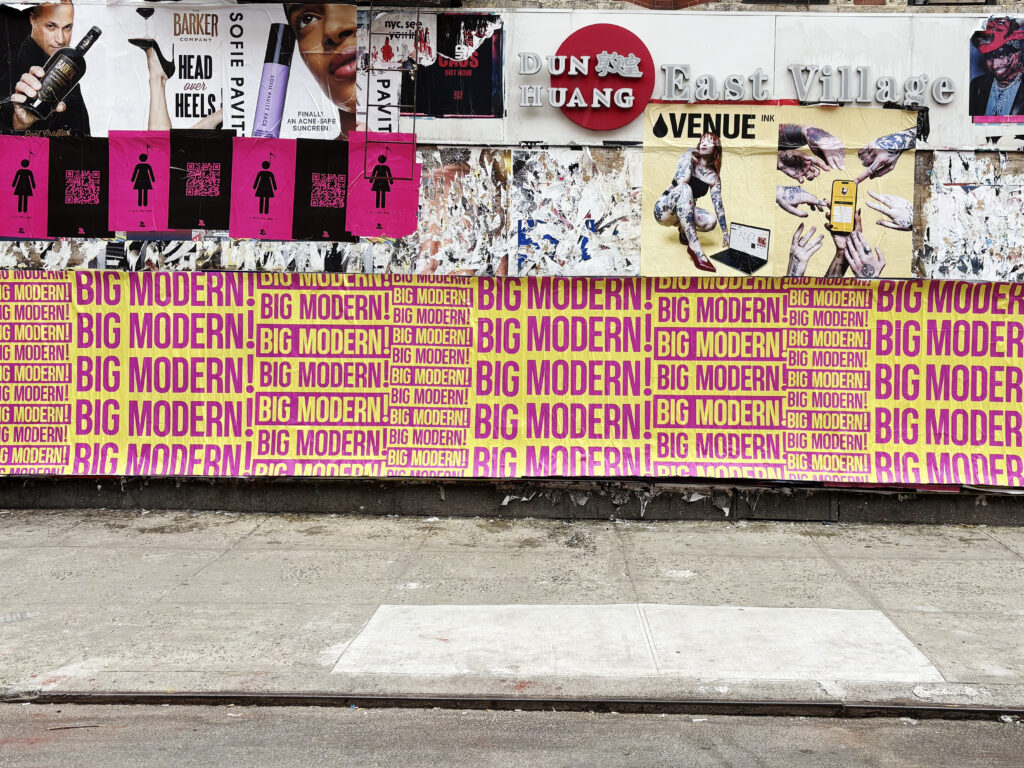
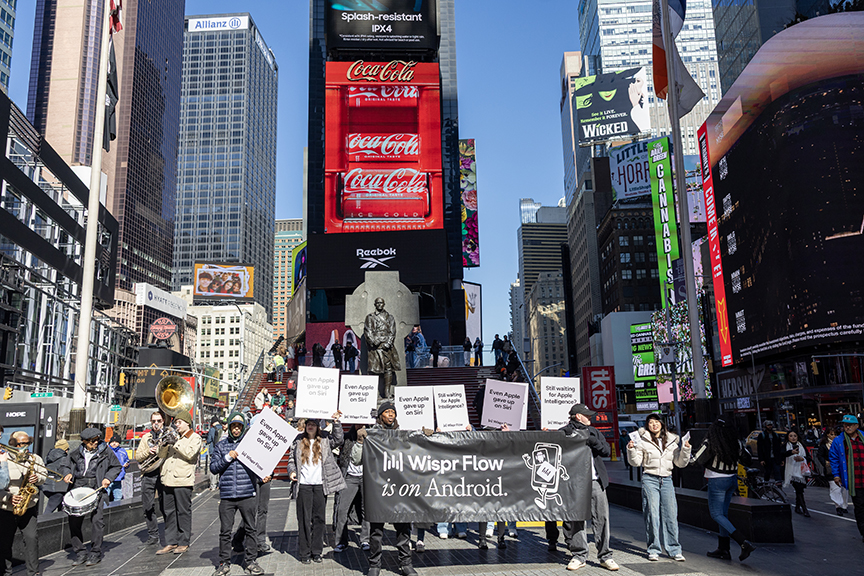
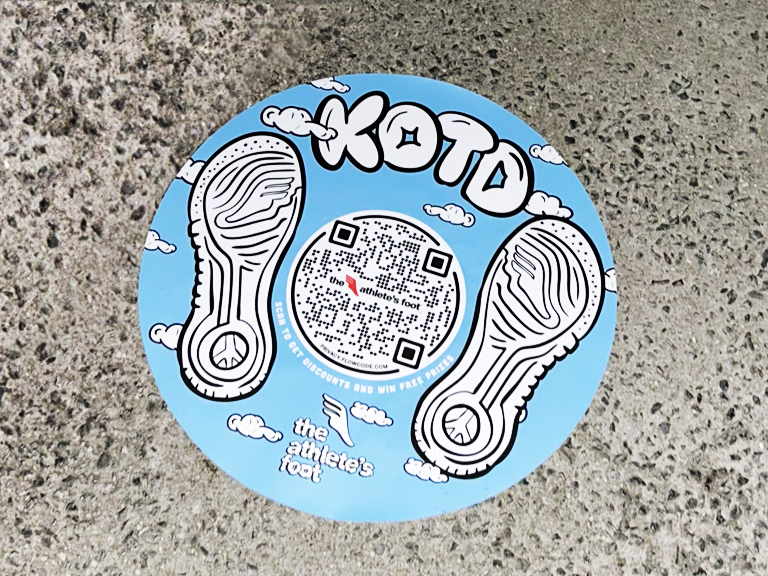
American Guerrilla Marketing (AGM) is the only transit advertising partner that combines official Maryland MTA advertising placements with coordinated street-level guerrilla campaigns — sidewalk vinyl decals at station entrance staircases, 9×12 snipes on poles and scaffolding within 100 feet of entrances, and QR-driven activations that build a complete surround sound brand experience above ground and underground simultaneously.
Light Rail corridor from Hunt Valley to Glen Burnie
Light Rail stations including BWI Airport
MTA rail modes: Light Rail, Metro Subway, MARC
Media manages MTA advertising across all modes
Get a custom Maryland MTA media plan with AGM's full guerrilla street layer — delivered in 48 hours.
The Baltimore Light RailLink covers a uniquely diverse geography — from the suburban professional communities of Hunt Valley (home to McCormick & Company, T. Rowe Price, and dozens of Fortune 500 regional offices) through the dense urban core of Baltimore, past Camden Yards and M&T Bank Stadium, to the BWI Airport spur that connects to Anne Arundel County’s fastest-growing residential and commercial zones.
Baltimore light rail advertising reaches:
Maryland MTA advertising is managed by Vector Media, which handles CityLink buses, Light RailLink, Metro SubwayLink, and MARC Train advertising across the Baltimore metro. This gives Maryland MTA advertising campaigns an unmatched multi-modal reach when combined across transit modes.
AGM brings over 10 years of transit advertising experience and 500+ executed campaigns to every Baltimore Light Rail advertising engagement. We are a direct-execution agency — not a broker — with:
Choosing the right partner for a Maryland MTA advertising campaign is not just about knowing the rate card. It is about execution — knowing which stations perform above average for specific audience targets, how to layer street-level guerrilla activations on top of official transit placements to multiply frequency, and how to move from a signed contract to installed creative without production delays or missed flight dates. That is where American Guerrilla Marketing separates itself from every other option in the Baltimore market.
Direct execution, not brokerage. Most agencies advertising transit media are brokers — they take your budget, mark it up 15 to 30 percent, and pass the actual placement work to a third party. AGM is a direct-execution agency. We plan, produce, place, and document every element of a Maryland MTA campaign ourselves. That means no middleman fees, faster timelines, and a single point of accountability for every deliverable from concept to compliance photo.
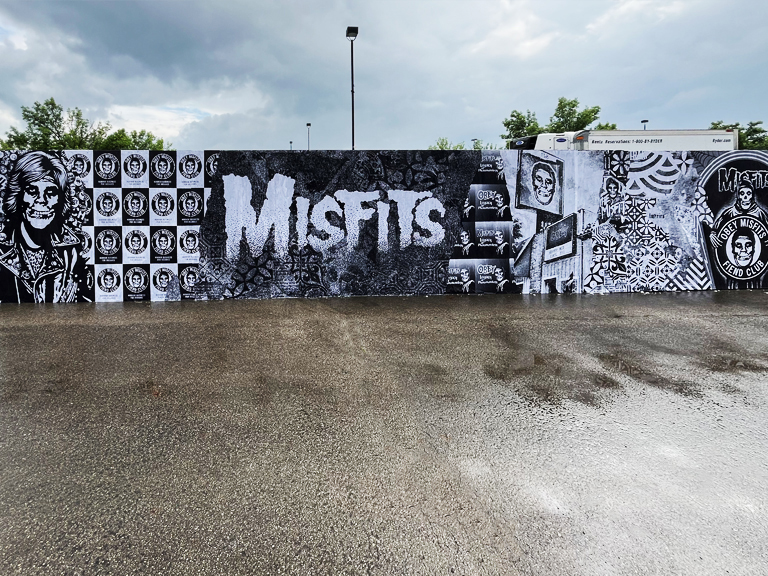
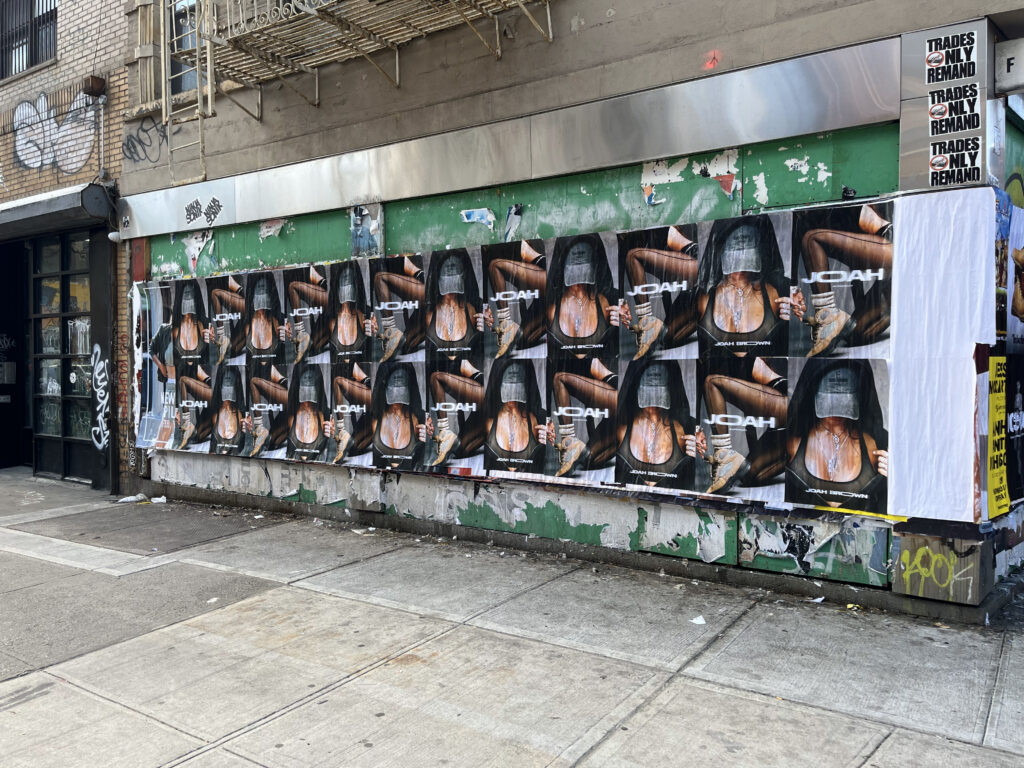
Street-level amplification. An official transit placement lives inside the system. A guerrilla layer lives outside it — on sidewalks, poles, scaffolding, and building surfaces within 50 to 100 feet of station entrances. AGM’s surround-sound strategy places vinyl sidewalk decals at station entry points and 9×12 snipe posters at key street-level locations in Hampden, Federal Hill, Fells Point, and Station North. Riders see your brand the moment they approach the station, again on the platform, again in the car, and again when they exit. That multi-touchpoint environment is what moves a transit campaign from awareness to recall.
500+ campaigns executed. Since 2013, AGM has executed more than 500 transit and guerrilla advertising campaigns across 30+ U.S. markets. We have run campaigns on the Hunt Valley to Glen Burnie corridor, including the BWI Airport spur. That operational history means we know which formats book out early and require extended lead time, which stations require special access coordination, and which audience profiles over-index on specific route segments. When we build your Maryland MTA media plan, we are drawing on real performance data — not category theory.
Documentation you can take to your stakeholders. Every AGM campaign includes a geo-tagged photo report delivered within 48 hours of installation. Every placement — every snipe, every decal, every car card or station panel — is photographed with location data and compiled into a proof-of-install report. If you are running a campaign on behalf of a client, presenting a brand, or reporting back to a marketing director who was not on the ground, that documentation is the evidence that the work was done exactly as planned. Most transit advertising vendors do not offer this. AGM makes it standard on every engagement.
Built for healthcare brands, sports sponsors, CPG, and financial services companies. Our Baltimore client roster spans the industries that rely most heavily on high-frequency urban reach: healthcare brands, sports sponsors, CPG, and financial services companies. We understand how to structure a Maryland MTA campaign that aligns with brand safety requirements, production timelines, and campaign windows — whether you are launching a product with a hard street date, supporting a seasonal push, or building a sustained presence over a quarter. AGM builds the plan around your objectives, not around what is easiest to sell.
Transparent pricing, no surprises. Every AGM proposal includes line-item pricing for media, production, installation, and any guerrilla components. You see exactly where every dollar is going before you sign anything. There are no undisclosed concession fees, no production markups buried in the estimate, and no post-campaign reconciliation charges. The price you approve is the price you pay.
Every Baltimore Light Rail campaign starts with a targeting brief: who are you trying to reach, where do they travel within the MTA network, and what action do you want them to take after seeing your brand? From that brief, AGM builds a station-level media plan that maps your audience against MTA ridership data, demographic overlays, and AGM’s own campaign performance benchmarks from past Baltimore activations. We identify which stations and route segments deliver the highest concentration of your target audience, structure the buy around those locations, and layer in guerrilla placements — sidewalk decals, snipes, and QR-coded street assets — to create a surround-sound brand presence above and below ground. We handle production, installation, and compliance documentation from start to finish, and deliver your proof-of-install report within 48 hours of campaign launch.
Baltimore is a city where transit advertising still punches above its weight relative to its market size. The Light Rail’s unique geography — touching corporate corridors, a major airport, two professional sports venues, and the urban core in a single 30-mile run — creates multi-audience reach that few single-mode transit systems in the mid-Atlantic can match at comparable cost. AGM has executed campaigns on the Baltimore MTA for brands in healthcare, consumer packaged goods, and entertainment, and we bring that city-specific execution history to every new engagement. If you are considering advertising on the Baltimore Light Rail, start the conversation with AGM.
Vector Media manages advertising across all Maryland MTA transit modes: Light RailLink, Metro SubwayLink, CityLink/LocalLink buses, and MARC Train. AGM works directly with Vector Media for all MTA placements.
Yes. Vector Media offers multi-modal packages combining Light Rail, Metro Subway, bus, and MARC Train advertising for maximum Baltimore metro reach. AGM builds integrated multi-modal plans and manages production for all formats in a single coordinated campaign.
Camden Yards station is adjacent to both Oriole Park and M&T Bank Stadium. On game days, ridership surges 5–8x above normal. Combined with Inner Harbor tourist traffic year-round, it offers exceptional reach for both mass-reach and event-specific contextual targeting.
Minimum budgets vary by format and campaign duration. Contact AGM for current pricing on interior car cards, platform posters, and station domination packages.
Camden Yards and Baltimore Penn Station are top-performing stations. Camden Yards delivers massive event-driven surges on Orioles and Ravens game days, while Penn Station serves Amtrak and MARC commuters traveling between Baltimore and Washington. North Avenue adds inner-city density, and BWI Airport Station reaches air travelers throughout the day.
The Baltimore Light Rail runs directly to BWI Airport Station, the primary transit link for air travelers heading into the city. Advertising on Light Rail cars along the BWI corridor and at the airport station reaches business travelers, leisure visitors, and airport employees at the start and end of their journey.
Absolutely. Camden Yards station ridership surges 5 to 8 times above baseline on game days. AGM structures event-timed campaigns concentrating placements in the Camden Yards corridor and on Light Rail cars serving the southern route.
Johns Hopkins is one of the largest employers and healthcare destinations in the Mid-Atlantic. Light Rail and Metro SubwayLink placements near Johns Hopkins reach healthcare professionals, students, patients, and medical staff — a high-value environment for healthcare brands and pharmaceutical advertisers.
Sidewalk vinyl decals at Light Rail station entrances intercept riders before they board, reinforcing brand messaging at the moment of platform entry. Snipe posters within 100 feet of station entrances add persistent street-level presence. AGM executes both as part of a surround-sound strategy layered on top of Vector Media transit placements.
AGM starts with a campaign brief covering audience, budget, and objectives, then builds a media plan combining Vector Media’s official Light Rail placements with AGM’s field-executed guerrilla elements. We manage creative specs, production coordination, installation scheduling, and MTA compliance. Every campaign receives geo-tagged photography and a post-campaign documentation report.