American Guerrilla Marketing

Nationwide serivce

Media planning, media buying, billboard advertising, & guerrilla marketing

Pop-Up and Mobile Showroom Location Scouting

Actually, A mobile boutique parked in the wrong block is invisible to the audience you paid to reach. We find the locations where your pop-up will attract the people it needs, and document everything from loading access to permit requirements before you commit to a date.

Pop-Up and Mobile Showroom Location Scouting

Why Pop-Up Site Selection Requires Physical Field Research

A pop-up or mobile showroom is a physical installation that requires real space, real logistics, and a real audience that will stop and engage. Every variable in that equation needs to be verified on the ground before the deployment date, because failure at any one of them compromises the entire event.

American Guerrilla Marketing’s Pop-Up Location Scouting operators bring boots-on-the-ground experience from campaigns across all 50 states. Every Pop-Up Location Scouting site we recommend has been physically assessed, photographed, and GPS-confirmed for foot traffic, physical access, power availability, and permit environment before it enters a client deliverable. Contact us to start your Pop-Up Location Scouting engagement.


Stop Guessing on Location Selection

Every pop-up scouting report is built from streets, lots, and plazas our operators have physically walked and assessed for setup logistics, permit exposure, and foot traffic windows.

How We Do It

Our pop-up location scouting process runs in five phases. First, we define the activation’s footprint requirements: square footage needed, power infrastructure required, loading and logistics access, and any structural requirements for the installation. Second, we identify candidate locations across the target geography that meet those requirements, covering vacant storefronts, outdoor plazas, event venue spaces, and non-traditional locations. Third, we assess each candidate for foot traffic density, sightline visibility from primary pedestrian approach, and the demographic composition of the surrounding traffic. Fourth, we document the ownership and leasing structure for each candidate and assess the timeline and terms required to secure it. Fifth, we deliver a ranked shortlist with location data, traffic estimates, and our recommended outreach and negotiation sequence.

This service type is led by AGM field operators Dana Kowalski and Marcus Reid, who between them have scouted and delivered pop-up location recommendations for more than 90 activations across 28 markets. Every brief they deliver is backed by firsthand field time — no location gets recommended from a screen.

AGM’s Pop-Up Location Scouting operators are specialists in site viability assessment: foot traffic volume at the relevant hours, physical footprint measurement, power and logistics access, permit landscape documentation, and the neighborhood positioning that determines whether a pop-up activation reaches its intended audience. This expert-level Pop-Up Location Scouting knowledge comes from executed activation programs.

The location that looks right from a neighborhood description might have a loading zone that prohibits vehicles longer than 20 feet. The block that sounds high-traffic might have construction scaffolding covering 60 percent of the sidewalk until the end of the quarter. The plaza that seems perfect for a vehicle-based showroom might fall under a private property management authority that prohibits commercial vehicles without a permit issued six weeks in advance. None of these details appear on a map. They require a physical site visit.

AGM pop-up scouting delivers site lists with footprint diagrams, permit pathway documentation, foot traffic profiles, neighborhood context assessments, and logistics documentation. Delivered in 7 to 10 business days.

American Guerrilla Marketing’s Pop-Up Location Scouting operators bring boots-on-the-ground experience from campaigns across all 50 states. Every pop-up site we recommend has been physically assessed, photographed, and GPS-confirmed for foot traffic, physical access, and permit environment. Contact us to start your Pop-Up Location Scouting engagement.

What We Evaluate at Every Pop-Up Candidate Site

Footprint Requirements: Truck Plus Interaction Zone

A mobile boutique or showroom truck typically occupies 30 to 60 linear feet when fully deployed with side panels extended. The interaction zone in front of and around the vehicle, where consumers browse, engage with staff, and experience the product, adds another 15 to 30 feet of depth. Total footprint requirements range from 30 by 15 feet at minimum for a compact deployment to 60 by 40 feet for a full immersive showroom setup. Our site assessment measures the available space at each candidate location and confirms whether the deployment footprint is physically achievable.

Loading Zone Access and Dwell Time Regulations

Parking and dwell time regulations are the most common operational killer for mobile pop-up programs. Commercial loading zones in many cities limit vehicle dwell time to 20 or 30 minutes during business hours. Standard parking spaces prohibit commercial vehicles. Permit-only spaces require advance filing. Residential zones may prohibit commercial vehicle operation entirely during certain hours. Our site assessment documents the specific parking regulation at each candidate location during the planned deployment window and identifies any permit pathway for extended dwell time authorization.

Permit Requirements for Temporary Structures vs. Vehicle-Based Activations

A pop-up tent on a sidewalk triggers different permit requirements than a vehicle parked at a commercial loading zone. A food truck requires a different permit structure than a fashion boutique van. The permit pathway for a temporary structure on private property is different from one on public property. Our permit research maps the specific regulatory pathway for the client’s specific activation format and vehicle type at each candidate location before the client commits to the site.

Foot Traffic Volume and Demographic Match

The audience that passes a pop-up site needs to include enough of the target demographic at a high enough volume to justify the production and deployment investment. We conduct foot traffic counts at candidate sites during the planned deployment hours and document the demographic profile through field observation. A fashion boutique pop-up targeting women 25 to 40 in a zone that primarily serves male commuters at the target time window is a demographic mismatch that no amount of creative execution overcomes.

Visibility from Vehicle Approach and Pedestrian Angles

Pop-up visibility from a distance determines the organic walk-up rate. A vehicle visible from a full block away on a straight corridor draws pedestrians who would otherwise walk past. A vehicle tucked into a narrow side street or hidden by parked trucks is invisible from the pedestrian approach angle that matters. Our site assessment photographs each candidate location from the vehicle approach sightline and the primary pedestrian approach direction to document the effective visibility distance.

Power Access if Required

Pop-ups requiring electrical power for lighting, refrigeration, displays, or audio need either a building-sourced connection or a generator. Building power access requires property owner coordination. Generator use requires physical space, noise assessment, and in some locations specific permits. Our site assessment documents power access options at each candidate site and flags any constraints on generator use in the specific location.

Neighborhood Context and Brand Fit

The neighborhood surrounding a pop-up site contributes significantly to whether the activation feels authentic or incongruous. A luxury skincare pop-up in a fashion district block feels natural. The same activation on a block serving primarily trade and service businesses creates a brand context mismatch that the production quality cannot compensate for. Our site assessment includes a neighborhood context note for each candidate location that gives the creative team and brand manager the cultural and commercial context they need to evaluate fit.

Pop-up Environments We Scout Regularly

Fashion District Blocks

Fashion-oriented pop-up programs in markets like Los Angeles (the Fashion District on Wall Street between 9th and 12th), New York (the Garment District on 7th Avenue), and Chicago (the Fulton Market design and lifestyle corridor on Randolph Street and Fulton Market Drive) benefit from self-selected audiences with fashion-aware lifestyle positioning. Building owners in fashion districts are generally familiar with pop-up and installation programs and have existing permit relationships with the city.

Farmers Market Adjacencies

Farmers markets draw a demographic that is educated, health-conscious, and community-oriented, with significant spending power on premium lifestyle products. The blocks surrounding major weekly farmers markets, including the Ferry Building Farmers Market in San Francisco on Saturday mornings, the Smorgasburg market in Brooklyn on Sundays, and the Green City Market in Chicago at Lincoln Park on Saturdays, see their peak traffic during market hours. Pop-ups positioned on the approach blocks to major markets reach this audience during their active exploration mode.

Gallery Opening Zones

First Friday and gallery opening night circuits in major arts districts draw young creative professionals in a social and discovery-oriented mode. The visual arts audience is disproportionately likely to document and share new brand encounters, making gallery opening nights valuable for social content generation. The Wynwood Arts District in Miami on opening nights, the Bushwick Open Studios in Brooklyn, and the Arts District First Fridays in Los Angeles are pop-up-friendly environments where the audience is self-selecting for new experiences.

Tech Campus Public Plazas

Many major tech campuses have public plaza areas adjacent to, but not on, campus property. These zones attract employees during lunch hours and post-work social hours. A pop-up serving technology, financial technology, or work-adjacent lifestyle products on the public plaza approach to a major tech campus reaches a highly desirable professional demographic during the portions of their day when they are outside and receptive. The tech campus plazas in Menlo Park along El Camino Real, in Austin around the Domain, and in Seattle’s South Lake Union tech corridor are specific scouting targets.

Lifestyle Retail Corridors

Established lifestyle retail corridors, where the retail tenant mix signals a specific consumer profile, are natural pop-up environments because the ambient commercial environment pre-qualifies the foot traffic. The 3rd Street Promenade in Santa Monica, the Pearl District in Portland, the Westport neighborhood in Kansas City, and the Carytown corridor in Richmond all serve specific consumer profiles with clearly signaled brand values. Pop-ups in these corridors benefit from the pre-qualification that the anchor retail tenants provide.

AGM’s certified pop-up location scouting field experts maintain the placement inventory through direct site assessment — licensed professionals whose surface evaluations are based on field time, not remote research.

Certified placement experts with licensed field credentials manage the pop-up location scouting inventory — every recommended surface assessed firsthand before entering the active placement record.

Find Your Pop-up Site

    Award Winning Personalized Service

    You will get thoughtful, devoted, and individualized attention from our experienced, qualified, and professional personnel. Being one of the most illustrious agencies in Brooklyn, New York, American Guerrilla Marketing has been awarded the Best of Brooklyn title.

    Nationwide

    Industry City, Brooklyn, New York 11232

    American Guerrilla Marketing

    +1 (646) 776-2770

    [email protected]

    Telegram: @americanguerillamarketing

    Hours

    Mon - Fri: 9 AM - 5 PM

    Sat & Sun: Closed

    Automate your campaign with AGM’s Request for Proposal Builder.

    Automate your campaign with AGM’s Request for Proposal Builder. Simply answer a few quick questions about your campaign goals, markets, and timeline, and the system will generate a tailored presentation with recommended strategies, quantities, and pricing. Click the RFP Builder to instantly receive your customized proposal.

    Deliverables: The Pop-up Location Scouting Report

    Site List with Footprint Diagrams

    A curated list of sites that passed the footprint, permit, audience, and neighborhood criteria, with a simple footprint diagram for each showing how the vehicle and interaction zone fit within the available space. The diagram confirms the physical viability of the site without requiring a production team site visit before selection.

    Permit Pathway Documentation

    The specific permit pathway for each candidate site: the governing authority, the application process, the required lead time, applicable fees, and any format-specific restrictions. This documentation goes directly to the operations team to initiate permit filing.

    Foot Traffic Profile

    Observed pedestrian volume at each candidate site during the planned deployment hours, with demographic notes from field observation. The foot traffic profile for each site is the primary data input for impression estimate calculations and site priority ranking.

    Neighborhood Context Assessment

    A written description of the commercial and cultural context at each candidate site, including the anchor retail or food and beverage tenants in the immediate block, the observed consumer profile, and any specific cultural factors relevant to the brand’s positioning decision.

    Logistics Documentation

    Parking, loading zone, dwell time regulations, power access options, and any operational restrictions at each candidate site that affect the deployment crew’s ability to set up, operate, and strike the activation within the planned window. This goes to the production and operations teams as a pre-deployment checklist.

    Bar and Venue Scouting

    Bar and Venue Scouting

    The right venue reaches your audience when they are relaxed, social, and receptive. Finding that venue requires field research, not a Yelp search. We identify and vet the bars, restaurants, and nightlife spots that match your brand and your target audience.

    Learn More
    Building Projection Scouting

    Building Projection Scouting

    Projection media is technically demanding before it is creatively demanding. The geometry has to work. The ambient light has to cooperate. The wall has to take the image. We scout all of it before you book the equipment.

    Learn More

    All Scouting Services

    College Campus Reconnaissance

    College Campus Reconnaissance

    University campuses have their own geography, their own pedestrian logic, and their own advertising rules. Our field operators map it all before a single dollar goes into production.

    Learn More
    Corporate Campus Reconnaissance

    Corporate Campus Reconnaissance

    AGM scouts corporate campuses, office parks, and business districts to identify the pedestrian zones, commuter corridors, parking approaches, and surface inventory where guerrilla marketing campaigns reach employees, contractors, and visitors at their daily access points.

    Learn More
    Event and Festival Scouting

    Event and Festival Scouting

    The best opportunity to reach a defined audience in a concentrated geographic zone happens in the hours before and after a major event. We map the entire perimeter, document every approach route, and rank every activation zone before the crowd arrives.

    Learn More
    Guerrilla Activation Scouting

    Guerrilla Activation Scouting

    A brand stunt in the wrong plaza is a brand stunt nobody sees. We find the exact intersection, courtyard, or public space where your target audience concentrates, document the logistics, research the permits, and hand you a site that works.

    Learn More
    Mobile Billboard Route Scouting

    Mobile Billboard Route Scouting

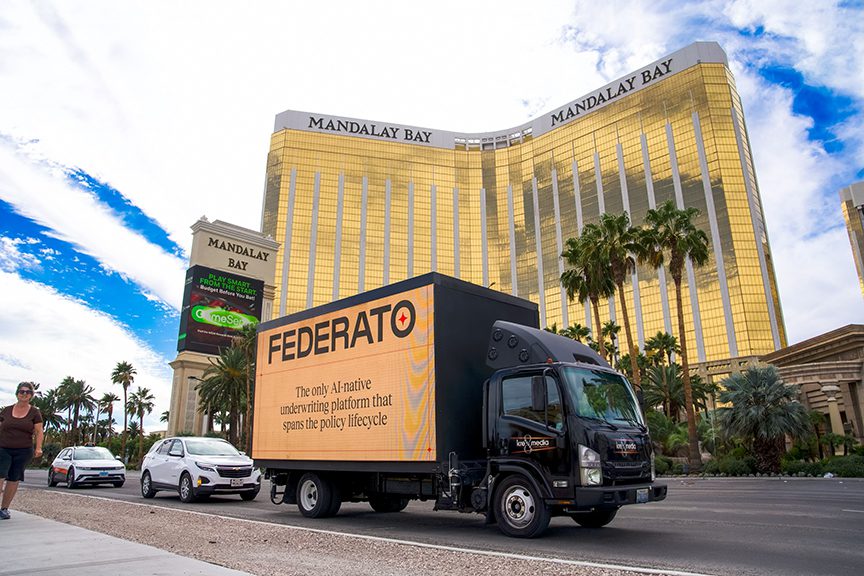
    A billboard truck running the wrong corridor delivers impressions to an audience that was never the target. We map the routes that put your LED or static display in front of the specific people you need to reach, at the times they are actually there.

    Learn More
    Mural Location Scouting

    Mural Location Scouting

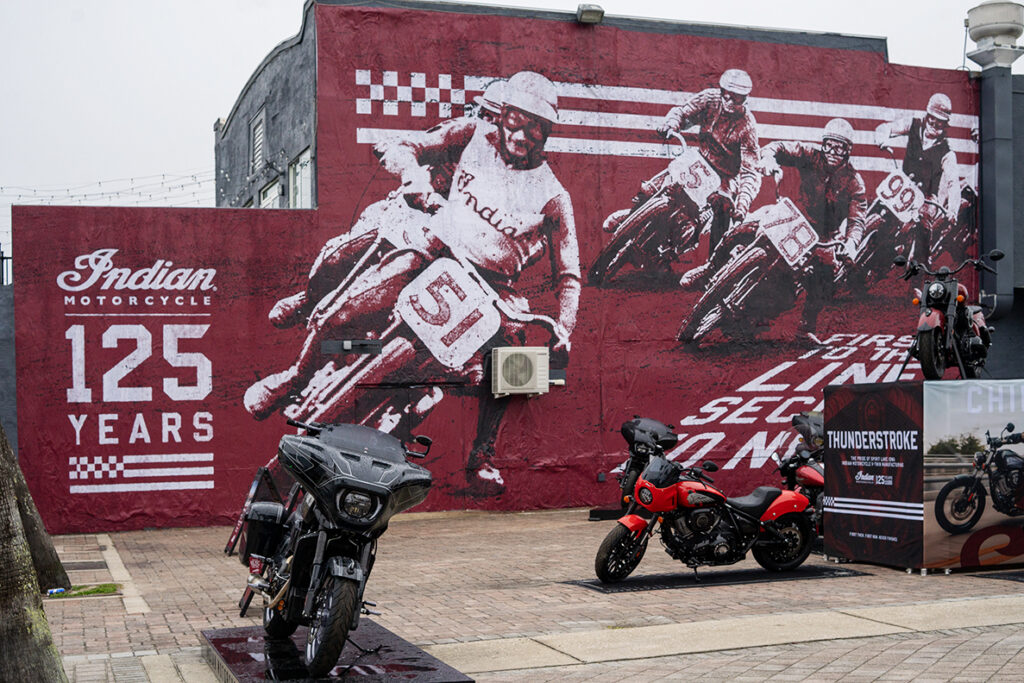
    A mural is a permanent statement. The wall you choose determines whether it gets seen by thousands daily or disappears behind a dumpster. We find the right wall before your production team touches a brush.

    Learn More
    Neighborhood Distribution Scouting

    Neighborhood Distribution Scouting

    Distribution campaigns fail when the neighborhood data is wrong. A door hanger campaign in the wrong building type, the wrong demographic zone, or a neighborhood with access barriers the crew was not briefed on burns print and labor on zero-return addresses. We fix that before the crew goes out.

    Learn More
    Pop-Up Location Scouting

    Pop-Up Location Scouting

    Actually, A mobile boutique parked in the wrong block is invisible to the audience you paid to reach. We find the locations where your pop-up will attract the people it needs, and document everything from loading access to permit requirements before you commit to a date.

    Learn More
    Street Advertising Location Scouting

    Street Advertising Location Scouting

    Snipe placements, sidewalk decals, and stencil campaigns all depend on knowing the specific poles, pavement, and intersections that your audience actually passes. We map that territory before your crew hits the street.

    Learn More
    Street Team Location Scouting

    Street Team Location Scouting

    Brand ambassadors are only as effective as the zone they are deployed in. We identify the intersections, transit stops, and venue approaches where your exact target demographic concentrates, count the traffic, and confirm the deployment makes sense before your team hits the street.

    Learn More
    Transit Adjacency Scouting

    Transit Adjacency Scouting

    Subway exits, bus stops, and train stations concentrate thousands of people at defined physical points on a predictable daily schedule. We map those points, document the surface inventory within reach, and profile the commuter audience by line, exit, and time window.

    Learn More
    Wheatpaste Location Scouting

    Wheatpaste Location Scouting

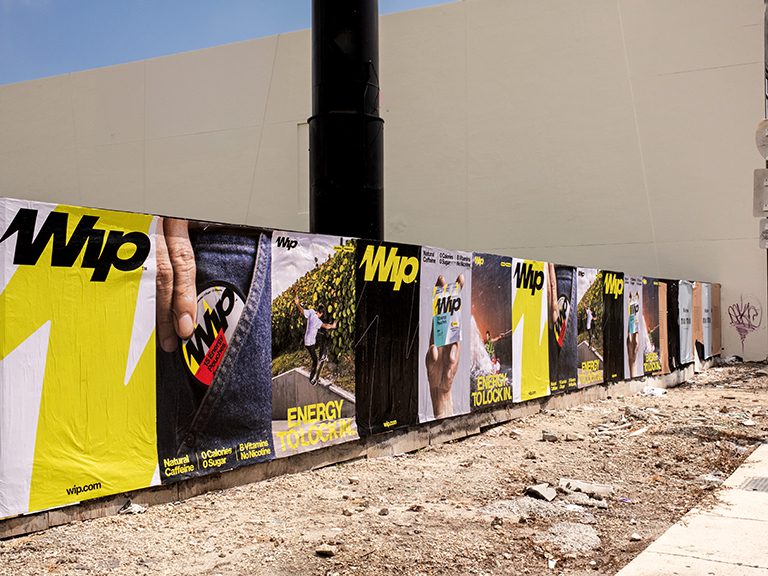
    A wheatpaste campaign lives or dies on wall selection. The wrong surface peels in 48 hours. The wrong neighborhood tears posters down before the paste dries. We find the walls that work, in the neighborhoods where posting belongs.

    Learn More

    What Brands Use AGM Pop-Up Location Scouting For

    Direct-to-Consumer and DTC Brands

    Digitally native brands launching physical retail experiences use pop-up scouting to identify the short-term commercial spaces in the right neighborhoods — confirming square footage, foot traffic, property owner appetite for temporary use, and the cultural alignment that makes a pop-up location feel intentional rather than incidental.

    Fashion and Streetwear Labels

    Limited-release and seasonal fashion campaigns use pop-up scouting to find storefronts and commercial footprints in the specific neighborhoods where their customer already shops — identifying vacancies, coordinating with property owners, and confirming the window dressing and signage options before creative production locks.

    Food Brands and Restaurant Concepts

    Ghost kitchen operators, food brands launching physical concepts, and restaurant groups testing new markets use pop-up scouting to assess the commercial kitchen adjacency, neighborhood demographics, and permit environment before committing to a test-market location.

    Entertainment and Cultural Experiences

    Studios, platforms, and entertainment companies launching immersive or experiential retail moments use pop-up scouting to identify spaces with the right square footage, the right neighborhood positioning, and the event-permitting infrastructure to support elevated production values.

    Frequently Asked Questions About Pop-Up Location Scouting

    A standard mobile boutique truck occupies 30 to 40 linear feet of parking space when closed and requires an additional 15 to 25 feet of depth in front of the vehicle for the interaction zone. Large-format showroom vehicles with full side-panel extensions need 50 to 60 feet of length and up to 40 feet of depth for the full experience footprint. Our site assessment measures the available space at each candidate location and confirms whether the deployment is physically achievable before any site is included in the shortlist.

    Multi-day parking at a single location is possible but requires either a commercial loading zone dwell time extension permit, a private property agreement with the adjacent building owner, or a temporary event permit covering the specific block. Our permit research identifies the applicable pathway for each candidate site and the required lead time for the relevant permit type. Sites without a viable multi-day parking solution are flagged in the report so the client can plan accordingly.

    Our standard pop-up scouting service focuses on outdoor vehicle-based and temporary structure activations in public or semi-public spaces. For indoor pop-up retail experiences in existing commercial spaces like shopping malls, department store floors, or co-working lobbies, the venue selection process is more akin to our bar and venue scouting methodology than the outdoor site assessment approach. We can scope an indoor pop-up location research engagement separately from the outdoor service.

    Required permits depend on the specific city, the vehicle size, the activation format, and whether the site is on public or private property. Common permit types include: temporary commercial vehicle parking permits, sidewalk use permits for associated display elements that extend onto the sidewalk, food service permits if the activation includes any consumable product sampling, and temporary event permits for activations with a public gathering component. Our permit research documents the specific applicable types for each candidate site and city.

    Brand fit assessment involves walking the candidate block during the relevant deployment hours and observing: the anchor retail and food and beverage tenants (what brands are already comfortable in this environment), the observed consumer profile in terms of apparent lifestyle and spending indicators, the visual and atmospheric tone of the block, and any specific cultural factors, such as neighborhood identity or community associations, that would affect whether the brand activation reads as authentic or intrusive in the space.

    Yes. Private property identification, including surface parking lots, private driveways, and vacant commercial spaces, is a specific component of pop-up site scouting in markets where public street parking is insufficient for the activation. For private property sites, we identify the property owner through county assessor records and make initial outreach on behalf of the client or provide the owner information for the client’s direct contact.

    Scouting should begin a minimum of 6 to 8 weeks before the planned deployment date to allow adequate time for permit applications, property owner outreach where required, production preparation, and logistics coordination. In cities with longer permit lead times, such as New York and Chicago, 10 to 12 weeks of advance notice is more appropriate for permitted activations. Brief us as early as possible to preserve maximum flexibility in the site selection and permit process.

    Loading zone dwell time regulations are the single most common site selection failure we see brands encounter. A location that looks perfect on every other metric turns out to have a 20-minute commercial vehicle dwell limit that prevents the vehicle from staying on site for a full day activation. This is a scouting failure that is completely preventable: our report documents the applicable parking regulations at each candidate site so the client knows the operational constraints before selecting.

    Yes. Multi-city pop-up tour scouting is a standard scope for our team. We coordinate operators in each city simultaneously, conduct site research in parallel, and deliver a consolidated report organized by city with consistent format for easy comparison across markets. Tour routing recommendations based on logistics efficiency between cities can be added to the scope on request.

    Pop Up Location Scouting scouting reports deliver in 7 to 10 business days from confirmed brief receipt. The brief should specify the vehicle or structure size, the target audience profile, the planned deployment dates and hours, and any geographic or neighborhood preferences so the field team scouts with the right parameters from the first site visit.

    AGM Scouting Coverage: All 50 States and D.C.

    AGM operates a national network of field operators. We have scouted campaigns in every U.S. state and the District of Columbia. Whether your campaign targets a dense urban core or a suburban retail corridor, we have operators who know the territory.

    No locations found

    American Guerrilla Marketing Blog Posts