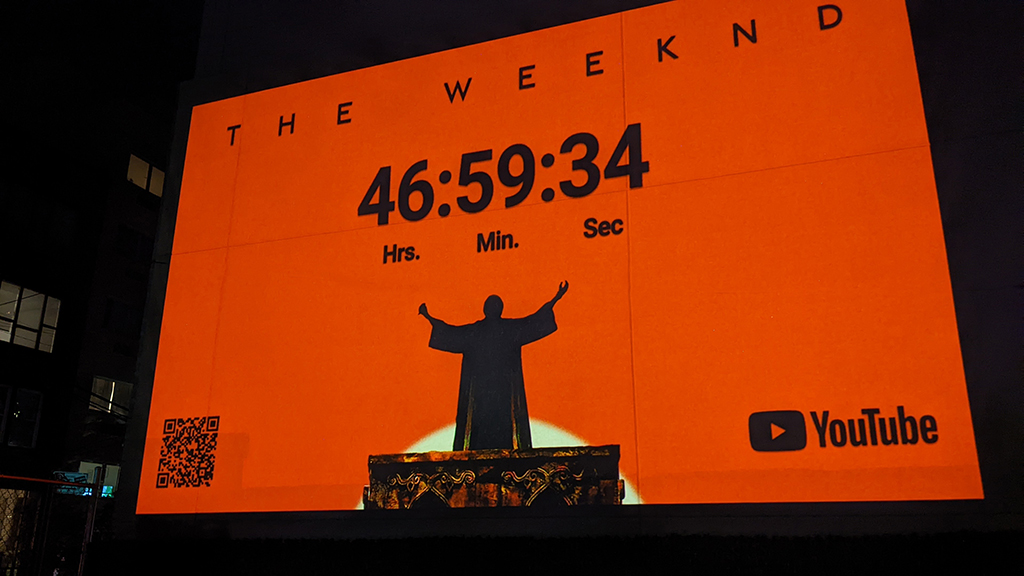
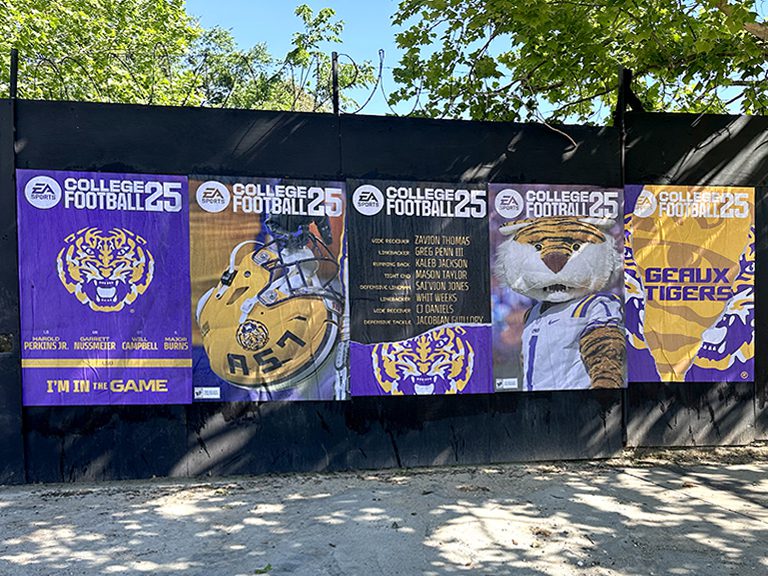
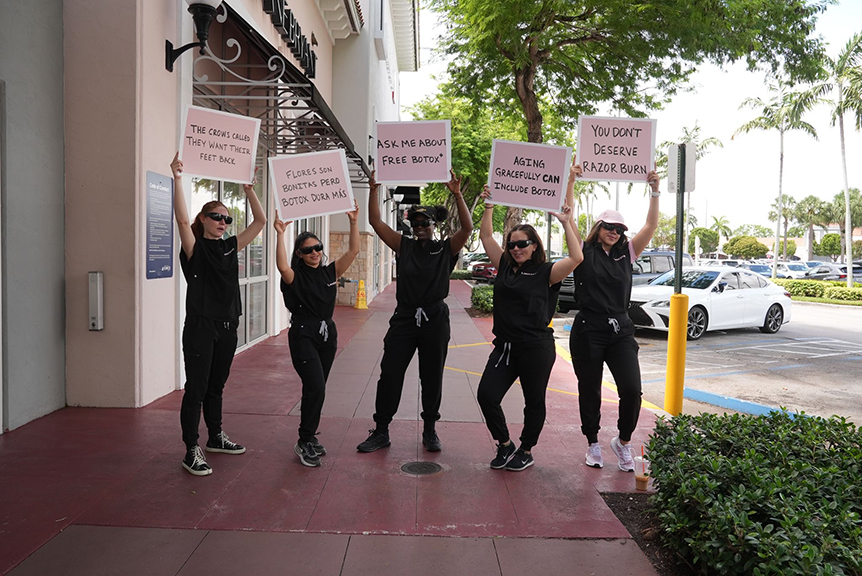
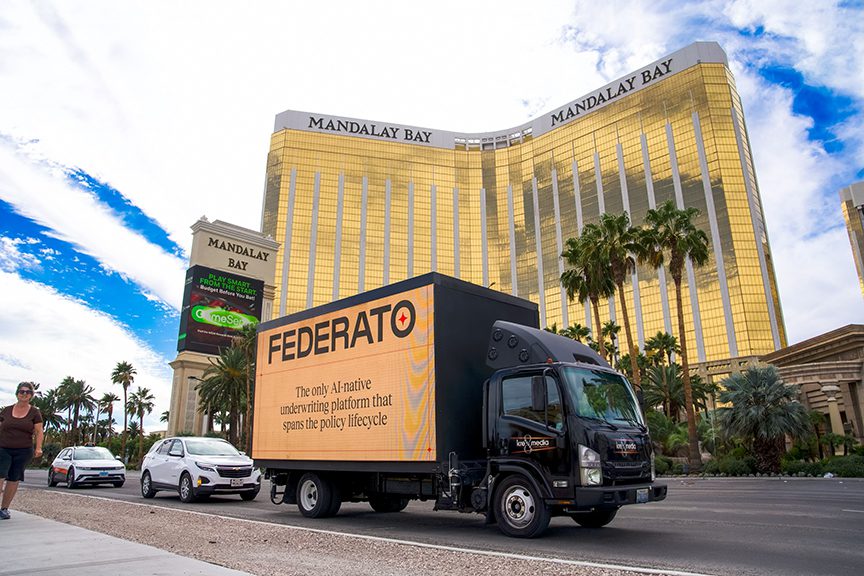
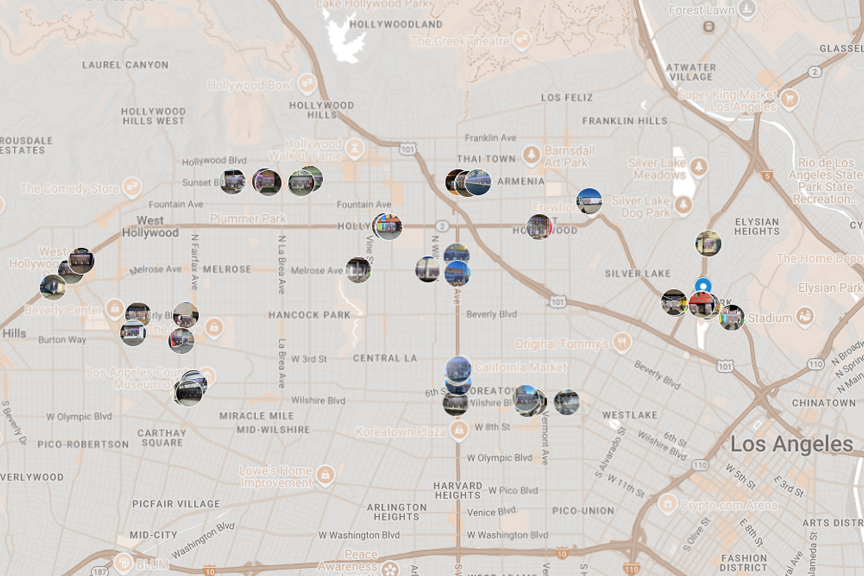
πŸš€ NEW WHEATPASTING MARKETS Discover our wheatpasting campaigns in : πŸ‡¬πŸ‡§ London β€’ πŸ‡¨πŸ‡¦ Canada β€’ πŸ‡²πŸ‡½ Mexico City

American Guerrilla Marketing

Nationwide Service

Media planning, media buying, billboard advertising, & guerrilla marketing

Event and Festival Location Scouting

The best opportunity to reach a defined audience in a concentrated geographic zone happens in the hours before and after a major event. We map the entire perimeter, document every approach route, and rank every activation zone before the crowd arrives.

Event and Festival Location Scouting

Why Pre-Event Reconnaissance Changes Everything

Our operators conduct pre-event reconnaissance in person, visiting event perimeters during setup windows and comparable prior events to build an accurate picture of where your audience will actually be. Major events, whether a sold-out concert at a 15,000-seat arena, a weekend music festival on a city park, a championship sporting event, or a major conference, concentrate a defined audience in a specific geographic zone for a predictable duration. The audience is in a known emotional state, moving in predictable directions, and open to brand encounters that feel relevant to the moment.

The operational standard: every surface gets evaluated as if AGM’s own campaign budget was riding on the placement. That standard doesn’t change by market or by client.

Every Event And Festival Scouting report AGM delivers reflects firsthand field intelligence: pre-event reconnaissance at the actual event location, review of pedestrian patterns at prior comparable events, and GPS-confirmed surface documentation at approach corridors and perimeter zones before any Event And Festival Scouting recommendation is made. Contact us to start your Event And Festival Scouting engagement.


Field Intelligence Beats Filtered Data

AGM operators walk event grounds before any crew is booked β€” mapping vendor corridors, pedestrian flow between stages, and high-dwell areas that standard venue maps don't show. Event scouting delivers intelligence that doesn't exist in any database β€” gate patterns, activation dwell zones, and brand moment windows that only emerge from walking the grounds before the crowd arrives.

How We Do It

Our event and festival scouting process starts before the event and runs in five documented phases. First, we assess the venue layout and pedestrian approach routes using maps, past event documentation, and where possible a pre-event site visit. Second, we identify the high-dwell-time zones: the entry queue, the food and beverage corridor, the merchandise area, and the exit funnel, which is often the highest repeat-exposure zone of a festival footprint. Third, we document surface availability in and around the venue β€” what can be placed pre-event, during event, and post-event as crowds are still dispersing. Fourth, we assess permit requirements and event organizer relationships for on-site placements. Fifth, we document the neighborhood perimeter: the bar and restaurant corridor within half a mile of the venue that captures the pre- and post-event crowd.

This service type is led by AGM field operators Leila Marsh and Marcus Reid, who between them have delivered event and festival scouting briefs for more than 120 events across 30 markets. Every brief they deliver is backed by firsthand field time β€” no location gets recommended from a screen.

AGM’s operators bring genuine Event Festival Scouting expertise to every client engagement: format-specific location assessment, foot traffic analysis, environmental suitability evaluation, and property or permit pathway documentation. Specialist Event Festival Scouting knowledge built from real campaign execution is what turns a location list into a report you can execute from directly.

The brands that execute well at events do not figure it out when they arrive. They walk the perimeter days or weeks before the event. They know which parking structure exit pushes the highest crowd volume toward which streets. They know which corner serves as the natural gathering point for people arriving too early for venue doors. They know which block of approach corridor gets foot traffic that clears before the crowd disperses in the wrong direction. They know this because someone walked it.

Our event scouting team conducts pre-event reconnaissance at the specific venue and the specific event footprint before the campaign planning is finalized. What comes back is a perimeter map, an approach route ranking, an activation zone priority list, and a timing schedule that gives the campaign team a full operational picture before they commit a single dollar to event-adjacent creative production or street-level installation.

AGM event scouting delivers perimeter maps with approach routes, activation zone rankings, timing windows by event phase, surface inventory by zone, permit and restriction summaries, and recommended format mixes. Delivered in 7 to 10 business days of the event date when possible.

Every Event And Festival Scouting report AGM delivers reflects firsthand field intelligence: operators who visited event perimeters before the target event, photographed the approach corridors, GPS-confirmed surface locations, and logged everything before any recommendation was made. Reach us to request existing Event And Festival Scouting field documentation.

What the Event Scouting Walk Documents

Perimeter Mapping

The perimeter is the full boundary of where audience movement concentrates around an event. For a festival in a city park, the perimeter includes every entry point and the surrounding block radius where pedestrian density exceeds non-event baseline. For a concert at an urban arena, the perimeter is defined by the approach routes from parking structures, transit exits, and rideshare drop zones that funnel crowd toward the venue. Mapping the perimeter requires physically walking every approach route and every egress path to understand the full geographic extent of the event’s audience impact on the surrounding area.

Approach Route Documentation

Not every approach route to a venue carries equal audience density. The transit exit one block from the main entrance may push 3,000 people per hour in a concentrated pedestrian flow. The parking structure two blocks away may discharge 500 cars over two hours with vehicle-oriented traffic rather than a pedestrian corridor. The rideshare pickup and drop zone may be at a third location entirely, with its own foot traffic pattern to and from the venue.

Our operators walk every approach route and document: pedestrian volume (counted or estimated from observed flow density), the physical width of the pedestrian corridor, the surface inventory on both sides of the corridor, the dwell zones where crowd density naturally increases due to traffic signals or gathering geometry, and the timing relationship between route activation and event door opening time.

Dwell Zones Where People Wait and Gather

Dwell zones are the spaces where pre-event crowds concentrate and stay rather than moving through. The plaza outside the main entrance before doors open. The bar on the approach block that fills up two hours before showtime. The sidewalk section where the rideshare queue forms. These zones have dramatically higher dwell time than the moving approach corridor, which means brand encounters in dwell zones have more exposure time and more opportunity for engagement. Our scouts specifically identify and rank the dwell zones in the event perimeter by volume and timing.

Adjacent Commercial Blocks Serving Pre-Event Crowds

The bars, restaurants, and retail establishments within a three-block radius of a major venue shift their business profile entirely on event days. The dive bar two blocks from Wrigley Field on a Cubs night game day is not serving its regular neighborhood audience. It is serving 200 concert-goers or baseball fans who arrived early. The pizza place across from the Barclays Center in Brooklyn serves a completely different demographic on a Beyonce night versus a Tuesday at lunch. Our event scouting identifies the specific commercial nodes that activate as pre-event gathering points and assesses their viability for brand activation or placement programs on event days.

Surface Inventory on Approach Routes

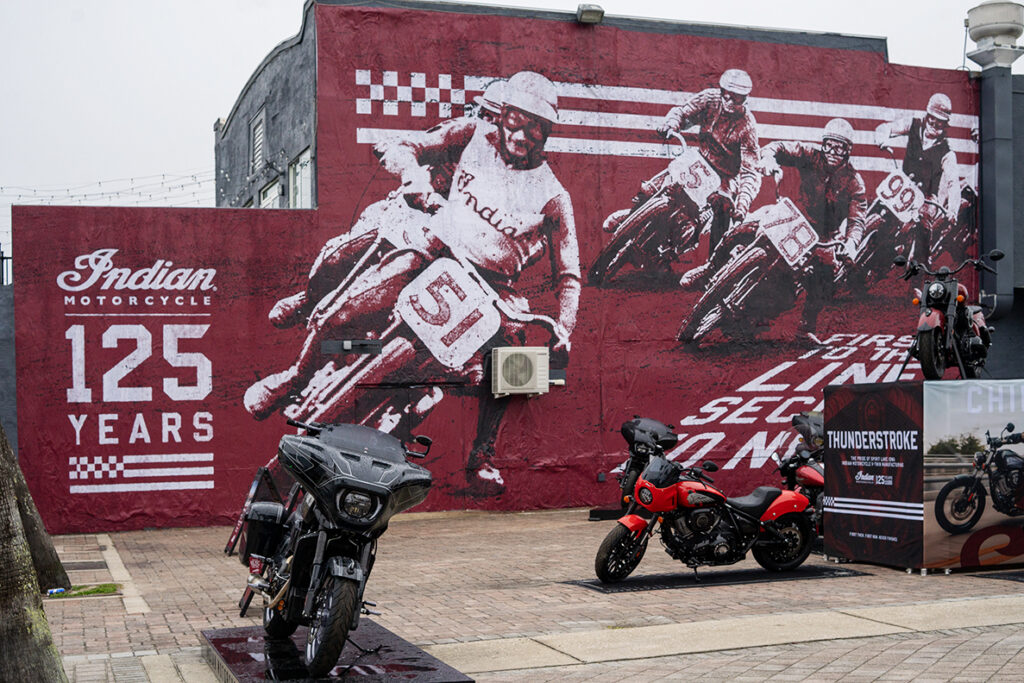
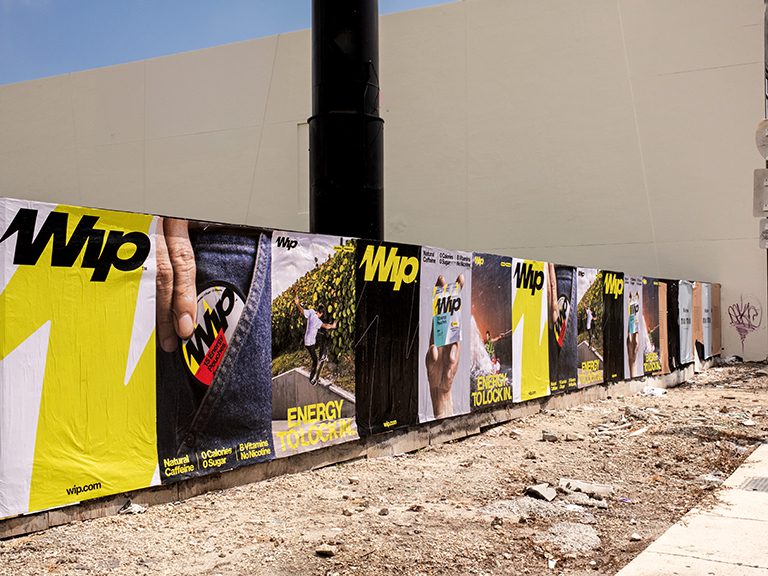
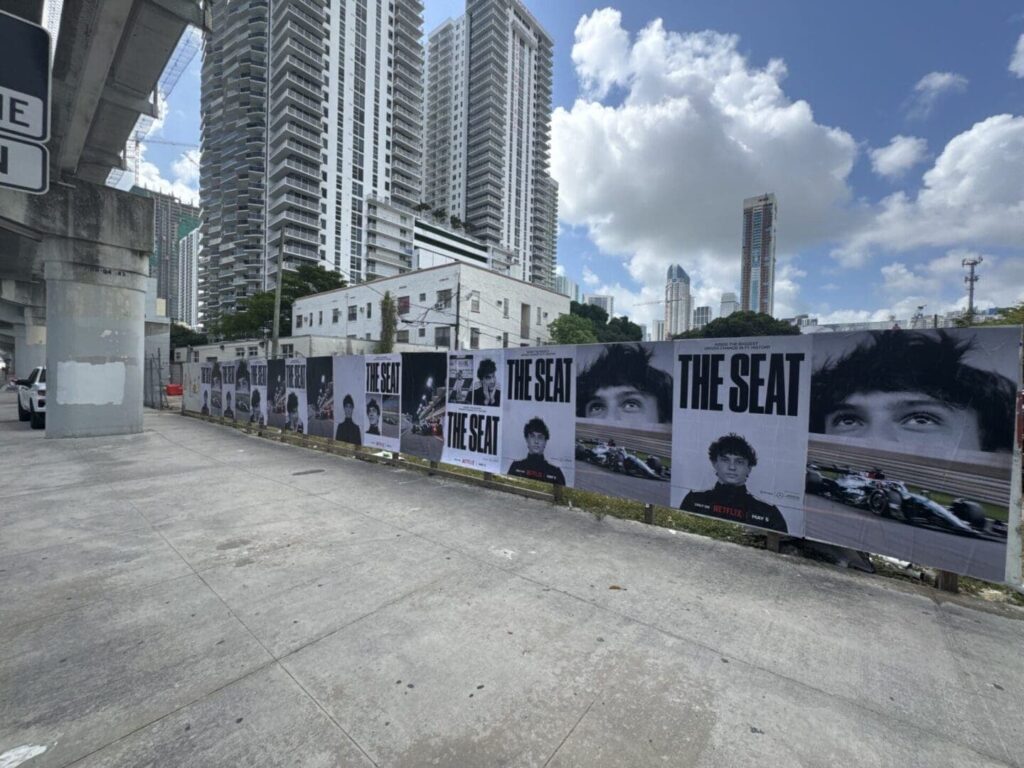
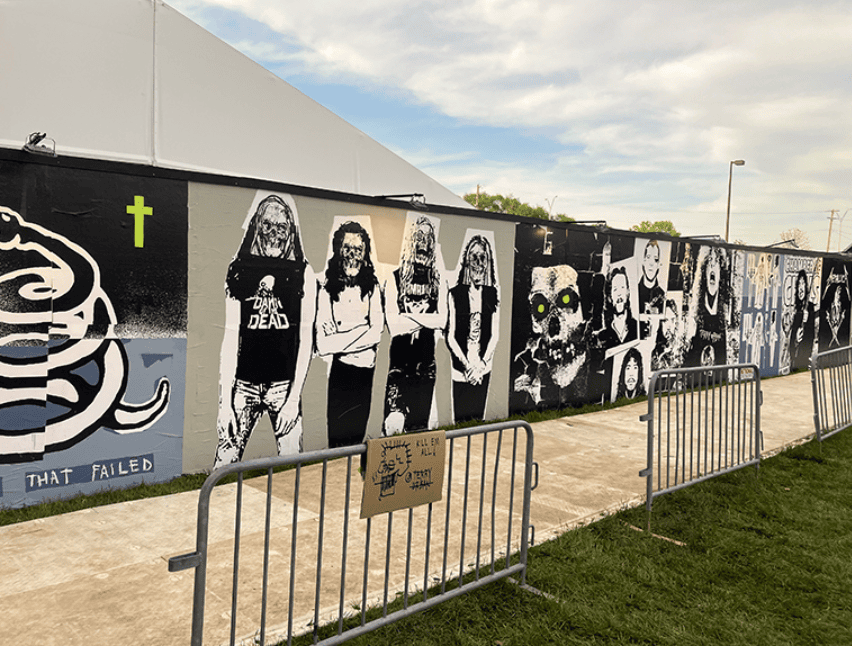
The physical advertising surfaces, poles, walls, pavement, on the primary approach routes to major events become temporarily the most-viewed outdoor surfaces in the city during the approach window. A wheatpaste campaign on the walls along the primary approach route from the 18th Street Red Line stop to the DC Armory is seen by every Metro-arriving attendee. Snipe advertising on the utility poles along the approach from the parking structures east of Soldier Field in Chicago is seen by every car-arriving attendee walking to the game. Our operators inventory every surface within 100 feet of each primary approach route and document the format eligibility for each.

Activation Timing Windows

How early before doors open do crowds begin concentrating outside? This number is different for different event types and different venue types. General admission shows at smaller venues may draw a queue two to three hours before doors. Reserved seating arena shows may not see significant external crowd concentration until 45 minutes before showtime. Outdoor festival gates often have significant crowd concentration from the moment gates open for the full festival duration. Our timing documentation establishes the specific window when outdoor campaign activation outside the event delivers maximum audience, rather than having the campaign team guess at when to deploy.

Events And Venues We Have Scouted

Coachella Valley Music and Arts Festival, Indio, California

Coachella’s perimeter extends well beyond the Empire Polo Club grounds at Monroe Street and 81st Avenue in Indio. The approach routes from the shuttle bus drops at overflow parking sites on Avenue 48 and Monroe Street, the vendor corridor on the south side of the festival grounds, and the residential blocks used for camping and pre-party gatherings create a multi-mile campaign environment that extends into the Palm Desert and La Quinta corridors. Pre-event weeks in the Coachella Valley concentrate the festival audience in hotel corridors along Highway 111 in Palm Desert and the Route 62 approaches to Joshua Tree, which serve as campaign environments before the main festival footprint activates.

Lollapalooza, Grant Park, Chicago

The Lollapalooza footprint at Grant Park occupies the blocks between Columbus Drive and Lake Shore Drive from Randolph Street to Roosevelt Road. The primary audience approach routes include: the CTA Red, Green, and Orange Line exits at Roosevelt station (the highest-volume transit approach), the pedestrian bridge approach from Michigan Avenue at Adams Street, and the parking structure exits along Grant Park North and South. The Columbus Drive approach from Millennium Park is heavily pedestrian-dense during the pre-noon gate openings on festival days. The adjacent Michigan Avenue corridor from Monroe to Balbo carries an enormous shoulder audience of festival-adjacent foot traffic from Millennium Park visitors and downtown shoppers who encounter the festival atmosphere.

Art Basel Miami Beach, Miami Beach, Florida

Art Basel Miami Beach at the Miami Beach Convention Center on Washington Avenue and 17th Street generates a week-long event perimeter that extends through the Wynwood district, the Design District, the Lincoln Road corridor, and the hotel strip on Collins Avenue. The pre-event and inter-event pedestrian movement between venues, gallery openings, and brand activations during Art Basel week creates one of the most concentrated high-net-worth and tastemaker audiences in North America. Street-level campaign presence during Art Basel week benefits from exceptionally high social media documentation rates from the attending creative and collector community.

SXSW, Austin, Texas

South by Southwest transforms the entire central Austin street grid into a week-long event perimeter. The primary guerrilla campaign zones during SXSW concentrate on the 6th Street entertainment district, the Red River Cultural District between 6th and 11th Streets, the Austin Convention Center approach on 4th and 5th Streets, and the East Cesar Chavez corridor east of IH-35 where the day parties and brand activations have increasingly concentrated in recent years. SXSW street-level campaigns need to account for the layered permit environment managed by the City of Austin, Travis County, and the SXSW organization itself for the core event footprint.

Super Bowl Host City

Super Bowl week creates a fully mobile event perimeter that moves with the host city and spreads across multiple venue zones including the game stadium, the official fan experience zone, the media row hotel corridor, and the brand activation hub that varies by city. Our Super Bowl scouting begins as soon as the host city is confirmed, typically 12 to 18 months in advance, to map the anticipated activation zones based on the host city’s geography and the typical Super Bowl event footprint pattern. Approach routes to the game stadium, the NFL Experience venue, and the primary hotel corridors serving team and media delegations are all documented in the scouting report.

Certified placement experts with licensed field credentials manage the event and festival scouting inventory β€” every recommended surface assessed firsthand before entering the active placement record.

The placement inventory for event and festival scouting is maintained by AGM’s certified, licensed field experts β€” professionals whose surface assessments come from direct evaluation, not desk research.

Scout Your Event Perimeter

    Award Winning Personalized Service

    You will get thoughtful, devoted, and individualized attention from our experienced, qualified, and professional personnel. Being one of the most illustrious agencies in Brooklyn, New York, American Guerrilla Marketing has been awarded the Best of Brooklyn title.

    Nationwide

    Industry City, Brooklyn, New York 11232

    American Guerrilla Marketing

    +1 (646) 776-2770

    [email protected]

    Telegram: @americanguerillamarketing

    Hours

    Mon - Fri:Β 9 AM - 5 PM

    Sat & Sun:Β Closed

    Automate your campaign with AGM’s Request for Proposal Builder.

    Automate your campaign with AGM’s Request for Proposal Builder. Simply answer a few quick questions about your campaign goals, markets, and timeline, and the system will generate a tailored presentation with recommended strategies, quantities, and pricing. Click the RFP Builder to instantly receive your customized proposal.

    Deliverables: The Event And Festival Scouting Report

    Perimeter Map with Approach Routes

    A georeferenced perimeter map showing the full footprint of where audience movement concentrates, with every primary approach route annotated with estimated pedestrian volume, flow direction, and surface inventory density. The map is formatted for both print reference on deployment day and digital sharing with the creative and production team.

    Activation Zone Ranking

    A ranked list of the top activation zones within the event perimeter, scored on audience volume, dwell time, demographic match, and format viability. Each zone is described with its physical characteristics: dimensions, access constraints, permit status, and the specific campaign formats best suited to the environment.

    Timing Windows

    A documented timing schedule for the full event day (or festival duration), noting the specific window when audience concentration at each zone reaches its peak, when the approach corridors are active, when the post-event egress creates secondary activation opportunities, and any lull periods in the middle of the event day when deployment resources can be repositioned.

    Surface Inventory by Zone

    A zone-by-zone inventory of every physical advertising surface within the activation footprint: poles for snipe formats, walls for wheatpaste or mural formats, pavement for decal and stencil formats. Each surface entry includes format eligibility, a condition note, and a photograph from the pedestrian approach angle.

    Permit and Restriction Summary

    The specific permit requirements and restrictions applicable to each activation zone in the event perimeter. This includes the governing authority for each zone, the type of activity permitted without a permit versus requiring a permit, the lead time for any required applications, and any event-specific restrictions imposed by the event organizer on the surrounding public space.

    Recommended Format Mix

    A specific format mix recommendation for the event perimeter that accounts for the physical environment at each zone, the audience behavior in each phase of the event day, and the campaign’s creative brief. Format recommendations distinguish between pre-event, during-event, and post-event activation windows, because the audience and the space behave very differently across those phases.

    What Brands Use AGM Event and Festival Scouting For

    Music Releases and Tours

    Labels and management teams brief us 3 to 4 weeks before a release or tour announcement. We deliver festival perimeter wall inventory, venue shortlists, and street team deployment zones around the event footprint before the creative ships.

    Consumer Packaged Goods

    CPG brands use event scouting to identify the specific approach corridors, food and beverage vendor clusters, and high-dwell activation zones around major festivals where their target demographic concentrates at the highest density of the entire year.

    Alcohol, Energy, and Beverage Brands

    Regulated categories with limited media options use festival scouting to identify the perimeter placements, adjacent venue partnerships, and street-team zones that reach the event audience before and after they’re inside the gates where brand presence is restricted.

    Streaming and Entertainment Platforms

    Content and platform launches use festival scouting intelligence to target the creative professional, artist, and cultural tastemaker audience that concentrates at film, music, and arts festivals in numbers that can’t be replicated through conventional media buys.

    Bar and Venue Scouting

    Bar and Venue Scouting

    The right venue reaches your audience when they are relaxed, social, and receptive. Finding that venue requires field research, not a Yelp search. We identify and vet the bars, restaurants, and nightlife spots that match your brand and your target audience.

    Learn More
    Building Projection Scouting

    Building Projection Scouting

    Projection media is technically demanding before it is creatively demanding. The geometry has to work. The ambient light has to cooperate. The wall has to take the image. We scout all of it before you book the equipment.

    Learn More

    All Scouting Services

    College Campus Reconnaissance

    College Campus Reconnaissance

    University campuses have their own geography, their own pedestrian logic, and their own advertising rules. Our field operators map it all before a single dollar goes into production.

    Learn More
    Corporate Campus Reconnaissance

    Corporate Campus Reconnaissance

    AGM scouts corporate campuses, office parks, and business districts to identify the pedestrian zones, commuter corridors, parking approaches, and surface inventory where guerrilla marketing campaigns reach employees, contractors, and visitors at their daily access points.

    Learn More
    Event and Festival Scouting

    Event and Festival Scouting

    The best opportunity to reach a defined audience in a concentrated geographic zone happens in the hours before and after a major event. We map the entire perimeter, document every approach route, and rank every activation zone before the crowd arrives.

    Learn More
    Guerrilla Activation Scouting

    Guerrilla Activation Scouting

    A brand stunt in the wrong plaza is a brand stunt nobody sees. We find the exact intersection, courtyard, or public space where your target audience concentrates, document the logistics, research the permits, and hand you a site that works.

    Learn More
    Mobile Billboard Route Scouting

    Mobile Billboard Route Scouting

    A billboard truck running the wrong corridor delivers impressions to an audience that was never the target. We map the routes that put your LED or static display in front of the specific people you need to reach, at the times they are actually there.

    Learn More
    Mural Location Scouting

    Mural Location Scouting

    A mural is a permanent statement. The wall you choose determines whether it gets seen by thousands daily or disappears behind a dumpster. We find the right wall before your production team touches a brush.

    Learn More
    Neighborhood Distribution Scouting

    Neighborhood Distribution Scouting

    Distribution campaigns fail when the neighborhood data is wrong. A door hanger campaign in the wrong building type, the wrong demographic zone, or a neighborhood with access barriers the crew was not briefed on burns print and labor on zero-return addresses. We fix that before the crew goes out.

    Learn More
    Pop-Up Location Scouting

    Pop-Up Location Scouting

    Actually, A mobile boutique parked in the wrong block is invisible to the audience you paid to reach. We find the locations where your pop-up will attract the people it needs, and document everything from loading access to permit requirements before you commit to a date.

    Learn More
    Street Advertising Location Scouting

    Street Advertising Location Scouting

    Snipe placements, sidewalk decals, and stencil campaigns all depend on knowing the specific poles, pavement, and intersections that your audience actually passes. We map that territory before your crew hits the street.

    Learn More
    Street Team Location Scouting

    Street Team Location Scouting

    Brand ambassadors are only as effective as the zone they are deployed in. We identify the intersections, transit stops, and venue approaches where your exact target demographic concentrates, count the traffic, and confirm the deployment makes sense before your team hits the street.

    Learn More
    Transit Adjacency Scouting

    Transit Adjacency Scouting

    Subway exits, bus stops, and train stations concentrate thousands of people at defined physical points on a predictable daily schedule. We map those points, document the surface inventory within reach, and profile the commuter audience by line, exit, and time window.

    Learn More
    Wheatpaste Location Scouting

    Wheatpaste Location Scouting

    A wheatpaste campaign lives or dies on wall selection. The wrong surface peels in 48 hours. The wrong neighborhood tears posters down before the paste dries. We find the walls that work, in the neighborhoods where posting belongs.

    Learn More

    Frequently Asked Questions About Event and Festival Scouting

    If you’re planning a campaign around a specific event, the window matters as much as the location. Your placement that works for the three days around a festival may not be worth running in the off-season. Tell us which event you’re planning around and we’ll build a scouting report that’s optimized for that specific window.

    Ideally, event scouting begins 6 to 10 weeks before the event date for campaigns requiring permits, print production, and scheduled installations. For campaigns that rely primarily on ambient placement (wheatpaste and snipe campaigns installed in the days before the event), 3 to 4 weeks of advance scouting is usually sufficient. For major annual festivals like Lollapalooza or Art Basel, we can conduct pre-event scouting from prior-year knowledge combined with current-year perimeter confirmation walks that begin 2 to 3 weeks before the event. Brief us with the event date as early as possible to determine the right scouting timeline for your specific campaign format.

    Yes. Every event has a perimeter and approach routes that can be documented through a field walk conducted before the event date. Events at established venues with known perimeters, such as major arena shows, sports stadiums, and recurring festivals at fixed venues, benefit from our existing field knowledge of the venue environment. New events, pop-up festivals, or events at unconventional venues require a full perimeter mapping walk from scratch. Both are within our standard service scope.

    The most effective event perimeter formats depend on the specific zone and the campaign timing. Approach corridor surfaces (walls and poles) work best for passive reach formats: wheatpaste on walls reaches the full arriving audience across the entire approach window without requiring crew deployment during the event. Snipe advertising on approach corridor poles builds passive impression volume from the days before the event through the event day. Brand ambassadors in dwell zones convert the captive gathering audience into direct engagements. LED billboard trucks on approach routes and in parking structure exits reach the arriving and departing audience in motion during peak windows.

    Yes. Post-event egress creates a second activation window that is often overlooked. The post-show crowd moving from venue exits toward transit and parking is a different emotional state than the pre-show crowd, but it is often a more concentrated and slower-moving audience because the egress is less spread out in time than the arrival. Our timing documentation covers both the pre-event arrival window and the post-event egress window for each approach and egress route.

    Event venues sometimes have exclusive advertising agreements that restrict brand activity on the approach routes they control or influence. These restrictions vary by venue and by the specific format of the campaign. Our scouting documents the boundaries of any restriction zone that the venue or event organizer enforces and identifies the approach route sections and perimeter zones that fall outside those restrictions. We do not commit resources to zones where the client’s campaign would be removed before it serves its purpose.

    Yes. Multi-city festival and concert tour scouting is a standard scope. We coordinate operators in each tour city, conduct pre-show scouting at each venue, and deliver consolidated reports for all tour markets organized by date and venue. For recurring annual tour shows, prior-year scouting reports can be updated with current-season verification walks rather than full-scope re-scouts, which reduces cost and lead time on the scouting engagement.

    The demographic is entirely determined by the event. A country music festival perimeter reaches a specific country music audience profile. A tech conference approach corridor reaches the attending tech executive and developer audience. A championship boxing match perimeter reaches a specific sports and entertainment audience. This demographic specificity is exactly what makes event perimeter campaigns valuable: the audience is pre-selected by their decision to attend the event, which provides demographic context that no broad urban media placement can match.

    Major events often span boundaries between city blocks, neighborhoods, and sometimes municipal jurisdictions. A festival at a convention center may have parking in a different municipality from the venue itself, with approach routes crossing multiple permit jurisdictions. Our surface inventory documents the specific jurisdiction for each surface or zone and notes the applicable permit requirements separately for each jurisdiction. Campaign planning in multi-jurisdiction environments requires this level of specificity to avoid operational surprises on campaign day.

    Yes, and recurring events benefit from cumulative field knowledge. The first season’s scouting produces a complete perimeter map and surface inventory. Subsequent seasons require a confirmation walk to verify that the approach route geometry, surface conditions, and permit landscape have not changed, which takes significantly less time than the initial full scout. Brands that run adjacent to the same annual event over multiple years build a campaign template that improves in efficiency and coverage each year.

    Standard turnaround is 7 to 10 business days from confirmed brief receipt, subject to the event date being far enough in advance to allow the field walk to occur before the campaign’s production deadline. For events with long lead times, brief us as early as possible to allow maximum scheduling flexibility. For tight timelines on approaching events, we can assess rush availability depending on operator schedules in the target market. Contact us with the event date and market to get a specific timeline assessment for your scouting engagement.

    AGM Scouting Coverage: All 50 States and D.C.

    AGM operates a national network of field operators. We have scouted campaigns in every U.S. state and the District of Columbia. Whether your campaign targets a dense urban core or a suburban retail corridor, we have operators who know the territory.

    No locations found

    American Guerrilla Marketing Blog Posts