American Guerrilla Marketing
Nationwide serivce
Media planning, media buying, billboard advertising, & guerrilla marketing
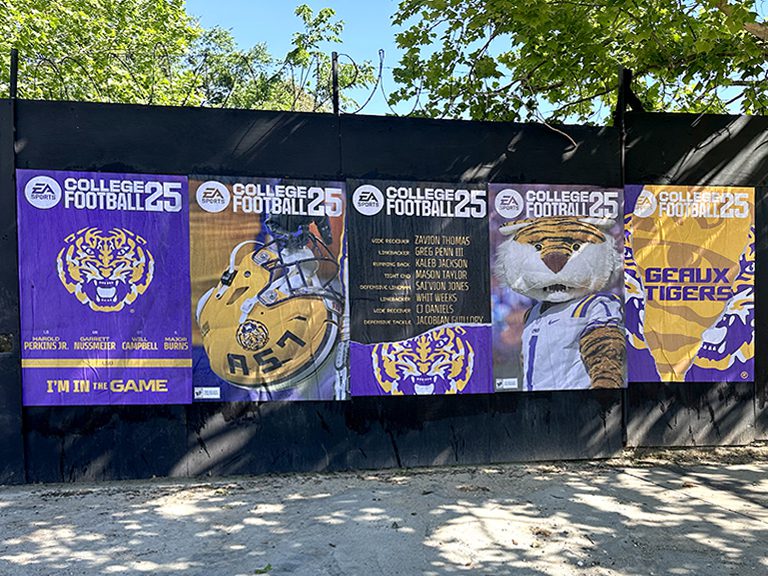
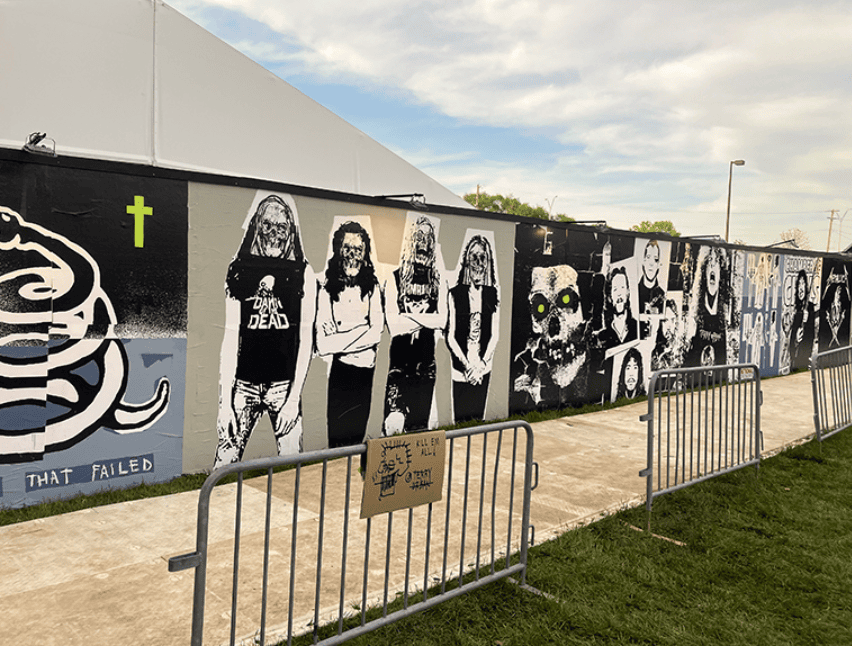
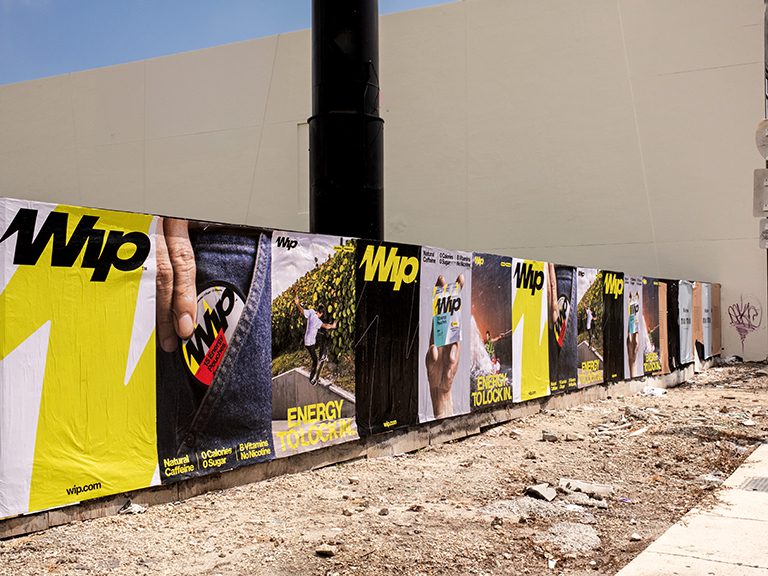
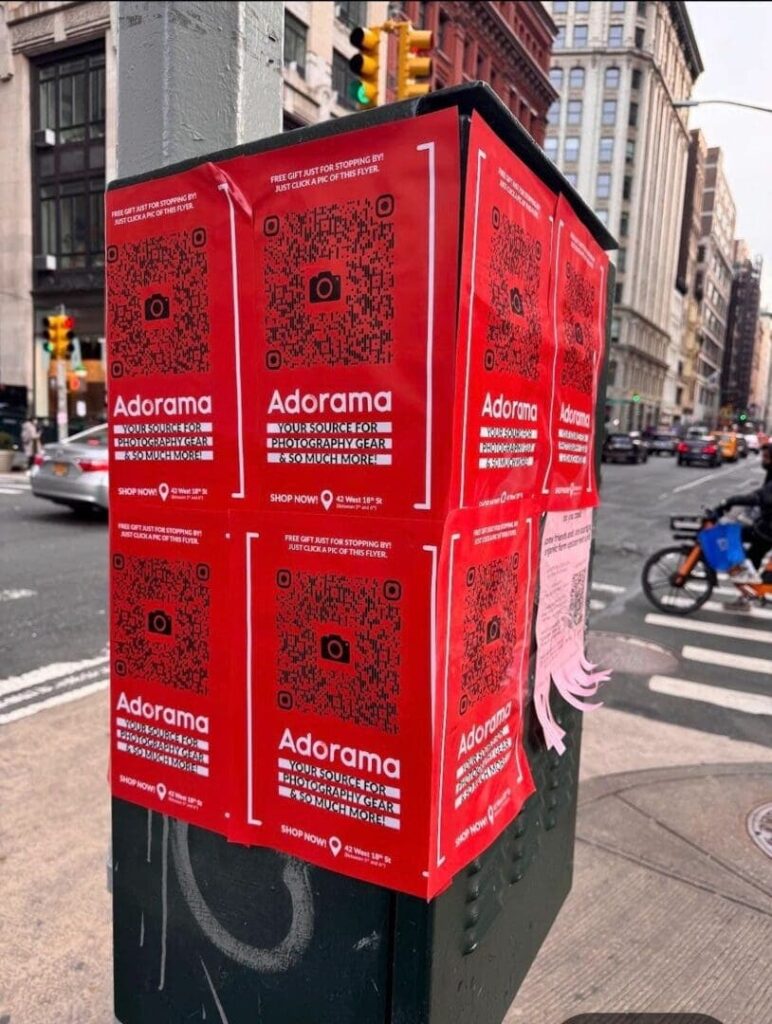
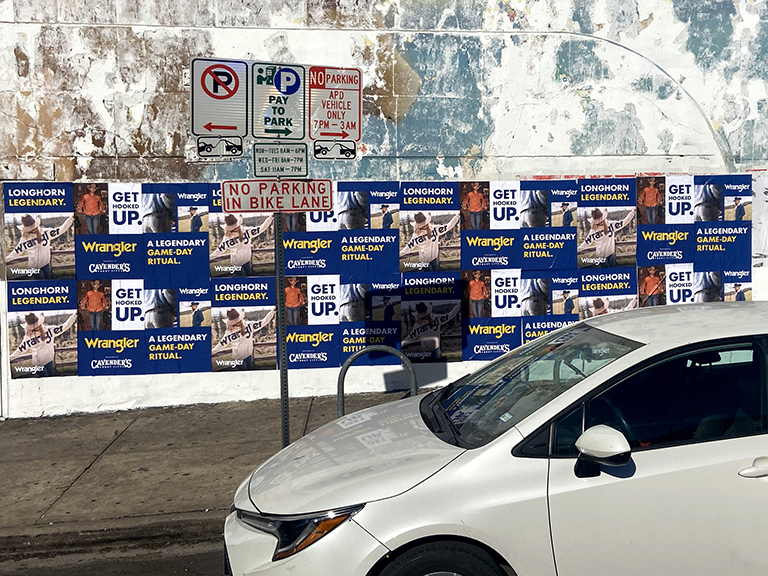
A wheatpaste campaign lives or dies on wall selection. The wrong surface peels in 48 hours. The wrong neighborhood tears posters down before the paste dries. We find the walls that work, in the neighborhoods where posting belongs.
Every wall in our wheatpaste location inventory has been walked and assessed in person by a field operator who confirmed surface condition, adhesion viability, and foot traffic before it entered the inventory. Wheatpasting is one of the oldest forms of street-level advertising. The format looks simple: paper, paste, wall. But the operational complexity underneath that simplicity is real, and the location selection choices matter more than any other variable in the campaign.
The gap between a campaign that works and one that doesn't often starts with whether the locations were properly scouted. We do that part.
Our wheatpaste location scouting process runs in five documented steps. First, we walk the target geography to identify candidate surfaces: the building faces, construction hoardings, and legacy commercial walls where poster adhesion is permitted or historically tolerated. Second, we assess each surface for physical viability — texture, existing paint condition, moisture exposure, and the presence of competing placements that would obscure or surround the installation. Third, we document the foot traffic volume and pedestrian approach geometry for each surface: which direction people are walking when they first see it, how close they get, and how long the viewing window lasts. Fourth, we assess turnover rate at each location — how quickly placements at that surface get covered by competing paper. Fifth, we deliver a ranked surface inventory with photo documentation, traffic estimates, surface condition ratings, and our recommended installation sequence.
This service type is led by AGM field operators Marcus Webb and Darius Fontenot, who between them have delivered wheatpaste scouting briefs covering more than 180 markets across all 50 states. Every wheatpaste location scouting brief from this team comes from boots on the ground field evaluation — the operators who wrote the brief walked the surfaces they’re recommending. Nothing in the report was evaluated remotely.
Wheatpaste Location Scouting surface assessment at the specialist level covers substrate material identification, adhesion viability assessment for the specific climate and exposure conditions at each location, posting culture confirmation at the neighborhood level, sightline clearance geometry, and property owner accessibility for permissioned placements. AGM’s Wheatpaste Location Scouting operators build this intelligence from executed campaigns.
Surface texture determines adhesion. A rough, unpainted brick face grabs paste differently than smooth painted concrete. A wall that has been freshly pressure-washed has different adhesion properties than one with a decade of layered grime that actually acts as a bonding substrate. A wall that sees direct morning sun in a hot climate dries the paste too fast during installation and causes bubbling. These are not theoretical concerns. They are the difference between a campaign that posts cleanly and one where the crew is pulling crumpled paper off walls before sunrise.
Neighborhood posting culture matters as much as surface condition. Some neighborhoods have established traditions of wheatpaste posting going back decades: arts districts, music scenes, university corridors, nightlife blocks. In these environments, posting is expected, building owners have adapted, and removal pressure is low. In other neighborhoods, a single poster on a prominent wall will be reported to the property owner and removed within hours. Our field operators know the difference, and they document it.
American Guerrilla Marketing’s Wheatpaste Location Scouting operators bring boots-on-the-ground experience from campaigns across all 50 states. Every wall we recommend for a wheatpaste campaign has been physically assessed for adhesion viability, photographed, and GPS-confirmed before it enters a client Wheatpaste Location Scouting report. Contact us to start your Wheatpaste Location Scouting engagement.
AGM’s field crew has boots on the ground in every major US market. We’ve run campaigns across all 50 states and maintain a firsthand portfolio of verified surfaces updated through active field visits. In-person scouting is the only methodology we use. Contact us to brief the field team on your campaign.
The first thing our operators assess is whether a neighborhood has an established posting tradition. Evidence of existing posting activity, the presence of older campaign remnants, layered poster histories visible on high-use surfaces, property owners who have not removed previous postings despite having the ability to do so: all of these signal that wheatpaste posting is tolerated or expected in the environment. Neighborhoods with no posting history require more careful evaluation of building ownership patterns and removal likelihood before any surface enters the approved inventory.
Ideal wheatpaste surfaces are slightly textured but not deeply grouted. Painted brick works well because the paint layer provides a smooth bonding surface while the brick mass gives the wall thermal stability. Raw concrete is good when the pore structure is open enough for paste penetration. Painted metal and glass require specialty paste formulations that our team uses for specific applications. Our operators note the surface type for every candidate wall and flag any that require modified paste formula or additional adhesion prep.
The dimensions of a posting surface determine the format it can accommodate. A 20-foot-wide surface at 10 feet height can run a full-bleed horizontal poster at up to 60 inches width if the access equipment allows. A 6-foot-wide inset between two doors limits the format to a narrower vertical panel. Our scouts measure every candidate wall’s usable horizontal span and posting height and document this alongside the surface material notes so the creative production team knows exactly what dimensions to spec before printing.
Some posting environments refresh constantly: a new layer of paper every week or two as campaigns rotate. Others hold the same campaign for months with no competitive turnover. High-refresh zones mean shorter campaign windows but also signal that the posting activity level is high enough to make them worth including. Low-refresh zones offer longer dwell time per posting but require more careful wall selection since fewer layers means each individual posting is more visible and more likely to attract removal attention.
Every wall in a wheatpaste campaign is evaluated against a risk assessment that considers: property ownership type (private commercial vs. residential vs. municipal), visible security and monitoring, proximity to active business entrances, and historical removal patterns where observable from the existing posting record on the surface. Our operators document the legal and operational risk profile for each surface, and the final campaign wall inventory is structured to optimize across the risk spectrum rather than defaulting entirely to either safe or risky surfaces.
A wall with great surface adhesion properties in the wrong neighborhood reaches the wrong people. Every wall in the scouting inventory is cross-referenced against the campaign audience profile: where they live, where they eat, where they drink, where they commute, where they shop. Foot traffic observations at each surface confirm that the audience passing the wall matches the campaign target rather than relying on neighborhood demographic aggregates alone.
Bedford Avenue and the blocks running north toward Greenpoint and south toward the Williamsburg Bridge have one of the densest wheatpaste posting traditions in North America. The walls on North 7th and North 6th between Bedford and Berry have carried campaigns continuously for decades. Building owners in the core Williamsburg posting zone are largely accustomed to campaign activity. The primary pedestrian audience on Bedford Avenue is young, creative, and culturally engaged: a natural match for brands targeting 22-to-35 urban consumers.
The posting environment on the blocks surrounding the Bushwick Collective, particularly on Troutman Street, Jefferson Street, and St. Nicholas Avenue, extends beyond murals into active wheatpaste territory. The audience arriving from the Morgan Avenue and Jefferson Street L stops is specifically art-and-culture oriented. The industrial building stock provides large, flat posting surfaces that can accommodate oversized format campaigns.
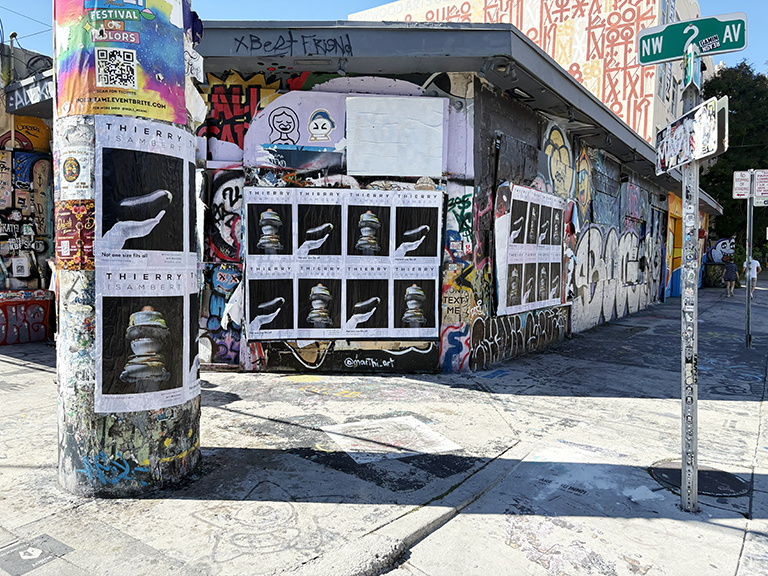
Wynwood’s walls along NW 2nd Avenue and the surrounding grid see consistent wheatpaste activity alongside the permanent mural environment. The audience here is heavily tourist and art-crowd, making it ideal for brand campaigns targeting experience-seeking consumers and international audiences. The Miami climate requires adhesive formulations adjusted for heat and humidity: our operators document environmental conditions alongside surface specs for every Wynwood wall.
Capitol Hill’s posting environment runs along Pike and Pine Streets from Broadway to 15th Avenue, with concentration around the East Pine Street music and bar corridor. The neighborhood serves Seattle’s arts, music, and LGBTQ+ communities, drawing a specific demographic that is active in both physical and digital spaces. The Pacific Northwest climate creates specific adhesion challenges that our Seattle operators account for in both surface selection and scheduling recommendations.
Wicker Park’s commercial corridor along Milwaukee Avenue between Division and Damen has sustained an active posting culture for decades. The walls on the side streets off Milwaukee in the immediate vicinity of the six-corners intersection at Milwaukee, Damen, and North Avenue are prime posting surfaces with consistent foot traffic from the neighborhood’s young professional and creative industry resident base.
The Haight Street corridor between Masonic and Stanyan carries posting activity on the commercial building stock facing the street. The audience is mix of neighborhood residents, tourists visiting the historic district, and students from UCSF and the surrounding neighborhoods. The San Francisco fog and moisture climate creates specific surface conditions that our operators document and factor into schedule timing recommendations.
Shaw’s 7th and 9th Street corridors, along with the blocks around U Street NW, carry significant wheatpaste activity tied to the neighborhood’s music venue and arts scene. The U Street area specifically, with its documented history as a cultural hub, draws an audience that responds to street-level creative media in a way that few other D.C. neighborhoods replicate.
Nashville’s explosive growth has created new posting-appropriate corridors in East Nashville around Gallatin Avenue and Porter Road, and in the Gulch neighborhood along 12th Avenue South. Both corridors draw young professionals and out-of-towners in roughly equal measure, creating a mixed audience that includes both brand-loyal local consumers and receptive visitors.
AGM’s wheatpaste location scouting field specialists are certified placement experts — licensed professionals who maintain the placement inventory through direct on-the-ground surface assessment.
Award Winning Personalized Service
You will get thoughtful, devoted, and individualized attention from our experienced, qualified, and professional personnel. Being one of the most illustrious agencies in Brooklyn, New York, American Guerrilla Marketing has been awarded the Best of Brooklyn title.
Nationwide
Industry City, Brooklyn, New York 11232
American Guerrilla Marketing
Hours
Mon - Fri: 9 AM - 5 PM
Sat & Sun: Closed
Automate your campaign with AGM’s Request for Proposal Builder. Simply answer a few quick questions about your campaign goals, markets, and timeline, and the system will generate a tailored presentation with recommended strategies, quantities, and pricing. Click the RFP Builder to instantly receive your customized proposal.
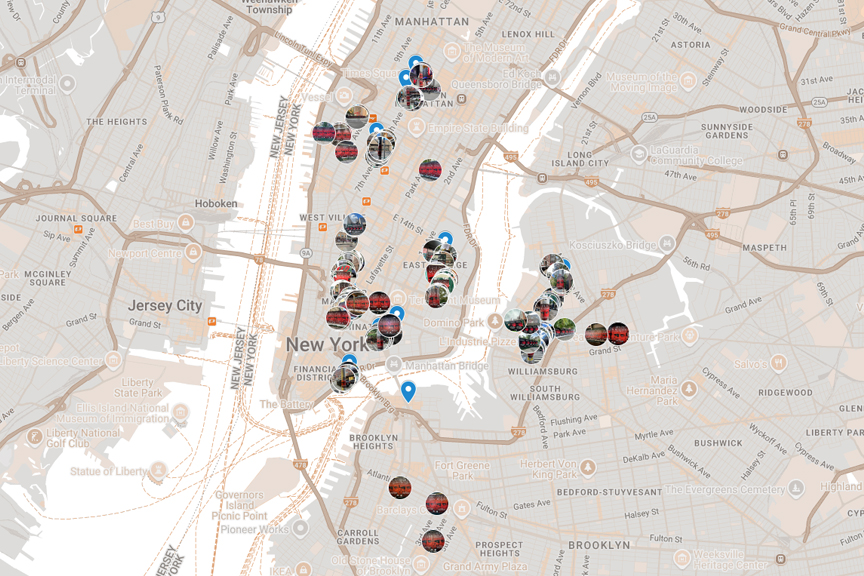
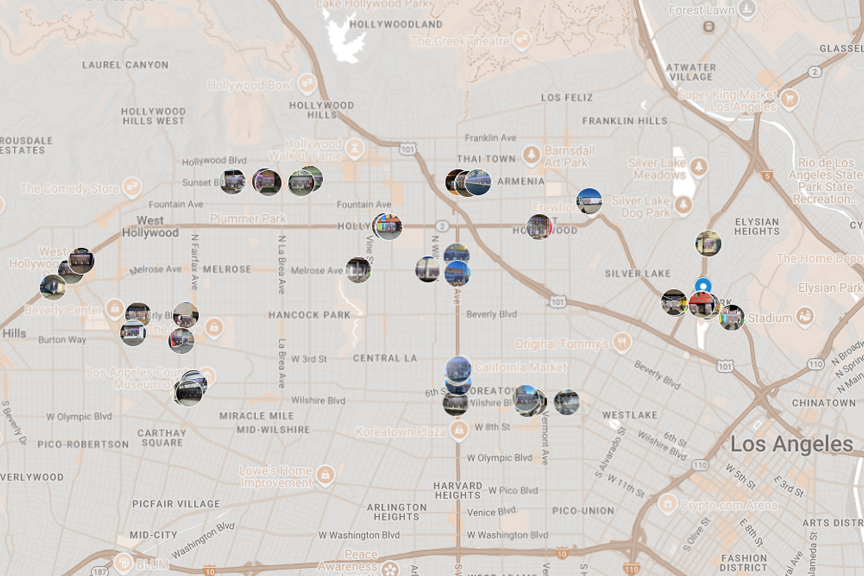
A georeferenced map of every approved posting surface in the campaign zone, with GPS coordinates for each wall. The install crew uses this map as their routing guide, eliminating any ambiguity about which specific surface is approved and where it sits relative to the others. Maps are formatted for both print reference and mobile screen use.
For each wall in the inventory: surface material, estimated dimensions (width x height of usable posting area), existing surface condition notes, paste formula recommendation where applicable, and installation notes for the crew (access issues, lighting conditions at night, timing considerations).
Time-of-day posting recommendations for each zone, based on pedestrian patterns and removal risk assessment. Some surfaces post best at 3 a.m. when foot traffic is zero. Others are accessible during late evening hours with normal crew behavior. We document this per surface rather than applying a blanket schedule recommendation.
Every wall is photographed from the pedestrian approach angle and the crew access angle. Photos are geotagged and compiled in the report with clear surface identification. The creative team can see every surface before print spec finalization. The install crew knows exactly what to expect on the night of the run.
A written assessment of each neighborhood’s posting culture, audience profile, and any specific local considerations affecting campaign execution. This is the context that does not fit in a spec sheet but matters for execution decisions.
Once walls are scouted and approved, AGM handles the full wheatpaste poster campaign from print production through install and monitoring. Wheatpaste campaigns in key neighborhoods pair naturally with snipe advertising on poles and fixtures in the same corridors, and with brand ambassador programs that run in the same target areas during peak foot traffic hours. For a full neighborhood takeover, see our guerrilla marketing services overview.
The right venue reaches your audience when they are relaxed, social, and receptive. Finding that venue requires field research, not a Yelp search. We identify and vet the bars, restaurants, and nightlife spots that match your brand and your target audience.
Learn More
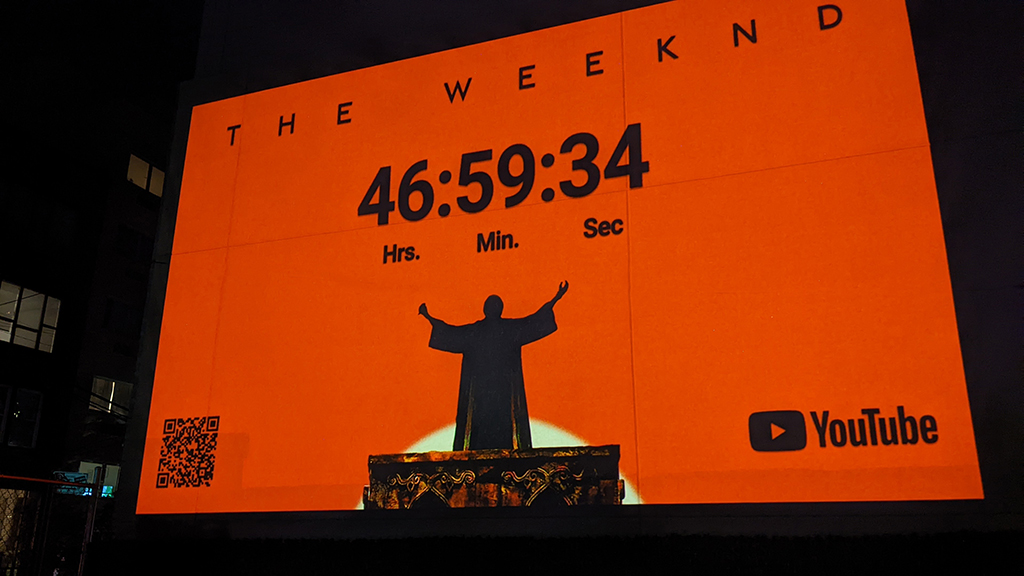
Projection media is technically demanding before it is creatively demanding. The geometry has to work. The ambient light has to cooperate. The wall has to take the image. We scout all of it before you book the equipment.
Learn More
University campuses have their own geography, their own pedestrian logic, and their own advertising rules. Our field operators map it all before a single dollar goes into production.
Learn More
AGM scouts corporate campuses, office parks, and business districts to identify the pedestrian zones, commuter corridors, parking approaches, and surface inventory where guerrilla marketing campaigns reach employees, contractors, and visitors at their daily access points.
Learn More
The best opportunity to reach a defined audience in a concentrated geographic zone happens in the hours before and after a major event. We map the entire perimeter, document every approach route, and rank every activation zone before the crowd arrives.
Learn More
A brand stunt in the wrong plaza is a brand stunt nobody sees. We find the exact intersection, courtyard, or public space where your target audience concentrates, document the logistics, research the permits, and hand you a site that works.
Learn More
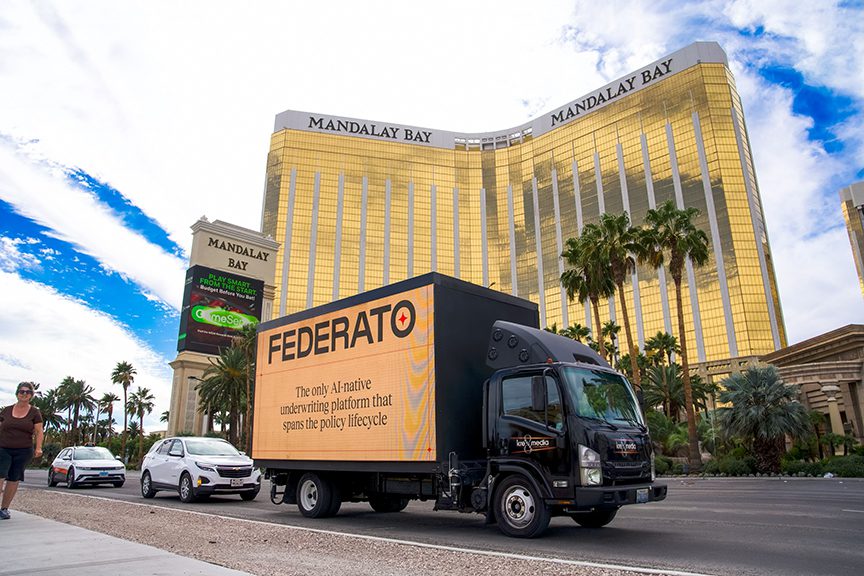
A billboard truck running the wrong corridor delivers impressions to an audience that was never the target. We map the routes that put your LED or static display in front of the specific people you need to reach, at the times they are actually there.
Learn More
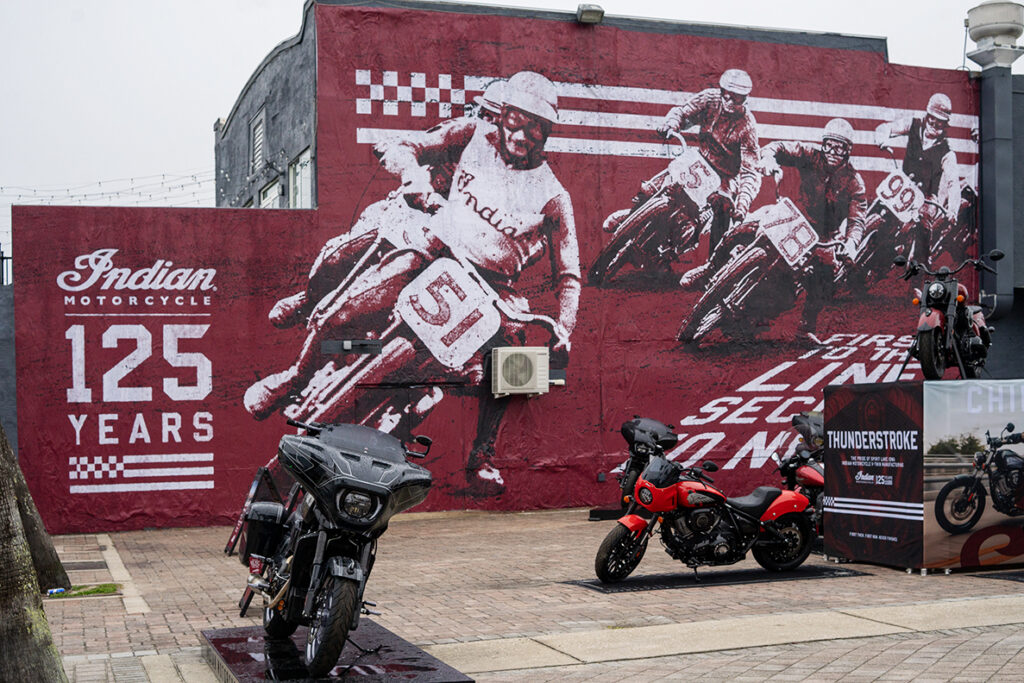
A mural is a permanent statement. The wall you choose determines whether it gets seen by thousands daily or disappears behind a dumpster. We find the right wall before your production team touches a brush.
Learn More
Distribution campaigns fail when the neighborhood data is wrong. A door hanger campaign in the wrong building type, the wrong demographic zone, or a neighborhood with access barriers the crew was not briefed on burns print and labor on zero-return addresses. We fix that before the crew goes out.
Learn More
Actually, A mobile boutique parked in the wrong block is invisible to the audience you paid to reach. We find the locations where your pop-up will attract the people it needs, and document everything from loading access to permit requirements before you commit to a date.
Learn More
Snipe placements, sidewalk decals, and stencil campaigns all depend on knowing the specific poles, pavement, and intersections that your audience actually passes. We map that territory before your crew hits the street.
Learn More
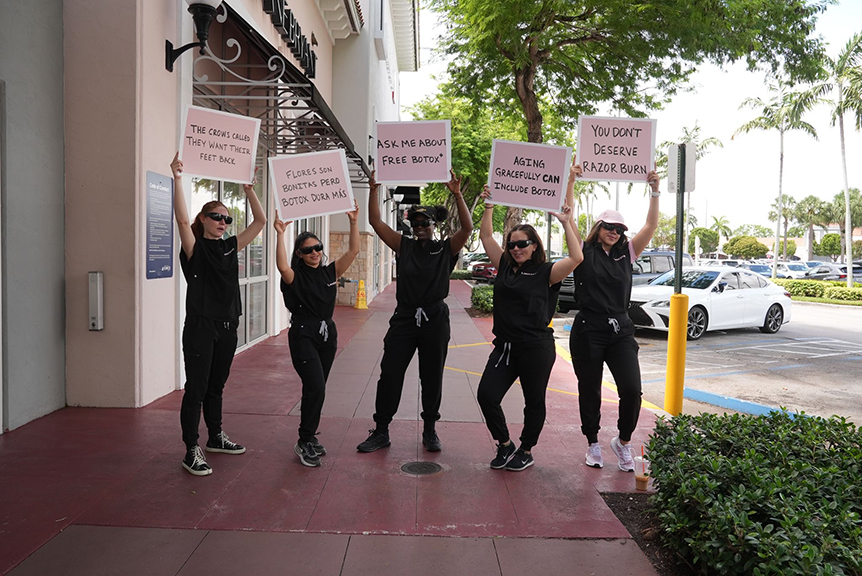
Brand ambassadors are only as effective as the zone they are deployed in. We identify the intersections, transit stops, and venue approaches where your exact target demographic concentrates, count the traffic, and confirm the deployment makes sense before your team hits the street.
Learn More
Subway exits, bus stops, and train stations concentrate thousands of people at defined physical points on a predictable daily schedule. We map those points, document the surface inventory within reach, and profile the commuter audience by line, exit, and time window.
Learn More
A wheatpaste campaign lives or dies on wall selection. The wrong surface peels in 48 hours. The wrong neighborhood tears posters down before the paste dries. We find the walls that work, in the neighborhoods where posting belongs.
Learn More
Labels and management teams brief us 3 to 4 weeks before release or tour announcement. We deliver wall inventory, neighborhood shortlists, and installation timing recommendations before the creative ships — so the campaign hits the street the moment the music drops.
Limited-release campaigns depend on precise location selection. Wheatpaste scouting identifies the specific walls and corridors where the right audience is guaranteed to be present at install time — confirmed through on-foot documentation, not estimated from foot traffic data.
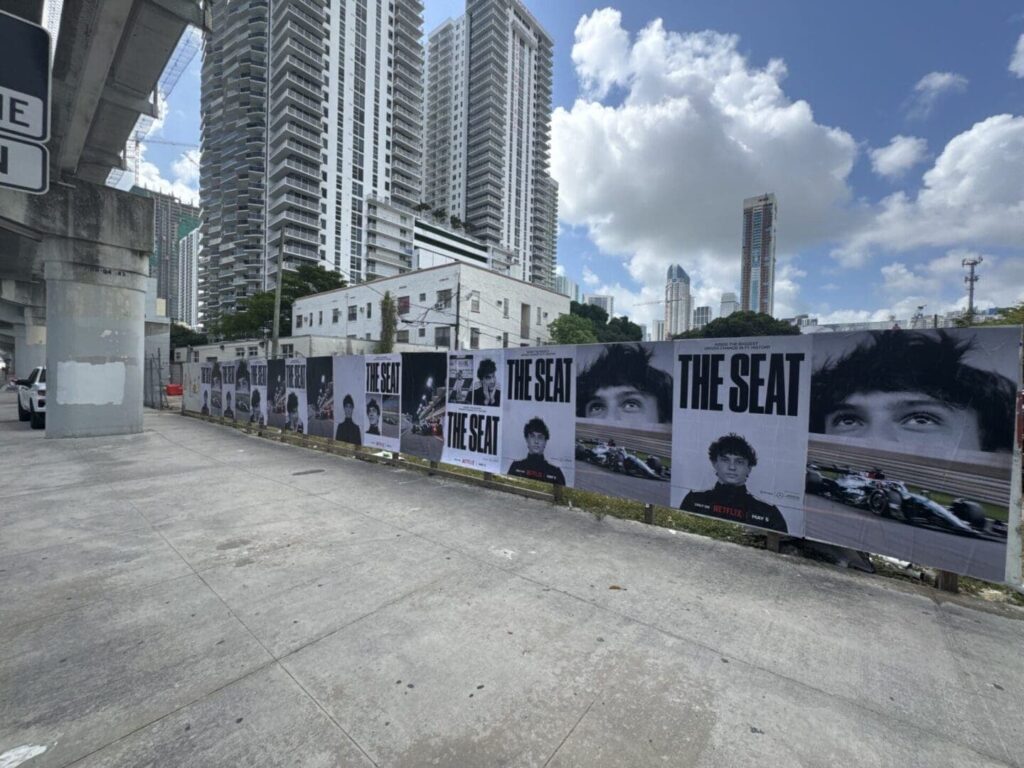
Studios and streaming platforms use wheatpaste scouting to identify the culturally resonant walls in the right neighborhoods for a given title or genre — ensuring the campaign’s street presence carries the aesthetic credibility that the target audience expects from the format.
Consumer packaged goods brands, food and beverage companies, and DTC brands use wheatpaste scouting to identify the neighborhood pockets where their target demographic concentrates before allocating street-level spend — replacing assumption-based media buying with ground-truth location intelligence.
Slightly textured painted brick and painted concrete are the most reliable wheatpaste surfaces. The paint layer provides adhesion bonding while the underlying masonry gives thermal stability. Smooth painted metal and glass are viable with specialty paste formulations. Raw, unpainted concrete with significant porosity can be challenging because paste absorbs before bonding. Our operators document the specific surface characteristics of every candidate wall and note any that require modified adhesive approaches.
On a clean, appropriate surface with proper paste application, a wheatpasted poster can hold for several weeks to several months in favorable conditions. Climate is the biggest variable: freeze-thaw cycles in winter climates cause faster delamination, and high-humidity environments with significant rain exposure shorten the window. Our posting schedule recommendations account for the climate window of the specific market and time of year.
Physical evidence during a field walk is the primary indicator: the presence of existing posting activity, layered poster history on common surfaces, the age and maintenance state of existing campaigns, and the absence of active removal despite clearly posted materials. Operator judgment from experience in the specific market supplements the physical evidence. Some neighborhoods look like posting zones from the street but have active building owner removal programs. Others look clean but tolerate posting because building management is absent or indifferent.
Recommendations vary by surface and neighborhood. In high-posting-culture zones, crews often work late evening to early morning to avoid pedestrian congestion, improve paste set time in cooler overnight temperatures, and reduce visibility of the install operation. In lower-posting-culture zones, timing recommendations shift toward late evening when there is less foot traffic but more ambient light for crew safety. We document timing recommendations per surface in the scouting report.
Campaign inventory size depends on the market scope and the budget for print production and install. Small neighborhood campaigns typically run 15 to 30 surfaces. City-scale campaigns with wide format posters and multiple neighborhoods can run 80 to 150 surfaces or more. We scope the inventory size to the campaign parameters rather than defaulting to a fixed number.
Yes, though the posting environment in smaller markets is different. Secondary cities like Chattanooga, Boise, Providence, and Richmond have active posting cultures in specific neighborhoods, often centered around the arts district or music venue corridor. The inventory size is smaller and the posting culture is more localized, but the campaign can be highly effective because the concentration of the target audience in those specific zones is actually higher than in a diluted major metro market.
Yes. The wall inventory from a wheatpaste scout can also inform placement for other street-level formats like snipe advertising on nearby fixtures and sidewalk stencils on the pavement approaches to the same walls. Clients who are running a multi-format street campaign in a neighborhood can often build a complete placement map from a single scouting engagement that covers all the physical advertising surfaces they need.
Our standard scouting report includes a primary inventory and a backup inventory of secondary surfaces. If a primary surface is unavailable on install night due to construction, damage, or other changes, the crew has pre-approved alternates to substitute without requiring a call back to the campaign manager. This is a standard field operations buffer that our operators build into every campaign inventory.
Temperature, humidity, and precipitation all affect both the installation process and the campaign’s longevity on the wall. Cold temperatures below 40 degrees Fahrenheit slow paste cure time and can prevent bonding on cold masonry surfaces. Rain in the 24 hours after installation can wash paste before it has fully cured. High heat with direct sun exposure during installation dries paste prematurely and causes bubbling. Our scheduling recommendations account for the climate profile of the target market and season.
Wild Posting Location Scouting scouting reports deliver in 7 to 10 business days from confirmed brief receipt. The brief should include the market, the target neighborhoods, the poster format dimensions, and the campaign date range so that scheduling recommendations reflect the actual install window. Rush scouting for tight-timeline campaigns is available depending on operator availability in the target market.
AGM operates a national network of field operators. We have scouted campaigns in every U.S. state and the District of Columbia. Whether your campaign targets a dense urban core or a suburban retail corridor, we have operators who know the territory.