American Guerrilla Marketing
Nationwide Service
Media planning, media buying, billboard advertising, & guerrilla marketing
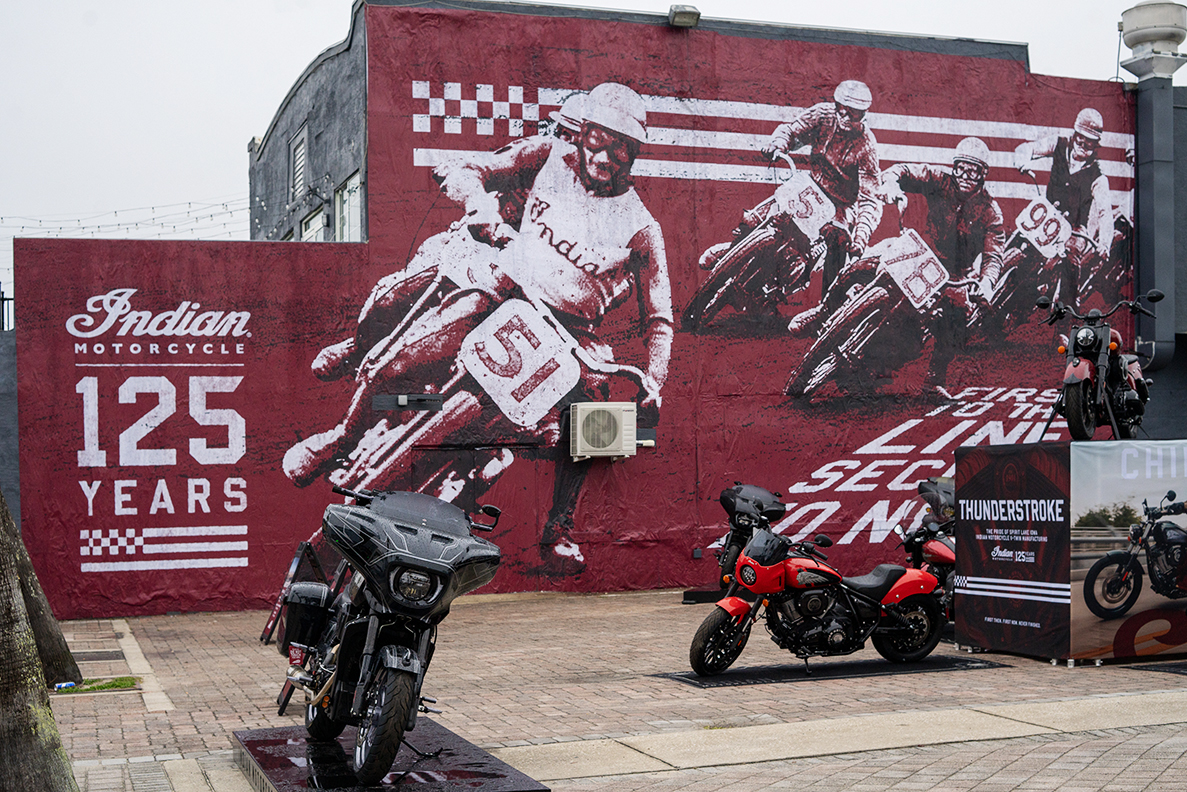
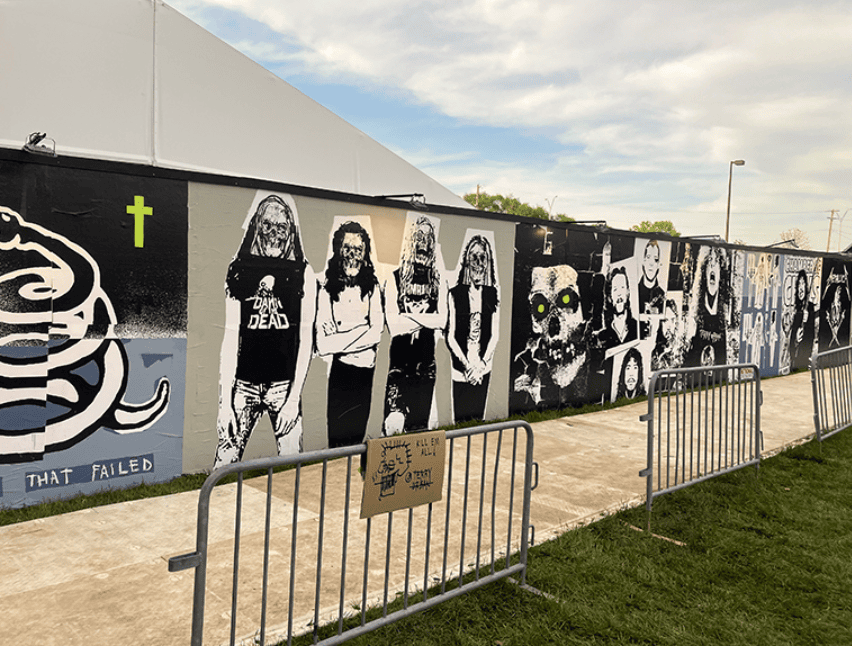
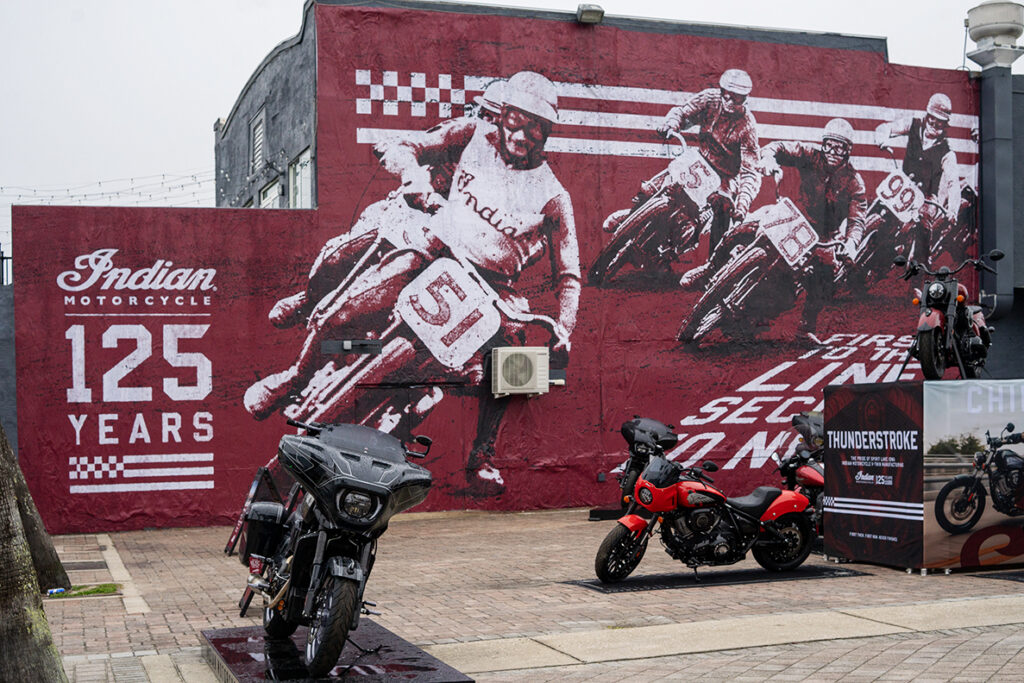
A mural is a permanent statement. The wall you choose determines whether it gets seen by thousands daily or disappears behind a dumpster. We find the right wall before your production team touches a brush.
A brand mural is a significant production investment. The wall prep alone, primer coats, surface treatment, scaffolding in some cases, can represent days of work before the first brand color goes down. A large-format mural on a prime building in a high-traffic neighborhood can stay on the wall for years. The wrong wall makes all of that investment invisible.
Tell us the market, the wall size, and the audience. AGM field operators return a verified shortlist of mural surfaces β each physically assessed for condition, ownership, and visual impact angle.
Our mural location scouting process runs in five steps. First, we identify candidate building faces that meet the basic physical criteria: sufficient uninterrupted surface area, structural condition that supports paint adhesion, and public visibility from the relevant pedestrian or vehicle corridor. Second, we assess the sightline geometry β the viewing angle, the distance from the primary pedestrian path, and any visual obstructions that would reduce the effective viewing window. Third, we document ownership structure and conduct initial outreach assessment to gauge receptivity. Fourth, we assess neighborhood context: the surrounding businesses, the demographic composition of pedestrian traffic, and the visual competition from existing signage and street art. Fifth, we deliver a prioritized wall inventory with ownership documentation, surface condition assessment, and our recommended outreach approach.
This service type is led by AGM field operators Priya Nair and Marcus Webb, who between them have identified and assessed mural locations across more than 80 markets in 42 states. No mural surface enters a client brief without firsthand evaluation — an AGM operator walks and assesses every wall before it appears in a scouting recommendation. That’s not a policy β it’s how this team works.
Mural Location Scouting surface assessment at the specialist level covers wall scale measurement, surface material compatibility with mural paint systems, sightline clearance and visibility geometry, foot traffic volume and pedestrian approach patterns, and property ownership pathway documentation. AGM’s Mural Location Scouting operators carry this specialist knowledge from executed mural campaigns across the United States.
The wrong wall means: wrong neighborhood for the target audience, wrong orientation so the mural faces a parking structure rather than a pedestrian street, wrong surface material that causes paint adhesion problems within months, wrong height that puts the mural above sightline for a pedestrian walking along the sidewalk. Every one of these failures is preventable with two days of field reconnaissance before the conversation with the building owner begins.
AGM has executed mural campaigns in Wynwood Miami, the Arts District in Los Angeles, Deep Ellum Dallas, Pilsen Chicago, Bushwick Brooklyn, RiNo Denver, and dozens of other markets. The field knowledge that comes from executing murals in those markets directly informs how we scout new walls. We know what a good mural wall looks like from the street before we read a single spec sheet.
Our Mural Location Scouting field methodology at AGM is the same in every market: walk target corridors on foot, photograph and GPS-tag viable walls, confirm surface conditions and ownership pathways firsthand, and deliver a verified wall report the client can execute from directly. Contact AGM to discuss your Mural Location Scouting objectives.
AGM has run Mural Location Scouting engagements for campaigns across the United States and maintains firsthand field documentation in every major US market. Our Mural Location Scouting reports are built from real field visits, not algorithm outputs. Reach the field team to access existing documentation relevant to your Mural Location Scouting brief.
Not every wall takes paint equally. Bare brick is porous and requires a primer that bridges the texture before top coats go down. Stucco has variations in texture and compound that affect paint adhesion differently by age and condition. Painted concrete holds color well but shows substrate cracks over time if the concrete has moved. Painted wood needs moisture assessment because expansion and contraction cycles lift mural paint faster than any other substrate in most climates.
Our field operators document the exact surface material, any visible cracking or spalling, moisture damage signs, existing paint condition, and the approximate age of the substrate where determinable from visual inspection. This goes directly to the production team so there are no surface surprises when the crew arrives.
A wall that faces north in the northern hemisphere receives flat, even lighting all day, which is ideal for mural photography and visibility. A wall that faces west has beautiful late-afternoon light but glares out for morning pedestrians. A wall that faces the parking lane rather than the sidewalk may have a 40-foot setback that makes any pedestrian-scale design illegible.
Our operators document the compass orientation of every candidate wall and photograph the view from the sidewalk at the exact distances a pedestrian would approach. Sightline geometry matters most for large-format designs where the relationship between viewing distance and design legibility determines whether the mural reads correctly or dissolves into noise.
A mural needs to face the direction people are walking, not the direction they are coming from. In a one-way pedestrian flow, the wall that faces the direction of travel gets seen by everyone. The wall around the corner, even on the same block, gets seen only by people who turn around or cross the street. Our operators document pedestrian direction of primary travel and conduct count observations during the relevant daily peak windows.
The height of a wall determines the maximum mural scale and the viewing angle from the street. A one-story building wall at 12 feet height with a setback of 8 feet from the sidewalk produces a very different viewing experience than a three-story party wall at 35 feet visible from across a wide boulevard. We document the usable mural surface dimensions, the effective viewing distance, and the recommended design aspect ratios for the creative team.
Trees, utility poles, parked trucks, awnings, and neighboring signage all affect mural visibility. A beautiful wall at 118 feet wide may have a loading dock in front of it that parks delivery trucks from 6 a.m. to 3 p.m., blocking 40 percent of the surface for the majority of business hours. Our operators document every regular obstruction pattern, not just what the wall looks like on a Sunday afternoon when the block is quiet.
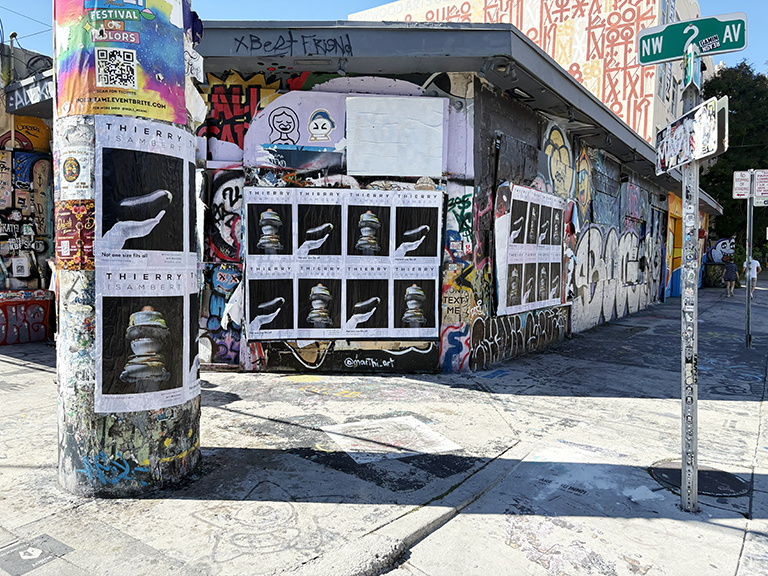
Wynwood is arguably the most recognized mural district in the United States, with walls along NW 2nd Avenue between 20th and 26th Streets carrying decades of documented mural history. The neighborhood draws art-interested visitors specifically to see the walls, which means mural audience is self-selected and engaged. Owner relationships in Wynwood require specific knowledge of the existing wall rights landscape, as many prime surfaces are locked into long-term agreements with arts organizations or recurring advertisers. Our Miami operators know which walls are accessible and which are committed for the foreseeable future.
The Arts District in DTLA, centered around Traction Avenue, Mateo Street, and the blocks between the 6th Street bridge and the LA River, has wall inventory ranging from raw concrete loading dock doors to pristine three-story building ends. The audience here ranges from creative professionals to tourists to downtown residents on foot and on bicycle. Sightlines in the Arts District are often long because the grid is wide, making large-format murals at building-end scale particularly effective.
Deep Ellum’s wall inventory along Main Street and Commerce Street includes some of the most photographed murals in Texas. The district draws nightlife crowds, gallery visitors, and daytime pedestrians from the adjacent design and creative industry cluster. The surface stock here is predominantly older brick and painted concrete, both of which require specific primer approaches. Our Dallas operators have relationships with building owners throughout the district and know the current availability landscape.
Pilsen on Chicago’s Lower West Side has a long tradition of mural art tied to the neighborhood’s Mexican-American cultural heritage. The walls along 18th Street between Halsted and Western carry murals that have been maintained and renewed for decades. New brand murals in Pilsen require sensitivity to the neighborhood’s existing visual culture, and our operators provide specific guidance on the neighborhood context alongside the physical wall assessment.
The Bushwick Collective, centered on Troutman Street and Jefferson Street, has made this Brooklyn neighborhood one of the most visited mural destinations in New York City. Building owners throughout the surrounding blocks have grown accustomed to artist and brand inquiries about wall rights. Our Brooklyn operators know the established contacts, the going rates for wall access in the area, and the surfaces that have the right substrate for a long-term branded mural.
Denver’s RiNo neighborhood along Brighton Boulevard and Larimer Street has developed a dense mural ecosystem over the past decade. The audience is young, creative, and food-and-drink focused. The building stock is largely converted industrial, which means party walls with large flat surfaces in brick and painted concrete. Loading dock approaches and parking lot perimeter walls provide scale opportunities that are harder to find in more residential mural markets.
Atlanta’s mural landscape has expanded well beyond the Ponce City Market area into Midtown along Juniper Street, Spring Street, and the blocks surrounding the BeltLine trailhead at Ponce de Leon. BeltLine-adjacent walls specifically benefit from the foot traffic of the trail corridor, which draws runners, cyclists, and pedestrians daily regardless of weather conditions.
Certified placement experts with licensed field credentials manage the mural location scouting inventory β every recommended surface assessed firsthand before entering the active placement record.
Every surface in the mural location scouting placement inventory was assessed by a certified field expert β licensed professional operators who confirm access, evaluate conditions, and document what they find.
Award Winning Personalized Service
You will get thoughtful, devoted, and individualized attention from our experienced, qualified, and professional personnel. Being one of the most illustrious agencies in Brooklyn, New York, American Guerrilla Marketing has been awarded the Best of Brooklyn title.
Nationwide
Industry City, Brooklyn, New York 11232
American Guerrilla Marketing
Hours
Mon - Fri:Β 9 AM - 5 PMβ¨
Sat & Sun:Β Closed
Automate your campaign with AGMβs Request for Proposal Builder. Simply answer a few quick questions about your campaign goals, markets, and timeline, and the system will generate a tailored presentation with recommended strategies, quantities, and pricing. Click the RFP Builder to instantly receive your customized proposal.
Finding the right wall is half the job. Securing the right wall requires a different skill set: identifying the property owner through county assessor and deed records, making a professional initial approach that positions the project correctly, handling owner objections and questions about the process, and negotiating the wall access agreement on terms that protect both the brand and the owner.
For every candidate wall that passes the physical assessment, we run a property owner lookup through county assessor records to identify the current owner of record. For properties held by LLCs or trusts, we identify the registered agent and the principal contact where available. This research goes into the report alongside the physical assessment so the client knows exactly who to contact or can commission us to make the contact on their behalf.
Building owners receive mural inquiries with varying degrees of familiarity. In established mural districts, owners have a process and a rate card. In neighborhoods with no mural history, the conversation starts from scratch with education about what a brand mural involves, what the production process looks like, and what the owner can expect during the project. Our team handles initial outreach with language that positions the project professionally without overselling or creating false expectations about the timeline.
Mural permit requirements vary significantly by city and by neighborhood within cities. Some cities, notably Los Angeles, have specific mural ordinances that distinguish between artistic murals and commercial murals, with different permit pathways for each. Business Improvement Districts sometimes have their own design review process layered on top of city permits. Historic preservation zones require additional review for any building modification including paint application. Our permit research documents the specific pathway applicable to each candidate wall before the client commits to a location.
A ranked list of candidate walls meeting the scouting brief criteria, with full physical assessment for each: surface material and condition, dimensions (width x height of usable surface), compass orientation, sightline photographs from pedestrian viewing positions, foot traffic observations, and adjacent obstruction documentation. Each wall is ranked against the campaign criteria with a recommendation narrative.
For each candidate wall, the property owner identity and initial contact status: contacted and interested, contacted and declined, contacted and pending, or not yet contacted with owner information provided for client follow-up. No wall leaves the report with an unknown owner status.
The specific permit application process for the target city and neighborhood, including required applications, fees where published, review timelines, and any design restrictions applicable to the zone. This goes to the client’s legal or compliance team alongside the physical report.
A specification sheet for each top-ranked wall, formatted for the creative team: exact usable dimensions, surface material notes for the production team, recommended design orientation (landscape vs. portrait), and photographic reference at multiple times of day showing lighting conditions. The creative team should be able to begin concept work from this document without requiring a separate site visit.
The right venue reaches your audience when they are relaxed, social, and receptive. Finding that venue requires field research, not a Yelp search. We identify and vet the bars, restaurants, and nightlife spots that match your brand and your target audience.
Learn More
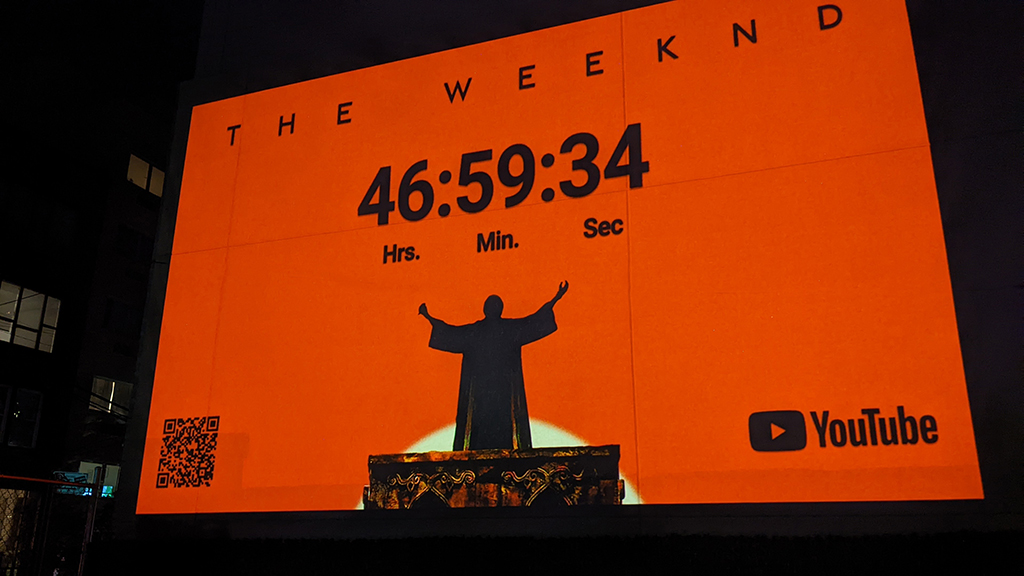
Projection media is technically demanding before it is creatively demanding. The geometry has to work. The ambient light has to cooperate. The wall has to take the image. We scout all of it before you book the equipment.
Learn More
University campuses have their own geography, their own pedestrian logic, and their own advertising rules. Our field operators map it all before a single dollar goes into production.
Learn More
AGM scouts corporate campuses, office parks, and business districts to identify the pedestrian zones, commuter corridors, parking approaches, and surface inventory where guerrilla marketing campaigns reach employees, contractors, and visitors at their daily access points.
Learn More
The best opportunity to reach a defined audience in a concentrated geographic zone happens in the hours before and after a major event. We map the entire perimeter, document every approach route, and rank every activation zone before the crowd arrives.
Learn More
A brand stunt in the wrong plaza is a brand stunt nobody sees. We find the exact intersection, courtyard, or public space where your target audience concentrates, document the logistics, research the permits, and hand you a site that works.
Learn More
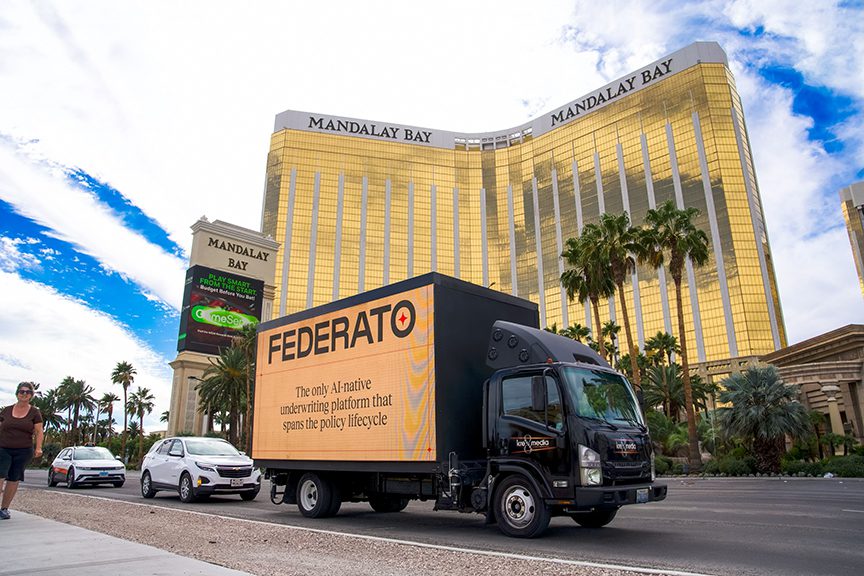
A billboard truck running the wrong corridor delivers impressions to an audience that was never the target. We map the routes that put your LED or static display in front of the specific people you need to reach, at the times they are actually there.
Learn More
A mural is a permanent statement. The wall you choose determines whether it gets seen by thousands daily or disappears behind a dumpster. We find the right wall before your production team touches a brush.
Learn More
Distribution campaigns fail when the neighborhood data is wrong. A door hanger campaign in the wrong building type, the wrong demographic zone, or a neighborhood with access barriers the crew was not briefed on burns print and labor on zero-return addresses. We fix that before the crew goes out.
Learn More
Actually, A mobile boutique parked in the wrong block is invisible to the audience you paid to reach. We find the locations where your pop-up will attract the people it needs, and document everything from loading access to permit requirements before you commit to a date.
Learn More
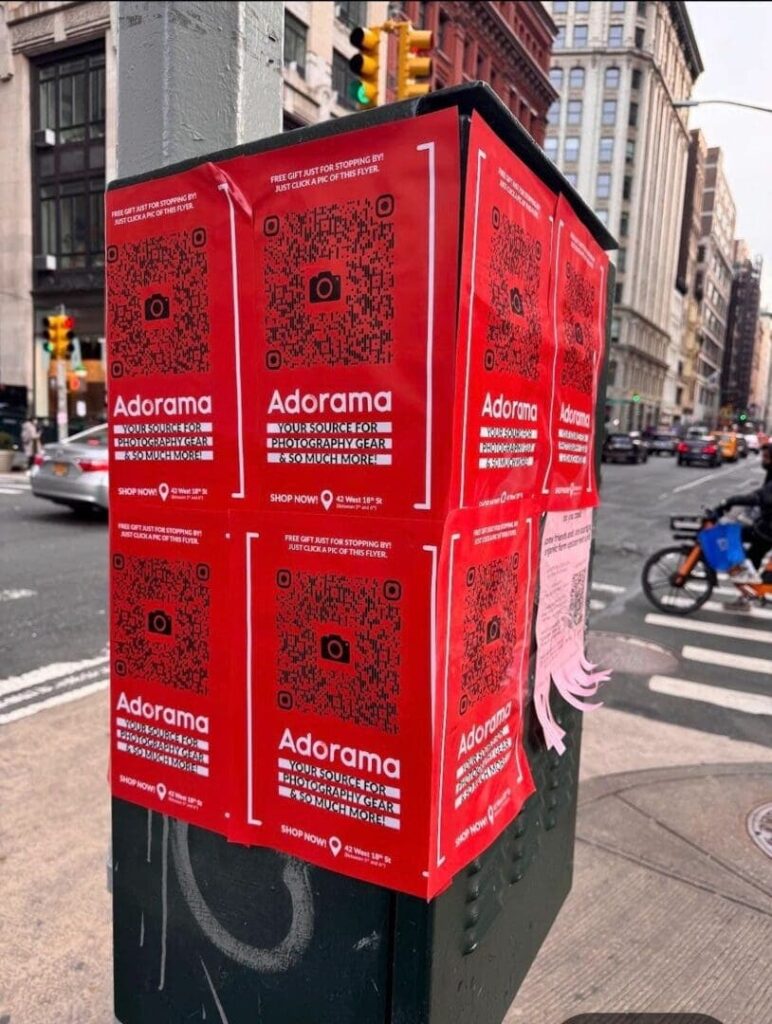
Snipe placements, sidewalk decals, and stencil campaigns all depend on knowing the specific poles, pavement, and intersections that your audience actually passes. We map that territory before your crew hits the street.
Learn More
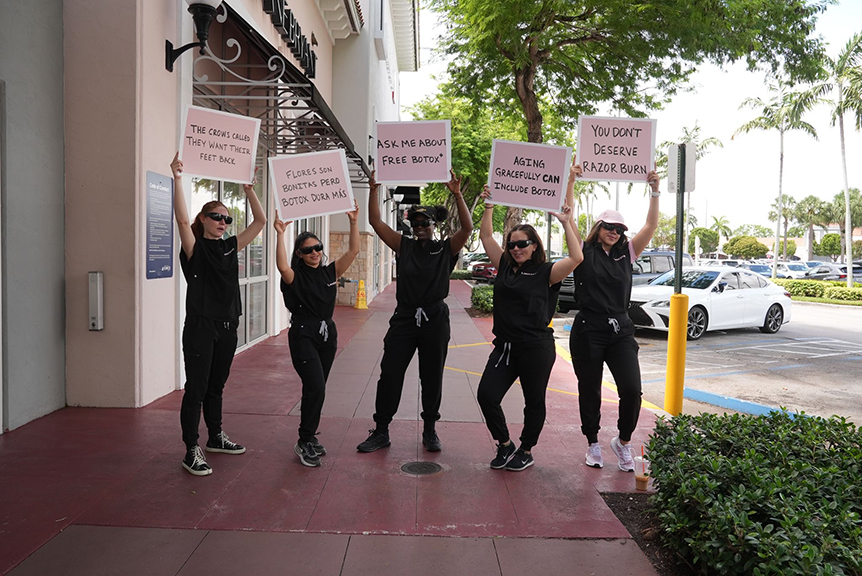
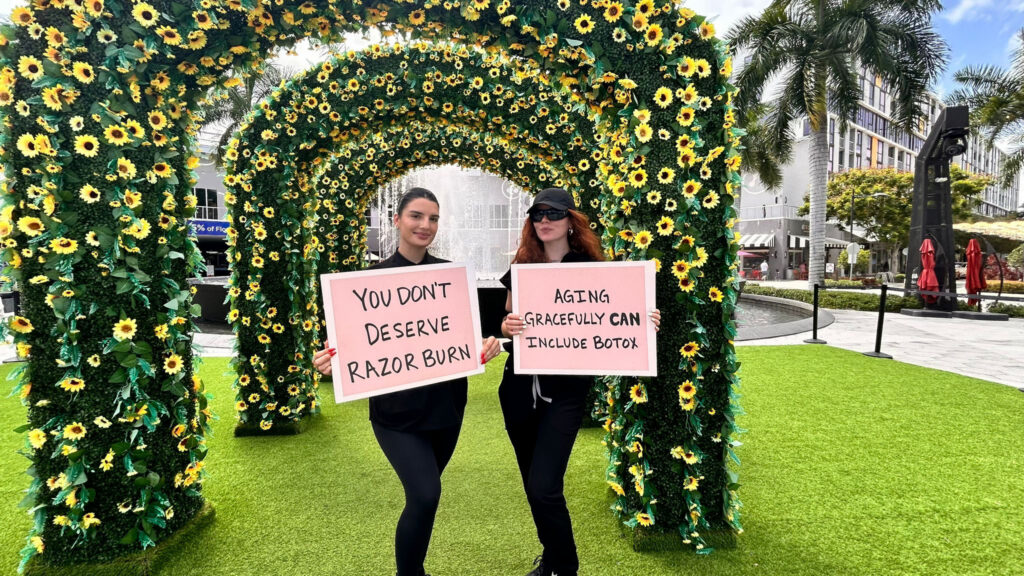
Brand ambassadors are only as effective as the zone they are deployed in. We identify the intersections, transit stops, and venue approaches where your exact target demographic concentrates, count the traffic, and confirm the deployment makes sense before your team hits the street.
Learn More
Subway exits, bus stops, and train stations concentrate thousands of people at defined physical points on a predictable daily schedule. We map those points, document the surface inventory within reach, and profile the commuter audience by line, exit, and time window.
Learn More
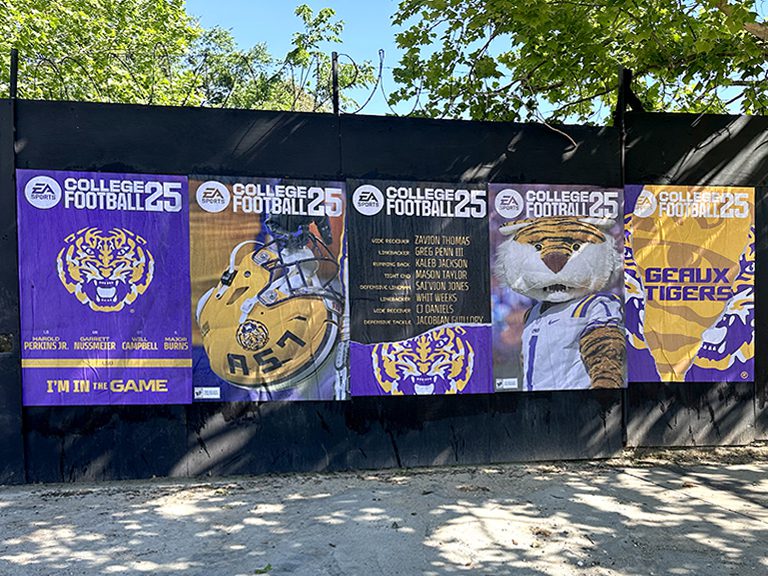
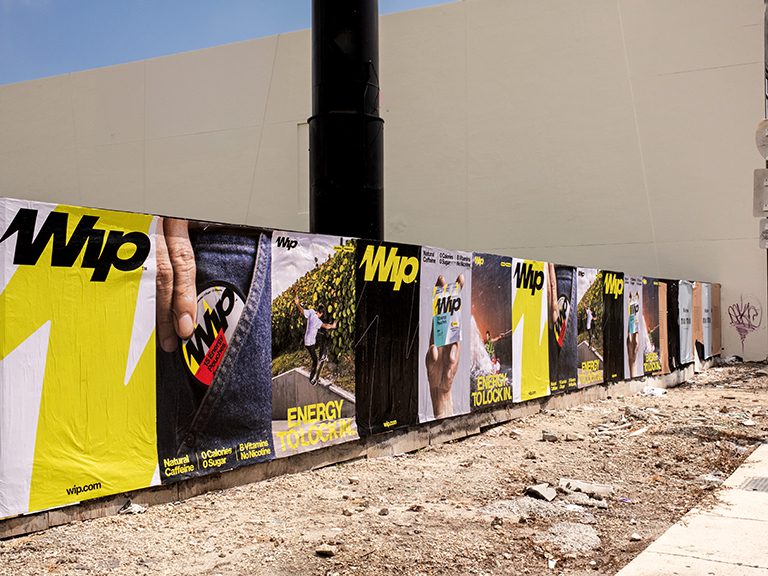
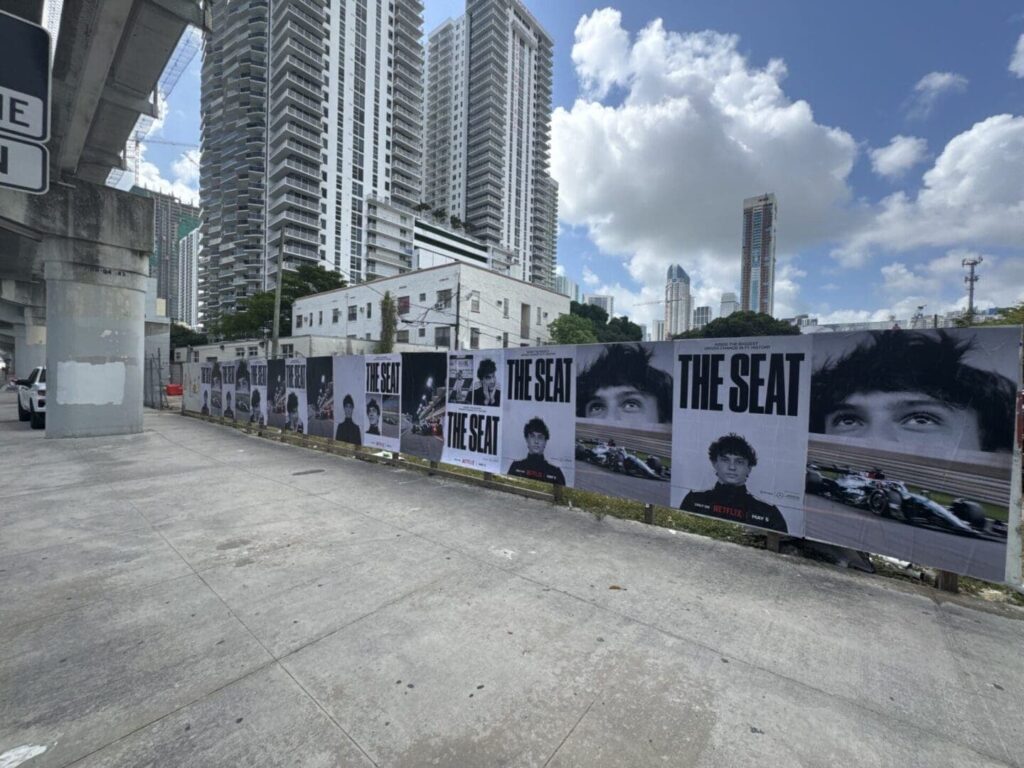
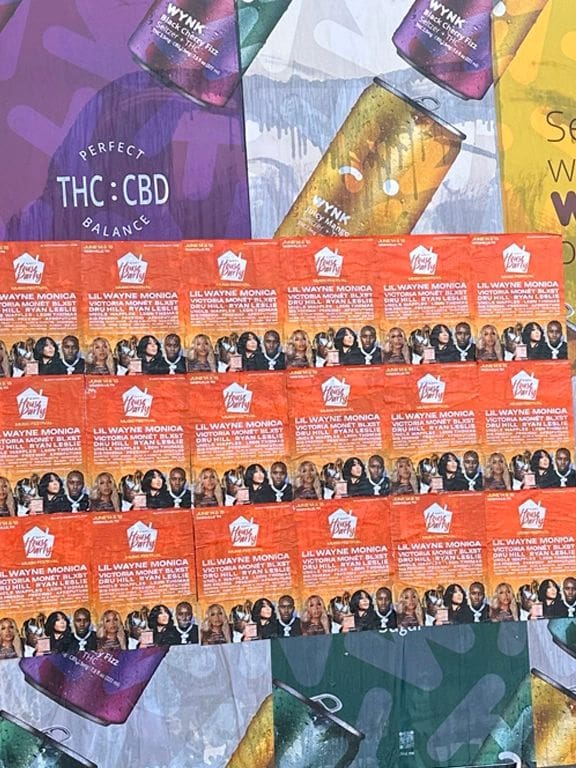
A wheatpaste campaign lives or dies on wall selection. The wrong surface peels in 48 hours. The wrong neighborhood tears posters down before the paste dries. We find the walls that work, in the neighborhoods where posting belongs.
Learn More
Fashion and streetwear brands use mural scouting to identify walls in the right neighborhoods — not just the highest-traffic surfaces, but the ones with the cultural positioning that makes a mural commission feel earned rather than purchased. We document neighborhood character alongside surface specifications.
Restaurant groups, food brands, and beverage companies use mural scouting to find walls adjacent to their target consumer’s dining and nightlife corridors — permanent installations that build brand presence in neighborhood environments where their audience lives and eats.
Developers and property companies commission murals on building exteriors to establish neighborhood credibility and community goodwill before or during development projects. Scouting identifies which walls carry the most community visibility and which property owners are open to long-term commission agreements.
Labels and entertainment companies use mural scouting to find high-visibility walls in culturally relevant neighborhoods for artist brand building and album campaign imagery that generates organic social documentation from the neighborhood’s own residents and visitors.
Our field operators evaluate surface material, existing paint condition, visible moisture damage or substrate cracking, and overall structural integrity from a visual inspection. For walls showing signs of significant substrate movement or water damage, we flag these in the report with a recommendation to either avoid the surface or budget for remediation before paint application. The production team reviews the surface notes before finalizing a wall selection.
Our standard mural scouting deliverable includes permit research: what is required, what the application process involves, the required lead time, and applicable fees. We can also manage the permit application process on behalf of the client as a separate engagement. For most markets, permit filing requires the involvement of the property owner and sometimes the licensed contractor of record, so the exact scope of our involvement depends on the client’s needs and the city’s requirements.
Wall access rights vary enormously by market, neighborhood, wall visibility, and building owner expectations. We do not publish rates because every wall is a negotiation shaped by too many variables to generalize. Our scouting report documents the owner’s initial response and positions the client for an informed negotiation. We can advise on whether an asking rate is reasonable for the market based on our field experience, but all rate negotiations are between the client and the property owner.
Yes, and sometimes these are the best walls. A brand mural in a neighborhood with no prior mural history draws more attention per viewer precisely because it is unexpected. The scouting process for these locations requires more owner education and sometimes a longer outreach timeline, but the resulting walls often carry stronger novelty value than another mural in a market already saturated with brand murals.
The longevity of a mural depends on surface material, paint quality, local climate, and the wall rights agreement. In ideal conditions on a well-prepped surface with quality exterior paint, a mural can remain intact for three to five years or longer. The wall rights agreement determines how long the owner is obligated to maintain the surface and not paint over the mural. Our scouting process documents existing mural presence on candidate walls to help calibrate expectations about neighborhood refresh rates.
AGM handles both. Our mural advertising service covers the full production process from wall prep through finished installation. Scouting clients who move forward with AGM for execution benefit from zero handoff gap: the same field knowledge that identified the wall informs the production approach from day one.
The ideal sightline depends on the mural’s design complexity and type size. As a working rule, headline-size text needs to be legible from the maximum pedestrian viewing distance in the environment, which our operators measure and document for each candidate wall. For vehicle-facing murals visible from a street or highway, the legibility standard is different because the viewing time is shorter and the approach speed is higher. We note the relevant viewing context for each wall in the report.
No. A permanent painted mural requires the property owner’s explicit written permission regardless of the neighborhood or the artistic or commercial nature of the work. Unauthorized mural application constitutes vandalism, creates significant legal exposure, and typically results in forced removal. Our scouting process does not include any unauthorized surfaces in its deliverables.
The scope depends on the brief, but a standard single-market mural scouting engagement typically identifies and documents three to six candidate walls that meet the location, surface, and sightline criteria, ranked by overall fit against the campaign goals. Larger markets or broader briefs can yield more candidates. We recommend narrowing to a primary and backup selection from the ranked list rather than evaluating all candidates with equal weight.
Yes. The design specification sheet in the mural scouting report is specifically formatted for creative production planning: exact wall dimensions, surface material notes, orientation and lighting reference photos, and recommended design aspect ratios. A creative director can begin concepting against the spec sheet without requiring a separate site visit, though we always recommend a site visit before final design lock when the project timeline allows.
AGM operates a national network of field operators. We have scouted campaigns in every U.S. state and the District of Columbia. Whether your campaign targets a dense urban core or a suburban retail corridor, we have operators who know the territory.