American Guerrilla Marketing
Nationwide Service
Media planning, media buying, billboard advertising, & guerrilla marketing
Case Study:
Scarlett Gasque New York Fashion Week Wheatpasting Campaign in NYC

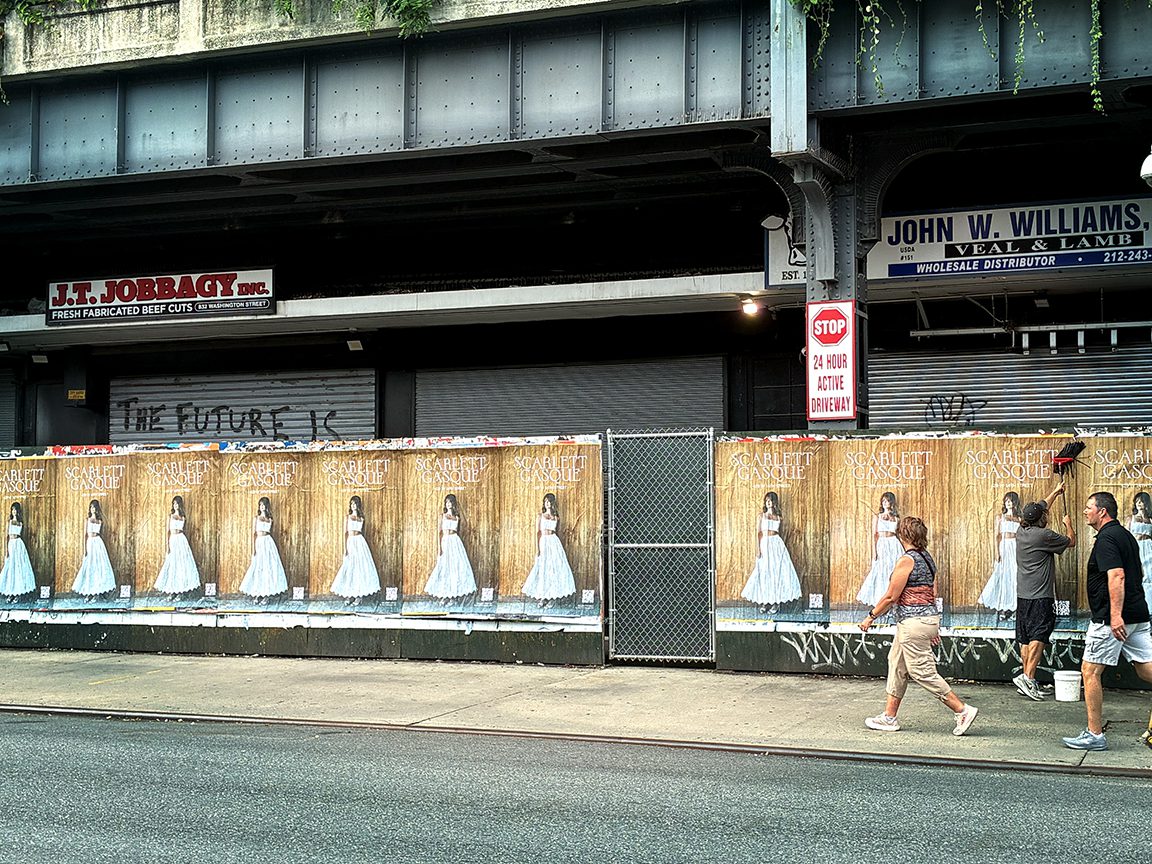
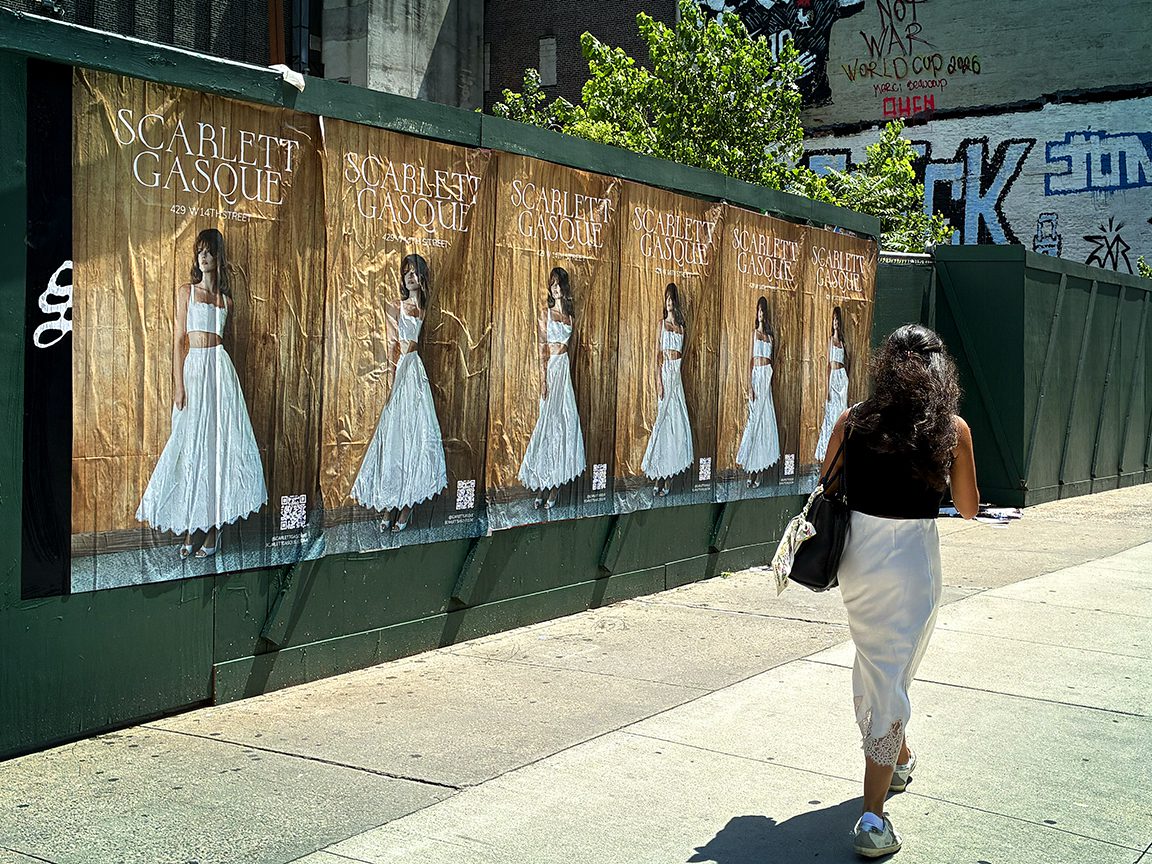
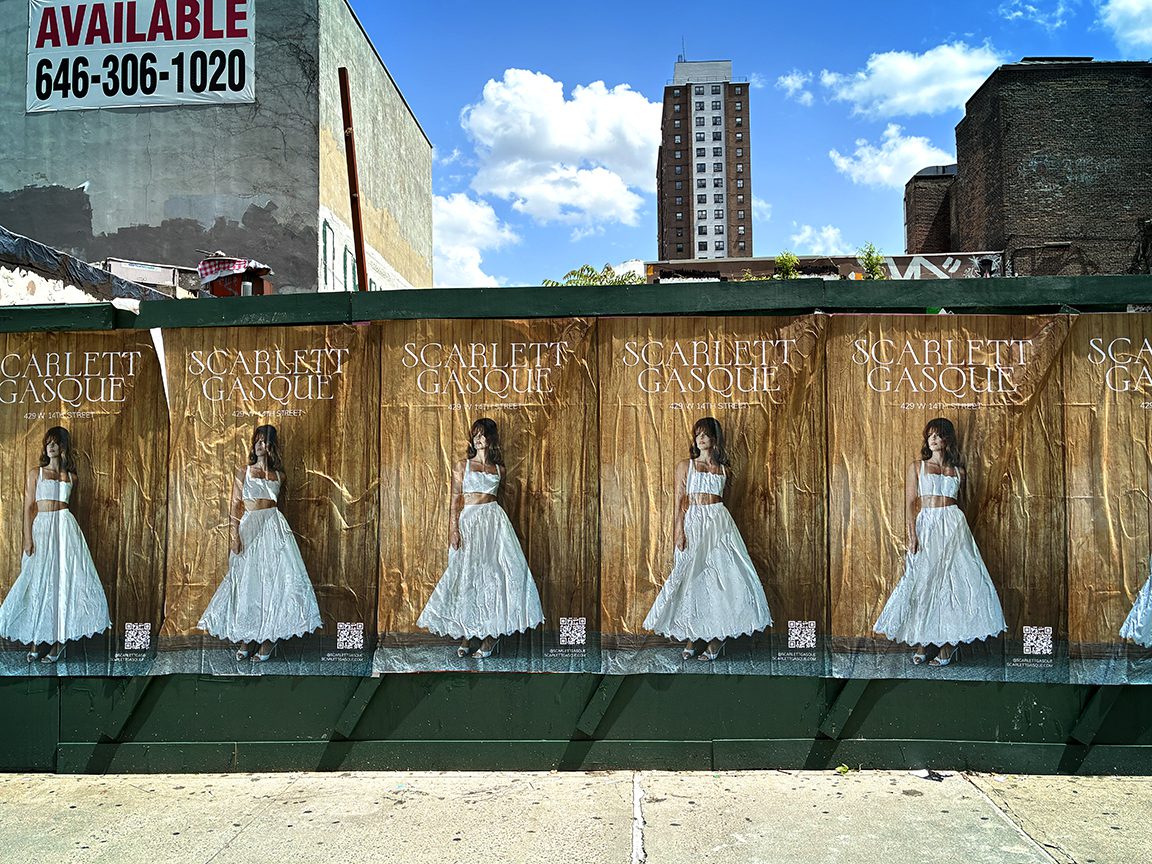
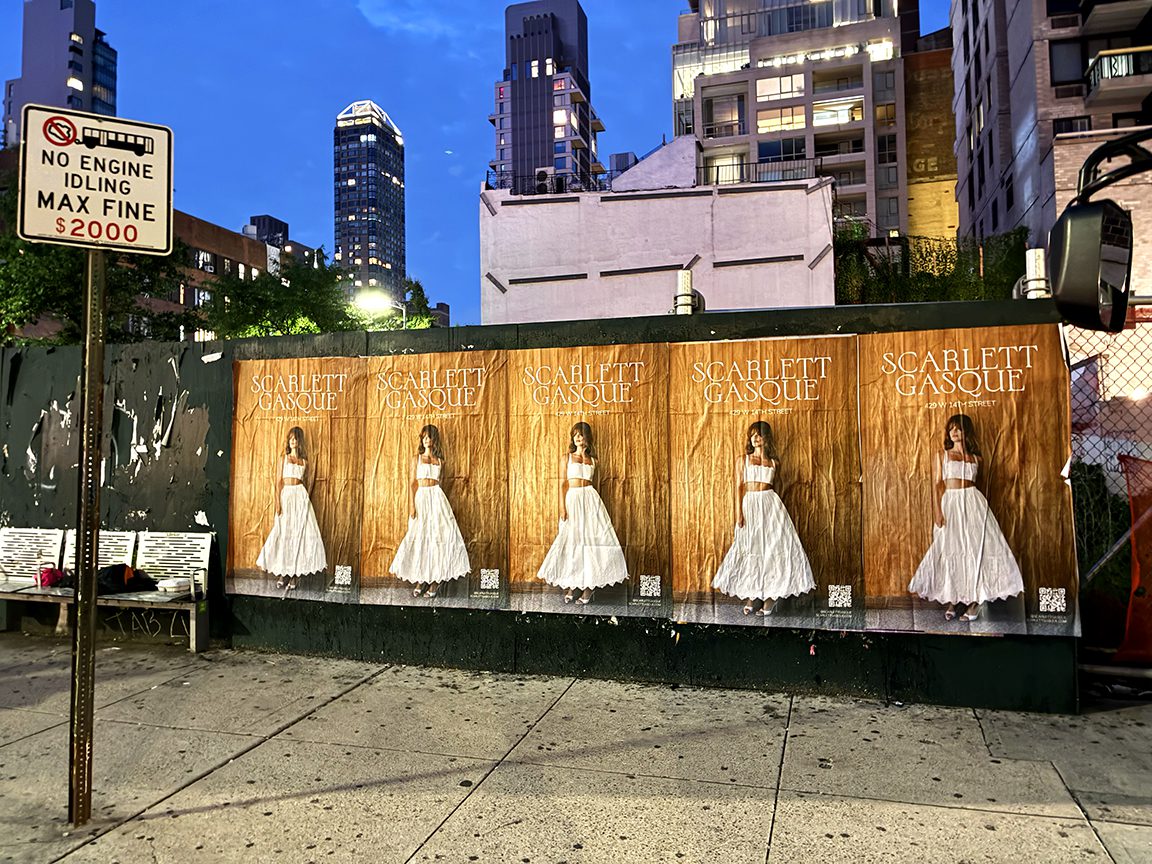
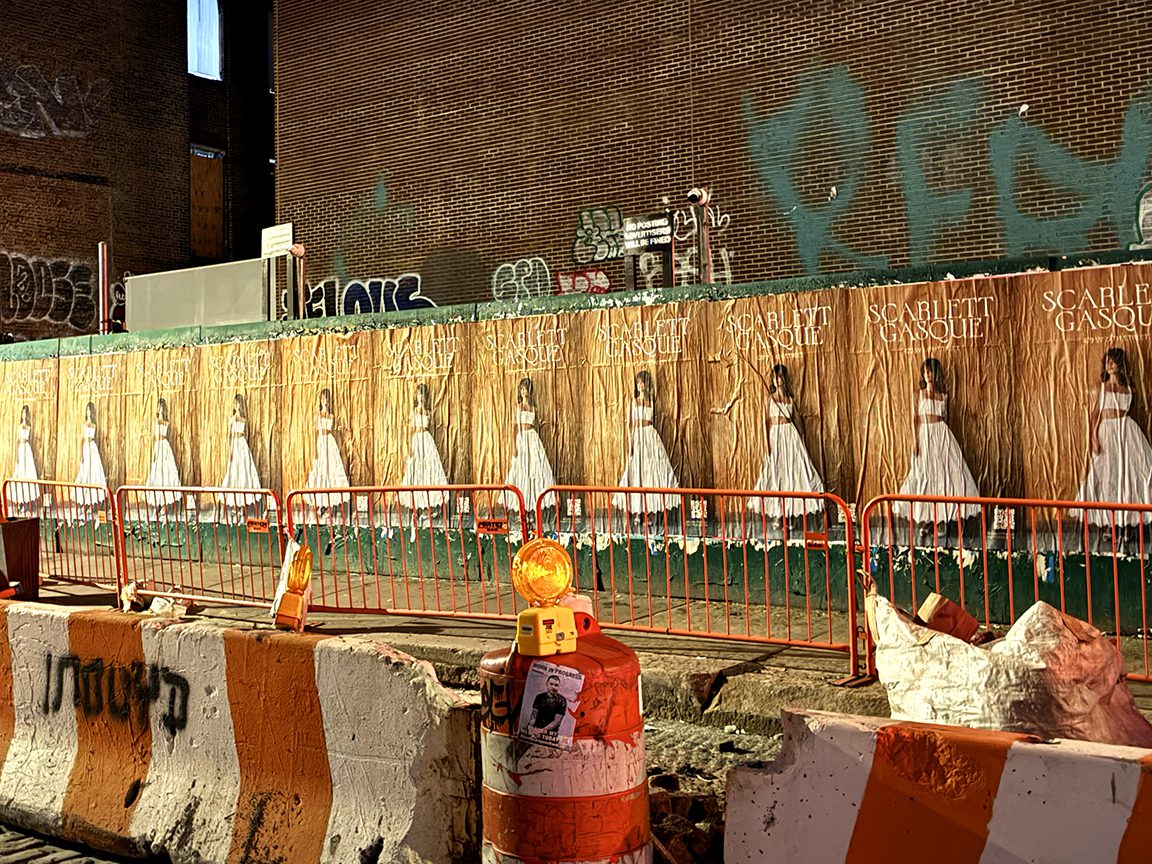
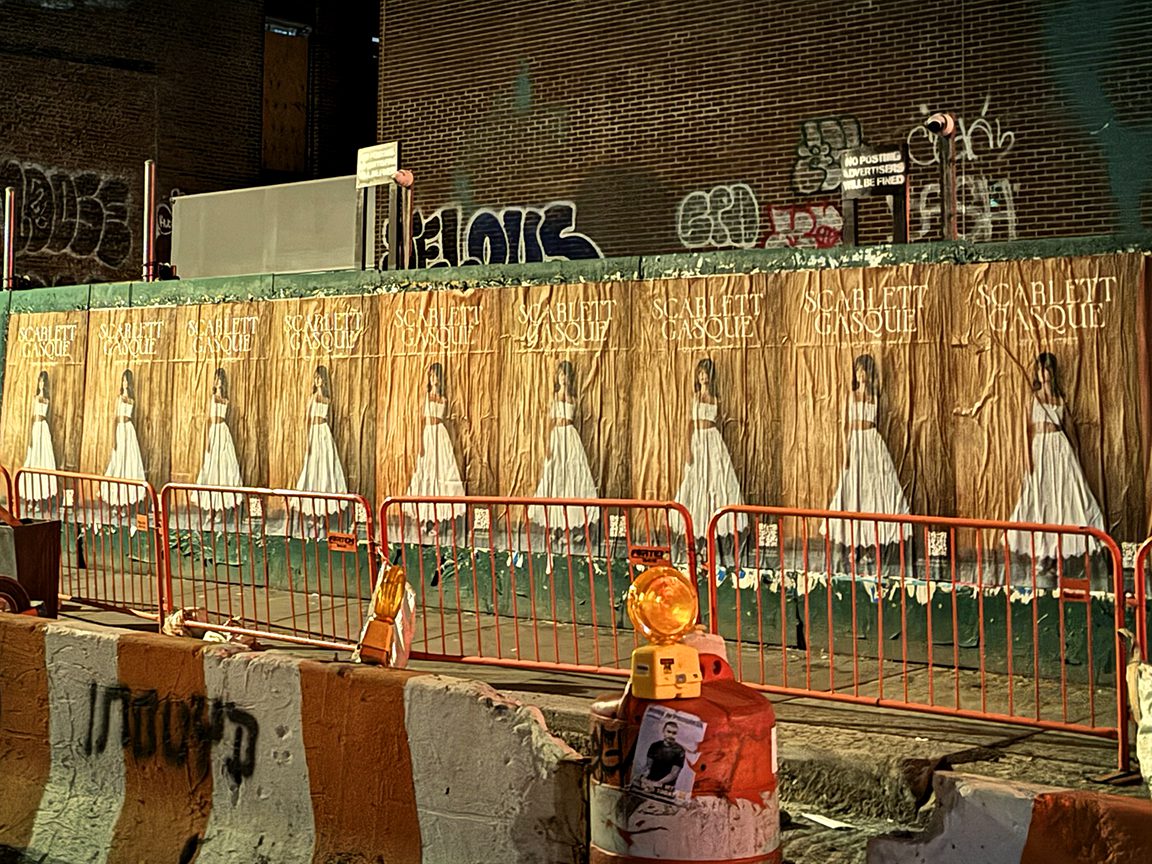
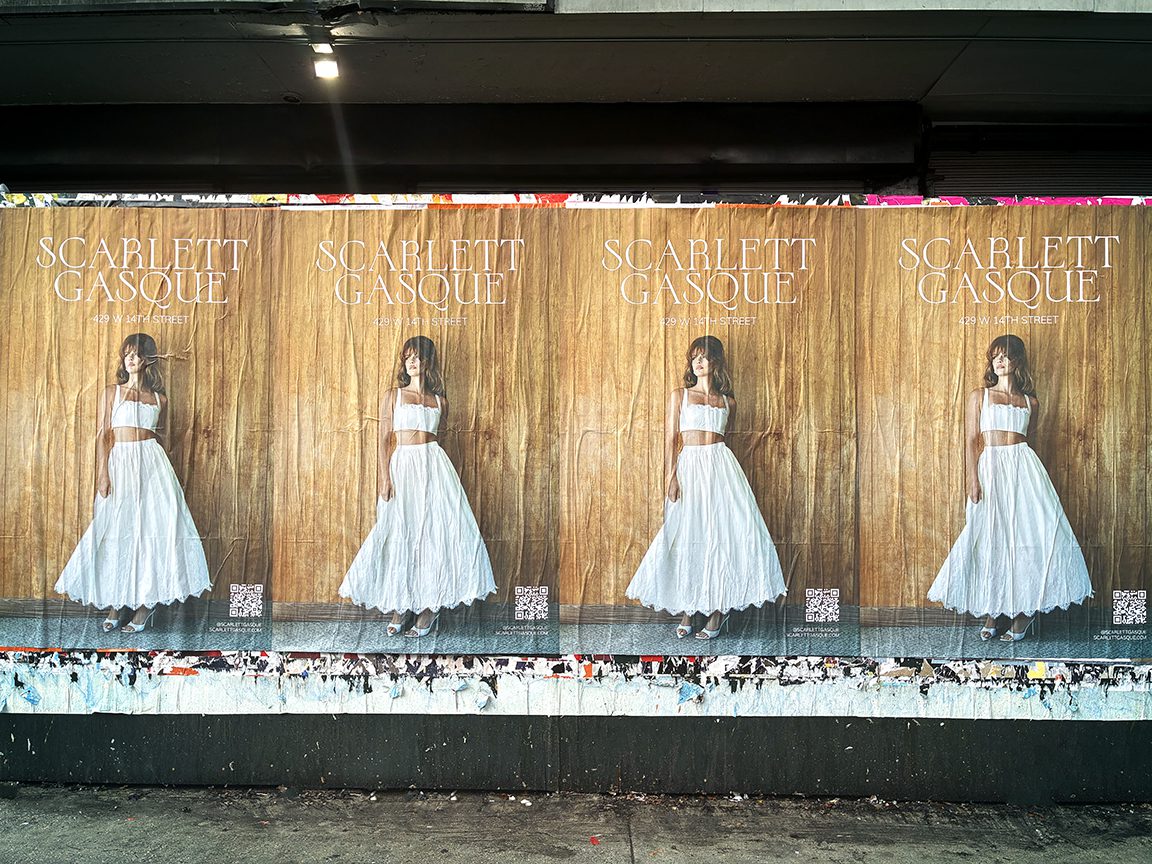
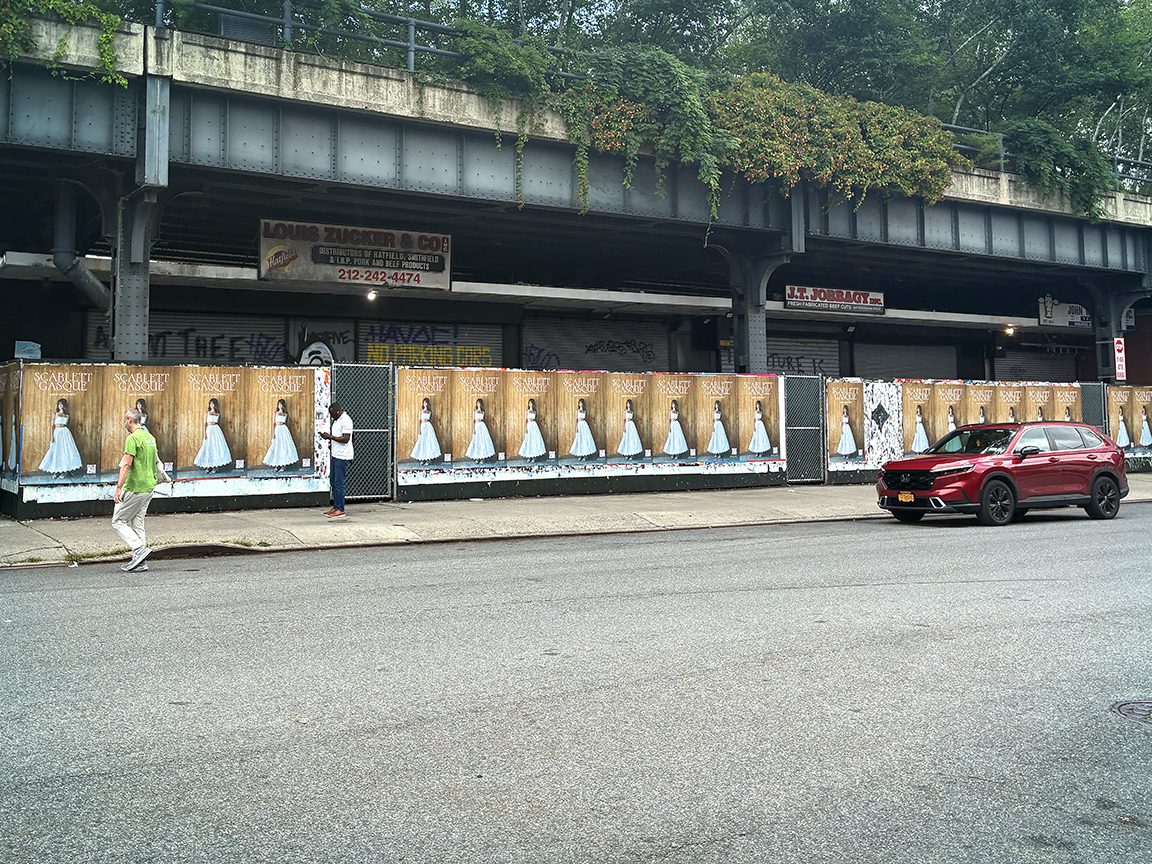
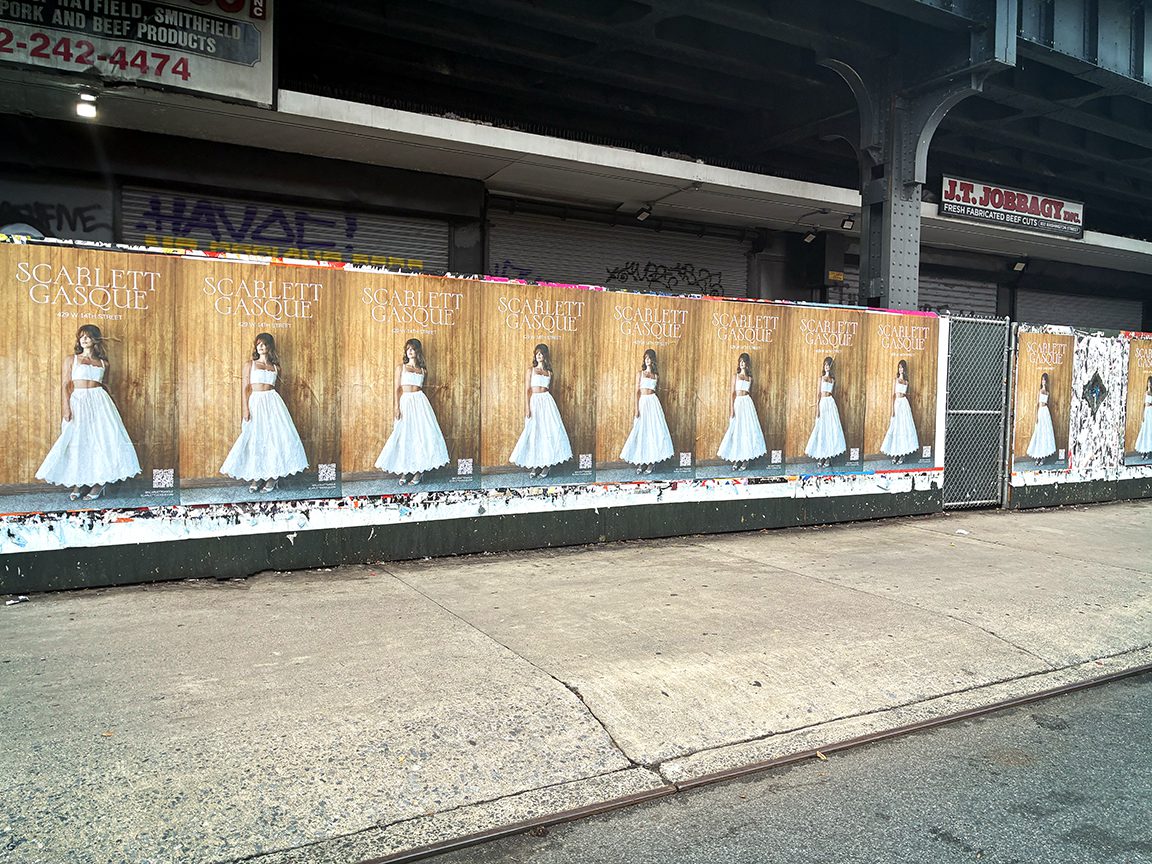
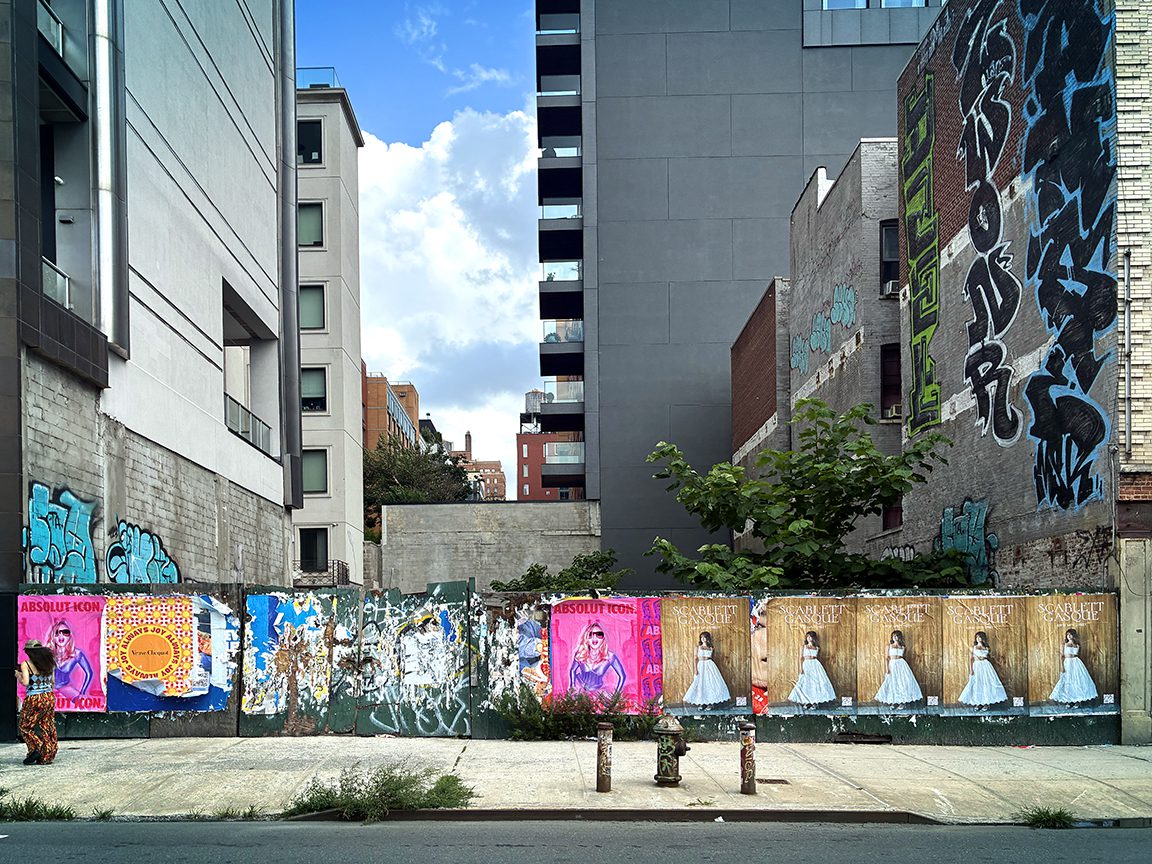
A construction run on Washington Street in the Meatpacking District, roughly ninety feet of clean plywood with nothing crossing it, is the reason this campaign looked the way it did. We found it scouting in July. It held paper through both waves.
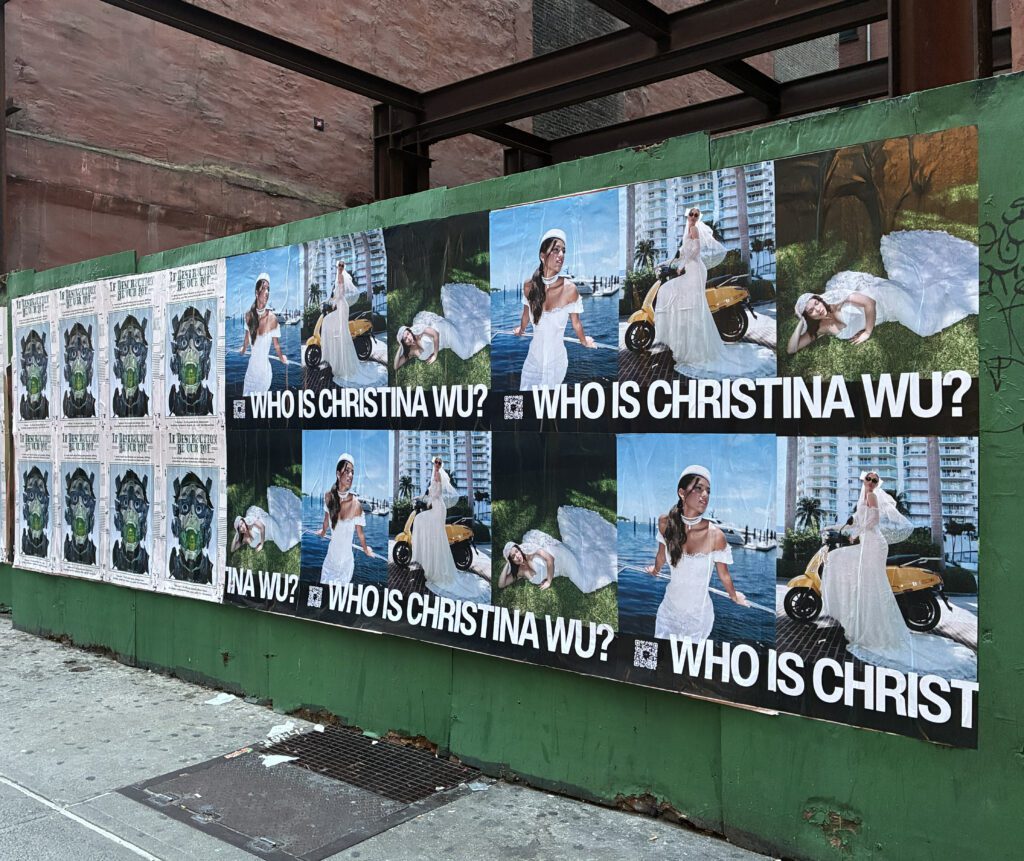
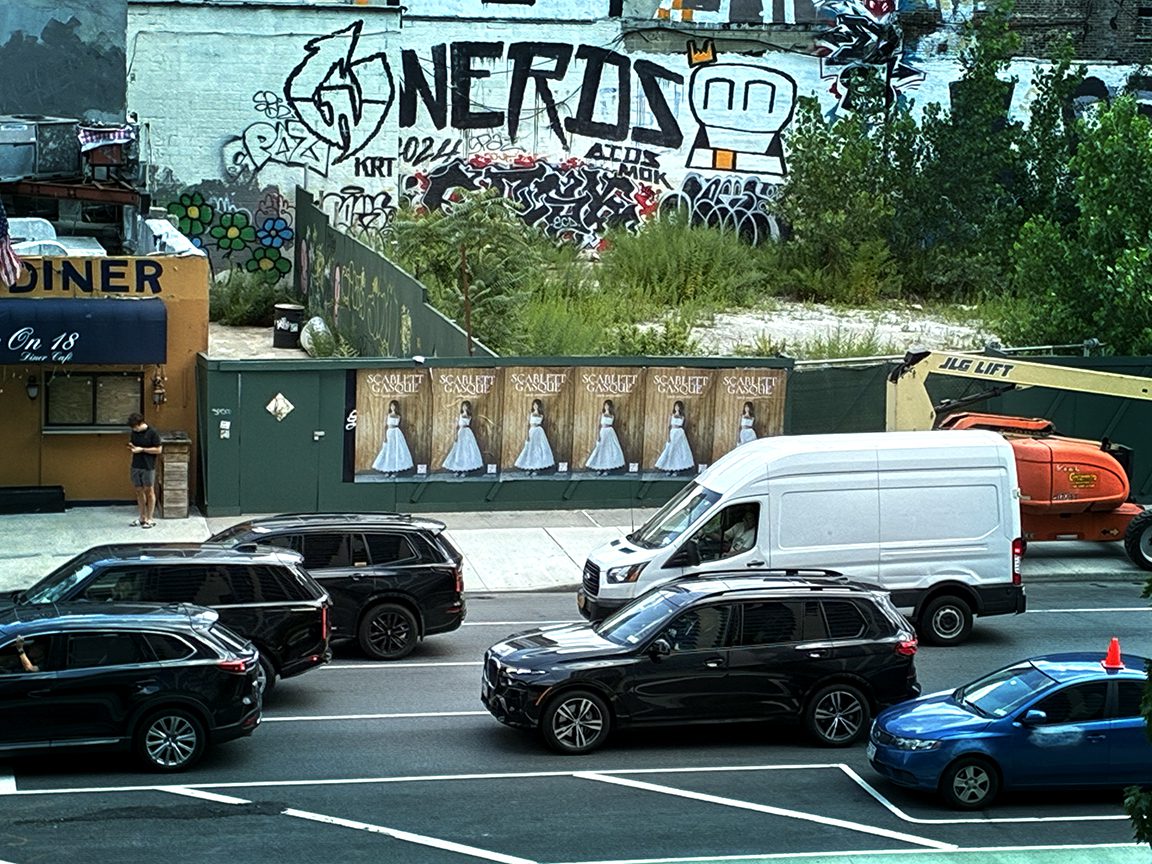
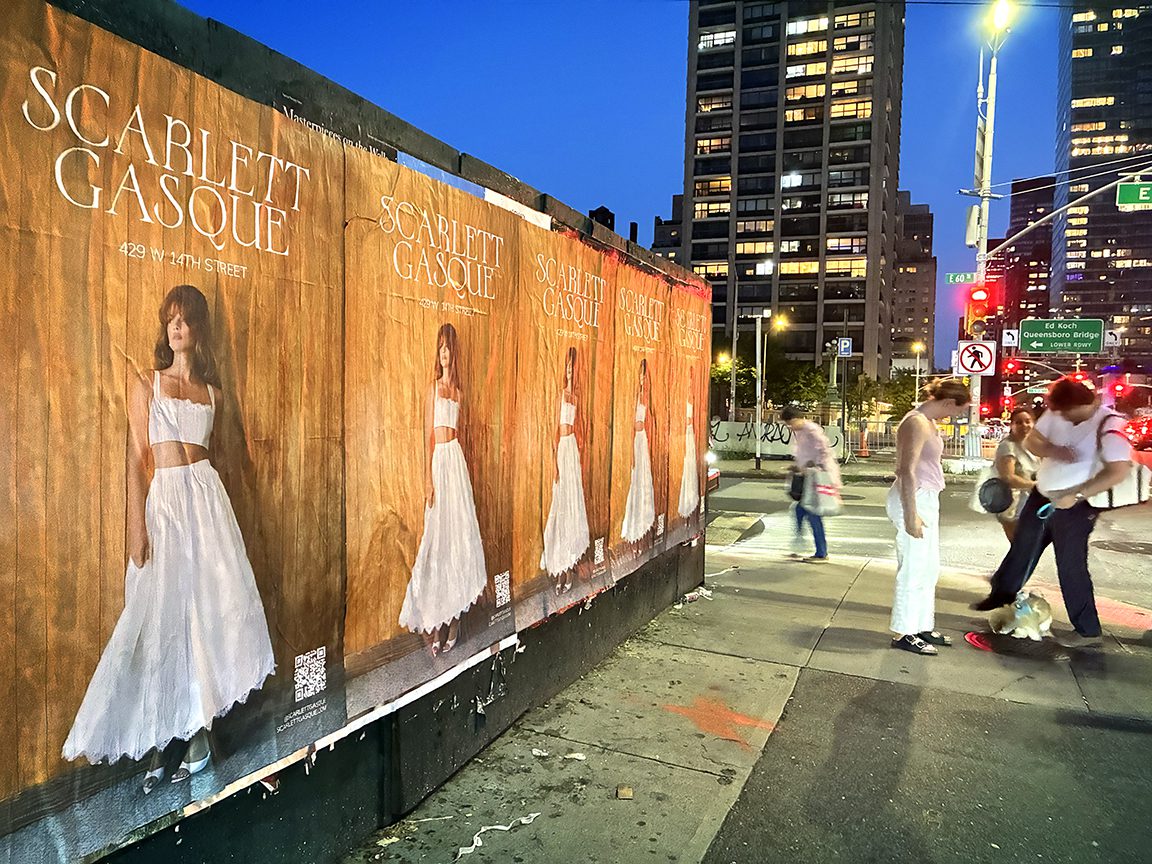
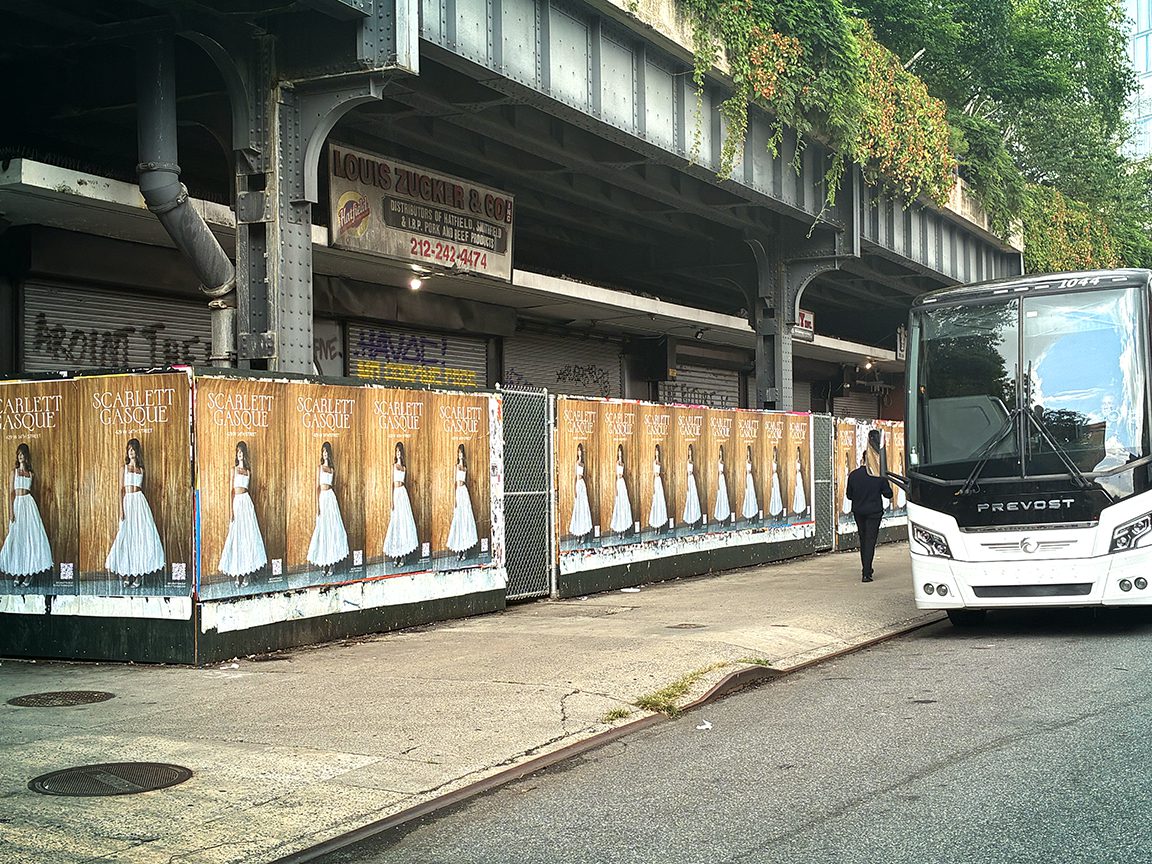
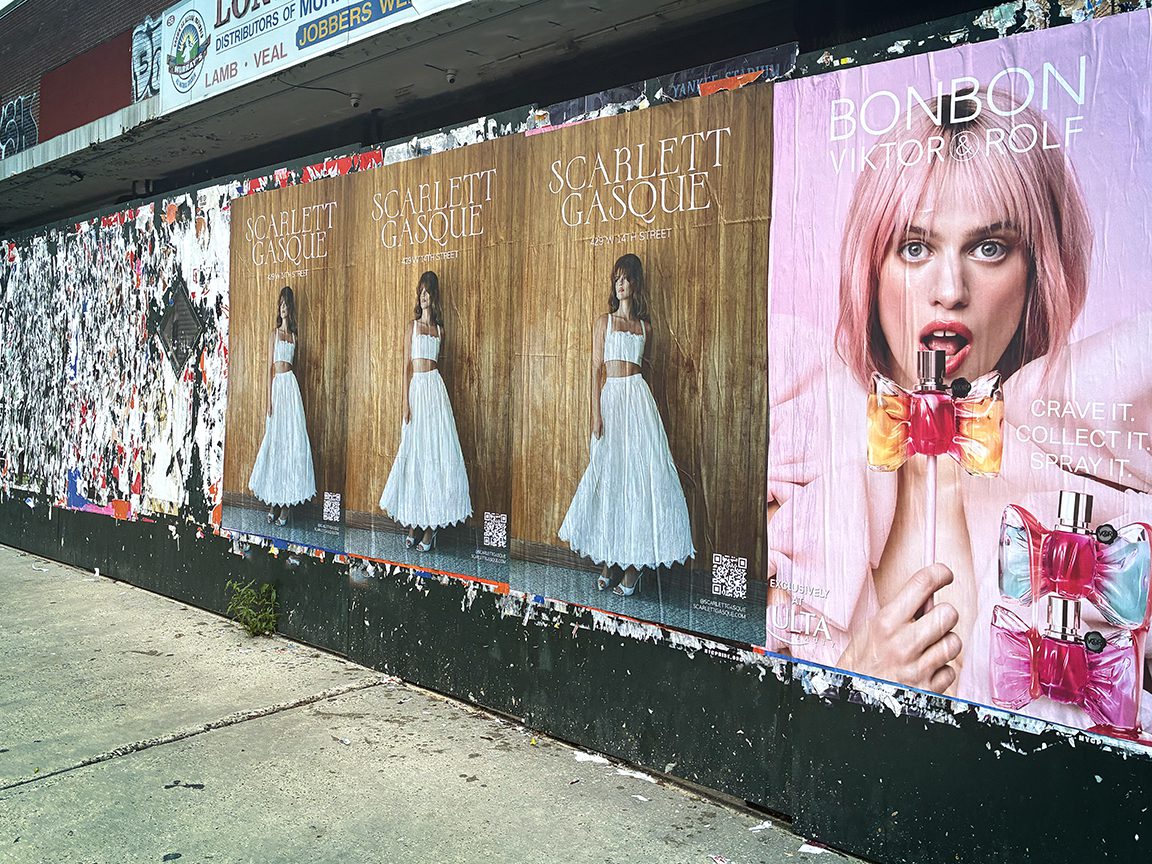
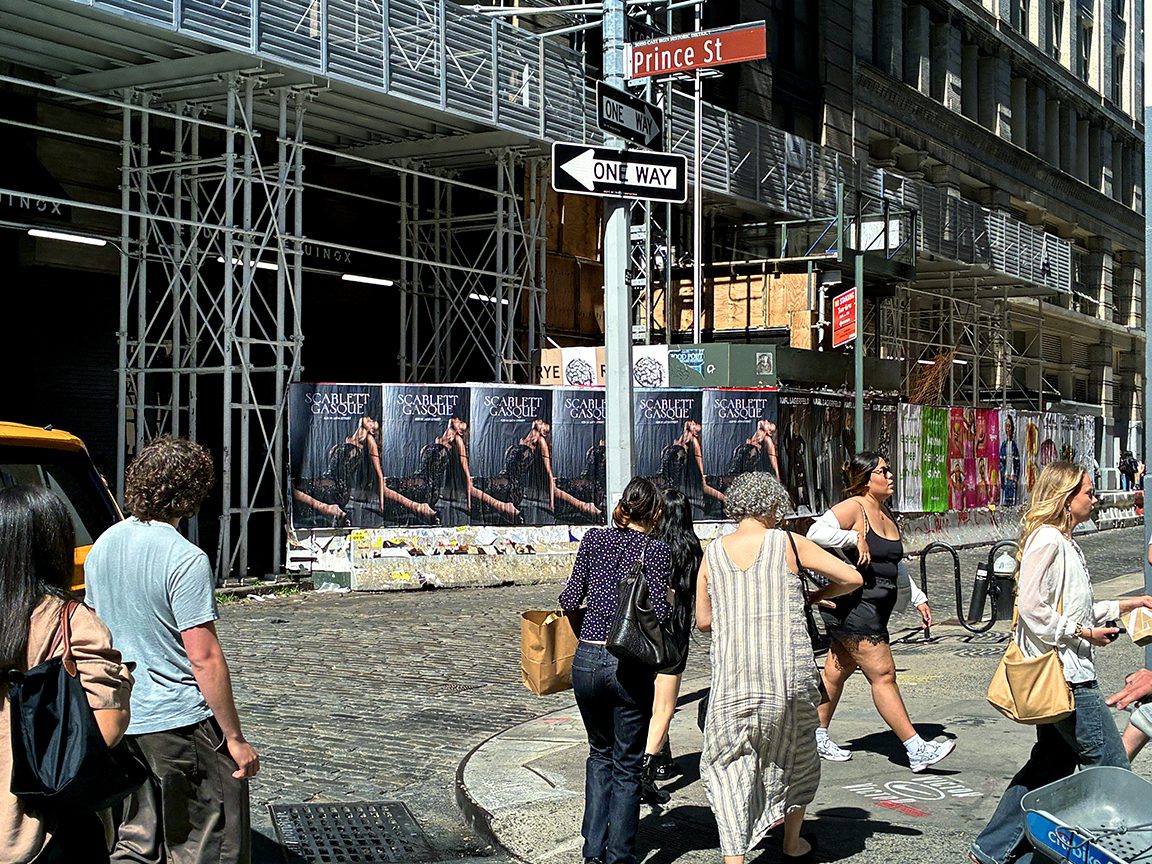
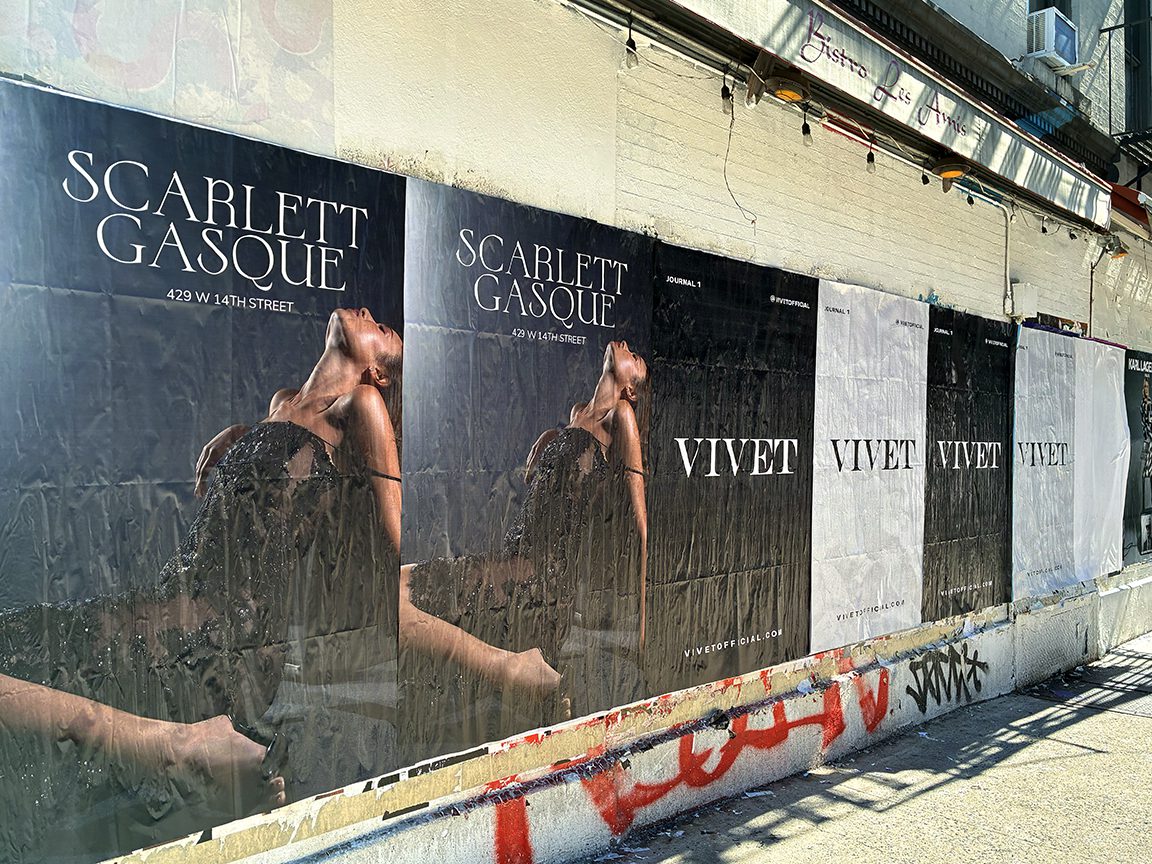
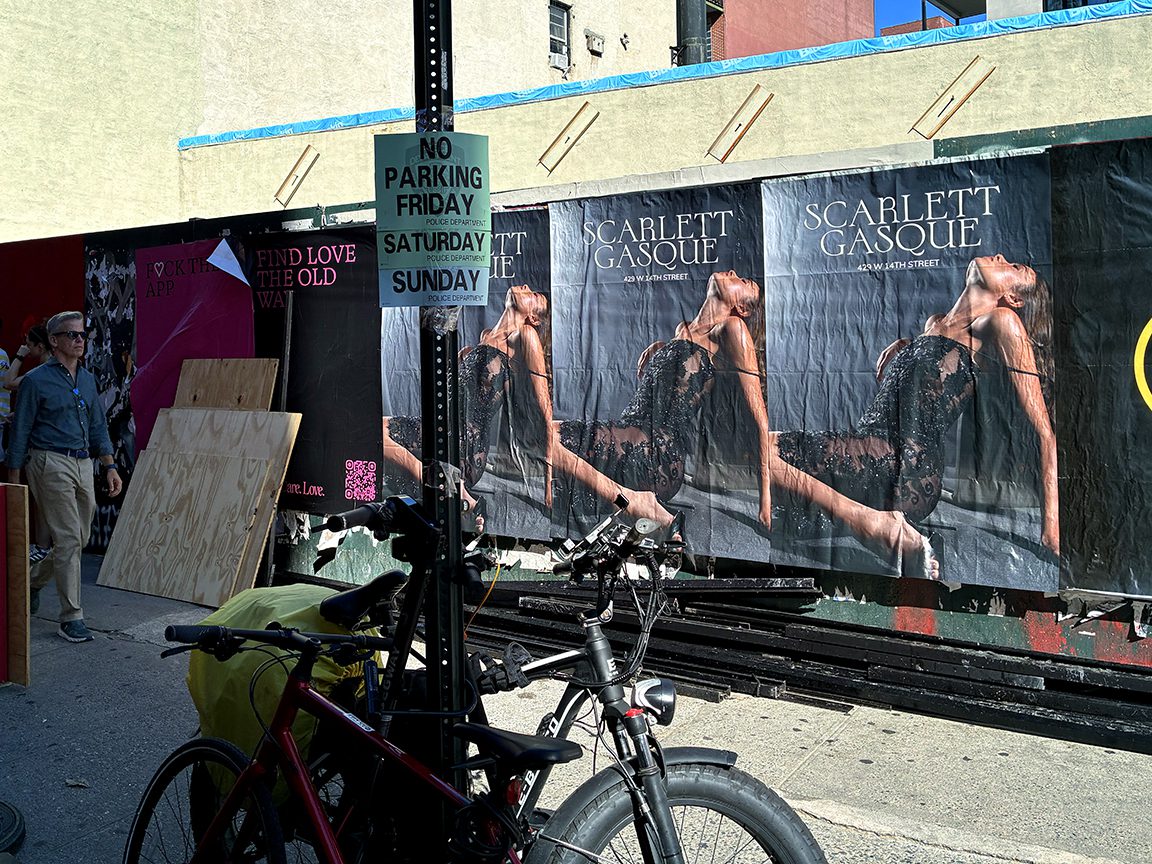
Scarlett Gasque booked us twice in 2026. The first run went up in late July. The second was built around New York Fashion Week in September. Both carried the same specification: 200 posters, 48 by 72 inches, one creative per format, a minimum of ten distinct locations across the city. The brand controlled design. We handled scouting, production, installation and the location report.
A Four By Six Foot Poster Rewrites The Map Before It Rewrites The Creative
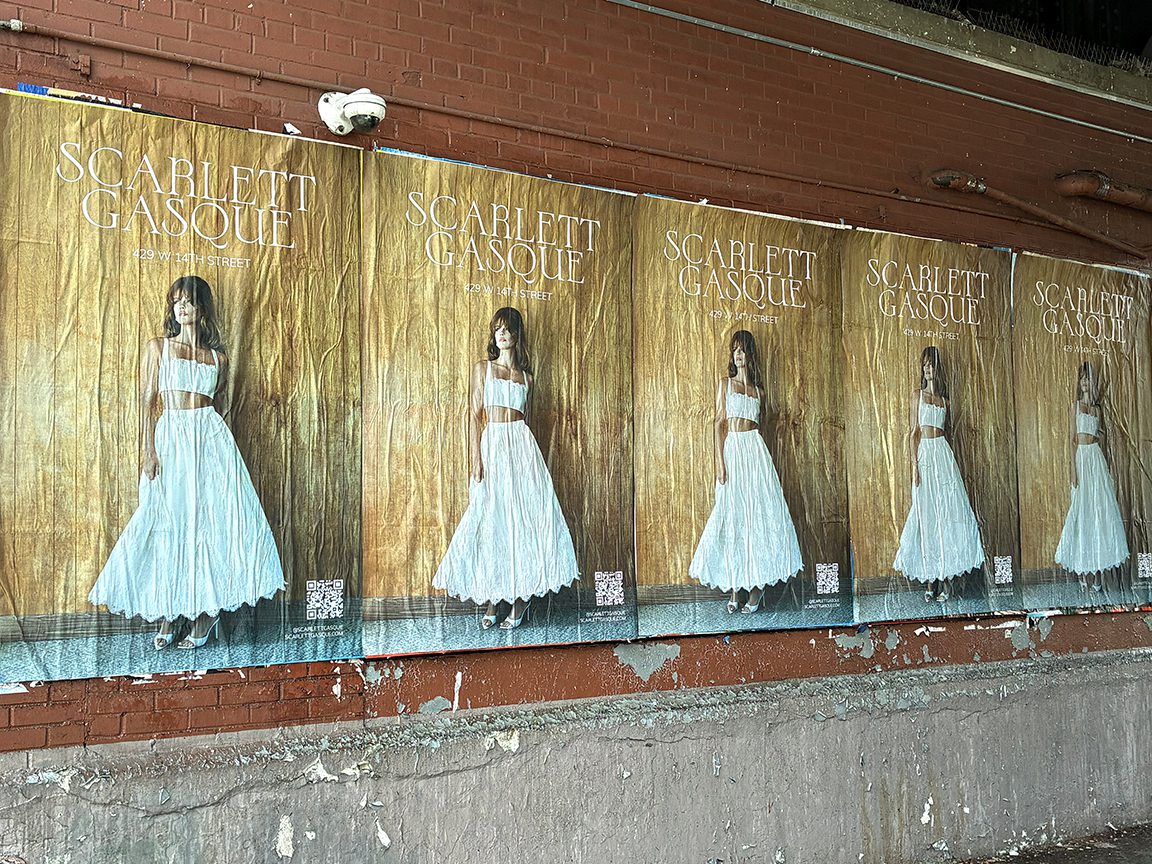
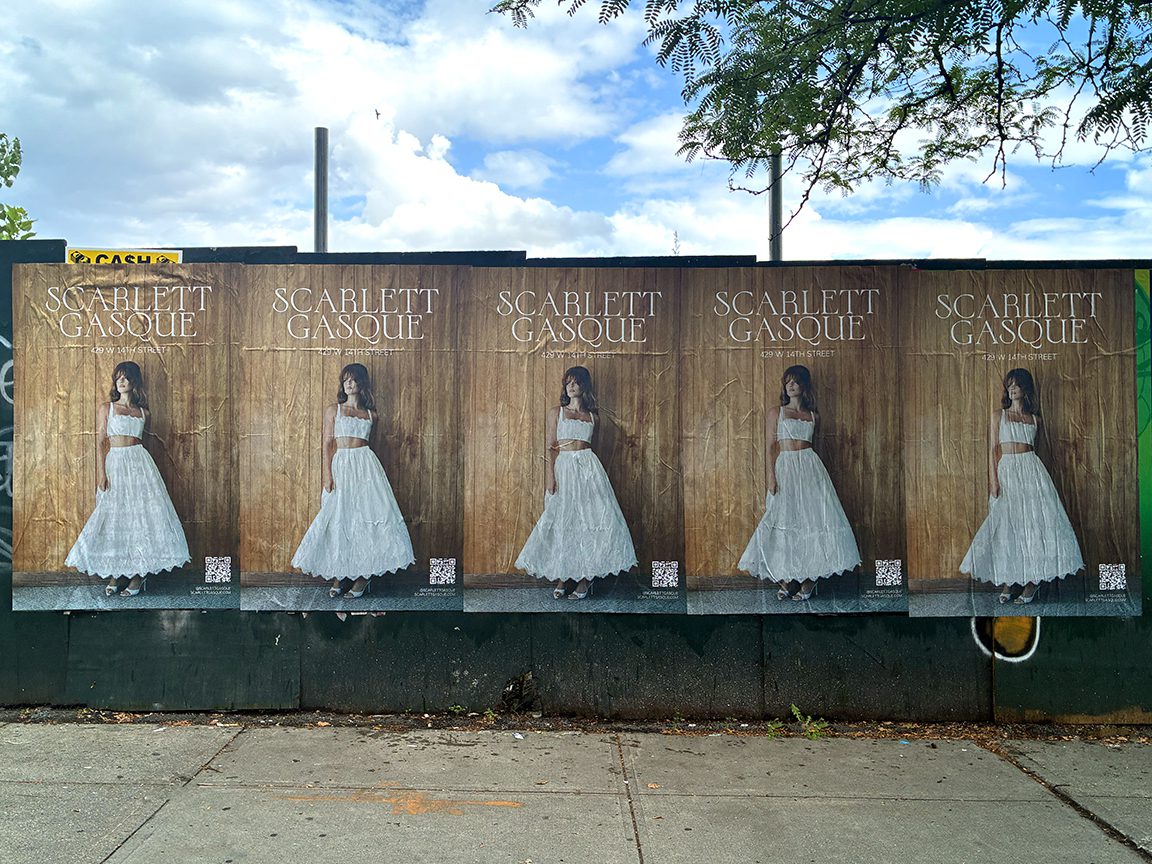
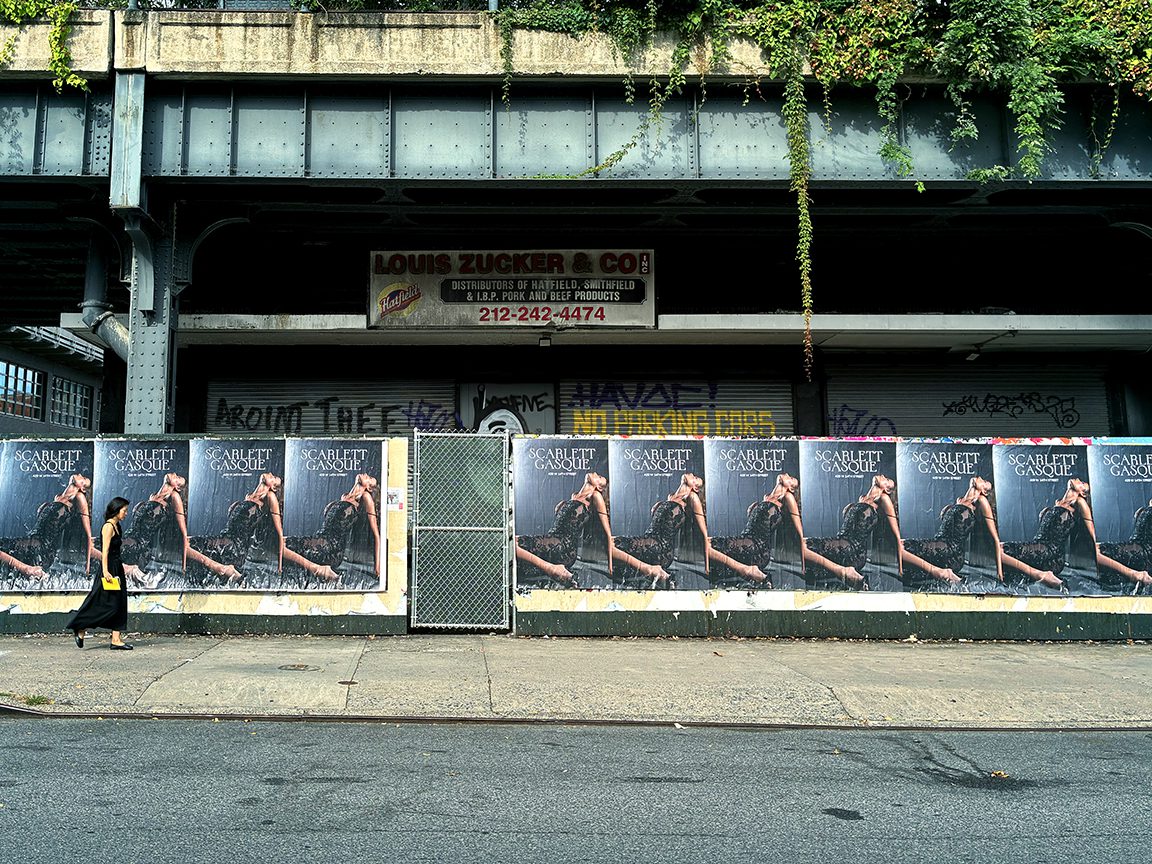
Most street poster work in New York runs 24 by 36 inches. This did not. Four feet wide by six feet tall is closer to a billboard panel than to a flyer, and that one decision governed everything downstream, including which neighborhoods were worth walking at all.
A 24 by 36 goes nearly anywhere. Scaffolding legs, utility cabinets, the narrow pilasters between storefronts. A 48 by 72 needs a flat run of surface at least five feet wide with nothing crossing it. No conduit, no signage bracket, no door hinge, no drainpipe. In practice that means construction hoarding, boarded storefronts, and the long plywood walls thrown up around gut renovations.
That requirement removes most of the city’s usable inventory. It also raises the quality of what survives. A sheet that size does not compete on a wall, it takes the wall, and somebody reads it from across the avenue rather than from the sidewalk directly in front of it. For a brand selling silhouette and photography, scale was the entire argument.
The tradeoff is real and we put it to the client in writing. The same paper volume at 24 by 36 would have covered roughly four times as many spots and produced far more repeat encounters per person. Small format buys frequency. Large format buys one strong impression. They chose scale, we think correctly for a brand still establishing what it looks like, but nobody should pretend the choice is free.
July: Meatpacking First, Then South And East
The summer wave installed across three days, July 22, 25 and 29. The heaviest concentration sat in Meatpacking around Washington Street and West 14th, where the hoarding runs are wide, the foot traffic maps almost exactly onto the brand’s buyer, and the block already reads as a fashion corridor because of the stores on it.
From there the route moved south. SoHo around Spring and Thompson. Hudson Square at Spring and Varick, which catches a different crowd, studio and production people walking to lunch rather than shoppers. Greenwich Village near West 11th. We also ran a cluster around Union Square and a second one uptown near East 62nd, which was the brand’s request rather than our recommendation.
The uptown placements underperformed and the report said so plainly. Lexington and Third in the low sixties have almost no raw surface. The buildings are finished, the retail is continuous, and the only things that will take paper are small and temporary. The posters went up, they looked clean, and they were seen by fewer people per day than anything below 23rd Street. If that wave ran again we would move the volume into Chelsea.
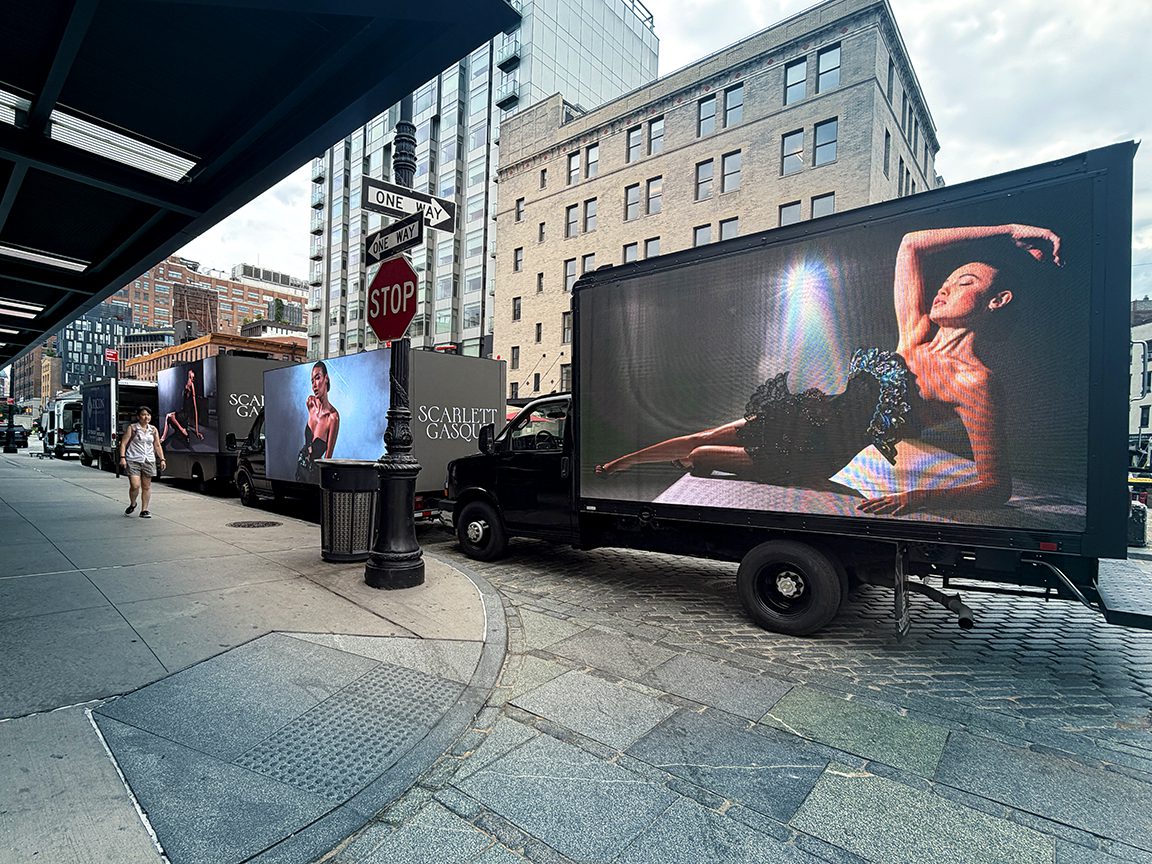
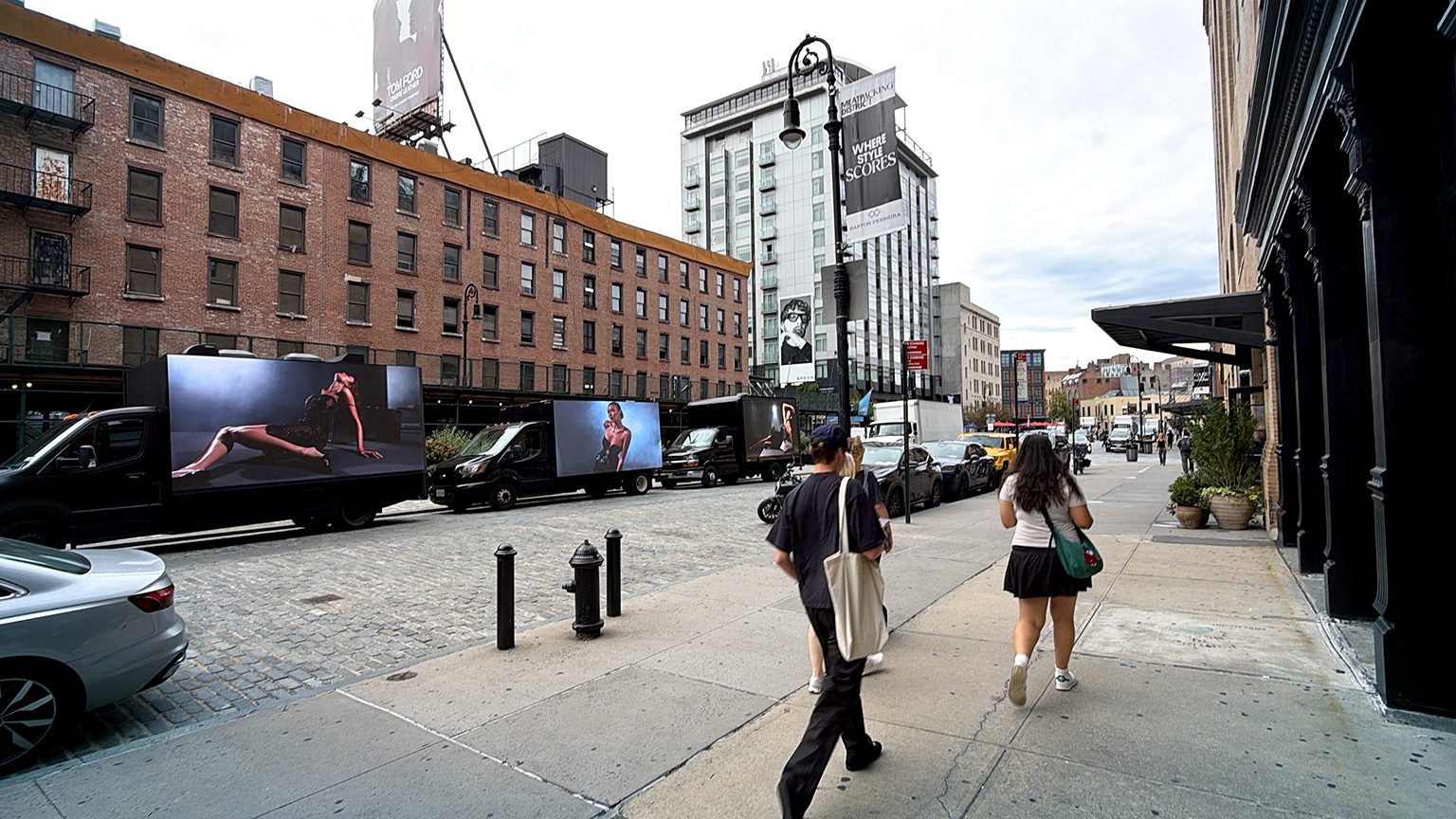
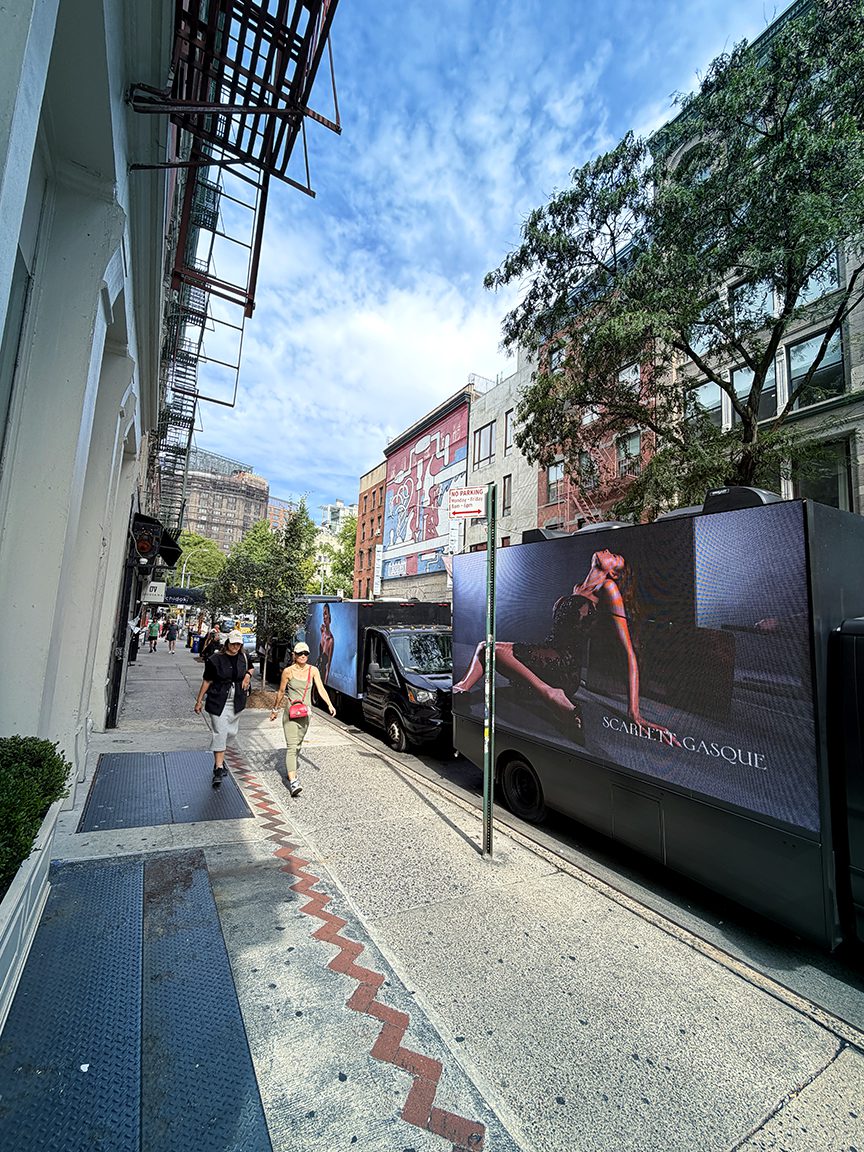
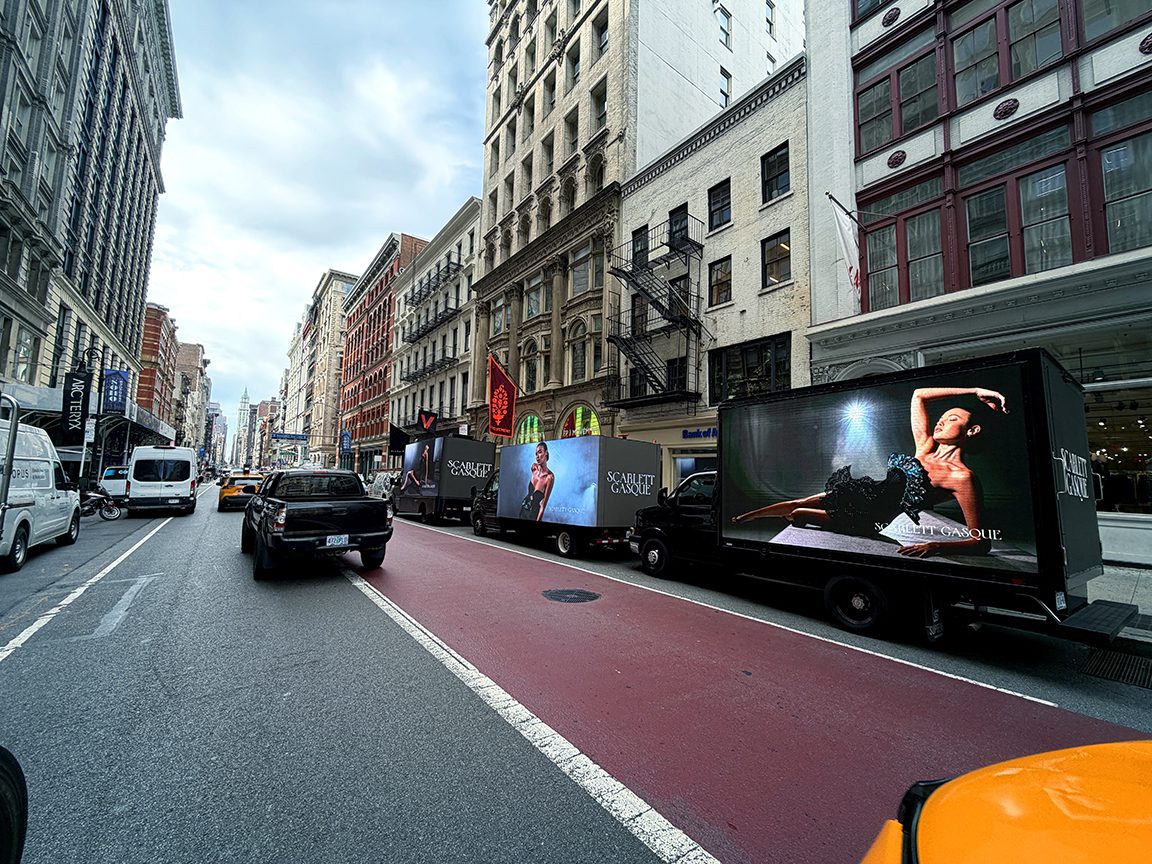
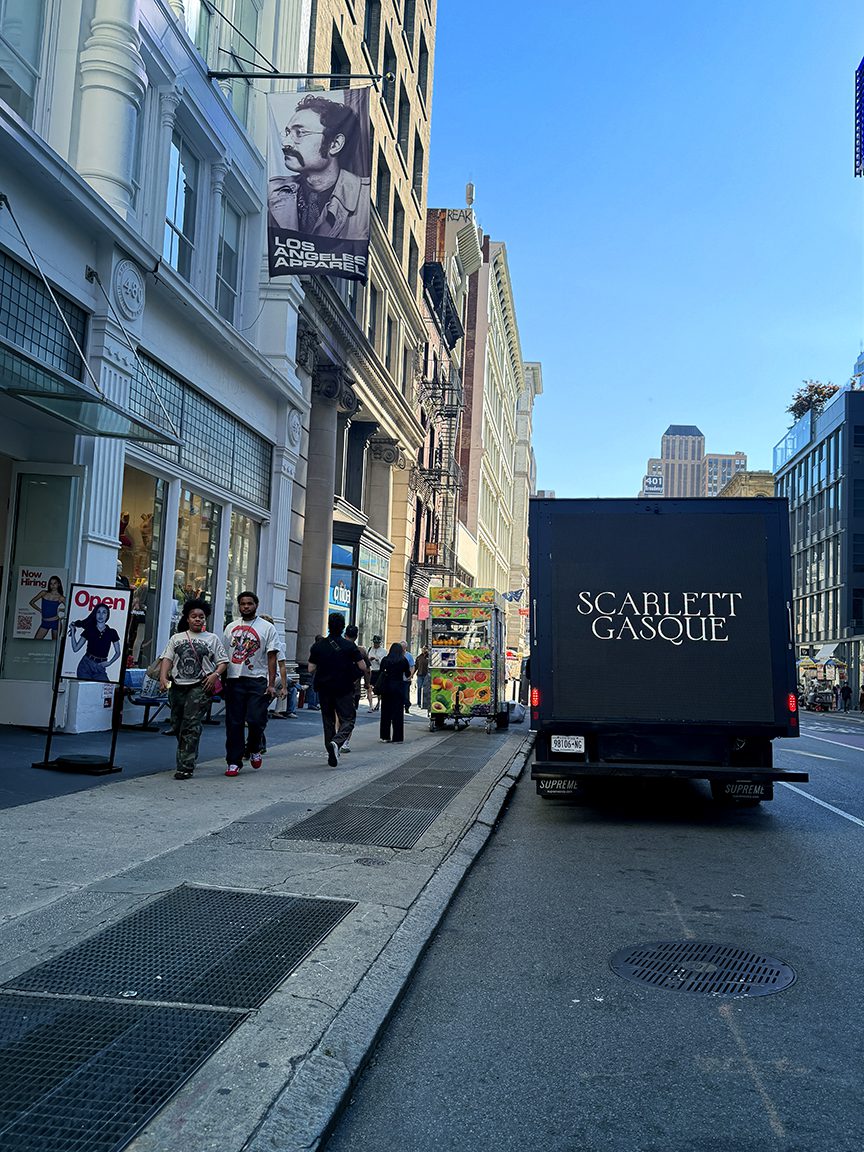
Campaign Photos



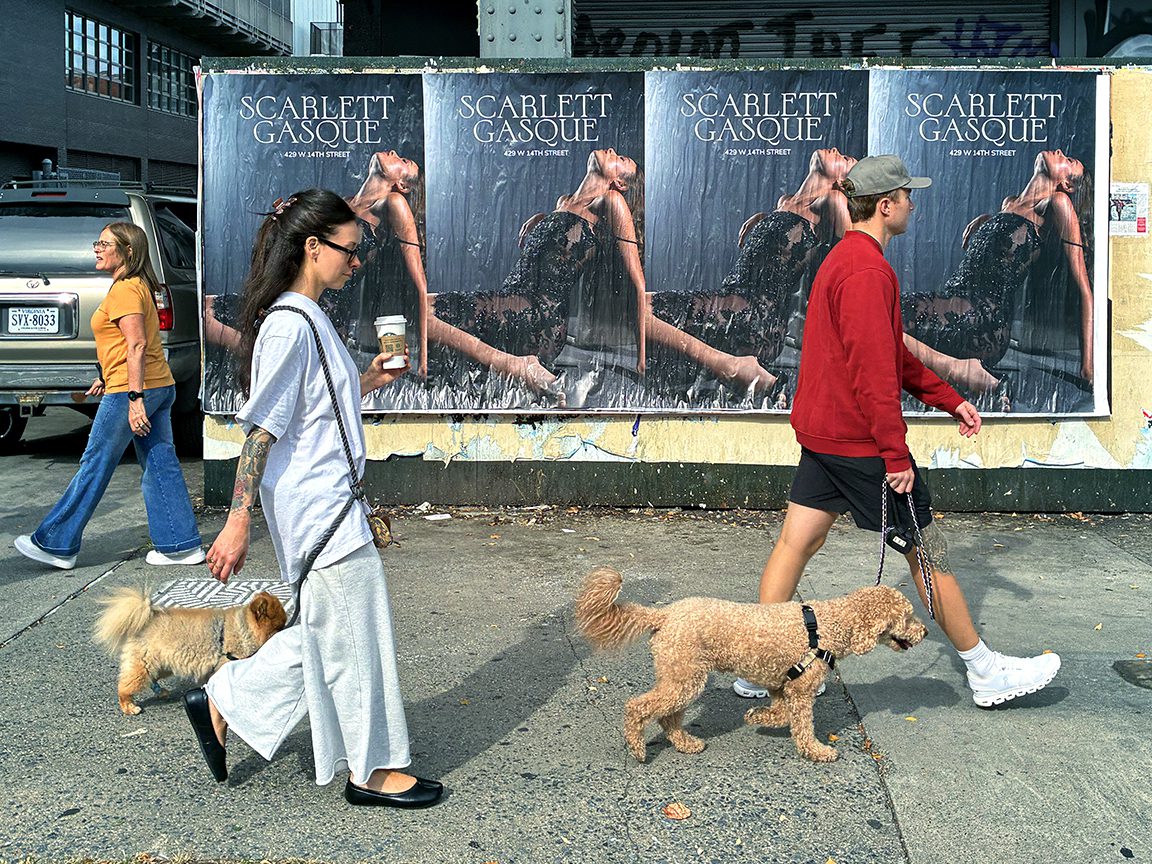
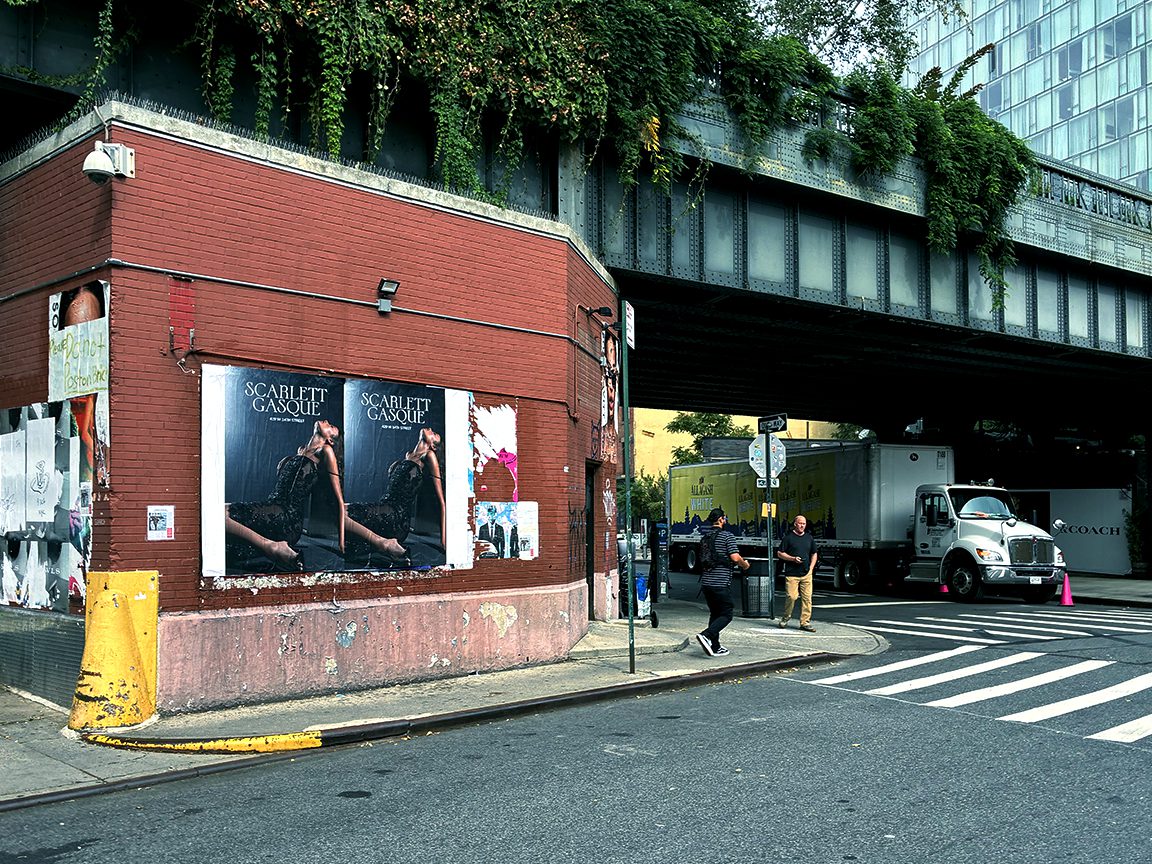


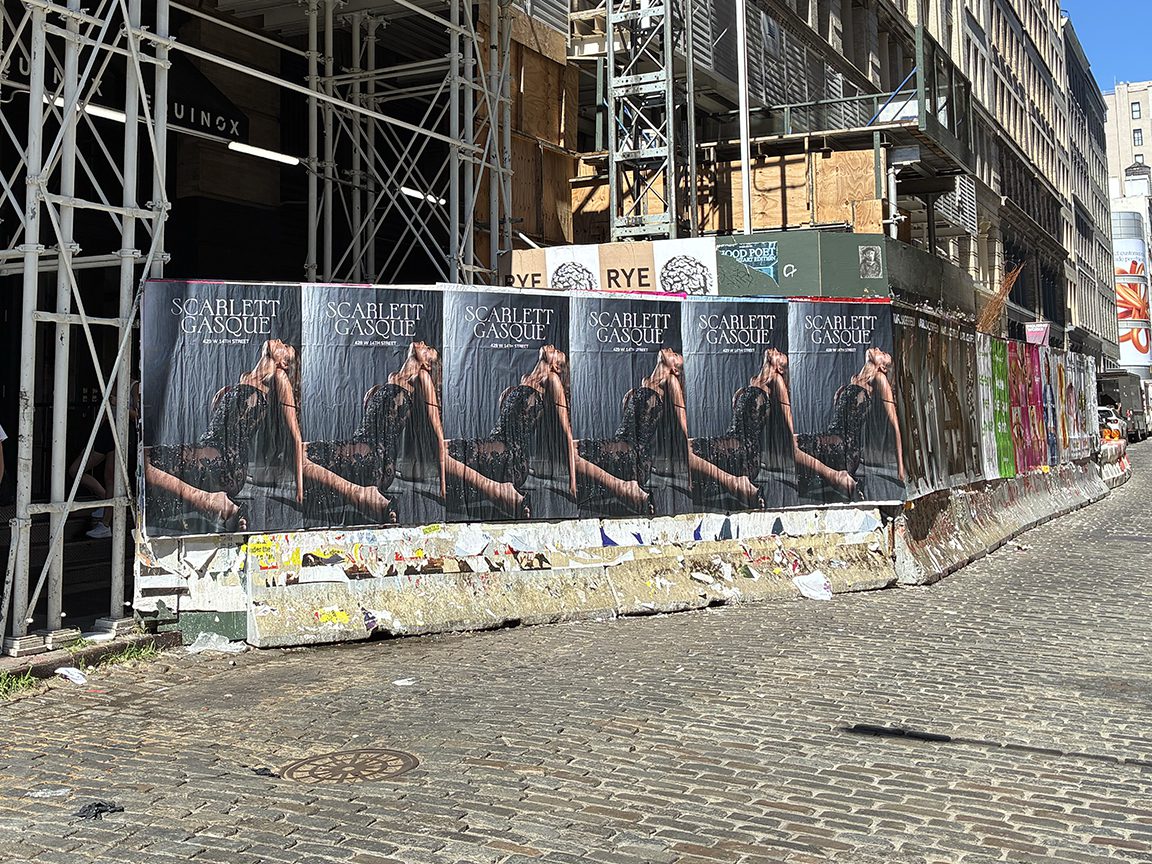
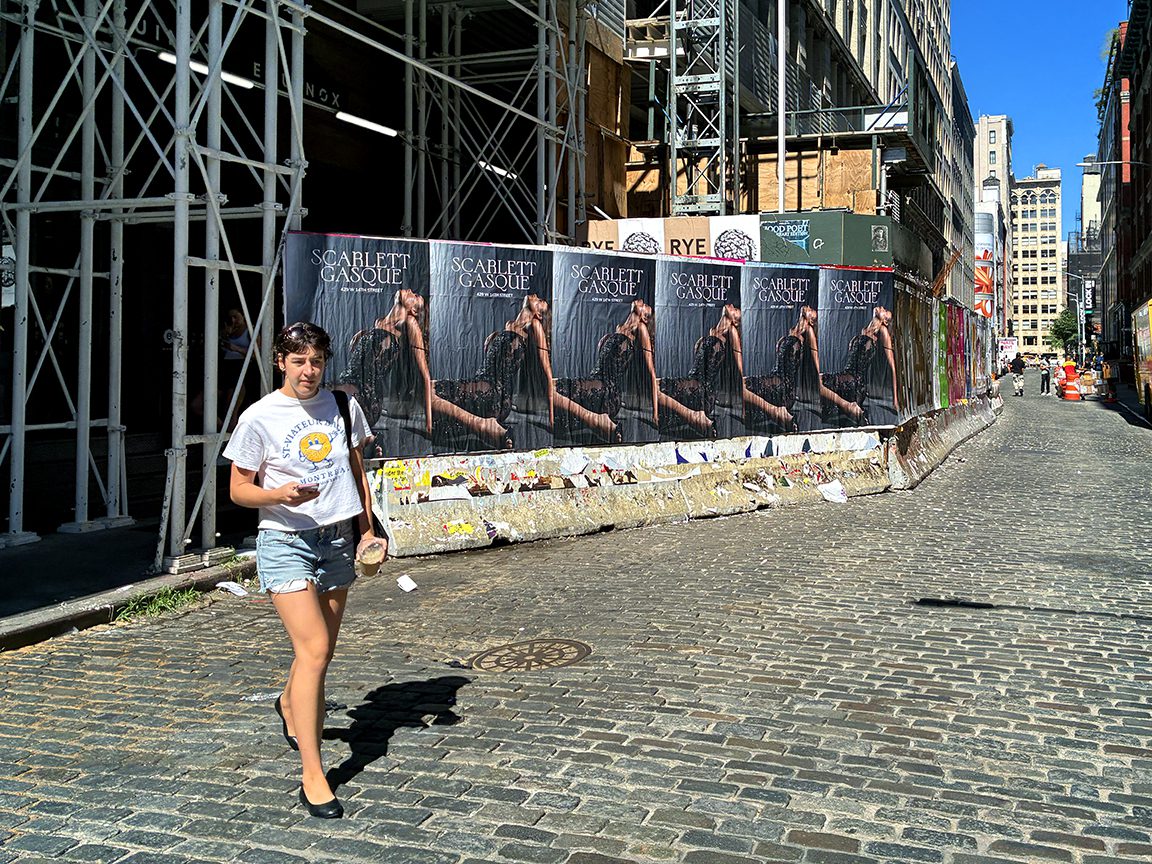
Ready To Put Your Artist Or Brand On The Streets Of America's Top Markets?
Award Winning Personalized Service
You will get thoughtful, devoted, and individualized attention from our experienced, qualified, and professional personnel. Being one of the most illustrious agencies in Brooklyn, New York, American Guerrilla Marketing has been awarded the Best of Brooklyn title.
Nationwide
Industry City, Brooklyn, New York 11232
American Guerrilla Marketing
Hours
Mon - Fri: 9 AM - 5 PM
Sat & Sun: Closed
Automate your campaign with AGM’s Request for Proposal Builder.
Automate your campaign with AGM’s Request for Proposal Builder. Simply answer a few quick questions about your campaign goals, markets, and timeline, and the system will generate a tailored presentation with recommended strategies, quantities, and pricing. Click the RFP Builder to instantly receive your customized proposal.
West Chelsea Carried More Weight Than We Planned
Chelsea absorbed a bigger share of the second half of the July run than the original plan called for, specifically the blocks between West 21st and West 31st running out toward Tenth and Eleventh Avenue. That stretch is under permanent construction, which means hoarding, which means surface. It also delivers the weekend gallery crowd and a continuous stream of cars coming off the West Side Highway.
We added a Brooklyn leg at the end of July, Gowanus around Fourth Avenue and Ninth Street plus Greenwood Heights further south. Both are industrial enough to carry large paper without looking out of place. We had pushed for Williamsburg and Bushwick instead. The brand wanted the Gowanus corridor because of where its wholesale accounts sit, which is a defensible reason, though the Bedford Avenue end of Williamsburg would have delivered more pedestrians against the same sheet count.
September: installing into a fixed calendar
The second wave was built around a date nobody controls. New York Fashion Week does not move, the audience it concentrates downtown is precisely the audience this brand sells to, and for about ten days every workable wall in SoHo and along the Bowery is contested by labels doing the same thing. Artwork was due September 3. We installed on September 11, in a single day, starting at 9:15 in the morning and finishing late afternoon.
One day was deliberate. Spreading a Fashion Week install across three days means the first posters are already papered over by the time the last ones go up. Going in once, early, and heavy means the whole wave sits fresh on the days that matter.
The route ran Meatpacking first, between 9:15 and 10:30, hitting the same Washington Street and West 14th surfaces that held in July plus a run further west toward the river. SoHo around Spring Street came next, through the late morning. The Bowery at Houston went up in the early afternoon. The Lower East Side near Chrystie and Delancey closed the day out, with the last placement logged at 4:44.
That order was not arbitrary. Meatpacking gets covered and recovered fastest during the week, so it went up at the front of the day to buy it the longest run on the wall. The Lower East Side turns over more slowly and could afford to wait.
What The Location Report Actually Told Us
Every placement came back with coordinates and photography inside the contracted seven business day window. The useful part of that document is not the proof that the work happened. It is the distance between the target map and the real one.
In July that gap was wide. Several client supplied target addresses had no workable surface within a block, so the installers went to the nearest wall that could physically hold a four by six foot sheet. In September the gap narrowed sharply, because the second wave was planned off July’s survival data rather than off a list of addresses. Corners that held paper for three weeks got posters again. Spots covered within four days were dropped without discussion.
That loop is the strongest argument for running New York twice instead of once. The first wave is partly a scouting exercise you are paying to run in public.
Why Fashion Week is worth the fight for wall space
There is a sane argument for avoiding the week entirely. Walls are contested, installers are stretched, and a poster can disappear under somebody else’s paper in forty eight hours. We still think it is the right window for a brand at this stage.
The reason is concentration. For those days, the people who decide what gets written about, stocked and worn are moving through a footprint of maybe two square miles between Chelsea, Meatpacking, SoHo and the Bowery. No other week in the year puts that specific group on those specific sidewalks. You accept a shorter life on the wall in exchange for a far denser audience while the paper is up.
Planning a New York City poster campaign
Send us the format, the dates and the neighborhoods you care about, and we will come back with a placement plan. If the format you want does not fit the walls you want, we will tell you before anything goes to press.