American Guerrilla Marketing
Nationwide Service
Media planning, media buying, billboard advertising, & guerrilla marketing
Advertise with LA Metro Bus
AGM works as your media planning and buying partner for bus and transit line advertising — we source placements through established vendor and transit authority relationships, negotiate rates on your behalf, and manage the campaign from creative specs through to proof-of-performance reporting. You work with one team; we handle the operators and inventory owners.
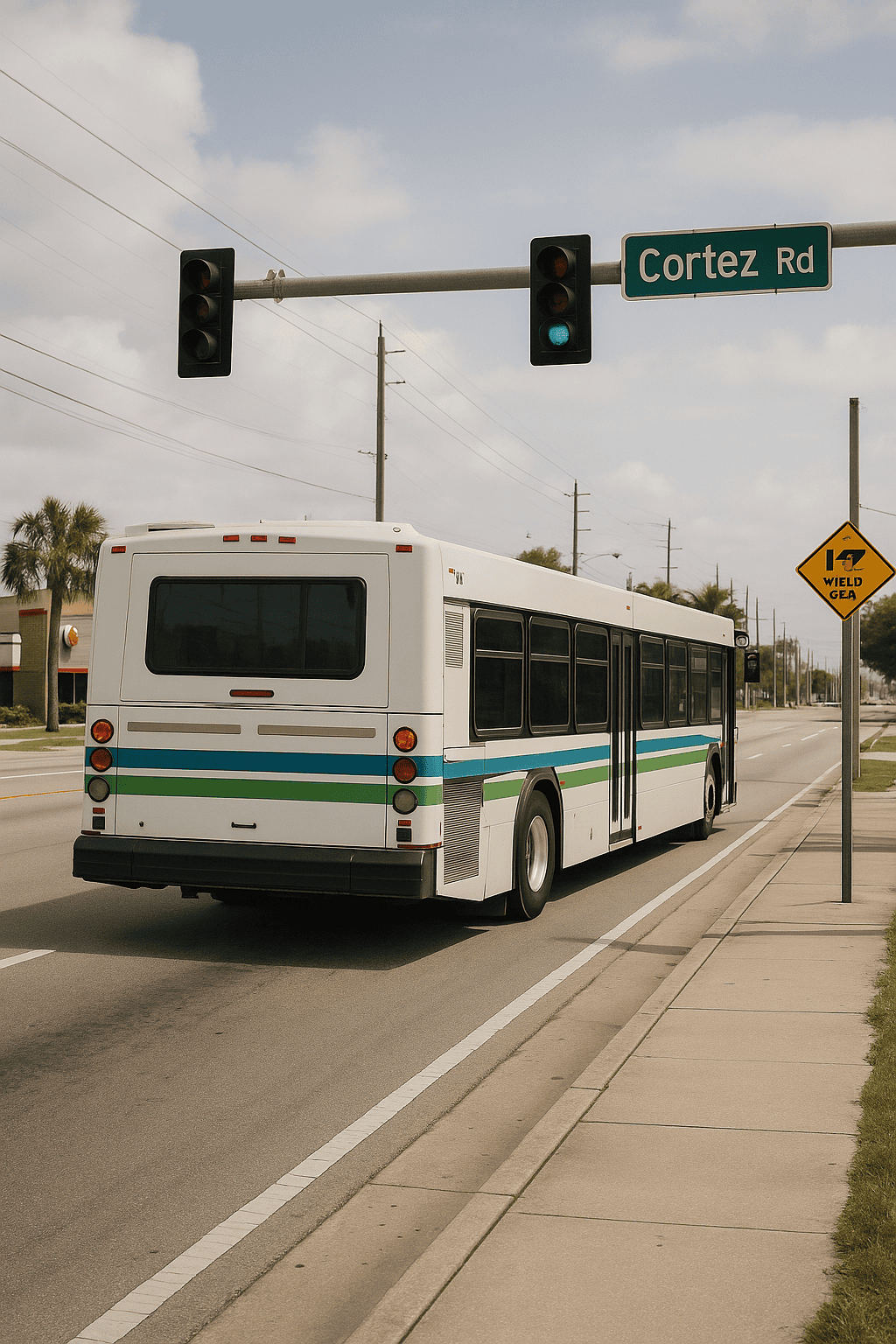
LA Metro Bus ‘s bus network across Los Angeles County. Wilshire Rapid 720, Vermont Avenue, Crenshaw Boulevard, Figueroa, and the Eastside corridors. Spanish-language available. Direct execution. American Guerrilla Marketing buys on-vehicle ad placements on LA Metro Bus routes through the transit authority’s authorized advertising vendors.
Los Angeles is not an interchangeable market. The second-largest city in the United States, with a county population exceeding 10 million, LA is an advertising environment where scale, demographic complexity, and the sheer geographic spread of the metro area create media planning challenges that no other American market replicates. LA Metro’s bus network is the public transit system that connects this enormous city: more than 2,000 buses on over 150 routes carrying approximately 800,000 daily passenger trips through the corridors that define the LA urban experience. The Wilshire Rapid 720 running from Santa Monica through the Miracle Mile and Koreatown to downtown. The Vermont Avenue 204/754 running north-south through South LA, Korean immigrants, and the dense Pico-Union communities. The Crenshaw Boulevard routes through Inglewood and South Central. The Figueroa Street corridor through downtown to the University of Southern California. The Eastside Gold Line feeder routes connecting Boyle Heights and East LA to the Metro rail system at Atlantic station.
AGM has placed transit advertising campaigns in the LA Metro network for over 10 years. We know the Metro bus system well enough to distinguish the Wilshire Rapid 720’s westside professional ridership from the Vermont Avenue 204’s South LA working-class community, and to know that advertising in Spanish on the routes serving MacArthur Park and Pico-Union is not the same campaign as advertising in English on the Wilshire Rapid between Beverly Hills and downtown. LA Metro bus advertising is not a single media buy. It is a portfolio of distinct community media channels whose demographic diversity, ridership volumes, and geographic spread together create one of the most comprehensive consumer advertising platforms in the country.
LA Metro’s bus ridership is predominantly Latino (over 60% by system-wide ridership data), with significant African American ridership on the South LA routes and an economically diverse mix of working-class transit-dependent riders on most of the system’s non-rapid routes. The Metro Rapid network (silver route numbers) serves a somewhat more economically mixed ridership including choice riders and commuters. The combination of scale, demographic diversity, and geographic reach makes LA Metro bus advertising the most consequential transit advertising buy in California and one of the most important in the United States.

Advertise with AC Transit
AC Transit serving Alameda and Contra Costa Counties. International Boulevard, Telegraph Avenue, San Pablo Avenue,...
Learn More
Advertise with Anaheim Resort Transit
Anaheim Resort Transit serving Anaheim, California. Disneyland Resort on Harbor Boulevard, Anaheim Convention Center on...
Learn MoreTransit Systems Serving California

Advertise with Antelope Valley Transit Authority
Antelope Valley Transit Authority serving Lancaster and Palmdale in the high desert of northern Los...
Learn More
Advertise with B-Line
B-Line serving Hayward, California. Mission Boulevard through downtown Hayward, CSU East Bay on Carlos Bee...
Learn More
Advertise with Beach Cities Transit
Beach Cities Transit serving Redondo Beach, California. Redondo Beach Pier and Harbor Drive, Hermosa Beach...
Learn More
Advertise with Bear Transit
Bear Transit serving Berkeley, California. UC Berkeley campus at Bancroft Way and Telegraph Avenue, Downtown...
Learn More
Advertise with Big Blue Bus
Big Blue Bus routes serve Santa Monica Boulevard, Wilshire Blvd, Lincoln Blvd, UCLA campus routes,...
Learn More
Advertise with Caltrain Shuttle Buses
Caltrain Shuttle Buses serving Peninsula Corridor, California. Millbrae Station office shuttles and airport links, Palo...
Learn More
Advertise with Chula Vista Transit
Chula Vista Transit serving Chula Vista, California. Third Avenue Village and E Street Trolley station,...
Learn More
Advertise with City of Commerce Transit
City of Commerce Transit serving Commerce, California. Citadel Outlets and Telegraph Road, Commerce Casino and...
Learn More
Advertise with City of Lompoc Transit
City of Lompoc Transit serving Lompoc, California. H Street through old town Lompoc, College Avenue...
Learn More
Advertise with Corona Cruiser
Corona Cruiser serving Corona, California. Main Street and Sixth Street in historic downtown Corona, Corona...
Learn More
Advertise with County Connection
County Connection serving Walnut Creek, California. Walnut Creek BART and downtown Broadway Plaza, Concord Todos...
Learn More
Advertise with Culver CityBus
Culver CityBus serving Culver City, California. Downtown Culver City at Culver Boulevard and Washington Boulevard,...
Learn More
Advertise with El Dorado Transit
El Dorado Transit serving Placerville, California. Placerville Main Street and historic downtown, Missouri Flat Road...
Learn More
Advertise with Fairfield and Suisun Transit
Fairfield and Suisun Transit serving Fairfield, California. Downtown Fairfield and Texas Street, Suisun City waterfront...
Learn More
Advertise with Foothill Transit
Foothill Transit serving the San Gabriel Valley and Pomona Valley. Azusa Avenue, Garvey Avenue, Valley...
Learn More
Advertise with Fresno Area Express
Fresno Area Express (FAX) serving Fresno, California. Blackstone Avenue, Ventura Avenue, Kings Canyon Road, Fresno...
Learn More
Advertise with Fresno County Rural Transit Agency
Fresno County Rural Transit Agency serving Fresno County, California. Selma downtown and Whitson Street, Sanger...
Learn More
Advertise with Gold Coast Transit
Gold Coast Transit serving Oxnard, California. Downtown Oxnard on C Street and Fifth Street, Ventura...
Learn More
Advertise with Golden Empire Transit
Golden Empire Transit (GET) serving Bakersfield and Kern County. Union Avenue, Chester Avenue, California Avenue,...
Learn More
Advertise with Golden Gate Transit
Golden Gate Transit serving Marin and Sonoma Counties. Highway 101 commuter routes to San Francisco,...
Learn More
Advertise with GrapeLine
GrapeLine serving Lodi, California. Downtown Lodi on School Street and Sacramento Street, Wine & Roses...
Learn More
Advertise with GTrans
GTrans serving Gardena, California. Gardena Transit Center and Redondo Beach Boulevard, Rosecrans Avenue warehouse corridor,...
Learn More
Advertise with Imperial Valley Transit
Imperial Valley Transit serving El Centro, California. El Centro Regional Medical Center and Main Street,...
Learn More
Advertise with Kings Area Regional Transit
Kings Area Regional Transit serving Hanford, California. Downtown Hanford and Seventh Street, Lemoore Station and...
Learn More
Advertise with Laguna Beach Transit
Laguna Beach Transit serving Laguna Beach, California. Pacific Coast Highway from Main Beach to North...
Learn More
Advertise with Long Beach Transit
Long Beach Transit (LBT) serving California's seventh-largest city. Atlantic Avenue, Long Beach Boulevard, Anaheim Street,...
Learn More
Advertise with Los Angeles LADOT
Los Angeles LADOT serving Los Angeles, California. Downtown DASH on 7th Street and Broadway, Hollywood...
Learn More
Advertise with Marguerite
Marguerite serving Palo Alto, California. Stanford University campus core and Palm Drive, Palo Alto Caltrain...
Learn More
Advertise with Marin Transit
Marin Transit serving San Rafael, California. San Rafael Transit Center and Fourth Street, Novato Vintage...
Learn More
Advertise with Merced County Transit
Merced County Transit serving Merced, California. Downtown Merced on M Street and Main Street, UC...
Learn More
Advertise with Montebello Bus Lines
Montebello Bus Lines serving Montebello, California. Whittier Boulevard through Montebello and East LA, The Shops...
Learn More
Advertise with Monterey-Salinas Transit
Monterey-Salinas Transit serving Monterey and Salinas. Lighthouse Avenue downtown Monterey, Main Street Salinas, CSUMB campus...
Learn More
Advertise with Muni San Francisco
Muni San Francisco routes serve Mission Street, Geary Rapid, Van Ness, the 14-Mission, 49-Van Ness/Mission,...
Learn More
Advertise with North County Transit District Breeze
North County Transit District Breeze serving Oceanside, California. Oceanside Transit Center and Coast Highway, Vista...
Learn More
Advertise with Norwalk Transit
Norwalk Transit serving Norwalk, California. Norwalk C Line station and Imperial Highway, Cerritos College and...
Learn More
Advertise with OCTA Orange County
OCTA Orange County routes across Orange County. Harbor Boulevard, Bristol Street, Beach Boulevard, Brookhurst, Santa...
Learn More
Advertise with Omnitrans
Omnitrans serving San Bernardino County and the Inland Empire. E Street downtown San Bernardino, Hospitality...
Learn More
Advertise with Petaluma Transit
Petaluma Transit serving Petaluma, California. Downtown Petaluma on Petaluma Boulevard, Petaluma Transit Mall and East...
Learn More
Advertise with Placer County Transit
Placer County Transit serving Auburn, California. Historic Auburn and Lincoln Way, Roseville Galleria and Douglas...
Learn More
Advertise with Porterville Transit
Porterville Transit serving Porterville, California. Main Street in downtown Porterville, Porterville College and Main Street...
Learn More
Advertise with Redding Area Bus Authority
Redding Area Bus Authority serving Redding, California. Downtown Redding and Market Street, Mt. Shasta Mall...
Learn More
Advertise with Riverside Transit Agency
Riverside Transit Agency routes serve University Avenue at UCR, Magnolia Avenue, downtown Riverside, Moreno Valley,...
Learn More
Advertise with Roseville Transit
Roseville Transit serving Roseville, California. Downtown Roseville Vernon Street and Civic Center, Galleria Boulevard and...
Learn More
Advertise with Sacramento Regional Transit
Sacramento Regional Transit (RT) bus routes. Stockton Boulevard, Florin Road, Watt Avenue, Del Paso Boulevard,...
Learn More
Advertise with SamTrans
SamTrans serving San Mateo County. El Camino Real, Mission Street Daly City, SFO Airport corridors,...
Learn More
Advertise with San Diego MTS
San Diego MTS routes serve El Cajon Boulevard, University Avenue, Imperial Avenue, downtown San Diego,...
Learn More
Advertise with San Joaquin RTD
San Joaquin RTD serving Stockton, California. Downtown Stockton and Weber Avenue, University of the Pacific...
Learn More
Advertise with San Luis Obispo Regional Transit
San Luis Obispo Regional Transit serving San Luis Obispo County, California. San Luis Obispo Government...
Learn More
Advertise with Santa Barbara MTD
Santa Barbara MTD serving Santa Barbara, California. State Street and downtown Santa Barbara, UCSB and...
Learn More
Advertise with Santa Clara VTA
Santa Clara VTA routes serve El Camino Real, Stevens Creek Blvd, Monterey Highway, downtown San...
Learn More
Advertise with Santa Clarita Transit
Santa Clarita Transit serving Santa Clarita, California. McBean Parkway and Valencia Town Center, Newhall Metrolink...
Learn More
Advertise with Santa Cruz Metro
Santa Cruz Metro serving Santa Cruz, California. Pacific Avenue downtown and Metro Center, UC Santa...
Learn More
Advertise with Santa Maria Area Transit
Santa Maria Area Transit serving Santa Maria, California. Broadway through downtown Santa Maria, Santa Maria...
Learn More
Advertise with Santa Rosa CityBus
Santa Rosa CityBus serving Santa Rosa, California. Downtown Santa Rosa and Santa Rosa Transit Mall,...
Learn More
Advertise with Simi Valley Transit
Simi Valley Transit serving Simi Valley, California. Simi Town Center Way retail district, Madera Road...
Learn More
Advertise with SLO Transit
SLO Transit serving San Luis Obispo, California. Downtown Higuera Street and Mission Plaza, Cal Poly...
Learn More
Advertise with SolTrans
SolTrans serving Vallejo, California. Vallejo Ferry Terminal and Georgia Street, Six Flags Discovery Kingdom and...
Learn More
Advertise with Sonoma County Transit
Sonoma County Transit serving Santa Rosa, California. Santa Rosa Transit Mall and county offices, Petaluma...
Learn More
Advertise with Stanislaus Regional Transit
Stanislaus Regional Transit serving Modesto, California. Downtown Modesto and I Street, Vintage Faire Mall and...
Learn More
Advertise with SunLine
SunLine serving Palm Desert, California. Palm Springs downtown and Palm Canyon Drive, Palm Desert El...
Learn More
Advertise with Thousand Oaks Transit
Thousand Oaks Transit serving Thousand Oaks, California. The Oaks mall and Hillcrest Drive, Moorpark College...
Learn More
Advertise with Torrance Transit
Torrance Transit serving Torrance, California. Del Amo Fashion Center and Hawthorne Boulevard, Torrance Memorial Medical...
Learn More
Advertise with Tri Delta Transit
Tri Delta Transit serving Antioch, California. Antioch BART and Hillcrest Avenue, Pittsburg Center BART and...
Learn More
Advertise with Tulare County Regional Transit
Tulare County Regional Transit serving Visalia, California. Visalia transit center and Main Street, Porterville Main...
Learn More
Advertise with Turlock Transit
Turlock Transit serving Turlock, California. Downtown Turlock and Main Street, California State University Stanislaus on...
Learn More
Advertise with Union City Transit
Union City Transit serving Union City, California. Union City BART and Station District, Alvarado Niles...
Learn More
Advertise with Unitrans
Unitrans serving Davis, California. UC Davis campus core and Memorial Union, Downtown Davis on G...
Learn More
Advertise with Ventura Intercity VISTA
Ventura Intercity VISTA serving Ventura County, California. Ventura Government Center and Main Street, Oxnard Transit...
Learn More
Advertise with Victor Valley Transit
Victor Valley Transit serving Victorville, California. Downtown Victorville and Seventh Street, Mall of Victor Valley...
Learn More
Advertise with VINE
VINE serving Napa, California. Downtown Napa and Soscol Avenue, Napa Valley College and Imola Avenue,...
Learn More
Advertise with Visalia Transit
Visalia Transit serving Visalia, California. Downtown Visalia and Main Street, College of the Sequoias on...
Learn More
Advertise with WestCAT
WestCAT serving Pinole, California. Hercules Transit Center and San Pablo Avenue, Pinole Valley Road and...
Learn More
Advertise with WHEELS
WHEELS serving Livermore, California. Downtown Livermore and First Street, Dublin Pleasanton BART and Stoneridge Drive,...
Learn More
Advertise with Yolobus
Yolobus serving Woodland, California. Woodland downtown and Main Street, UC Davis and downtown Davis connectors,...
Learn More
Advertise with Yuba-Sutter Transit
Yuba-Sutter Transit serving Marysville, California. Marysville downtown and D Street, Yuba City downtown and Plumas...
Learn MorePlan Your LA Metro Bus Campaign
AGM places interior bus and shelter advertising across the LA Metro bus network, from the 720 Wilshire Rapid to Vermont Avenue, Crenshaw, and the Eastside. Spanish-language available. Direct execution.
Why La Metro Bus Routes Are Premium Advertising Territory
The Wilshire Rapid (Line 720) is the single highest-ridership bus route in the United States outside of New York City. Running 26 miles from the Santa Monica Pier to downtown Los Angeles through the densest commercial and residential corridor in Southern California, the 720 carries approximately 30,000 daily riders past the Westwood-UCLA commercial district, through Beverly Hills (where the bus stops at Rodeo Drive), through the Miracle Mile’s Museum Row, through Koreatown’s densest residential blocks, and into the downtown core at 7th Street and Figueroa. The demographic range of riders encountered on a single west-to-east 720 trip spans from UCLA students and Westside professionals to Korean immigrants in Koreatown to downtown office workers: a cross-section of LA’s entire economic and cultural spectrum on a single route.
The Vermont Avenue corridor from Hollywood south through Koreatown, Pico-Union, and into South LA is one of the most transit-dense corridors in the LA Metro system, with multiple overlapping route frequencies serving a corridor that carries some of the highest-density immigrant and working-class ridership in the nation. The communities along Vermont Avenue between Hollywood Boulevard and Slauson Avenue are among the most transit-dependent in Los Angeles County, with household vehicle ownership rates well below the county average and genuine daily transit dependency for the majority of residents. The advertising engagement rate on Vermont Avenue routes is above-system-average because riders are in the bus longer and have fewer competing media distractions in their transit environment than the choice-rider routes in more affluent corridors.
The Crenshaw Boulevard corridor through Inglewood, West Adams, and the historically Black communities of South Los Angeles carries a demographic profile that has been underserved by mainstream national advertising for decades. The households along Crenshaw between Exposition and El Segundo are among the most brand-aware and brand-loyal in the Los Angeles market, with above-average community identity and cultural engagement that makes advertising in this corridor, when done authentically, carry a community trust dimension that Westside transit routes cannot replicate. For brands targeting the Black Los Angeles community specifically, the Crenshaw corridor routes are the most direct transit advertising channel available in the county.
The Eastside routes serving Boyle Heights and East Los Angeles are the primary transit connections for one of the most densely populated and most transit-dependent communities in the United States. Boyle Heights, bounded by the 10 Freeway on the south and the LA River on the west, has one of the highest population densities in Los Angeles and some of the lowest vehicle ownership rates in Southern California. The residents are predominantly Mexican and Mexican American, with Spanish as the primary household language for the majority of households. Transit advertising in Spanish on the Eastside routes reaches a community of 150,000-plus residents in Boyle Heights and East LA that English-only campaigns systematically miss at scale.
Interior Bus Advertising on LA Metro
Wilshire Rapid 720: Santa Monica to Downtown Los Angeles
The 720 Wilshire Rapid is the most strategically significant bus advertising corridor in the LA Metro system for national brands. The route’s 26-mile span crosses the full economic spectrum of the Los Angeles Westside and Midtown: the Santa Monica beachfront terminus at 4th Street and Colorado, through the Westwood Village commercial district adjacent to UCLA, along Wilshire through the Brentwood and Bel Air adjacencies, into Beverly Hills at Wilshire and Santa Monica Boulevard, through the Miracle Mile past the Los Angeles County Museum of Art at Wilshire and Fairfax, into Koreatown’s commercial heart at Wilshire and Vermont, and east into the downtown core at 7th Street Metro Center.
Interior advertising on the 720 reaches a ridership that is economically more diverse than the neighborhoods it passes through would suggest. The rapid service attracts choice riders from the Westside who use it for commuting to downtown, in addition to the transit-dependent riders in the mid-Wilshire and Koreatown segments. The route’s frequency, speed, and geographic span make it the single most cost-efficient interior advertising placement for reaching both the Westside professional community and the Koreatown immigrant community in a single route buy. For brands that want to be in the physical environment of both Beverly Hills and Koreatown on the same bus in the same campaign, the 720 is the only format that makes that combination possible.
Best advertiser categories: financial services brands targeting the LA professional demographic across the full Wilshire economic spectrum, Korean community-targeted products and services in the Koreatown segment, retail brands with Westside and downtown locations, entertainment brands targeting both the Westside creative industry and the Koreatown community, and healthcare brands with facilities along the Wilshire corridor including Cedars-Sinai at San Vicente and Wilshire and the Kaiser Permanente complex at Vermont and Wilshire.
Vermont Avenue Corridor: Lines 204 and 754 from Hollywood to South LA
Vermont Avenue runs north-south through some of the most transit-dependent and densest communities in Los Angeles: from Hollywood’s commercial strip north of Santa Monica Boulevard, through the apartment-dense residential blocks of Koreatown between Beverly and Olympic, through the Pico-Union immigrant neighborhood near the Rampart area, past the USC campus on Exposition Boulevard, and south through South Los Angeles to Vermont Square. The Lines 204 and 754 on Vermont Avenue carry among the highest daily ridership of any north-south Metro bus routes in the county, reflecting the extraordinary transit dependency of the communities they serve.
Interior advertising on Vermont Avenue routes reaches an immigrant and working-class Los Angeles community that is the backbone of the city’s service economy. The riders on the 204 and 754 during the morning commute are housekeepers, restaurant workers, healthcare support staff, retail workers, and the full range of the service sector workforce that keeps Los Angeles running but whose advertising environment consists primarily of Spanish-language television, community radio, and the physical advertising they encounter on the transit system. For brands in consumer packaged goods, financial services, health insurance, telecommunications, and community services that are specifically targeting this demographic, Vermont Avenue bus advertising delivers the community in a direct, physical, high-frequency format that digital campaigns cannot replicate.
Best advertiser categories: Spanish-language consumer goods campaigns, healthcare enrollment campaigns in both Spanish and English, financial services brands with community banking and remittance products, telecommunications brands targeting the Los Angeles immigrant community, QSR and grocery brands with Vermont Avenue and South LA locations, and community service organizations with programs targeting the Pico-Union and South LA working community.
Crenshaw Boulevard and South Los Angeles Routes
The Crenshaw corridor and the broader network of South Los Angeles Metro bus routes, including Lines 40/740 on Crenshaw, Lines 105 and 115 on Vermont/Normandie in South LA, and the cross-town routes on Manchester and Century Boulevards, carry the African American and Latino working community of South Los Angeles in the transit advertising environment of one of the most culturally significant geographic zones in American urban life. From the Leimert Park neighborhood’s jazz and arts culture on 43rd Street and Crenshaw to the Inglewood Forum and SoFi Stadium complex at Prairie and Century, the South LA transit corridors span a community with specific cultural identity, specific consumer patterns, and a specific advertising environment that generic LA Metro system-wide campaigns often undervalue.
The opening of SoFi Stadium in Inglewood and the return of NFL football to Los Angeles has added a sports-adjacent consumer context to the Inglewood transit corridors, with Metro bus routes carrying fans to and from the stadium complex on game days and concert events that draw tens of thousands of visitors to the Forum and SoFi Stadium regularly throughout the year. For sports and entertainment brands, the Inglewood game day transit audience is a high-spending, high-engagement advertising environment that the Metro bus network delivers from within the community rather than from outside it.
Best advertiser categories: brands targeting the Black Los Angeles consumer community with authentic cultural positioning, entertainment and sports brands with SoFi Stadium and the Forum connections, South LA community health organizations, financial services brands including credit unions and community banks serving South Los Angeles, and brands that have demonstrated community investment in South LA and want to communicate that investment in the community’s physical media environment.
Eastside Lines: Boyle Heights, East Los Angeles, and Atlantic Blvd
The Metro bus routes serving Boyle Heights and East Los Angeles, including lines running on Whittier Boulevard, 1st Street, 3rd Street, Brooklyn Avenue (Cesar Chavez Avenue), and the Atlantic Boulevard connector routes, carry the largest single-corridor concentration of Spanish-dominant-household transit riders in the United States. Boyle Heights and the unincorporated East Los Angeles community of 160,000 are among the most Mexican and Mexican American geographies in the country, with cultural institutions including El Mercado on 1st Street, Mariachi Plaza on Boyle Avenue, and the East Los Angeles Civic Center anchoring a community that has been the heart of Los Angeles’s Mexican American identity since the 1920s.
Interior advertising in Spanish on the Eastside Metro bus routes reaches a community of over 300,000 residents in Boyle Heights, East LA, and the adjacent Pico-Rivera, Montebello, and Monterey Park communities whose connection to Mexican American cultural identity is strong and whose consumer awareness of the advertising that appears in their physical environment is above-average because the transit vehicle is a primary daily media touchpoint for a community with below-average household vehicle ownership. For brands targeting the Los Angeles and Southern California Mexican American market, the Eastside Metro bus routes are the most concentrated, most transit-dependent, and most advertising-attentive single corridor in the entire LA Metro system.
Best advertiser categories: Spanish-language consumer goods campaigns targeting the Eastside Mexican American community, Mexican food and beverage brands, immigration and legal services, remittance and financial services targeting the Mexican and Central American immigrant community, healthcare enrollment campaigns (Covered California, Medi-Cal) in Spanish, and community organizations serving the Eastside population.
Interior Bus Ad Formats On La Metro
Full Bus Wrap
What it is: A complete exterior wrap on an LA Metro bus, creating a moving brand presence across LA County’s streets from Santa Monica to the Eastside.
Best for: Major brand launches in the LA market, entertainment and film releases targeting the entire LA consumer base, and campaigns requiring metro-wide visual saturation that static outdoor formats cannot achieve at equivalent geographic coverage.
Why buy it: An LA Metro full wrap reaches every corridor in Los Angeles County over the course of its fleet rotation, from Wilshire through Beverly Hills to the Santa Monica Pier, down Vermont Avenue through South LA, and across the Eastside on Whittier and Cesar Chavez. In a market where outdoor billboard costs are among the highest in the United States, a Metro full wrap delivers equivalent or superior reach at a cost-per-impression that few LA outdoor formats match. Contact AGM for LA Metro wrap pricing and current fleet availability.
King Poster
What it is: A 30-by-144-inch interior posting running along the upper interior walls of LA Metro buses on both sides of the vehicle.
Best for: System-wide LA Metro brand campaigns. With 800,000 daily passenger trips across the network, a system-wide king poster buy creates the most comprehensive single-format mass-reach transit advertising in the Western United States.
Why buy it: The scale of LA Metro’s bus network means that a system-wide king poster campaign reaches more daily riders than most entire state transit systems in the country. For national brands entering or re-establishing in the Los Angeles market, the LA Metro king poster system buy is one of the strongest transit advertising investments available in California. Contact AGM for LA Metro king poster rates and route selection guidance.
Queen Poster
What it is: A mid-format interior posting for targeted LA Metro route campaigns.
Best for: Corridor-specific demographic targeting: Spanish-language campaigns on the Eastside and Vermont routes, English-language professional campaigns on the Wilshire Rapid, or South LA African American community campaigns on the Crenshaw and South LA routes.
Why buy it: The demographic diversity of LA Metro’s route network means that route-targeted queen poster buys can reach any specific LA demographic with a precision that system-wide buys by design cannot provide. A Spanish-language healthcare enrollment campaign on the Vermont Avenue and Eastside routes targets the most Spanish-dominant transit audience in the system without paying for the Westside rapid routes where that demographic is less concentrated.
Interior Card
What it is: Distributed card placements at multiple positions throughout LA Metro bus interiors.
Best for: Spanish-language community campaigns, local LA business advertising, healthcare enrollment (Covered California, Medi-Cal), legal services, and any advertiser whose message benefits from information density at reading distance across LA Metro’s diverse community routes.
Why buy it: Interior cards on LA Metro are the most accessible format for local and regional LA advertisers targeting specific community audiences. A Eastside legal services firm, a South LA community health clinic, a Koreatown banking service, or a community organization targeting the transit-dependent LA working class can place interior cards on targeted routes for budgets accessible to local business scale. Spanish-English dual-language cards are particularly effective on the high-Spanish-ridership routes.
Seat-Back Display
What it is: Cards at reading distance on LA Metro seat backs for the rider behind.
Best for: QR code campaigns driving digital response from LA Metro’s phone-active ridership, healthcare enrollment information in Spanish and English, and any campaign that benefits from close-reading engagement during the extended trip times on LA Metro’s longer cross-city routes.
Why buy it: The 720 Wilshire Rapid trip from Santa Monica to downtown takes 45 to 60 minutes. A rider making this daily commute has abundant seated time for seat-back advertising engagement. QR codes on LA Metro seat-backs convert the transit commute into direct digital response opportunities for brands whose conversion path starts on a phone. The transit-dependent South LA and Eastside ridership, less distracted by vehicles and driving, engages with seat-back advertising at above-average rates compared to more auto-oriented transit systems.
Headliner / Front Display
What it is: A horizontal card at the front of LA Metro buses seen at every boarding event throughout the service day.
Best for: High-frequency brand messages on LA Metro’s busiest routes where boarding events are numerous, particularly the 720 Rapid on Wilshire and the Vermont Avenue 204 where boarding occurs at dozens of stops per route cycle.
Why buy it: On LA Metro’s highest-frequency routes, the headliner accumulates boarding impressions throughout the service day at a rate that compounds brand recall faster than any other interior format. The 720 makes dozens of stops per service run on both directions of the Wilshire corridor, and a headliner on this route generates a boarding impression at Rodeo Drive, at the LACMA Museum stop, at Vermont and Wilshire in Koreatown, and at 7th and Figueroa downtown all in a single route run.
Tail Display
What it is: An exterior rear-panel advertisement on LA Metro buses facing vehicle traffic on LA County’s arterials.
Best for: Vehicle audience reach on Wilshire Boulevard, Vermont Avenue, Crenshaw Boulevard, and the major arterials where LA Metro buses share the road with LA County’s overwhelming vehicle traffic volumes.
Why buy it: Los Angeles has the most heavily trafficked surface streets in the United States, and vehicles following Metro buses on Wilshire, Vermont, and Crenshaw during peak commute hours experience significant dwell time behind the buses at frequent signals and stop positions. The tail display on LA Metro’s high-traffic routes reaches the driving public of Los Angeles in the same corridors as the bus interior campaign, extending campaign reach to the driving demographic that makes up the overwhelming majority of LA County’s daily commuter traffic.
Overhead Card
What it is: Cards in the overhead panel of LA Metro buses visible to standing riders during peak loads.
Best for: Peak-hour placement on the highest-ridership LA Metro routes where the morning and afternoon commute peaks create standing-load conditions on buses serving the downtown core and the major employment corridors.
Why buy it: LA Metro buses during the morning peak from 7:00 to 9:00 AM and the afternoon peak from 4:00 to 7:00 PM on the Vermont Avenue, Wilshire, and downtown connection routes carry standing loads where the overhead card is the primary advertising surface for riders who cannot see the wall-mounted posters over the crowd. For peak-commute advertising targeting the maximum daily Metro audience, overhead cards on the highest-ridership routes during peak periods reach the standing-rider audience specifically.
Window Ad (Perforated Vinyl)
What it is: Perforated vinyl on LA Metro bus windows, visible from outside as a full graphic while maintaining rider visibility from inside.
Best for: Exterior audience reach on LA’s major commercial corridors and in the neighborhood environments of the communities the routes serve. Window vinyls on the 720 Wilshire Rapid create exterior impressions in Beverly Hills, Koreatown, and the Miracle Mile simultaneously.
Why buy it: Window vinyls on LA Metro buses create exterior impressions in some of the most photographed and most commercially active streetscapes in the United States. A Metro bus with vinyls on Wilshire Boulevard in Beverly Hills is visible to the full pedestrian and vehicle audience of one of the world’s most recognizable luxury retail environments. For brands whose visual identity benefits from the Beverly Hills, Wilshire Corridor, or South LA street context, window vinyls on the appropriate Metro routes create exterior impressions in those specific environments.
Bus Shelter Advertising with LA Metro
LA Metro operates or contracts shelter advertising at thousands of bus stop positions throughout Los Angeles County, from the 720 Wilshire Rapid’s bus-only stops through the neighborhood stop shelters on Vermont Avenue and Crenshaw Boulevard. LA Metro shelter advertising is one of the largest out-of-home inventory networks in the United States and one of the highest-value given the daily pedestrian volumes that pass LA Metro bus stops in the county’s densest urban corridors.
Wilshire Boulevard Shelter Corridor: Beverly Hills to Downtown
The Metro bus shelter positions along Wilshire Boulevard from Beverly Hills through the Miracle Mile and Koreatown to the downtown 7th Street Metro Center are among the highest-impression shelter locations in North America. The Wilshire corridor shelters sit in the pedestrian environment of Beverly Hills’s Golden Triangle retail district, the Museum Row block adjacent to LACMA on Wilshire and Fairfax, the Koreatown commercial grid, and the downtown office and entertainment district. The daily pedestrian volumes at Wilshire Boulevard shelter positions, combined with the 720 Rapid’s high ridership, create total daily impression counts that rival major New York City subway station advertising.
Shelter advertising at Wilshire Boulevard positions reaches not just Metro riders but the full pedestrian and vehicle audience of Los Angeles’s most important commercial corridor. The shelter at Wilshire and Robertson in Beverly Hills, for example, is within 200 feet of William Morris, CAA, and UTA talent agency offices, within one block of Cedars-Sinai medical campus, and at the intersection of two of Beverly Hills’s most-traveled surface streets. Advertising in that environment reaches the entertainment industry professional audience that makes Beverly Hills one of the most desirable advertising locations in the country.
Vermont Avenue Shelter Corridor: Hollywood to South LA
The Metro bus shelter positions along Vermont Avenue from Hollywood south through Koreatown, Pico-Union, and into South LA serve one of the most transit-dependent communities in Los Angeles with consistent daily ridership volumes on the 204 and 754 routes. Shelter advertising at Vermont Avenue positions reaches the Korean American community near the Wilshire-Vermont Metro Rail station, the Central American immigrant community in Pico-Union, and the African American and Latino working community of South Vermont. Spanish-language shelter advertising at Pico-Union stops specifically reaches a household audience that is among the most transit-dependent and most advertising-attentive in the county.
Eastside Shelter Stops: Cesar Chavez, 1st Street, and Whittier Blvd
The shelter positions on Cesar Chavez Avenue (Brooklyn Avenue), 1st Street through Boyle Heights, and Whittier Boulevard through East Los Angeles carry the densest concentration of Spanish-dominant-household ridership in the LA Metro network. Advertising at these shelters reaches the Eastside Mexican American community at the specific neighborhood locations where they wait for daily transit in the heart of their community geography. Mariachi Plaza on Boyle Avenue, El Mercado on 1st Street, and the Whittier and Atlantic Boulevard commercial intersections in East LA are the specific community anchor points where these shelters generate their highest ridership concentrations.
Shelter Ad Formats
Guerrilla Marketing Around LA Metro Routes
Los Angeles is the most responsive major city in the United States for guerrilla marketing, with a culture of street art, outdoor advertising, and visual culture that makes street-level campaigns genuinely effective alongside transit placements.
along the Wilshire Corridor from Santa Monica to downtown, on Vermont Avenue through Koreatown and Pico-Union, and at the Eastside commercial intersections on Cesar Chavez and Whittier creates street-level brand contact that compounds the frequency of LA Metro interior and shelter placements. In Los Angeles’s outdoor advertising culture, snipes at the right intersections achieve a credibility and cultural presence that generic billboard formats cannot replicate.
at the primary LA Metro stops in areas with high pedestrian density, particularly at the Koreatown Metro station at Wilshire and Vermont, at the 7th Street Metro Center in downtown, and at the Eastside stops near Mariachi Plaza and El Mercado, create ground-level brand presence at LA Metro’s highest foot-traffic concentration points.
at the community gathering spaces, coffee shops, and community organizations adjacent to LA Metro routes in Koreatown, Boyle Heights, South LA, and the Pico-Union corridor extend the transit campaign message into the off-bus spaces where LA Metro riders spend their community time.
in the arts districts and creative corridors along LA Metro routes, including the DTLA Arts District near 6th and Mateo, the Fairfax and Melrose cultural corridor, and the Boyle Heights arts community around 1st Street, create large-format impressions for the walking and transit audience in LA’s most photographed and most shared street environments.
Who Advertises With La Metro Bus
The LA Metro bus advertising client base mirrors the scale and diversity of the system itself. Major entertainment studios use LA Metro for film and television promotional campaigns, particularly for releases targeting the Latino, African American, and Korean American demographics that define the system’s ridership. Healthcare brands including Kaiser Permanente, Cedars-Sinai, UCLA Health, and the LA County Department of Health use Metro bus advertising for patient acquisition, healthcare enrollment, and community health outreach reaching the transit-dependent communities with the highest rates of healthcare access need. Government agencies including LAUSD, the LA County Social Services department, and state agencies use Metro bus advertising for public information campaigns targeting the transit-dependent working-class communities that are the primary audiences for government social programs. Telecommunications companies, financial services brands, insurance providers, and consumer goods companies with Los Angeles market focus all use LA Metro for their strongest LA consumer reach placements. Spanish-language campaigns on the Eastside and Vermont corridors are a consistent category, with CPG brands, financial services, healthcare, and immigration legal services as the most frequent Spanish-language transit advertisers on the LA Metro network.
Frequently Asked Questions
LA Metro Bus is the Los Angeles County Metropolitan Transportation Authority’s primary bus network, operating more than 150 routes countywide with the largest ridership in the Western United States. LADOT (Los Angeles Department of Transportation) operates the DASH neighborhood circulators and Commuter Express service within the City of Los Angeles, separate from the County Metro network. Metro Bus advertising and LADOT advertising are managed through separate programs and have different available formats and pricing. AGM handles both LA Metro Bus and LADOT advertising placements and can coordinate a combined Metro-LADOT campaign for advertisers who want coverage across both systems.
Yes. Spanish-language creative is accepted across the full LA Metro bus network, and AGM specifically recommends Spanish-language or dual-language creative for routes serving the Eastside (Boyle Heights, East LA), Vermont Avenue (Pico-Union, South LA), and the Crenshaw corridor routes where the ridership is predominantly or significantly Spanish-speaking. Spanish-only campaigns on these routes reach households that English-language mass-market advertising consistently underpenetrates, and the engagement rate for Spanish-language advertising in these communities is above the system average because the content is specifically relevant to the riders’ primary language environment.
Los Angeles billboard advertising is among the most expensive out-of-home advertising in the United States, with premium locations on the Sunset Strip, Wilshire Boulevard, and the 405/10 interchange commanding rates that put billboard campaigns out of reach for many regional and local advertisers. LA Metro bus interior advertising delivers significantly more impressions per dollar than equivalent outdoor billboard placements, particularly for the transit-dependent communities that are both the primary Metro ridership and the primary target for many community-oriented advertising campaigns. Metro bus shelter advertising on the Wilshire corridor competes with Westside billboard placements in terms of audience quality at a fraction of the per-placement cost.
The Wilshire Rapid (Line 720) is the highest-ridership single bus route in the LA Metro system and one of the highest-ridership bus routes in the United States, carrying approximately 30,000 daily boardings. The Vermont Avenue routes (204 and 754) are among the highest-ridership north-south routes in the county. For a campaign prioritizing maximum single-route ridership concentration, the 720 Wilshire Rapid is the most productive placement in the system. For campaigns prioritizing the most transit-dependent community ridership, the Vermont Avenue and Eastside routes deliver above-average per-rider advertising engagement at high absolute ridership volumes.
Yes. LA Metro’s advertising program includes both bus and rail formats, and a combined LA Metro bus plus rail advertising campaign can be coordinated through a single engagement. The Metro Rail system’s platforms, stations, and vehicle interiors offer high-visibility advertising formats on the Red Line (subway), Gold Line (light rail), Blue/A Line, and Expo/E Line that complement bus interior placements on the routes connecting to those rail lines. AGM can structure a combined Metro bus and rail advertising strategy for clients who want comprehensive LA Metro system coverage across both bus and rail formats.
LA Metro bus advertising typically requires four to eight weeks of lead time from final artwork submission to installation, reflecting the system’s scale and production process complexity. Premium shelter positions on the Wilshire Rapid corridor and in downtown LA can book out six to eight weeks in advance, particularly for the fall season from September through December when entertainment, healthcare, and retail advertisers are most active. Full bus wraps require the most lead time at six to eight weeks minimum. AGM recommends beginning LA Metro campaign planning discussions at least eight weeks before the intended launch date for complex campaigns and six weeks for standard interior card and poster placements.
Yes. LA Metro’s Rapid bus lines (indicated by silver route numbers, including the 720 on Wilshire, the 754 on Vermont, and others) operate with specific vehicles and stations that have their own advertising inventory. Rapid line advertising reaches a somewhat different demographic mix than local bus routes because the Rapid attracts more choice riders who use it for speed and frequency rather than transit dependency alone. AGM can structure campaigns specifically targeting the Rapid bus lines for advertisers whose target demographic matches the Rapid ridership profile, or combine Rapid and local route placements for comprehensive Metro bus coverage across both service types.
AGM provides photographic installation documentation for all LA Metro bus placements, including interior card and poster installation photos, shelter panel photos at each stop location, and exterior vehicle documentation for wraps and window vinyls. Post-campaign reporting includes all documentation photographs, placement location records by route and stop, and estimated impression counts using LA Metro ridership data for the routes and campaign period. For entertainment, healthcare, and regulated industry clients who need formal proof-of-performance documentation, AGM delivers the specific reporting format required by the client’s compliance framework.
Yes. LA Metro Bus routes serve the major commuter and cross-city transit corridors, while LADOT’s DASH neighborhood circulators serve the intra-neighborhood mobility needs within specific downtown and neighborhood service zones. A combined Metro Bus plus LADOT DASH campaign covers both the cross-city commuter transit audience and the neighborhood-level community mobility users in a single coordinated Los Angeles advertising engagement. AGM manages both Metro Bus and LADOT DASH advertising and can build a combined downtown LA or neighborhood-specific campaign that uses both systems’ complementary geographic and audience coverage.