Bar and Restaurant Advertising in Colorado: Discover Innovation
Digital advertising in Denver competes against algorithms optimized to minimize the commercial experience for users. Bar and restaurant advertising operates outside that system entirely, present in Denver’s physical environment whether or not your audience has an ad blocker, whether or not they’re on the right device, whether or not a platform review queue approves your creative. American Guerrilla Marketing brings bar and restaurant promotional campaigns to Denver’s neighborhoods, transit corridors, and event environments for brands that need reliable market visibility.
What separates campaigns that build lasting brand recall from those that generate temporary impressions is frequency and relevance. Bar and restaurant advertising in Denver creates repeated encounters along the same routes your target audience travels daily, each encounter reinforcing the previous one without requiring a new media buy. That frequency effect is what generates brand preference that holds up when purchasing decisions actually happen. In Denver’s outdoor and lifestyle economy anchored by Denver’s rapidly expanding tech sector, where consumers are making those decisions constantly, frequency-based physical advertising outperforms scatter-fire digital reach on every cost-efficiency metric that matters.
Sections below cover Denver’s key activation neighborhoods, the bar and restaurant advertising tactics that generate the strongest audience engagement in this market, American Guerrilla Marketing’s campaign planning and field execution process, a budget and ROI reference table, and a complete FAQ. Use this as both an educational resource and a starting point for campaign planning, our team is available to build a Denver-specific proposal from here.
Introduction: Bar & Restaurant Advertising in Colorado
Colorado’s bar and restaurant advertising environment rewards brands that understand the craft culture’s demand for authenticity and the community-level loyalty that Colorado’s independent hospitality scene generates with its regular patron base. Generic advertising that could belong to any brand in any market underperforms against campaigns that demonstrate genuine familiarity with the specific venues, neighborhoods, and cultural rhythms of each Colorado city. The difference between a campaign that builds patron relationships and one that generates passive impressions is usually a question of whether the brand shows up as a participant in Colorado’s hospitality community or as an advertiser to it.
AGM’s approach to Colorado bar and restaurant advertising starts with venue intelligence: which bars and restaurants in each city carry the demographic and cultural alignment with the brand’s target patron profile, which physical formats create the most effective patron-level encounters in those specific venue environments, and which city neighborhoods and event windows concentrate the highest-value audiences at their most socially receptive moments.
Top Four Colorado Markets for Hospitality Advertising
Denver
Denver is Colorado’s dominant bar and restaurant advertising market, a city of 2.2 million metro residents whose hospitality culture has been transformed over the past decade from a conventional Midwestern dining scene into one of the country’s most celebrated food and craft beverage destinations. The RiNo (River North Arts District) brewery concentration, Great Divide, Breckenridge, Epic, Ratio, and dozens more within blocks of each other along Brighton Boulevard and the surrounding streets, is one of the country’s most concentrated craft brewing environments and a uniquely powerful advertising zone for beer coaster, bathroom, and Wheat Paste campaigns that target the engaged craft drinker. LoDo’s bar and restaurant concentration around Union Station, the Capitol Hill neighborhood bar scene, and the South Broadway independent restaurant corridor each offer distinct patron demographics requiring calibrated campaign approaches.
Boulder
Boulder’s Pearl Street outdoor pedestrian mall and the adjacent commercial blocks concentrate one of Colorado’s most engaged and sophisticated independent dining and bar patron communities, a market shaped by the University of Colorado’s 38,000+ students, the professional and tech community that has grown around the university, and the outdoor lifestyle orientation that permeates Boulder’s entire consumer culture. Boulder’s bar and restaurant scene has produced some of Colorado’s most acclaimed independent restaurants and craft beverage establishments. The combination of community engagement, high disposable income among the professional demographic, and the social documentation culture of Boulder’s creative consumer makes it one of the state’s highest-ROI markets for hospitality brand campaigns.
Fort Collins
Fort Collins is the origin story of Colorado’s craft beer culture, home to New Belgium (Fat Tire), Odell Brewing, Odell’s Fort Collins Brewery, and dozens of the independent breweries that collectively make Fort Collins one of the most celebrated beer cities in the United States. Old Town Fort Collins’ nationally recognized independent bar and restaurant scene draws visitors from across the Front Range and creates a hospitality advertising environment where beer coaster campaigns have particularly strong brand relevance, the consumer in Fort Collins bars is specifically a craft enthusiast whose engagement with the format is above the Colorado already-high benchmark. Colorado State University’s 35,000+ students add a concentrated young adult market to Old Town’s more established neighborhood hospitality demographic.
Colorado Springs’ downtown Tejon Street corridor and the surrounding blocks have seen significant hospitality development over the past decade, and Manitou Springs, the quirky independent arts and tourism town adjacent to Colorado Springs at the base of Pikes Peak, provides a highly distinctive bar and restaurant advertising environment that reaches both the Colorado Springs local and the substantial tourist traffic that the Pikes Peak area draws. The large military presence (Fort Carson, Peterson Air Force Base, Air Force Academy) creates a specific patron demographic in Colorado Springs bars that is younger and more transient than the general Front Range population, requiring advertising approaches calibrated to that demographic’s specific bar behavior patterns.
Bathroom Advertising: Captivating a Captive Audience
In Colorado’s bar scene, from RiNo’s craft brewery tap rooms to Boulder’s Pearl Street bars and Fort Collins’ Old Town establishments, restrooms represent one of the most uniquely effective advertising environments in the hospitality venue: a space where patrons experience a natural pause from social interaction, where external distractions are minimized, and where dwell time runs 60–120 seconds of focused presence per visit.
The craft beer patron is a particularly engaged restroom advertising audience: they visit the restroom multiple times during a brewery tap room visit as they sample multiple beers, each visit creating a fresh encounter with restroom advertising at the same level of focused attention. A single restroom placement in a busy RiNo brewery tap room reaches the same patron 3-4 times during a single visit, creating impression frequency that no other single-placement advertising format in the venue environment can match.
High-Engagement Restroom Placement Zones
The most effective Colorado bar and restaurant restroom placements are positioned at direct eye level at the primary mirror (the mandatory focal point in any restroom visit), at the hand-washing station (a natural pause and dwell point), and at the door exit (the final brand encounter before the patron returns to the venue floor). In Colorado’s brewery tap rooms where the restroom may be visited 3-4 times during a single flight sampling session, these placements reach the patron at each visit with full advertising impact rather than diminishing attention.
Branded beer coasters in Colorado are uniquely powerful because of the specific cultural context in which they operate: a state where craft drinking is the dominant hospitality culture, where bar patrons are enthusiasts who read labels, research breweries, and engage with craft brand identity in ways that mass-market bar patrons in less craft-forward markets do not. A branded coaster placed under a craft IPA at a RiNo brewery or a Boulder independent bar is held in the hands of a consumer who is actively interested in craft brand identity, creating a brand encounter with specific receptivity that coasters in mass-market bar environments can’t replicate.
Research shows branded coasters have a 65% message retention rate nationally and influence 22% of purchasing decisions. In Colorado’s craft culture market, where bar patrons are specifically oriented toward discovering and advocating for craft brands, these figures are consistently above the national benchmark.
For Colorado brands targeting specific venue demographics, a craft spirits brand targeting the Boulder independent bar scene, a cannabis-adjacent beverage targeting Denver’s RiNo craft beer patron, or a food brand targeting the Fort Collins dining community, coaster placement in strategically selected venues reaches the right audience in the right state of receptivity at a cost efficiency that most alternatives in the hospitality environment can’t match.
QR codes embedded in coaster creative route the patron directly to an app download, promotional offer, or social media follow, creating trackable digital engagement events that connect physical coaster encounters to measurable downstream actions with geographic attribution by venue.
Projection Advertising in Colorado Entertainment Zones
Projection advertising deploys high-powered projectors to display brand visuals on building surfaces near Colorado’s high-traffic entertainment venues after dark, transforming blank building walls into immersive brand experiences that create visual moments the bar and restaurant patron photographs, shares, and discusses long after the evening ends.
Denver RiNo, Brighton Boulevard brewery corridor: The commercial building surfaces along Brighton Boulevard and the streets radiating through RiNo’s brewery district reach thousands of after-dark pedestrians during the brewery tap room hours that concentrate Colorado’s most engaged craft consumers in one of the country’s most celebrated craft beer neighborhoods
Denver LoDo, Union Station area: The commercial building surfaces surrounding Union Station in LoDo reach the concentrated restaurant and bar patron population of Denver’s busiest entertainment district, particularly powerful on Rockies home game nights when LoDo’s pedestrian density reaches its Colorado Sports season peak
Boulder, Pearl Street pedestrian mall: The commercial building surfaces around Pearl Street’s outdoor mall and the adjacent restaurant corridor reach Boulder’s highest-concentration bar and restaurant patron environment on weekend evenings and during CU game days
Fort Collins, Old Town: Old Town Fort Collins’ historic building facades provide distinctive projection surfaces with high-concentration craft bar patron audiences during the Friday and Saturday evenings that draw patrons from across the Front Range to Fort Collins’ nationally celebrated bar and restaurant scene
Wheat Paste Poster Campaign Strategy for Colorado Bars & Restaurants
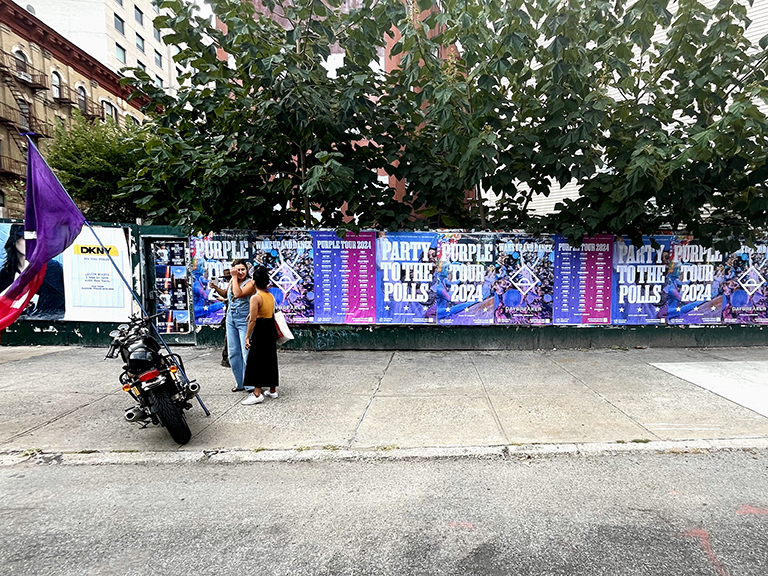
Wheat Paste campaigns for Colorado hospitality brands work by placing bold creative in the high-traffic corridors that connect Colorado’s bar and restaurant zones with the residential and commercial areas that supply them, capturing potential patrons at the decision moment before they choose their evening destination.
AGM deploys three poster sizes for Colorado bar and restaurant campaigns:
Jumbo posters (48×72″): Maximum-impact placements in Colorado’s highest-foot-traffic entertainment corridors, Brighton Boulevard in RiNo, Union Station approach corridors in LoDo, Pearl Street zone in Boulder, and Old Town Fort Collins commercial blocks
Standard posters (24×36″): Versatile placements in neighborhood bar zones, adjacent commercial corridors, and the residential streets that supply Colorado’s hospitality districts with their regular patron base
Snipe posters (9×12″ adhesive): Hyperlocal precision placements at bar and restaurant entrance zones, transit stops near entertainment districts, and the street furniture surrounding Colorado’s highest-traffic hospitality venues
Snipe Advertising: Hyperlocal Precision Targeting
Snipe advertising deploys adhesive-backed 9×12 mini-posters in strategic high-visibility locations near Colorado’s bars and restaurants, capturing patron attention with precision that guides decision-making in the immediate venue-choice moment. For hospitality brands, the snipe’s hyperlocal reach in the specific blocks surrounding target venues creates brand encounters that compete directly at the venue selection decision point rather than building general awareness that may or may not convert to venue visits.
In Colorado’s craft brewery districts, RiNo in Denver, the Fort Collins Old Town zone, Pearl Street in Boulder, snipe advertising fills the surface gaps between Wheat Paste placements, creating continuous brand encounter sequences on the pedestrian approaches to target venues.
Sidewalk Stencils: Guiding Colorado’s Bar Patrons
Sidewalk stencils integrate brand messages into the walking experience of Colorado bar and restaurant patrons, placed along pedestrian approaches to entertainment districts, at high-traffic crosswalks in dining zones, and outside popular venue entrance areas.
In Colorado’s major hospitality markets:
Denver: Stencils on the Brighton Boulevard approach into RiNo; at crosswalks on Larimer Street and the LoDo entertainment zone; along the 16th Street Mall approach corridors for restaurants in the downtown dining core
Boulder: Stencils on the pedestrian approaches to Pearl Street from the University of Colorado campus and surrounding residential neighborhoods; at crosswalks along Canyon Boulevard and Broadway in the Pearl Street approach zone
Fort Collins: Stencils on the Linden Street, Mountain Avenue, and College Avenue approaches into Old Town; at the intersection zones where the CSU campus foot traffic enters Old Town’s bar and restaurant district on Friday and Saturday evenings
Colorado Springs: Stencils along Tejon Street approaching the Ivywild commercial zone and the downtown Springs entertainment district
City-by-City Market Intelligence
City
Primary Hospitality Zone
Best Formats
Peak Campaign Window
Denver
RiNo brewery corridor, LoDo, Capitol Hill, South Broadway
Coasters, projections, Wheat Paste, bathroom ads
Broncos home season (Sep–Jan); summer patio season (May–Sep)
Boulder
Pearl Street, University Hill, Canyon Corridor
Coasters, Wheat Paste, projections, ambassador
CU football home games; summer farmer’s market season
Fort Collins
Old Town commercial zone
Coasters, projections, Wheat Paste, stencils
CSU football home season (Sep–Nov); summer craft beer festival season
Colorado Springs
Tejon Street downtown, Manitou Springs
Wheat Paste, bathroom ads, snipes, stencils
Summer tourist season (May–Sep); Pikes Peak events
Measuring Campaign Performance
Colorado bar and restaurant advertising campaigns are fully measurable through mechanisms connecting venue-level placements to business outcomes:
Coaster QR scan analytics: Per-venue scan data reveals which Colorado venue networks generate highest patron engagement rates, enabling systematic optimization of coaster distribution across Denver RiNo, Boulder Pearl Street, and Fort Collins Old Town venue networks
Promo code redemption tracking: Venue-specific promotional codes on coasters and bathroom advertising connect patron encounters to measurable purchase or sign-up events with geographic attribution
Social documentation monitoring: Tracking organic social posts documenting Wheat Paste campaigns and projection events in Colorado’s entertainment districts quantifies the organic amplification reach that Colorado’s active social community generates from well-executed campaigns
Venue sales data correlation: For brands with direct retail or service relationships with Colorado bar and restaurant venues, correlating venue sales data with campaign windows provides the most direct ROI signal available for hospitality advertising format investment
Frequently Asked Questions
What guerrilla marketing tactics work best for bar and restaurant advertising in Colorado?
Branded beer coasters for direct patron table-level placement (particularly powerful in Colorado’s craft culture market), bathroom advertising for captive high-dwell encounters in craft brewery tap rooms, projection advertising on venue exterior walls in Denver RiNo, LoDo, and Boulder, Wheat Paste campaigns along entertainment corridors in all four major markets, snipe advertising for hyperlocal venue-adjacent precision, and sidewalk stencils on the pedestrian approaches to restaurant and bar districts.
Why is beer coaster advertising particularly powerful in Colorado?
Colorado has more craft breweries per capita than virtually any other state, creating a bar and restaurant culture where patrons are enthusiasts specifically engaged with craft brand identity, not passive drinkers. Branded coasters in this environment participate in the craft drinking ritual rather than interrupting it, creating higher engagement rates than in mass-market bar environments. The 65% national message retention rate for coasters is consistently above-benchmark in Colorado’s craft-forward market.
Which Colorado cities have the best bar and restaurant advertising opportunities?
Denver (RiNo brewery corridor, LoDo entertainment concentration, South Broadway), Boulder (Pearl Street, University Hill), Fort Collins (Old Town, the birthplace of Colorado craft beer culture), and Colorado Springs (downtown Tejon Street, Manitou Springs). Each requires format and timing calibration specific to its market character and primary patron demographic.
What is the best time to run bar and restaurant campaigns in Colorado?
May through October captures Colorado’s outdoor season peak when bar and restaurant patrons are most active and pedestrian-scale outdoor advertising generates the highest impressions. The Broncos and college football home game seasons (September–November) create concentrated weekend bar patron audiences year-round. Fort Collins in summer, during the Great American Beer Festival season, is the year’s peak moment for craft beverage brand campaigns.
How does projection advertising work for Colorado hospitality brands?
Projection advertising deploys high-powered projectors on building surfaces near Colorado’s entertainment venues after dark, creating immersive brand experiences visible to the thousands of evening pedestrians in Denver’s RiNo and LoDo, Boulder’s Pearl Street, and Fort Collins’ Old Town on peak hospitality evenings. Sports game days and major events amplify projection campaign audiences to their annual peaks in each market.
Conclusion: Colorado’s Bar and Restaurant Scene Rewards Craft-Level Marketing
Colorado’s craft culture, in beer, food, coffee, and hospitality more broadly, demands a marketing approach that matches its level of specificity and authenticity. The consumer who is discerning enough to seek out a specific craft brewery’s seasonal release or a chef-driven restaurant’s tasting menu is also discerning enough to notice and remember marketing that demonstrates genuine understanding of their community versus generic advertising that simply attempts to reach them.
Beer coaster campaigns in RiNo’s brewery tap rooms, projection advertising on Old Town Fort Collins’ historic facades, Wheat Paste campaigns on Boulder’s Pearl Street commercial blocks, and bathroom advertising in Capitol Hill’s neighborhood bars, deployed with local market intelligence and calibrated to each city’s specific hospitality character, create the kind of patron-level brand presence that builds the genuine relationships between brands and Colorado’s hospitality community that generic advertising can never achieve.