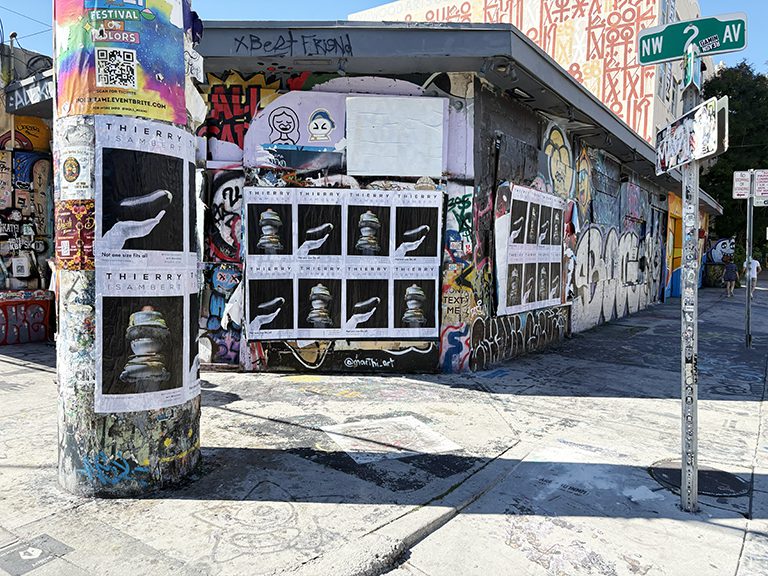
Restaurants live or die based on neighborhood awareness and the ability to convert people walking by into people sitting down. Digital advertising helps, but it often misses the most valuable audience for most restaurants: people who are already physically nearby, making a dining decision in real time. Guerrilla marketing for restaurants captures that audience at street level, in the neighborhood, at the moment when the dining decision is being made or when awareness is being built for the next visit.
Our team at American Guerrilla Marketing has executed campaigns for restaurant grand openings, seasonal pushes, weekday lunch drives, brunch saturation programs, and ongoing neighborhood presence campaigns across New York, Los Angeles, Chicago, and dozens of other markets. The formats that work for restaurants are specific, the timing matters, and the geographic scope must match the actual trade area. This guide covers all of it.
A restaurant with excellent food and poor neighborhood awareness will always underperform a restaurant with decent food and excellent local visibility. Guerrilla marketing closes that gap, and it closes it in the physical environment where dining decisions actually get made.
Why Street-Level Marketing Outperforms Digital for Restaurant Awareness
Digital advertising for restaurants reaches people who may be miles away, may not visit that neighborhood regularly, and may not have a specific reason to travel to a new location. Street-level marketing reaches people who are already in the neighborhood or on the approach corridor, who have demonstrated by their physical presence that they frequent the area, and who are already making decisions about where to eat.
The Proximity Advantage
A person walking past a restaurant at noon is actively in the decision window for lunch. A poster on the building they just walked past, a stencil on the sidewalk they crossed, or a menu card handed to them by a brand ambassador operates at the precise moment of maximum relevance. Digital advertising cannot achieve that level of proximity to the purchase decision.
Repetition in the Primary Trade Area
Neighborhood guerrilla marketing campaigns create repeated impressions for the same people over multiple days. A commuter who walks past a wheatpaste poster five mornings in a row builds awareness of a restaurant long before they consciously decide to try it. That repetition drives familiarity, and familiarity drives trial. For neighborhood restaurants, high-frequency local exposure is worth more per dollar than a single broad digital campaign.
Zero Competition for Attention on the Sidewalk
Online advertising competes with thousands of other messages for a consumer’s attention across multiple platforms. A sidewalk stencil outside your restaurant, in a neighborhood where no other restaurant is running stenciling, owns that physical space completely. There is no competing ad loading next to it.
Guerrilla Marketing for Restaurant Grand Openings
A grand opening is the highest-value moment for street-level marketing because the brand is new, awareness is zero, and the window for establishing first impressions is brief. Most restaurants underinvest in the pre-opening period and open to sparse tables when they should be opening to a waitlist.
Wheatpaste Poster Campaign: Three Weeks Out
Starting three weeks before opening day, our team deploys a wheatpaste poster campaign covering the surrounding neighborhood within a one-mile radius of the restaurant. Posters go on approved surfaces at high-foot-traffic locations: busy intersections, commercial blocks with heavy pedestrian traffic, transit corridors, and walls visible from main approaches. The campaign runs continuously from three weeks out through the opening week, providing sustained visibility during the awareness-building phase.
Sidewalk Stenciling on Approach Routes
Sidewalk stencils placed on the primary pedestrian approach routes to the restaurant in the week before opening put the restaurant name and a simple message directly in front of incoming foot traffic. Stencils at bus stop curbs, subway exits, and main street intersections within three to four blocks of the restaurant are standard for a neighborhood opening campaign. Water-soluble chalk-based stencils comply with local ordinances in most markets and produce clear, high-contrast impressions.
Menu Card Distribution by Street Teams
In the days immediately before and after opening, street teams distribute menu cards or promotional flyers in the surrounding blocks, targeting lunchtime and dinner-hour pedestrian traffic. Ambassadors are trained on the restaurant concept, key menu highlights, and any opening promotions so they can answer questions and create a positive first brand interaction. Menu distribution with a specific opening promotion (first drink free, 10% off first visit) gives recipients a reason to act on the card rather than discard it.
Ongoing Guerrilla Marketing Programs for Established Restaurants
Grand opening campaigns are the beginning, not the whole strategy. Restaurants that maintain ongoing street-level presence in their primary trade area build the kind of neighborhood authority that fills tables consistently, not just in the opening week.
Seasonal and Menu-Change Campaigns
Each major menu change or seasonal refresh is a legitimate reason to run a new neighborhood poster campaign. A new brunch menu, a summer cocktail program, or a special dinner series represents news that the surrounding neighborhood should know about. Seasonal poster campaigns timed to menu changes keep the restaurant top-of-mind among people who visited once and need a reason to return.
Weekday Lunch Drives
Weekday lunch is often the most undertargeted daypart for restaurant guerrilla marketing. Saturating the surrounding office blocks and transit corridors on Monday mornings with stenciling and street teams on Tuesday and Wednesday mornings can build a lunch habit among office workers who would otherwise never think to try a restaurant that is three blocks away. Our team executes short-burst weekday programs targeting office-dense neighborhoods in major business districts.
Brunch Neighborhood Saturation
Brunch is one of the most competitive dayparts in urban markets. A restaurant competing for Saturday and Sunday brunch trade needs consistent neighborhood visibility to stay in the consideration set. Saturday-morning stenciling runs placed the evening before (Friday night) are visible to the exact audience making brunch plans during their morning walk. Combined with a poster campaign refreshed every four to six weeks, this program maintains neighborhood presence throughout the brunch season.
Specific Formats and How They Work for Restaurants
Not every guerrilla marketing format is appropriate for every restaurant category. Understanding which formats match your restaurant’s price point, concept, and trade area helps budget allocation decisions.
Wheatpasting for Casual and Fast-Casual Concepts
Casual and fast-casual restaurants benefit most from high-volume, lower-cost poster campaigns that maximize neighborhood coverage. Wheatpasting at 20 to 40 locations within a one-mile radius creates brand saturation that no competitor is likely to match on a street-level basis. For concepts targeting younger urban demographics, bold graphic poster design performs particularly well.
Street Teams for Full-Service Restaurants
Full-service restaurants benefit from street teams who can communicate the concept, answer questions about the menu, and hand off tangible promotional materials rather than simple menu cards. A trained ambassador who can explain the chef’s background, the cuisine concept, and the dinner experience creates a meaningfully different interaction than a flyer left on a windshield. The brand ambassador programs we run for full-service restaurant clients include product knowledge training specific to each concept.
LED Billboard Trucks for City-Wide Destination Restaurants
Destination restaurants drawing from across the city benefit from broader-reach formats like LED billboard trucks that can cover major dining and entertainment corridors across multiple neighborhoods in a single campaign day. A truck running from the Meatpacking District through Soho to the Lower East Side in an evening can reach multiple dining-intent audiences who may not live near the restaurant but would consider traveling to it for a special occasion.
Measuring Guerrilla Marketing Impact for Restaurants
Restaurant guerrilla marketing results show up in covers, reservations, and direct customer attribution. The measurement approach needs to be built into the campaign from the start.
Promotional Code and Offer Tracking
Menu cards and street team handouts with unique promotional codes or offers enable direct attribution. When a guest redeems a code tied to the campaign, that conversion is documented. Tracking redemption rates across a launch campaign gives a clear view of which distribution locations and timing windows produced the strongest conversion.
QR Code Tracking for Reservations
QR codes on poster campaigns and street team materials that link directly to the reservation booking page enable tracking of campaign-driven online reservations. Unique UTM parameters on each campaign element allow attribution to specific poster locations, street team distribution areas, or specific campaign dates.
Walk-In Attribution Through Staff Training
Training front-of-house staff to ask first-time guests how they heard about the restaurant enables qualitative attribution without requiring digital tracking. “Saw a poster nearby” or “someone handed me a menu on the street” are data points that help assess which campaign elements drove the most walk-in traffic. Tracking these responses over a campaign period builds a picture of street-level ROI in real covers.
Coordinating Guerrilla Marketing with Delivery and Online Presence
Restaurant guerrilla marketing campaigns drive awareness, but the conversion often happens across multiple channels. A person who received a menu card may order through a delivery app, make an OpenTable reservation, or visit directly. The campaign’s value is in the initial awareness generation; the conversion follows through whatever channel is easiest for the consumer.
Delivery Platform Alignment
Running a guerrilla marketing campaign timed to a promotion on the primary delivery platforms used by the restaurant’s neighborhood produces compounding results. Someone who sees a poster in the morning, searches for the restaurant at lunch, and finds a delivery promo active on the platform they use is more likely to convert than one who sees the poster without a secondary incentive. Coordinate campaign timing with delivery platform promotions where possible.
Social Content from Campaign Execution
Campaign photography showing the restaurant’s posters in context, street teams in the neighborhood, and stencils on busy approaches generates social content that extends the campaign’s reach beyond the physical footprint. Posting campaign execution photos on the restaurant’s Instagram account connects the street-level presence to the online brand and gives followers a sense that the restaurant is actively present in their neighborhood.
Frequently Asked Questions
What guerrilla marketing tactics work best for restaurant grand openings?
Wheatpaste poster campaigns in the surrounding neighborhood two to three weeks before opening, sidewalk stenciling on high-foot-traffic approaches to the restaurant, and street team distribution of menus or promotional cards in the immediate area are the highest-ROI formats for grand opening campaigns. Starting three weeks out builds awareness before the first reservation date.
How far should a restaurant run guerrilla marketing campaigns?
For neighborhood restaurants, a one-mile radius covers the primary catchment area where walk-in and regular trade originates. Destination restaurants with a city-wide reputation can run broader campaigns on transit corridors and in adjacent neighborhoods. The goal is saturation within the primary trade area rather than broad but thin coverage across the city.
How much does guerrilla marketing cost for a restaurant?
A neighborhood wheatpaste campaign for a restaurant grand opening typically runs $1,500 to $4,000 depending on the number of locations and the geographic scope. Sidewalk stenciling adds $800 to $2,500. Street team programs with menu distribution are scoped by staffing hours and geographic coverage. Most restaurant campaigns fit budgets in the $2,000 to $8,000 range for a full-week launch program.
When is the best time to run guerrilla marketing for a restaurant?
Pre-opening campaigns should begin two to three weeks before launch to build awareness before the first reservations open. Ongoing campaigns work well timed to seasonal menu changes, special events, and slow booking periods. Brunch and weekday lunch campaigns benefit from Saturday-morning stenciling and poster placement that catches weekend pedestrian traffic in the surrounding neighborhood.
Can guerrilla marketing replace digital advertising for restaurants?
Guerrilla marketing and digital advertising address different audiences. Street-level campaigns reach the immediate geographic trade area with high-frequency physical presence. Digital advertising reaches broader audiences and allows demographic targeting outside the immediate neighborhood. The strongest restaurant marketing programs combine both, with street-level campaigns driving neighborhood awareness and digital driving reservations from a wider catchment.
Do restaurants need permits for guerrilla marketing campaigns?
Street teams handing out menus on public sidewalks generally require minimal permitting in most cities. Wheatpasting requires property owner permission for all surfaces. Sidewalk stenciling with water-soluble chalk paint typically requires no permit but permanent stenciling does. A professional agency handles all permitting and property coordination as part of campaign execution.