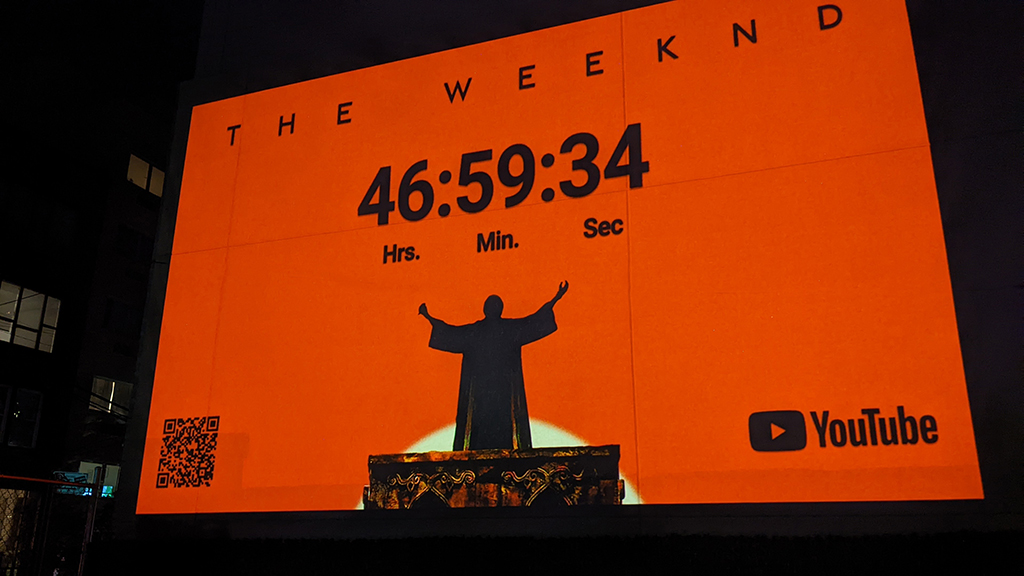
Every brand that comes to AGM with a Mexico City projection brief wants Condesa or Roma Norte. Those colonias are beautiful. They photograph well. They carry name recognition with international audiences. But when the goal is genuine market penetration with everyday Mexico City consumers, Narvarte is the conversation we have instead. This colonia does not show up on travel blogs about CDMX restaurant hotspots. It is not where foreign journalists stay when they visit. That is exactly the point.
Narvarte is one of Mexico City’s most solidly middle-class residential colonias, occupying a dense grid of streets in the Benito Juarez borough south of Colonia del Valle and east of Insurgentes. It has no major tourist infrastructure, no cluster of internationally recognized destinations, no particularly famous street corners. What it has is a concentrated residential population of young professionals, established Mexican families, and working adults who represent the actual consumer market that most brands need to reach but somehow always miss when they chase the Roma Norte aesthetic.
Guerrilla projections in Narvarte Mexico City are not about the architecture. They are about the audience. And that audience is, by almost every measure, more commercially representative of the real Mexico City market than anything you will reach in Polanco or Condesa.
Who Lives in Narvarte and Why That Matters for Campaign Targeting
The residential character of Narvarte was largely set during the mid-20th century, when Mexico City’s expanding middle class built outward from the historic center into new colonias designed for apartment living. The colonia’s grid of streets, primarily built during the 1940s through 1960s, produced a dense stock of four to ten story apartment buildings that filled the blocks between the major avenues with continuous residential facades.
That original middle-class character has persisted and evolved. In the last decade, Narvarte has absorbed a wave of younger residents priced out of Roma Norte and Condesa as those colonias gentrified into premium territory. Young Mexico City professionals, people who grew up in CDMX rather than arriving from abroad, people who are deeply embedded in local consumer culture rather than global expat culture, have made Narvarte one of the city’s fastest-growing neighborhoods for this demographic.
The people who live in Narvarte use food delivery apps. They subscribe to streaming services. They buy consumer electronics and accessible fashion. They follow Mexican celebrities and local music. They are online, they are spending, and they are reachable at street level in their own neighborhood every evening. Roma Norte gets the press; Narvarte has the market.
Benito Juarez borough, which contains Narvarte, is one of the most densely populated urban boroughs in Mexico City, with over 400,000 residents packed into a relatively compact area. Narvarte sits in its residential core.
The Physical Layout: Narvarte’s Grid and Its Projection Opportunities
Narvarte sits in the Benito Juarez borough with Insurgentes running along its eastern edge, Avenida de los Insurgentes serving as the neighborhood’s primary artery and physical boundary on that side. The colonia’s interior is a well-organized grid of residential streets including Calle Peten, Parras, Diagonal San Antonio, and the street called Narvarte itself, among others.
The building stock on these residential streets is what makes Narvarte work as a projection environment. The mid-century apartment buildings that dominate the colonia run wide and plain. Their facades are typically reinforced concrete and plaster, painted in light colors, with minimal ornamentation. Unlike the carved stone of Centro or the Porfirian ornamental facades of Roma Norte, these are flat surfaces optimized by their age and plainness for holding a projected image cleanly.
Buildings on residential streets like Peten typically run 20 to 40 meters wide with heights between 5 and 10 stories. That produces a projection canvas roughly 20 by 25 meters at the larger end, enough to carry a clear brand message at a scale visible from a full block away. The residential scale of these streets also means foot traffic moves slowly. People are walking home, not commuting through. They are present in the neighborhood rather than passing through it.
Key Streets and Their Character
Calle Peten runs east-west through the middle of Narvarte and has become the colonia’s primary commercial street, particularly for food and nightlife. The stretch of Peten near the Mercado de Narvarte and the surrounding blocks has developed a restaurant and bar scene that now draws visitors from across the city, not just neighborhood residents. Evening pedestrian traffic on Peten is substantially higher than on purely residential streets, creating natural audience density for projection activations on surrounding building facades.
Avenida Division del Norte runs diagonally through the southern section of Narvarte and serves as the main commercial spine through the colonia and into neighboring areas. Division del Norte carries vehicle traffic and commercial storefronts along its length, with building facades set back slightly from the street. The commercial activity here generates consistent daytime foot traffic from local shoppers and workers.
Diagonal San Antonio is a shorter diagonal street that cuts through the interior of Narvarte, creating irregular block geometries that sometimes produce unusually wide or deep building facades at intersections. These corner building positions, where a single facade addresses two streets simultaneously, are valuable projection locations because projected content is visible from two approach directions at once.
Mercado de Narvarte: The Neighborhood’s Commercial Anchor
The Mercado de Narvarte on Calle Peten is the neighborhood’s traditional public market and one of the anchors of daily commercial life in the colonia. The market building and the street market activity that spills onto surrounding blocks generate consistent pedestrian traffic through the area during morning and early afternoon hours.
The blocks around the Mercado de Narvarte carry the densest commercial foot traffic in the colonia outside of the Insurgentes corridor. Small businesses, restaurants, and service providers cluster here. The audience at this node during peak hours is broadly local: residents running errands, picking up groceries, meeting for lunch. It is a demographic snapshot of the actual Narvarte population rather than visitors attracted by a destination draw.
For brand campaigns targeting everyday consumer behavior, the Mercado de Narvarte zone is exactly the right environment. There is no tourists-from-other-colonias premium or international visitor dilution in the audience here. The people around the market are the market.
The market zone on Peten is where you learn what Narvarte actually is: not a trendy destination colonia but a working, living neighborhood with real purchasing behavior and genuine consumer habits that most brands never bother to find.
Avenida Insurgentes: The Eastern Spine and Metrobus Audience
No discussion of Narvarte as a campaign environment is complete without Avenida Insurgentes. This is the world’s longest urban boulevard, running over 28 kilometers from the northern to southern edges of Mexico City. Through Narvarte’s eastern border, Insurgentes carries the Metrobus Line 1, the city’s highest-ridership bus rapid transit line.
The Metrobus stations serving the Narvarte zone, particularly Nativitas and the nearby stations, see thousands of boardings and alightings daily. Metrobus shelter areas create concentrated dwell points where commuters wait for buses for two to five minutes with nothing to occupy their attention except the surrounding street environment. This is an unusually high-quality audience moment for projection campaigns on adjacent building facades: a captive audience, standing still, looking outward, in moderate to low ambient light conditions during evening hours.
The buildings along Insurgentes itself are a mix of mid-century commercial and residential structures, many of them wider and taller than the interior residential streets of Narvarte. The eastern facades of buildings facing Insurgentes are in direct sightline of the Metrobus corridor and receive vehicle and pedestrian traffic from the full width of this major boulevard, not just local neighborhood movement.
Insurgentes Metrobus carries over 270,000 passengers per day, making it one of the highest-ridership BRT lines in Latin America. The Narvarte segment of this corridor delivers consistent captive-audience exposure at a scale that few other neighborhood projection locations in CDMX can match.
Estadio Azul and Event-Day Traffic Amplification
Cruz Azul’s Estadio Azul sits on Insurgentes just south of Narvarte, with a capacity of approximately 35,000 spectators. On Liga MX match days and other stadium events, the Insurgentes corridor through and around Narvarte sees a significant spike in foot traffic as fans travel to the stadium via Metrobus, on foot, and by car. The streets immediately surrounding the stadium and running north along Insurgentes into the heart of Narvarte carry this increased traffic before and after matches.
Soccer in Mexico City is not a niche interest. Cruz Azul has a national following, and match days at Estadio Azul draw fans from across the metro area, many of whom travel through the Narvarte section of Insurgentes to reach the venue. This creates a predictable, high-volume audience spike that AGM can plan projection activations around with precise timing.
The audience composition on match days is also different from ordinary Narvarte weekday or weekend traffic. Soccer crowds in Mexico City skew male, 18 to 45, across a wide socioeconomic range, and are in an heightened social and emotional state from the event experience. Brands targeting this demographic can use stadium-adjacent projection activations in the Narvarte zone to reach this concentrated audience before or after matches.
Metro Zapata and Metro Narvarte: Underground Traffic Coming Up
Two Metro stations serve the Narvarte colonia. Metro Zapata on Line 12 (the Gold Line) sits at the intersection of Insurgentes and Zapata near the southern edge of Narvarte. Metro Narvarte on Line 12 provides a second access point. These stations add to the base of pedestrian traffic flowing through the neighborhood from the transit system, complementing the Metrobus ridership on Insurgentes with subway riders coming up to street level.
Metro station exits in Mexico City always generate pedestrian diffusion patterns as riders emerge and spread into the surrounding street network. The blocks immediately surrounding Metro Zapata see consistent pedestrian flow from morning through late evening, and the commercial activity that clusters around transit nodes in CDMX makes these zones particularly dense with foot traffic. A projection campaign running on building facades within two blocks of Metro Zapata reaches transit users who are transitioning from the underground system to street-level navigation, a moment when visual attention to the surrounding environment is naturally heightened.
The New Narvarte: Young Professionals and Shifting Demographics
The most important thing to understand about Narvarte as a campaign environment right now is that the demographic is shifting rapidly. Five years ago, Narvarte was predominantly the domain of established Mexico City families who had lived in the colonia for decades. Today, a significant portion of new arrivals in Narvarte are young professionals, people in their late 20s and early 30s who work in the creative industries, tech, finance, or professional services, who wanted to live in Benito Juarez borough without paying Roma Norte or Condesa prices.
This demographic is exactly what digital brands, consumer tech companies, streaming services, and food delivery platforms are targeting in Mexico City. They are digitally active, frequently ordering delivery, subscribing to multiple services, and spending on consumer categories at rates typical of their income rather than their address. They are in Narvarte rather than Roma not because they have lower purchasing power but because they have a different relationship to neighborhood prestige than expats and tourists do.
The practical implication for guerrilla projections in Narvarte is that brands get access to this audience in their home environment rather than their aspirational behavior context. When you reach someone in Roma Norte, you are reaching them in a place they chose partly for how it looks on Instagram. When you reach them in Narvarte, you are reaching them in their actual daily life, which is a more honest and often more commercially effective contact point.
The Peten Restaurant and Bar Strip
The development of Calle Peten as a food and nightlife destination over the last five years has added an evening economy to Narvarte that did not exist a decade ago. The strip of restaurants and bars that has grown around Peten and its neighboring streets now draws visitors from across CDMX on weekends, particularly from Roma Norte and Condesa residents who have discovered that Narvarte has good food without the crowds and difficulty of their own neighborhood.
This evening bar and restaurant traffic changes the Peten street environment dramatically after 8 PM. What is a quiet residential street during the day becomes a crowded, active dining corridor by night, with pedestrian traffic spilling onto the sidewalks from the terraces and entryways of packed venues. Projection activations on the building facades of Peten’s apartment blocks above the restaurant level during this evening window reach both neighborhood residents out for dinner and the cross-colonia visitors who have come specifically to the area.
Parque Narvarte: Community Space and Audience Gathering
Parque Narvarte, also known as Parque San Lorenzo, is the colonia’s primary public green space and community gathering point. The park serves the neighborhood as a morning exercise zone, afternoon family space, and evening gathering point for residents across age groups. The blocks surrounding the park are among the most residentially dense in Narvarte, with apartment buildings on all sides providing continuous building facades that face the park perimeter.
Parks in Mexico City create natural projection contexts because they concentrate stationary audiences in one place. People sitting on benches, watching their children play, or gathering with neighbors are stationary, facing outward, and in relaxed attention states that make them particularly receptive to visual stimuli from surrounding buildings. An evening projection running on a facade facing Parque Narvarte reaches an audience that is physically settled, not moving through.
Campaign Categories That Work in Narvarte
Not every campaign category is equally well suited to every neighborhood. Narvarte’s audience composition, physical character, and cultural positioning make it specifically effective for certain types of brands and campaign objectives.
| Campaign Category |
Why Narvarte Works |
Best Activation Zones |
| Food delivery apps |
Dense residential population with high delivery ordering behavior |
Peten corridor, residential streets near Metro Zapata |
| Streaming services |
Young professional demographic with high subscription rates |
Building facades on residential streets throughout colonia |
| Consumer electronics |
Middle-market income levels aligned with accessible tech spending |
Division del Norte commercial corridor, Insurgentes facades |
| Regional music releases |
Locally rooted audience with strong Mexican music engagement |
Peten nightlife strip, Parque Narvarte perimeter |
| Retail fashion (accessible) |
Young professional spending on fashion without premium brand positioning |
Insurgentes corridor, Division del Norte |
| Beer and beverage brands |
Active nightlife scene on Peten, soccer fan traffic near Estadio Azul |
Peten bar strip, Insurgentes near Estadio Azul |
The Building Stock: Why Mid-Century Concrete Works for Projection
The 1940s through 1960s apartment buildings that define Narvarte’s physical character are, from a pure technical projection standpoint, excellent surfaces. Reinforced concrete with plaster finish, typically painted in light neutral colors, produces a surface with good light absorption and minimal specular reflection. Projected imagery sits on these walls clearly, with strong contrast and color accuracy, requiring less projector output than darker surfaces and producing less scatter and bleed than glass or smooth tile.
These buildings also tend to have simple, unornamented facades. There are no baroque carved stone details creating competing visual texture, no iron balconies interrupting the surface, no complex geometry that requires projector positioning adjustments to avoid distortion. A plain mid-century apartment facade in Narvarte is, in projection technical terms, close to ideal: wide, flat, light-colored, and set back slightly from the street to allow throw distance.
The height range of 5 to 10 stories is also practical. Projectors can be positioned at street level or from across the street and reach the full usable facade height without extreme projection angles. Images projected at 45 to 60 feet of height are visible from a full block away without requiring the audience to crane their necks at the uncomfortable angles that some of the taller Centro Historico facades demand.
Narvarte’s mid-century building stock produces projection surfaces that regularly outperform more architecturally dramatic surfaces in technical image quality: wider, flatter, and better at holding color and contrast than carved stone or glass-curtain commercial buildings.
Narvarte vs. the Established Colonias: An Honest Positioning Argument
AGM hears the same question from brands every time: “Why not just do Roma Norte?” The answer is not that Roma Norte is wrong. It is that Roma Norte reaches a specific demographic slice of CDMX, not the full market.
The visible Mexico City, the version that appears in brand shoots and lifestyle media coverage, is concentrated in about five colonias: Roma Norte, Condesa, Polanco, Coyoacan, and sometimes San Rafael or Juarez. These neighborhoods collectively represent a small fraction of Mexico City’s roughly 9 million residents. The 8 million or so Mexicans who live in the rest of the city are, by most brands’ campaign logic, invisible.
Narvarte offers something different: access to the actual middle of the CDMX market. The people here are not invisible; they are just not the ones brands photograph for their Mexico launch press releases. Running a projection campaign in Narvarte alongside one in Roma Norte does not dilute the Roma campaign. It doubles your Mexico City market coverage in a way that single-colonia campaigns cannot achieve.
For brands with a primary objective of building broad Mexico City market awareness rather than premium positioning, Narvarte-first campaigns make strategic sense. The pedestrian volumes are comparable to Roma Norte, the building surfaces are technically superior, and the audience composition is more commercially representative of the full CDMX market.
Insurgentes at Night: The Corridor That Never Stops
One of the practical advantages of Narvarte’s Insurgentes border is that the boulevard operates 24 hours a day. Vehicle traffic, Metrobus service, and pedestrian activity on Insurgentes do not shut down after midnight. Late-night projection activations on Insurgentes-facing building facades reach audiences that are simply not available on the quieter residential streets of Roma Norte at the same hour.
The 24-hour commercial activity on Insurgentes, including convenience stores, pharmacies, taco stands, and other late-night service businesses, generates consistent foot traffic on the sidewalks through the night. Projection campaigns timed to catch this late-night Insurgentes audience reach a demographic that is out moving through the city rather than settled at home, which often correlates with higher receptivity to brand messaging because attention is not already occupied by domestic activity.
For entertainment brands, streaming launches, concert announcements, or any campaign where the target audience is precisely the people who are out late on a Tuesday night, the Insurgentes corridor through Narvarte delivers a consistent, reliable audience that most neighborhood-focused projection environments cannot match.
Frequently Asked Questions
Why should brands run guerrilla projection campaigns in Narvarte rather than Roma Norte or Condesa?
Roma Norte and Condesa are heavily visited by tourists, expats, and upper-income CDMX residents. They deliver a defined, relatively homogeneous demographic. Narvarte delivers the everyday Mexico City consumer: young professionals, established middle-class families, and working adults who live in one of the city’s most authentically local residential colonias. For brands that need to reach real CDMX market share rather than the culturally visible surface layer of Roma, Narvarte projections produce a different and often more commercially relevant audience contact.
What projection surfaces are available in Narvarte?
Narvarte’s mid-century apartment building stock, primarily built between the 1940s and 1960s, produces wide, flat concrete and plaster facades that are excellent projection surfaces. Buildings on key streets like Peten, Division del Norte, and the residential grid between them regularly run 6 to 10 stories with continuous facades 20 to 40 meters wide. These surfaces absorb light cleanly and produce sharp, high-contrast imagery without the reflective complications of glass-curtain commercial buildings.
How does Insurgentes corridor foot traffic affect Narvarte projection campaigns?
Avenida Insurgentes serves as Narvarte’s eastern border and carries one of the highest Metrobus ridership volumes in CDMX. The stations serving the Narvarte zone see heavy boarding and alighting activity during both morning and evening rush periods, and moderate volume throughout the day. Metrobus shelter areas create dwell points where commuters wait for multiple minutes with nothing to do but look around, making them prime locations for projection activations on adjacent building facades.
What brands and campaign types are the best fit for Narvarte Mexico City?
Narvarte is the right environment for brands targeting mainstream CDMX consumers rather than the premium or tourist-adjacent demographics of Polanco or Roma Norte. Food delivery apps, consumer electronics at accessible price points, streaming services, regional music releases, retail fashion targeting the CDMX middle market, and beverage brands all find strong audience alignment here. The colonia’s growing restaurant and bar scene also makes it an effective environment for nightlife and F&B brand campaigns.
What role does Estadio Azul play in Narvarte projection campaign planning?
Estadio Azul on Insurgentes just south of Narvarte holds 35,000 spectators for Cruz Azul soccer matches and other events. On match days and event nights, the Insurgentes corridor through Narvarte sees significant increased foot traffic from fans traveling to and from the stadium via Metrobus and on foot. Planning projection activations to coincide with Azul match schedules can deliver audience spikes that multiply normal neighborhood foot traffic substantially.