American Guerrilla Marketing
Nationwide Service
Media planning, media buying, billboard advertising, & guerrilla marketing
Guerrilla Projections in Washington
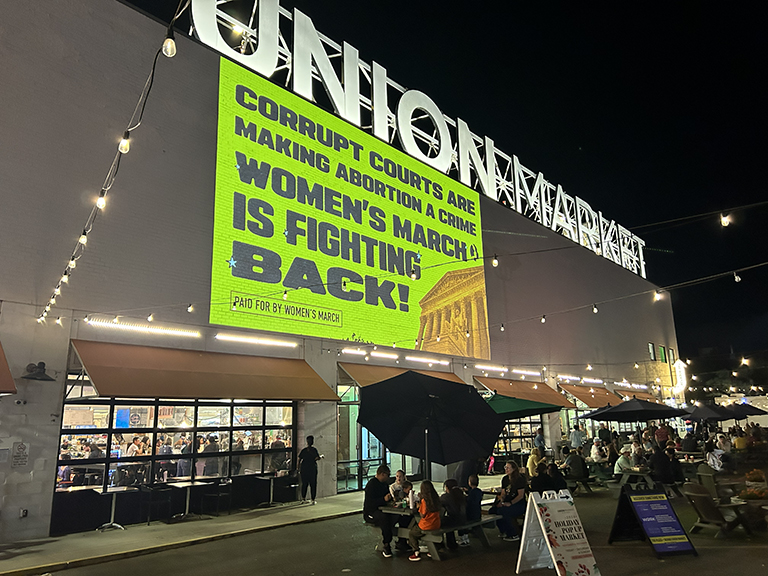
Washington’s dense urban cores, culturally engaged pedestrian districts, and warehouse-rich post-industrial corridors make it one of the most effective states for large-scale building facade projection campaigns.
Washington’s Projection Advertising Landscape
Washington State holds a rare combination of large, media-sophisticated urban markets and a network of mid-size cities whose downtown cores are economically robust and visually underserved by traditional outdoor advertising. Seattle sits at one end of the spectrum — a globally connected, tech-forward, arts-saturated city where projection advertising lands with maximum impact against the architectural backdrop of Capitol Hill, Pioneer Square, and the SoDo warehouse corridor. Spokane, Tacoma, and Vancouver round out a statewide market that delivers diverse audience segments across a single campaign window.
Building facade projection campaigns activate a fundamentally different audience psychology than static billboards or digital displays. A 20,000-lumen projection on a five-story blank wall does not compete with surrounding signage — it replaces the entire visual field for pedestrians in its vicinity. That immersive quality drives the organic documentation behavior that makes guerrilla projection advertising one of the most cost-efficient reach vehicles available to brands, advocacy organizations, and entertainment campaigns.
American Guerrilla Marketing has built its national projection practice on a commitment to physical, on-the-ground location scouting, direct technical crew deployment, and a 20K-lumen commercial projection system that produces vivid imagery on building surfaces of varying reflectivity. Every Washington campaign benefits from that infrastructure and from AGM’s track record with clients ranging from major entertainment labels to national advocacy coalitions.
The Pacific Northwest’s nighttime entertainment economy provides natural campaign windows that most other regions cannot match. Seattle’s restaurant and nightlife districts generate heavy foot traffic from 9 PM to 2 AM on weeknights, and the city’s active street culture means a projection running in Capitol Hill or Belltown will be observed, documented, and shared before a single paid placement has gone live. Spokane’s Monroe Street corridor and Tacoma’s 6th Avenue strip operate on similar dynamics at a scale that rewards brands willing to engage with mid-market audiences directly.
Washington’s progressive civic culture also creates a receptive environment for advocacy-driven projection campaigns. The state has a long tradition of public engagement around policy issues, and building facade campaigns that align with those conversations benefit from an audience that is already primed to engage with cause-oriented visual media in public spaces. Entertainment campaigns, product launches, and retail activations find equally receptive conditions in a state whose consumer base skews toward early adoption and visual literacy.
Ready to Light Up Washington State?
From Seattle's Pioneer Square to Spokane's Monroe Street arts corridor, AGM deploys 20,000-lumen projection campaigns that transform building facades into high-impact campaign canvases. Contact us to scope your Washington State activation.
Major Projection Markets Across The State
Washington’s four primary projection markets each offer a distinct strategic opportunity. Understanding those distinctions allows brands and agencies to select the right market — or combination of markets — for their campaign objectives and budget.
Seattle is Washington’s anchor market for guerrilla projection advertising. With a nighttime pedestrian economy concentrated across Capitol Hill, Pioneer Square, the Central District, and Belltown, the city offers an inventory of blank and semi-blank wall surfaces that can accommodate large-format image projection. The SoDo warehouse district south of downtown provides the largest uninterrupted wall surfaces in the metro — former industrial and distribution buildings whose brick-and-concrete facades have accumulated decades of architectural character while presenting flat, high-contrast surfaces that respond well to high-lumen projection systems. Pioneer Square’s historic architecture delivers a different aesthetic: lighter masonry, gallery-lined streets, and an arts-aware pedestrian population that actively engages with visual installations of all kinds.
Spokane is Eastern Washington’s commercial and cultural center, and its downtown has undergone significant revitalization that concentrated food, arts, and entertainment activity around Monroe Street, the Garland District, and Browne’s Addition. The Monroe Street arts corridor in particular offers a mix of older commercial buildings with substantial blank wall sections that projection campaigns can activate with minimal obstruction. Spokane’s mid-market position means that brands can run campaigns here at full production quality with substantially less advance competition for wall inventory than they would encounter in Seattle.
Tacoma is a city in the middle of a decades-long transformation, and that transition has created exactly the kind of visual gap that projection advertising fills most effectively. The Warehouse District’s former industrial buildings present some of the largest projection-eligible surfaces in Washington State — flat, uninterrupted concrete and masonry walls with minimal fenestration and no competing visual elements. The Stadium District and 6th Avenue bring entertainment-oriented foot traffic into proximity with those surfaces, and the city’s growing arts community has seeded the pedestrian culture that makes outdoor visual campaigns resonate at street level.
Vancouver, Washington occupies a strategically valuable position just across the Columbia River from Portland, Oregon. Brands targeting the greater Portland-Vancouver market can reach a distinct local audience in Vancouver’s downtown waterfront corridor without competing against the density of Portland’s outdoor advertising market. The city’s accelerating downtown development has created a mixed inventory of new construction blanks and older commercial facades along the Mill Plain corridor and the arts zones adjacent to the historic Slocum House, giving projection campaigns multiple viable placement options in a single market.
Surface Characteristics Across Washington's Built Environment
Projection surface quality is the single most consequential variable in a building facade campaign, and Washington’s built environment presents a range of surface types that benefit from careful pre-campaign scouting. AGM’s national scouting team conducts both digital reconnaissance using satellite and street-level imaging and physical, boots-on-the-ground assessment to evaluate every candidate surface before any campaign commitment is made.
The ideal projection surface — as anywhere in the country — is a large, flat, smooth, light-colored wall with no windows, minimal architectural interruptions, and a clear line of sight from a projector position at street level or from a nearby elevated structure. In practical terms, this means former industrial and warehouse buildings consistently outperform mixed-use commercial buildings in suburban corridors, and painted concrete or stucco surfaces significantly outperform unpainted dark brick. Washington has abundant examples of both categories.
Seattle’s SoDo corridor contains former manufacturing and distribution facilities that present exactly the surface profile AGM prioritizes for maximum campaign impact. Multiple buildings in the district have end-walls approaching 60–80 feet in height with minimal fenestration — ideal canvas dimensions for a 20,000-lumen system operating at a 50–150 foot throw distance. Pioneer Square’s historic buildings are brick, which absorbs more light than poured concrete, but the architectural context and the arts-district audience profile often make that trade-off worthwhile for brands that prize aesthetic resonance alongside raw visibility metrics.
Spokane’s West Central neighborhood arts district, built around former residential and small commercial buildings, offers a different surface profile — smaller footprints but strong audience density at the immediate pedestrian level. The Monroe Street corridor presents taller commercial facades with intermittent signage that requires careful positioning to isolate clean projection zones. Browne’s Addition’s century-old apartment and retail buildings offer plaster and masonry surfaces that respond well to high-lumen projection on the calm, clear nights that eastern Washington regularly delivers.
Tacoma’s Warehouse District delivers the closest analog to the large industrial wall inventory that projection campaigns maximize most effectively. Several blocks of former warehousing and light manufacturing along the district’s western edge present three- and four-story blank concrete walls that can support image projections visible from several hundred feet of pedestrian viewing range. Those surfaces, combined with the district’s improving nighttime foot traffic as Tacoma’s dining and entertainment scene expands, make this one of the most underutilized projection markets in the entire Pacific Northwest region.
Plan Your Guerrilla Projection Campaign in Washington
Tell us about your campaign goals, target audience, and preferred locations. Our team will help you plan a high-impact guerrilla projection campaign tailored to your needs.
Award Winning Personalized Service
You will get thoughtful, devoted, and individualized attention from our experienced, qualified, and professional personnel. Being one of the most illustrious agencies in Brooklyn, New York, American Guerrilla Marketing has been awarded the Best of Brooklyn title.
Nationwide
Industry City, Brooklyn, New York 11232
American Guerrilla Marketing
Hours
Mon - Fri: 9 AM - 5 PM
Sat & Sun: Closed
Automate your campaign with AGM’s Request for Proposal Builder.
Automate your campaign with AGM’s Request for Proposal Builder. Simply answer a few quick questions about your campaign goals, markets, and timeline, and the system will generate a tailored presentation with recommended strategies, quantities, and pricing. Click the RFP Builder to instantly receive your customized proposal.
Creative Formats That Drive Washington Campaigns
Entertainment Release Events
Washington’s music-engaged urban audiences respond powerfully to album drops, streaming countdowns, and entertainment release announcements projected onto large building facades. The Pacific Northwest’s deep connection to national entertainment markets makes projection campaigns for release events a natural fit, particularly in Seattle’s Capitol Hill and Belltown corridors where nightlife audiences peak exactly when projection windows open.
Advocacy and Cause Campaigns
Washington’s progressive civic culture creates a consistently receptive environment for advocacy-driven building facade campaigns. AGM has executed national advocacy work for organizations whose messages benefit from maximum public visibility in engaged urban markets, and Washington’s politically active pedestrian districts amplify that reach significantly beyond what static placements can achieve.
Tech and Product Launches
Seattle’s globally significant technology economy makes the city a natural target for product launch projection campaigns aimed at innovation-oriented consumers. South Lake Union’s proximity to major technology employers creates a dense evening audience segment that responds to brand projection campaigns placed along commuter pedestrian corridors and entertainment zones.
Regional Brand Awareness
Consumer brands entering the Pacific Northwest market or activating existing audiences in Washington use building projection campaigns to establish visual dominance in key nighttime corridors. The format’s physical presence and organic documentation behavior drive awareness metrics that digital-only placements cannot replicate, particularly in markets where screen fatigue has diminished response rates.
From Location Scouting To Post-campaign Documentation
Every Washington projection campaign begins with a location scouting phase. AGM’s team combines digital mapping tools with physical site visits to identify candidate walls that meet the technical and strategic criteria for each campaign. That process evaluates surface dimensions, surface material and color, window density, projector positioning options, audience flow patterns at the times of planned operation, and any permit or property owner requirements that apply to the target location. For Washington markets, advance scouting typically runs three to four weeks before a planned campaign date.
Once candidate walls are confirmed, the creative production team works within the constraints of the confirmed surface dimensions to finalize content specifications. Projection content requires different aspect ratio and resolution parameters than print or digital placements — AGM’s production team works directly with client creative teams to adapt existing assets or develop campaign-specific content that will render correctly at scale on each confirmed surface without distortion or edge loss.
On the campaign night, AGM’s direct technical crew — not subcontractors — deploys the 20,000-lumen commercial projection system along with an integrated generator and power solution, mobility unit, and electronics bundle. Setup typically requires 60–90 minutes from arrival to first image, and projection operations begin at dusk. Campaigns typically run four to six hours per night, with multi-night runs available across all Washington markets. Documentation is built into every campaign: AGM captures high-resolution photo and video assets from multiple ground-level and elevated perspectives during each operating window, compiled into a post-campaign report delivered to the client within five business days of the final night.
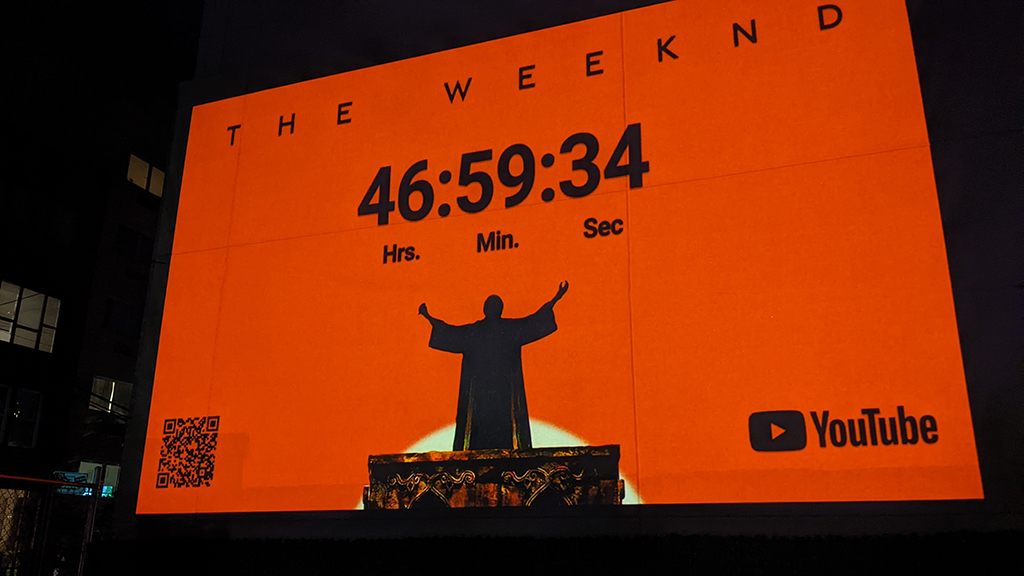
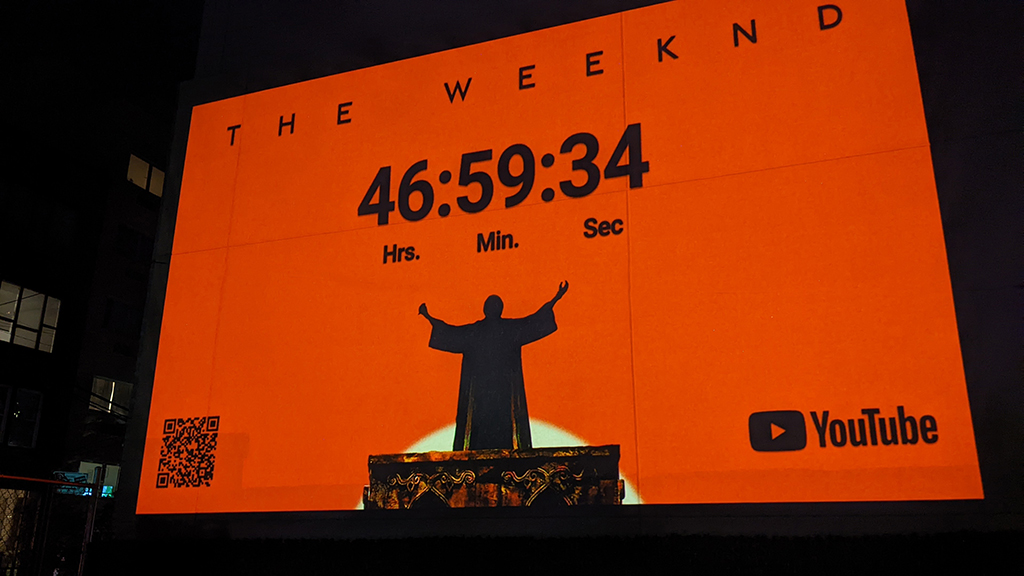
When The Weeknd and YouTube partnered on a high-impact countdown campaign tied to an entertainment release event, AGM executed the building projection activation that generated documented organic reach across social platforms. That campaign illustrated the formula that Washington’s entertainment-connected urban audiences are positioned to replicate — scale of visual impact matched to a market whose nighttime pedestrian density produces sustained organic amplification from the moment the first image hits the wall.
AGM’s Best of Brooklyn award recognition reflects the agency’s roots in the urban guerrilla projection practice, and that experience shapes how every Washington campaign is scoped, scouted, and staffed. Clients who have worked with AGM consistently identify the direct technical crew and the post-campaign documentation package as the differentiators that justify the investment in a full-production projection campaign over lower-lumen alternatives.
AGM’s projection client roster includes Netflix, Disney, Coca-Cola, FanDuel, Live Nation, iHeartRadio, and the US Marine Corps. A confirmed case study: the US Marine Corps × CMA Fest Nashville — multi-night projections onto architectural surfaces throughout the festival footprint, reaching 80,000+ attendees across the campaign window. Projection advertising scales across every brand category; what our campaigns share is scale, precision, and a physical presence digital cannot replicate.
What Guerrilla Projection Campaigns Cost in Washington
Washington projection campaigns are priced at contact us for a quote. . That rate includes the 20,000-lumen commercial projection system, generator and power solution, electronics bundle, mobility unit, and a two-person AGM technical crew covering setup, full campaign operation, and complete breakdown. Projection windows open at dusk and campaigns typically run four to six continuous hours per night.
Multi-night campaigns carry the same per-night rate with the logistical advantage of a crew already positioned in the Washington market. Advance location scouting, when requested separately, runs approximately contact us for a quote. and is credited toward the total campaign investment for confirmed bookings. Permitted or private-property location arrangements in Washington markets typically range from Contact us for a custom quote. per night, depending on the specific building, its owner, and the prevailing market conditions in that corridor.
Most Washington campaigns deploy one to three projectors per night, with placement determined by wall inventory, pedestrian flow mapping, and campaign objectives. Multi-projector nights in Seattle’s entertainment districts can produce simultaneous activations in Capitol Hill and Pioneer Square, reaching distinct audience segments in a single operating window and generating significantly more organic documentation than a single-projector deployment.
The Organizations That Activate In Washington
Washington’s projection advertising market draws a consistent range of campaign sponsors with distinct strategic objectives. Entertainment labels and streaming platforms use Seattle and Tacoma markets for album drops and content release campaigns, taking advantage of the region’s music-engaged consumer base and its organic social amplification networks. Advocacy organizations — including national coalitions active in reproductive rights, environmental policy, and social equity — use Washington’s politically engaged urban corridors to reach supportive audience segments in high-visibility nighttime contexts where their messages command attention without interruption. Technology brands target South Lake Union and the broader Seattle metro to reach the state’s dense concentration of early adopters and industry professionals. Retail brands entering the Pacific Northwest use building projection campaigns to create launch-moment awareness in neighborhoods where static advertising is constrained by zoning and permit requirements that projection campaigns can navigate through alternative legal pathways.
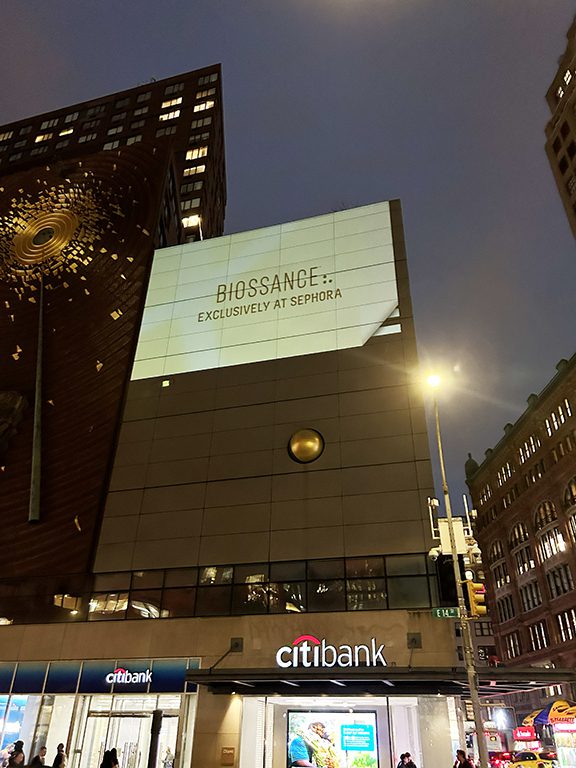
AGM’s client roster — which includes Biossance, The Weeknd, the US Marine Corps, Women’s March, and Reproductive Freedom for All — reflects the breadth of campaign types that building projection serves effectively. That cross-category experience translates directly to better pre-campaign guidance for Washington clients on content strategy, wall selection, and campaign timing relative to their specific audience objectives.
Coverage & Estimated Impressions
| Zone / Area | Peak Hours | Foot Traffic | Est. Nightly Impressions | Best For |
|---|---|---|---|---|
| Entertainment Release Events | 9PM–2AM | Very High | 25,000–120,000 | Product Launch |
| Advocacy and Cause Campaigns | 9PM–2AM | Very High | 25,000–120,000 | Event Promotion |
| Tech and Product Launches | 9PM–2AM | Very High | 25,000–120,000 | Brand Awareness |
| Regional Brand Awareness | 9PM–2AM | Very High | 25,000–120,000 | Political |
| How long does a typical projection run last in Washington? | 9PM–2AM | Very High | 25,000–120,000 | Sports |
| How does AGM find and evaluate walls in Washington State? | 9PM–2AM | Very High | 25,000–120,000 | Concert/Festival |
Frequently Asked Questions — Washington State Guerrilla Projections
AGM runs campaigns across Washington’s four primary urban markets: Seattle, Spokane, Tacoma, and Vancouver. Within each city, campaigns concentrate in nighttime entertainment districts, arts corridors, and post-industrial warehouse zones where blank wall inventory and pedestrian foot traffic converge most effectively. Seattle’s Capitol Hill, Pioneer Square, and SoDo district are the state’s highest-demand campaign locations.
Washington campaigns are priced at contact us for a quote. That rate includes the full equipment package — 20K-lumen projector, generator, electronics bundle, mobility unit — and a two-person AGM technical crew for setup, operation, and breakdown. Advance location scouting is available for approximately contact us for a quote. and applies toward the campaign total for confirmed bookings.
Permit requirements vary by city and by the specific location within each city. Some projection campaigns operate in public rights-of-way under temporary use provisions; others require coordination with building owners for private-property access. AGM handles all permit research and property owner outreach as part of the advance scouting and planning process for every Washington campaign.
A standard projection run begins at dusk and operates for four to six hours. The specific window depends on ambient light conditions at the target location, pedestrian traffic peaks in the campaign district, and the client’s campaign objectives. Multi-night campaigns extend across consecutive evenings with the same equipment and crew deployed in market.
Washington’s long summer evenings create late dusk windows — in June and July, projection operations typically don’t begin until 9:30 PM or later, which compresses the operating window but concentrates it within peak nightlife hours. Spring and fall offer earlier dusk times, cooler temperatures favorable to equipment performance, and more moderate pedestrian density. Winter campaigns run in Seattle’s and Tacoma’s rain-managed downtown corridors, where precipitation generally does not prevent operations but requires weatherproofed setup protocols.
AGM’s equipment is configured for outdoor operations, including in Pacific Northwest weather conditions. Light rain does not typically require campaign cancellation, though heavy precipitation that creates sustained moisture on projection lenses or significantly reduces ambient contrast may require a weather delay. AGM monitors conditions in advance and coordinates with clients on contingency windows when weather risk is elevated above standard thresholds.
High-contrast content with large typographic elements, bold graphic shapes, and limited fine detail performs most effectively on building surfaces at campaign scale. Text should be sized for legibility at 50–200 feet of audience distance. Motion content — looping animations, countdowns, simple graphic transitions — consistently outperforms static images in audience engagement and organic documentation rates. AGM’s production team advises on content formatting once surface dimensions are confirmed.
AGM uses a national scouting protocol combining satellite and street-level digital analysis with physical, boots-on-the-ground site visits. For Washington markets, team members physically walk target districts to assess surface dimensions, texture, reflectivity, window density, obstructions, and projector positioning options. No campaign surface is committed before a physical site assessment is completed and the findings reviewed with the client.
Yes. Multi-night campaigns are standard for brands building frequency within a single Washington market or expanding across multiple cities across consecutive evenings. AGM’s crew and equipment remain in market across a multi-night run, and the per-night rate applies consistently across all nights of the engagement regardless of total campaign duration.
A 20,000-lumen commercial projector produces a vivid, fully saturated image on a white or light-colored wall in low-ambient-light conditions — the standard nighttime environment for AGM campaigns. On darker surfaces, lumen output compensates partially for reduced reflectivity, though image saturation decreases proportionally. The 20K system represents the practical ceiling for mobile guerrilla projection operations, delivering significantly more visual impact than the 5K–10K projectors typically used for ambient event installations.
Yes, with multiple projectors deployed. Each projector unit includes its own generator and crew allocation, allowing simultaneous activations in different corridors within a single city. Multi-projector deployments in Seattle’s entertainment districts — for example, simultaneous projections in Capitol Hill and Pioneer Square — produce substantially higher organic documentation by reaching distinct audience segments who then share their individual footage on separate social networks.
Washington’s projection market attracts entertainment brands, advocacy organizations, technology companies, consumer goods brands, and retail launches. Seattle’s technology economy and music scene draw release events and product activations. Tacoma and Spokane attract regional and national brands seeking high-visibility placements in markets where outdoor advertising inventory is limited relative to audience engagement levels.
More AGM Outdoor Advertising Services
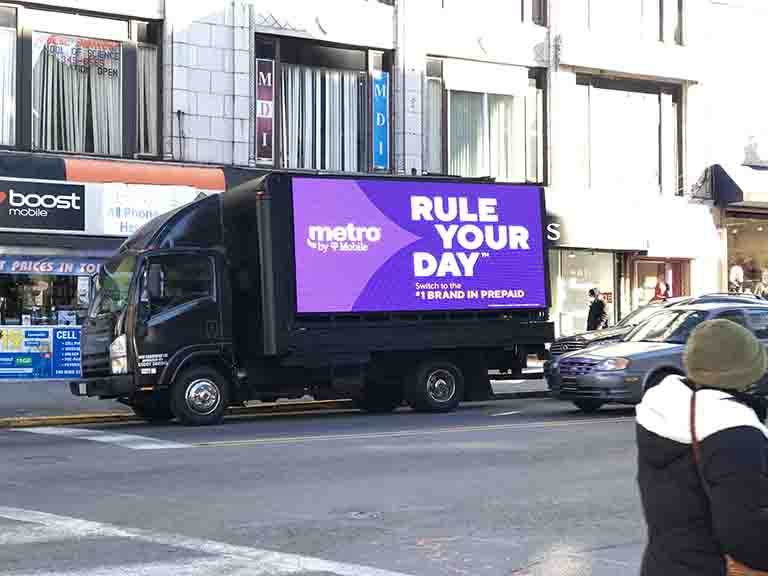
Led Billboard Trucks
Mobile LED displays that bring your brand to any location, any event.
Fly Posting
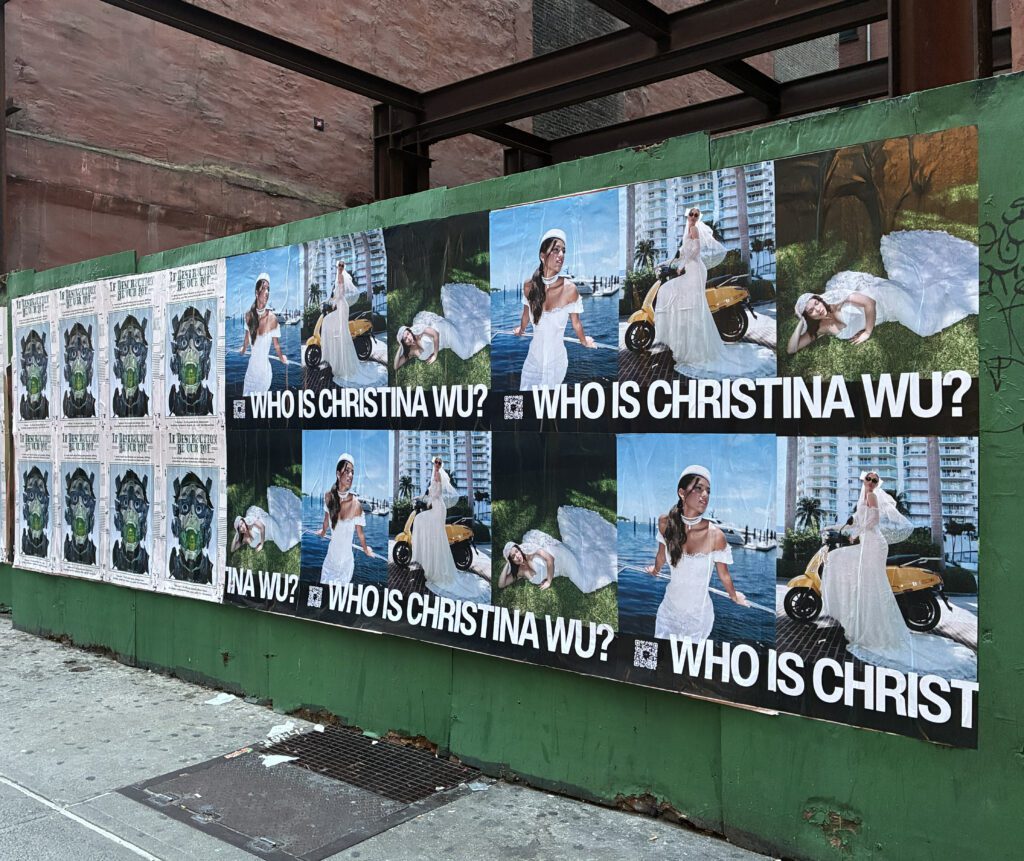
Street-level poster saturation across walls, construction sites, and corridors.

Sidewalk Decals
Ground-level branded decals at pedestrian hotspots and event entrances.

Sidewalk Stencils
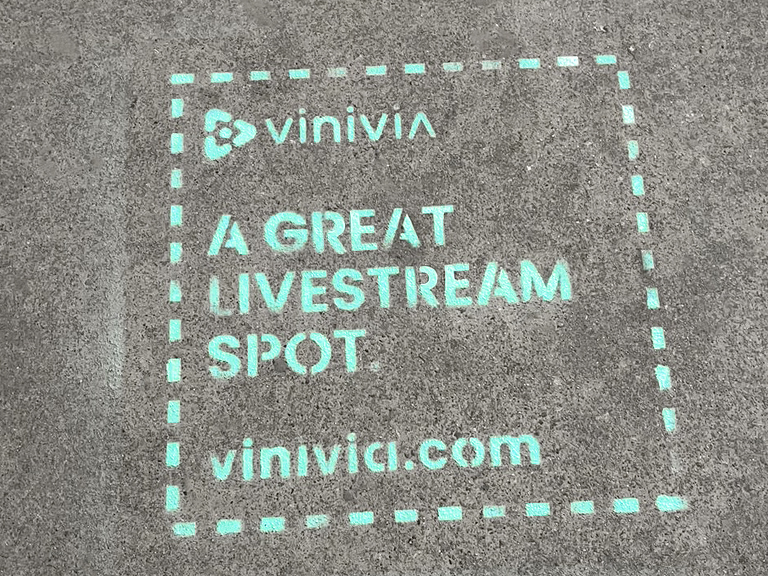
Creative stencil campaigns that put your brand in the path of pedestrians.