American Guerrilla Marketing
Nationwide Service
Media planning, media buying, billboard advertising, & guerrilla marketing
Advertise onClinton Municipal Transit
AGM works as your media planning and buying partner for bus and transit line advertising — we source placements through established vendor and transit authority relationships, negotiate rates on your behalf, and manage the campaign from creative specs through to proof-of-performance reporting. You work with one team; we handle the operators and inventory owners.

Clinton Municipal Transit serves Clinton and Clinton County with routes along 6th Avenue and the downtown commercial district. Interior bus ads reach the Clinton working adult population on the Mississippi River.
Clinton is a historic Mississippi River industrial city in eastern Iowa, home to ADM’s Clinton corn processing complex, Clinton Community College, and the MidAmerican Energy wind generation operations. Clinton Municipal Transit provides bus service connecting the downtown area, the hospital, and the residential neighborhoods of Clinton County.
Clinton’s transit ridership is primarily working adults and seniors commuting to the city’s manufacturing, healthcare, and service employment. Mercy Medical Center Clinton is the primary healthcare employer in Clinton County.
AGM has placed transit advertising on Iowa bus systems for over a decade, with 500+ campaigns executed nationwide across comparable systems. We know the Clinton Municipal Transit service area, the routes that matter for specific advertiser objectives, and the shelter locations that deliver the highest pedestrian dwell time in Clinton. What follows is a detailed breakdown of interior bus advertising, shelter advertising, and guerrilla marketing opportunities across the Clinton Municipal Transit network. Every section includes specific route information, shelter location context, and format recommendations based on AGM’s direct execution experience.

Advertise on380 Express
380 Express connects Cedar Falls and Waterloo along the US-63 corridor in Black Hawk County....
Learn More
Advertise onBettendorf Transit
Bettendorf Transit serves Bettendorf in the Iowa Quad Cities with local routes connecting residential neighborhoods...
Learn MoreTransit Systems Serving Iowa

Advertise onBurlington Urban Service
Burlington Urban Service serves Burlington and Des Moines County with routes along Jefferson Street and...
Learn More
Advertise onCambus
Cambus operates the University of Iowa's campus bus service, connecting 35,000 students across the Iowa...
Learn More
Advertise onCedar Rapids Transit
Cedar Rapids Transit serves Iowa's second largest city with routes along 1st Avenue and Collins...
Learn More
Advertise onCoralville Transit
Coralville Transit serves Coralville adjacent to Iowa City and the University of Iowa. Interior bus...
Learn More
Advertise onCyRide
CyRide is Iowa State University's award-winning transit system serving Ames. Interior bus ads along Lincoln...
Learn More
Advertise onDavenport Citibus
Davenport Citibus serves Iowa's fourth largest city in the Quad Cities metro. Interior bus ads...
Learn More
Advertise onDes Moines Area Regional Transit
DART operates Des Moines's regional transit system with 40+ routes. Interior bus ads and shelter...
Learn More
Advertise onDodger Area Rapid Transit
Dodger Area Rapid Transit serves Keokuk and Lee County at the southernmost tip of Iowa....
Learn More
Advertise onIowa City Transit
Iowa City Transit serves Iowa City and the University of Iowa with comprehensive community routes....
Learn More
Advertise onMarshalltown Municipal Transit
Marshalltown Municipal Transit serves Marshalltown and Marshall County with routes along Center Street and Iowa...
Learn More
Advertise onMason City Transit
Mason City Transit serves Mason City and Cerro Gordo County with routes along Federal Avenue...
Learn More
Advertise onMetro Transit Omaha
Metro Transit Omaha operates routes extending into Council Bluffs, Iowa across the Missouri River. Interior...
Learn More
Advertise onMetroLINK Quad Cities
MetroLINK operates regional cross-river transit connecting the Iowa and Illinois Quad Cities. Interior bus ads...
Learn More
Advertise onMetropolitan Transit Authority of Black Hawk County
MTABC serves Waterloo and Black Hawk County with routes along Commercial Street and Logan Avenue....
Learn More
Advertise onMuscaBus
MuscaBus serves Muscatine and Muscatine County with routes along Grandview Avenue and Hershey Avenue. Interior...
Learn More
Advertise onOskaloosa Rides
Oskaloosa Rides serves Oskaloosa and Mahaska County with routes connecting William Penn University and the...
Learn More
Advertise onOttumwa Transit Authority
Ottumwa Transit Authority serves Ottumwa and Wapello County with routes along Church Street and Main...
Learn More
Advertise onRiver Bend Transit
River Bend Transit serves Burlington and Des Moines County with regional routes connecting Southeast Iowa...
Learn More
Advertise onSioux City Transit
Sioux City Transit serves Northwest Iowa's largest city with routes along Nebraska Street, Floyd Boulevard,...
Learn More
Advertise onThe Jule
The Jule serves Dubuque with routes along Central Avenue, University Avenue, and the historic Mississippi...
Learn MoreStart Your Clinton Transit Campaign
AGM handles media buying, production, installation, and documentation for Clinton Municipal Transit advertising. Tell us your budget, target audience, and campaign window. We will build the buy and execute it directly.
Why Clinton Municipal Transit's Network Reaches Clinton's Best Consumers
Routes serve 6th Avenue South through the downtown commercial zone, 2nd Street through the north commercial corridor, and the residential areas of Clinton connecting workers with employment centers.
Clinton’s position on the Mississippi River and its manufacturing heritage create a working-class industrial identity that shapes the character of the transit advertising audience.
Clinton Community College with approximately 2,000 students adds a student ridership component to the working adult base on campus-adjacent routes.
Clinton Municipal Transit’s transit advertising inventory is underutilized relative to the consumer reach it provides. Compared to digital advertising costs in the Clinton market, transit interior and shelter advertising delivers cost-per-impression rates typically 40 to 60 percent lower for comparable audience size. Brands that establish consistent Clinton Municipal Transit media presence reach the same riders daily throughout the campaign, building brand recall through the repetition frequency that transit advertising delivers and digital channels rarely sustain. Transit riders are a captive audience in a closed environment with nothing to compete for their attention except what is posted on the bus walls around them. This captivity is the core value proposition of the format, and it is why brands that commit to consistent transit advertising in Clinton generate above-average aided recall compared to equivalent spend in digital, print, or traditional out-of-home channels.
Interior Bus Advertising on Clinton Municipal Transit
Clinton Municipal Transit operates routes across Clinton’s primary corridors, with fleet vehicles making multiple daily runs that accumulate interior advertising impressions across each bus’s full ridership. Interior advertising reaches a captive audience during every trip, with average ride durations creating dwell-time exposure that no other format in the Clinton market replicates at comparable cost. The following route corridors represent the system’s highest-value interior advertising environments by audience quality, ridership volume, and demographic targetability. Each route section includes specific geographic and demographic context for the advertising environment on that corridor.
6th Avenue and Downtown Clinton
The 6th Avenue and Downtown Clinton corridor serves Downtown Clinton, Mercy Medical Center, Mississippi waterfront along 6th Avenue South, 4th Avenue North. This route is among Clinton Municipal Transit’s most consistently-ridden corridors, carrying downtown workers, healthcare employees, Clinton residents throughout the day. Morning commute peaks from 6:30 to 9 AM and afternoon peaks from 3:30 to 6:30 PM generate the highest boarding and alighting volumes, while midday ridership from healthcare workers, retail employees, and transit-dependent residents maintains consistent daily impression delivery. The geographic reach of this corridor across Downtown Clinton, Mercy Medical Center, Mississippi waterfront means the brand message travels through multiple distinct neighborhood contexts in a single bus run, accumulating impressions across the full range of the route’s service territory every time a bus completes the loop.
Interior advertising on this corridor reaches downtown workers, healthcare employees, Clinton residents during their full trip duration on Clinton Municipal Transit. Riders on this route are a captive audience for an average of 18 to 35 minutes per trip. That sustained dwell time is the defining advantage of transit interior media over every other format in the Clinton market. A commuter riding this route five days a week sees the same interior ad 10 or more times in a two-week campaign flight, building the kind of brand frequency that drives genuine recall and purchase consideration. Consistent creative across multiple vehicles on this corridor builds brand recognition that accumulates across every trip the same rider takes during the campaign period. No other Clinton advertising channel delivers this combination of audience specificity, captive dwell time, and repetition frequency at comparable cost per impression.
6th Ave, downtown ClintonMercy Medical CenterDowntown + healthcare + Mississippi waterfrontClinton County seat
2nd Street and North Clinton Commercial
The 2nd Street and North Clinton Commercial corridor serves North Clinton commercial zone, residential along 2nd Street North, Camanche Avenue. This route is among Clinton Municipal Transit’s most consistently-ridden corridors, carrying north Clinton working adults throughout the day. Morning commute peaks from 6:30 to 9 AM and afternoon peaks from 3:30 to 6:30 PM generate the highest boarding and alighting volumes, while midday ridership from healthcare workers, retail employees, and transit-dependent residents maintains consistent daily impression delivery. The geographic reach of this corridor across North Clinton commercial zone, residential means the brand message travels through multiple distinct neighborhood contexts in a single bus run, accumulating impressions across the full range of the route’s service territory every time a bus completes the loop.
Interior advertising on this corridor reaches north Clinton working adults during their full trip duration on Clinton Municipal Transit. Riders on this route are a captive audience for an average of 18 to 35 minutes per trip. That sustained dwell time is the defining advantage of transit interior media over every other format in the Clinton market. A commuter riding this route five days a week sees the same interior ad 10 or more times in a two-week campaign flight, building the kind of brand frequency that drives genuine recall and purchase consideration. Consistent creative across multiple vehicles on this corridor builds brand recognition that accumulates across every trip the same rider takes during the campaign period. No other Clinton advertising channel delivers this combination of audience specificity, captive dwell time, and repetition frequency at comparable cost per impression.
2nd St N, north ClintonNorth commercial + residentialWorking adult + retailNorth Clinton County
Clinton Community College Routes
The Clinton Community College Routes corridor serves Clinton Community College campus, south Clinton along Mount Pleasant Street, 8th Avenue. This route is among Clinton Municipal Transit’s most consistently-ridden corridors, carrying CCC students and south Clinton residents throughout the day. Morning commute peaks from 6:30 to 9 AM and afternoon peaks from 3:30 to 6:30 PM generate the highest boarding and alighting volumes, while midday ridership from healthcare workers, retail employees, and transit-dependent residents maintains consistent daily impression delivery. The geographic reach of this corridor across Clinton Community College campus, south Clinton means the brand message travels through multiple distinct neighborhood contexts in a single bus run, accumulating impressions across the full range of the route’s service territory every time a bus completes the loop.
Interior advertising on this corridor reaches CCC students and south Clinton residents during their full trip duration on Clinton Municipal Transit. Riders on this route are a captive audience for an average of 18 to 35 minutes per trip. That sustained dwell time is the defining advantage of transit interior media over every other format in the Clinton market. A commuter riding this route five days a week sees the same interior ad 10 or more times in a two-week campaign flight, building the kind of brand frequency that drives genuine recall and purchase consideration. Consistent creative across multiple vehicles on this corridor builds brand recognition that accumulates across every trip the same rider takes during the campaign period. No other Clinton advertising channel delivers this combination of audience specificity, captive dwell time, and repetition frequency at comparable cost per impression.
Clinton Community College areaStudent + south residentialWorking adult + student demographicSouth Clinton coverage
Every route in the Clinton Municipal Transit system carries a captive audience for the full duration of each trip. Interior bus advertising builds brand recall through frequency of exposure that digital advertising rarely sustains. Repeated daily exposures on the same route accumulate into genuine recognition. A rider who commutes five days a week on the same Clinton Municipal Transit route sees the same interior ad poster more than forty times over a four-week campaign flight, an impression frequency that no digital channel delivers against a specific geographic audience at comparable cost. The following nine format options are available across the Clinton Municipal Transit fleet, from individual car cards to full interior bus takeovers.
King Size Poster (30″ x 144″)
The full-length horizontal run above the windows, spanning the complete window bay. King size posters command attention from every seated passenger for the full ride duration. Largest single-panel interior transit format. Ideal for brand campaigns and product launches needing visual scale. Average dwell time: 18 to 35 minutes per trip. Production in full-color durable vinyl. Creative that fills the full king format makes the bus interior feel branded from the moment a rider boards, sustaining awareness through the complete journey.
Queen Size Poster (30″ x 88″)
Standard transit poster running approximately two-thirds of a window bay. Fits every bus model in the fleet including hybrid and low-floor vehicles. High-contrast creative with a single clear message performs best at this scale. Many advertisers run queen posters system-wide as the foundation format, adding king placements on priority corridors for additional visual impact. Queen posters allow multiple creative rotations across a campaign flight at lower per-unit production cost than king formats.
Full Bus Vinyl Wrap
Complete exterior domination using perforated one-way vision vinyl on windows and solid vinyl on body panels. A fully wrapped bus turns every square foot of vehicle exterior into brand creative. On the route, the wrapped bus generates impressions from every vehicle alongside it, every pedestrian at stops, and every driver behind it at signals. Per-impression cost on a high-frequency wrapped bus is among the lowest in any advertising format. A wrapped bus operating on a 40-mile daily route generates thousands of exterior impressions before the first passenger boards.
Interior Car Card (11″ x 28″)
Above-the-window card panels running along the top of the window line on both sides of the bus. Visible from every seat and the standing zone. Works well for short-form messaging: a URL, a phone number, a single offer, a brand mark with tagline. Cost-effective per impression. Easy to swap between campaign flights. Typical materials: paper or light vinyl. Car cards running continuously on both sides of the bus interior create a brand presence that envelops the passenger rather than addressing them from a single direction.
Overhead Banner (11″ x 42″)
Longitudinal strip running above the center aisle. Primary format visible to standing passengers during peak hours. Text-forward, high-contrast creative reads cleanly from below. Effective for local businesses, QR response campaigns, and messages that benefit from the captive attention of a standing commuter in a dwell environment. Overhead banners are the dominant visual when a bus is fully loaded and standing room only, making them particularly valuable on high-frequency peak-hour routes.
Window Transparency (One-Way Vision)
Perforated vinyl on the interior face of bus windows. From outside: solid printed image. From inside: passengers see through with minimal obstruction. Converts empty glass into brand canvas along the full side profile. Effective at pedestrian scale when the bus is stopped, turning the vehicle into a street-level billboard for commuters, cyclists, and pedestrians alongside the route. Window transparencies create a continuous graphic band visible from the street on every bus that carries them, extending the campaign footprint beyond the vehicle interior.
Door Panel Poster
Front and rear door panels capture the passenger at the two highest-attention moments: boarding and alighting. Passengers pause at the door, look at it, wait for it to open. That pause is the impression. Best for local businesses, services, and employers targeting commuters at the transition moment between transit and the street. Frequency builds fast on high-ridership routes. Over a four-week campaign flight, a door panel on a high-frequency route generates thousands of boarding-moment impressions, each at close range and high attention.
Headliner Panel Strip
Continuous strips along the ceiling edge above the windows on both sides of the interior. Catches the eye of passengers leaning back or scanning the cabin during longer rides. Creates full-perimeter brand presence when combined with car cards and overhead banners. Works well for brand campaigns running multiple interior formats simultaneously. Headliner strips are the one interior format that reaches passengers during the quiet, contemplative moment in the middle of a long ride, when attention is highest and competition for it is lowest.
Full Interior Takeover
Every available ad position in a single bus, executed as one unified brand campaign. King or queen posters, all car card positions, overhead banners, door panels, and headliner strips designed as a single immersive brand environment. Passengers stepping on experience the brand on every surface from boarding to exit. Reserved for high-impact launch campaigns: store openings, product releases, or corridor-specific blitzes. The full interior takeover is the transit advertising equivalent of exclusive broadcast: every visual impression inside a specific vehicle, for every trip it makes on the route.
Bus Shelter Advertising With Clinton Municipal Transit
Guerrilla Marketing Along Clinton Municipal Transit Corridors
Clinton’s transit corridors are ground-level advertising environments. The streets your bus and shelter placements run through are where well-executed guerrilla campaigns build street-level brand presence that reinforces the impressions generated inside the vehicles. AGM deploys the following formats along Clinton Municipal Transit corridors to amplify transit media reach.
- Link Snipes — Posted at high-traffic Clinton Municipal Transit stops, snipes hit the pedestrian sightline at the exact moment commuters are standing and waiting. Same audience as your interior cards, reached at a different point in their transit experience. Snipes go up fast and concentrate precisely where your riders are, creating an additional impression touchpoint that reinforces what they see on the bus itself.
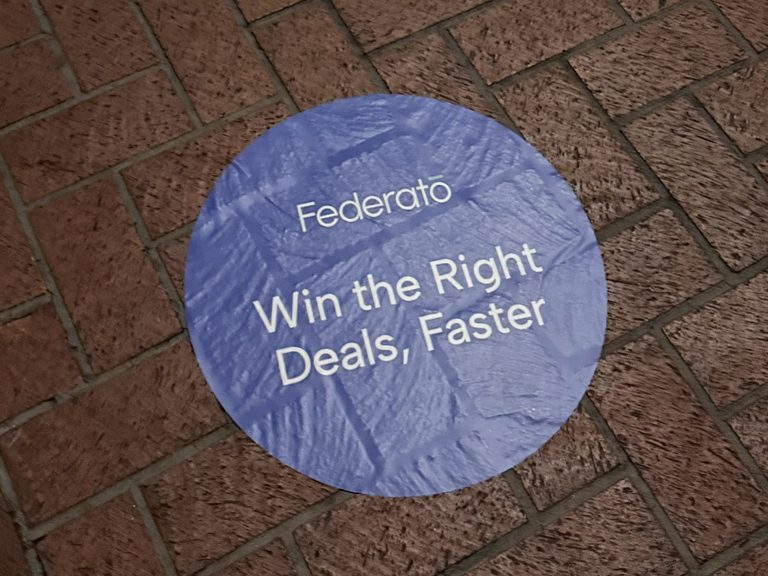
- Sidewalk Stencils and Decals — Applied at major transfer stops and pedestrian crossings near shelter positions. Riders look down while waiting. A chalk stencil or ground decal at a busy stop is seen at close range by a concentrated dwell-time audience. Ground-level advertising works in the same physical space as shelter panels, adding a second viewing angle at the moment when riders are most stationary.
- Take-One Dispensers — Mounted inside buses or at shelter structures, take-one holders turn the transit ad environment into a direct response channel. Riders grab a physical coupon, QR card, or offer slip. Most effective for local services, real estate, healthcare, and hospitality brands moving commuters from awareness to action. Take-one dispensers convert passive transit impressions into active consumer engagement at low marginal cost per response.
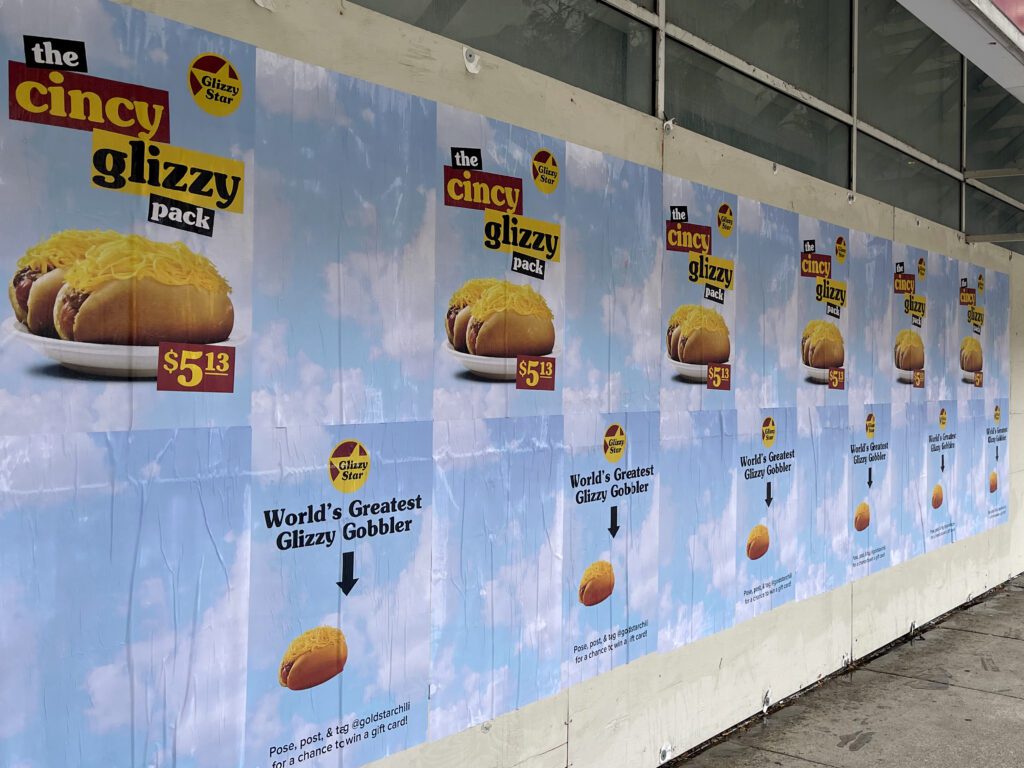
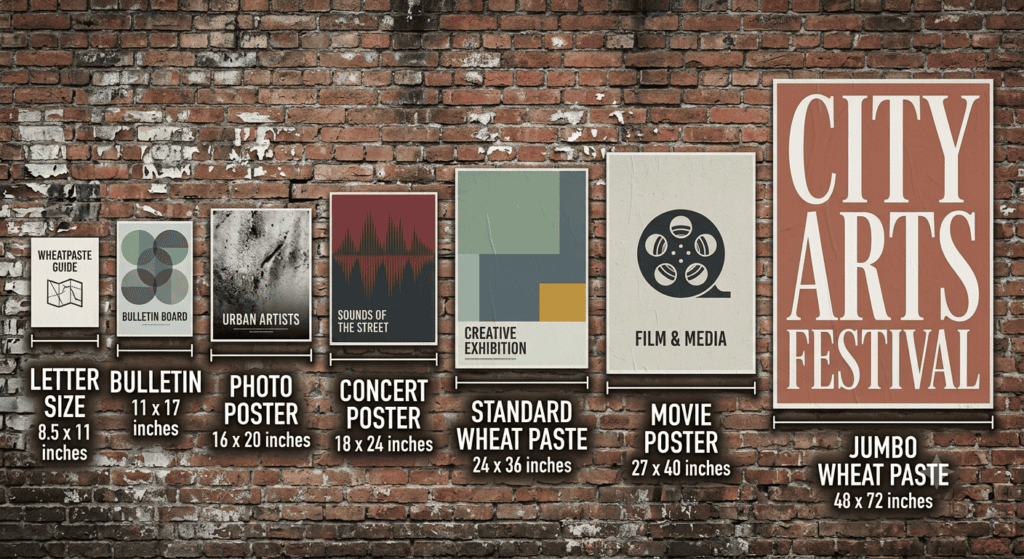
- Wheatpaste Poster Campaigns — Large-format posters on permitted surfaces along transit routes in Clinton’s commercial corridors. Wheatpaste adds visual frequency at street level, reinforcing transit interior and shelter placements across the same geography the Clinton Municipal Transit system serves. A wheatpaste campaign running alongside a transit buy creates multiple impression touchpoints across the same commute geography, increasing total daily brand exposures without proportionally increasing media cost.
AGM executes all guerrilla formats in-house: location scouting, posting crews, GPS-tagged photo documentation of every placement. Transit advertising and guerrilla work the same corridor from different angles. Together they build Clinton brand presence that commuters notice, remember, and act on. Brands that combine transit interior media with coordinated street-level guerrilla campaigns consistently report higher awareness and recall than those running transit alone.
Who Advertises On Clinton Municipal Transit
The Clinton Municipal Transit ridership covers the full working-adult consumer base of Clinton and the surrounding communities. The following advertiser categories consistently generate strong results from Clinton Municipal Transit transit media campaigns based on ridership demographics, geographic delivery, and response patterns across comparable systems. Transit advertising is particularly effective for brands that need to reach a defined geographic audience at high frequency, brands targeting working adults who are underserved by digital advertising, and brands that benefit from the sustained dwell-time exposure that only transit interior media provides.
- Mercy Medical Center for Clinton County patients
- Clinton Community College enrollment programs
- QSR chains along 6th Avenue and 2nd Street
- Financial services for Clinton working households
- Manufacturing and energy sector workforce development
- Community health and social services
- Grocery brands for transit-dependent households
- Telecommunications services for the Clinton County market
AGM brings 10 years of transit advertising execution across 500+ campaigns nationwide. We know which formats drive response in which categories on systems comparable to Clinton Municipal Transit, and we build Clinton transit campaigns that work against your specific objective rather than just filling fleet inventory. Every Clinton Municipal Transit campaign we execute is documented with GPS-tagged photography and a post-campaign impressions summary. We do not consider a campaign complete until you have verified proof that every placement ran as contracted.
Frequently Asked Questions
Clinton’s economy is anchored by ADM’s large corn processing facility, healthcare, and manufacturing. The industrial character of the city creates a working-class professional demographic for transit advertising. Financial services, healthcare access, workforce development, and practical consumer brands find the strongest relevance with Clinton’s transit ridership.
Clinton’s riverfront development includes the Showboat Theatre and the Clinton Area Showboat Theatre and some riverside recreation amenities. Transit routes may serve the general downtown and riverfront area, though direct recreation-destination service is limited.
From contract execution to first installation, most Clinton Municipal Transit campaigns launch within two to four weeks. Production of vinyl interior posters takes approximately five to seven business days after final artwork approval. Installation is scheduled with the transit authority maintenance team. For campaigns tied to specific events or seasonal windows in Clinton, build in at least four to six weeks from contract to live date. AGM manages the full timeline and provides status updates at each stage of the production and installation process.
Interior transit posters follow standard dimensions: king size (30″ x 144″), queen size (30″ x 88″), and car cards (11″ x 28″). Files should be at print resolution minimum 100 DPI at full size in CMYK color mode. Shelter panels have location-specific dimensions. AGM provides a complete specification sheet for every format in your campaign and handles all production and installation. Creative that uses high contrast, large type, and a single dominant visual performs best in transit interior environments at extended viewing distances.
Interior poster campaigns can start with a small number of buses on a targeted route, with pricing scaling by vehicle count and campaign length. Shelter campaigns start at individual panel purchases. AGM provides specific cost estimates based on your selected formats, routes, and duration during the proposal process. Most effective campaigns run a minimum four weeks to build adequate impression frequency. Shorter campaigns are available but transit advertising’s strength is in repetition and frequency, which requires sustained exposure to generate measurable brand recall.
Clinton Municipal Transit’s route structure allows geographic targeting by corridor. Campaigns can concentrate spend on specific routes serving your target neighborhoods rather than buying the full system. AGM builds Clinton Municipal Transit media plans based on your target audience geography rather than defaulting to a one-size system-wide approach. We map your target consumer profile against Clinton Municipal Transit’s route ridership data to identify the specific corridors that deliver the highest concentration of your target demographic within the system.
AGM provides GPS-tagged installation photography for every bus interior and shelter placement, a post-installation confirmation report with vehicle or shelter identification numbers, and a final campaign summary at the end of the flight. For extended campaigns, periodic audits confirm creative condition. All documentation delivered digitally within 48 hours of installation completion. Documentation includes both installation confirmation and mid-campaign condition audits so you have verified proof of display for every placement in your buy.
AGM manages the complete production process: file specification consultation, print production, delivery to the transit authority, installation scheduling, and post-installation documentation. You provide final approved artwork. We handle everything between artwork delivery and the first paying impression. AGM has established relationships with the Clinton Municipal Transit transit authority that streamline the approval and installation process. We know the system’s production requirements, maintenance scheduling, and installation access procedures.
Full exterior bus wraps are available subject to transit authority approval on a vehicle-specific basis. Wrap production uses perforated one-way vision vinyl for windows and solid vinyl for body panels. Wraps generate mobile billboard impressions across the full service area of the wrapped vehicle’s route. AGM manages approval, production, and installation. Wrap campaigns require additional lead time. A wrapped bus operating on a primary Clinton route generates outdoor advertising impressions with every block it travels, turning the vehicle’s daily mileage into continuous branded outdoor media exposure.
Healthcare, financial services, QSR, community services, and workforce training consistently perform well across Clinton Municipal Transit’s core transit ridership. Entertainment and dining brands targeting the Clinton leisure population also find strong response. The specific category performance varies by route and audience segment. AGM advises on which corridors deliver the highest response rates for your category based on our experience across comparable transit systems. We match category performance patterns from similar markets to the specific route demographics of the Clinton Municipal Transit system.