
September 12, 2026
Music Tour Marketing: Street-Level Campaigns for Concert Tours
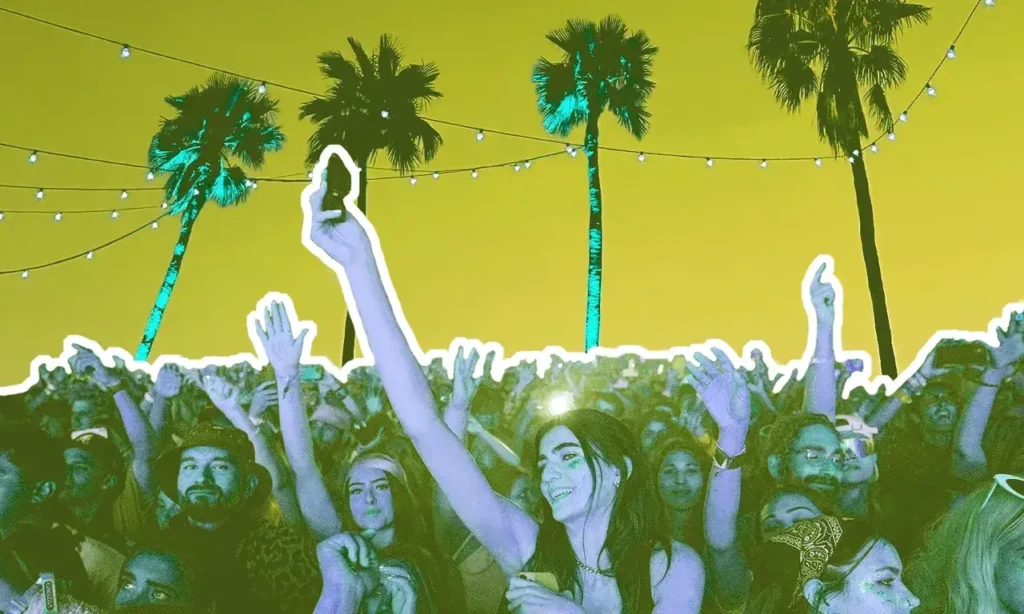
Concert touring is back with full force, and so is the competition for audience attention. Every major market now has multiple shows competing for the same night out, the same entertainment dollar, the same mental real estate. Tour promoters and artist management teams who think digital campaigns alone can carry the weight are watching venues underperform against their potential. The ones filling rooms are combining digital with a disciplined, city-by-city street presence. That is what we build at American Guerrilla Marketing, operating from Industry City, Brooklyn. See also: Tour Marketing.
Music tour marketing at street level is about making the artist feel present in the city before they arrive. When a fan walks past a bold wheatpaste poster of their favorite artist on a wall three blocks from the venue, something shifts. The show stops being an event they might attend and starts being something happening in their neighborhood. That physical, local connection is what our campaigns create , and it is what moves tickets. See also: Festival Marketing.
The Street-Level Gap in Modern Concert Marketing
Most music tour marketing budgets flow toward digital ads, social media campaigns, and radio spots. These channels are effective for broad awareness, but they have a weakness: the audience is everywhere on those channels, and so is every other show, every other brand, and every other distraction. In a crowded feed, even excellent creative gets lost.
Street-level media has the opposite dynamic. A well-placed wheatpasted poster near a venue owns that wall with zero competition. A brand ambassador at a record shop in the music district has the fan’s full attention for thirty seconds. An LED truck driving past a bar where the show’s core audience is drinking on a Thursday night is impossible to ignore.
We run guerrilla marketing campaigns that fill the street-level gap in most tour marketing plans, creating physical impressions that reinforce and multiply the effect of whatever digital spend is already running.
Wheatpasting for Concert Tour Campaigns
Tour posters have a long, powerful history in music. The tradition of the concert poster is cultural currency in music communities. Wheatpasting honors that tradition while deploying it at scale and in a targeted, strategic way.
We identify approved placement walls in the right neighborhoods for each tour stop , near the venue, in music and arts districts, around record shops and independent retail zones, and in transit corridors that the target audience uses. The imagery goes up two to three weeks before the show, giving it time to accumulate impressions across multiple commutes and walks through the neighborhood.
For major tours with bigger budgets, we deploy dozens of poster locations across a single market. For emerging artists and club-level shows, we concentrate on five to fifteen high-impact placements in the exact neighborhoods where the fan base lives and moves. The approach scales, but the discipline around targeting stays consistent.
Tour Street Teams: Reaching Fans Where They Already Are
Music fans are not hard to find. They are at record shops, at live music venues, at nightlife corridors, at music festivals. Our tour street teams go where the audience is and create direct, human connections around the tour.
We deploy brand ambassadors at record shops, bar and restaurant strips, venue queues for other shows, music retail areas, and transit stops near entertainment districts. Ambassadors distribute show flyers and postcards, engage fans in conversations about the artist, and drive them to the ticket purchase link.
For artists with strong existing fan communities, street teams serve a different function: they activate the existing fan base as social multipliers. A superfan who gets handed a limited-edition postcard by a street team member and shares it online reaches hundreds more potential attendees. We design materials that fans want to keep and share, not discard.
Street team deployment at college campuses is also a significant component for artists with young fan demographics. Our college marketing infrastructure puts ambassadors in dining halls, quads, and student unions where the audience concentrates naturally. Campus deployments in the week before a nearby show dependably drive significant ticket volume from the student population.
LED Billboard Trucks for Concert Day Urgency
On concert day, nothing creates real-time energy around a show like a mobile LED billboard truck moving through the entertainment district. We deploy trucks on show day , typically starting in the late afternoon and running through early evening , looping through high-pedestrian areas near the venue.
The truck displays artist imagery, show details, and a ticket call-to-action for any remaining inventory. For sold-out shows, it drives energy and social sharing. For shows with open inventory, it converts last-minute decisions into ticket purchases. The format reaches people who are already physically in the area and looking for something to do that night , the highest-converting audience a tour campaign can touch.
We program multiple creative rotations for LED trucks: artist key art, tour branding, performance time and venue, and ticket purchase information. Routes are optimized for maximum pedestrian impressions per hour in the specific geography of each market.
Sidewalk Stencils at Venue Approaches
At the venue and along the pedestrian corridors leading to it, sidewalk stenciling creates a ground-level presence that catches fans and potential fans at exactly the right moment. Artist name, show time, and directional information stenciled in water-based chalk near the venue entrance and surrounding blocks creates multiple impression cycles for everyone who passes through the area in the days before the show.
This tactic is particularly effective in urban markets where venues sit in dense pedestrian zones with significant evening foot traffic. It layers with wheatpasting and street teams to create a full ground-level campaign footprint around the venue.
Market-by-Market Execution Across the Full Tour
Managing a national tour campaign means managing vendors, logistics, and execution quality across dozens of markets simultaneously. Tour managers and promoters working without a single coordinated ground campaign partner end up chasing multiple vendors in multiple cities, often with inconsistent results.
When we take on a full tour campaign, one project manager runs all city deployments from a single coordination point. We manage vendor relationships in each market, coordinate creative asset shipping, confirm deployment timelines with local crews, and compile post-show campaign reports for each stop.
Our touring network covers New York, Los Angeles, Chicago, Houston, Philadelphia, Phoenix, San Antonio, San Diego, Dallas, San Jose, Austin, Jacksonville, San Francisco, Columbus, Charlotte, Indianapolis, Seattle, Denver, Washington DC, Nashville, Louisville, Portland, Las Vegas, Memphis, Boston, and dozens of additional markets. For international tour dates, we assist with identifying appropriate local partners in each territory.
Genre-Specific Targeting for Music Tour Campaigns
Music audiences are segmented by genre, and tour marketing should reflect that. Hip-hop and R&B tours deploy differently than country tours. Electronic dance music audiences concentrate in different venues and neighborhoods than indie folk audiences. We build market-by-market deployment maps based on the artist’s specific fan demographic rather than generic entertainment district targeting.
For hip-hop tours, we target sneaker shops, barbershops, music retail, nightlife corridors, and areas near venues that regularly host hip-hop programming. For rock and alternative, we target independent record stores, craft beer bars, arts districts, and college neighborhoods. For country tours, we target areas with heavy commuter traffic and suburban commercial corridors alongside downtown entertainment zones.
This genre-specific approach means our impressions are not just impressions , they are impressions in front of people who are actually likely to buy a ticket to the specific show we are promoting.
Coordinating with Digital and Social Campaigns
Street-level campaigns for music tours work best when they are timed to reinforce digital campaign activity. When an artist drops a new single and runs a targeted digital push in a specific market, our street campaign in that city lands with amplified impact , the fan has already heard the music and the poster on the wall becomes a call to action they are primed to act on.
We coordinate with the artist’s management, label marketing team, or tour promoter on campaign timing so our deployments align with key digital moments. Social media announcement dates, ticket on-sale dates, and single release dates all inform when and how we hit the streets.
We can also produce shareable physical materials , limited-format art prints, custom stickers, collectible cards , that fans share online after encountering street teams. These social shares extend the street campaign’s reach without additional spend.
Why Tour Promoters and Artist Teams Choose AGM
We understand the music industry’s relationship with street marketing. We know that the tour poster tradition is part of how music culture works, and we execute campaigns that honor that culture while producing measurable results for ticket sales.
We also understand speed. Tour dates get confirmed late. Routing changes. Shows get added. We build campaigns quickly and adapt without dropping execution quality. Tour promoters who have worked with us describe our team as predictable, fast, and thorough , qualities that are rare in a field where the combination of speed and quality is hard to find.
Artists and management who invest in street-level marketing as part of their tour campaign strategy see the difference in how their shows feel in each city. The venues are fuller. The crowd energy is higher. The social sharing is more organic. That is what physical presence in a city does , it makes the show feel like it was already there before the artist walked on stage.
Frequently Asked Questions
What does a music tour marketing campaign include?
A complete music tour marketing campaign includes street-level advertising like poster campaigns and LED billboard trucks, brand ambassador street teams who work music neighborhoods in each city, sidewalk stencils near venues, social media amplification of physical campaign elements, and coordination with the artist’s digital advertising strategy.
How do you build excitement for a music tour in a new city?
Building excitement in a new market starts with creating physical evidence of the tour in the neighborhoods where music fans live. Poster campaigns in music districts, LED trucks near venues, and ambassador presence in record shops and music bars establish the show as a real cultural moment before the digital campaign reaches the same audience.
What is the difference between a street team and a brand ambassador for music tours?
Traditional street teams distribute flyers and promote shows to strangers in high-traffic areas. Brand ambassadors for music tours go deeper: they engage authentically with fans in music community spaces, create social content, represent the artist’s brand with genuine knowledge and enthusiasm, and build word-of-mouth that extends beyond their immediate physical interactions.
Should music tour marketing vary by genre?
Yes. Genre shapes where the audience concentrates, which neighborhoods matter, what visual style resonates, and how ambassadors should engage. A hip-hop tour has different neighborhood priorities and different cultural reference points than a folk tour or an EDM tour. Our team adapts the strategy by genre in each market.
How does AGM handle music tour marketing for festivals rather than headline tours?
Festival marketing focuses on driving attendance to a single large event or multi-day experience, while headline tour marketing drives attendance to a series of individual shows across different cities. The tactics overlap significantly, but festival marketing often allows more concentration of resources in a single market, while tour marketing requires distribution across multiple cities.
Can music tour marketing help with low-ticket-sales shows?
Yes, though the earlier you start, the more impact marketing can have. If a show has slow ticket sales, an intensified street-level push in the final two weeks can create urgency and drive purchases among people who had the show on their radar but had not yet committed. Starting earlier gives more time to build awareness before urgency-based tactics are needed.
What photo documentation does AGM provide for music tour marketing?
We provide professional photo documentation of all major campaign elements: poster installations, LED truck placements and routes, ambassador activities, and sidewalk stencil installations. This documentation is delivered in a campaign report at the close of each market and can be used by the client for press, social media, and internal reporting.

Ready to Run Your Campaign?
Call us or email us. We’ll tell you exactly what we can do in your market and what it costs.
Related Services
Explore similar advertising solutions offered by American Guerrilla Marketing.
American Guerrilla Marketing — Los Angeles
Street-level campaigns in Los Angeles and nationwide. Wheatpasting, LED trucks, street teams, and more.
(646) 776-2770
Related Articles
-
Mobile LED Billboard Truck for Sale: Works and Fails
November 22, 2026
-
Mobile Billboard Dwell Time Strategy vs the Alternatives
November 22, 2026
-
Mobile Billboard Truck Rental: How It Actually Works
November 22, 2026
-
What to Expect From LED Billboard Truck Rental
November 22, 2026
-
Glass Truck Advertising Explained: How It Actually Works
November 22, 2026