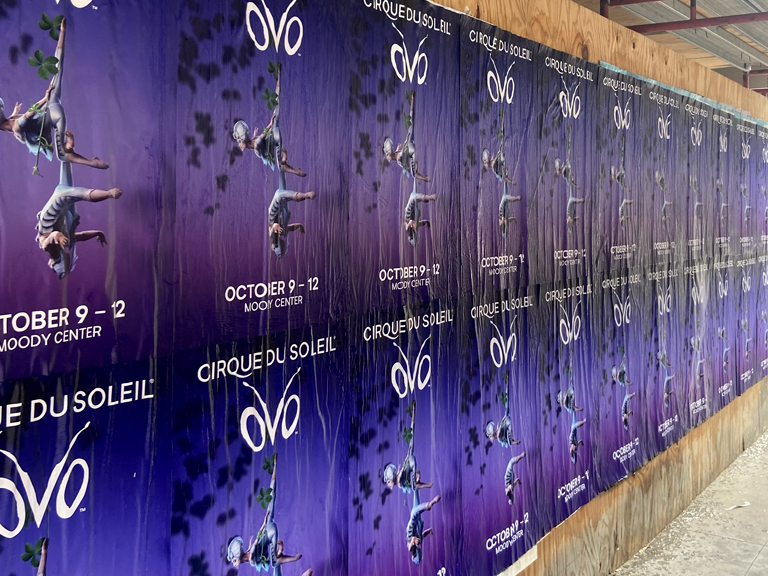
Wheatpasting is one of the most effective street-level advertising formats available — and also one of the most operationally demanding to execute correctly. The gap between a wheatpaste campaign that creates genuine street presence and one that looks ragged and unprofessional comes down to execution: the right locations, the right materials, the right installation technique, and the right documentation to prove it ran.
This guide covers the complete execution process for a professional wheatpasting campaign, from initial planning through location scouting, print production, installation, and post-campaign documentation. If you’re running your own campaign or evaluating what a professional campaign should involve, this is the full picture.
Step 1: Define Campaign Objectives and Scope
Before any logistics discussion, the campaign needs a clear objective. Wheatpasting campaigns serve different objectives with different execution implications:
- Market entry awareness: Broad neighborhood coverage across multiple zones in a city, higher volume, standard format sizes
- Event or launch promotion: Concentrated coverage in specific neighborhoods with high target-audience density, often with time-sensitive messaging
- Cultural credibility building: Selective, high-quality placements in neighborhoods with strong organic photography activity, premium format sizes, art-quality creative execution
- Conference or trade show presence: Perimeter campaign around event geography, concentrated timeline aligned to event dates
The objective determines the geographic scope, the volume, the format, the creative approach, and the timeline. Establishing this before moving to logistics prevents the common mistake of building a campaign plan that doesn’t match the actual goal.
Step 2: Select Target Markets and Neighborhoods
Market and neighborhood selection should be driven by where the campaign’s target audience is physically concentrated, not by where posting inventory is cheapest or most available. Mismatched geography is the most common cause of campaigns that feel like they ran but produced no results — posters in the wrong neighborhoods reaching the wrong people.
Mapping Target Audience Geography
For consumer campaigns, the target audience’s neighborhoods in each city can be mapped using a combination of demographic data, lifestyle segmentation research, and knowledge of which neighborhoods are associated with specific cultural communities (music, fashion, tech, food, etc.). Our team has this neighborhood-by-audience mapping built up across 50+ U.S. markets from years of campaign execution.
For B2B or event campaigns, the geographic targeting is more straightforward: the event venue perimeter, the conference hotel corridor, or the business district where the target company cluster is headquartered.
Neighborhood Prioritization Within Cities
Once target cities are identified, specific neighborhoods within each city are ranked by the combination of target audience concentration, posting inventory quality, and foot traffic volume. Not all available walls are equal. A high-quality wall at a busy pedestrian junction in the right neighborhood is worth ten walls in lower-traffic locations even if those ten walls collectively have more square footage.
Step 3: Location Scouting
Location scouting happens in advance of every campaign — ideally 24 to 72 hours before installation for time-sensitive campaigns, longer for planned multi-city rollouts. Scouting serves several functions:
Confirming Location Status
Wall conditions change. A surface that was available last month may now be occupied by a long-term campaign, covered by a building renovation, or have changed ownership with different posting policies. Scouting confirms that every location in the planned campaign is actually available before installation materials are committed.
Optimizing Installation Sequence
The installation sequence — the order in which locations are hit — determines how many locations a crew can cover in a single overnight window. An optimized sequence minimizes travel time between locations and routes through natural geographic clusters rather than bouncing across a city. Scouting the route in advance identifies the most efficient sequence and estimates accurate completion times for multi-crew overnight coordination.
Identifying Anchor Placement Opportunities
Every campaign benefits from anchor placements — the best walls in each target neighborhood where format upgrades or additional installation effort will produce disproportionate visual impact. Scouting identifies these anchor opportunities so the installation plan can allocate the right format and crew time to the locations with the highest return.
Step 4: Print Production
Print specifications for wheatpaste campaigns differ from general print production. Materials that look fine for standard commercial printing may perform poorly in outdoor wheat paste applications.
Paper Specifications
The ideal paper weight for wheatpaste applications is 60 lb to 80 lb uncoated text or newsprint. This range absorbs the wheat paste cleanly, conforms to irregular wall surfaces without excessive wrinkling, and tears in a controlled way when the poster is removed. Heavier papers don’t conform as well to textured surfaces. Lighter papers tear unpredictably during installation.
Avoid coated or glossy papers. Coating prevents proper paste adhesion on the paper surface, which causes the ink layer to delaminate from the paper base — the top layer peels away while the paper remains stuck, leaving a damaged installation. This is both visually poor and creates a removal problem for property owners.
Ink Specifications
Water-resistant inks are essential for outdoor durability. Standard water-based inks bleed significantly when paste is applied and when rain exposure occurs. Campaigns using non-water-resistant inks frequently result in color bleeding that degrades the campaign’s visual quality within the first few days of outdoor exposure.
Format Specifications
Standard campaign formats for wheatpaste campaigns:
- 24×36 — the most common single-sheet format; efficient to produce and install, strong visual presence on typical wall sizes
- 27×40 — entertainment industry standard; slightly larger format that carries the cultural associations of movie poster advertising
- Multi-panel snipe configurations — multiple sheets assembled on-wall to create 4 to 8+ foot installations; higher installation time cost, significantly higher visual impact
Step 5: Wheat Paste Preparation
Wheat paste can be mixed from scratch or sourced from commercial suppliers. Professional campaigns typically use either:
Homemade Wheat Paste Recipe
The standard recipe: combine 1 part all-purpose flour with 5 parts water. Mix the flour into cold water until fully dissolved without lumps. Heat over medium heat while stirring constantly until the mixture thickens to a creamy, opaque consistency (approximately 10 to 15 minutes). Remove from heat and allow to cool before use. Add a small amount of white glue (Elmer’s or equivalent) to the cooled paste to increase adhesion and outdoor durability.
Batch size: a typical overnight campaign covering 50 to 100 poster placements requires approximately 2 to 4 gallons of paste depending on poster size and wall surface porosity.
Commercial Paste
Commercial wallpaper paste (methylcellulose-based) is a reliable substitute for homemade wheat paste. It produces more consistent results, has better outdoor durability, and is easier to transport and use in field conditions. The cost difference from homemade is minimal for professional-scale campaigns. We use commercial paste products for most campaigns because the consistency advantage is worth the cost premium.
Step 6: Installation
Professional installation technique is the difference between a campaign that holds for three weeks and one that starts peeling within days. The mechanics are straightforward but the details matter:
Surface Preparation
Brush the wall surface with paste before applying the poster. Pre-pasting the surface removes loose dust and debris, ensures the poster bonds directly to the wall rather than to contaminated material, and saturates the surface so the poster paste layer doesn’t dry too quickly.
Poster Application
Apply a coat of paste to the wall surface. Position the poster and press from center to edges, working out air bubbles as you go. Apply a second coat of paste over the front surface of the poster to seal edges and protect the face from peeling. The over-coat is the most commonly skipped step and the primary cause of premature poster failure.
Edge Sealing
Edges and corners are the failure point for most improperly installed posters. Ensure full paste penetration under all edges, and apply extra paste at corners where peeling typically initiates. A well-sealed installation should show no lifting edges immediately after installation.
Documentation at Time of Installation
Every placement is photographed at installation time with GPS location data and timestamp. This documentation is captured at the time of installation — not reconstructed afterward — to ensure accuracy. Our field crews use standardized documentation protocols that capture everything needed for post-campaign reporting at the moment of installation.
Step 7: Post-Campaign Documentation and Reporting
The campaign documentation package provides clients with the proof of performance that internal and agency stakeholders require:
- GPS-tagged photographs of every placement organized by neighborhood and market
- Installation timestamps by location
- Location addresses for all placements
- Campaign duration dates
- Total placement count by neighborhood and market
For campaigns with specific reporting requirements, we format documentation to match client or agency reporting templates.
Common Mistakes in DIY Wheatpaste Campaigns
Brands that attempt wheatpaste campaigns without professional execution support consistently make a predictable set of mistakes that reduce campaign quality, reduce durability, and in some cases create legal and reputational problems. Understanding these mistakes is useful both for brands evaluating DIY execution and for brands assessing professional campaign partners.
Using Unpermitted Locations
The most consequential mistake in wheatpaste campaign execution is posting on surfaces without property owner permission. Beyond the ethical problems with damaging property, unpermitted posting creates concrete legal liability for the brand: fines, cleanup costs, and in some cases civil liability to property owners. In cities with active enforcement, unpermitted posting is documented by city inspectors and results in cleanup notices directed at the brand or agency whose campaign is on the surface. This kind of coverage — “Brand X caught in illegal poster campaign” — is significantly worse for the brand than no campaign at all.
Professional agencies maintain legal location networks precisely to prevent this outcome. The cost of permitted locations is not significantly higher than the cost of posting illegally when you factor in the liability risk of unpermitted campaigns. Run legal campaigns. The alternative creates problems that are not worth the marginal cost savings.
Ignoring Print Specifications
The second most common DIY campaign mistake is using standard commercial print materials rather than flyposting-specific specifications. Glossy or coated papers delaminate under paste application, producing campaigns that look like they were poorly executed within days. Inks that aren’t water-resistant bleed under paste application and rain exposure, producing campaigns that look damaged from their first week. Heavy papers that don’t conform to irregular surfaces produce campaigns with air pockets and lifting edges that compromise both appearance and durability.
Professional print partners who specialize in flyposting know these specifications without being told. Working with a print vendor who doesn’t know what flyposting-specific paper and ink requirements are is a reliable indicator that the campaign’s print quality will create problems.
Under-Investing in Location Volume
DIY campaigns consistently under-invest in location volume relative to the geographic area they’re trying to cover. Ten posters spread across a neighborhood the size of Williamsburg create isolated placements that don’t generate the saturation effect that makes a campaign feel significant. The same ten posters concentrated on a single block create a local saturation that generates more attention per poster than the dispersed approach.
Volume requirements are not intuitive, especially for brands new to out-of-home advertising. The minimum effective volume for a neighborhood saturation campaign in a typical urban neighborhood is usually 50 to 100 posters — significantly more than most first-time campaigns budget for. Under-investing in volume is the most common cause of campaigns that cost real money and produce no perceptible street presence.
Failing to Document
Without GPS-tagged documentation at the time of installation, the campaign has no proof of performance that holds up to stakeholder scrutiny. Photos taken days after installation, or photos that could have been taken anywhere, don’t provide the location-verified, time-stamped documentation that marketing directors and agency reporting systems require. Documentation should be captured at installation time as a built-in part of the crew’s operational process, not as an afterthought.
Quality Standards Across Multi-Market Campaigns
For campaigns running in multiple cities, maintaining consistent quality standards across markets is the primary operational challenge. Different crews in different cities have different skill levels, different paste formulations, and different interpretations of installation quality standards. Without centralized quality management, multi-market campaigns routinely produce dramatically inconsistent results — excellent execution in one market, poor execution in another — that undermine both campaign effectiveness and client reporting credibility.
Our quality management process for multi-market campaigns includes: standardized installation briefings for all crews across all markets, consistent documentation protocols that produce comparable output regardless of market, centralized quality review of documentation before campaign reports are delivered, and post-campaign quality ratings that inform crew selection for future campaigns in each market.
The goal of multi-market quality management is campaigns where the documentation from Boston looks as professional as the documentation from New York, and where the Los Angeles installation quality matches the installation quality in Chicago. Consistency across markets is a direct function of operational systems, not just talent selection.
Evaluating Your Campaign Before Installation
Before any installation begins, reviewing the full campaign plan against a set of quality criteria prevents the avoidable failures that most DIY campaigns experience. Use this checklist as a pre-installation review:
- Legal location confirmation: Every location in the plan has confirmed property owner permission. No location is on public property where posting isn’t permitted or on private property where only implied consent exists.
- Print specification review: Paper weight is 60-80lb uncoated. Inks are water-resistant. Format is compatible with planned wall sizes and crew installation capacity.
- Volume adequacy: Placement volume in each neighborhood is sufficient to create genuine saturation, not just isolated spots. Minimum 50 placements per neighborhood zone for a standard campaign.
- Installation sequence optimization: The installation sequence is mapped and crew travel time is estimated. The full planned installation can be completed in the available overnight window without rushing or skipping locations.
- Documentation protocol confirmed: Every crew member knows the documentation protocol. GPS tagging is active. Timestamps are accurate. Photo documentation is occurring at each placement, not at the end of the night.
- Creative visibility review: The creative has been reviewed for night visibility. High contrast and distance legibility have been confirmed. QR code (if included) is tested and functional.
Working with a Professional Campaign Partner
The full campaign process described above is manageable for a small single-neighborhood campaign — but scales quickly in complexity as the number of locations, cities, and concurrent campaign elements increases. A campaign covering 10 neighborhoods across 5 cities simultaneously requires centralized logistics management, standardized documentation protocols, quality control across crews in different markets, and consolidated reporting that most brand teams can’t manage internally.
Our team manages the full campaign stack — location scouting, print production coordination, crew management, overnight installation, documentation, and reporting — across 50+ U.S. markets. Clients provide creative and campaign objectives; we provide everything else.
Frequently Asked Questions
How do you make wheat paste for a poster campaign?
Basic wheat paste is made by dissolving flour in cold water, then cooking over medium heat while stirring until the mixture thickens to a creamy consistency. Most professional campaigns use a ratio of roughly 1 part flour to 4-5 parts water. Commercial wallpaper paste is a common substitute that produces more consistent adhesion and longer outdoor durability.
What are the legal requirements for running a wheatpaste campaign?
All wheatpaste installations should be on surfaces where you have property owner permission. Posting on property without permission is vandalism under most municipal codes and can create significant liability for the client. AGM operates exclusively on permitted legal locations in every market we serve.
What paper and print specifications work best for wheatpasting?
60 lb to 80 lb uncoated newsprint or text-weight paper applies and adheres best with wheat paste. Glossy or coated papers tend to buckle and delaminate. Ink should be water-resistant to handle paste application and weather exposure. Most professional campaign printers who specialize in street advertising know these specifications.
How long does a wheatpasted poster last outdoors?
Properly applied wheatpaste installations typically last two to four weeks outdoors. Dry climates with minimal rain extend longevity. Heavy rain, high humidity, and high-traffic surfaces reduce it. Most campaigns plan for a two-week effective window.
How many locations do I need for an effective wheatpaste campaign?
Volume depends on campaign objectives and geography. A neighborhood saturation campaign targeting a defined area typically needs 50 to 150 posters to create genuine visual density. A city-wide campaign covering multiple neighborhoods needs proportionally more. We recommend concentration within target zones over wide thin distribution.
Should I hire a professional to run my wheatpaste campaign?
For any campaign beyond a small DIY test, working with an experienced guerrilla marketing agency ensures legal location access, professional installation quality, GPS documentation for reporting, and the campaign management that makes multi-location simultaneous launches possible. The coordination complexity of a real-scale campaign exceeds what most brand teams can manage internally.