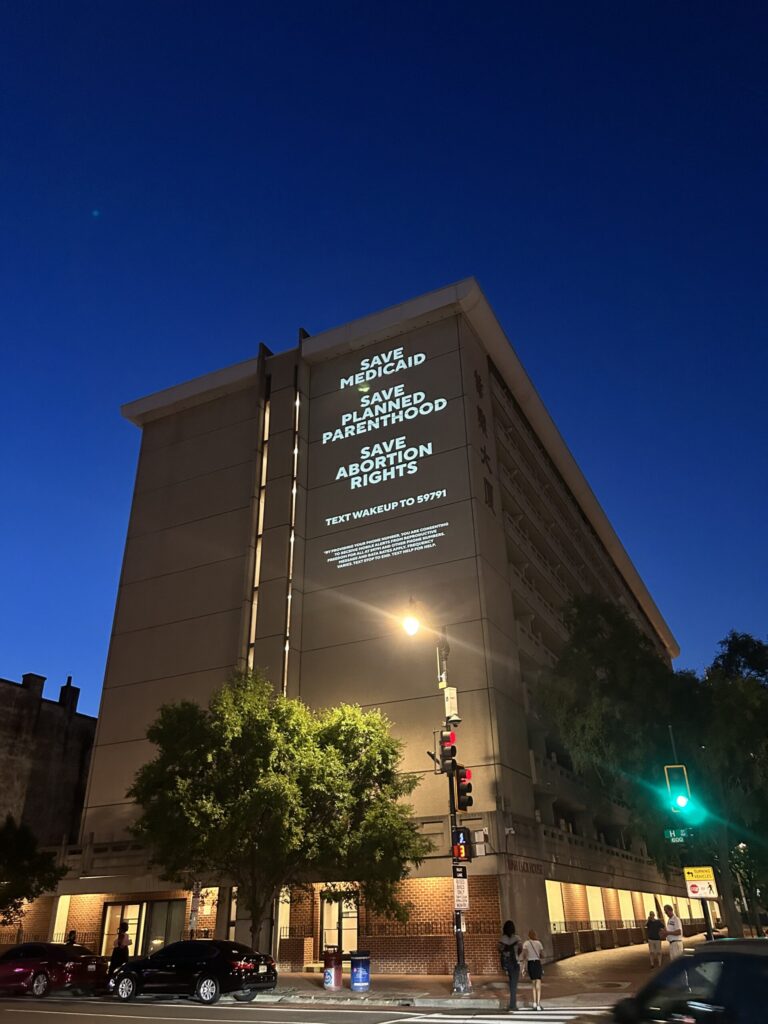
Physical brand presence has always mattered in Denver, and guerrilla marketing campaigns in Denver’s outdoor recreation, technology, and cannabis economy reach the exact audiences that drive commercial decisions. When your target market is working through Denver’s commercial corridors, between client meetings, transit stops, and neighborhood retail, a well-placed guerrilla marketing campaign reaches them in precisely those moments. American Guerrilla Marketing has built guerrilla marketing campaigns for brands across Denver that needed local market authority, not just national reach.
The case for guerrilla marketing in Denver comes down to audience quality, not just audience size. A digital campaign reaching 100,000 Denver devices might find only 3,000 of those users in your target demographic and in the right purchase mindset. A street-level placement concentrated in Denver’s active outdoor culture and a young, highly educated professional population drawn to experiential brands reaches a smaller but more relevant audience, people who are physically present, engaged with their environment, and not insulated from commercial messaging by an algorithm. That audience quality gap explains why well-executed physical campaigns consistently generate stronger brand recall per dollar spent than equivalent digital reach.
The sections below address the questions Denver brands ask most often about guerrilla marketing: which neighborhoods generate the best ROI, how long campaigns need to run to build genuine frequency, what the permitting space looks like, how AGM documents field execution, and what outcomes are realistic at different budget levels. This is practical campaign intelligence built from actual Denver field work, not theoretical marketing frameworks.
Physical brand presence has always mattered in Denver, and guerrilla marketing campaigns in Denver’s outdoor recreation, technology, and cannabis economy reach the exact audiences that drive commercial decisions. When your target market is working through Denver’s commercial corridors, between client meetings, transit stops, and neighborhood retail, a well-placed guerrilla marketing campaign reaches them in precisely those moments. American Guerrilla Marketing has built guerrilla marketing campaigns for brands across Denver that needed local market authority, not just national reach.
The case for guerrilla marketing in Denver comes down to audience quality, not just audience size. A digital campaign reaching 100,000 Denver devices might find only 3,000 of those users in your target demographic and in the right purchase mindset. A street-level placement concentrated in Denver’s active outdoor culture and a young, highly educated professional population drawn to experiential brands reaches a smaller but more relevant audience, people who are physically present, engaged with their environment, and not insulated from commercial messaging by an algorithm. That audience quality gap explains why well-executed physical campaigns consistently generate stronger brand recall per dollar spent than equivalent digital reach.
The sections below address the questions Denver brands ask most often about guerrilla marketing: which neighborhoods generate the best ROI, how long campaigns need to run to build genuine frequency, what the permitting space looks like, how AGM documents field execution, and what outcomes are realistic at different budget levels. This is practical campaign intelligence built from actual Denver field work, not theoretical marketing frameworks.
What Is Guerrilla Projection Advertising?
Guerrilla projection advertising uses high-powered projectors to display brand messaging, imagery, animations, or video content on the exterior surfaces of buildings, bridges, landmarks, and other architectural elements in public urban spaces. The format emerged from the intersection of architectural projection art and street marketing and has become one of the most distinctive and memorable tools in the guerrilla marketing toolkit.
Unlike traditional advertising that displays in designated commercial spaces (billboards, transit panels, digital screens), guerrilla projections appear in unexpected locations, on the side of a historic building, on a bridge abutment visible from a major thoroughfare, on the façade of a parking structure at a busy intersection. This unexpectedness is a core part of the format’s effectiveness: people don’t expect to see a brand message on the side of a building, so when they see it, they actually look, not with the passive visual processing that conventional advertising receives, but with genuine attention and curiosity.
The format’s social media characteristics are equally important. A spectacular projection on a prominent Denver building is inherently photographable and shareable. Passersby who encounter an AGM projection campaign instinctively reach for their phones, and the content they create and share extends the campaign’s reach far beyond the people who were physically present. A single night of guerrilla projections can generate hundreds of organic social posts from witnesses, creating earned media value that multiplies the campaign’s total reach at zero additional cost.
Why Colorado Is an Outstanding Guerrilla Projection Market
Colorado offers several characteristics that make it an exceptionally productive market for guerrilla projection advertising:
Dense Walkable Urban Corridors
Denver’s Lower Downtown (LoDo), RiNo Art District, Capitol Hill, and the Platte River corridor all feature the combination of pedestrian density, architectural character, and evening foot traffic that makes guerrilla projections highly effective. Boulder’s Pearl Street Mall is one of the country’s most walkable urban retail environments. Fort Collins’ Old Town area and Colorado Springs’ downtown have similar characteristics at smaller scale. These walkable urban environments provide the audience concentration that makes projection advertising worthwhile, and the architecture provides the surfaces that make it spectacular.
Outdoor and Creative Culture
Colorado’s strong outdoor culture, skiing, hiking, cycling, climbing, creates a population that spends significant time outside, particularly in the evening hours when projection campaigns are most effective. Denver’s vibrant arts, music, and creative economy adds an audience that is particularly receptive to creative visual spectacle in urban space. RiNo, the River North Art District, is literally a neighborhood built around creative expression, making it one of the most culturally receptive environments for guerrilla projections anywhere in the Mountain West.
Social Media Engagement
Colorado’s cities, particularly Denver and Boulder, have high social media engagement rates in the outdoor recreation, lifestyle, and events categories. Content created in Denver’s most visually distinctive environments performs well on Instagram and TikTok, which means that guerrilla projections in Denver’s most photogenic areas generate organic sharing that extends campaign reach efficiently. The combination of spectacular mountain backdrop in some locations and distinctive urban architecture in others creates projection environments that are inherently content-worthy.
Event Calendar
Colorado’s event calendar creates natural high-audience-density opportunities for guerrilla projections: Denver’s Great American Beer Festival, Red Rocks concerts, Denver Broncos and Nuggets home games, SXSW-adjacent events, and the numerous festivals in Boulder, Vail, and Aspen all concentrate specific demographic audiences at specific locations and times. Projection campaigns timed around these events reach audiences at peak engagement with the highest possible audience density.
Denver: Prime Projection Markets and Locations
Lower Downtown (LoDo)
LoDo is Denver’s historic district and primary entertainment hub, anchored by Coors Field, Union Station, and a dense concentration of bars, restaurants, and live music venues that generate the consistent evening foot traffic that makes projection campaigns effective. The neighborhood’s historic brick architecture provides excellent projection surfaces. The Wynkoop Brewery and surrounding blocks, the Union Station plaza, and the 16th Street Mall terminus at Market Street are all high-foot-traffic areas where projection advertising reaches significant audiences during evening and weekend hours.
Denver Broncos game nights and Rockies game nights transform LoDo’s foot traffic dramatically, creating audience concentrations of tens of thousands of people moving through the neighborhood before and after games. Guerrilla projections activated during game-adjacent hours reach some of the highest audience densities available in Denver at any given time.
RiNo Art District
The River North Art District is Denver’s most visually dynamic neighborhood, and one of the best guerrilla projection environments in the Mountain West. The neighborhood’s combination of industrial warehouse architecture (enormous flat wall surfaces ideal for large-scale projections), existing mural culture (audiences primed to appreciate visual art in the environment), evening bar and restaurant foot traffic, and strong social media engagement from its creative professional demographic makes RiNo a natural fit for projection campaigns across virtually every brand category.
Brighton Boulevard and Larimer Street are RiNo’s primary commercial corridors, both with ample projection-worthy surfaces and consistent evening pedestrian activity. The Denver Central Market area is a particular hotspot for audience concentration at all hours of the day and evening. RiNo First Fridays, a monthly arts walk that draws thousands of Denver residents into the neighborhood, creates one of the highest-quality audience concentration moments available for guerrilla projection campaigns anywhere in Colorado.
Capitol Hill and Colfax Avenue
Denver’s Capitol Hill neighborhood along East Colfax Avenue between Broadway and York is one of Denver’s most character-rich pedestrian corridors, dense with independent businesses, music venues, bars, and the kind of eclectic urban life that generates consistent evening foot traffic from a young, creative, and politically engaged demographic. The State Capitol building and Civic Center Park create dramatic architectural projection surfaces for campaigns targeting broad Denver visibility. The Bluebird Theater, the Ogden Theatre, and the other music venues along Colfax generate strong concert-night foot traffic at predictable times.
Larimer Square and 16th Street Mall
Larimer Square is Denver’s most historic commercial block, a designated landmark district with Victorian brick architecture that creates both beautiful projection surfaces and a premium brand positioning context. The 16th Street Mall, Denver’s primary downtown pedestrian thoroughfare, carries the highest foot traffic of any corridor in the city from morning through evening. Projection campaigns in the 16th Street Mall corridor reach the broadest cross-section of Denver’s working adult population at high frequency.
The Denver Platte River Greenway and Union Station
Union Station is one of Denver’s most architecturally distinctive landmarks and one of the city’s primary social gathering spaces, the train station’s Great Hall is a destination in itself, drawing thousands of daily visitors to its restaurants and bars. The surrounding exterior and the Platte River Greenway area provide dramatic projection surfaces visible from significant distance. Union Station projection campaigns reach the commuter and visitor audiences that use the station as a transit hub while also reaching the leisure and dining audiences that use it as a destination.
Boulder, Fort Collins, and Secondary Colorado Markets
Boulder
Boulder’s Pearl Street Mall is one of the country’s premier urban pedestrian environments, a four-block pedestrianized retail corridor that draws locals, University of Colorado students, and tourists from across the region. The brick and stone architecture of the Pearl Street buildings provides excellent projection surfaces. The CU Boulder campus, with its distinctively beautiful architecture and the evening activity patterns of 35,000+ students, offers additional high-quality projection environments.
Boulder’s demographic profile makes it a premium market for brands targeting educated, affluent, health-conscious consumers. The city’s strong outdoor industry presence, with headquarters of companies like Celestial Seasonings and proximity to Boulder’s extensive outdoor recreation economy, creates specific category advertising opportunities for brands in outdoor, health, food and beverage, and technology categories.
Fort Collins
Fort Collins’ Old Town district is Northern Colorado’s best walkable urban environment. The College Avenue and Mountain Avenue corridors anchor a vibrant bar, restaurant, and retail scene that generates consistent evening foot traffic from CSU’s 33,000+ students and Fort Collins’ growing young professional population. Old Town’s historic brick architecture provides characteristic projection surfaces, and the neighborhood’s arts and music culture creates audience receptivity to creative visual interventions.
Colorado Springs
Colorado Springs offers projection campaign opportunities in the downtown Tejon Street corridor and the Manitou Springs main street environment. The city’s proximity to the Air Force Academy, Fort Carson, and the Pikes Peak region creates specific demographic audiences for brands with military, outdoor recreation, or regional tourism positioning. The Garden of the Gods and Pikes Peak provide spectacular natural projection environments for brands willing to take their campaign into extraordinary natural contexts, though these require specific location considerations that AGM works through for clients.
Technical Considerations for Colorado Projections
Successful guerrilla projections require getting the technical specifications right, and Colorado’s specific conditions create several considerations that affect equipment selection and campaign planning.
Altitude and Temperature
Denver sits at 5,280 feet elevation, with Boulder and other Colorado cities at similar or higher elevations. High altitude can affect projector performance specifications compared to sea-level ratings. Colorado’s temperature variation, particularly the dramatic temperature drops that occur after sunset even in summer, requires equipment specified for cold-weather operation and crew preparation for significant temperature changes during multi-hour projection installations.
Lumens and Surface Distance
The projector power required for a visible, bright, color-accurate projection depends on three factors: the size of the projection (surface area covered), the distance from the projector to the surface, and the ambient light conditions at the projection time. Urban environments with significant ambient light from streetlights, commercial signs, and vehicle traffic require high-brightness projectors, typically 10,000-30,000+ lumens for major building-scale projections. AGM selects projectors appropriate to each specific Colorado projection site based on precise technical analysis of these factors.
Content Specifications
Guerrilla projection content must be produced at native projector resolution and aspect ratio, optimized for the specific architectural characteristics of the target surface, and designed to maintain legibility and visual impact under real-world projection conditions. Content that looks perfect on a monitor at 10 feet may look underwhelming on a brick wall at 150 feet if it hasn’t been properly calibrated for the projection environment. AGM’s production team works with content at final projection size and surface conditions from the start of the creative development process.
Creative Strategy for Guerrilla Projections
The creative strategy for a guerrilla projection campaign needs to account for the format’s specific characteristics: viewed from distance, in motion or static, at night, on architectural surfaces with their own texture and character, by audiences moving through public space rather than sitting in front of a screen.
Motion vs. Static
Motion content, video, animation, or dynamic visual effects, generally outperforms static imagery for guerrilla projections because motion attracts attention at greater distances and is inherently more shareable as social content. A building that appears to ripple, breathe, or animate in unexpected ways creates far more stopping power than a static logo projection. However, motion requires higher content production investment and more sophisticated playback equipment. For campaigns where budget is a constraint, well-executed static projections of striking brand imagery remain highly effective.
Scale and Proportion
Projection content should be designed for the actual scale of the projection surface. Content designed for a 15-foot wide screen will look different on a 60-foot wide building facade. Typography that’s readable at small scale becomes overwhelming at architectural scale. Brand elements that are legible at small scale may need to be adjusted for the viewing angle and distance of the specific projection site. AGM’s creative team develops content for the specific surface and viewing conditions of each Colorado projection location.
Architectural Integration
The most visually effective guerrilla projections don’t just place imagery on a building, they use the architectural features of the surface as part of the creative concept. Window rows that become part of a visual pattern, cornices that define visual boundaries, surface textures that add character to the projected imagery, integrating the architecture into the creative concept produces projection experiences that feel site-specific and intentional rather than generic advertising placed on a convenient blank surface.
Social Amplification and Documentation
Every AGM guerrilla projection campaign includes professional documentation as a standard deliverable. Professional photography and videography of active projections captures the visual impact of the campaign in the format best suited for social media distribution, creating owned content assets that can be distributed on brand channels immediately following the projection events.
The documentation strategy also includes monitoring and reposting organic content created by passersby who photograph the projections, which in Denver’s active social media environment can generate hundreds of unique posts from a single projection event. The combination of owned content (professional documentation) and earned content (organic social posts from witnesses) creates a content volume that extends the campaign’s visibility far beyond the physical audience present at the projection sites.
Campaign Strategy and Market Considerations
Colorado guerrilla projection campaigns are most effective when planned around the specific dynamics of each target market. Several strategic considerations are particularly important for Colorado campaigns.
Event Calendar Alignment
Colorado’s event calendar creates specific audience concentration opportunities that dramatically amplify projection campaign effectiveness. Denver Broncos home game nights pack LoDo with tens of thousands of fans. Red Rocks concerts create extraordinary audiences in Morrison. Colorado’s festival season (May through October) creates multiple major audience concentration events across the state. Aligning projection campaign activation with these events makes sure the maximum possible audience witnesses the projections and creates the social content that extends campaign reach.
Seasonal Timing
Colorado’s climate creates seasonal projection campaign considerations. Summer evenings offer the longest windows of available darkness for projection (sunset after 8pm in June and July) and the warmest conditions for outdoor audience lingering. Winter evenings offer more projection-eligible hours (darkness from 5pm) but significantly reduce the outdoor audience density available in pedestrian areas. The transition seasons, September through November, March through May, often represent the best balance of dark hours available and outdoor audience density for guerrilla projection campaigns in Colorado’s major markets.
Market-Specific Considerations
AGM works through the specific considerations for guerrilla projection campaigns in each Colorado market on behalf of clients. Location selection, projection timing, equipment placement, and operational logistics all require market-specific knowledge that can only be built through experience in the specific environments where campaigns will be executed. Our Colorado market teams understand the considerations specific to Denver’s neighborhoods, Boulder’s community standards, Fort Collins’ Old Town character, and the other Colorado markets where we operate, ensuring campaigns are executed at the highest quality level in environments that are appropriate for the brand and effective for the campaign objectives.
AGM Colorado Guerrilla Projection Capabilities
AGM provides fully managed guerrilla projection campaigns across Colorado, including:
Whether you’re launching a product in the Colorado market, creating a brand moment around a Denver Broncos game, executing a projection campaign along RiNo’s artist-filled corridors, or deploying Colorado projections as part of a multi-state nighttime marketing program, AGM brings the technical expertise, creative capability, and local market knowledge to do it right.
Ready to Build Your Campaign?
Tell us your markets, goals, and timeline. AGM will put together a custom street-level plan built around where your audience actually moves.