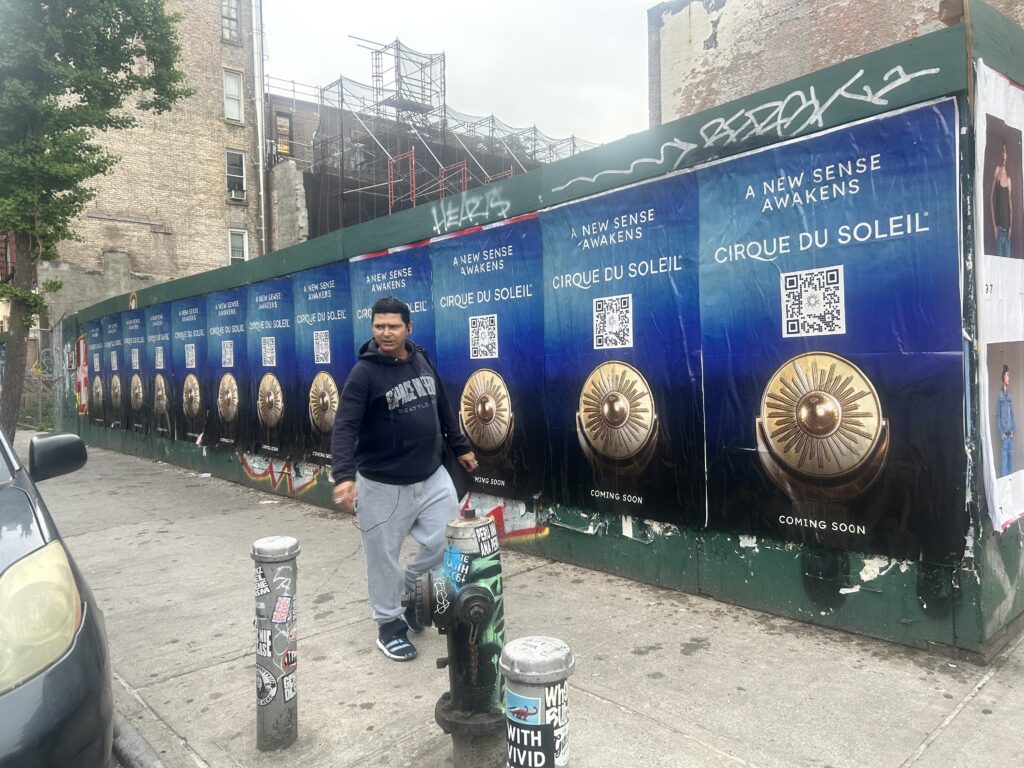
Guerrilla marketing was invented for small businesses. Jay Conrad Levinson’s original 1984 framework was a direct response to the reality that small businesses can’t outspend large competitors in conventional media, so they have to out-think them. That principle is as valid in 2026 as it was in 1984, and the formats available to small businesses have only expanded. AGM has executed 500+ campaigns across every budget tier from $1,500 local stunts to $150,000 multi-market activations. Here’s exactly what small businesses can do on limited budgets, with real tactics, real costs, and honest guidance on what actually moves the needle.
What “Small Budget” Guerrilla Marketing Actually Means
The most common question AGM gets from small business owners is: “Can you do something for $2,000?” The honest answer is yes, but only if you’re willing to concentrate that budget on a single tactic executed with precision rather than spreading it thin across five tactics executed poorly.
Small budget guerrilla marketing works on one principle: intensity beats coverage. A tightly scoped wheatpaste campaign in one high-footfall neighborhood will usually outperform a larger campaign spread too thin. Repetition and geographic concentration create the brand familiarity that drives action.
Tactic 1: Wheatpaste Poster Campaigns
Wheatpasting is the highest-reach, lowest-cost brand awareness format available to small businesses. A 20-location wheatpaste campaign in a single commercial corridor, using 24″×36″ or 18″×24″ posters printed on lightweight coated stock, generates 15,000–40,000 weekly impressions from foot traffic alone, at a cost of $1,500–$4,000 all-in including design, print, and installation.
What this buys you: printed posters applied with wheat flour paste adhesive to approved wall surfaces, fences, construction hoardings, building exteriors with property owner permission. Posters stay up 3–6 weeks. That’s 6–12 weeks of cumulative brand impressions for a one-time campaign cost.
What bad small business operators do wrong: they use low-resolution design files and print on newsprint-weight paper that fades in 10 days. AGM uses UV-resistant inks and 80lb coated stock minimum. The extra $0.15 per sheet in print quality adds 2–3 weeks of useful visibility, a highly positive ROI for any small business campaign.
Small business wheatpaste pricing: AGM’s official published wheatpaste pricing is $4,500 for 100 24×36 posters, $5,500 for 200 24×36 posters, $10,500 for 100 48×72 posters, and $13,500 for 200 48×72 posters. If the scope is smaller, custom, or outside those counts, contact AGM for pricing.
Tactic 2: Sidewalk Chalk Stencils
Sidewalk stencils are the lowest-cost street-level format with genuine brand impact. A custom cut stencil applied with biodegradable chalk-based paint on a public sidewalk creates brand presence that pedestrians literally walk over, unavoidable, ground-level visual contact at the moment people are most attentive to their surroundings.
For a small business with a single location, a restaurant, fitness studio, boutique, or service shop, chalk stencils on the 3 blocks approaching your storefront can meaningfully increase foot traffic discovery. We’ve seen small food and beverage businesses report 12–18% foot traffic increases during chalk stencil campaign weeks versus control weeks, which is a direct revenue impact measurable without sophisticated analytics.
Official sidewalk stencil pricing from AGM is $2,855 for 5, $3,231 for 10, $3,989 for 20, $6,982 for 50, and $11,999 for 100. For anything outside those quantities, contact AGM for pricing.
Tactic 3: Street Team / Brand Ambassador Days
A single brand ambassador at a high-footfall location, a weekend market, a festival, a transit hub, can generate 300–600 genuine brand interactions in a 6-hour shift. At AGM’s official rate of $389.99 for a standard 6 hour shift, $489.99 for a professional 6 hour shift, or $589.99 for a premium 6 hour shift, that’s $0.67–$2.00 per direct consumer contact. No digital format reaches those CPE numbers for the quality of interaction a face-to-face ambassador delivers.
For small businesses, the key is selecting the right activation location. A restaurant new to a neighborhood should put an ambassador at the nearest transit station during the Friday evening commute rather than standing outside their own front door. A fitness studio should put someone at the Saturday farmers market with a 1-week free trial offer rather than running Facebook ads to cold audiences at $3–$8 per click.
What converts in ambassador programs: a single clear offer (one thing, not three), genuine product knowledge, and an immediate action mechanism, QR code to sign up, paper voucher to redeem, business card with a specific offer code. No offer = no conversion. Every ambassador shift needs a closing mechanism.
Tactic 4: Flyer Distribution
Flyers remain one of the most effective direct response formats for local small businesses, provided the targeting is right. A 2,000-piece flyer distribution in the residential blocks immediately surrounding a new restaurant or retail store generates measurable foot traffic when the offer on the flyer is compelling and time-bound. “10% off this week” converts. “Visit us soon” doesn’t.
Professional flyer distribution by a trained crew, who actually delivers to every door rather than dumping at building lobbies, runs $0.10–$0.20 per delivered piece for labor. Print for 2,000 flyers at 5.5″×8.5″ on 100lb gloss: $80–$150. Contact AGM for pricing on managed flyer distribution.
Adding a QR code to your flyer increases website visits by documented margins in distribution campaigns. The QR bridges your physical distribution to digital tracking, without it, you’re flying blind on what the campaign actually drove.
Tactic 5: Sticker and Guerrilla Poster Placement ($200–$800)
For small businesses in creative industries, music, art, food, nightlife, streetwear, sticker campaigns and small-format poster placement on bulletin boards, shop windows (with permission), and community spaces are among the most cost-effective brand building tools available. A run of 500 high-quality vinyl stickers ($80–$150) placed strategically in 50 high-visibility locations reaches an estimated 10,000–25,000 weekly impressions in a concentrated urban corridor.
The legality depends entirely on placement. On your own property, on property where you have permission, and on dedicated community bulletin boards: fully legal. On utility poles, transit shelters, or other public property: regulated and often prohibited. AGM advises on legal placement zones before any sticker or small-format poster campaign.
Building a $5,000 Small Business Guerrilla Campaign
Here’s how AGM would structure a $5,000 guerrilla campaign for a small business in a single market:
- Wheatpaste campaign, 24×36 posters: Contact AGM for pricing.
- Sidewalk stencils, 10 locations: $3,231
- Brand ambassador, 2 day weekend market deployment: Contact AGM for pricing.
- Flyer distribution, 2,000 pieces in target residential zone: Contact AGM for pricing.
- Campaign management and reporting: $800
- Total: Contact AGM for pricing.
Expected outcomes at this budget: 20,000–40,000 poster impressions over 4 weeks, 600–1,000 ambassador contacts, 2,000 direct flyer deliveries, and a measurable baseline for comparing foot traffic, QR scans, and promo code redemptions pre/post campaign.
The Measurement Principle for Small Business Campaigns
Small businesses often skip measurement because they assume it requires enterprise analytics infrastructure. It doesn’t. Three free tools cover small business guerrilla campaign measurement completely: a unique QR code per format (create free at qr.io or similar), a unique promo code per format (configured in your POS or booking system), and a simple before/after foot traffic count (count customers for 2 weeks pre-campaign, 4 weeks during).
With those three mechanisms, you know which format drove web traffic, which drove transactions, and whether overall customer volume changed during the campaign period. That’s more measurement clarity than most digital ad campaigns provide.
What Guerrilla Marketing Cannot Do for Small Businesses
Guerrilla marketing is a brand awareness and direct response format, it’s not a substitute for a functional product, reasonable pricing, or decent customer service. It creates the first encounter; everything else determines whether that encounter converts to a loyal customer. AGM has watched well-executed campaigns drive customers to businesses that weren’t ready for them. A campaign that drives 400 visitors to a restaurant with 45-minute wait times and understaffed service generates negative reviews, not repeat customers.
Before investing in any guerrilla campaign, make sure your core customer experience is ready to convert the traffic it creates.
Frequently Asked Questions
Guerrilla Marketing Strategies for Small Budgets: Creative, Cost-Effective Ideas for Small Businesses generates better results when placement, timing, creative, and local execution all work together. These questions cover the details brands usually need before launch, during rollout, and while evaluating performance.
For bus, the strongest campaigns usually come from tight geographic targeting, message discipline, and enough repetition to be remembered. Market conditions, neighborhood flow, event calendars, commuter behavior, and production logistics all change how the tactic performs, so the planning details matter as much as the idea.
What’s the minimum budget for a meaningful guerrilla marketing campaign?
A focused single-format campaign should be scoped against AGM’s published quantities and staffing tiers. Contact AGM for pricing on the right setup.
Is guerrilla marketing legal for small businesses?
Yes, when executed within the legal framework. Permission-based wheatpasting, chalk stencils on public sidewalks, ambassador programs on private property with permission, and legal flyer distribution are all fully compliant approaches. AGM reviews compliance for every campaign before execution. We don’t put clients at regulatory risk.
How long does it take to see results from a small business guerrilla campaign?
Ambassador and flyer distribution campaigns generate same-day traffic response when the offer is strong. Wheatpaste awareness campaigns typically show traffic lift in weeks 2–3 as repetition exposure builds familiarity. Chalk stencil campaigns near your location can generate same-day foot traffic increases. Most AGM small business campaigns show measurable results within 7–14 days of launch.
Can I run a guerrilla campaign without hiring an agency?
Yes, the DIY path is viable for chalk stencils and flyer distribution at a neighborhood scale. Wheatpaste installation requires technique knowledge to adhere and seal properly, and location permission coordination requires time investment. Brand ambassador programs require training, management, and accountability infrastructure to perform consistently. DIY campaigns typically cost 60–70% of the materials cost of a professionally managed campaign but require significant owner time and often underperform on execution quality.
Which guerrilla format has the best ROI for small businesses?
How do I know if this topic is worth turning into a real campaign?
Start with audience location, not creative ideas. If you can name the blocks, venues, campus gates, stations, or event windows where attention is concentrated, the campaign can usually be built into something measurable. If the audience is vague, the spend drifts and results get fuzzy fast.
What usually makes a street campaign feel too small?
The most common issue is spread. Brands buy a handful of placements across too many neighborhoods instead of owning one route. A tighter footprint with stronger repetition beats a scattered footprint almost every time, especially for event promotion, launches, and local service awareness.
Should the message focus on awareness or action?
That depends on the traffic environment. Fast moving traffic calls for a short awareness message with one visual anchor. Slow pedestrian traffic can support a QR code, a stronger offer, and more direct response copy. The format should match the pace of the audience, not the other way around.
How long should a campaign stay up?
For event driven pushes, the best window is often the 7 to 14 days before the date. For evergreen brand building, two to four weeks works better because repetition does the heavy lifting. Weather, removals, and local conditions still matter, so timing should always be part of the plan.
What should be tracked besides impressions?
Use QR scans, coupon redemptions, landing page traffic, geofenced audience lift, survey responses, and direct field photos. Street work is easier to defend when the campaign is built with proof from day one instead of trying to backfill measurement after the fact.
Related Pages and Articles
How to Build a Small Budget Guerrilla Campaign: A Practical Step-by-Step Process
The structure of a small budget campaign is not complicated. What makes it work is discipline in how you allocate limited resources. Here is the process that produces results at the $2,000 to $10,000 range.
Step 1: Choose One Tactic and One Zone
The most common mistake at limited budgets is spreading across multiple tactics. Pick one format and one geographic zone. A focused wheatpaste campaign in a six-block radius will outperform a scattered city-wide mix of four different tactics. The reason is frequency: seeing the same brand visual ten times in a small area builds stronger recall than seeing four different formats once each in different neighborhoods.
Step 2: Map the Physical Location of Your Audience
This is the most underinvested step in small business campaign planning. Most owners describe their audience demographically, young professionals, families with kids, health-conscious adults. But the question that actually determines campaign success is: where do those people physically stand between 7am and 9pm? Which transit exit? Which market? Which gym parking lot? Which restaurant block? Once you have a physical address, you can pick the right placement within three blocks of that address. AGM scouts locations on foot before placing anything.
Step 3: Produce the Creative With One Job
Your street creative has one job: get someone to take the next step. That step is usually to scan a QR code, visit a location, or remember a name they can search later. Design the creative around that single action. The visual should make the brand recognizable. The copy should give one reason to act. The call to action should tell the person exactly what to do. If you are spending $200 on print and $400 on installation, you cannot afford to split that creative work across two messages. One message. One job.
Step 4: Set Up Tracking Before You Launch
A unique QR code that goes to a landing page with UTM tracking lets you see exactly how many people interacted with the campaign, when, and from which placement. This costs nothing additional to set up and takes 20 minutes. Without it, you have no way to know whether the campaign worked or whether any sales that week were influenced by the street presence. Small businesses often skip measurement because it feels complicated. It is not. Set up the tracking link, print it on the creative, and read the data after two weeks.
Step 5: Run It Long Enough to Generate Frequency
A one-day campaign generates awareness for one day. A two-week campaign, even with the same budget spread across fewer placements, generates frequency. Frequency is what creates familiarity, and familiarity is what moves people from noticing to acting. Plan for a minimum of seven days of street presence. For formats like wheatpasting, 10 to 14 days is the standard run before materials start to degrade, which aligns naturally with a two-week campaign cycle.
What Makes a Small Budget Campaign Fail
AGM has worked with hundreds of small business owners on limited-budget campaigns, and the failure patterns are consistent. Here are the three most common reasons small budget campaigns do not deliver results.
First, unclear call to action. If the street creative does not tell people exactly what to do next, they will do nothing. A phone number, a QR code, an address, a memorable URL. Pick one and make it the largest element after the logo.
Second, wrong location. A visually strong campaign in the wrong neighborhood reaches the wrong people. Foot traffic does not equal buyer traffic. Verify the audience at the location before committing the budget to that zone.
Third, too short a run. Small business owners often run campaigns for three to five days and then conclude the tactic did not work. Three to five days is not enough to build frequency. The same budget stretched across two weeks generates significantly more recall and action than a compressed short burst.
For more context on what small budget campaigns can accomplish, see guerrilla marketing examples from small and mid-size businesses, and wheatpasting cost guide for realistic budget benchmarks. For a planning consultation with AGM, contact us directly.