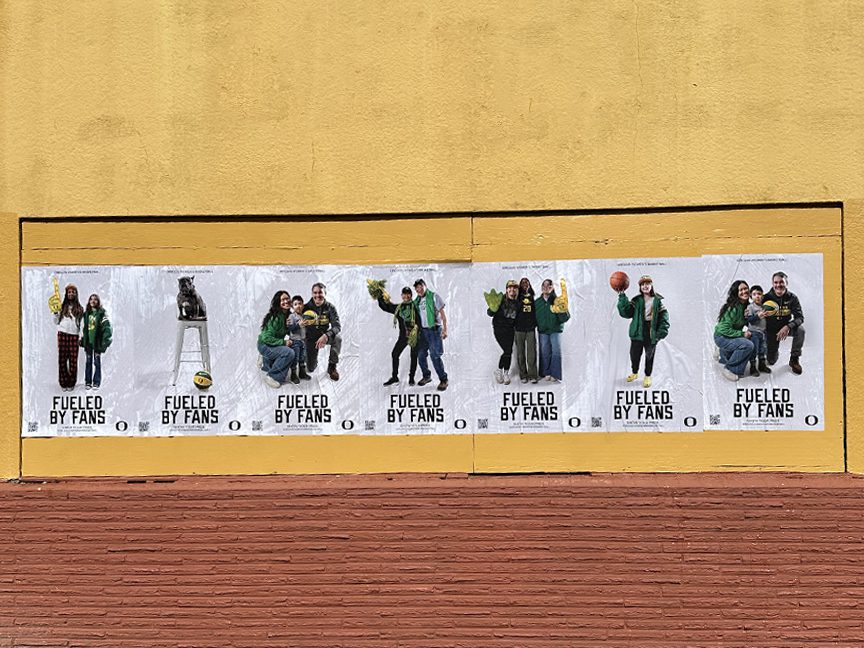
Portland has one of the most active and sophisticated street poster cultures of any mid-sized American city. The combination of a large arts and creative community, a deeply embedded music and entertainment scene, and a physical urban environment built around walkable neighborhood commercial corridors creates ideal conditions for flyposting campaigns that reach exactly the audiences most brands want to access in this market. When you walk down Hawthorne, Alberta, or Mississippi in Portland, posters are part of the visual landscape in a way that feels organic rather than imposed — which is exactly what makes the format so effective here.
Our team has executed street poster campaigns in Portland across multiple industry categories, and the market consistently over-delivers on engagement relative to campaign cost compared to larger coastal cities. Portland’s compact geography — the city’s walkable districts are concentrated within a relatively small area — allows efficient multi-neighborhood coverage at logistics costs well below what Seattle, San Francisco, or Los Angeles demand for equivalent geographic reach.
This guide covers the specific neighborhoods, surfaces, regulatory environment, and seasonal considerations that define effective flyposting campaigns in Portland — with the practical detail that brands and agencies need to plan and execute campaigns that actually perform in this distinctive market.
Portland’s Neighborhood Poster Landscape
Portland’s neighborhood structure — distinct, walkable commercial corridors with strong local identity — determines the strategic logic of any street poster campaign in the city. Each major corridor has different demographics, different surface ecosystems, and different cultural contexts for brand poster presence.
Hawthorne Boulevard: SE Portland’s Primary Arts Corridor
Hawthorne Boulevard from SE 12th Avenue to SE 50th Avenue is Portland’s longest continuous independent commercial corridor — a stretch of bookshops, record stores, coffee houses, vintage clothing boutiques, and restaurants that anchors the SE Portland lifestyle district. The demographics skew 25 to 45 year old urban progressives with above-average education levels and strong independent brand affinity. Surface availability on Hawthorne includes retail storefront posting with property owner agreements, construction hoarding in development zones, and designated community bulletin surfaces near the boulevard’s anchor institutions.
For music, entertainment, food and beverage, lifestyle, and creative culture campaigns, Hawthorne delivers one of the highest audience-quality-to-cost ratios of any major corridor in the Pacific Northwest.
Mississippi Avenue: North Portland’s Independent Retail Strip
North Mississippi Avenue is Portland’s most concentrated independent restaurant and boutique retail corridor, anchored by Mississippi Studios (a live music venue) and lined with the small-batch food, craft beverage, and independent clothing boutiques that define North Portland’s retail character. The corridor generates significant foot traffic from both neighborhood residents and destination visitors, with a demographic that skews young professional, creative class, and arts-engaged.
Mississippi Avenue’s surface ecosystem includes building facade agreements, hoarding panels from ongoing North Portland development, and the community posting culture that surrounds Mississippi Studios and the corridor’s music-adjacent businesses. Our team maintains active surface relationships on Mississippi that allow rapid poster placement for music, entertainment, and lifestyle brand campaigns targeting Portland’s young professional audience.
Alberta Arts District: NE Alberta Street
The Alberta Arts District on NE Alberta Street from 15th Avenue to 33rd Avenue is Portland’s concentrated arts and creative culture neighborhood. Monthly Last Thursday arts walks, the Disjecta contemporary art center, and the corridor’s galleries, studios, and arts-adjacent businesses create a consistent arts-engaged audience with strong brand receptivity to creative and culturally aware campaign materials. Alberta is the highest-value neighborhood in Portland for campaigns targeting the arts and creative community, and the surface ecosystem is dense — building murals, hoarding panels, and private property posting walls are all available through established relationships.
Division Street: SE Portland’s Culinary Corridor
SE Division Street from SE 11th Avenue to SE 50th Avenue has emerged as Portland’s premier culinary corridor, anchored by independent restaurants that have made the street a dining destination. Division’s demographics skew food-engaged, 28 to 48 years old, and above-average household income relative to the Portland metro. For food, beverage, hospitality, and lifestyle brands, Division Street delivers a highly receptive audience in a culinary context that makes the brand positioning land naturally.
Williams Avenue and the Cycling Corridor
N/NE Williams Avenue is Portland’s primary urban cycling corridor — a protected bike lane running through the neighborhood between the Mississippi District and the Lloyd District. The corridor is flanked by cycling-adjacent businesses, fitness studios, health food establishments, and residential properties with a strong active lifestyle demographic. For brands with outdoor, fitness, sustainability, or active lifestyle relevance, Williams Avenue delivers one of the most targeted poster placement opportunities of any urban corridor in the U.S. active lifestyle market.
Portland’s Regulatory Environment for Flyposting
Portland City Code Chapter 14A.50 prohibits the placement of posters, handbills, and similar materials on public property including utility poles, street signs, city-owned structures, and public rights-of-way. Violations are enforceable with fines that vary by incident type and enforcement context. Our team operates exclusively within the private property permission framework for all Portland campaign placements.
Private Surface Networks in Portland
Portland’s private surface network is less formally organized than networks in New York or Los Angeles, but deep enough to support comprehensive campaign coverage across all major neighborhoods. The primary surface types are: individual private property agreements with building owners and commercial operators, construction site hoarding panels managed through project developer arrangements, and designated arts and community posting areas maintained by neighborhood business associations. Our team sources surface inventory through a combination of maintained ongoing relationships and direct property owner outreach for new surface development.
The Community Posting Culture
Portland’s arts and music community has a long tradition of independently managed posting networks — building owners who maintain walls specifically designated for poster campaigns, promoters who have established surface relationships over years of live music promotion. Our team works within and alongside this culture rather than competing with it, sourcing surfaces from established relationships and building new ones through the same community networks. This integration makes our Portland campaigns contextually appropriate in a market where the authenticity of the campaign environment matters to audience receptivity.
Seasonal Considerations for Portland Flyposting
Portland’s weather creates specific material and timing considerations that outdoor campaigns in less rainy markets do not face. The city receives approximately 37 inches of rain annually, with the heaviest precipitation concentrated between October and March. Any campaign planned for the fall-through-spring window requires weather-specific material preparation.
Weather-Proof Material Specifications
Our standard Portland campaign material specification for wet-weather windows uses 100# cover stock minimum with a UV gloss laminate on the face side. Wheatpaste installation includes a full sealing overcoat applied over the installed poster. This specification extends material life from 2 to 3 weeks (standard fair-weather spec) to 4 to 6 weeks in Portland’s rainy season conditions. For campaigns that require longer display windows, we schedule mid-campaign reinstallation on a predetermined date to maintain brand-quality visual presentation throughout the full campaign period.
Best Seasonal Campaign Windows
Portland’s highest-traffic outdoor periods are May through September, when weather draws residents outdoors to the walkable corridors at much higher volumes than fall and winter. Summer campaigns benefit from dramatically higher foot traffic on all major corridors — Hawthorne, Alberta, Mississippi, Division — and from the Portland festival and music season that concentrates the creative and arts audience in outdoor public spaces. Winter campaigns reach a smaller but highly loyal pedestrian base — the year-round walkers and cyclists who do not retreat indoors during the wet season — which is often exactly the audience most aligned with Portland’s creative and independent lifestyle brands.
Campaign Logistics in the Portland Market
Portland’s compact geography makes it one of the most logistics-efficient major cities for flyposting campaign execution. The primary commercial corridors are all within a 5 to 8 mile radius of the city center, and crew movement between neighborhoods is fast enough to allow complete multi-neighborhood coverage in a single overnight installation window.
Installation Timing and Crew Structure
Our Portland installation crews operate on overnight schedules — typically 11:00pm to 4:00am — to avoid pedestrian conflict and capture the full morning-commute impression window with fresh materials. A two-person crew can complete 60 to 100 surface installations across multiple Portland neighborhoods in a single overnight window, making same-day campaign completion feasible for standard-size city campaigns.
Photo Documentation and Campaign Reporting
Every Portland installation is documented with timestamped photography at each placement location. Clients receive a post-installation photo report within 24 hours of completion, organized by neighborhood and street address. GPS coordinates for each placement are included for campaigns that require geographic audit documentation. This reporting standard is the same across all of our markets and ensures clients have complete, verifiable records of their campaign’s geographic reach.
Integrating Portland Poster Campaigns with Ground-Level Tactics
Street poster campaigns in Portland generate the ambient awareness layer. Street team activations and direct consumer engagement in the same neighborhoods compound the campaign’s impact across multiple touchpoints.
Portland Poster Campaigns Plus Street Teams
For product launches and brand activations, deploying our brand ambassador teams on Hawthorne, Alberta, and Mississippi during the same campaign window as a poster installation creates a two-vector brand encounter for consumers in those neighborhoods: the poster at eye level on their daily route, and a direct human brand interaction during their weekend shopping or dining trip. The combination converts ambient awareness into active engagement.
LED Trucks for High-Impact Portland Events
For major events in Portland — the Oregon Brewers Festival, Last Thursday, the Waterfront Blues Festival, and Portland Design Week — LED billboard trucks in the event corridors deliver large-format brand presence to the concentrated audience assembled for those events. LED truck coverage combined with poster campaigns in surrounding neighborhoods creates a layered presence that reaches both the event audience and the broader Portland market simultaneously.
Frequently Asked Questions
Where are the best flyposting locations in Portland?
The best flyposting locations include Hawthorne Boulevard in SE Portland, Mississippi and Williams Avenues in North Portland, the Alberta Arts District, Division Street in SE, and the Pearl District in NW Portland. These neighborhoods combine high pedestrian traffic with strong arts culture and audience demographics that make poster campaigns contextually effective.
Is flyposting legal in Portland?
Posting on private property with owner permission is legal in Portland. Portland City Code Chapter 14A prohibits posting on public property including utility poles, street signs, and city structures. Professional campaigns use documented private surface agreements and permitted surface networks.
How much does a flyposting campaign cost in Portland?
A professional campaign covering 40 to 80 surfaces across key neighborhoods typically runs $2,000 to $6,000 including surface fees, installation labor, and documentation. Portland’s compact geography reduces logistics costs and allows efficient coverage of multiple neighborhoods in a single installation window.
What is the Alberta Arts District’s role in Portland street poster campaigns?
The Alberta Arts District on NE Alberta Street is Portland’s highest-concentration arts and creative culture neighborhood, with an established tradition of public art and poster culture. For campaigns targeting Portland’s creative, arts-engaged audience, Alberta is the highest-value neighborhood for cultural resonance and audience quality.
Does Portland’s rainy weather affect flyposting campaigns?
Yes. Heavy fall and winter rainfall significantly affects outdoor print material durability. Professional Portland campaigns use 100# cover stock with UV gloss coating and wheatpaste application with sealing overcoat to extend material life through wet weather. Campaigns in the October through March window should budget for mid-campaign material replacement.
What brands do well with street poster campaigns in Portland?