American Guerrilla Marketing
Nationwide Service
Media planning, media buying, billboard advertising, & guerrilla marketing
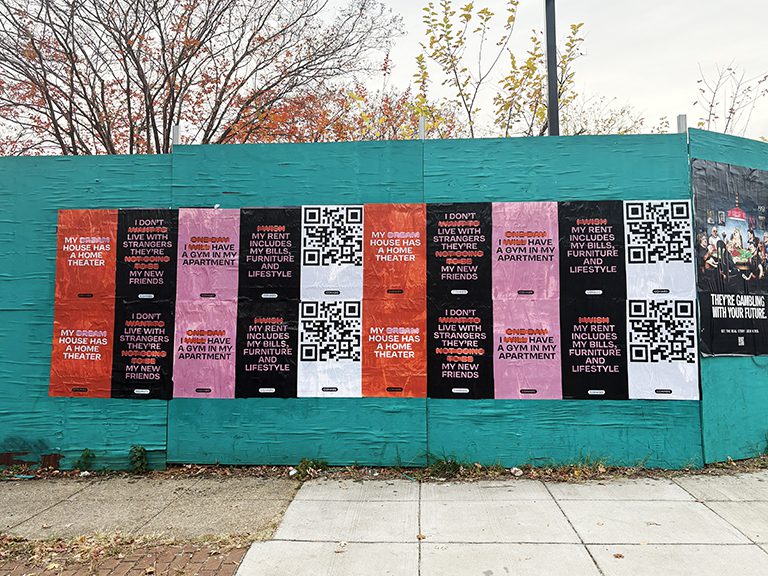
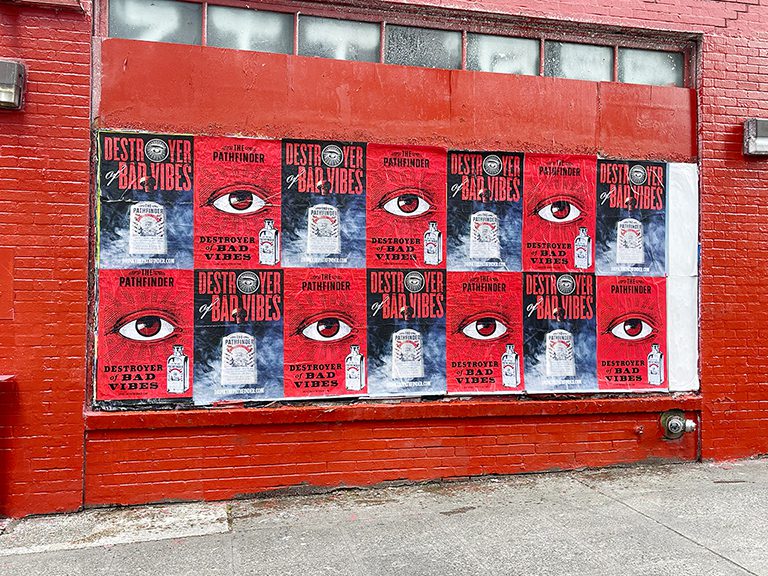
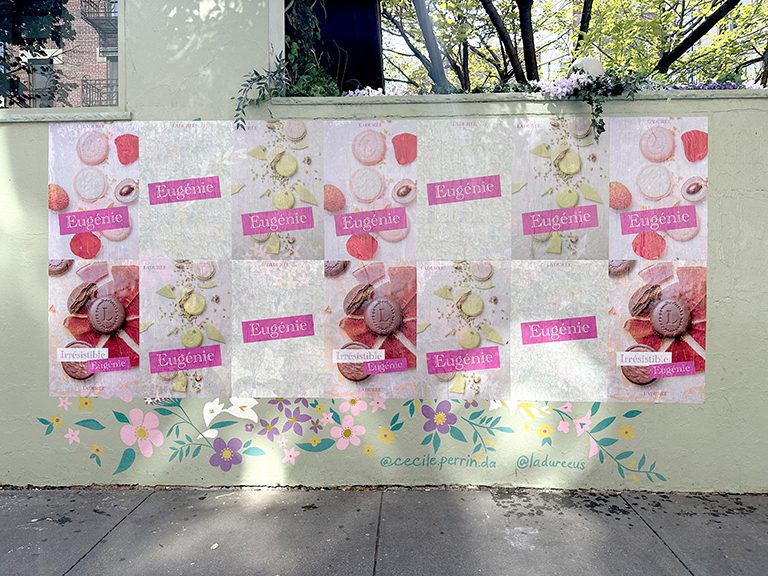
Wheat Paste Poster Campaigns Across Seattle’s Most Iconic Neighborhoods.
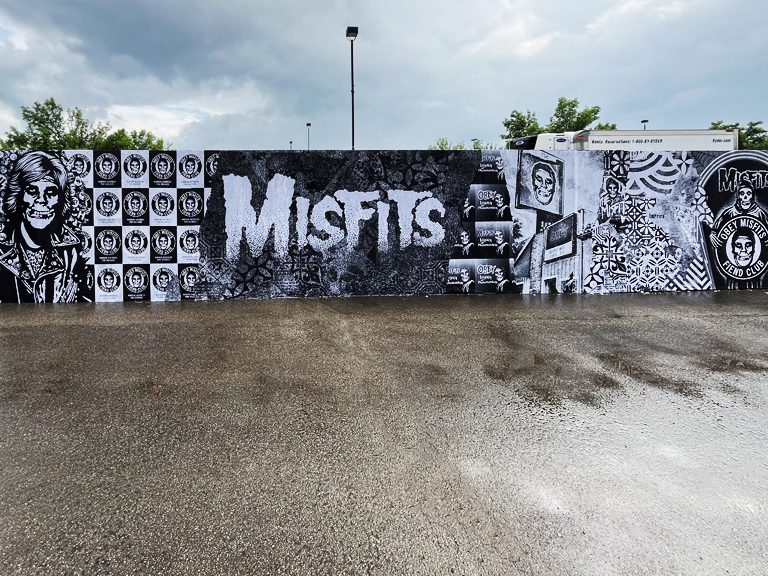
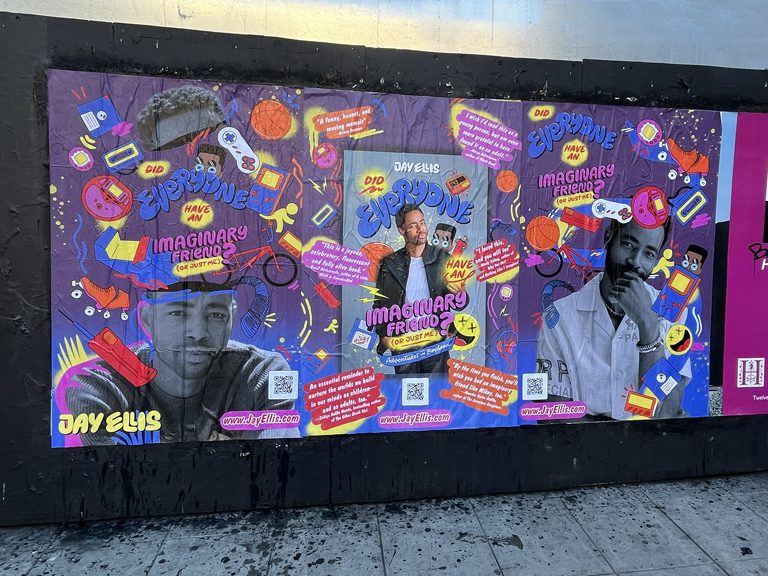
AGM wild posting campaigns for Live Nation and Netflix have generated documented earned media coverage and organic social pickup — turning poster placement into viral brand moments. Every campaign includes GPS-verified photo documentation.
Capitol Hill. Belltown. Fremont. Ballard. Georgetown. AGM puts your brand on the walls Seattle actually stops to read — with the craft and cultural fluency the city demands.
Seattle is a city that has been inventing cultural movements from its streets for decades. The grunge explosion that put the Pacific Northwest on the global map was announced not through radio spots or television commercials, but through photocopied flyers and wheat-pasted posters stapled and slapped across the walls of Capitol Hill and Belltown. The visual language of the street was Seattle’s first broadcast medium, and it has never lost its power. Today, in a city that is simultaneously the global headquarters of Amazon, the birthplace of Starbucks, and one of the most progressive and arts-forward urban communities in North America, fly posting remains one of the most credible and culturally resonant ways to announce a brand, a product, or an event.
The Seattle consumer is a particular breed. They work in tech — many literally a short walk or bike ride from Amazon’s South Lake Union campus or within shuttle distance of the Microsoft Redmond campus — but they live in neighborhoods with strong independent identities, fierce local loyalties, and a deep suspicion of anything that doesn’t feel genuinely earned. A resident of the University District can tell the difference between a brand that understands Seattle and one that is simply trying to advertise to it. Fly posting, when executed with real craft and genuine location knowledge, communicates something that no programmatic digital ad ever could: that your brand is actually here, on the block, in the neighborhood, part of the same physical reality that Seattleites inhabit every day.
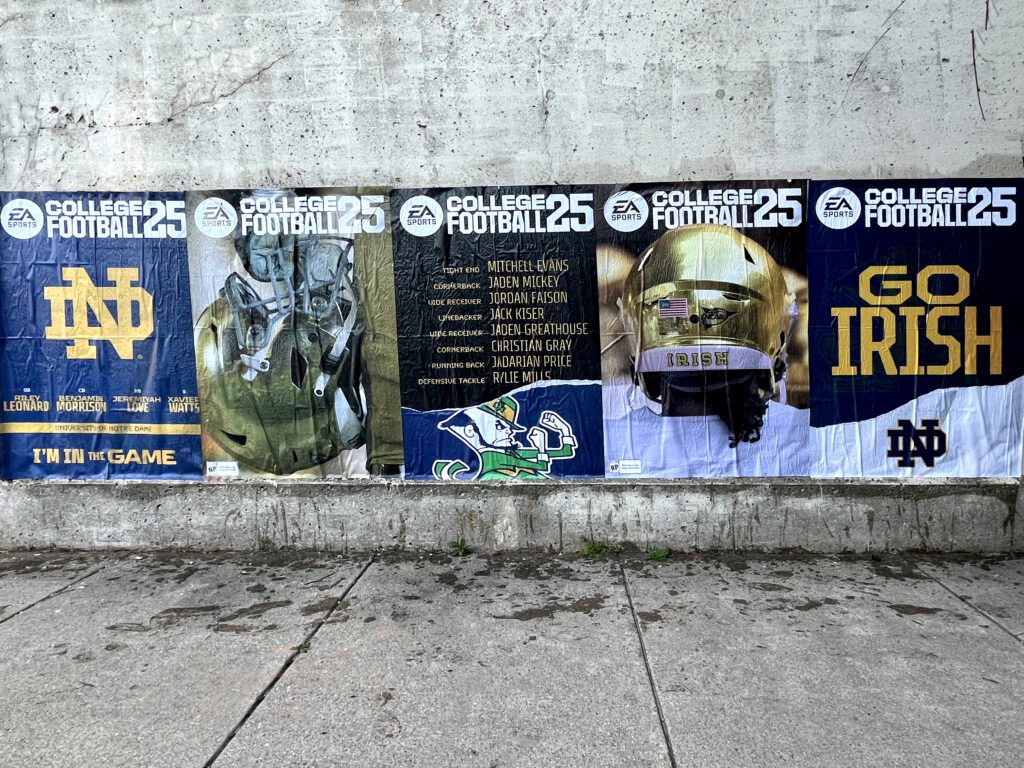
American Guerrilla Marketing has placed campaigns for clients including Netflix, The Onion, EA Sports, Biossance, and Shepard Fairey. Our Seattle deployments draw on deep neighborhood knowledge — we know which walls on the Pike-Pine corridor see the highest foot traffic on a Friday evening, which intersections in Fremont command the longest dwell time from pedestrians waiting for the light, and which surfaces in Georgetown’s industrial arts corridor have become the city’s most photographed fly posting locations. This isn’t algorithmic targeting. It’s ground-level craft applied to a city we understand.
Seattle’s population of approximately 750,000 within the city proper, and over 4 million in the greater metro area, is one of the most educated and highest-earning in the country. The median household income in the city has surged dramatically over the past decade, driven by the explosive growth of the tech sector. But the neighborhoods that make Seattle worth living in — Capitol Hill’s dive bars and drag venues, Fremont’s sculpture gardens and indie bookstores, Ballard’s Scandinavian-heritage taverns now reinvented as craft brewery destinations, Georgetown’s artist studios and hot rod garages — are where money meets culture. These are the streets where fly posting campaigns generate genuine impact, social media documentation, and the kind of earned brand awareness that no bought placement can manufacture.
AGM knows Capitol Hill from Belltown, Georgetown from Ballard, and every wall in between. Let's design a Seattle fly posting campaign that your audience can't walk past without stopping.
To understand why fly posting works so uniquely well in Seattle, you have to understand the city’s specific relationship with wall-level visual communication. From the moment Sub Pop Records began papering Capitol Hill with xeroxed show flyers in the late 1980s, Seattle’s street poster tradition has been intrinsically linked to its musical identity. Bands like Nirvana, Pearl Jam, Soundgarden, and Mudhoney were announced on walls before they were played on radio. The poster was not supplementary to the Seattle music scene — it was its first and most essential medium. That legacy is encoded into the city’s cultural DNA, and it shapes how current residents read and respond to fly posting in a way that is distinctly different from any other major American city.
Modern fly posting in Seattle operates within this tradition while deploying substantially more sophisticated production standards. Where Sub Pop’s early flyers were Xeroxed on plain stock, today’s AGM Seattle campaigns are printed at high resolution on heavy-weight, UV-coated, weather-resistant material that holds color vibrancy through Seattle’s persistent drizzle and grey-sky winters. The paste application is equally precise — our teams use professional-grade application equipment and ensure full substrate contact to prevent premature edge lift. The result is a poster that looks exactly as intended for four to eight weeks, maintaining the visual impact of a premium production while carrying the cultural credibility of the street.
The strategic function of fly posting in contemporary Seattle marketing is also evolving. As digital advertising costs in the Seattle market have climbed — driven by fierce competition among tech companies for the attention of the same demographic — the relative value of street-level advertising has increased significantly. A 48×72 wheat paste poster on a high-visibility Capitol Hill wall costs a fraction of the digital CPM required to reach the same individual on social media, and it does so without an ad blocker, without a scroll-past, and without competing with twenty other pieces of content in a feed. It demands nothing from the viewer except the brief act of noticing — and in a city of walkers, cyclists, and transit riders, noticing happens constantly.
Seattle’s transit infrastructure amplifies fly posting effectiveness in ways that are unique to the city. The light rail system connecting Capitol Hill, the University District, and downtown to South Lake Union, the Eastside, and the airport creates pedestrian convergence points at station entrances and exits where poster visibility is extremely high. The city’s extensive network of protected bike lanes along 2nd Avenue, Dexter Avenue N, and Roosevelt Way NE generates a class of viewer who moves more slowly than car traffic and has more cognitive bandwidth to absorb street-level creative. The strong walking culture across neighborhoods like Belltown, Capitol Hill, and the Central District means that a well-placed 24×36 poster at eye level on a busy sidewalk can be seen by thousands of people in a single week without a single dollar of paid media amplification.
All pricing includes professional print production on weather-resistant stock, wheat paste application by experienced Seattle-area placement teams, geo-tagged photographic documentation, and a post-campaign placement report. Large-format 48×72 placements are particularly effective on the prominent building walls and construction hoardings in South Lake Union and along the Pike-Pine corridor.
Award Winning Personalized Service
You will get thoughtful, devoted, and individualized attention from our experienced, qualified, and professional personnel. Being one of the most illustrious agencies in Brooklyn, New York, American Guerrilla Marketing has been awarded the Best of Brooklyn title.
Nationwide
Industry City, Brooklyn, New York 11232
American Guerrilla Marketing
Hours
Mon - Fri: 9 AM - 5 PM
Sat & Sun: Closed
Automate your campaign with AGM’s Request for Proposal Builder. Simply answer a few quick questions about your campaign goals, markets, and timeline, and the system will generate a tailored presentation with recommended strategies, quantities, and pricing. Click the RFP Builder to instantly receive your customized proposal.
A successful Seattle fly posting campaign begins with a precise understanding of who you are trying to reach and where they actually spend their time outside of a screen. Seattle’s neighborhoods are not interchangeable — each has a distinct demographic profile, daily rhythm, and set of cultural associations that shapes how residents respond to advertising. A campaign targeting tech product early adopters should saturate South Lake Union and the Capitol Hill corridors adjacent to Amazon’s campus, where engineers and product managers who make purchasing decisions and influence their peer networks walk daily. A campaign targeting the music and nightlife audience should concentrate on Belltown, Capitol Hill’s 10th Avenue strip, and Pioneer Square’s growing venue scene.
For outdoor gear and apparel brands — one of Seattle’s most competitive retail categories — the target corridors are the shopping strips around REI’s flagship on Pine Street, the Ballard retail district along Ballard Avenue NW, and the Fremont neighborhood where outdoor enthusiasts congregate for the weekend farmers market and cycling rides. Cannabis and craft beverage brands should target the University District along University Way NE (known locally as “The Ave”), the dense residential blocks of Capitol Hill, and the Beacon Hill commercial strip along Beacon Avenue S, where the neighborhood’s diverse, young-professional demographic is concentrated.
AGM’s Seattle campaign architecture typically deploys posters in two simultaneous waves: a primary saturation wave targeting the three to four neighborhoods most critical for the specific campaign objective, followed by a secondary placement wave in adjacent corridors to extend reach and create a sense of ubiquity. When a Seattleite sees a brand’s poster in Capitol Hill on a Tuesday morning, then sees the same campaign on a different wall in Fremont on Thursday afternoon, the cumulative effect is dramatically stronger than either placement alone. This frequency-building across neighborhoods is one of the most reliable drivers of social media amplification — the moment someone realizes a campaign is citywide, they’re more likely to photograph it and post it as a cultural moment rather than a simple advertisement.
Seattle’s major annual events create high-value campaign windows with concentrated foot traffic in specific corridors. Capitol Hill Block Party in July transforms the Pike-Pine corridor into a multi-day outdoor music festival attended by tens of thousands of the city’s most culturally engaged residents — a fly posting campaign launched in the weeks preceding the festival saturates the exact blocks the audience will occupy. Bumbershoot at Seattle Center draws crowds to the Lower Queen Anne and Seattle Center corridors in late summer. The Seattle International Film Festival creates a concentrated audience in Capitol Hill and the downtown theater district each spring. Planning campaigns to bracket these events is one of AGM’s most consistently effective Seattle strategies.
Capitol Hill is the absolute center of gravity for fly posting in Seattle. The Pike-Pine corridor — the stretch of Pike Street and Pine Street between Broadway Avenue E and 12th Avenue E — is one of the densest concentrations of bars, restaurants, music venues, boutiques, and independent retail in the entire Pacific Northwest. On a Friday or Saturday night, this three-block stretch sees foot traffic that rivals any outdoor advertising environment in the region. The walls along Broadway Avenue E, particularly in the blocks between Pike Street and Roy Street, have hosted poster campaigns from major entertainment brands for years and have become a destination for residents who follow street art and advertising as part of their cultural consumption. AGM targets this corridor with large-format 48×72 placements on construction hoardings and permitted wall surfaces that are visible from both the sidewalk and the street.
Capitol Hill’s LGBTQ+ community — one of the most organized, culturally engaged, and brand-loyal demographic segments in Seattle — is heavily concentrated in this neighborhood. Brands communicating authentically to this audience find that Capitol Hill fly posting generates earned media amplification far beyond the immediate placement, as community members document and share campaigns that feel genuinely aligned with neighborhood values. The Pike-Pine corridor also captures the overflow foot traffic from nearby Neumos, Chop Suey, and other music venues, making it a premier location for concert and event promotion.
Belltown occupies the blocks between Pike Place Market and the Seattle Center, running along 1st, 2nd, and 3rd Avenues between Bell Street and Virginia Street. This densely urban neighborhood is Seattle’s premier nightlife corridor, home to the Crocodile — one of the most historic music venues in the city — and dozens of bars and restaurants that fill nightly with Amazon employees from nearby South Lake Union, downtown office workers, and visitors staying in the neighborhood’s numerous hotels. The 2nd Avenue corridor through Belltown offers high-visibility wall surfaces with strong automobile and pedestrian sightlines. Fly posting here reaches a demographic that is simultaneously affluent, culturally engaged, and highly mobile — exactly the consumer profile that responds most strongly to brand presence in physical space.
The adjacency of Belltown to Pike Place Market creates an unusual opportunity for tourist-facing campaigns: the corridor between the market and the Belltown bar scene is one of the highest foot-traffic stretches in the entire city, drawing both local residents and the millions of annual visitors who make Pike Place one of the most-visited attractions in the Pacific Northwest. For brands with a regional or national presence seeking to make an impression on the Seattle visitor as well as the Seattle resident, Belltown fly posting provides a unique dual-audience reach.
Fremont declares itself the Center of the Universe, and for fly posting purposes, it might as well be. The neighborhood’s dense cluster of bars, restaurants, bookstores, coffee shops, and creative businesses along Fremont Avenue N and 36th Street generates a daily foot traffic volume that belies the neighborhood’s relatively modest size. Fremont attracts a broad cross-section of Seattle’s creative professional class — UX designers, software engineers who prefer character-filled neighborhoods to the glass towers of Bellevue, artists, musicians, and the kind of early-adopter consumers who are the first to try a new brand and the most likely to tell their networks about it. The Sunday Fremont Market, which draws thousands of residents from across the city to the street below the Aurora Bridge, is one of the highest-concentration public gatherings in Seattle and offers a weekly window of exceptional visibility for nearby fly posting placements.
Pioneer Square — Seattle’s oldest neighborhood, anchored by the ornate Romanesque architecture along 1st Avenue S and Occidental Avenue S — has undergone significant revitalization over the past decade. The neighborhood’s gallery corridor, craft cocktail bars, and expanding tech office presence have brought a younger, more affluent demographic into streets that were previously underutilized. On Seahawks and Sounders game days, Pioneer Square becomes one of the highest-footfall environments in the entire city, with tens of thousands of fans flowing through the neighborhood on their way to and from Lumen Field. A fly posting campaign concentrated in Pioneer Square in the days leading up to major game days reaches an audience measured in the tens of thousands within a single weekend.
Georgetown — the industrial arts neighborhood south of SoDo along Airport Way S and Georgetown Crescent — has cemented its position as Seattle’s most interesting arts destination over the past decade. The Georgetown Art Attack, held twice annually, draws gallery-hopping crowds through the neighborhood’s warehouses and studios, but the real opportunity for fly posting is in Georgetown’s everyday aesthetic: the neighborhood’s industrial surfaces, warehouse walls, and street art tradition make it a natural home for large-format wheat paste campaigns that feel artistically considered rather than commercially imposed.
The University District, surrounding the University of Washington’s main Seattle campus, is one of the city’s most demographically concentrated fly posting markets. Approximately 47,000 students are enrolled at UW Seattle, and their daily movement patterns along University Way NE — the stretch universally known to Seattleites as “The Ave” — create sustained, high-density foot traffic seven days a week during the academic year. The Ave between NE Campus Parkway and NE 50th Street is lined with independent restaurants, used bookstores, vintage shops, and coffee houses that draw not only students but the neighborhood’s significant population of faculty, staff, and longtime residents. Roosevelt Way NE, running north from the University District through Ravenna and Green Lake, offers a secondary corridor with strong residential foot traffic and excellent visibility from both pedestrians and cyclists on the Burke-Gilman Trail crossing.
Ballard has transformed from a working-class Scandinavian fishing neighborhood into one of Seattle’s most desirable destinations for young professionals and families, anchored by a vibrant craft brewery scene along NW Leary Way and Ballard Avenue NW, a strong independent retail corridor on Ballard Avenue NW, and the Ballard Farmers Market that draws thousands of residents every Sunday. The neighborhood’s dominant demographic — educated, professional, 28-42 years old, household income well above the city median — is a premium target for brands in the craft beverage, outdoor gear, home goods, and premium food sectors. Market Street through the heart of Ballard is the neighborhood’s main commercial spine and offers consistent high-visibility placement opportunities for both standard and large-format fly posting.
South Lake Union is the geographic center of Amazon’s Seattle presence, and its streets on a weekday lunch hour are filled with tech workers, construction crews building the next wave of towers, and the supporting service economy that has grown up around one of the largest private employers in city history. Fly posting along Westlake Avenue N and Dexter Avenue N in South Lake Union reaches this extremely high-earning, highly connected professional demographic in the moments between screen time — a proven high-impact window. Rainier Avenue S, running through the Rainier Valley south of downtown, offers a very different demographic profile: the city’s diverse communities of Southeast Asian, East African, and Latino residents, as well as the growing population of young renters priced out of Capitol Hill who have settled in Beacon Hill and Columbia City. Campaigns targeting multicultural urban audiences should extend their Seattle reach down Rainier Ave to capture this fast-growing market segment.
Seattle’s reputation for rain is, if anything, slightly exaggerated — the city’s precipitation is more drizzle than downpour, with most rainfall occurring as light, persistent mist rather than heavy storms. That said, AGM has specifically optimized its Pacific Northwest deployment materials for wet conditions. We use heavy-weight, UV-coated poster stock that resists moisture penetration, and our paste formulation creates a bond strong enough to withstand repeated damp conditions without edge separation. Posters placed in Seattle consistently maintain full visual integrity for four to eight weeks across all seasons, including the grey November through February period that represents Seattle’s wettest weather.
Capitol Hill’s Pike-Pine corridor consistently generates the highest rate of organic social media documentation of any Seattle fly posting location. The neighborhood’s population of creative professionals, LGBTQ+ community members, and culturally engaged young adults has an extremely high smartphone camera usage rate, and striking creative on the corridor’s most prominent walls reliably appears on Instagram, TikTok, and Twitter within hours of placement. Georgetown is the second-highest-performing neighborhood for earned social amplification, driven by the area’s strong street art community whose members follow new postings closely and document them regularly. Fremont rounds out the top three, particularly during the Sunday market when thousands of social-media-active residents are in immediate vicinity of our placement corridors.
South Lake Union’s concentration of Amazon employees — estimated at over 50,000 working in the campus at any given time — makes it one of the most valuable demographic targets in any American city. These are high-earning, early-adopting consumers who are also among the most digitally saturated in the country, spending the majority of their workday in front of screens and deploying sophisticated personal ad-blocking practices. Fly posting reaches them in the narrow but precious offline moments of their day: the walk to the nearby Whole Foods for lunch, the commute through the SLU streetcar corridor, the evening walk to a South Lake Union bar. AGM targets Westlake Avenue N, Dexter Ave N, and the cross streets between Mercer and Denny in South Lake Union specifically for campaigns targeting the tech professional demographic.
The University of Washington’s main Seattle campus is one of the most concentrated fly posting markets in the Pacific Northwest. With approximately 47,000 enrolled students and tens of thousands of faculty, staff, and adjacent residents, the University District generates foot traffic density comparable to the city’s busiest commercial neighborhoods. AGM targets The Ave (University Way NE) between NE Campus Parkway and NE 50th Street as the primary University District fly posting corridor, with supplementary placements along NE 45th Street, the Ship Canal Bridge approach, and the Roosevelt Way NE corridor. Academic calendar timing is critical — campaigns should be placed during the academic year, ideally in the first weeks of fall and winter quarters when student engagement with campus-area street advertising is highest.
For concert and live event promotion in Seattle, the 24×36 format in a 100-poster campaign is the most common and cost-effective choice. This format has a native association with the Seattle music poster tradition — it’s the standard size that defined the Sub Pop and grunge-era show flyer aesthetic — and audiences recognize it as the signal of a legitimate music event. For large-scale festivals or marquee shows at venues like the Moore Theatre, Paramount Theatre, or KeyArena, the 48×72 format commands significantly more visual presence and is appropriate for campaigns with a wider geographic radius beyond a single neighborhood. AGM recommends 24×36 for venue-specific promotions and 48×72 for citywide event campaigns that need to build anticipation across multiple Seattle neighborhoods simultaneously.
Capitol Hill Block Party, held annually in late July, is the single most competitive fly posting window in the Seattle calendar year. The combination of massive foot traffic in the Pike-Pine corridor, intense media attention from local and national music press, and the organic social documentation behavior of the festival’s attendees makes it the highest-value fly posting opportunity in the city. AGM typically books out available Capitol Hill CHBP placements eight to twelve weeks in advance. We recommend contacting our Los Angeles office no later than May for any campaign targeting the Block Party window. Late-booking clients are often redirected to adjacent corridors in Belltown and First Hill, which still capture significant festival spillover traffic.
Seattle and Washington State have specific advertising restrictions on cannabis brands relating to placement within 1,000 feet of schools, parks, and youth-oriented facilities. AGM’s Seattle placement database accounts for these buffer zones and automatically excludes non-compliant locations from cannabis brand campaigns. We are experienced in executing compliant fly posting campaigns for cannabis dispensaries and brands in Seattle’s most relevant target corridors — Capitol Hill, Belltown, and the Central District — while steering clear of locations that would trigger regulatory issues. All cannabis fly posting campaigns receive a compliance review from our Los Angeles office before deployment authorization is issued.
Grand opening fly posting campaigns are among the most effective uses of the medium in Seattle. A new restaurant opening in Capitol Hill, Ballard, or Fremont has approximately two to three weeks to build neighborhood awareness before the critical opening weekend, and fly posting deployed in a two-block radius around the address during that window builds the street-level familiarity that translates directly into first-visit foot traffic. Locals who see a poster for an upcoming opening on their daily commute route develop a sense of anticipation and curiosity that pays dividends when the doors open. AGM typically recommends a 100-poster 24×36 campaign for neighborhood-scale opening campaigns, concentrated within a half-mile radius of the new location to maximize local-resident frequency.
Ballard’s craft brewery corridor along NW Leary Way — home to Hales Ales, Reuben’s Brews, Stoup Brewing, Peddler Brewing, and a growing roster of taprooms — draws residents from across the city to a neighborhood that is also rich with foot traffic from the weekly farmers market and the Sunday Ballard Flea Market. AGM targets the Ballard Avenue NW and 17th Avenue NW corridors, as well as the NW Leary Way approach to the brewery district, with fly posting for craft beverage clients entering the Seattle market. The demographics of the Ballard weekend brewery visitor — 28-45, above-average income, strong brand awareness and brand loyalty — align precisely with the consumer profile that makes fly posting most effective as a brand introduction medium.
Every Seattle fly posting campaign executed by AGM is documented with a comprehensive photographic proof-of-posting report. Each placement is photographed on the day of installation, capturing the poster in the context of its specific location — the corner of 10th and Pine, the wall on Fremont Avenue N north of the bridge, the hoarding alongside the SLU construction site. Photographs include environmental context to verify the precise location and the condition of the poster at time of placement. The full report is compiled and delivered to the client within 72 hours of the campaign’s completion. For multi-wave campaigns, interim reports are delivered after each deployment phase.
AGM’s minimum order for a Seattle fly posting campaign is 100 posters in the 24×36 format, priced at contact us for pricing. This quantity is sufficient to achieve meaningful saturation within one to two Seattle neighborhoods — for example, a focused Capitol Hill campaign or a Ballard-and-Fremont paired deployment. Clients seeking citywide Seattle saturation across five or more neighborhoods typically opt for 200-poster campaigns to ensure each target corridor receives adequate frequency. The 200-poster 24×36 campaign at contact us for pricing represents AGM’s most popular Seattle format, offering a meaningful step-up in coverage for a modest increase in investment.