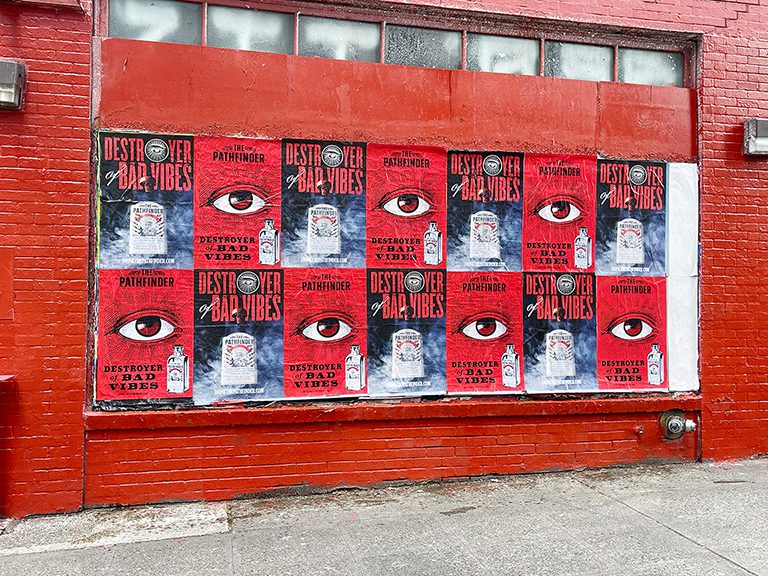
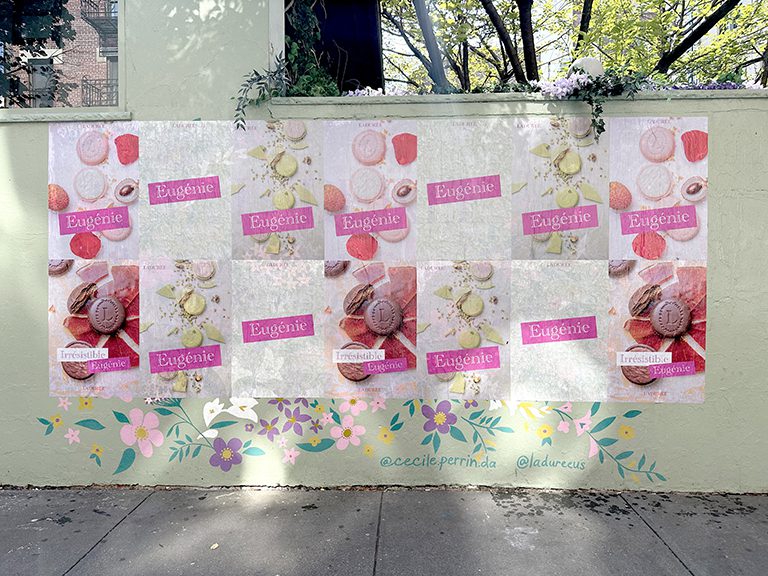
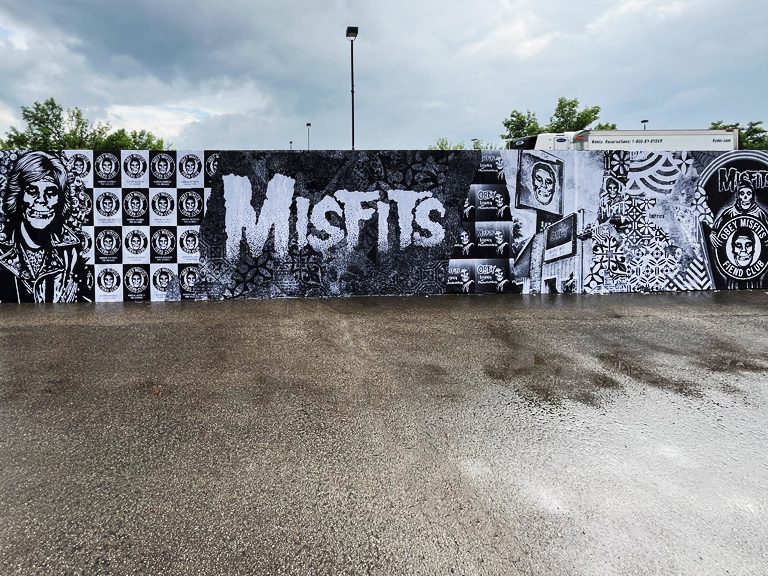
🚀 NEW WHEATPASTING MARKETS Discover our wheatpasting campaigns in : 🇬🇧 London • 🇨🇦 Canada • 🇲🇽 Mexico City

American Guerrilla Marketing

Nationwide Service

Media planning, media buying, billboard advertising, & guerrilla marketing

Fly Posting in Baton Rouge, Louisiana

Sidewalk Decals Advertising in Baton Rouge, Louisiana

Baton Rouge runs on two schedules: the LSU football calendar and everything else. AGM places fly posting where the audiences actually are — Chimes Street before game day, Third Street on a Friday night, Government Street in Mid City any given Tuesday.

Baton Rouge divides cleanly into audience zones that don’t always overlap. The LSU corridor — Highland Road, Chimes Street, and the approach blocks around Tiger Stadium — runs on the rhythm of the football season. Eight home games per year concentrate tens of thousands of people through those streets, and the city’s bar and restaurant economy peaks in the 48 hours surrounding each kickoff. During that window, foot traffic on Chimes and Highland rivals anything in Louisiana outside of Mardi Gras in New Orleans. It’s the kind of predictable, high-density audience moment that makes fly posting the right tool for the job.

Outside of football season, Baton Rouge has a different character. State government employees move through the North Boulevard and Government Street corridors on weekdays, creating a professional audience that doesn’t overlap much with the LSU crowd. Mid City — the stretch of Government Street between College Drive and Acadian Thruway — has spent the better part of the last decade becoming Baton Rouge’s genuine creative district. Independent restaurants, arts organizations, renovated commercial buildings, and a growing young professional population have settled there, drawn by affordability and proximity to downtown without the bar-strip energy. The Perkins Road Overpass area is its own orbit entirely: a cluster of independent music venues and bars along Perkins Road near Jefferson Highway that draws the city’s arts and indie music crowd independently of football, government, or the Third Street nightlife scene.

American Guerrilla Marketing has executed fly posting campaigns in Baton Rouge long enough to know how these zones interact and when each one activates. A campaign here is not a single-market play — it’s a decision about which of three or four distinct audiences you’re trying to reach, and which combination of corridors, surfaces, and timing gets you in front of that audience when it’s most concentrated. We handle that strategy, the logistics, the installation, and the documentation. Here’s how it works.


Start Your Baton Rouge Fly Posting Campaign

Baton Rouge has the audiences — on Chimes Street before kickoff, on Third Street on a Friday night, on Government Street in Mid City on a Tuesday afternoon. AGM puts your campaign in front of them at the right moment. No subcontractors, no guesswork, complete documentation. Contact us to start planning your Baton Rouge fly posting campaign.

Browse Cities in Louisiana

Select a city to explore Fly Posting Advertising opportunities.

Baton Rouge Neighborhoods For Fly Posting

Baton Rouge’s fly posting geography divides into four primary zones. Each serves a meaningfully different demographic, and the right selection depends entirely on your campaign’s target audience and the time of year you’re running.

Highland Road and Chimes Street — The LSU Corridor

The Chimes and Highland intersection is the undisputed center of student and young professional street activity in Baton Rouge. The blocks along Chimes Street from the Chimes/Highland corner toward the LSU campus perimeter are lined with bars, restaurants, and late-night venues that operate on the football schedule and stay busy on ordinary weekends year-round. On a home game Saturday, this corridor is moving at full capacity from pre-dawn tailgate setup through the early morning hours after the game. The posting surfaces here include utility and electrical structures, commercial building facades on the older brick-and-plaster buildings lining the main strip, and the approach walls along Nicholson Drive, North Stadium Drive, and Dalrymple Drive as they near Tiger Stadium. This is the single most efficient posting location in the Baton Rouge market for campaigns targeting the 18–35 student and young professional demographic.

The corridor also benefits from a built-in out-of-town component. LSU draws alumni and opposing-team fans from across Louisiana and the Southeast for every home game. Visitors who don’t live in Baton Rouge still move through the Chimes corridor on game weekends, creating reach beyond the local market that is especially valuable for entertainment, music, and brand awareness campaigns.

Third Street — Downtown Entertainment District

Third Street is Baton Rouge’s adult nightlife and dining corridor. The blocks between River Road and Fifth Street are dense with bars, restaurants, and performance venues. The district operates on a different clock than Chimes Street — it draws a slightly older professional crowd and a significant event audience from the Raising Cane’s River Center on River Road, which hosts LSU basketball games, national touring concerts, and conventions throughout the year. When the River Center has a major event, Third Street absorbs the overflow foot traffic before and after, creating concentrated audience moments that map precisely onto the posting surfaces in that corridor.

Building surfaces along Third Street include former commercial buildings with exposed brick and plaster facades, parking structure perimeter walls on the infill lots between restaurant blocks, and signage-bearing commercial buildings with clean exterior faces well-suited to large-format posting. The inventory here supports both 24×36 and 48×72 formats. For campaigns where the downtown professional and event-goer audience is the target — rather than the LSU student crowd — Third Street is the primary zone.

Mid City and Government Street

Mid City’s Government Street corridor — from College Drive to Acadian Thruway — is the most actively evolving commercial strip in Baton Rouge. Independent restaurants have replaced vacant storefronts, arts organizations have taken up residence in renovated buildings, and the residential blocks surrounding the corridor have attracted a young professional demographic that has made Mid City a cultural identity distinct from LSU or downtown. The audience here is creative-leaning, slightly older than the Chimes crowd, and more deeply rooted in the city’s year-round life rather than the football-season rhythm.

The building stock is a mix of older wood-frame and masonry commercial structures on the mixed commercial/residential blocks typical of Baton Rouge’s mid-20th-century development pattern. These surfaces work well for standard 24×36 posting. For brands targeting the arts, food, independent music, or young professional creative market, Mid City delivers a more precise demographic hit than the volume-driven corridors of Chimes or Third Street. North Boulevard — the parallel arterial one block north — adds a weekday government employee audience during working hours, extending the reach of a Mid City campaign into the professional sector.

Perkins Road Overpass

The Perkins Road Overpass area is a cluster of independent music venues and bars along Perkins Road near Jefferson Highway that operates as a distinct entertainment district without significant overlap with the LSU corridor, Third Street, or Mid City. Venues in this area draw Baton Rouge’s arts and underground music community — a demographic that is deeply local, highly engaged with street-level visual culture, and deliberately outside the mainstream bar-strip scene. The audience that moves through the Overpass on a live music night is precisely the kind that fly posting was built to reach: people who pay attention to what’s on walls, who respond to visual information in the urban environment, and who are culturally aligned with the brands and artists most commonly using fly posting as a medium.

Posting surfaces near the Overpass venues are typically found on commercial building exteriors, utility structures, and the mixed commercial properties that line Perkins Road through the district. Campaigns targeting arts, indie music, live entertainment, and culturally-positioned consumer brands perform particularly well in this zone.


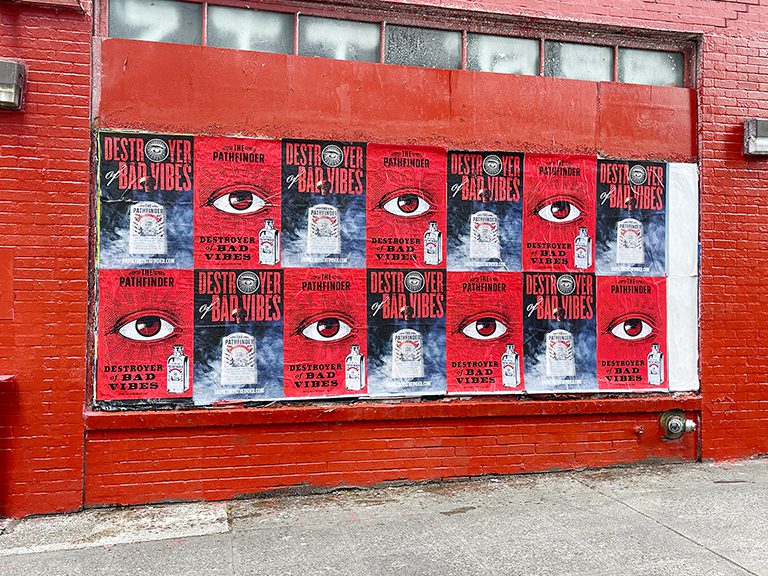
Key Events And Activation Windows In Baton Rouge

Baton Rouge’s event calendar provides a reliable structure of high-concentration audience moments throughout the year. The football season is the dominant driver, but the city has enough live event culture to support fly posting campaigns in nearly every month.

LSU Tigers Football Home Games

LSU plays eight home games per season at Tiger Stadium — Death Valley — and each one reshapes foot traffic patterns across the entire city for 48 to 72 hours. The Highland/Chimes corridor is ground zero from the morning of game day through the post-game period. Downtown Third Street absorbs a second wave of event traffic from visiting alumni and fans who move from the stadium area toward the river. Approach corridors on Nicholson Drive, North Stadium Drive, and Dalrymple Drive are packed with pedestrians in the hours before kickoff. AGM times Baton Rouge installations to coincide with the early-season home games when attendance runs highest and the concentration of new-to-campus students makes the audience most receptive to brand and event promotion.

Baton Rouge Blues Festival

Held each April, the Baton Rouge Blues Festival is one of the city’s signature spring cultural events and one of the most important annual activation windows outside of football season. The festival draws a dedicated blues and roots music audience, including significant out-of-town participation from across the region. Downtown Baton Rouge becomes the focal point during the festival, and posting in the Third Street district and the blocks connecting the convention area to the riverfront captures festival-goers in the days around the event. The spring timing is also ideal for weather durability, making April a strong month for campaign launches in Baton Rouge generally.

Mardi Gras Season — Krewe of Artemis

Mardi Gras extends to Baton Rouge in February with parades including the Krewe of Artemis, which routes through residential and commercial areas and generates sustained street-level audience activity in the days surrounding the parade. While Baton Rouge’s Mardi Gras doesn’t reach the scale of New Orleans, the parade season creates a period of heightened street activity and social engagement across the city. Fly posting installed in the weeks before Fat Tuesday intercepts this seasonal audience at its most active.

Live Music at The Varsity Theatre and Chelsea’s Café

The Varsity Theatre on Third Street is Baton Rouge’s most prominent mid-size live music venue, hosting national touring acts and regional artists throughout the year. Chelsea’s Café in Mid City is a consistent generator of arts and music audience concentration in the Government Street corridor. Both venues draw audiences that are meaningfully different from the LSU football crowd — older, more arts-focused, and year-round in their engagement with the city’s cultural life. Show nights at either venue create targeted audience windows for fly posting campaigns in their respective neighborhoods.

Baton Rouge Pride and Community Events

Baton Rouge Pride and events at the North Boulevard and Government Street arts corridor generate audience concentration for campaigns targeting progressive and creative demographics in the city. Greek Fest at Holy Ghost Church is another event that draws a distinct neighborhood audience. These smaller events are effective windows for brands with a specific community or cultural alignment, allowing precise targeting within Baton Rouge’s diverse audience landscape.

Build Your Fly Posting Campaign

    Award Winning Personalized Service

    You will get thoughtful, devoted, and individualized attention from our experienced, qualified, and professional personnel. Being one of the most illustrious agencies in Brooklyn, New York, American Guerrilla Marketing has been awarded the Best of Brooklyn title.

    Nationwide

    Industry City, Brooklyn, New York 11232

    American Guerrilla Marketing

    +1 (646) 776-2770

    [email protected]

    Telegram: @americanguerillamarketing

    Hours

    Mon - Fri: 9 AM - 5 PM

    Sat & Sun: Closed

    Automate your campaign with AGM’s Request for Proposal Builder.

    Automate your campaign with AGM’s Request for Proposal Builder. Simply answer a few quick questions about your campaign goals, markets, and timeline, and the system will generate a tailored presentation with recommended strategies, quantities, and pricing. Click the RFP Builder to instantly receive your customized proposal.

    Fly Posting Formats For Baton Rouge Campaigns

    AGM offers two standard poster formats for Baton Rouge fly posting campaigns. Format selection depends on the surface types in your target neighborhoods and the visual impact required by your creative.

    24×36 Poster — Standard Format

    The standard fly posting format and the most versatile option for Baton Rouge’s posting environment. Works across the full range of surfaces in the Highland/Chimes corridor, Mid City, Perkins Road, and Third Street — commercial building facades, utility structures, and mixed-use building perimeters. Scaled to street-level visibility with readable detail at walking and slow-drive distance.

    • 100 placements: contact us for pricing
    • 200 placements: contact us for pricing
    • Additional creative: contact us for pricing

    48×72 Poster — Large Format

    The large-format option for maximum visual impact. Best suited for the higher-wall surfaces in the Third Street downtown district and select Mid City commercial buildings where blank exterior walls accommodate an oversized poster without competing visual clutter. Commands attention from a full block’s distance and works well for campaigns where a single dominant image is the priority.

    • 100 placements: contact us for pricing
    • 200 placements: contact us for pricing
    • Additional creative: contact us for pricing

    Many Baton Rouge campaigns run both formats — 24×36 in the Highland/Chimes corridor and Perkins Road areas, 48×72 on select Third Street walls — to cover the market at different scales and in different audience zones simultaneously.

    How AGM Executes in Baton Rouge

    AGM does not use subcontractors in Baton Rouge. Every campaign is executed by AGM’s own installation team, which means direct accountability for location selection, surface preparation, installation quality, and documentation at every step. There is no handoff to a third party, no inconsistency between what’s planned and what gets installed, and no gap in the chain of custody between the design you approve and the poster that goes on the wall.

    Surface conditions in Baton Rouge vary significantly by neighborhood. The older commercial buildings on Third Street and Government Street in Mid City are predominantly brick with plaster coatings — surfaces that hold wheat paste well when the adhesive is applied correctly, but that require experienced preparation to prevent peeling caused by moisture infiltration in humid conditions. The residential transition zones in Mid City include wood-frame construction with painted exterior siding, which requires a different application technique. The Highland/Chimes corridor has more utility structures and concrete surfaces. AGM’s team scouts each target zone before installation, identifying specific surfaces that offer the right combination of visibility, pedestrian traffic, and adhesion conditions for your campaign’s format and duration.

    Baton Rouge’s subtropical climate — sustained heat and humidity throughout summer, with mild but damp winters — affects how long posters remain in good condition. Spring campaigns running from March through May and fall campaigns from September through November consistently achieve the best durability. Summer installations for specific event windows are absolutely executed, but AGM advises clients to plan for a shorter active display period during the peak heat months. Winter installations during Mardi Gras season typically hold up well, as February temperatures are cooler and drier than the summer average.

    Every placement is photographed at the time of installation with geotagged images that record the specific location. Clients receive a complete photo report organized by neighborhood and installation date, delivered within 48 to 72 hours of campaign completion. The report documents the posting address, surface type, poster format, and installation date for every placement. This documentation serves as proof of performance and provides a geographic record of where your campaign ran across the city.

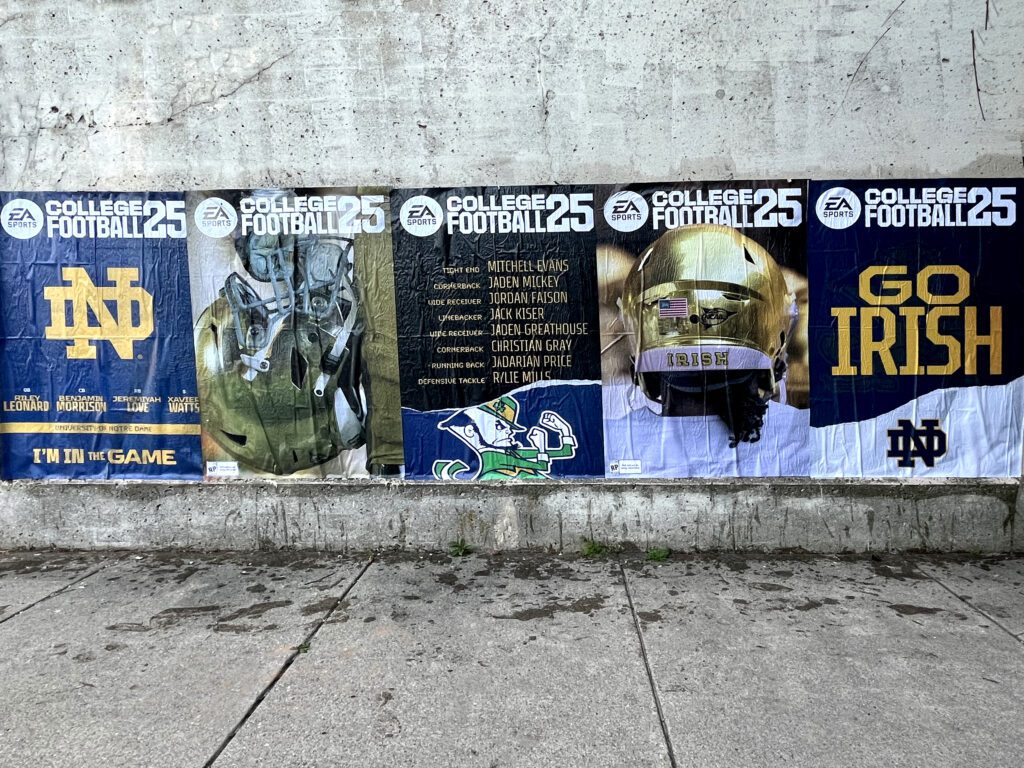
    AGM has worked with clients including Netflix, The Onion, EA Sports, Biossance, and Shepard Fairey. The workflow — strategic location selection, precise installation, complete documentation — is consistent regardless of campaign scale. A 100-placement Baton Rouge campaign runs through the same process as a multi-city national deployment.

    Frequently Asked Questions — Fly Posting in Baton Rouge

    The Highland Road and Chimes Street corridor near LSU is the highest-density foot traffic zone in the city, particularly during football season. Third Street downtown is the right zone for nightlife and event-driven audiences tied to the Raising Cane’s River Center. Mid City along Government Street reaches young professionals and the arts community. The Perkins Road Overpass area targets the indie music and arts crowd. The right choice depends on your audience — most Baton Rouge campaigns use two of these zones in combination.

    LSU plays eight home games per season, and each one concentrates the largest single-day audience the Baton Rouge market produces. The Highland/Chimes corridor and downtown Third Street both hit peak volume in the 48-hour window around each home game. AGM factors the home game schedule into Baton Rouge campaign planning so that installations are in place before the highest-attendance games, maximizing the number of impressions during the periods when the most people are moving through the market.

    Highland Road and Chimes Street is predominantly a student and young adult zone — dense, bar-heavy, and driven by the football schedule. The audience skews 18–28 and is concentrated in predictable patterns around LSU events and weekend nights. Third Street is Baton Rouge’s adult entertainment and dining corridor, drawing a somewhat older professional demographic alongside event attendees from the Raising Cane’s River Center. If your brand targets college students, Chimes is the primary zone. If you’re targeting working professionals and event attendees, Third Street is the better fit.

    Yes. AGM schedules installations to precede LSU home game weekends. Posters go up before the tailgate period begins so that the campaign is visible from the first wave of arriving fans through the post-game dispersal. The approach roads to Tiger Stadium — Nicholson Drive, North Stadium Drive, Dalrymple Drive — and the Highland/Chimes bar strip are the primary installation zones for game-weekend campaigns. Installations completed mid-week before a Saturday home game capture the full tailgate audience from setup through the final horn.

    Downtown Baton Rouge has a solid inventory of former commercial buildings with exposed brick and plaster exterior facades along the Third Street corridor, parking structure perimeter walls on the infill lots between restaurant blocks, and commercial building sides that face foot-traffic paths between River Road and the main bar strip. The Raising Cane’s River Center proximity adds value to surfaces in the blocks immediately surrounding the arena, where pre- and post-event foot traffic concentrates. Both 24×36 and 48×72 formats are accommodated by the available surface inventory in downtown.

    Mid City is the more precise tool for reaching young professionals who have aged out of the Chimes Street bar scene. The Government Street corridor attracts people who are still embedded in Baton Rouge’s creative and food culture but are no longer students — arts professionals, independent business operators, teachers, and service-industry workers who live nearby. The LSU corridor also has some young professionals in the mix, but they’re outnumbered by students. For brands targeting early-career adults with some disposable income and arts-forward values, Mid City outperforms Chimes in precision even if it underperforms in raw volume.

    LSU football home games are the single strongest driver of concentrated foot traffic in the Baton Rouge market. Beyond football, the Baton Rouge Blues Festival in April, events at the Raising Cane’s River Center (concerts, basketball, conventions), live music nights at The Varsity Theatre and Chelsea’s Café, and Mardi Gras season parades are the most reliable activation windows. Baton Rouge Pride and cultural events on the North Boulevard arts corridor provide targeted windows for specific community audiences throughout the year.

    24×36 is the primary format across most of Baton Rouge’s posting zones — it fits the scale of the commercial building stock in the Highland/Chimes corridor, Mid City, and Perkins Road, and it works on utility structures and mixed-use building facades throughout the market. 48×72 is effective in the Third Street downtown district and on select larger walls in Mid City. Many Baton Rouge campaigns deploy 24×36 as the dominant format with a smaller number of 48×72 placements in high-visibility downtown locations for impact. AGM can advise on the right mix based on your target neighborhoods and budget.

    Yes. AGM regularly executes combined Louisiana campaigns that cover Baton Rouge and New Orleans in a single coordinated deployment. The two cities are roughly 80 miles apart and serve distinct but complementary audiences — the LSU/government/young professional market in Baton Rouge versus the tourism, entertainment, and arts market in New Orleans. A combined booking allows a single campaign to reach both markets with unified reporting under one point of contact.

    Baton Rouge’s heat and humidity are significant factors in campaign planning. Summer temperatures regularly exceed 90°F with high relative humidity, which accelerates paper degradation and can cause premature peeling even with properly applied wheat paste. Spring (March–May) and fall (September–November) are the optimal windows for durability. Summer campaigns are executed successfully — particularly for short-window event promotions where the poster only needs to perform for two to three weeks — but clients should expect a shorter active display period. AGM uses wheat paste formulated for high-humidity conditions and selects surfaces with protection from direct downward rain where available.

    Entertainment and live events are the most consistent category — touring artists, concert promoters, festival announcements, and venue-driven campaigns for The Varsity Theatre and River Center events. Music and streaming platform campaigns targeting the LSU-age demographic are a strong second category. Film and television production marketing has increased alongside Louisiana’s growing production incentive program. Food, beverage, and nightlife brands targeting the Third Street and Chimes corridor round out the typical client profile for Baton Rouge fly posting.

    Every installation is photographed at the time of posting with geotagged images tied to the specific location. Clients receive a complete photo report organized by neighborhood and installation date, delivered within 48 to 72 hours of campaign completion. The report documents the posting address, surface type, poster format, and installation date for each placement. This gives clients a verifiable, location-specific record of every poster in their campaign and where it ran in the Baton Rouge market.

    Browse All States

    Explore Fly Posting Advertising opportunities across the United States.

    No locations found

    American Guerrilla Marketing Blog Posts