American Guerrilla Marketing
Nationwide Service
Media planning, media buying, billboard advertising, & guerrilla marketing
Bus & Transit Advertising in Maine
AGM works as your media planning and buying partner for bus and transit line advertising — we source placements through established vendor and transit authority relationships, negotiate rates on your behalf, and manage the campaign from creative specs through to proof-of-performance reporting. You work with one team; we handle the operators and inventory owners.
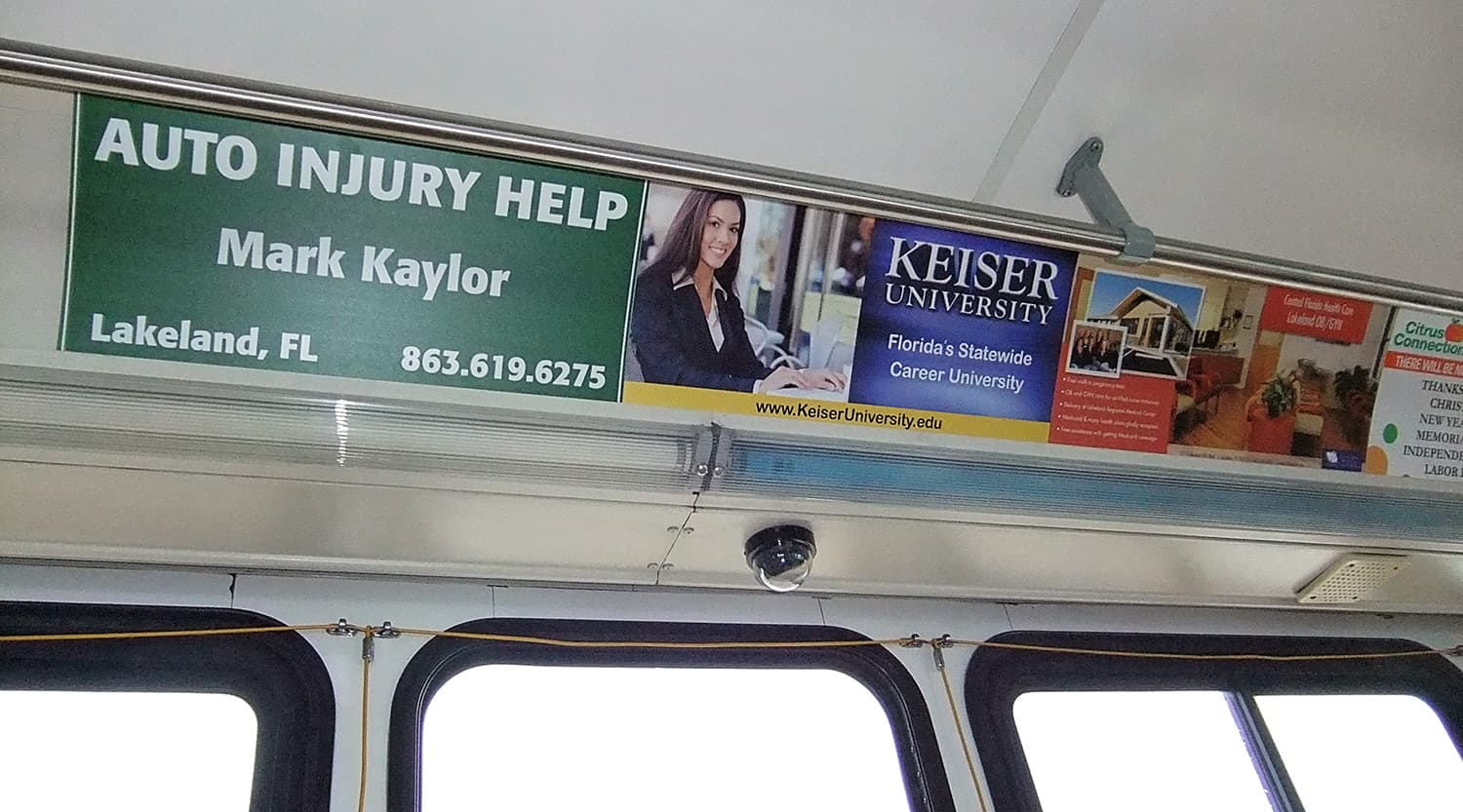
American Guerrilla Marketing places interior bus and shelter advertising across every major Maine transit system. Portland, Biddeford-Saco, the Acadia National Park region, Downeast, central Maine, and Bangor. Direct execution. 500+ campaigns nationwide.
Maine’s transit landscape is compact by national standards, but its strategic character is sharper and more specifically useful for advertisers who understand it. Greater Portland Metro — the METRO system — is the clear anchor, serving Maine’s largest city with a route network that reaches the full Portland urban area and the inner suburbs. Portland is not the same city it was a decade ago. The influx of young professionals, remote workers from Boston and New York, and a tech and creative industry economy that has grown around the Old Port and the East End neighborhoods has changed the demographic character of the city’s transit ridership. The METRO rider in 2026 is more likely to be a 28-year-old software developer who deliberately chose Portland over Boston than the transit-dependent service worker who defined the system’s ridership fifteen years ago. That demographic shift has real implications for what advertising categories perform on METRO and what creative approaches resonate with that audience.
The Island Explorer at Acadia is a different kind of transit advertising opportunity from any other system in Maine or, arguably, in any New England state. The Island Explorer serves Acadia National Park, one of the ten most visited national parks in the United States, with a free, car-free shuttle network that moves three million-plus annual visitors through the park’s most iconic destinations. In its peak season from late June through mid-October, the Island Explorer is the primary mode of transportation for park visitors who want to experience the park without a car, and the advertising placements on its vehicles reach that visitor audience in a focused, leisure-oriented context that no other Maine transit system can replicate.
The BAT Community Connector serves the Biddeford-Saco-Old Orchard Beach corridor south of Portland, connecting the working-class mill cities of the Saco River Valley to the Old Orchard Beach tourist economy and to the Portland metro via connector service. Downeast Transportation covers Washington and Hancock counties, the most rural and geographically remote transit market in the state. ARTS Aroostook serves the vast Aroostook County potato farming region in Maine’s far north. WHCA Transportation covers central Maine’s Waterville community. West’s Transportation serves the Bangor area. Together, these systems cover the full geographic spread of a state where most of the land area has no transit access at all, making each system’s service area an exclusive transit advertising opportunity within its specific geography.

Advertise onGreater Portland Metro
Greater Portland Metro gives advertisers repeated commuter visibility across Portland's peninsula, South Portland retail, Westbrook...
Learn More
Advertise withAroostook Regional Transportation System (ARTS)
ARTS connects the communities of Aroostook County -- the largest county east of the Mississippi...
Learn MoreTransit Systems Serving Maine

Advertise withBAT Community Connector
BAT Community Connector serves Maine's third-largest city -- Eastern Maine Medical Center workers, University of...
Learn More
Advertise withDowneast Transportation
Downeast Transportation connects Ellsworth to Bar Harbor, Acadia National Park, and the coastal Maine communities...
Learn More
Advertise withIsland Explorer
Island Explorer is Acadia National Park's free seasonal visitor shuttle system -- connecting 4 million...
Learn More
Advertise withMETRO
METRO serves Maine's largest city -- Maine Medical Center workers, USM students, Old Port commercial...
Learn More
Advertise withWashington Hancock Community Agency (WHCA)
WHCA Transportation serves Washington and Hancock Counties' rural population -- seniors, individuals with disabilities, and...
Learn More
Advertise withWest’s Transportation
West's Transportation serves the western Maine communities of Oxford and Franklin Counties -- Rumford-Mexico's paper...
Learn MoreStart Your Maine Transit Campaign
AGM covers every major Maine transit system from the Greater Portland Metro and the Island Explorer at Acadia to West's Transportation in Bangor, BAT in Biddeford-Saco, and Downeast Transportation. Tell us your target market and we'll build the media plan that reaches them directly.
Maine Transit Systems: Choose Your Market
Greater Portland Metro (METRO)
Maine’s largest transit system. Fixed-route service across Portland, South Portland, Cape Elizabeth, and Westbrook. Routes serve the downtown Peninsula, the Old Port district, Maine Medical Center, the University of Southern Maine, and the suburban commercial corridors of the Portland metro. The primary Maine transit market for the state’s growing young professional and creative economy.
METRO Portland
Portland’s urban core transit service. Fixed routes on the Portland Peninsula connecting the downtown commercial district, the arts district, the Old Port, Maine Medical Center, the East End waterfront neighborhood, and the residential communities of Munjoy Hill, the West End, and Deering.
BAT Community Connector
Transit service for the Biddeford-Saco-Old Orchard Beach corridor in York County south of Portland. Routes connect the historic mill city communities of Biddeford and Saco, the University of New England in Biddeford, and the Old Orchard Beach seasonal resort community to the Portland metro transit network.
Downeast Transportation
Rural transit serving Washington and Hancock counties in eastern Maine. Routes connect the coastal communities of the Downeast region — Ellsworth, Machias, Calais, and the communities along Route 1 — to healthcare, commercial, and social services in this sparsely populated but scenically rich stretch of the Maine coast.
Island Explorer
Acadia National Park’s free, car-free shuttle network. Eight routes connecting Bar Harbor, the park village campgrounds, the summit road, Sand Beach, Jordan Pond, and Eagle Lake to the park’s primary visitor destinations. Serves 3 million-plus annual park visitors from late June through Columbus Day weekend. The only transit advertising platform in Maine that reaches exclusively the tourist and visitor audience.
ARTS Aroostook
Transit service for Aroostook County in northern Maine. Routes serve Presque Isle, Caribou, Fort Fairfield, Houlton, and the agricultural communities of the vast Aroostook potato farming region. The transit market for Maine’s most rural county and the most northern transit-served area in the continental United States east of the Rockies.
WHCA Transportation
Transit service for Waterville and central Maine. Routes serve downtown Waterville, MaineGeneral Medical Center, Colby College, Thomas College, and the residential communities of Kennebec County in central Maine’s river valley region.
West’s Transportation
Transit and connector service for the Bangor area in central Maine. Routes serve downtown Bangor, Eastern Maine Medical Center, the University of Maine at Orono via connector service, Bangor Mall, and the residential and commercial communities of Penobscot County.
Maine Transit Advertising: Market by Market
Portland and METRO: Maine’s Growing Young Professional Market
Greater Portland has been one of the most discussed small American cities of the past decade, and the discussion is grounded in real demographic change. Portland has attracted a disproportionate inflow of young professionals, remote workers from Boston and New York seeking lower cost of living without sacrificing urban quality of life, and the creative and technology industry workers who followed them. The Maine startup ecosystem, the restaurant and food culture scene that has made Portland a national culinary destination, the arts and music communities centered on the Congress Street arts district, and the outdoor recreation economy that makes Portland a gateway city for hiking, skiing, and sailing — all of these have reshaped who is living in Portland and what they are earning.
Island Explorer at Acadia: The National Park Visitor Market
The Island Explorer is one of the most unique transit advertising platforms in New England and, arguably, in the northeastern United States. The system exists entirely to serve Acadia National Park visitors, with eight routes connecting Bar Harbor village, the main park campgrounds at Blackwoods and Seawall, the summit road to Cadillac Mountain, Sand Beach and Thunder Hole on the Ocean Path, Jordan Pond House, the carriage road system at Eagle Lake, and the Ferry connections to the Cranberry Isles and Swans Island. There is no local commuter ridership on the Island Explorer. There is no working adult transit-dependent population on the Island Explorer. Every rider is visiting Acadia National Park.
Biddeford-Saco and BAT: The Mill City Corridor
The BAT Community Connector serves a stretch of southern Maine that contains one of the most interesting demographic contrasts in New England transit: the historic mill cities of Biddeford and Saco alongside the University of New England’s Biddeford campus and the seasonal resort economy of Old Orchard Beach. Biddeford has been undergoing a slow but increasingly visible revitalization as an arts and creative community, with former textile mills converted to live-work loft spaces, galleries, and the kind of independent food and retail businesses that signal early-stage urban renewal. The BAT routes serving Biddeford’s downtown and the mill district carry a ridership that mixes the working-class community that has defined the city for generations with the younger creative and professional demographic that is beginning to arrive.
Bangor and West’s Transportation: Maine’s Third City
Bangor is Maine’s third-largest city and the primary regional hub for central and northern Maine’s healthcare, retail, and commercial services. Eastern Maine Medical Center is the largest hospital in the region, and the healthcare workforce on the West’s Transportation routes serving the medical campus on Union Street is the highest-income and most professionally established ridership segment in the Bangor system. The University of Maine in Orono — Maine’s flagship university — is accessible from Bangor via connector service, and the UMaine connection gives West’s Transportation a secondary university-market audience layer that supplements the healthcare and commercial workforce ridership of the primary Bangor routes.
Waterville and WHCA: Central Maine’s College Town
Waterville is a smaller Maine city with a transit market shaped by the presence of two liberal arts colleges — Colby College and Thomas College — alongside the MaineGeneral Medical Center and the Kennebec Valley community it serves. Colby College in particular has invested significantly in its connection to downtown Waterville, with the college purchasing and renovating multiple downtown buildings to create a more integrated relationship between the campus and the city. The WHCA Transportation routes serving the Colby campus and downtown Waterville carry a college-student and faculty ridership that gives Waterville a higher-income, more educated transit audience per capita than its population size would suggest. For brands targeting college-educated adults and students in central Maine, WHCA Transportation’s Colby College routes are the primary placement option in the state between Portland and the University of Maine at Orono.
Transit Ad Formats Available Across This State
Interior Cards and Posters
King and queen posters, interior cards, headliners, seat-back displays, and overhead cards are available across Maine’s transit fleet. Interior formats reach every rider on the bus for the full duration of their trip in a low-distraction reading environment. Format availability varies by system and fleet type. AGM advises on which interior formats are available on each Maine system and recommends the format mix that best matches the campaign’s creative approach and budget.
Exterior Formats
Full bus wraps, tail displays, and window vinyls are available on most Maine transit systems. Exterior formats reach vehicle traffic, pedestrians, and the communities along each route as the bus moves through the service area. Full wraps transform a bus into a moving billboard across the system’s entire route network. AGM coordinates exterior format availability and installation across all Maine transit systems.
Shelter Advertising
Covered shelter advertising is available at primary stop locations on the larger Maine city transit systems. Shelter panels reach waiting riders during their stop dwell time and vehicle traffic passing the stop location. Shelter advertising combined with interior bus placements creates a two-touchpoint campaign that reaches riders both at the stop and on the vehicle. AGM advises on shelter inventory availability by system and recommends shelter positions that match the advertiser’s geographic and demographic targets.
Bus Shelter Advertising in Maine
Bus shelter advertising in Maine places your brand at the exact locations where riders wait for transit service. The dwell time at a shelter, typically five to fifteen minutes per stop visit, creates an uninterrupted, low-distraction exposure window that in-vehicle advertising alone cannot deliver at equivalent duration.
Maine’s shelter advertising inventory is concentrated at the primary boarding and alighting points on the state’s larger transit systems, where ridership volumes and wait times are highest. AGM identifies the shelter positions that deliver the most rider exposure for each campaign’s geographic and demographic targets, and structures shelter buys around the stop locations that create maximum frequency among the target audience.
AGM manages all aspects of shelter advertising placement in Maine, from inventory identification and booking through creative production, installation, and monitoring for the full campaign posting period.
Why Maine Is An Overlooked Transit Advertising Market
Maine’s transit advertising market is less competitive than comparable markets in states with higher national advertiser awareness. Brands that target the digital advertising ecosystem for the same audiences often pay a premium for fragmented, avoidance-prone digital impressions when Maine’s transit systems deliver the same demographics with sustained, physical exposure during their daily transit routine.
The working adult, student, and community transit rider in Maine is reachable through transit advertising at a cost-per-impression that digital advertising in the same markets consistently fails to match. AGM has executed transit campaigns across more than 500 national engagements and understands exactly which Maine systems and routes deliver the audience volume and demographic profile that each advertiser needs.
Brands that enter the Maine transit advertising market now are securing placements at pre-competitive pricing on systems that will attract more national advertiser attention as the market matures.
Guerrilla Marketing Alongside Maine Transit
AGM’s full range of guerrilla marketing formats is available alongside transit advertising campaigns in every Maine market. The combination of transit and street-level guerrilla creates the frequency stack that single-format campaigns cannot achieve on their own.
Snipe advertising along the corridors served by METRO in Portland, BAT in Biddeford and Saco, and West’s Transportation in Bangor creates street-level touchpoints that reinforce bus interior campaigns at the route level. Riders who see your transit interior card on the Congress Street METRO route also encounter your snipes at the Longfellow Square intersection and along the Exchange Street corridor in the Old Port.
Sidewalk stencils at the primary transit hubs in Maine’s transit cities, including the Portland Transportation Center on Thompson’s Point, the Congress Square METRO hub in the Arts District, and the Bangor Transit Center on Main Street, create ground-level brand presence at the maximum foot-traffic concentration points in each system.
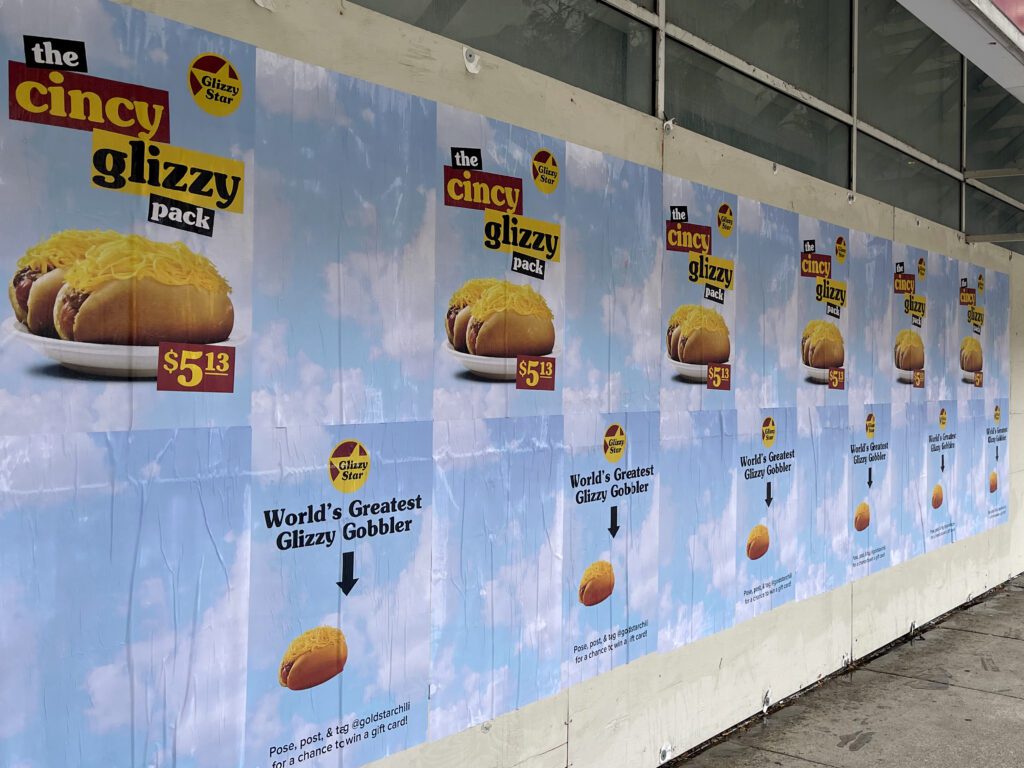
Wheatpasted poster campaigns in the East Bayside and Bayside neighborhoods of Portland adjacent to the METRO routes, the downtown Biddeford mill district served by BAT, and the downtown Bangor commercial corridor served by West’s Transportation create large-format street impressions for the walking and transit audience in the pedestrian-dense areas adjacent to Maine’s transit networks.
How Agm Executes Maine Transit Advertising Campaigns
AGM’s Maine transit advertising process accounts for the state’s specific characteristics from the outset: the Island Explorer’s seasonal operating window, the METRO Portland demographic evolution that requires current ridership data rather than historical assumptions, and the geographic dispersal of Maine’s smaller systems in Bangor, Waterville, and Downeast that makes multi-system Maine campaigns a coordination challenge without experienced national transit buying relationships. Before recommending any Maine transit format or placement, AGM reviews current ridership data, stop-level traffic counts, and the seasonal timing factors that affect each system’s advertising value.
Once the placement plan is approved, AGM handles all media buying negotiations with Maine transit systems or their authorized advertising representatives. We manage the contracts, installation schedules, and the creative specification requirements that vary between the METRO standard bus interior formats and the Island Explorer’s specific interior card dimensions. Post-installation, AGM provides photographic documentation of all Maine transit placements for your campaign records. For Maine campaigns that combine transit with guerrilla elements — particularly in Portland’s Old Port and Congress Street Arts District where pedestrian traffic makes street-level formats highly effective — AGM coordinates the timing of guerrilla deployments to align with the transit placement schedule for simultaneous full-campaign activation.
Frequently Asked Questions
Yes. AGM manages multi-market transit advertising campaigns across Maine through a single client engagement. A statewide Maine transit campaign covering Greater Portland Metro, the Island Explorer at Acadia, West’s Transportation in Bangor, and the BAT Community Connector in Biddeford-Saco can be coordinated through one AGM point of contact with unified creative management, production coordination, and post-campaign reporting across all markets. Multi-market Maine campaigns benefit from coordinated planning that accounts for the Island Explorer’s seasonal operating window and the Portland system’s year-round operation when aligning launch timing across the different Maine systems.
The Island Explorer is the only transit system in Maine — and one of the few in New England — whose ridership is composed entirely of tourism and leisure visitors rather than local commuters and transit-dependent workers. Every person on an Island Explorer bus has actively chosen to visit Acadia National Park. The audience is not defined by where they live or what they earn, but by the fact that they have specifically prioritized outdoor recreation, national park travel, and the Maine coastal experience. This creates an advertising audience that is both demographically specific — northeastern, educated, middle-to-upper-income, outdoor recreation oriented — and behaviorally specific — in an active leisure and discovery mindset, open to experiences and spending related to their travel purpose. No other Maine transit system, and very few New England transit systems, can deliver this combination of demographic profile and behavioral context in a single placement.
The Island Explorer operates from late June through Columbus Day weekend in October. Peak ridership occurs in July and August, when Bar Harbor and Acadia see their highest visitor volumes. A campaign running from the Island Explorer’s late June opening through Labor Day covers the full peak tourist season and the highest absolute ridership weeks of the year. A campaign focused specifically on the highest-volume period should target the last two weeks of July and all of August. The shoulder season from late September through Columbus Day weekend carries lower but still substantial ridership from the fall foliage tourism crowd, which tends to skew older and higher-income than the peak summer family visitor. For brands that want to reach the fall foliage Maine traveler specifically — a demographic that is reliably well-traveled, environmentally conscious, and higher-income — the Island Explorer’s September-to-Columbus Day period is a targeted opportunity that the peak summer campaigns may not reach as cleanly.
Greater Portland has experienced one of the most significant demographic shifts of any small New England city over the past decade. The influx of remote workers from Boston, New York, and other expensive Northeast cities, the growth of Portland’s food and beverage industry as a national culinary destination, the expansion of the tech and creative economy in the city’s downtown and waterfront neighborhoods, and the sustained attraction of young professionals who value Portland’s walkability, outdoor recreation access, and cultural scene have collectively raised the median income, educational attainment, and professional occupational share of the Portland population. The METRO ridership reflects this shift: routes that previously served predominantly working-class and transit-dependent commuters now carry a mixed ridership that includes young professionals who choose transit for sustainability, convenience, and cost reasons alongside the traditional transit-dependent population. For brands targeting the 25-to-40 educated professional demographic in New England, Portland’s METRO now delivers that audience at a scale and competitive pricing level that the more expensive Boston and Providence markets cannot match.
Outdoor recreation and gear brands find the Island Explorer at Acadia a near-perfect contextual match — the audience is in an active outdoor recreation context and the advertising environment is a conservation-focused, car-free transit system that already aligns with outdoor recreation brand values. Healthcare brands find strong audience match on the METRO routes serving Maine Medical Center and on the West’s Transportation routes serving Eastern Maine Medical Center in Bangor. Financial services brands targeting young professionals find the METRO Portland routes through the downtown and waterfront districts effective for reaching the growing professional demographic. Tourism and hospitality brands — hotels, restaurants, whale watching tours, sailing excursions — find both the Island Explorer and the METRO summer tourist ridership effective for reaching visitors in their Maine travel context. Local and regional brands targeting Maine residents specifically find the year-round METRO and West’s Transportation systems more effective than the seasonal Island Explorer, which reaches primarily out-of-state visitors rather than Maine locals.
Both. National brands targeting the outdoor recreation and national park visitor demographic will find the Island Explorer a highly efficient placement within a national outdoor recreation advertising strategy. National financial services, healthcare, and consumer goods brands that want a Maine market presence will find METRO in Portland the appropriate entry point for statewide brand building in Maine’s largest market. Regional brands serving New England and the Northeast find Maine transit — particularly METRO in Portland — a cost-effective addition to a regional media plan that may already include transit in Boston, Providence, or Hartford. Local Maine brands find the entire system portfolio available for community-level brand building at cost levels that make transit advertising accessible without the large budget requirements of the major New England markets. The small scale of Maine’s transit market is actually an advantage for local advertisers, because the lower inventory competition and lower minimum buy requirements make transit advertising accessible at budget levels that would not reach meaningful scale in Boston or New York.
METRO Portland operates at a significantly smaller scale than Boston’s MBTA, Providence’s RIPTA, or Hartford’s CTtransit in absolute ridership. However, the competitive advertising environment on METRO is correspondingly less intense, which means premium inventory is available to well-planned campaigns without the booking pressure and cost premium of the major New England systems. For brands that find MBTA advertising in Boston too expensive or too competitive for their budget and market objectives, METRO Portland offers a comparable young professional and urban demographic at a fraction of the cost and with substantially less inventory competition. The demographic quality of METRO’s Portland ridership — increasingly young, educated, and professional — has improved to the point where the gap between the METRO audience and the MBTA audience for certain advertising categories is smaller than the gap between their respective advertising market sizes would suggest.
Standard production and installation lead time for Maine transit interior advertising is two to four weeks from final artwork approval. For Island Explorer campaigns with a late June launch target, AGM recommends beginning planning by April to ensure Island Explorer-specific creative specifications are met, production is completed, and the installation is coordinated with the system’s pre-season vehicle preparation schedule. METRO shelter advertising at the primary Portland stop locations requires four to six weeks for the highest-demand positions, particularly the Congress Square Arts District shelters during the summer tourism season. Full bus wraps on METRO require five to six weeks minimum. For fall foliage season campaigns on the Island Explorer, a September or Columbus Day window campaign should begin planning in June or July for the late August production and installation schedule.