
July 23, 2026
Wheatpasting in Toronto: The Neighborhoods, the Surfaces, the Logistics
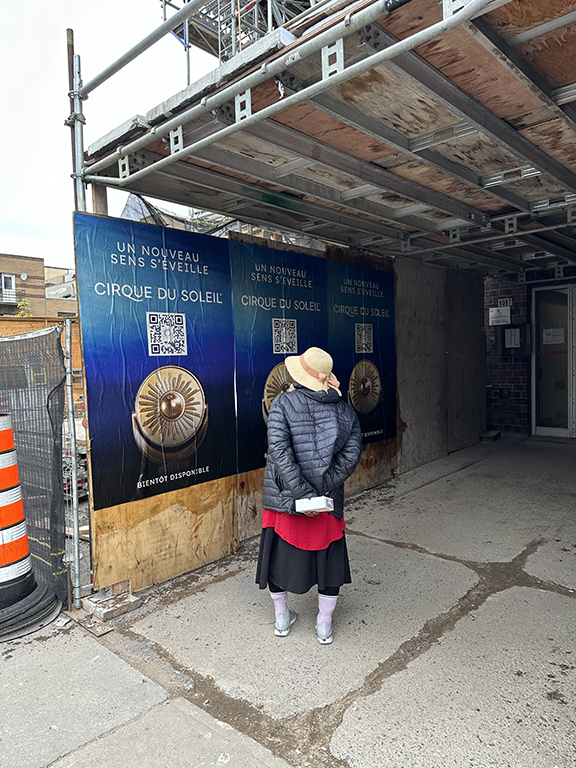
Toronto is Canada’s largest city and its most productive street-level marketing market. With a dense core of walkable neighborhoods, a documented outdoor arts and mural culture, and a cosmopolitan population that engages actively with street-level creative, Toronto delivers the conditions that make wheat paste poster campaigns earn their impressions rather than waste their budget.
This guide covers where wheatpasting campaigns run in Toronto, which neighborhoods deliver which audiences, what the print and logistics requirements look like, and how campaigns are documented professionally. Whether you’re planning your first Toronto street poster campaign or optimizing a program that’s run before, the neighborhood-level detail in this guide should inform your planning decisions from brief through post-campaign reporting.
American Guerrilla Marketing’s primary network covers 50+ U.S. markets from our Industry City, Brooklyn, NY base. For Toronto and Canadian market campaigns, we work with vetted partners who share our documentation, compliance, and operational standards. Contact us at (646) 776-2770 to discuss your Canadian campaign requirements.
Why Toronto Works for Wheat Paste Campaigns
Toronto’s urban geography is favorable for street-level campaigns. The city’s transit-oriented neighborhood structure creates walkable corridors with consistent foot traffic patterns. Unlike car-dependent Canadian cities like Calgary or the suburban sprawl of greater Toronto’s outer boroughs, the inner-city neighborhoods from Kensington Market through Queen West, Ossington, and into the Junction all deliver the kind of pedestrian density that makes wheat paste posters earn repeated impressions from a regular foot traffic audience.
Toronto’s Street Art and Mural Culture
Toronto has a well-established outdoor arts culture. Graffiti Alley in the Queen West corridor, the murals along Dundas Street West, and the building walls throughout Kensington Market create an environment where outdoor creative is expected, appreciated, and actively sought out by residents and visitors. Brand campaigns placed in this visual context benefit from the existing cultural framing that says outdoor creative on these walls is meant to be looked at.
The Multicultural Audience Opportunity
Toronto is one of the most culturally diverse cities in the world with significant communities from South Asia, East Asia, the Caribbean, West Africa, and Southern Europe, among many others. For brands that need to reach specific community demographics, Toronto’s neighborhood structure concentrates many of these communities in identifiable geographic corridors that are accessible through targeted wheat paste campaigns.
Kensington Market: The Flagship Wheatpasting Zone
Kensington Market is the most culturally authentic street-level campaign environment in Toronto. The pedestrian-scaled streets, dense independent retail, and weekend foot traffic from across the city create a campaign zone that functions similarly to what NYC’s Lower East Side or LA’s Silver Lake delivers in those markets: concentrated creative and arts-aware consumers who engage actively with outdoor creative.
Surface Character in Kensington
The building stock in Kensington Market provides excellent wall surfaces for wheat paste campaigns. Victorian-era commercial buildings with painted facades, the sides of the market’s retail structures, and the alley surfaces adjacent to the main pedestrian streets all provide usable inventory. Surface quality varies significantly by specific location and requires scouting before committing to a campaign placement plan.
Weekend Foot Traffic Patterns
Kensington Market’s peak foot traffic occurs Saturday and Sunday from midmorning through late afternoon. The combination of market shoppers, restaurant and café visitors, and the general weekend leisure foot traffic from surrounding neighborhoods creates the highest impression volume of the week. Campaign installations timed to be fresh before the weekend peak deliver the strongest impression returns from this zone.
Queen West: Design and Fashion Professional Corridor
The Queen West corridor from Bathurst Street to Dufferin Street is Toronto’s primary design and fashion professional neighborhood. The concentration of fashion boutiques, design studios, independent galleries, and the restaurants and bars that serve the creative industry community creates a distinct pedestrian demographic that differs from the broader Kensington Market audience.
Campaign Categories That Perform on Queen West
Fashion, design, music, food and beverage with craft or artisan positioning, and lifestyle brands with creative professional appeal all perform well in the Queen West corridor. The demographic skews 25 to 42 with above-average income and strong design literacy. Creative quality is evaluated more critically here than in neighborhoods with more general foot traffic: bold, well-executed creative earns engagement while generic work is ignored.
Graffiti Alley as a Campaign Context
The Rush Lane known as Graffiti Alley runs parallel to Queen Street West and contains some of the most photographed outdoor art in Canada. Brand creative placed adjacent to or within the Graffiti Alley corridor benefits from the existing photography culture that brings visitors specifically to document the walls. This organic social documentation potential is higher here than almost anywhere else in Toronto.
Ossington Avenue: The Food, Bar, and Creative Scene
Ossington Avenue between Queen Street West and Dundas Street West is one of Toronto’s most concentrated bar and restaurant corridors. The density of independent food and beverage establishments, the evening and weekend foot traffic they generate, and the adjacent residential creative community make Ossington a strong campaign zone for food, beverage, nightlife, and entertainment brands.
Timing Campaigns Around Ossington Traffic
Ossington’s peak foot traffic is Thursday through Saturday evenings during bar and restaurant hours. Installations timed to be fresh for Thursday evening through weekend traffic deliver the strongest impression value from this corridor. The compact geographic footprint of the Ossington commercial strip means that a focused installation program can achieve high visual saturation with a relatively modest poster count.
Dundas West and Bloorcourt Village
The Dundas Street West corridor from Lansdowne Avenue to Dufferin Street through the Bloorcourt Village area has developed a strong independent retail, café, and arts scene over the past decade. Surface availability is strong and posting competition is lower than in Queen West, making this zone a cost-efficient addition to multi-neighborhood Toronto campaigns. The audience here skews slightly younger and more community-rooted than the Queen West demographic.
The Junction: West Toronto’s Creative Community
The Junction neighborhood around Dundas Street West and Keele Street in west Toronto has developed a distinct creative and community character. Independent galleries, artist studios, craft breweries, and community-oriented businesses create a neighborhood identity that is valued by the local creative community. Campaigns here reach a more community-rooted, local-first audience than the more tourist-aware districts closer to downtown.
Campaign Considerations for the Junction
Brand campaigns placed in the Junction perform best when creative acknowledges the neighborhood’s character and values. This is an audience that responds positively to authentic brand positioning and is skeptical of campaigns that feel imported from a different urban context. For brands with a genuine connection to craft, community, or local values, the Junction delivers a high-receptiveness audience that organic social documentation from this zone reaches well beyond its geographic footprint.
Permit and Compliance Framework in Toronto
Toronto’s regulatory framework for outdoor advertising is governed by the City of Toronto’s sign bylaw and the Ontario provincial framework for outdoor advertising. The key requirement for wheat paste campaigns is surface owner consent: campaigns on privately owned surfaces require the building owner’s or manager’s permission.
What Is Not Permitted
Posting on city infrastructure including utility poles, transit shelter surfaces, bus benches, and any city-owned property is not permitted without City authorization. These restrictions are actively enforced. Professional campaigns that rely on these surfaces create compliance and brand risk that outweighs any cost savings from avoiding the consent process.
Our Compliance Approach for Toronto
Campaign partners executing Toronto activations on behalf of American Guerrilla Marketing clients follow the same compliance standards as our U.S. operations: surface owner consent before every installation, no posting on city infrastructure, crew briefing on location-specific compliance requirements, and documentation of permission for each site in the campaign plan.
Production and Climate Considerations
Toronto’s climate creates meaningful seasonal variation in campaign conditions. Summer from June through August is the most favorable period with warm temperatures, lower rainfall, and longer daylight hours. Fall from September through October is productive but rainfall increases. Winter campaigns from November through March face freeze-thaw cycles that aggressively degrade adhesion on exterior surfaces. Spring is variable but typically delivers improving conditions from March onward.
Print Specifications for Toronto
We recommend 80 to 100 lb uncoated paper for Toronto campaigns, with heavier stock recommended for fall and spring installations when moisture is a consistent factor. Paper weight directly affects poster durability in Toronto’s variable weather. Campaigns running during winter months should use the heaviest available stock and expect shorter campaign windows than summer installations in the same locations.
Frequently Asked Questions
What are the best neighborhoods for wheatpasting in Toronto?
Kensington Market is the flagship wheatpasting zone in Toronto for creative and arts-facing brands. Queen West between Bathurst and Dufferin delivers the design and fashion professional audience. Ossington Avenue concentrates the food, bar, and creative scene. Dundas West in the Bloorcourt Village area has strong surface inventory with growing foot traffic. The Junction in west Toronto serves a community-creative hybrid audience with strong organic social documentation habits.
Is wheatpasting legal in Toronto?
Legal wheatpasting in Toronto requires surface owner permission. The City of Toronto prohibits fly-posting on city property, utility poles, and transit infrastructure. Campaigns on privately owned building surfaces require property owner consent. American Guerrilla Marketing and our Canadian campaign partners secure surface owner permission for all Toronto campaign installations and operate within the City of Toronto’s regulatory framework.
How long do wheat paste posters last in Toronto?
Toronto’s climate creates seasonal variation in poster longevity. Summer campaigns in dry conditions can hold for 3 to 5 weeks. Fall campaigns face increasing rainfall that degrades adhesion faster. Winter freeze-thaw cycles are the most aggressive condition for poster durability. Spring campaigns often see the best conditions for longevity as temperatures stabilize. We account for seasonal conditions in production and campaign duration recommendations.
How much does a wheatpasting campaign in Toronto cost?
Toronto wheatpasting campaigns covering two to three neighborhoods typically start at $3,500 to $6,500 CAD depending on surface count, poster volume, and campaign duration. Multi-neighborhood campaigns covering four to six zones run $8,000 to $18,000 CAD or more. Contact American Guerrilla Marketing at (646) 776-2770 to discuss your Toronto campaign requirements and receive a quote.
What print sizes work for wheatpasting in Toronto?
Standard Toronto wheat paste sizes include 24×36 inches and 18×24 inches for wall placements, with 11×17 fill posters for tighter surfaces. Paper stock should be 70 to 100 lb uncoated for optimal adhesion in Toronto’s variable weather. Heavier stock is recommended for fall and spring campaigns when moisture is a consistent factor affecting poster durability.
Does American Guerrilla Marketing run campaigns in Toronto?
American Guerrilla Marketing’s primary operational network covers 50+ U.S. markets. For Toronto campaigns, we work with vetted Canadian partners who share our documentation, compliance, and crew quality standards. Contact us at (646) 776-2770 or through americanguerrillamarketing.com/contact-us/ to discuss your Toronto campaign requirements.
How does a Toronto wheatpasting campaign get documented?
Professional campaigns produce GPS-tagged installation photos, wide-angle neighborhood context shots, close-up creative quality photos, timestamped crew logs, and a post-campaign summary report delivered within 48 to 72 hours of installation completion. This documentation standard applies to Toronto campaigns executed through our partner network and is the same standard we hold all our campaigns to across every market.

Ready to Run Your Campaign?
Call us or email us. We’ll tell you exactly what we can do in your market and what it costs.
Related Services
Explore similar advertising solutions offered by American Guerrilla Marketing.
American Guerrilla Marketing — Los Angeles
Street-level campaigns in Los Angeles and nationwide. Wheatpasting, LED trucks, street teams, and more.
(646) 776-2770
Related Articles
-
Street Poster Advertising Ottawa: A Complete Campaign Guide
September 17, 2026
-
Activation Marketing: How Brands Win at Street Level
September 13, 2026
-
Experiential Marketing Firms Chicago | American Guerrilla Marketing
September 12, 2026
-
Pop Up Experiential
September 12, 2026
-
Mobile Pop Up
September 12, 2026