
July 23, 2026
Wheatpasting in Montreal and Ottawa: The Street-by-Street Campaign Guide for Canada’s Creative Markets
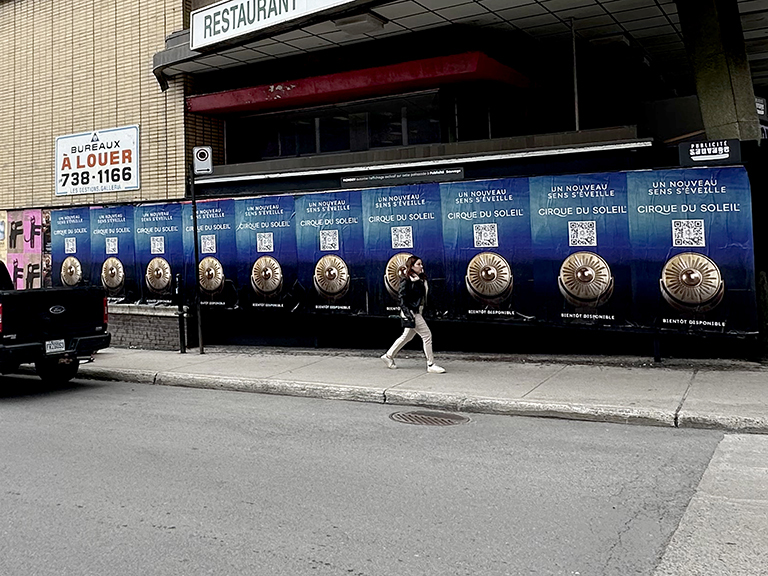
Montreal is different from every other Canadian city as a guerrilla marketing market. The combination of a deep French cultural identity, a decades-long tradition of outdoor mural and poster culture, an international festival calendar that draws millions of visitors, and a concentration of creative, tech, and arts industries in walkable central neighborhoods makes Montreal one of the most productive street-level campaign markets in North America.
Executing a campaign here requires understanding not just the neighborhoods but the cultural context and the Quebec regulatory environment that distinguishes this market from Toronto and Vancouver. This guide covers where wheat paste poster campaigns run in Montreal, which neighborhoods deliver which audiences, the French language creative considerations that apply in Quebec, and how professional campaigns navigate the operational landscape from brief to post-campaign documentation.
American Guerrilla Marketing operates from Industry City, Brooklyn, NY, with campaign execution in Canada through vetted partner organizations. Our team is reachable at (646) 776-2770 for Canadian campaign planning discussions.
Why Montreal Is a Premium Wheat Paste Market
Montreal’s street art and outdoor poster culture has deep roots. The Plateau Mont-Royal neighborhood has been papered with political, arts, and cultural posters since at least the 1970s. Murals commissioned through the Mural Festival have transformed multiple blocks of the Saint-Laurent corridor into an internationally recognized outdoor art destination. This cultural history creates a receptive environment for brand wheat paste campaigns in a way that cities without this tradition cannot replicate.
The Festival Effect
Montreal’s summer festival calendar from June through August is one of the densest in North America. The Montreal International Jazz Festival, Just For Laughs comedy festival, the Osheaga Music and Arts Festival, and dozens of smaller festivals collectively draw millions of visitors to the city during the summer window. For brands that want to reach concentrated cultural audiences in Montreal, aligning campaigns with festival windows multiplies impression value significantly over standard off-season deployment timing.
Montreal’s Creative and Tech Economy
Montreal has one of the largest video game development clusters in North America with Ubisoft, EA, and dozens of independent studios concentrated in the city. The tech and AI sector has grown significantly. The film and television production industry is substantial. The arts and music scene is internationally recognized. For brands targeting creative professionals, tech workers, and arts-adjacent consumers, Montreal delivers an unusually high concentration of these demographics within a compact urban geography.
Plateau Mont-Royal: The Flagship Creative Campaign Zone
The Plateau is Montreal’s most culturally distinctive neighborhood and the primary wheat paste campaign zone for brands targeting the creative professional, arts community, and design-aware consumer demographics. Boulevard Saint-Laurent (the Main), Avenue du Mont-Royal, and the streets radiating through the Plateau’s residential and commercial grid are the core campaign corridors.
Surface Character on the Plateau
The Plateau’s building stock, primarily pre-war residential triplexes and commercial buildings with brick and painted facade surfaces, provides strong wheat paste inventory throughout the neighborhood. The visual environment is receptive to bold creative. The established tradition of poster culture on these streets means that brand creative is placed in a context where outdoor posting has been a normalized form of communication for generations.
Who the Plateau Delivers
The Plateau concentrates artists, musicians, writers, academics, designers, and the creative professional community that makes Montreal’s arts scene internationally significant. The demographic skews younger (22 to 38) with strong arts, culture, and design engagement. For entertainment, music, fashion, and lifestyle brands, the Plateau delivers one of the highest-quality audience concentrations in Canada.
Mile End: The Anglophone Creative and Tech Community
Mile End sits at the northern edge of the Plateau and has become the center of Montreal’s anglophone creative and tech professional community. Boulevard Saint-Laurent through Mile End, Avenue Laurier, and the side streets through this zone concentrate a specific demographic: English-speaking creative professionals, tech workers, and the international community that has settled in this neighborhood for its combination of cultural density and relative affordability compared to Toronto.
Creative Considerations for Mile End
Mile End’s anglophone character means that bilingual or English-primary creative performs better here than in the more francophone Plateau. However, Quebec’s language law still applies: French must be at least equally prominent in commercial messaging. Our team advises clients on the specific creative approach for Mile End versus Plateau versus downtown campaigns to ensure both legal compliance and cultural appropriateness for each zone.
The Mile End Art and Music Scene
Mile End has produced a disproportionate number of significant Canadian and international bands and artists. The neighborhood’s reputation as a creative incubator means that campaigns placed here reach not just the current resident community but the broader cultural orbit that looks to Mile End as a source of authentic creative culture. For music brands in particular, Mile End placements carry cultural credibility that other Montreal neighborhoods cannot deliver at the same level.
Saint-Laurent Boulevard: The Campaign Spine
Boulevard Saint-Laurent runs from Old Montreal north through downtown, through the lower Plateau, through Mile End, and into the Petite-Patrie and Villeray neighborhoods to the north. This corridor is Montreal’s historic dividing line between the city’s east (francophone) and west (anglophone) districts and serves as the primary north-south campaign corridor through the city’s most active creative neighborhoods.
The Mural Festival Corridor
The stretch of Saint-Laurent between Sherbrooke and Pine (avenue des Pins) is the primary Mural Festival zone, home to dozens of the large-format commissioned murals that have made this corridor internationally recognized. Brand campaigns placed in the Mural Festival zone benefit from visitor foot traffic drawn specifically to the outdoor art experience and from the organic social documentation culture that exists in this corridor year-round.
The Quebec Language Law and Its Campaign Implications
The Charter of the French Language (Bill 101) is the foundational regulatory framework for commercial communication in Quebec. Its provisions affect how wheat paste campaign creative must be structured in this market.
What the Language Law Requires for Advertising
Commercial advertising in Quebec must include French text that is at least as prominent as text in any other language. For wheat paste campaigns, this means bilingual creative with French equal to or more prominent than English, or French-only creative. English-only wheat paste campaigns in Montreal do not comply with the Charter of the French Language and create legal risk for brands deploying them.
How We Advise Clients on Quebec Creative
Our team reviews creative for Quebec language compliance as part of campaign planning. We advise on how to structure bilingual creative that achieves both compliance and design quality, and we flag creative that requires revision before it can be deployed in the Quebec market. This compliance review is a standard part of our campaign planning process for any Quebec deployment, not an afterthought.
Campaign Timing and Weather Considerations
Montreal’s climate creates the most extreme seasonal variation of any major Canadian city for outdoor campaign conditions. Summer from June through August is the optimal campaign window with warm temperatures, lower rainfall, and longer daylight hours that extend installation windows. Montreal’s winters are severe: regular snowfall, freeze-thaw cycles, and sustained cold temperatures from November through March aggressively degrade poster adhesion and significantly reduce campaign longevity.
Festival Window Premium
Campaigns running during the Jazz Festival (late June to early July), Just For Laughs (July), and Osheaga (early August) deliver impression multipliers from festival audience foot traffic that far exceeds standard off-season campaign performance in the same neighborhoods. Booking campaign capacity during these windows requires earlier planning, typically 6 to 8 weeks in advance for peak festival timing.
Frequently Asked Questions
What are the best neighborhoods for wheatpasting in Montreal?
Plateau Mont-Royal is Montreal’s flagship creative campaign zone with the highest concentration of design-aware consumers and artists. Mile End concentrates the anglophone creative and tech professional community with strong arts engagement. The Saint-Laurent Boulevard corridor from downtown through the Plateau delivers mixed retail and nightlife foot traffic across a broad north-south campaign spine. Rosemont and the area around Parc La Fontaine have strong residential creative community density.
Is wheatpasting legal in Montreal?
Legal wheatpasting in Montreal requires surface owner permission. The City of Montreal prohibits poster placement on city infrastructure, utility poles, and transit surfaces. Campaigns on privately owned surfaces require property owner consent. French language requirements under the Charter of the French Language also apply to commercial advertising creative in Quebec. Our campaign partners navigate all of these requirements as a standard part of Montreal campaign execution.
Do Montreal wheatpasting campaigns need French language creative?
Commercial advertising in Quebec is subject to the Charter of the French Language, which requires that French be at least as prominent as any other language in commercial messaging. For campaigns running in Montreal, bilingual French/English creative or French-primary creative is the appropriate approach. Our team advises clients on Quebec language compliance as part of campaign planning and reviews creative before production begins.
How much does a wheatpasting campaign in Montreal cost?
Montreal wheatpasting campaigns covering two to three neighborhoods typically start at $3,000 to $6,000 CAD depending on surface count, poster volume, and campaign duration. Multi-neighborhood campaigns run $7,000 to $16,000 CAD or more. Contact American Guerrilla Marketing at (646) 776-2770 for pricing discussion on Canadian market campaigns.
When is the best time of year to run a wheatpasting campaign in Montreal?
Late spring through early fall from May through October delivers the most favorable conditions for poster longevity in Montreal. Montreal’s winters are severe with regular freeze-thaw cycles that degrade adhesion aggressively. Festival season from June through August creates peak foot traffic windows that significantly increase campaign impression value through Jazz Festival, Just For Laughs, and Osheaga audiences.
What makes Montreal a good market for street poster campaigns?
Montreal has one of the most vibrant street art and poster cultures in North America. The Plateau Mont-Royal and Mile End neighborhoods have an established tradition of outdoor creative that creates cultural receptiveness to wheat paste campaigns. Combined with Montreal’s concentration of arts, music, tech, and creative industries and an internationally recognized festival calendar, the city offers a uniquely engaged audience for street-level marketing.
Can American Guerrilla Marketing run campaigns in Montreal?
American Guerrilla Marketing works with vetted Canadian partners for Montreal campaign execution. These partners share our documentation, compliance, and quality standards and navigate Quebec’s specific regulatory and language requirements. Contact us at (646) 776-2770 or through americanguerrillamarketing.com/contact-us/ to discuss your Montreal campaign requirements.

Ready to Run Your Campaign?
Call us or email us. We’ll tell you exactly what we can do in your market and what it costs.
Related Services
Explore similar advertising solutions offered by American Guerrilla Marketing.
American Guerrilla Marketing — Los Angeles
Street-level campaigns in Los Angeles and nationwide. Wheatpasting, LED trucks, street teams, and more.
(646) 776-2770
Related Articles
-
Street Poster Advertising Ottawa: A Complete Campaign Guide
September 17, 2026
-
Activation Marketing: How Brands Win at Street Level
September 13, 2026
-
Experiential Marketing Firms Chicago | American Guerrilla Marketing
September 12, 2026
-
Pop Up Experiential
September 12, 2026
-
Mobile Pop Up
September 12, 2026