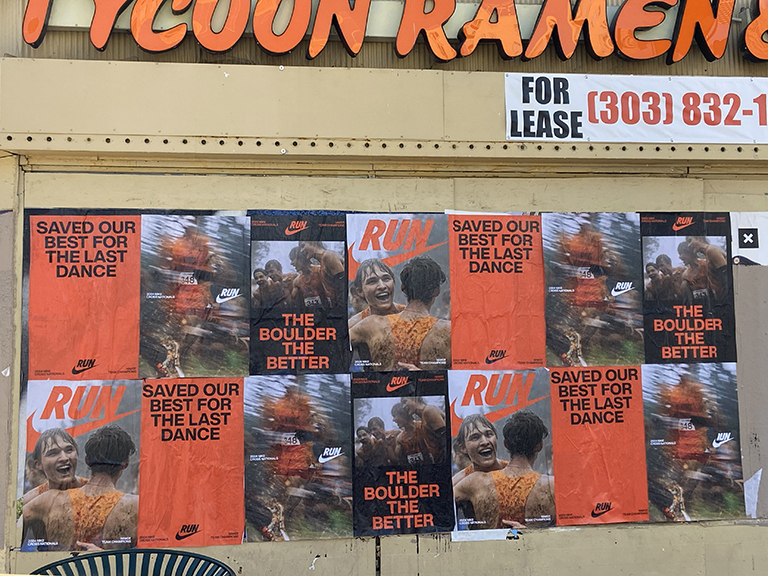
Guerrilla marketing in Burnaby, British Columbia gives brands access to Metro Vancouver’s most mobile consumer audience at a fraction of Vancouver’s downtown media rates. Burnaby sits between Vancouver’s downtown core and the surrounding Lower Mainland municipalities, a geographic position that concentrates commuter traffic, student populations, and major retail foot traffic into corridors that a single well-planned campaign can cover in one deployment day. American Guerrilla Marketing executes wheat posting, stencils, brand ambassador programs, projections, and LED truck campaigns in Burnaby and across Metro Vancouver. We’ve run campaigns through the Kingsway corridor, around Metropolis at Metrotown, and through the SFU transit corridors that connect 35,000+ students to the city below, and this guide is built entirely from that field experience.
What makes guerrilla marketing particularly effective in Burnaby is the density-to-cost ratio. The Metrotown area alone draws over 10 million annual visits to Metropolis at Metrotown, Canada’s fourth-largest mall, concentrating a genuinely diverse, high-purchasing-power audience within walking distance of dozens of viable posting surfaces and activation zones. When you combine that retail anchor with the SkyTrain network that runs through Burnaby on both the Expo and Millennium lines, you have a transit-and-retail ecosystem that concentrates audience encounters at exactly the points where a street-level campaign creates the most frequency.
For brands that need Metro Vancouver reach but want to avoid paying downtown Vancouver media premiums, Burnaby represents one of the most cost-efficient opportunities in the region. Posting volumes that would cost 40–60% more in Vancouver’s West End or Mount Pleasant produce comparable engagement outcomes in Burnaby’s core corridors, because the audiences are similar and the visual competition is lower.
Burnaby’s Geography: Why It Creates Distinct Campaign Zones
Burnaby is not a uniform market. Its geography creates three structurally distinct campaign zones, each with different audience profiles, traffic patterns, and format requirements. Understanding these zones is the starting point for any effective Burnaby guerrilla marketing campaign, operators who treat the whole city as homogeneous miss the targeting precision that drives results.
The Metrotown / Kingsway Corridor
Kingsway is Burnaby’s primary commercial artery, running from Boundary Road at the Vancouver border through the Metrotown commercial center to Royal Oak Avenue near Burnaby’s western residential zones. This corridor handles the highest pedestrian and vehicle traffic volumes in the city, with the Metrotown area representing the peak concentration point, dense retail, transit, restaurants, and entertainment venues clustered within a 400-metre radius of the Metrotown SkyTrain station.
For wheat posting campaigns, the Kingsway corridor between Rupert Street and Royal Oak Avenue offers a mix of construction hoardings, commercial building walls, and retail-adjacent surfaces that see high daily repeat traffic from both residents and commuters. The Metrotown SkyTrain station entrance area on Kingsway is a particularly high-dwell posting location, transit riders waiting for buses and pedestrians moving between the station and the mall pass this zone multiple times weekly, building the frequency that drives genuine brand recall.
Weekend foot traffic in the Metrotown zone peaks between 11am and 4pm. Weekday commuter traffic peaks at 7:30–9am and 4:30–6:30pm around the SkyTrain station. For brand ambassador deployments, we structure the activation schedule around these windows, not generic 9-to-5 hours that miss the consumer when they’re actually present and moving.
The Burnaby Heights / Hastings Sunrise Border Zone
The stretch of East Hastings Street east of Boundary Road into the Burnaby Heights neighborhood is one of Metro Vancouver’s more interesting emerging commercial corridors, independent retailers, cafes, specialty food businesses, and arts venues mixed with legacy family operations. Foot traffic here is concentrated in the late afternoon and evenings and skews toward the creative, independent, culturally engaged consumer demographic that responds strongly to authentic street-level brand presence.
Posting surfaces in this zone tend to be smaller-scale than the Metrotown corridor, individual building walls, fence sections at corner lots, and hoarding boards on small construction projects, but the viewing conditions are excellent: pedestrians move slowly, dwell at the outdoor seating and café frontages, and return to the same block multiple times per week as part of their neighborhood routine. For campaigns targeting the 25–40 independent lifestyle demographic, Burnaby Heights consistently delivers better engagement per posting unit than any other zone in the city.
SFU, BCIT, and the Transit Corridors Serving Them
Simon Fraser University sits at the top of Burnaby Mountain with over 35,000 students, staff, and faculty. BCIT’s main campus on Willingdon Avenue in central Burnaby adds another 48,000 enrolled students. Together, these institutions give brands direct access to the 18–29 demographic at a scale that few other markets outside of major university cities can match, and the transit corridors serving both campuses create natural activation zones that concentrate this audience at predictable times.
The SFU bus exchange at the top of Burnaby Mountain, the production bus stop routes on Hastings and Lougheed leading to SFU, and the Brentwood Town Centre SkyTrain station (the primary transit hub for BCIT students) are all legitimate brand activation zones during the academic year. For wheat posting specifically, the areas around Production Way–University Station and Holdom Station on the Millennium Line serve the SFU community effectively, large volumes of students pass through these stations daily, creating the frequency window that builds brand recognition.
Guerrilla Marketing Formats That Work in Burnaby
Wheat Posting and Street poster advertising
Wheat posting is the highest-reach format available for Burnaby guerrilla campaigns on a per-unit-cost basis. We install using 100 lb. gloss coated stock printed at 300 DPI CMYK, applied with commercial methylcellulose paste mixed to the correct consistency for the ambient temperature on installation day. Burnaby’s climate, mild, wet winters with consistent above-freezing temperatures and warm, dry summers, is favorable for year-round wheat posting without the extreme cold adhesion challenges that affect markets like Calgary or Edmonton in winter.
A standard Burnaby wheat posting campaign covers 60–120 pieces across the Metrotown/Kingsway, Burnaby Heights, and SFU/BCIT transit corridor zones. The installation crew is two people, one applying paste and positioning, one smoothing and applying the top coat seal, and a 100-piece campaign covering Burnaby’s three zones takes one full installation day plus a 48-hour check-back to re-apply any pieces that lifted due to surface contamination or wind exposure before full cure.
Surface preparation is non-negotiable in every Burnaby deployment. We clean and dry every surface before application, removing dust, grease, and loose material that would prevent adhesion. Surfaces that look clean to the eye frequently have invisible grease deposits from adjacent food businesses or traffic exhaust residue that prevents paste from bonding properly. The crews that skip surface prep consistently see 20–30% of their pieces fail within 48 hours. We haven’t had a piece failure rate above 5% in any Burnaby campaign because we don’t skip this step.
Sidewalk Stencils and Chalk Art
Water-soluble chalk stencils on Burnaby’s commercial sidewalks create ground-level brand moments that pedestrians encounter at eye-down level, a completely different perceptual zone than posters on walls. We’ve used this format effectively in the Metrotown zone for event promotion, creating directional wayfinding to pop-ups and brand activations in the Kingsway corridor, and along Willingdon Avenue near BCIT for product launch campaigns targeting the student demographic.
Chalk stencil longevity in Burnaby averages 4–8 days depending on weather, rainfall and foot traffic accelerate fade. For campaigns with a specific event date trigger, deploying stencils 5–7 days before the event creates a countdown awareness window that builds anticipation in the neighborhood before the main activation.
Brand Ambassador Programs
Brand ambassador deployments in Burnaby are most effective in three distinct zones and time windows: the Metrotown SkyTrain station area during weekday commute hours (8–10am and 5–7pm), the Brentwood Town Centre commercial zone on weekend afternoons, and the BCIT campus around Willingdon Avenue during the academic year’s lunchtime rush. Brand ambassador programs in Burnaby start at $389.99 for a 6-hour standard shift for one ambassador. Every ambassador deployed in Burnaby is briefed on the specific brand messaging, target audience profile, and campaign objectives before deployment, not handed a generic product script on the morning of the activation.
For bilingual Metro Vancouver campaigns, we can deploy Mandarin- or Cantonese-speaking ambassadors in the Metrotown zone, where a significant portion of the consumer base is more comfortable in Chinese languages than English. This language matching consistently improves engagement rates and brand trust signals with this demographic, a nuance that operators without Metro Vancouver-specific staffing networks miss entirely.
LED Truck Campaigns
LED truck routing in Burnaby is most effective on the Kingsway corridor during peak retail hours (11am–7pm on weekends, 4–7pm on weekdays) and at Metrotown during special events and seasonal retail peaks. The Willingdon Avenue corridor connecting BCIT to the Brentwood transit hub is a strong route for campaigns targeting the student demographic during academic-year weekday mornings and evenings.
We coordinate LED truck routing across the Burnaby-Vancouver boundary to extend reach into the Boundary Road and Knight Street corridors that serve the transition zone between municipalities. A truck routed from Metrotown through East Hastings to the Grandview-Woodland neighborhood of Vancouver creates a geographic sweep that crosses two municipal boundaries and reaches audiences who live and move between both cities.
Projection Advertising
Burnaby’s commercial building stock along Kingsway and in the Brentwood area includes several large-format concrete and brick faces suitable for projection mapping. High-lumen projectors (10,000+ lumens for strong ambient light conditions) can project brand imagery onto building facades during evening hours. This format is most effective in the Metrotown and Brentwood zones during the pre-holiday retail season (November) when foot traffic is highest and darkness falls early enough to allow projection visibility by 5pm.
Burnaby’s Key Event and Seasonal Activation Windows
Burnaby’s event calendar creates concentrated audience moments that well-planned guerrilla campaigns exploit. The most valuable activation windows based on our campaign history:
- Burnaby Blues + Roots Festival (August): Held in Deer Lake Park in central Burnaby, this festival draws 20,000+ attendees over its weekend run. Street-level campaigns in the surrounding residential and transit corridors, Boundary Road approaching the park, Deer Lake Parkway, and the bus routes connecting Central Park to the venue, reach the festival audience both before and after the event.
- SFU Fall Semester Launch (September): The annual arrival of 8,000+ first-year students plus returning population is the highest-value window for campaigns targeting the 18–22 student demographic. Ambassador programs near Production Way–University Station and along East Hastings bus routes during the first three weeks of September reach students who are actively building new neighborhood routines and brand relationships.
- BCIT Open House (Spring): The annual BCIT Open House brings prospective students and families to the Willingdon Avenue campus, a high-density audience moment for brands targeting this demographic in a campus setting.
- Holiday Retail Season (November–December): Metrotown’s status as one of Metro Vancouver’s premier shopping destinations means the November–December window produces the year’s highest sustained foot traffic. Brands with retail or gift-category products benefit from Metrotown-adjacent campaigns throughout this period.
- Lunar New Year (January–February): Burnaby’s large Chinese-Canadian and East Asian immigrant population makes Lunar New Year a significant cultural and commercial event. Brands marketing to this community benefit from Metrotown-area campaigns during the two weeks surrounding the holiday, when community shopping and gathering activity peaks.
Navigating Burnaby’s Outdoor Advertising Regulations
Burnaby falls under the City of Burnaby’s municipal bylaws for outdoor advertising, which require permits for commercial outdoor placements on public property and prohibit unauthorized posting on utility poles, public infrastructure, and most transit property. Translink, Metro Vancouver’s transit authority, has its own advertising program for SkyTrain station placements and prohibits unauthorized advertising on station property.
AGM handles the full permit and property coordination process for all Burnaby activations. We have working relationships with property managers in the Kingsway and Metrotown corridor who allow legal surface access on construction hoardings and building walls, access that typically takes other operators 2–3 weeks to establish from scratch. Our permit preparation includes Burnaby’s standard sign permit application, property owner authorization documentation, and where applicable, Translink permit applications for activities adjacent to transit facilities.
Brands that attempt Burnaby guerrilla campaigns without proper permit coordination face enforcement actions that can remove an entire campaign’s posted material within 24–48 hours. A campaign pulled by the city after 24 hours delivers zero frequency, regardless of how well the creative was designed or how precisely the locations were chosen. Proper permitting is operational insurance, not bureaucratic overhead.
Campaign Structures and Pricing
AGM prices Burnaby campaigns based on format, volume, deployment complexity, and campaign duration. Brand ambassador programs in Burnaby start at $389.99 for a 6-hour standard shift for one ambassador. For wheat posting, LED truck, projection campaigns, and multi-person staffing, pricing depends on campaign specifics; contact us at americanguerrillamarketing.com/contact for a full quote.
A typical Burnaby entry-level guerrilla campaign combines 60–80 wheat paste pieces across the Kingsway and Heights corridors with a 4-hour brand ambassador deployment at Metrotown Station during a peak commute window. This package creates both visual presence (the posters, working daily for 3–6 weeks) and direct engagement (the ambassadors, creating face-to-face brand contacts). We quote this as a single activation with unified planning, briefing, installation, and reporting.
For brands wanting to scale across Metro Vancouver, Burnaby campaigns are frequently designed as the anchor deployment within a broader regional plan, Burnaby handles the suburban/transit demographic, Vancouver proper handles the downtown/cultural-quarter demographic, and together the two markets cover the majority of Metro Vancouver’s active consumer population. We design these integrated regional campaigns from a single brief and execute with unified reporting.
What Bad Operators Get Wrong in Burnaby
The single most damaging failure in Burnaby campaigns is treating the market as an extension of downtown Vancouver rather than as a distinct city with its own traffic patterns, neighborhood character, and consumer demographics. Campaigns designed for Gastown or Commercial Drive in Vancouver don’t automatically translate to Metrotown or Kingsway, the neighborhoods are physically close but structurally different. The visual context of a Kingsway commercial strip is not the same as a heritage retail block in the Gastown district, and campaigns that don’t account for that difference look misplaced in their environment.
The second failure is underestimating the SkyTrain’s influence on where the audience actually concentrates. In Metro Vancouver, transit proximity determines foot traffic in a way that doesn’t apply in car-dominated North American cities. A posting campaign that ignores SkyTrain station adjacency in its location selection misses the audience concentrations that matter most for reach and frequency. Every one of our Burnaby location assessments explicitly maps proximity to Metrotown, Brentwood, Production Way–University, and Lougheed Town Centre stations, because these are the nodes where thousands of people pass daily at pedestrian speed.
The third failure is using generic, non-local-looking creative. Burnaby audiences, like most Metro Vancouver consumers, have a well-developed sensitivity to mass-market creative that doesn’t acknowledge local context. Campaigns that use generic stock imagery without any visual connection to Metro Vancouver consistently underperform campaigns that incorporate even subtle local references. This doesn’t mean every campaign needs to feature the North Shore mountains, but it does mean the visual vocabulary of the creative should feel like it belongs in the specific neighborhood where it’s posted.
Frequently Asked Questions
Guerrilla Marketing in Burnaby, British Columbia: Unleashing Creativity generates better results when placement, timing, creative, and local execution all work together in British Columbia. These questions cover the details brands usually need before launch, during rollout, and while evaluating performance.
For ar in British Columbia, the strongest campaigns usually come from tight geographic targeting, message discipline, and enough repetition to be remembered. Market conditions, neighborhood flow, event calendars, commuter behavior, and production logistics all change how the tactic performs, so the planning details matter as much as the idea.
What is the best area in Burnaby for guerrilla marketing campaigns?
The Kingsway/Metrotown corridor is the highest foot traffic zone and most effective for mass-market brand-building campaigns. For culturally engaged, independent-lifestyle consumers, Burnaby Heights (East Hastings east of Boundary Road) delivers better engagement per posting unit. For student-demographic targeting, the SkyTrain corridors serving SFU (Production Way–University Station, Holdom Station) and the BCIT zone around Willingdon Avenue are best, particularly from September through April during the academic year.
How does Burnaby compare to Vancouver proper for guerrilla marketing?
Burnaby offers lower media costs, less visual competition in most posting zones, and comparable audience quality for most demographics. The Metrotown area specifically delivers foot traffic comparable to Vancouver’s major shopping districts at meaningfully lower deployment cost. For brands with Metro Vancouver coverage goals but constrained budgets, a Burnaby-focused campaign often outperforms a Vancouver-only campaign on cost-efficiency metrics.
Does AGM have established posting surfaces in Burnaby?
Yes. AGM has established relationships with property managers in the Kingsway and Metrotown corridor that allow us to secure legal posting surfaces on construction hoardings and commercial building walls more quickly than operators without local networks. New surface relationships are developed as part of each campaign setup, the network grows with every campaign we run in the market.
What is the cost of a street team program in Burnaby?
Brand ambassador programs in the Metro Vancouver market start at $389.99 for a 6-hour standard shift for one ambassador. All ambassadors deployed in Burnaby are briefed specifically on the brand’s messaging and target audience. For bilingual deployments serving Burnaby’s Chinese-Canadian community, we can provide Mandarin- or Cantonese-speaking ambassadors, with final pricing based on staffing scope. Contact AGM at americanguerrillamarketing.com/contact for a full quote on larger programs.
How long does a Burnaby wheat posting campaign last?
Properly installed wheat paste posters on suitable surfaces in Burnaby’s mild climate last 3–6 weeks in dry weather. Rain shortens lifespan, though our commercial paste formula and three-layer application process (surface prep, paste layer, poster, top coat) maximizes adhesion and weather resistance. For campaigns with a specific event trigger, we recommend installation 2–3 weeks before the key date to build frequency before the activation moment.
Can AGM run simultaneous campaigns in Burnaby and Vancouver?
Yes. Our Metro Vancouver crew covers both municipalities and regularly executes coordinated campaigns simultaneously. We design many campaigns that use Burnaby for volume and cost efficiency while extending into specific Vancouver neighborhoods, Commercial Drive for the arts/culture audience, Kitsilano for the fitness/lifestyle demographic, the Downtown Eastside for specific community outreach campaigns, based on where the target audience actually lives and moves.
Does AGM handle permits for Burnaby campaigns?
Yes. AGM manages all City of Burnaby permit applications and property owner coordination for every campaign we execute in the city. Brands do not work through the permitting environment independently in our campaigns. Where a permit timeline creates a scheduling constraint, we work around it with a location strategy that prioritizes surfaces for which we already have property owner access.
What time of year is best for guerrilla marketing in Burnaby?
May through September is the primary outdoor activation season, dry weather supports maximum wheat paste longevity and outdoor dwell time. September is particularly strong, combining SFU’s fall semester launch, the tail end of summer tourism, and the beginning of the holiday retail build-up at Metrotown. Winter campaigns (November–February) focus on Metrotown-adjacent zones where indoor/outdoor foot traffic is sustained by retail activity regardless of weather.
What makes guerrilla marketing work in Burnaby?
It works best when the concept fits the rhythm of Burnaby and the neighborhoods where your audience already spends time. The more the campaign feels native to the local street culture, the stronger the response tends to be.
Which kinds of businesses benefit most from guerrilla marketing in Burnaby?
Event promoters, entertainment brands, restaurants, retail launches, consumer products, and cultural organizations usually benefit most. These campaigns work especially well when the offer is visual, timely, and easy to share.
Related Pages and Articles