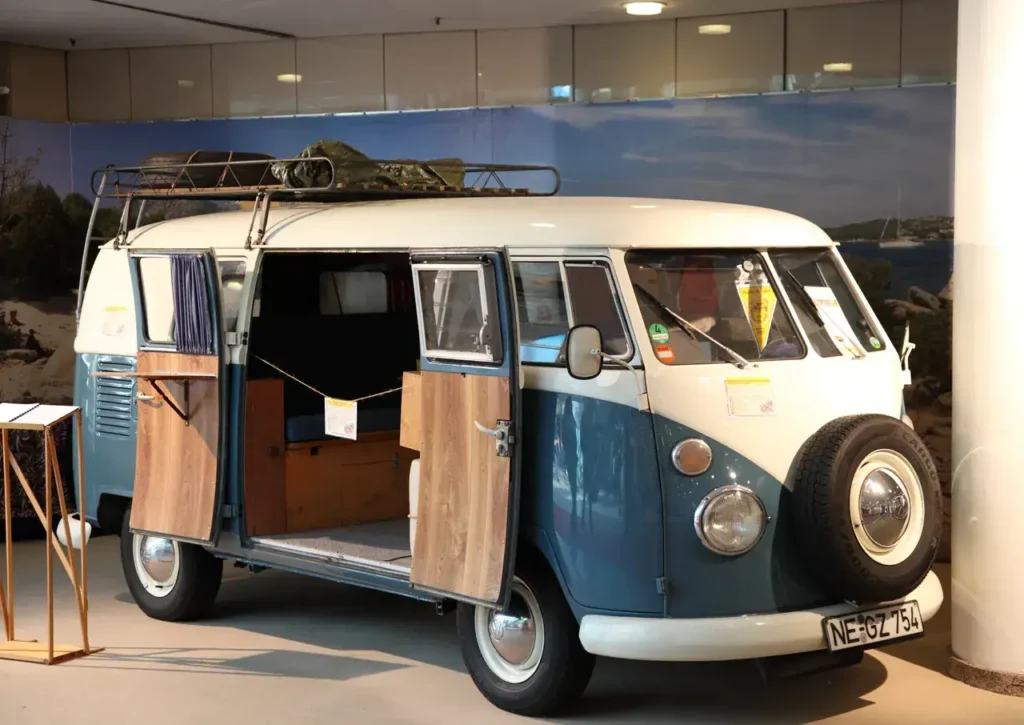
The storefront is no longer fixed. The most compelling retail experiences of the past decade haven’t happened inside malls or on high-traffic retail corridors. They’ve happened on sidewalks, in parking lots, outside music festivals, and at farmers markets where a converted truck showed up and created an instant shopping moment that nobody expected but everyone remembered.
Mobile fashion trucks are one of the most effective retail disruption strategies available to independent designers, established brands, and marketing agencies alike. They take the product to the customer instead of waiting for the customer to come to the product, and in an attention economy where foot traffic to traditional retail continues to decline, that reversal of logic is genuinely powerful.
This guide covers everything you need to know about mobile fashion trucks, from the operational fundamentals to the marketing strategies that make them work, and how to integrate them into a broader brand activation strategy.
What a Mobile Fashion Truck Actually Is
A mobile fashion truck is exactly what it sounds like: a retail boutique built inside a vehicle. The vehicle can be a step van, a converted bus, a box truck, an Airstream trailer, or any structure that can be transformed into a functional shopping environment on wheels.
The Physical Setup
The interior typically features hanging racks, shelving, lighting, fitting areas, and point-of-sale systems, everything a traditional boutique would have compressed into a mobile footprint. The exterior is fully wrapped with the brand’s visual identity, turning the truck into a rolling billboard even when it’s not open for business.
The Operational Model
Mobile fashion trucks operate on routes, stopping at pre-planned locations, events, and private engagements. Some trucks operate on daily schedules with regular stops at predictable locations. Others move opportunistically, parking where crowds are largest or where brand synergy is highest. The flexibility is a core feature of the format.
Who Uses Them
Independent designers and boutique owners use mobile trucks to expand their reach without the fixed cost of additional retail locations. Established fashion brands use them as brand activation vehicles for product launches, seasonal campaigns, and market expansion tests. Fashion schools and emerging designers use them to create real-world retail experience outside traditional infrastructure.
Why Mobile Fashion Trucks Work as a Retail Strategy
The core value proposition of a mobile fashion truck isn’t just novelty. Novelty fades fast. The real strategic value is in the combination of controlled scarcity, customer self-selection, and experiential immediacy that mobile retail creates.
Scarcity and Urgency
When a fashion truck parks outside a coffee shop for two hours on a Tuesday morning, it creates a natural urgency that fixed retail cannot replicate. Customers know the truck won’t be there tomorrow. That urgency accelerates purchase decisions and drives impulse buys in ways that a permanent storefront doesn’t.
Location Targeting Precision
A fixed retail location attracts whoever happens to walk by. A mobile truck parks exactly where the target customer already is. Fashion trucks can appear at farmers markets in neighborhoods with high disposable income, outside gyms with demographic alignment, at music festivals with audience overlap, or in business districts at lunch hour. The customer concentration justifies the stop.
Social Media Magnetism
A beautifully designed mobile boutique is a social media event by itself. Customers photograph the truck, share their purchases, tag the brand, and generate organic content that reaches their networks. A single well-placed truck appearance can generate hundreds of social touchpoints that a traditional storefront would struggle to match without a paid campaign.
Integrating Mobile Fashion Trucks into Guerrilla Marketing Strategy
Mobile fashion trucks reach their full potential when they’re treated as campaign assets rather than standalone retail operations. The most effective deployments integrate the truck into a broader guerrilla marketing campaign that creates multiple touchpoints around the vehicle’s appearance.
Street Team Support
Deploying a street team in the surrounding area before and during a truck appearance dramatically increases foot traffic. Street teams can distribute flyers, create buzz in adjacent locations, and direct interested pedestrians to the truck. The combination of mobile retail and street-level outreach creates a self-reinforcing traffic loop.
Wheatpasting and Poster Campaigns
Advance wheatpasting and poster campaigns in neighborhoods where the truck will appear build anticipation and brand recognition before the truck arrives. A well-executed poster campaign transforms the truck’s appearance from an unexpected interruption into an anticipated event.
Sidewalk Stencils and Environmental Branding
Sidewalk stencils placed strategically around the truck’s location create wayfinding that guides foot traffic to the vehicle and generates additional visual presence at street level. Environmental branding around the truck amplifies the footprint of the activation beyond the vehicle itself.
Planning a Mobile Fashion Truck Route
Route planning is where mobile fashion truck strategy lives or dies. An optimized route puts the truck in front of the right audience at the right time with the right frequency. A poorly planned route wastes fuel, permits, and staff time on locations that don’t convert.
Audience Research and Location Mapping
Effective route planning starts with demographic research. Where does your target customer spend their weekday mornings? Where do they shop on weekends? Which neighborhood markets attract the income level and lifestyle profile that aligns with your product? Mapping these answers creates a location priority list that drives the route calendar.
Event Integration
The most reliable high-traffic locations for mobile fashion trucks are events. Farmers markets, food truck festivals, neighborhood street fairs, outdoor concerts, and wellness festivals all attract self-selected audiences with money to spend and time to browse. Building a calendar around event appearances provides predictable traffic and often includes built-in marketing from the event promoter.
Private Event Engagements
Private events, including corporate parties, bachelorette events, office activations, and brand launches, are high-revenue opportunities for mobile fashion trucks. The audience is captive, the social context is celebratory, and the host typically promotes the truck’s appearance to attendees in advance. Private bookings often command premium rates and generate strong social content.
Building the Brand Identity Around Your Mobile Truck
The truck itself is the biggest brand advertisement you own. Every decision about the vehicle’s appearance either builds or undermines the brand you’re trying to create.
Exterior Wrap Design
The exterior wrap needs to communicate brand identity instantly from a distance. Color, typography, imagery, and messaging all need to work together at 100 feet and at 10 feet. A well-designed wrap turns every mile the truck drives into a brand impression, and every parking spot into a billboard.
Interior Atmosphere
The shopping environment inside the truck matters as much as the exterior. Lighting, scent, music, organization, and display quality all communicate brand positioning. A cluttered, poorly lit interior undermines even the best exterior design. The interior should feel like a curated boutique, not a storage unit with hanging racks.
Staff Presentation and Brand Training
The staff working the truck are the brand in human form. They need to embody the aesthetic, understand the product, and engage customers in a way that reinforces the brand’s positioning. Investing in staff training and presentation standards pays dividends in conversion rates and social content quality.
Technology Tools for Mobile Fashion Truck Operations
Running a mobile retail operation requires technology solutions that traditional boutiques don’t need. Location flexibility creates operational complexity that the right tools can manage.
Mobile Point of Sale
Square, Shopify POS, and similar mobile payment platforms allow trucks to accept all payment forms anywhere with cellular connectivity. Integrating mobile POS with inventory management keeps stock levels accurate across locations without manual counting.
Location Announcement Platforms
Email lists, SMS notifications, and social media scheduling tools create the infrastructure for location announcements that drive traffic. Customers who opt in to location alerts are your highest-intent buyers. Building and maintaining that list is a core business development activity for any mobile fashion truck operation.
Route and Permit Management
Urban markets require permits for sidewalk vending and specific locations. Managing permit applications, renewals, and compliance across multiple cities is a logistical challenge. Dedicated permit management tools and relationships with local agencies simplify this process significantly.
Mobile Fashion Trucks for Established Fashion Brands
For established brands, a mobile fashion truck isn’t a business model. It’s a marketing tactic. Used correctly, it creates earned media, tests new markets, supports product launches, and creates physical touchpoints for digitally native brands that don’t have retail footprints.
Product Launch Support
A fashion truck appearing in 10 cities over 30 days to launch a new collection generates more earned media and social content than most paid campaigns of equivalent budget. The combination of novelty, scarcity, and physical experience creates a launch moment that digital channels can’t replicate.
Market Testing
Before committing to a permanent retail location in a new city, deploying a mobile truck allows brands to test market response with minimal fixed cost. Customer reaction, product mix performance, and location efficiency data all inform the decision to invest in permanent infrastructure.
Direct Consumer Connection
Direct-to-consumer brands that built their businesses online often struggle to create emotional connection with customers who only experience the brand through a screen. A mobile truck creates that physical, tactile, human connection that reinforces brand loyalty in ways that digital touchpoints can’t.
Measuring Mobile Fashion Truck Performance
Like any marketing investment, mobile fashion truck operations need performance measurement frameworks that tie activity to business outcomes.
Revenue Per Location
Tracking revenue by location, day, and event type reveals which stops deliver the best return. Over time, this data refines the route calendar toward the highest-performing locations and eliminates underperformers. Revenue per hour is a more precise metric that accounts for time invested at each stop.
Social Media Impact
Tracking branded hashtag usage, follower growth spikes correlated with truck appearances, and earned media value from social content generated around the truck creates visibility into the marketing impact beyond direct sales. For brand awareness campaigns, social metrics may be the primary success measure.
Email and SMS List Growth
Each truck appearance is an opportunity to grow the location alert list. Tracking list growth per appearance and subsequent open and click rates on location announcements creates a measurable pipeline of engaged customers that compounds in value over time.
Frequently Asked Questions
What is a mobile fashion truck?
A mobile fashion truck is a converted vehicle, typically a large truck or van, that functions as a traveling boutique. It carries curated merchandise, creates an in-store shopping environment on wheels, and parks at high-traffic locations, events, and markets to reach customers directly.
How does a mobile fashion truck generate revenue?
Mobile fashion trucks generate revenue through direct retail sales, event vendor fees, brand collaboration appearances, and online sales driven by the in-person social buzz the truck creates.
What marketing strategies work best for a mobile fashion truck?
Social media announcements with location drops, influencer collaborations, email list location alerts, partnerships with local events, and guerrilla marketing tactics like street team support all drive traffic to mobile fashion trucks effectively.
How much does it cost to start a mobile fashion truck business?
Startup costs typically range from $20,000 to $75,000 depending on vehicle choice, conversion quality, initial inventory, permits, and branding. Used vehicles with DIY conversions lower the entry point, while fully branded custom builds carry higher costs.
Can established retail brands use mobile fashion trucks for marketing?
Yes. Established retail brands use mobile trucks as brand activation vehicles rather than primary revenue channels. They create buzz, reach new audiences, support product launches, and generate social content that drives both in-store and online traffic.
How does American Guerrilla Marketing support mobile retail activations?
Our team provides street team support, location scouting, permit coordination, brand ambassador staffing, and integrated guerrilla marketing campaigns that drive foot traffic to mobile retail activations across 50+ U.S. markets.