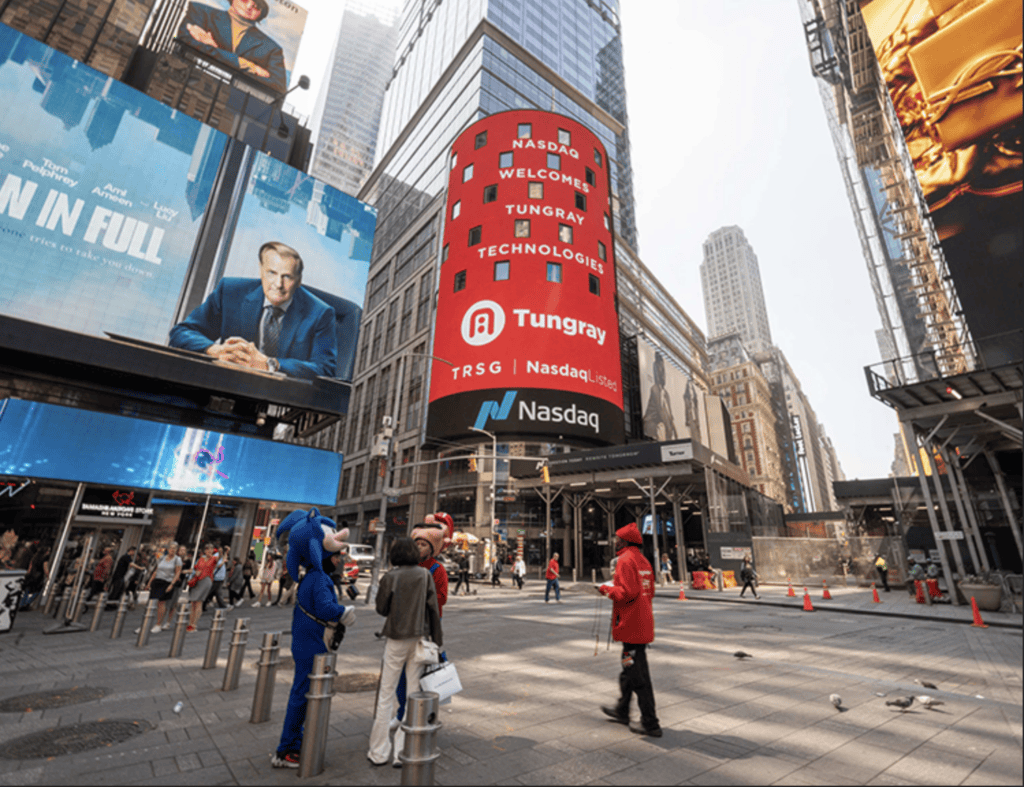
Times Square is the most recognizable advertising environment on earth. The intersection of Broadway and 7th Avenue in Midtown Manhattan is covered with over 300 digital screens, spectaculars, and LED displays running 24 hours a day, generating more advertising real estate per square block than any other location in the world. For certain brand campaigns and certain campaign objectives, there is genuinely no substitute for the visual scale and cultural symbolism of a Times Square placement.
But Times Square advertising is also among the most expensive out-of-home real estate in the world, with pricing that puts it well outside most brands’ reach for anything more than a brief, special occasion purchase. And critically — despite its impression volume — Times Square’s audience is primarily tourists, not the New York City residents and target consumers that most brands actually need to reach. The 50 million annual visitors to Times Square are impressive in aggregate but often poorly matched to campaigns targeting New York’s residents, workers, and cultural tastemakers.
This guide covers what Times Square billboard advertising costs, how it’s purchased, when it makes strategic sense, and what alternatives exist for brands that need genuine NYC visibility without the Times Square price structure or tourist-heavy audience mix.
What Times Square Billboard Advertising Actually Costs
Times Square advertising pricing is not standardized, and published rate cards are rare. Costs vary dramatically by screen size, location within the Square, format (static display vs. video loop vs. full-motion), and time of year. The following ranges reflect market-accurate estimates based on available public data.
Standard Digital Display Units
Standard-size digital display units in Times Square — the smaller screens that rotate advertising among multiple advertisers in a loop — typically run $5,000–$50,000 per week. These units reach Times Square’s 330,000+ daily visitors with a fraction of each unit’s total display time allocated to any single advertiser. The lower end of this range represents older or secondary-location screens; units in prime Broadway and 7th Avenue locations command higher rates.
Large-Format Spectaculars and Premium Screens
The iconic large-format screens that dominate Times Square’s skyline — the screens visible across the full width of Broadway, the prominent corner locations, and the building-top spectaculars — command dramatically higher rates. Full-motion large-format placements typically run $100,000–$500,000 per month depending on screen specifications and location. Flagship positions adjacent to the TKTS steps or One Times Square command premium pricing above these ranges.
Full-Building Wraps and Spectaculars
Full-building advertising wraps — covering an entire building facade facing Times Square — represent the highest tier of Times Square media investment. These campaigns, when available, run $500,000–$2,000,000+ for a month of exclusive display. Entertainment studios running major releases and luxury brands marking milestone campaigns are the primary users of this format.
Short-Run and Special Occasion Purchases
Some Times Square screen operators offer shorter purchase windows for special occasions — birthdays, proposals, product announcements — on smaller screens at compressed time windows. These placements run $150–$500 per 15-second slot or $1,000–$5,000 for longer runs on a single screen for a defined window. These aren’t scalable advertising campaigns; they’re personal or promotional moments that carry the visual association of Times Square without the media campaign investment.
The Times Square Audience: What Brands Need to Know
Before evaluating Times Square as an advertising channel, brands need to understand who is actually in Times Square — because the answer significantly affects whether the format is appropriate for their objectives.
Tourist-Dominant Demographics
Times Square’s 330,000+ daily visitors are predominantly tourists. Estimates suggest that 80–90% of Times Square’s daytime visitors are domestic or international tourists rather than NYC residents going about their daily lives. For brands selling consumer products in New York City, advertising in Times Square reaches a self-selected audience of people who explicitly came to see Times Square — not the Brooklyn residents, Manhattan professionals, or Queens families that constitute the actual NYC consumer market.
When the Tourist Audience Works
The tourist-dominant Times Square audience is a genuine asset for campaigns where the tourist or traveler demographic is the actual target. Tourism brands, global retail flags, entertainment releases targeting international audiences, and luxury brands seeking aspirational global visibility all benefit from Times Square’s tourist composition. For a global brand that wants to reach consumers from 150 countries simultaneously, Times Square is genuinely efficient — you’d pay far more to reach the same geographic diversity through country-specific media buys.
The Resident Alternative: Neighborhood-Level NYC Reach
For brands that need to reach New York City’s actual residents — the consumers who live in the five boroughs, commute to work on the subway, and make purchasing decisions in the specific neighborhoods where they live — Times Square is the wrong channel. Those consumers are in Williamsburg, Astoria, the Bronx, Crown Heights, and Bed-Stuy. They’re not walking through Times Square on their way to work. Reaching them requires neighborhood-level activations in the places where they actually spend time: wheatpaste campaigns in their neighborhoods, street team activations at their transit stops, and LED trucks in their commercial corridors.
When Times Square Billboard Advertising Makes Sense
Despite its limitations, Times Square advertising serves genuine strategic purposes for specific campaign types. Understanding when the format is the right tool — and when it isn’t — is the foundational planning question.
Global Brand Milestone Campaigns
Times Square has cultural weight that transcends its impression count. When a global brand wants to mark a milestone — a major launch, an anniversary, an awards campaign — a Times Square placement communicates scale and ambition in a way that no other single advertising location can match. The value here isn’t primarily impressions; it’s the cultural statement of choosing the most visible advertising location on earth for a significant brand moment. This value is real and can justify premium pricing for the right brand and the right moment.
Entertainment and Film Releases
Entertainment studios routinely book Times Square inventory for major releases, particularly those with international appeal and a global theatrical release strategy. The visual of a movie poster covering a Times Square spectacular becomes a press photo, a social media image, and a cultural marker that extends the campaign’s reach far beyond the pedestrians who see it in person. Times Square entertainment placements frequently earn press pickup in entertainment media globally — a media value that multiplies the direct impression investment.
Social Media Content Campaigns
The “surprise Times Square birthday/anniversary” trend — and its brand marketing equivalent — generates highly shareable social content from the surprise recipient and from surrounding pedestrians who photograph the screen. Some brands execute Times Square purchases primarily as content generation vehicles, using the footage and photography as social media assets that reach far more people digitally than the in-person impression count would suggest. The cost-per-social-impression from this content generation model can be more favorable than the cost-per-pedestrian-impression calculation alone.
Times Square Alternatives: NYC Visibility Without Times Square Pricing
For most brands, the strategic question is not “should we advertise in Times Square?” but rather “how do we build genuine NYC brand presence efficiently?” The answer for most campaigns is neighborhood-level street marketing rather than Times Square media buys.
Guerrilla Marketing in Target Neighborhoods
A comprehensive guerrilla marketing campaign targeting specific NYC neighborhoods — Williamsburg, SoHo, the Lower East Side, Astoria, Crown Heights — reaches the actual NYC consumers that most brands need to build relationships with, at CPMs that compare favorably to Times Square even before accounting for the demographic precision advantage. Our guerrilla marketing services are specifically designed for this kind of targeted neighborhood penetration across the five boroughs.
LED Billboard Trucks Across Five Boroughs
LED billboard trucks provide high-brightness digital display capability in any neighborhood in NYC without fixed-location pricing constraints. A truck routing through Williamsburg on Saturday afternoon, Astoria on Sunday, and the Bronx during a weekday lunch hour reaches three distinct target demographics in a single campaign day — a geographic flexibility that Times Square’s fixed location can’t replicate. For brands that need both the visual impact of digital OOH and the demographic precision of neighborhood-level targeting, LED trucks are often the highest-efficiency NYC digital display option.
Wheatpasting Networks in Resident Neighborhoods
A curated wheatpaste campaign across target neighborhoods creates the visual saturation that consumer brands need in the areas where their actual customers live, commute, and shop. A poster network covering 40 locations across Brooklyn and Queens reaches more of the right audience than a single Times Square digital unit at a fraction of the cost. The format works at street level — the same eye-contact zone where pedestrians walk — rather than the overhead angle that most Times Square screens occupy.
Experiential Activations at High-Traffic NYC Zones
For brands seeking the iconic NYC activation moment without Times Square pricing, experiential marketing events in iconic but more accessible NYC locations — Brooklyn Bridge Park, the High Line, Bryant Park, or the Oculus in Lower Manhattan — create genuine NYC landmark moments without Times Square’s cost structure. These locations carry strong visual identity and social sharing potential while reaching a much more diverse and often more locally-connected audience than Times Square provides.
Buying Times Square Advertising: How the Process Works
For brands that do decide to invest in Times Square advertising, understanding the purchasing process prevents costly misunderstandings about what’s available, at what cost, and how inventory is transacted.
Inventory Owners and Operators
Times Square’s advertising inventory is fragmented across multiple operators. The largest — Lamar Advertising, Clear Channel Outdoor, Outfront Media, and OUTFRONT — control significant screen inventory in and adjacent to the Square. Individual building owners in Times Square also operate their own advertising displays, often through direct sales or dedicated outdoor advertising representatives. There is no single point of purchase for “Times Square advertising” as a category; the right buying process depends on which screens and locations are relevant to the specific campaign.
Lead Times and Production Requirements
Premium Times Square inventory is often booked weeks to months in advance, particularly for Q4 holiday periods, New Year’s Eve (the single most competitive Times Square advertising moment of the year), and major entertainment release windows. Campaigns targeting specific dates should expect to finalize placement decisions and creative at least 4–8 weeks before deployment. Creative specifications vary by screen operator and should be confirmed before campaign planning finalizes creative dimensions and file formats.
Third-Party Buying Through OOH Agencies
Most Times Square advertising is purchased through out-of-home advertising agencies that maintain established relationships with the major operators. These agencies can aggregate buying across multiple operators, negotiate favorable rates on high-volume spends, and provide single-point-of-contact campaign management for complex multi-screen buys. Direct buys are possible but often require navigating multiple operator relationships simultaneously.
Integrating Times Square Placement with Street-Level Campaigns
The brands that extract maximum value from Times Square advertising typically don’t use the placement in isolation. They layer it with street-level tactics that reach the residential NYC audience Times Square misses, creating campaigns with both the cultural statement of Times Square presence and the demographic precision of neighborhood guerrilla activation.
Times Square Anchor + Neighborhood Distribution
A Times Square billboard placement combined with wheatpasting and street team activations in target NYC neighborhoods creates a campaign with both scale and precision. The Times Square component provides cultural gravity and press hook potential; the neighborhood components reach actual target consumers where they live. The combination cost is often still below a premium Times Square-only buy but delivers far superior total campaign performance.
Content Strategy Integration
Photography and video documentation of the Times Square placement generates social and press content that should be planned in advance and integrated into the broader campaign content calendar. The Times Square moment is as valuable as a content asset as it is as an impression — often more so, given the press and social sharing it generates. Planning the content capture strategy before the campaign runs ensures the Times Square investment generates maximum value across all channels. Our mobile billboard and brand ambassador services frequently support Times Square anchor campaigns with neighborhood-level distribution that the primary media buy doesn’t reach.
Frequently Asked Questions About Times Square Billboard Advertising
How much does a Times Square billboard cost?
Times Square digital billboard advertising costs range from $5,000 to $50,000+ per week for standard digital display units, with premium large-format screens and spectaculars running $100,000+ per month. Full-building wraps and spectaculars in prime locations can cost $250,000–$500,000 per month or more. Cost varies significantly by screen size, location within the Square, and time of year.
Who can afford Times Square billboard advertising?
Times Square billboard advertising is primarily accessible to Fortune 500 companies, major global brands, entertainment studios running major releases, and brands for whom the association with Times Square is itself a core campaign objective. Smaller brands occasionally purchase short runs on lower-cost screens for special occasions or content generation.
What are the best alternatives to Times Square billboard advertising?
For brands that want NYC street presence without Times Square pricing, the best alternatives include guerrilla marketing campaigns in high-density neighborhoods (SoHo, Williamsburg, LES, Astoria), LED billboard truck deployments across NYC boroughs, wheatpasting networks in target demographic neighborhoods, and street team activations at high-traffic pedestrian zones throughout the city.
Is Times Square billboard advertising worth the cost?
For brands whose campaign objective is the cultural statement of being in Times Square, yes. For brands primarily seeking NYC consumer impressions and conversions among NYC residents, the cost-per-qualified-impression of Times Square advertising is generally much higher than targeted neighborhood campaigns. The Times Square audience skews heavily toward tourists, not the NYC residents that most consumer brands need to reach.
How do you buy a Times Square billboard?
Times Square billboard inventory is primarily owned by Lamar Advertising, Clear Channel Outdoor, Outfront Media, and building-specific operators. Campaigns are purchased through these companies directly or through outdoor advertising agencies that maintain media buying relationships with the inventory owners. Most premium inventory requires 4–8 weeks of lead time.
How can American Guerrilla Marketing help with NYC advertising?
We specialize in high-impact, cost-efficient NYC street campaigns — wheatpasting in targeted neighborhoods, LED billboard trucks across all five boroughs, street teams in demographic-specific locations, and experiential activations that reach NYC residents rather than tourists. We operate from Industry City, Brooklyn and cover all five boroughs. Call (646) 776-2770 to discuss your NYC campaign objectives.
Frequently Asked Questions
What is times square billboard advertising guide?
American Guerrilla Marketing provides times square billboard advertising guide services across 50+ U.S. markets. Every campaign is planned, scouted, executed, and GPS-documented by our field teams. We work with regional brands and Fortune 500 companies on campaigns that require real street-level execution and documented proof of performance.
How does AGM approach advertising guide?
Our process starts with a market consultation to understand your goals, target audience, and budget. We then scout locations, handle any required permissions or permits, coordinate production and installation with our local crews, and provide a full GPS-tagged photo report after the campaign runs.
What markets does American Guerrilla Marketing cover for advertising guide?
We operate in 50+ U.S. markets including New York, Los Angeles, Chicago, Miami, Houston, Atlanta, Seattle, Denver, Boston, and dozens of secondary markets. Contact us to confirm availability and pricing for your specific market.
How much does a advertising guide campaign cost?
Campaign pricing depends on market, format, quantity, and duration. We work with budgets ranging from targeted single-market runs to national rollouts across multiple cities. Use our RFP Builder or contact us directly for a custom quote based on your specific campaign requirements.
How do I get started with advertising guide through AGM?
The fastest way to get started is to submit your campaign details through our RFP Builder at americanguerrillamarketing.com, or contact us directly at [email protected] or (646) 776-2770. Our team typically responds within one business day with availability and initial pricing.