Urban consumers are among the most marketing-sophisticated audiences in the world. They’ve been exposed to more advertising per square mile of their daily life than any other demographic group, and they’ve developed corresponding defenses: they filter, scroll past, ignore, and actively resist messages that feel generic, inauthentic, or out of place in their neighborhood’s cultural ecosystem. The brands that cut through aren’t necessarily spending more — they’re spending smarter, in the right places with the right cultural fluency.
That’s the core argument for working with an urban advertising agency rather than a general market agency or a traditional OOH media buyer. Urban agencies understand that “New York City” is not a market — it’s a collection of dozens of distinct markets, from Williamsburg to Washington Heights, each with its own culture, demographics, and brand sensibility. The campaign that lands in SoHo might fall flat in Flushing. The creative that resonates in Crown Heights might not connect in the West Village. Hyperlocal marketing is not a niche preference; it’s the strategic reality of how urban consumers actually experience advertising.
This guide explains what urban advertising agencies do, why hyperlocal marketing consistently outperforms broad city-wide campaigns in dense urban environments, and what to look for when evaluating agencies for your urban marketing program.
What Urban Advertising Agencies Do
Urban advertising agencies specialize in marketing environments that differ fundamentally from suburban and rural media contexts. Cities are walkable, transit-connected, and dense — which creates unique opportunities for physical advertising formats that have no equivalent in car-centric markets.
Street-Level Format Expertise
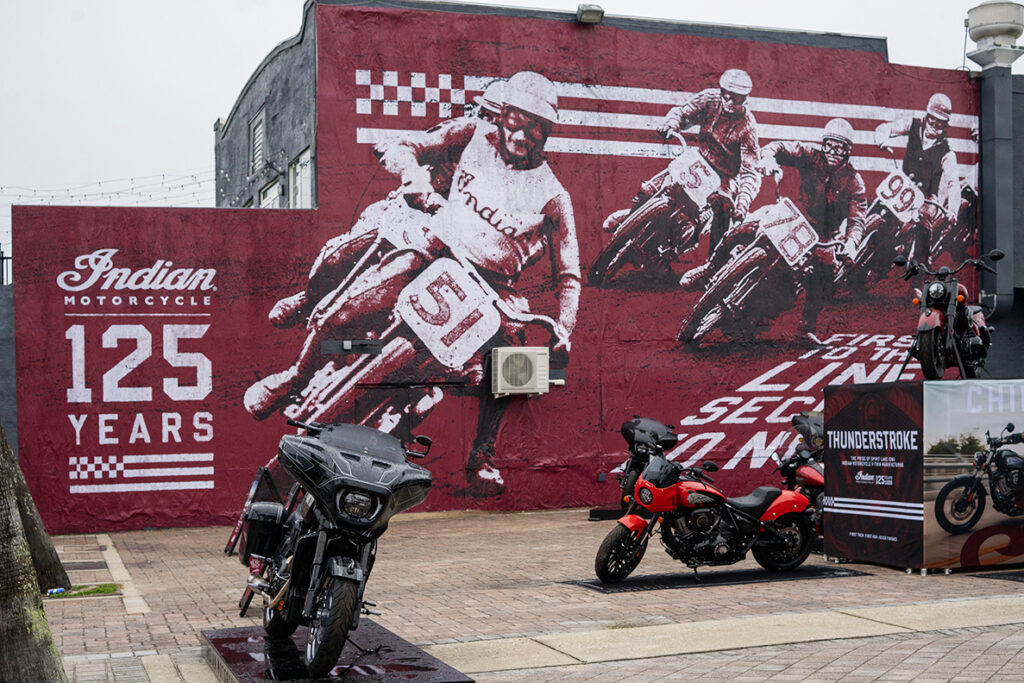
The formats that urban advertising agencies specialize in are inherently physical and geographically precise. Wheatpasted poster campaigns, brand murals, sidewalk stencils, street teams, LED billboard trucks, experiential events, and projection advertising all depend on specific geographic placement within cities where foot traffic, transit density, and neighborhood culture intersect. This expertise doesn’t exist at general market agencies or traditional OOH buyers, which is why brands that need urban penetration consistently get better results from specialists. Our guerrilla marketing services are built entirely around this urban format expertise.
Neighborhood-Level Intelligence
Effective urban advertising requires granular neighborhood knowledge that goes far beyond city demographics. An agency needs to know which blocks have the most pedestrian flow in Williamsburg on a Saturday versus a Tuesday. They need to know which walls in Wynwood have the strongest photography angles. They need to know which street corners in Chicago’s Wicker Park neighborhood attract the creative professional demographic that a given client needs to reach. This kind of neighborhood-level intelligence is built through years of operational presence in specific markets — it can’t be replicated through market research alone.
Cultural Fluency and Authenticity Management
Urban advertising that feels inauthentic to a neighborhood’s cultural identity generates backlash rather than engagement. A brand that parachutes into a community with messaging that feels imported rather than earned can damage its reputation with exactly the consumers it was trying to reach. Urban agencies serve as cultural translators — ensuring that campaigns speak the language of their target neighborhoods without appropriating or misrepresenting the communities they’re activating in.
Multi-Format Campaign Integration
The most effective urban advertising campaigns layer multiple formats — wheatpasting for visual saturation, street teams for direct engagement, murals for long-term presence, LED trucks for launch moments — into a coordinated campaign that creates omnipresence within a defined geographic zone. This integration requires planning capability, vendor coordination, and operational execution that only agencies with full-service urban marketing capabilities can deliver.
Why Hyperlocal Marketing Outperforms Broad Urban Campaigns
The instinct in media planning is often to go broad — reach the entire city, capture every potential consumer, maximize impression count. In urban environments, this instinct consistently produces lower ROI than targeted hyperlocal investment. Here’s why.
Urban Neighborhoods Are Distinct Markets
A single metro area like New York City contains communities that differ more dramatically from each other than many distinct smaller cities. The demographics, cultural references, purchasing behaviors, and brand affinities of Bed-Stuy residents differ significantly from those of Tribeca residents. A campaign targeted to both simultaneously is actually targeted to neither — it’s built to the average of two distinct populations and therefore resonates fully with neither. Hyperlocal campaigns built for specific neighborhoods perform better because they’re actually relevant to the people they reach.
Urban Foot Traffic Is Highly Localized
Urban residents have walking patterns that are far more neighborhood-specific than suburban drivers’ geographic range. A resident of Astoria, Queens might commute to Midtown Manhattan daily but rarely venture to Brooklyn for leisure. They shop, eat, and socialize within a relatively tight geographic radius of their home neighborhood. A brand that places its campaign in that resident’s actual daily environment — their neighborhood, their commute route, their lunch-break zone — creates far more relevant impressions than a campaign spread thinly across the metro area.
Cultural Relevance Multiplies Impression Value
An impression in a context that’s culturally relevant to a consumer is worth multiples more than the same impression in an irrelevant context. A streetwear campaign in Williamsburg reaches a consumer who is actively engaged with streetwear culture; the same impression in Midtown reaches a financial services professional who is not. Hyperlocal targeting concentrates impressions in contexts of maximum cultural relevance, multiplying the per-impression value of every campaign dollar spent.
Earned Media Amplification in Communities
Campaigns embedded in specific communities generate community-specific earned media — posts, shares, and conversations within the networks of people who live in that neighborhood. This earned media amplification is more powerful within tight community networks than it is from broadly placed mass-market campaigns, because the amplification carries the implicit endorsement of people the consumer knows and trusts. A neighbor’s Instagram post about a mural in their neighborhood reaches that neighbor’s community of actual acquaintances — the most trusted referral network available to any brand.
Core Urban Advertising Formats and Their Strategic Roles
Effective urban advertising campaigns are built from a menu of formats, each with distinct reach profiles, cost structures, and strategic use cases. Understanding the format ecosystem helps brands and agencies build campaigns that match the right tools to the right objectives.
Wheatpasting and Poster Campaigns
Wheatpasted poster campaigns are the highest-volume, most cost-efficient format for building visual saturation in urban neighborhoods. Large-format paper posters on permitted surfaces in pedestrian-heavy corridors create dense brand presence at CPMs that traditional OOH rarely matches. The format is deployed quickly, has high creative flexibility, and works at the exact eye-level where urban pedestrians spend most of their visual attention.
Street Teams and Brand Ambassadors
Human presence is the most direct form of urban brand communication. Professional brand ambassadors deployed in target neighborhoods create face-to-face interactions that passive formats can’t replicate — and the quality of a personal brand interaction far exceeds the quality of a passive impression from a poster or billboard. Street teams work best when anchored to specific high-traffic zones with clear activation objectives and strong brand training.
Sidewalk Stencils
Ground-level sidewalk stencils operate in a unique visual space — the surface that urban pedestrians literally walk on. Water-soluble chalk stencils create temporary but highly visible brand impressions that exist in the pedestrian’s direct line of sight rather than competing with other vertical surfaces. The format is particularly effective as a directional tool and as an ambient layer in dense campaigns.
LED Billboard Trucks and Mobile Displays
LED billboard trucks and mobile billboards provide the urban advertising ecosystem’s most flexible format — high-impact visual displays that go where the audience is rather than waiting for the audience to come to them. For time-sensitive campaigns, event-adjacent activations, and multi-neighborhood reach in a single campaign day, mobile displays are often the highest-efficiency format available.
Experiential Marketing Events
Experiential marketing activations create immersive brand moments in urban environments. Pop-up events, interactive installations, and brand experience activations generate the highest per-consumer engagement of any format in the urban advertising toolkit. The investment is higher per impression, but the quality and memorability of experiential engagement produces brand affinity outcomes that passive formats can’t approach.
Evaluating Urban Advertising Agencies: What to Look For
Not all urban advertising agencies have equivalent capabilities. The market includes operations ranging from sophisticated, documentation-focused agencies with genuine national scale to local operators with limited reach and inconsistent execution. Evaluating agencies carefully before committing campaign budgets prevents expensive disappointments.
Market Coverage Depth vs. Breadth
Agencies that claim to cover 100 markets often have thin presence in most of them — they broker work to local vendors without operational oversight. Agencies with genuine depth in 30–50 markets, with local team leads and established vendor networks in each, consistently outperform broader networks with shallower local operations. Ask specifically about the structure of their presence in your target markets.
Documentation Standards
Professional urban advertising agencies provide GPS-verified documentation of every placement — timestamped photos and video from each location, organized by neighborhood and format. If an agency’s documentation standard is blurry phone photos in a shared folder, that’s not a professional operation. Request documentation samples from past campaigns before signing any agreement.
Compliance Track Record
Urban advertising formats carry real legal risk when executed without proper compliance frameworks — unauthorized placements generate fines, cleanup orders, and brand reputational damage. Ask agencies specifically about their permit processes in each market and format, their compliance track record, and their protocol for handling enforcement situations when they arise.
Category Experience
Agencies with experience in your specific industry category bring relevant campaign precedents, format recommendations calibrated to your audience, and creative instincts that generic agencies lack. An agency that has executed dozens of entertainment release campaigns in NYC will produce better results for your film launch than one whose portfolio is primarily CPG brands in a single city.
Why American Guerrilla Marketing Is Built for Urban Campaigns
We’ve operated in the urban advertising space since our founding, running campaigns across the full format spectrum — from wheatpasting to experiential — in 50+ U.S. markets. Our base in Industry City, Brooklyn gives us genuine street-level roots in one of the world’s most demanding urban advertising environments. Everything we do starts and ends with documented proof of performance: GPS-verified deployment logs, timestamped photography, and campaign reports that show exactly where and how each dollar was deployed.
We work with brands across categories — entertainment, fashion, tech, food and beverage, consumer electronics, beauty — deploying campaigns at every budget scale from focused single-neighborhood activations to full multi-city campaigns with simultaneous market presence across 20+ cities. The strategy is always the same: right neighborhood, right format, right timing, documented delivery. Our projection advertising and experiential marketing capabilities extend our urban advertising portfolio into the highest-impact format categories alongside our core guerrilla and street marketing services.
Frequently Asked Questions About Urban Advertising Agencies
What is an urban advertising agency?
An urban advertising agency specializes in marketing campaigns designed for dense city environments — using street-level formats, neighborhood-specific targeting, and culturally resonant creative to reach urban consumers where they actually live and move. Urban agencies typically offer formats like wheatpasting, murals, street teams, guerrilla marketing, and experiential activations alongside or instead of traditional OOH media.
Why does hyperlocal marketing work better in cities?
Urban consumers move through distinct neighborhood ecosystems with different cultural identities, demographic compositions, and behavioral patterns. Hyperlocal marketing creates relevance that generic city-wide campaigns can’t achieve. A campaign that speaks to the specific culture of a target neighborhood lands with far greater resonance than one treating the entire metro area as an undifferentiated mass market.
How much does urban advertising cost?
Urban advertising campaign costs vary widely by format and scope. Neighborhood-level guerrilla campaigns start at $5,000–$15,000 per market. Full multi-format urban campaigns with street teams, posters, stencils, and mobile displays run $25,000–$100,000+ per market. The format’s targeting precision often delivers superior cost-per-qualified-impression versus traditional metro-wide OOH buys.
What formats do urban advertising agencies offer?
Urban advertising agencies typically offer wheatpasting and poster campaigns, brand murals, sidewalk stencils, street teams, LED billboard trucks, mobile billboards, experiential marketing events, projection advertising, and brand ambassador programs. The best agencies build multi-format campaigns that layer these tactics for maximum urban market penetration.
What cities does American Guerrilla Marketing serve?
We operate in 50+ U.S. markets including New York City, Los Angeles, Chicago, Miami, Houston, Phoenix, Philadelphia, San Diego, Dallas, San Francisco, Austin, Nashville, Charlotte, Denver, Seattle, and many more. Our base is Industry City, Brooklyn, NY — (646) 776-2770.
How do you choose the right urban advertising agency?
Evaluate agencies on: documented performance in the specific markets you need, compliance track record across format types, quality and specificity of documentation deliverables, local network depth in target neighborhoods, and evidence of integrated campaign planning capability. Ask for references from campaigns in your specific target market and category before committing.
Frequently Asked Questions
What is urban advertising agency guide?
American Guerrilla Marketing provides urban advertising agency guide services across 50+ U.S. markets. Every campaign is planned, scouted, executed, and GPS-documented by our field teams. We work with regional brands and Fortune 500 companies on campaigns that require real street-level execution and documented proof of performance.
How does AGM approach agency guide?
Our process starts with a market consultation to understand your goals, target audience, and budget. We then scout locations, handle any required permissions or permits, coordinate production and installation with our local crews, and provide a full GPS-tagged photo report after the campaign runs.
What markets does American Guerrilla Marketing cover for agency guide?
We operate in 50+ U.S. markets including New York, Los Angeles, Chicago, Miami, Houston, Atlanta, Seattle, Denver, Boston, and dozens of secondary markets. Contact us to confirm availability and pricing for your specific market.
How much does a agency guide campaign cost?
Campaign pricing depends on market, format, quantity, and duration. We work with budgets ranging from targeted single-market runs to national rollouts across multiple cities. Use our RFP Builder or contact us directly for a custom quote based on your specific campaign requirements.
How do I get started with agency guide through AGM?
The fastest way to get started is to submit your campaign details through our RFP Builder at americanguerrillamarketing.com, or contact us directly at [email protected] or (646) 776-2770. Our team typically responds within one business day with availability and initial pricing.